

































































































FREE Worldwide Delivery
FREE Worldwide Delivery
FREE Worldwide Delivery
FREE Worldwide Delivery
FREE Worldwide Delivery
FREE Worldwide Delivery
FREE Worldwide Delivery

FREE Worldwide Delivery

FREE Worldwide Delivery
FREE Worldwide Delivery
FREE Worldwide Delivery
FREE Worldwide Delivery
FREE Worldwide Delivery
FREE Worldwide Delivery
FREE Worldwide Delivery
FREE Worldwide Delivery
FREE Worldwide Delivery
FREE Worldwide Delivery
FREE Worldwide Delivery
FREE Worldwide Delivery

About Our Bronze Tiger Statues
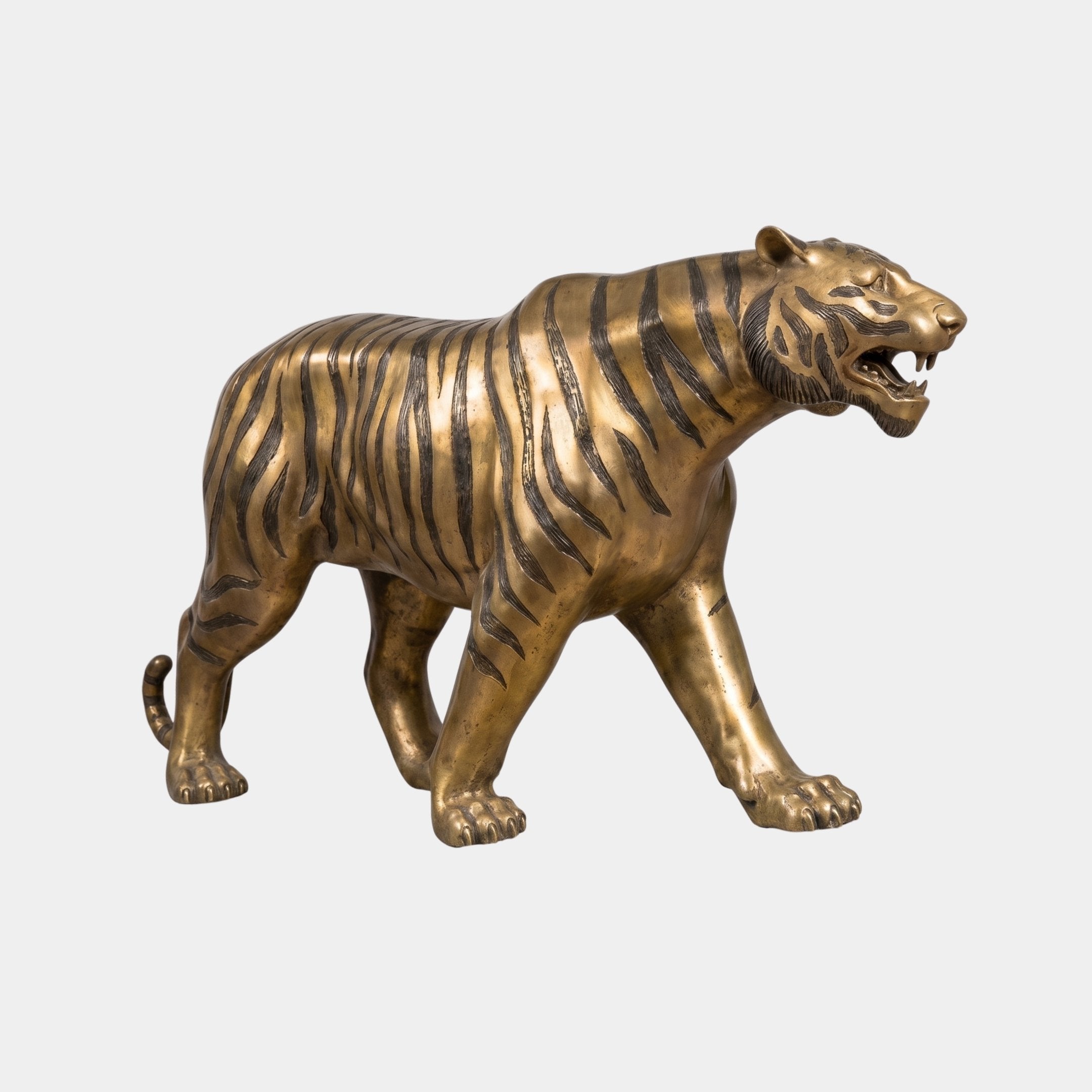
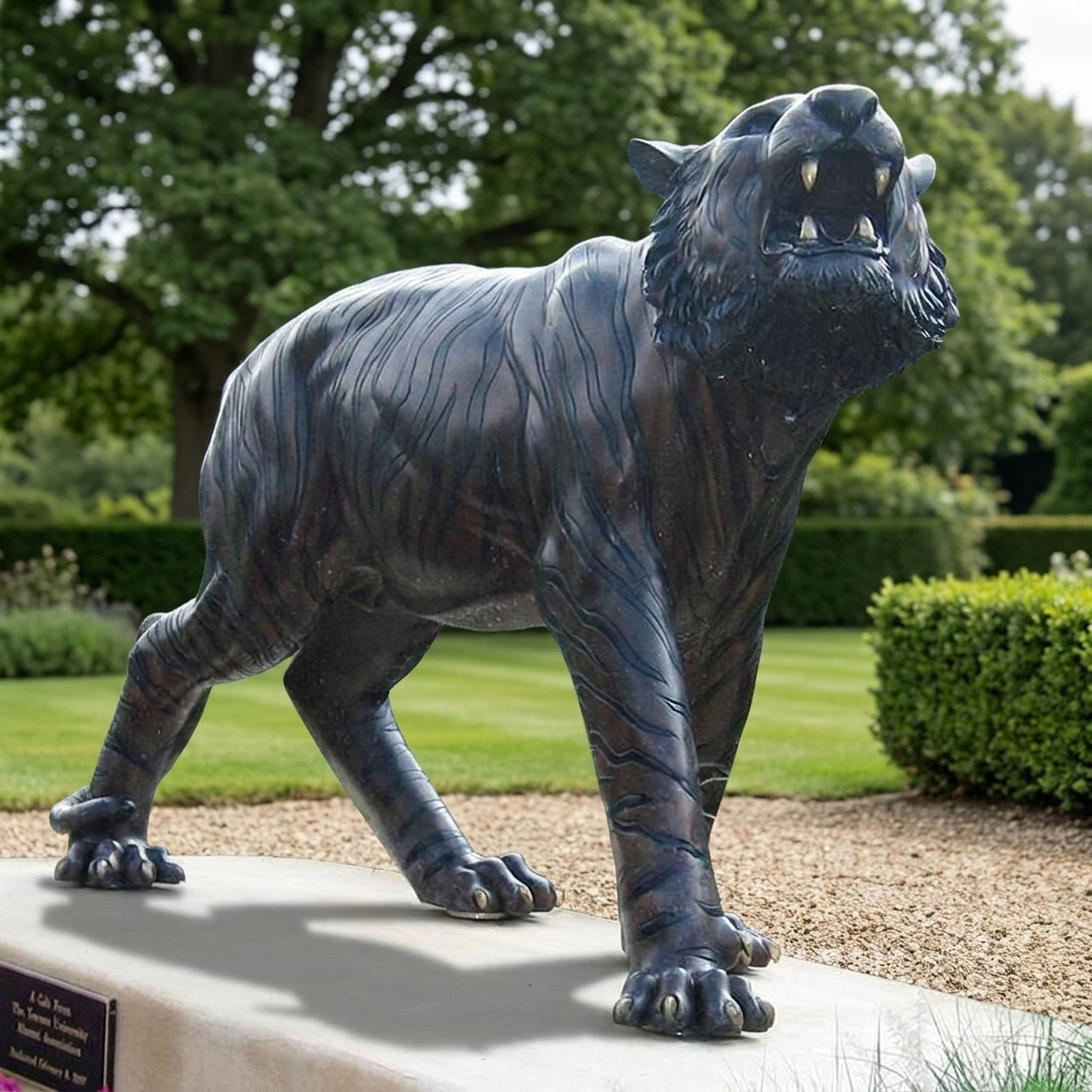
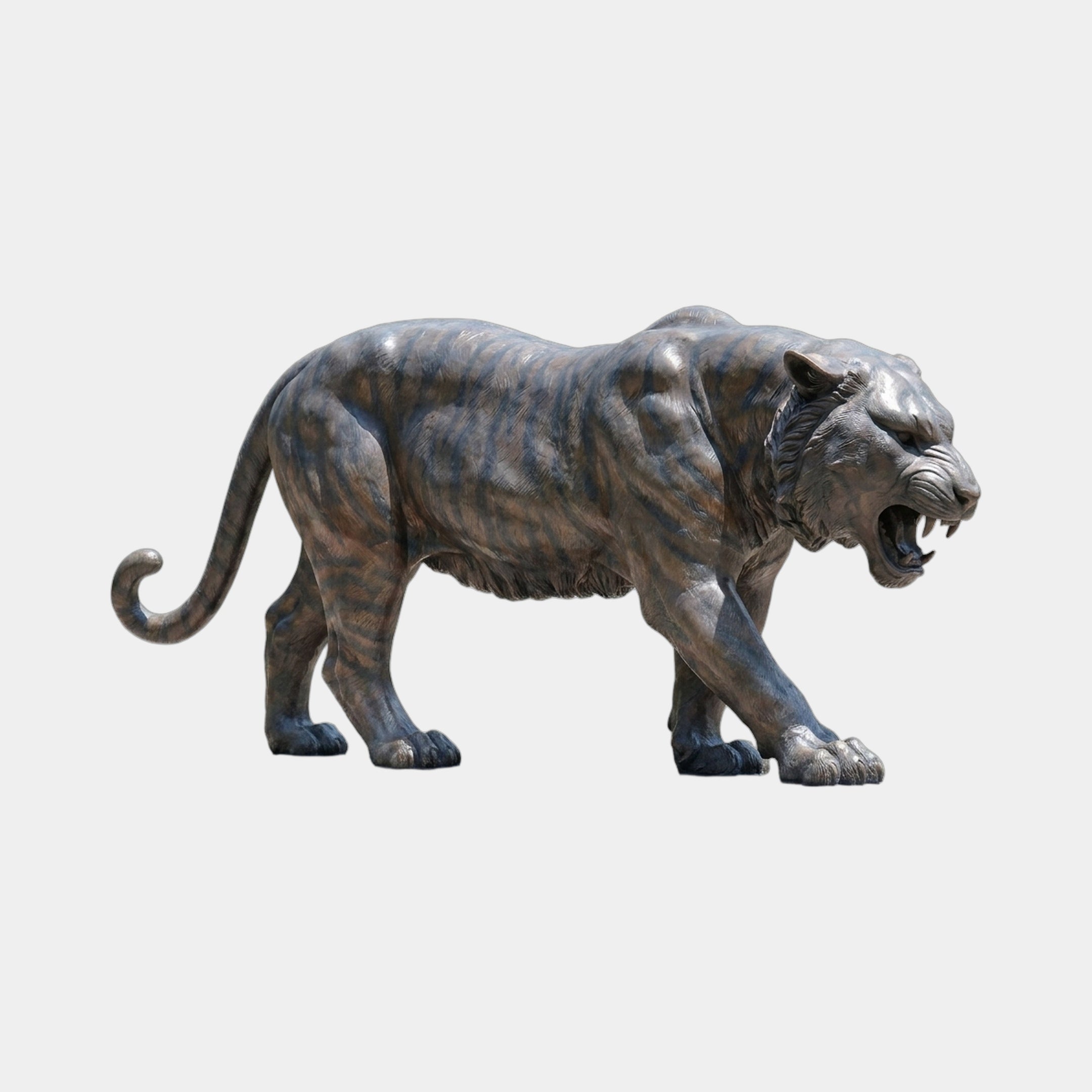
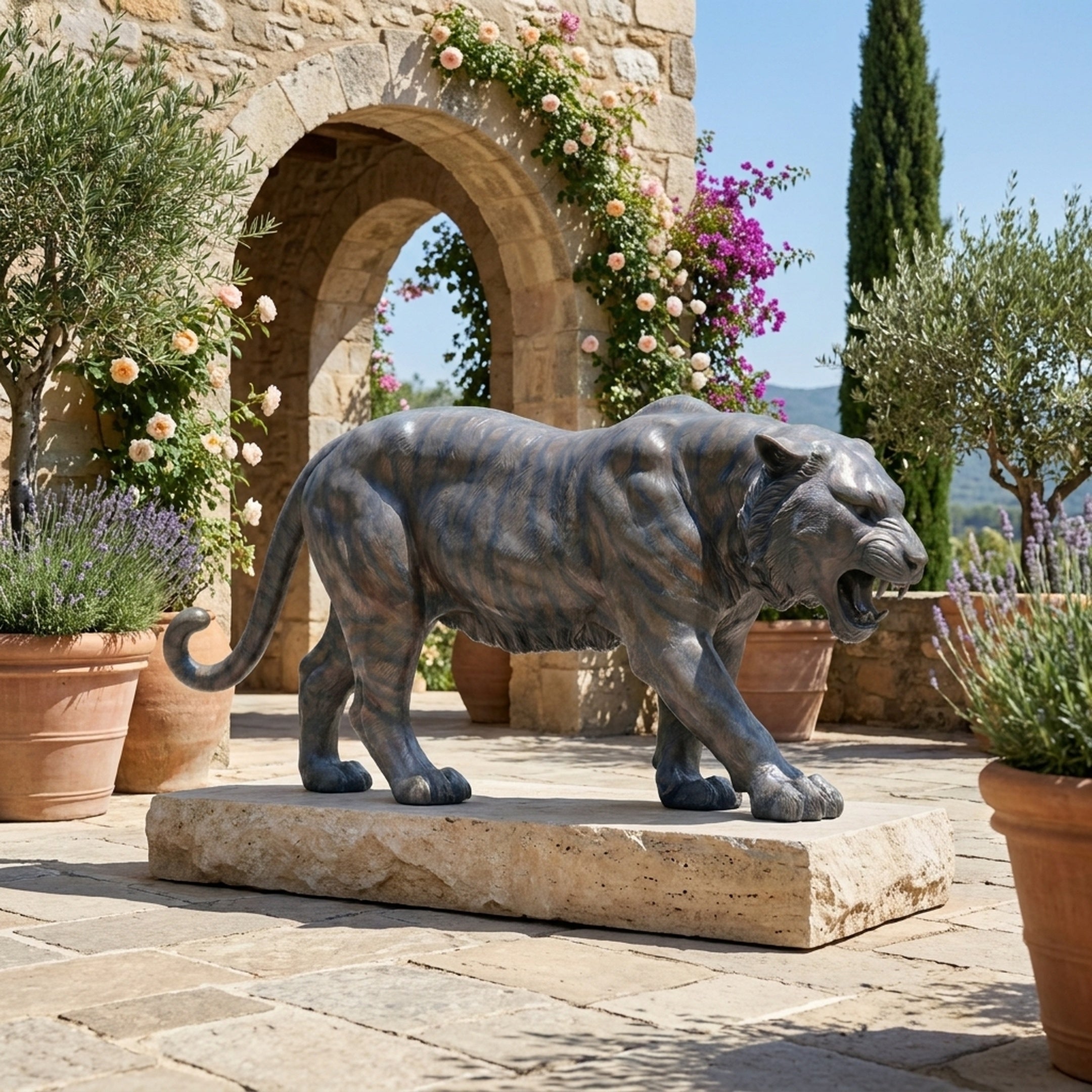
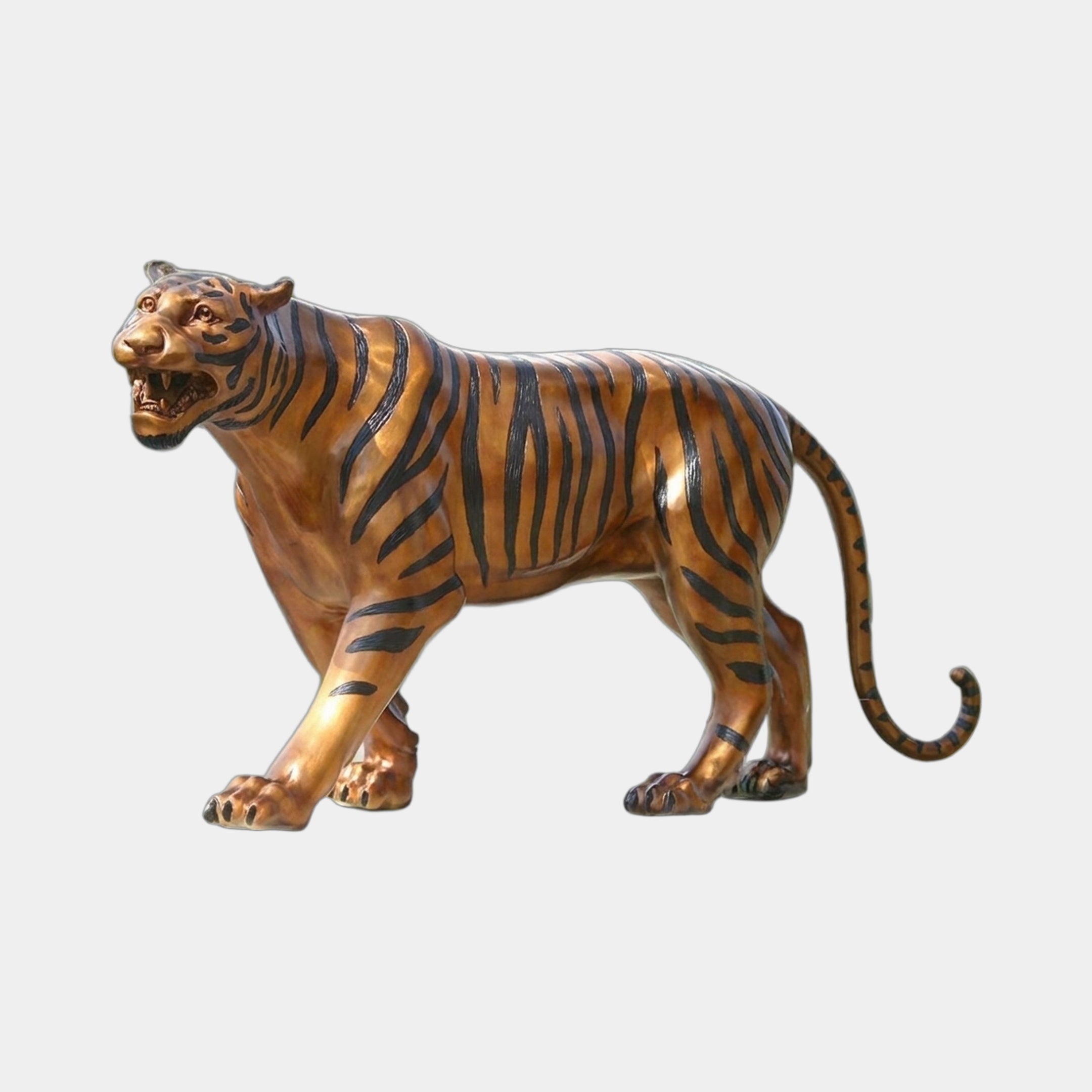
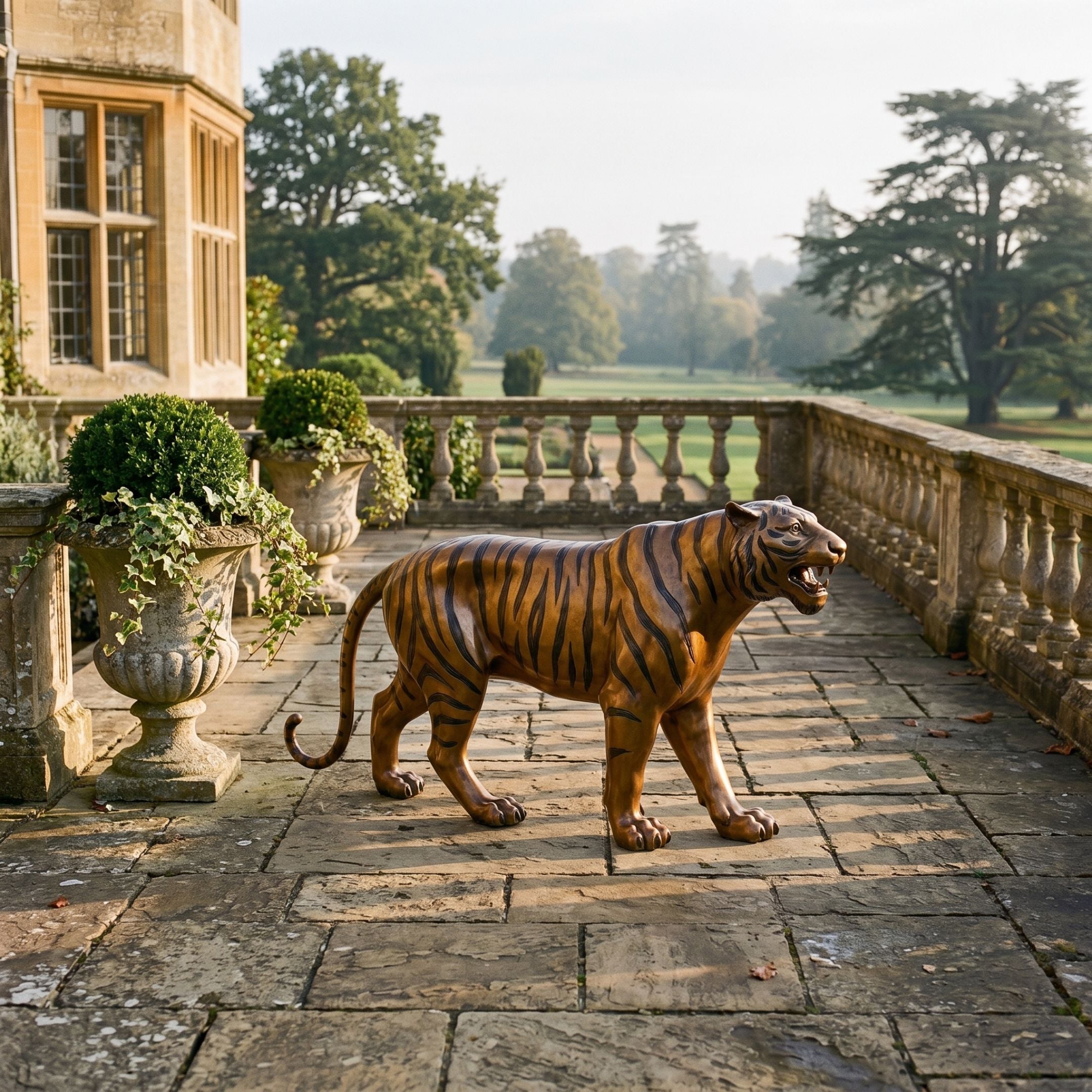
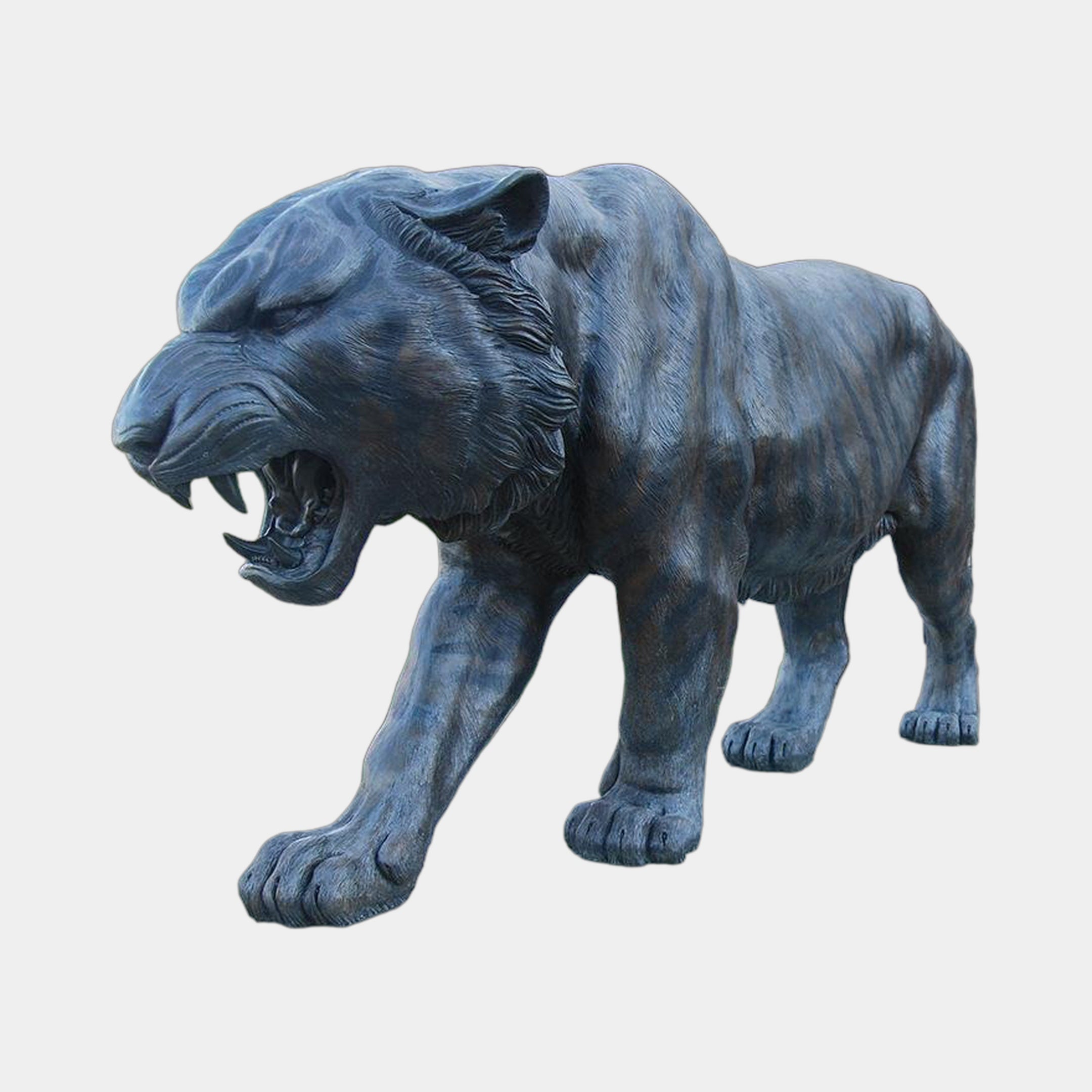
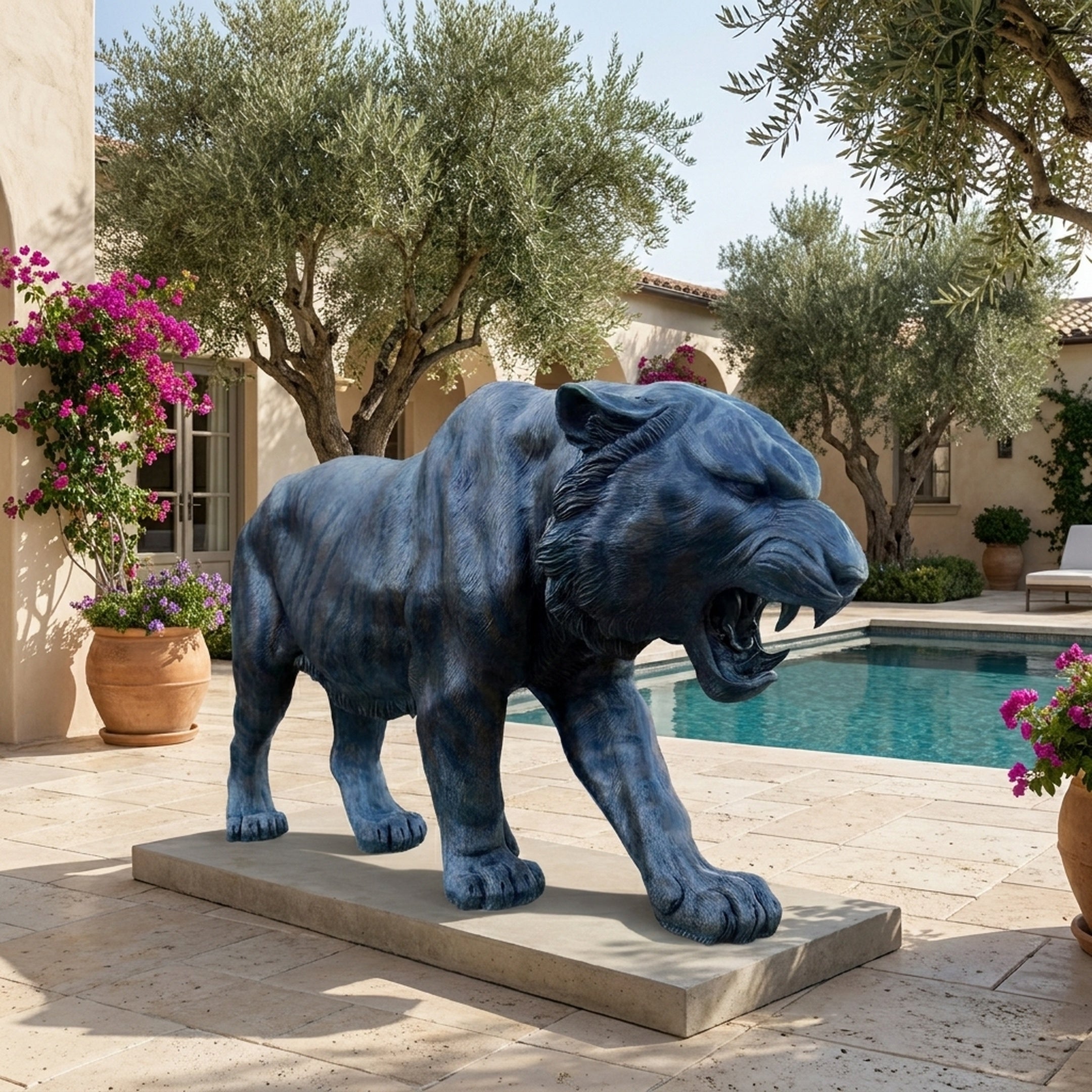
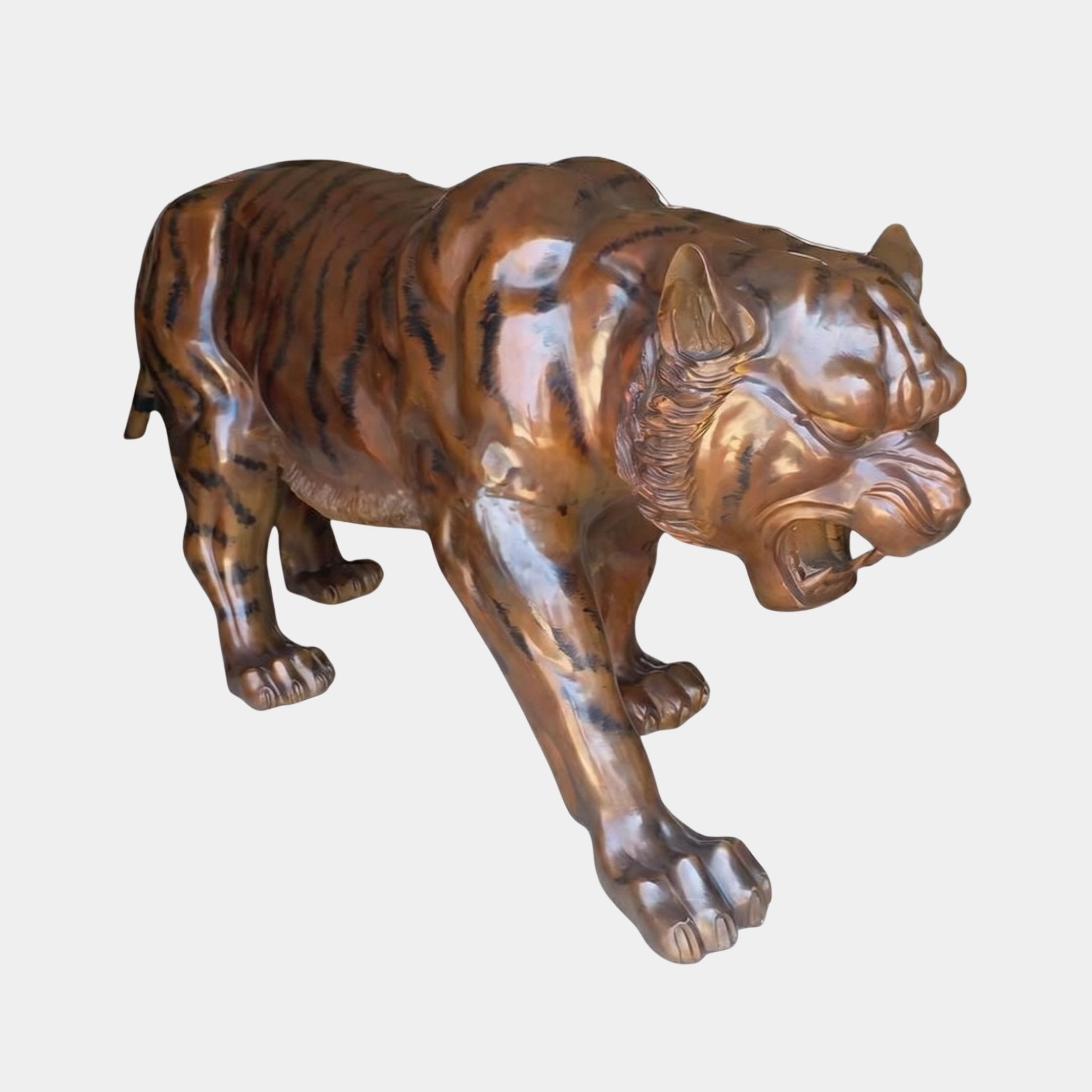
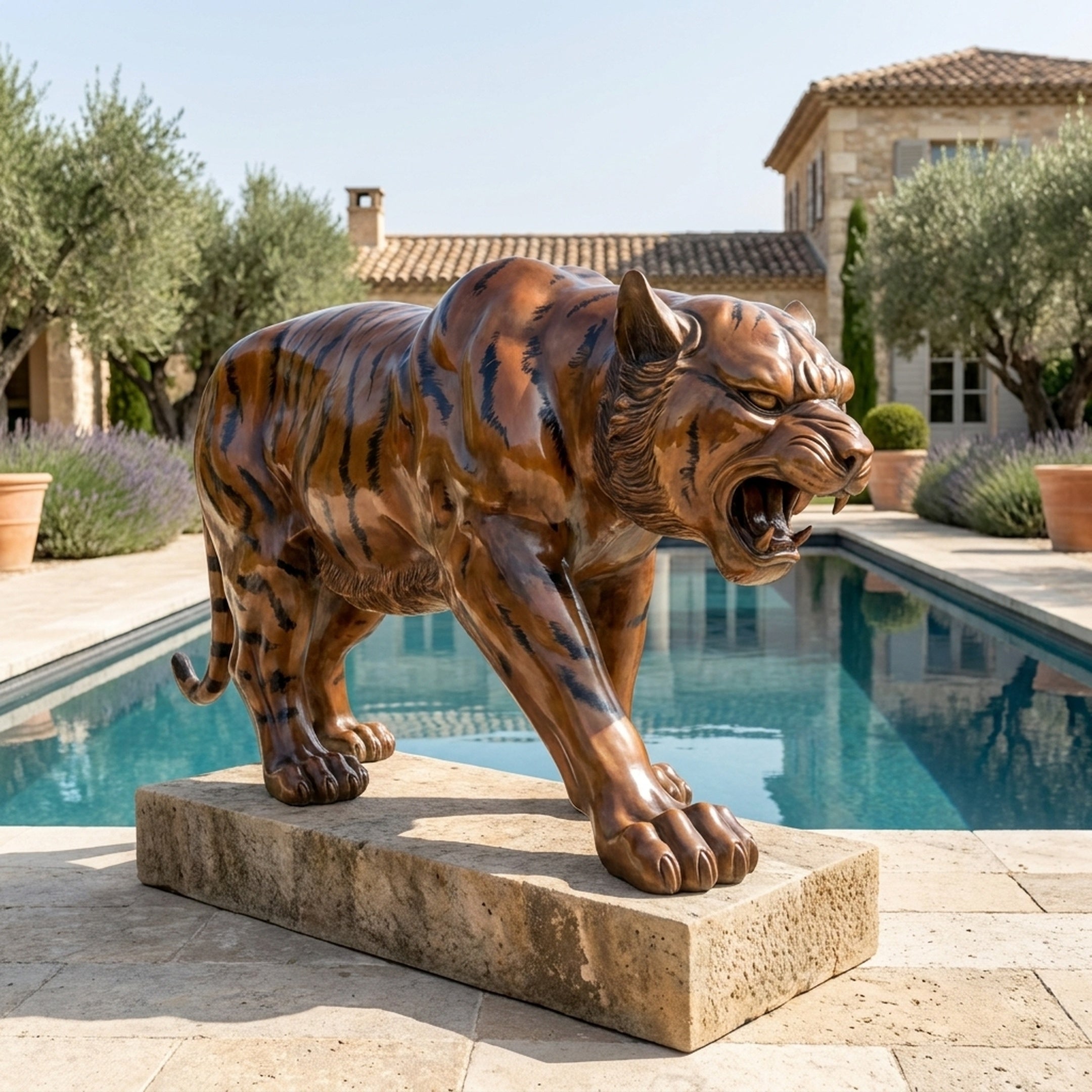
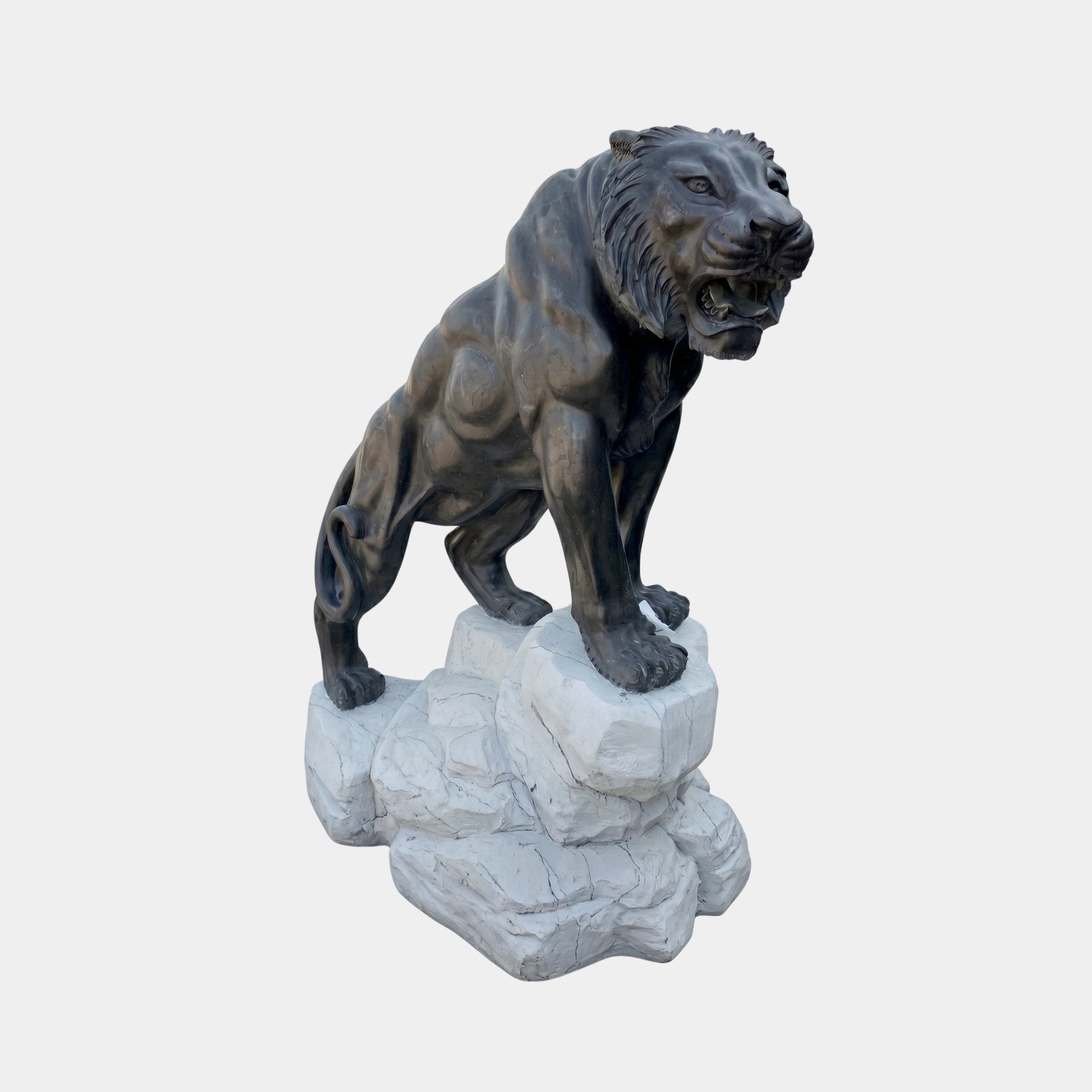
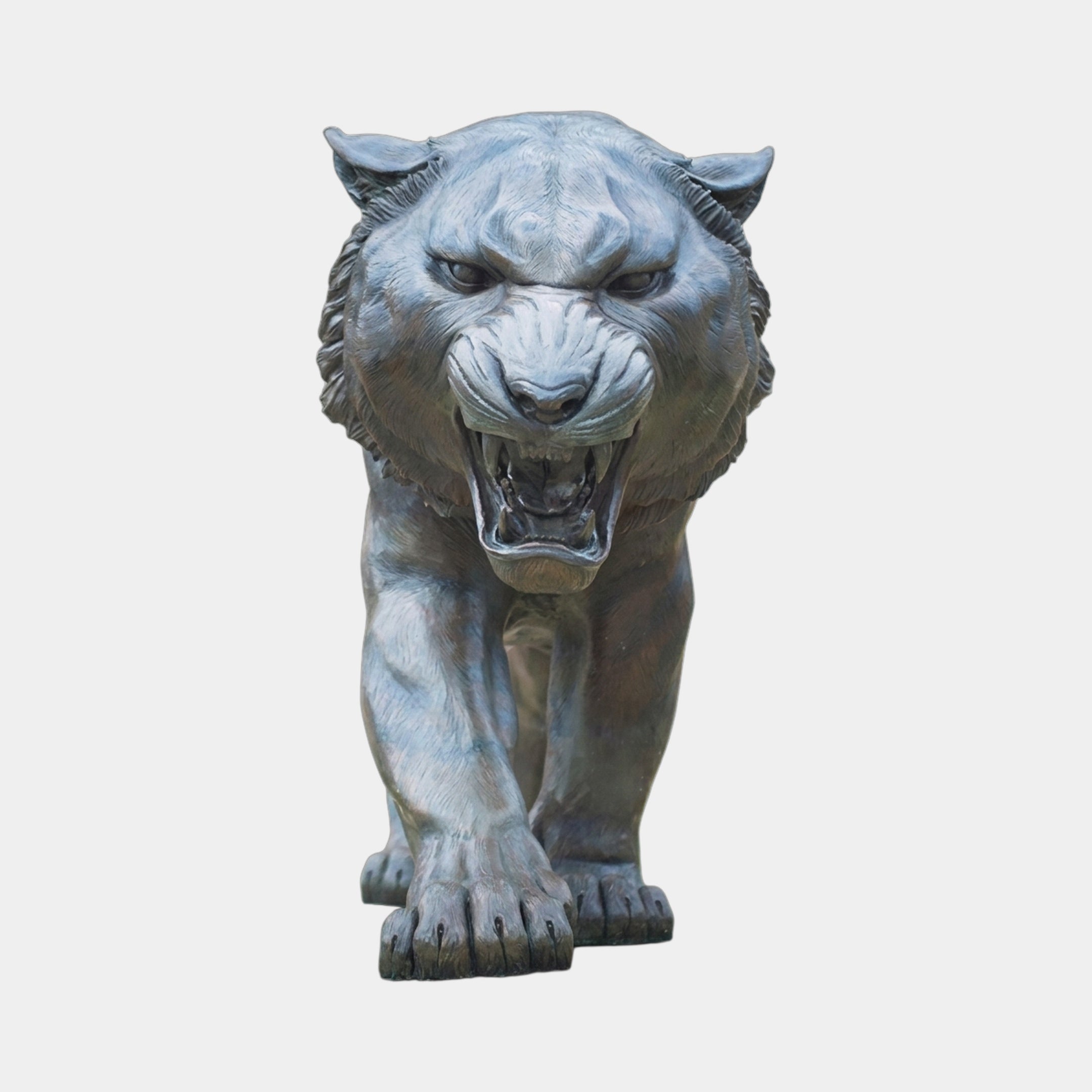
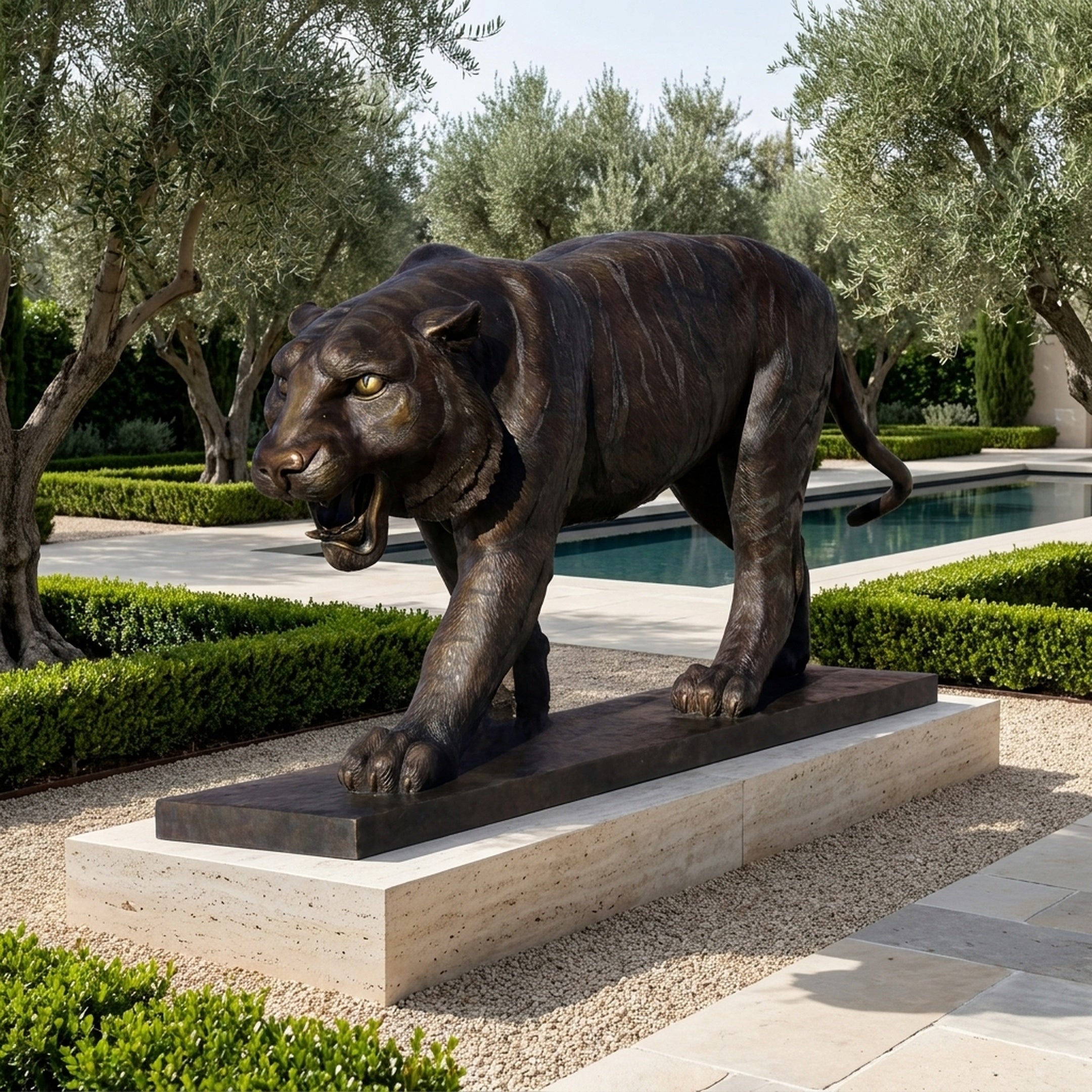
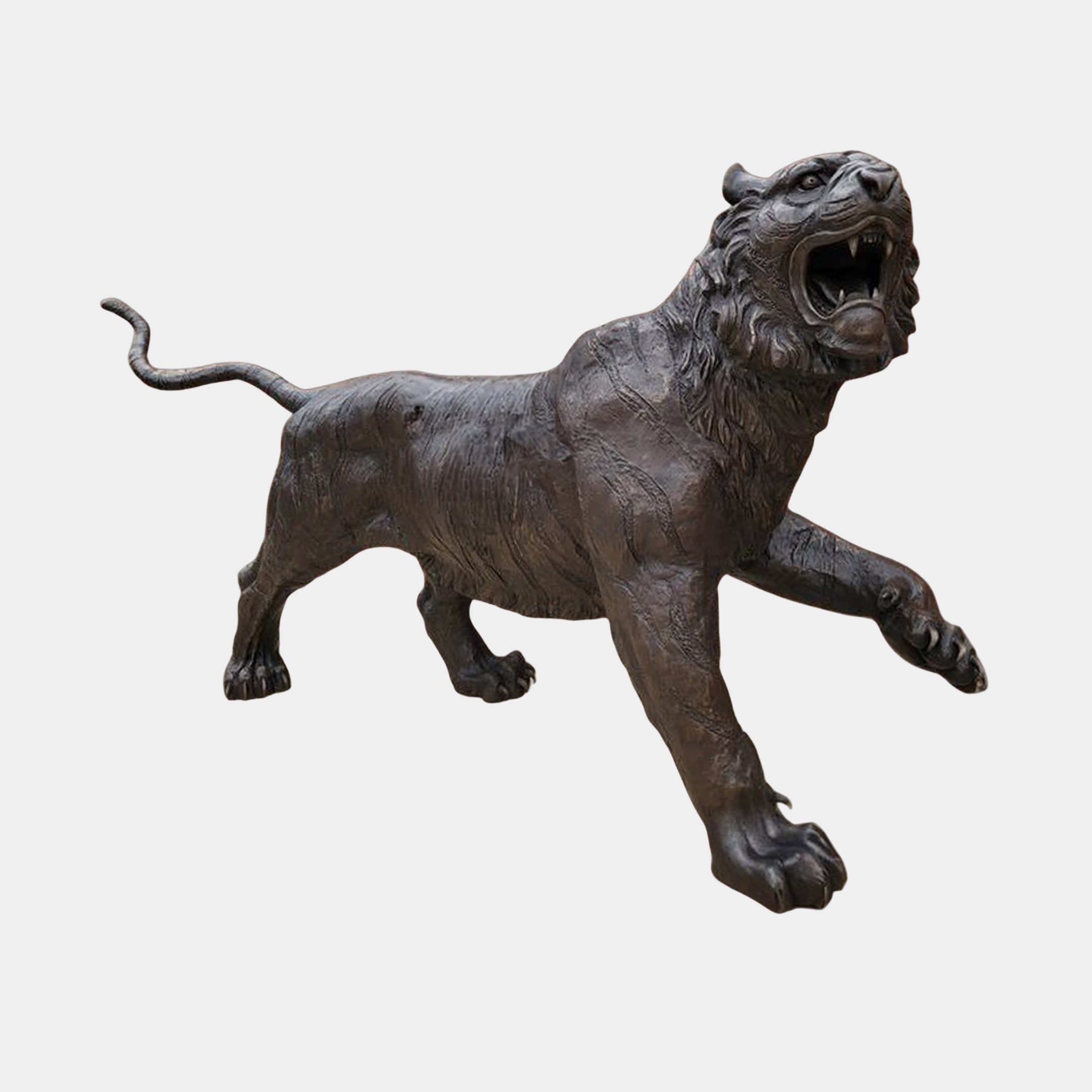
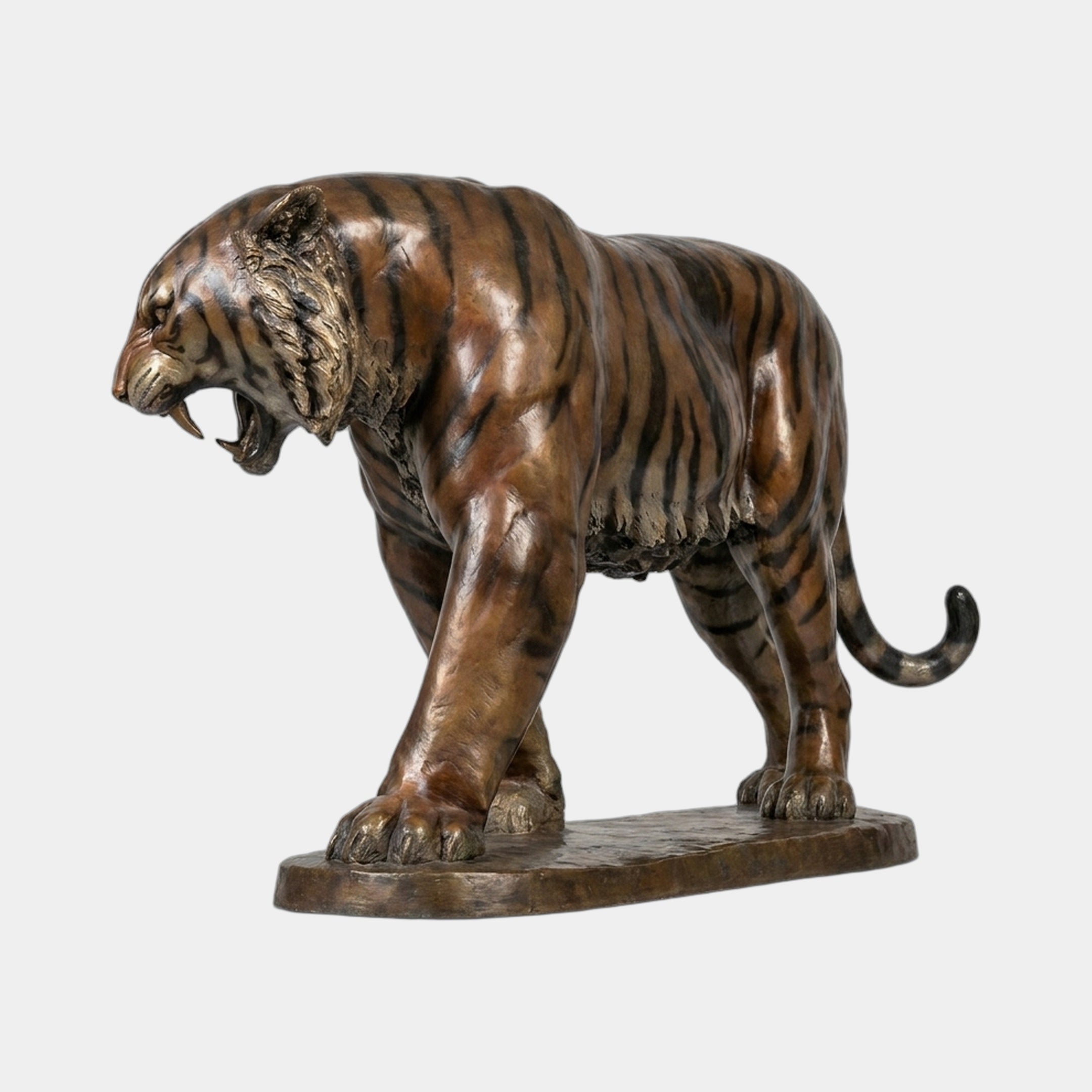
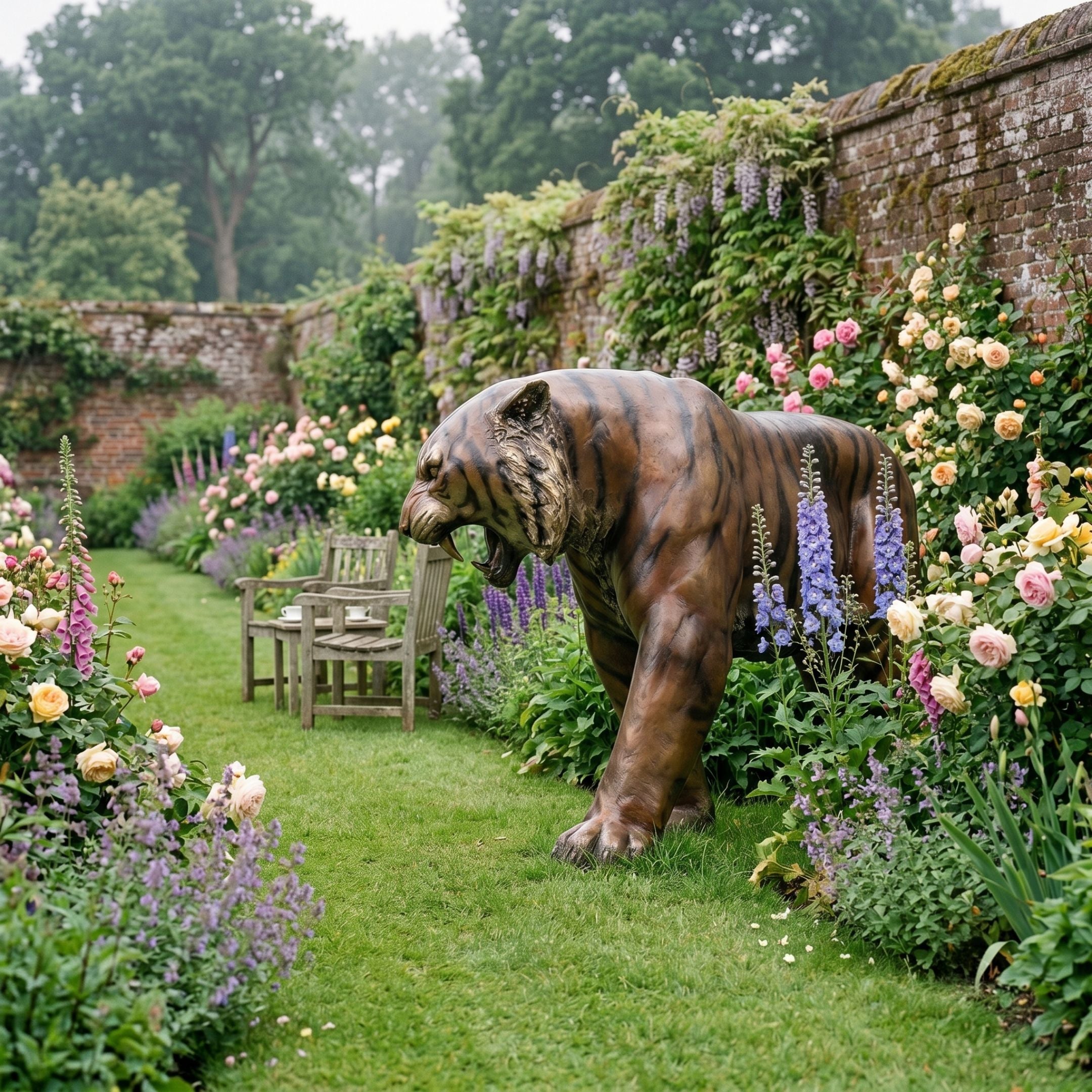
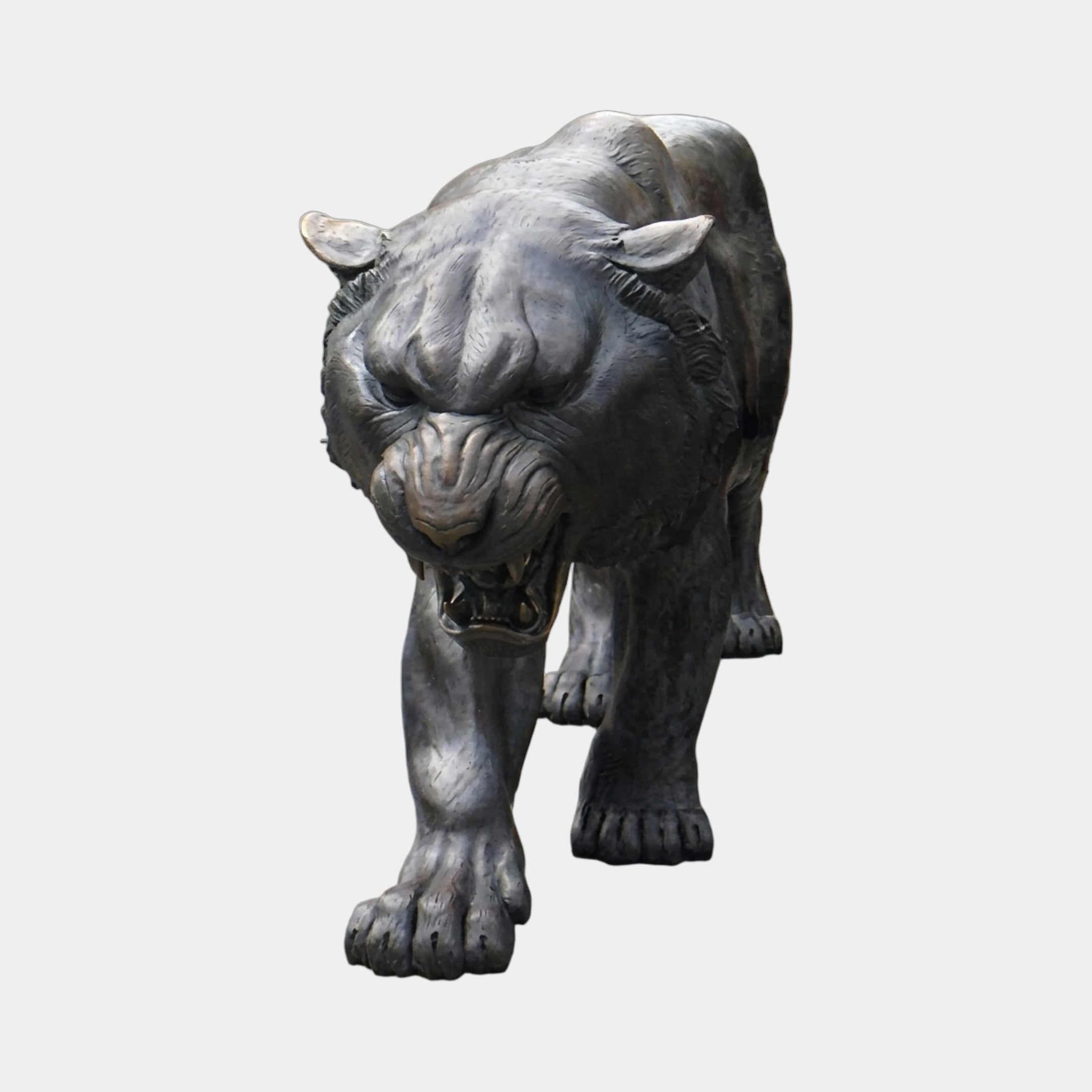
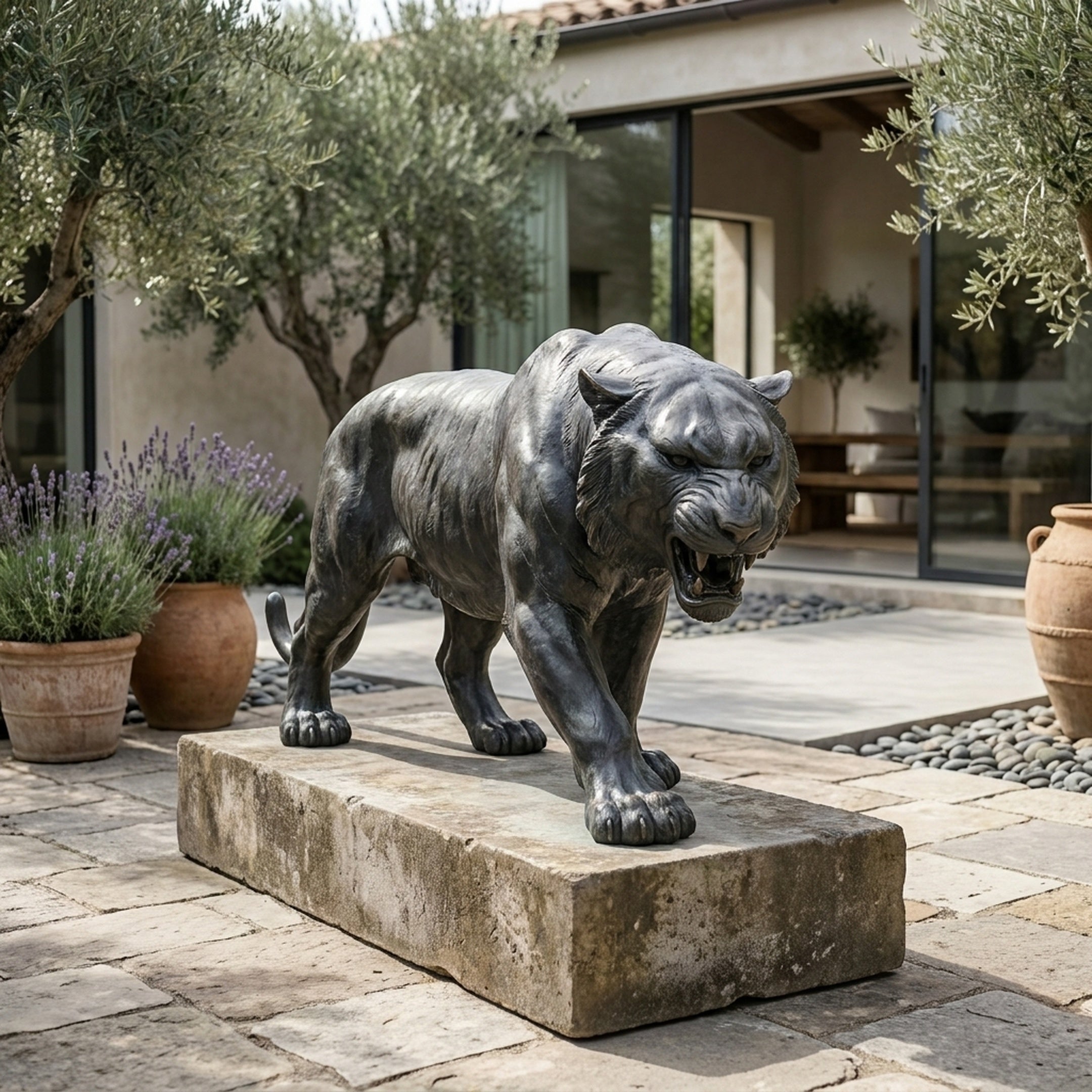
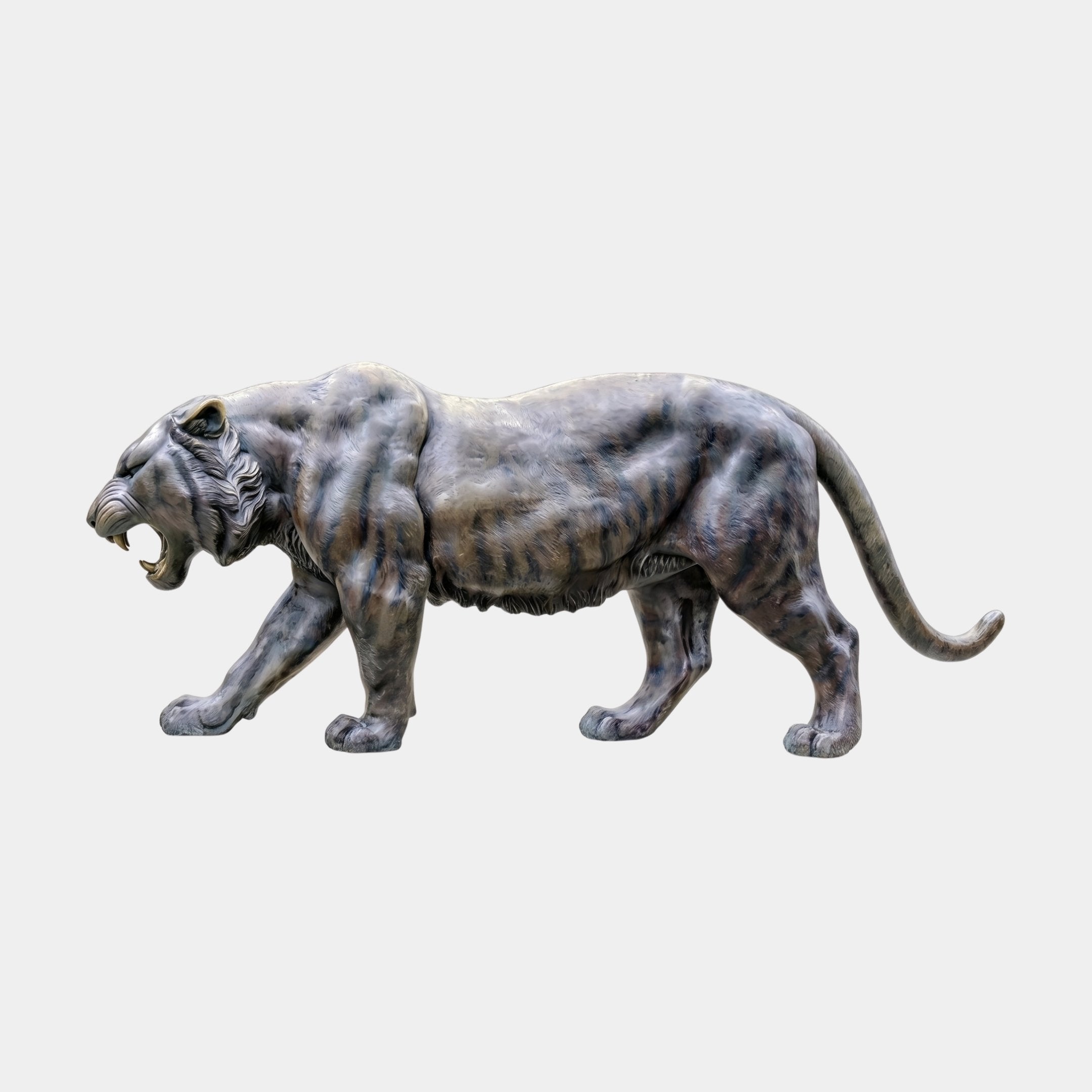
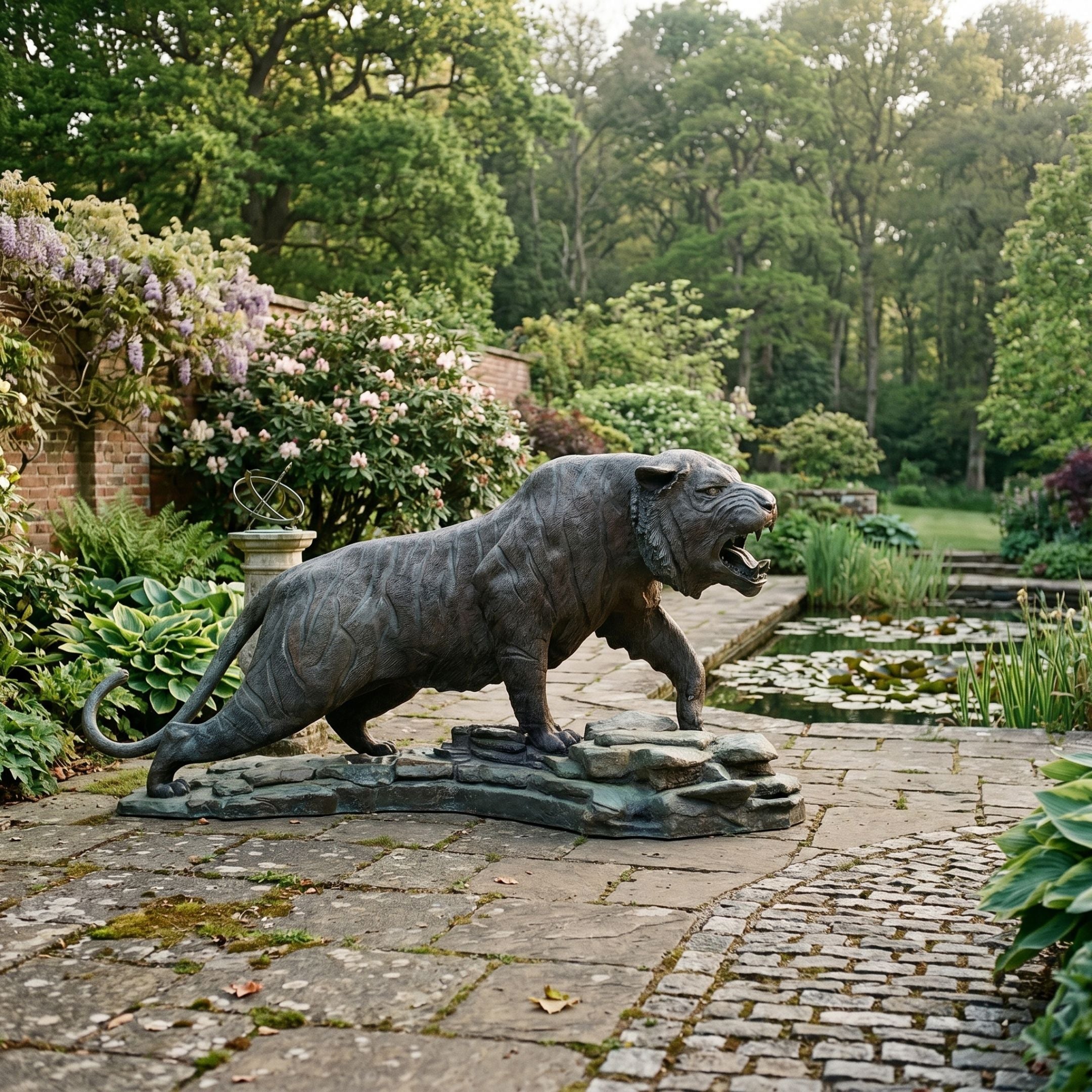
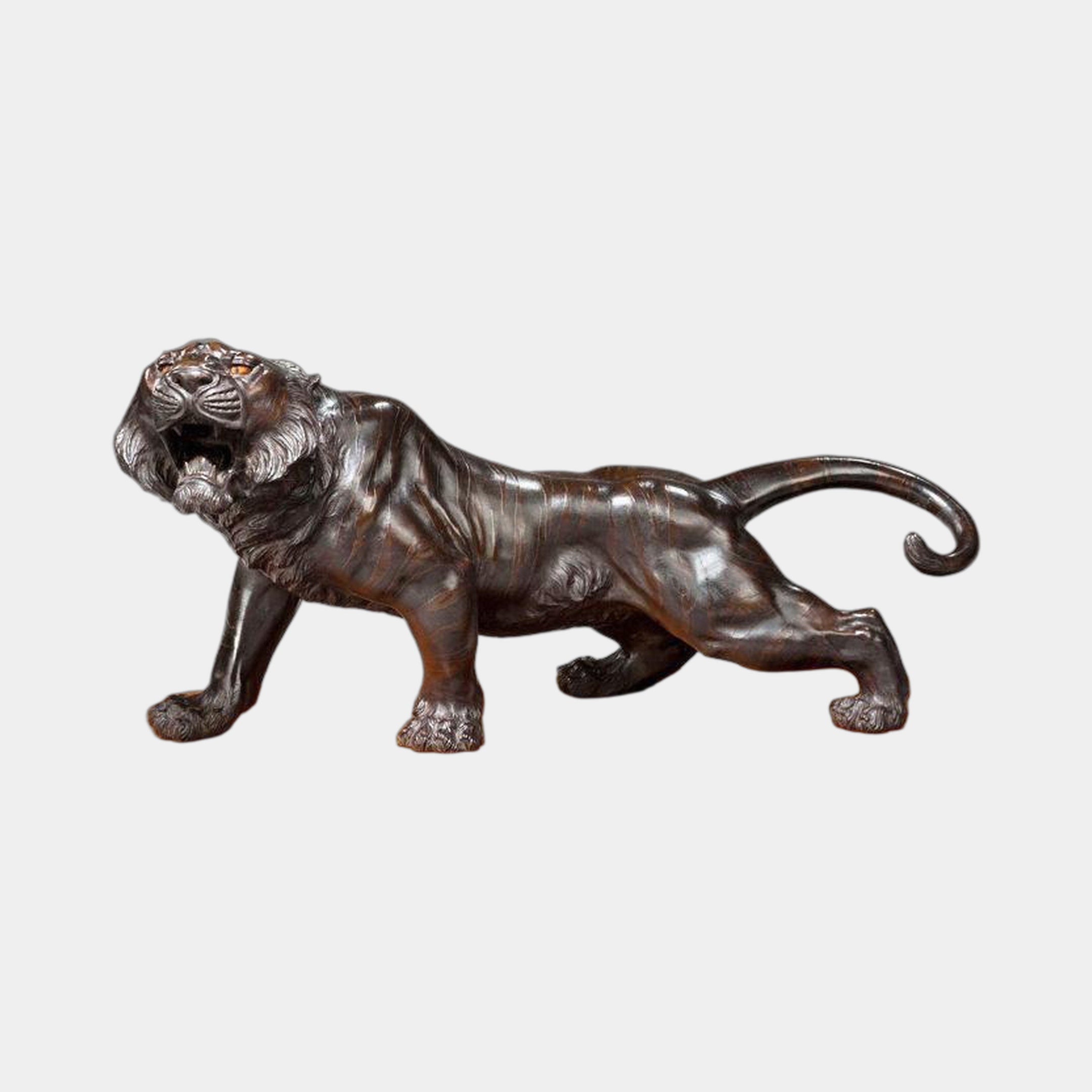
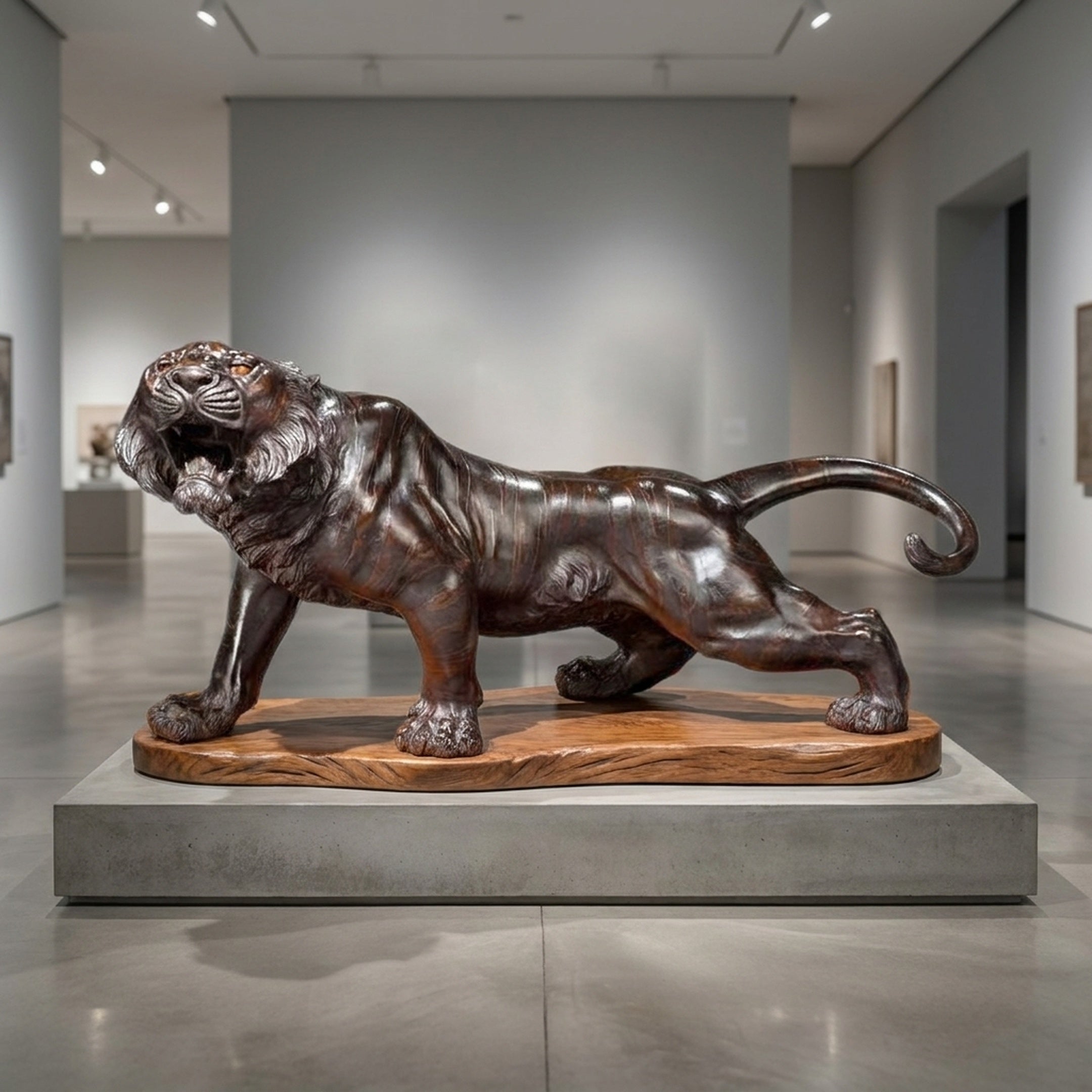
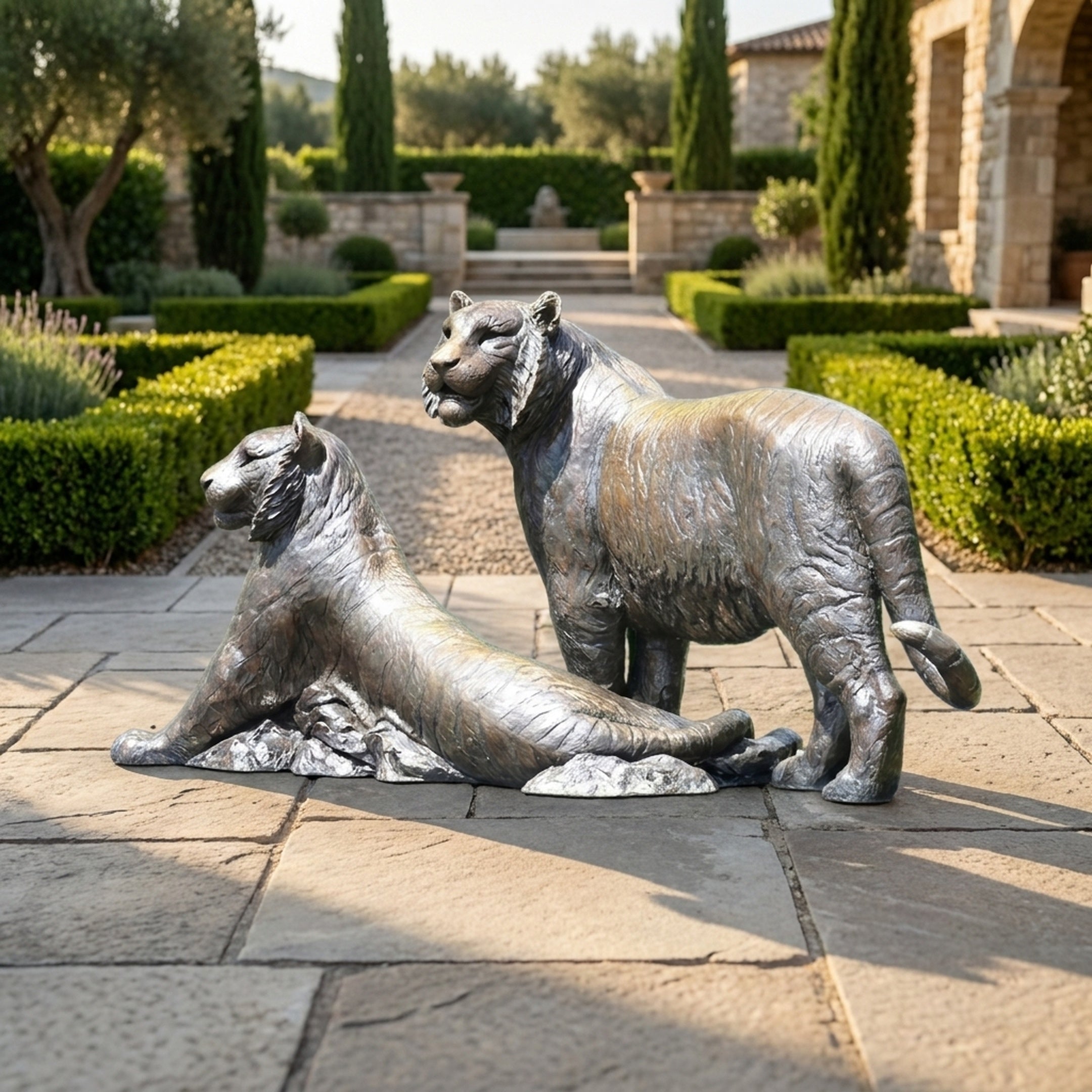
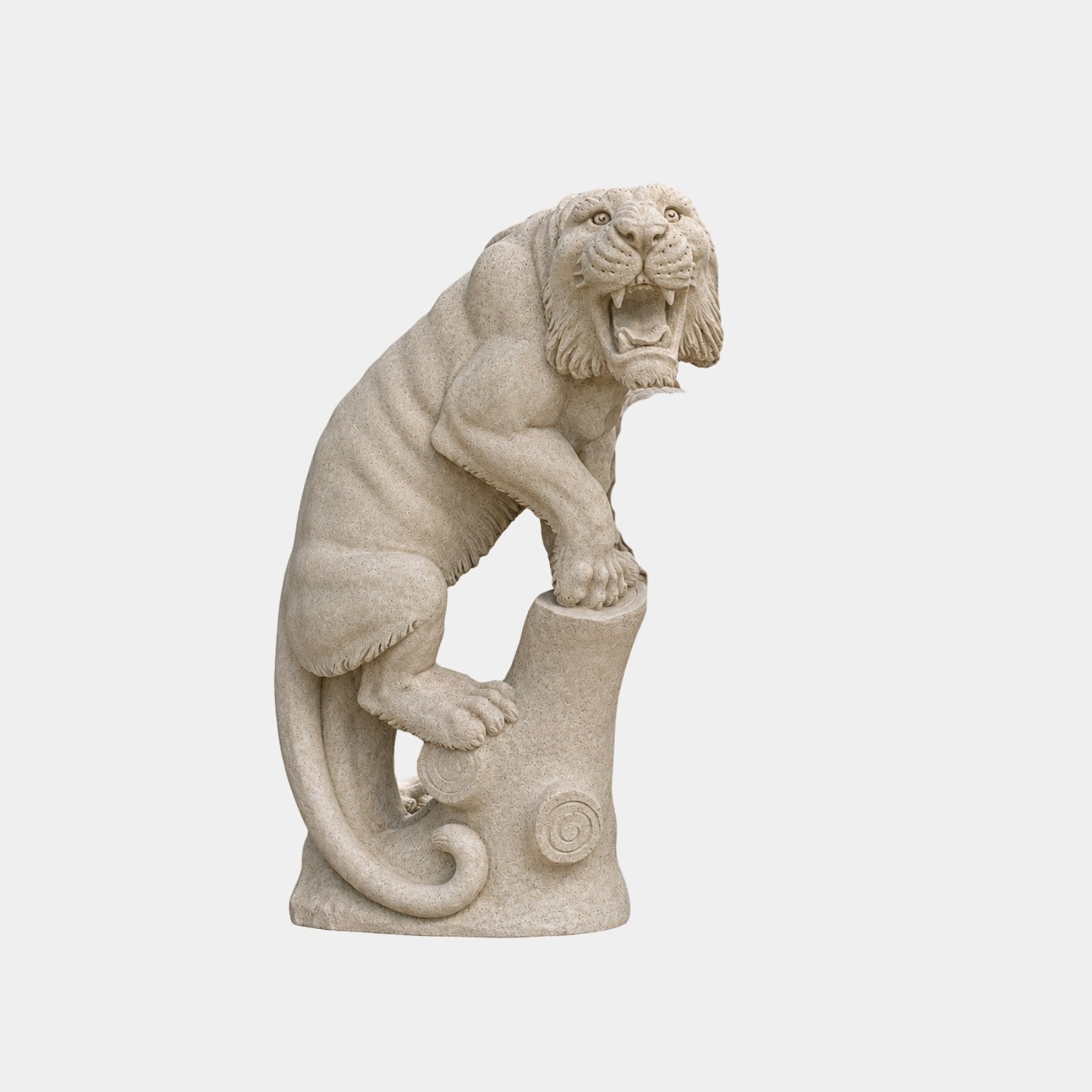
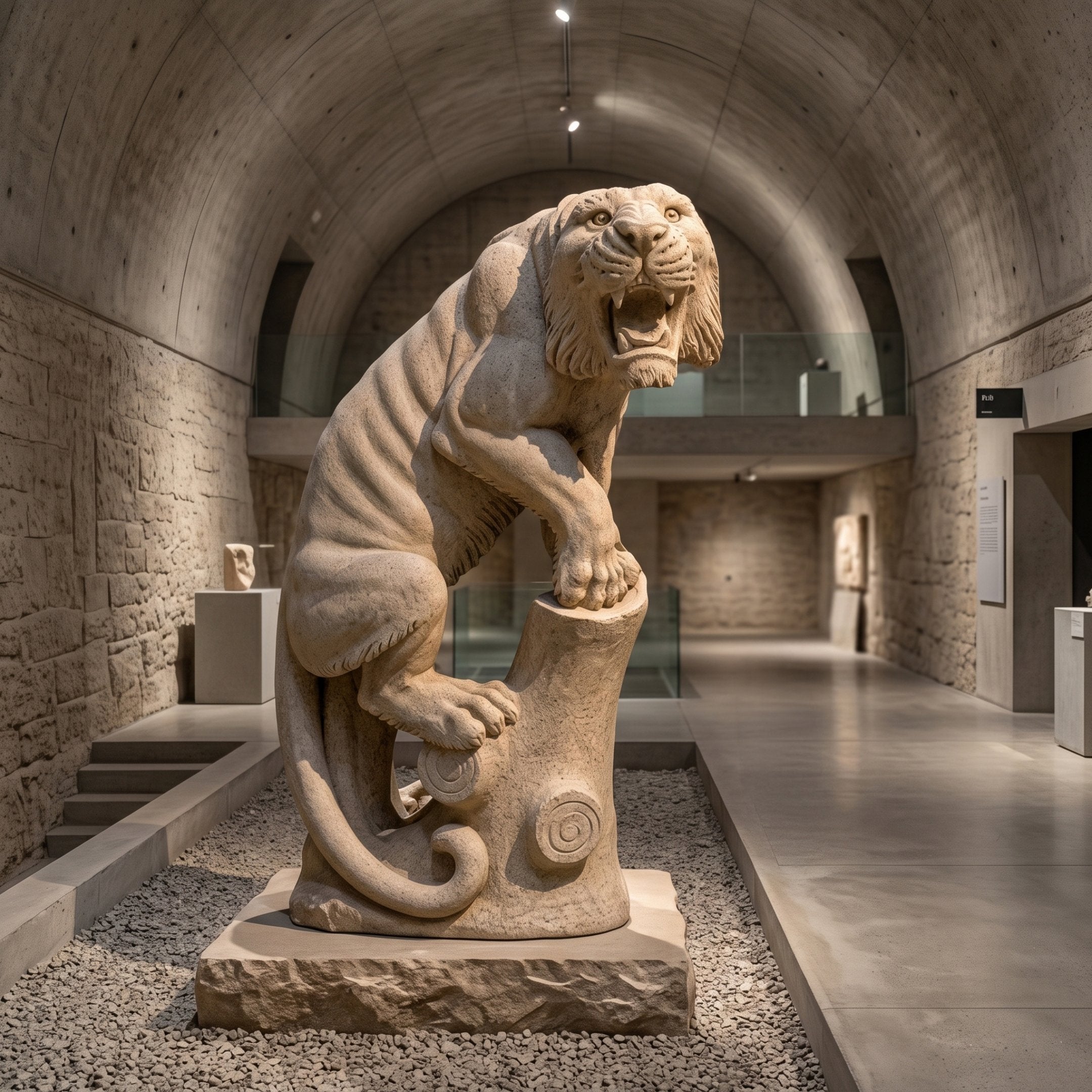
A tiger is a study in coiled weight. The shoulder carries most of the animal's mass and the whole body reads as ready to move even when it is standing still, which is why the pose matters more with big cats than with almost any other subject. Get the shoulder wrong and it becomes a large domestic cat.
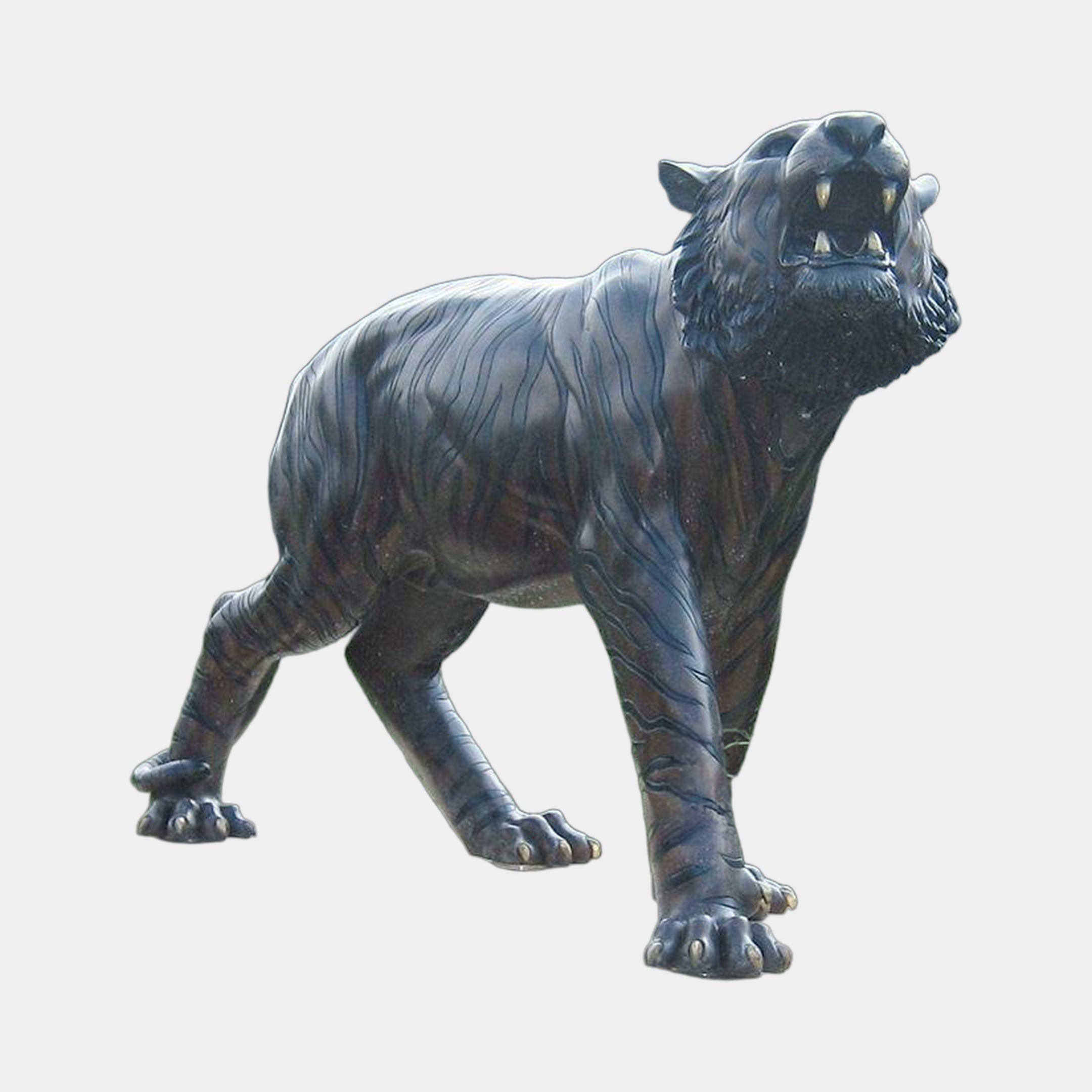
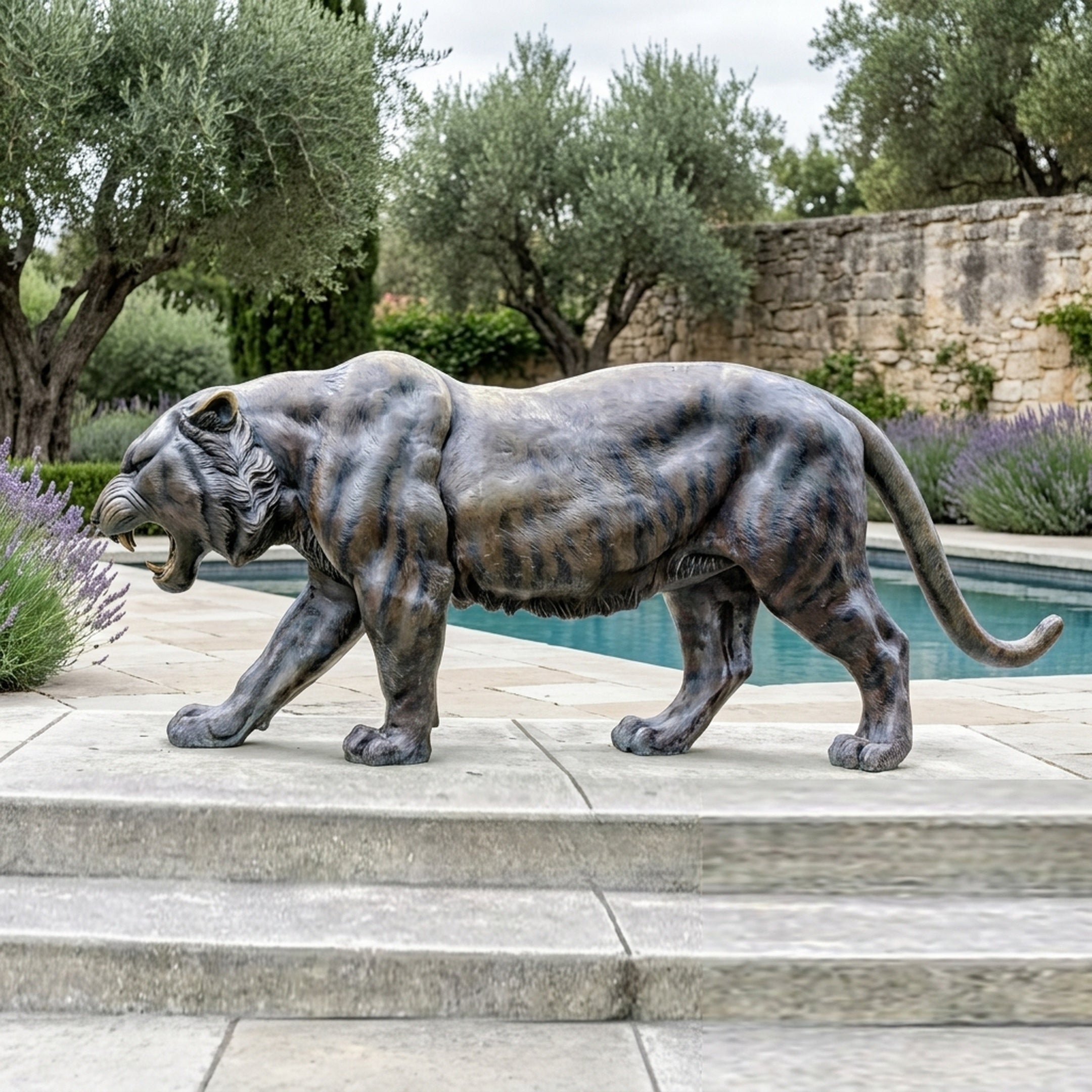
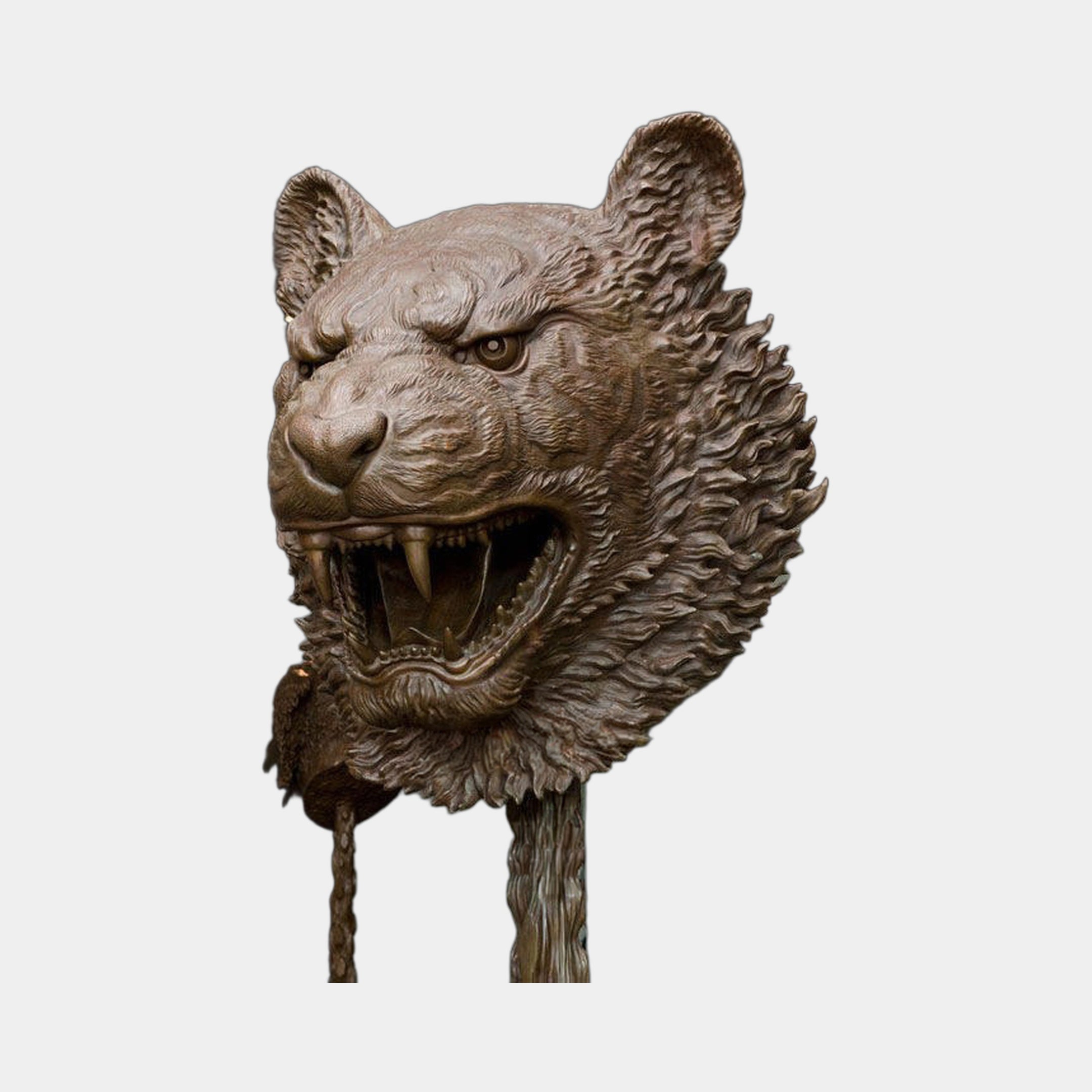
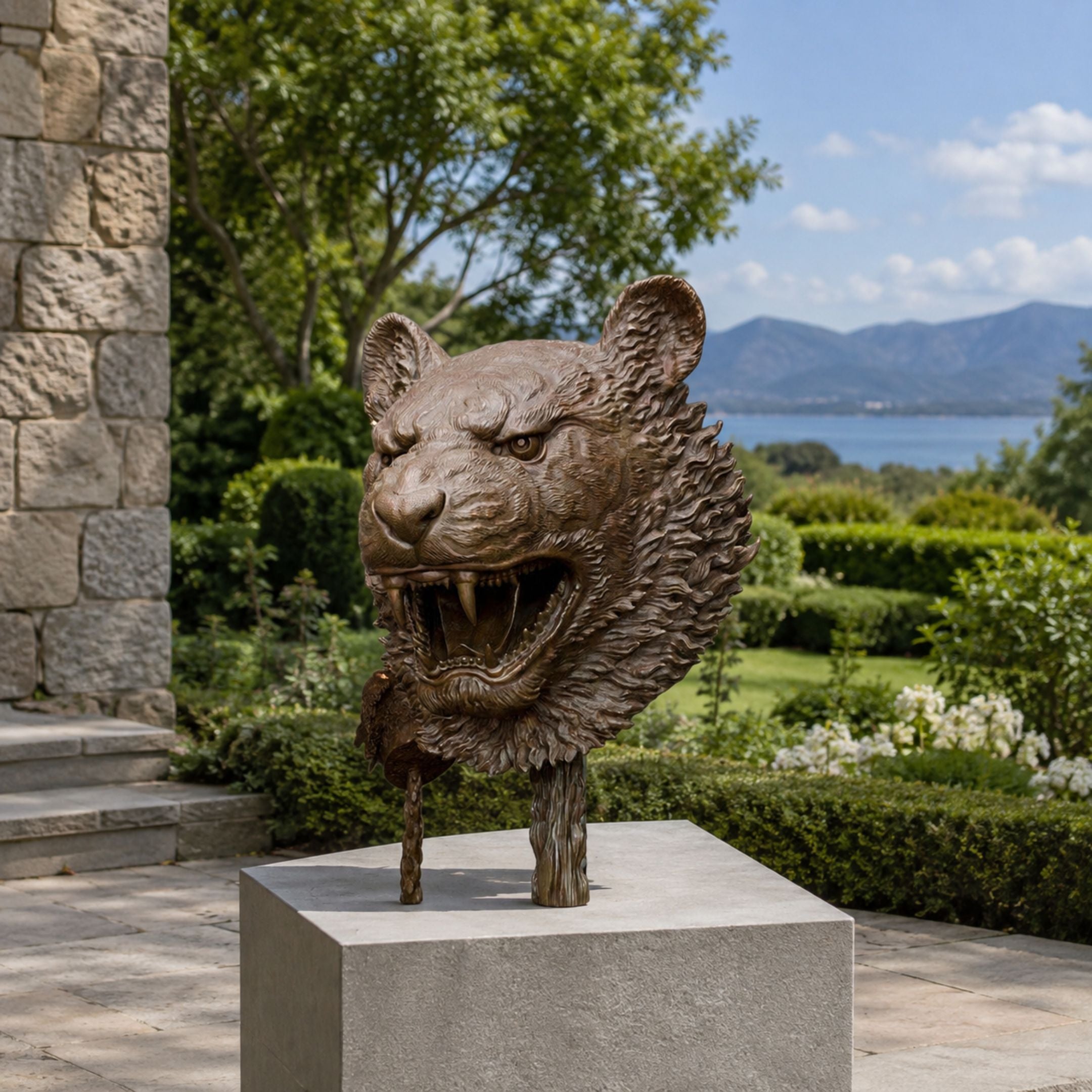
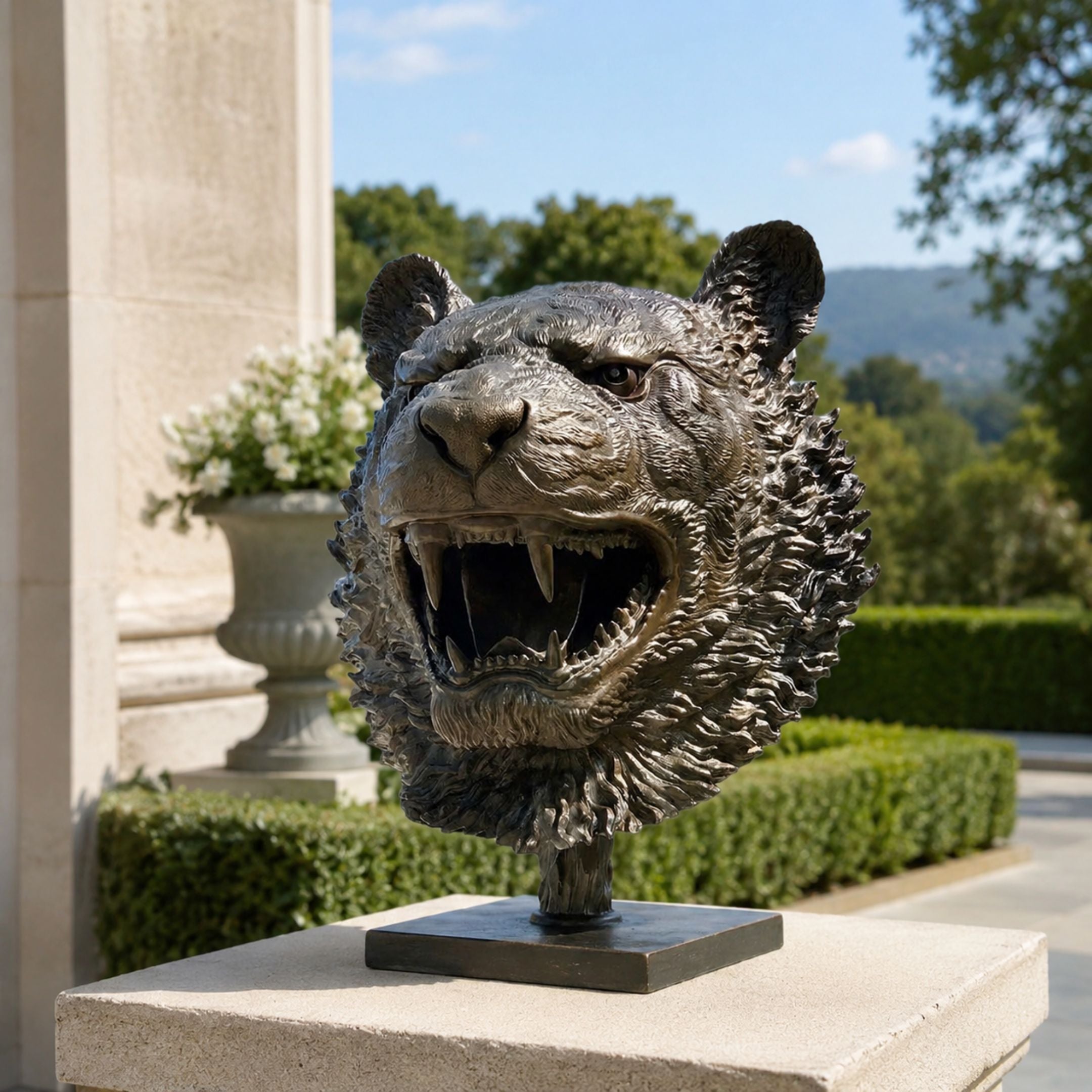
Bronze suits that better than paint ever could. A hand-applied patina deepens unevenly across a shoulder and flank, following exactly the muscles that carry the power, and it does so without needing stripes to tell you what the animal is. That is why the naturalistic treatments here are patinated rather than coloured.
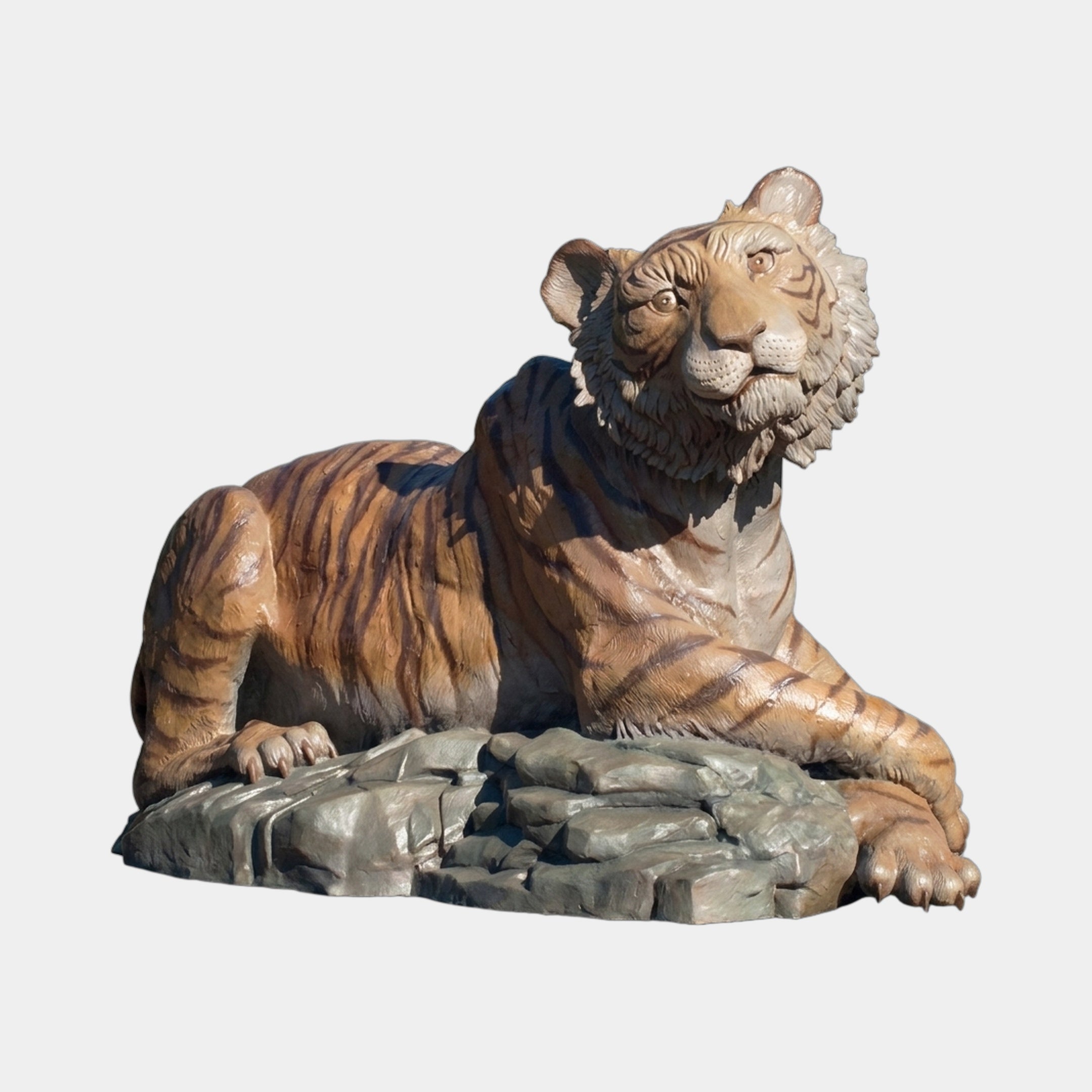
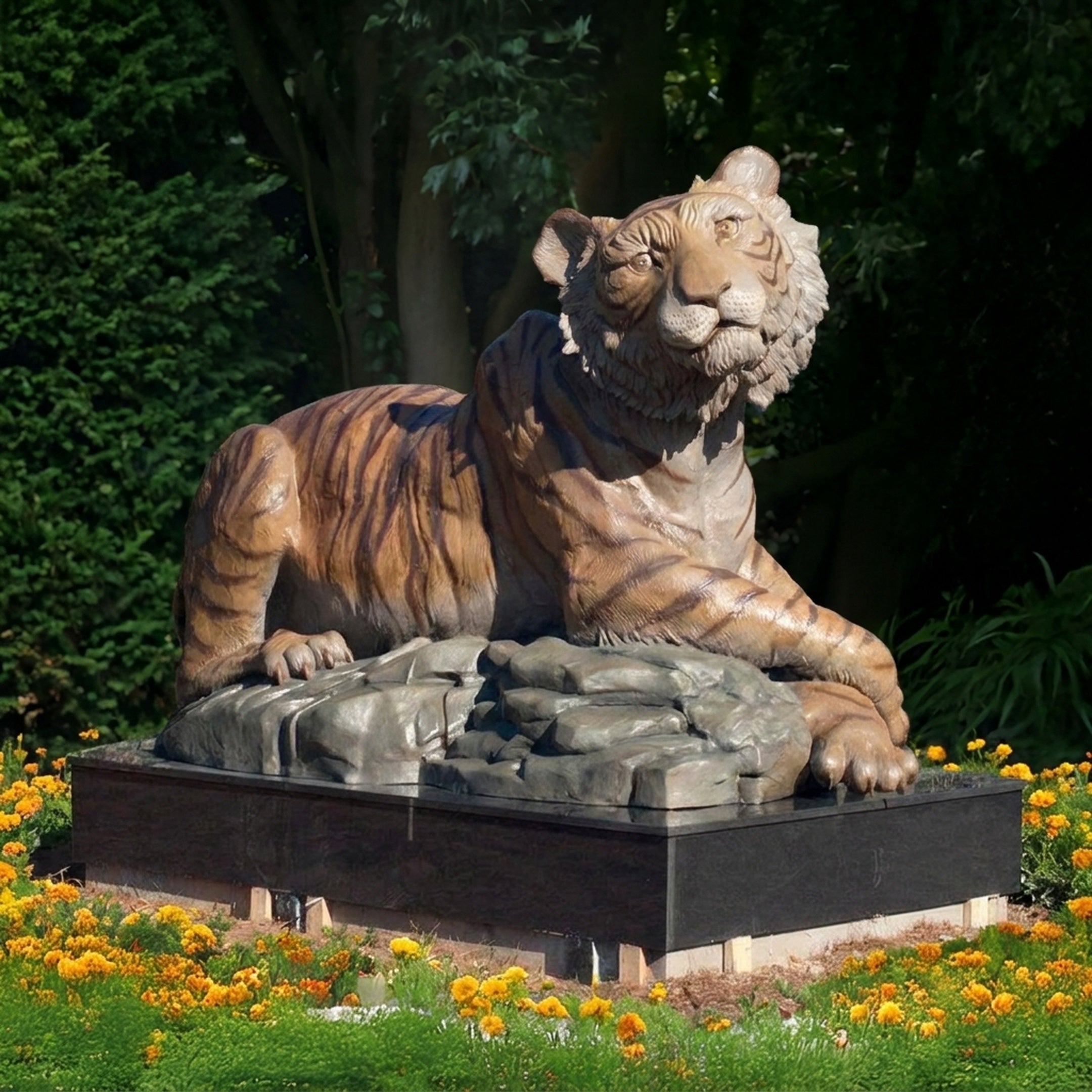
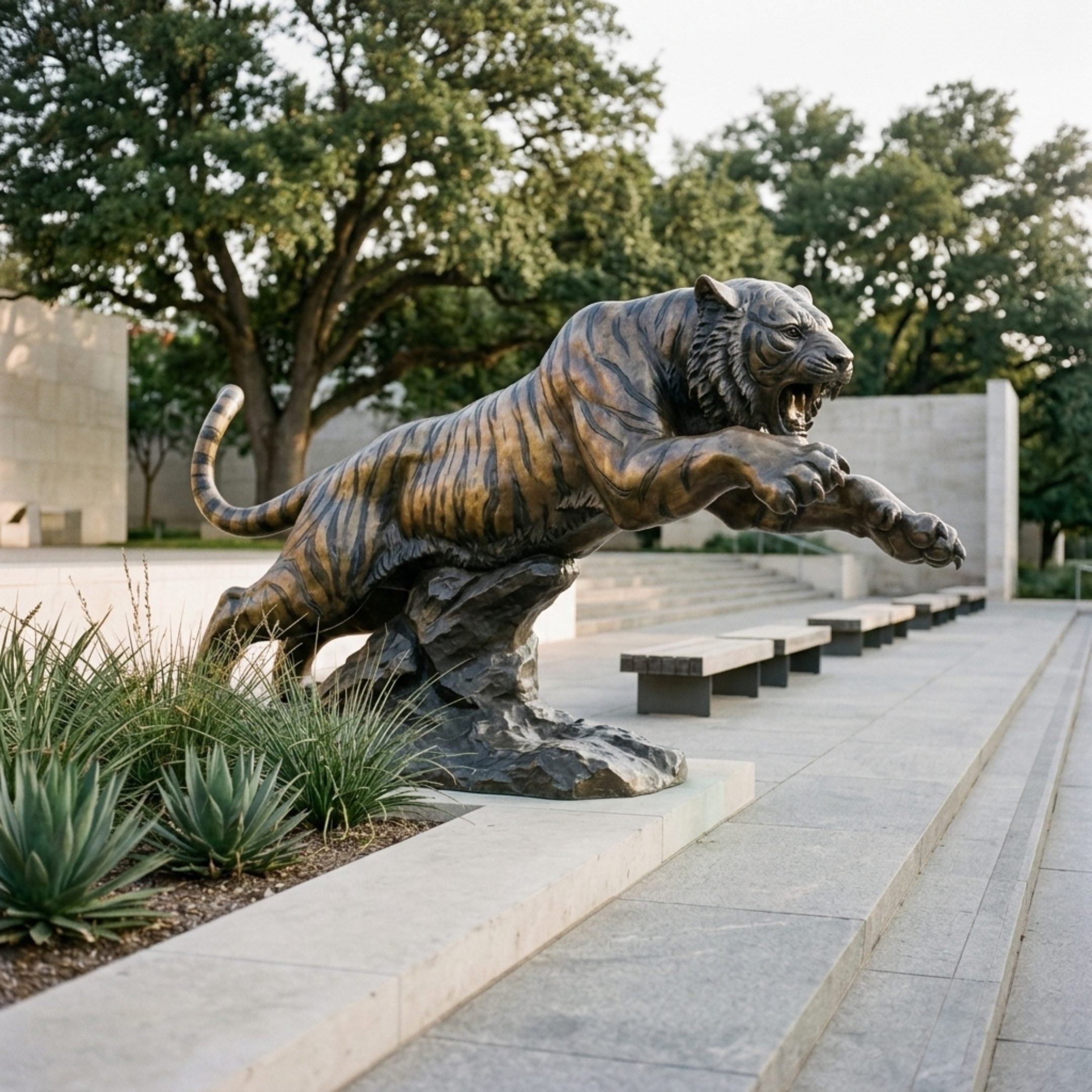
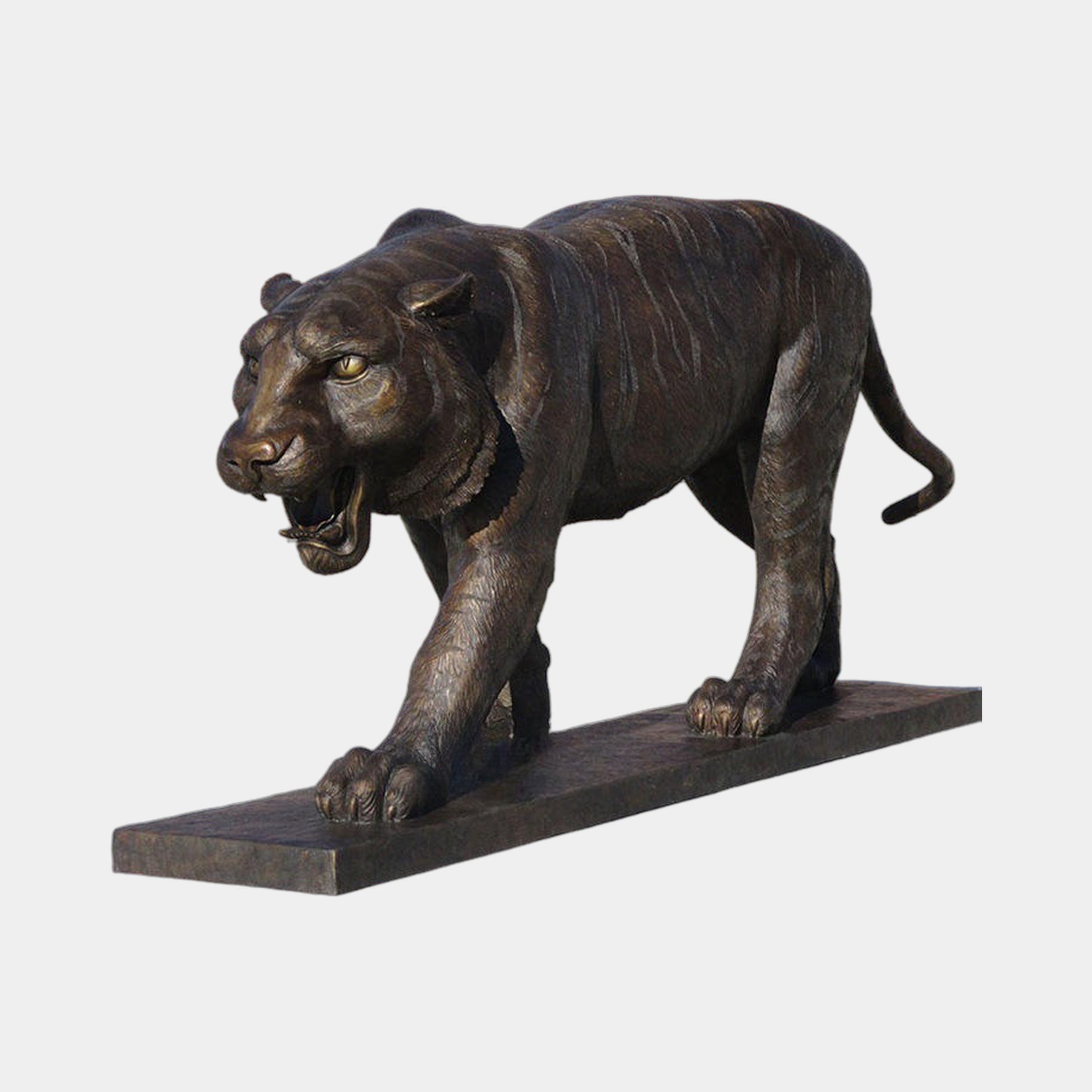
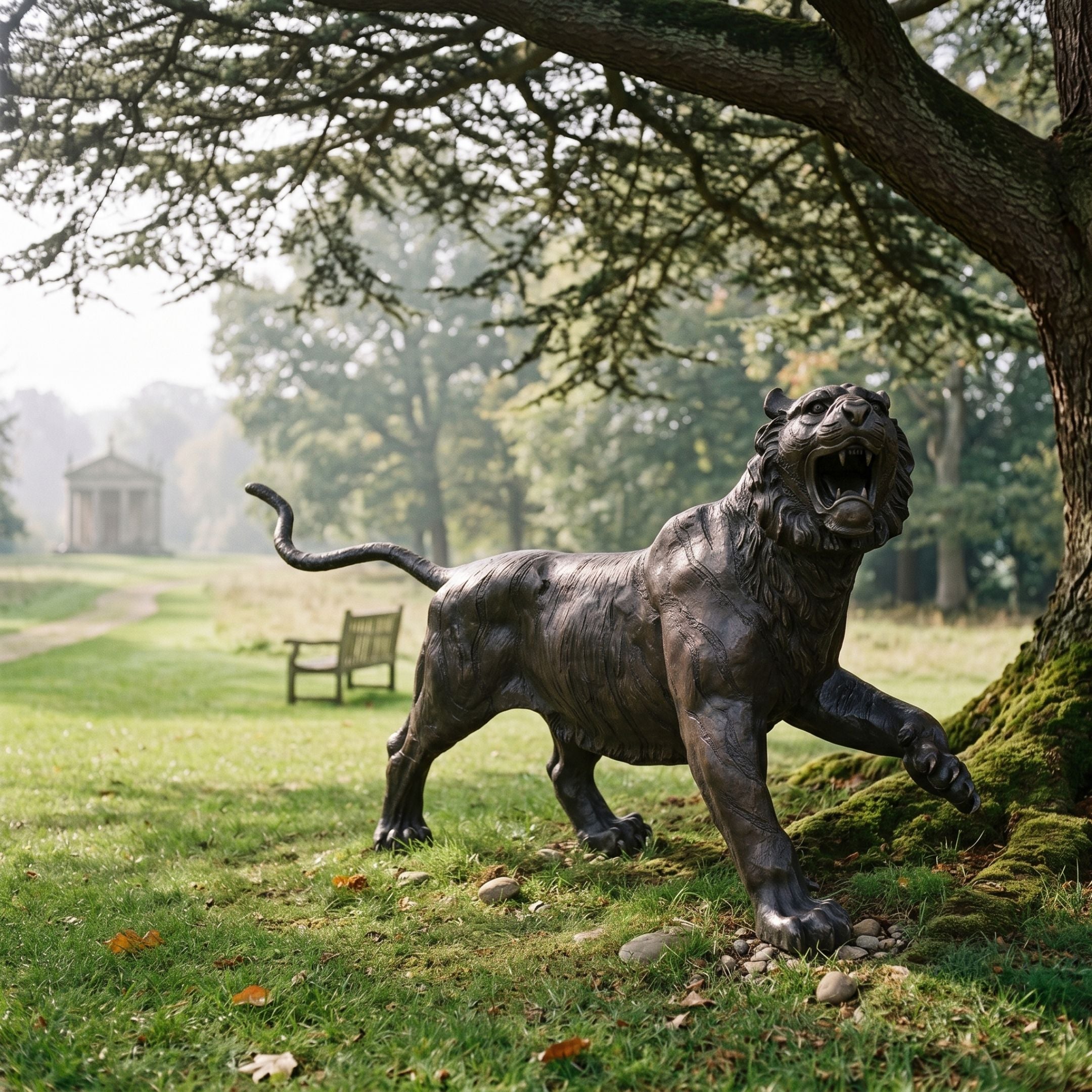
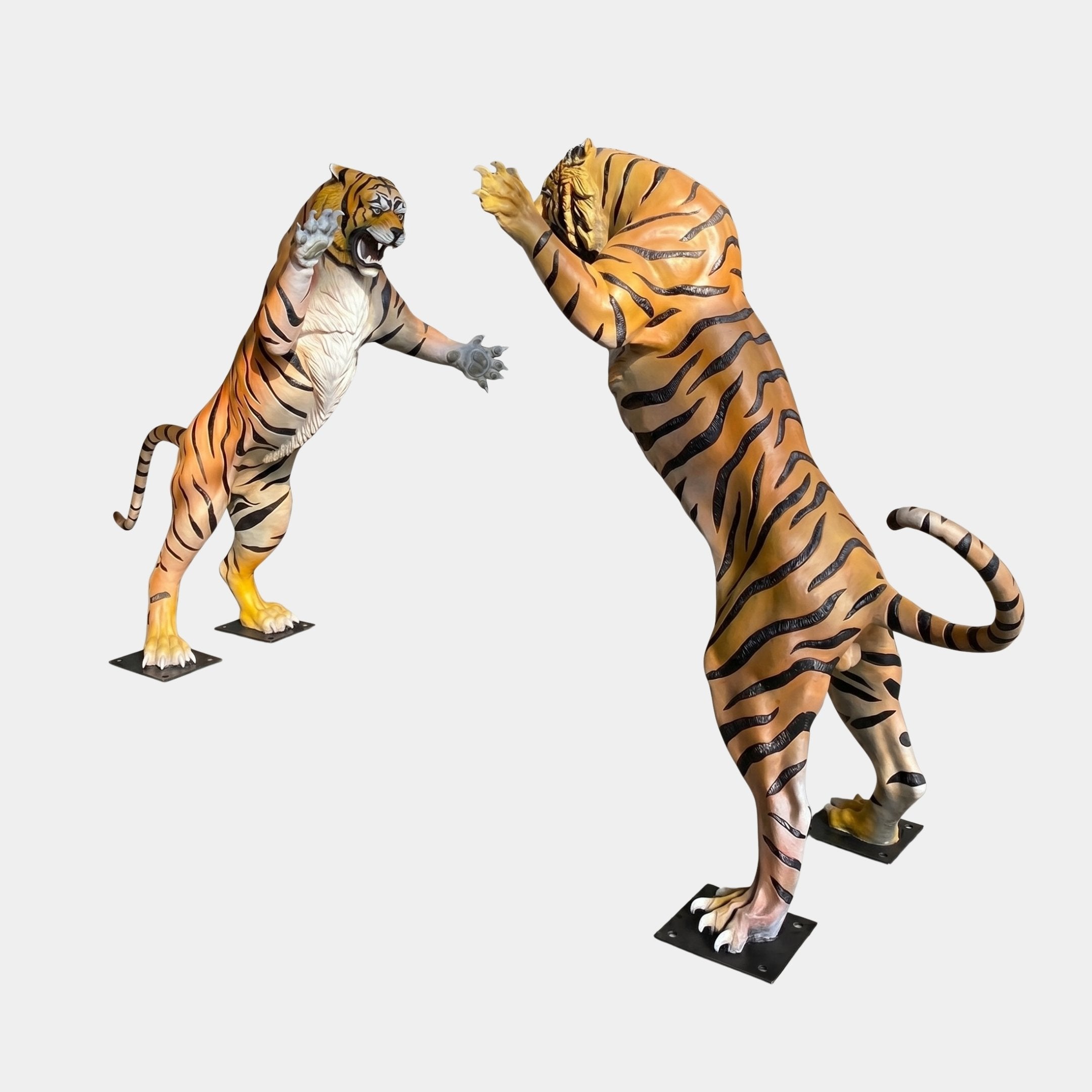
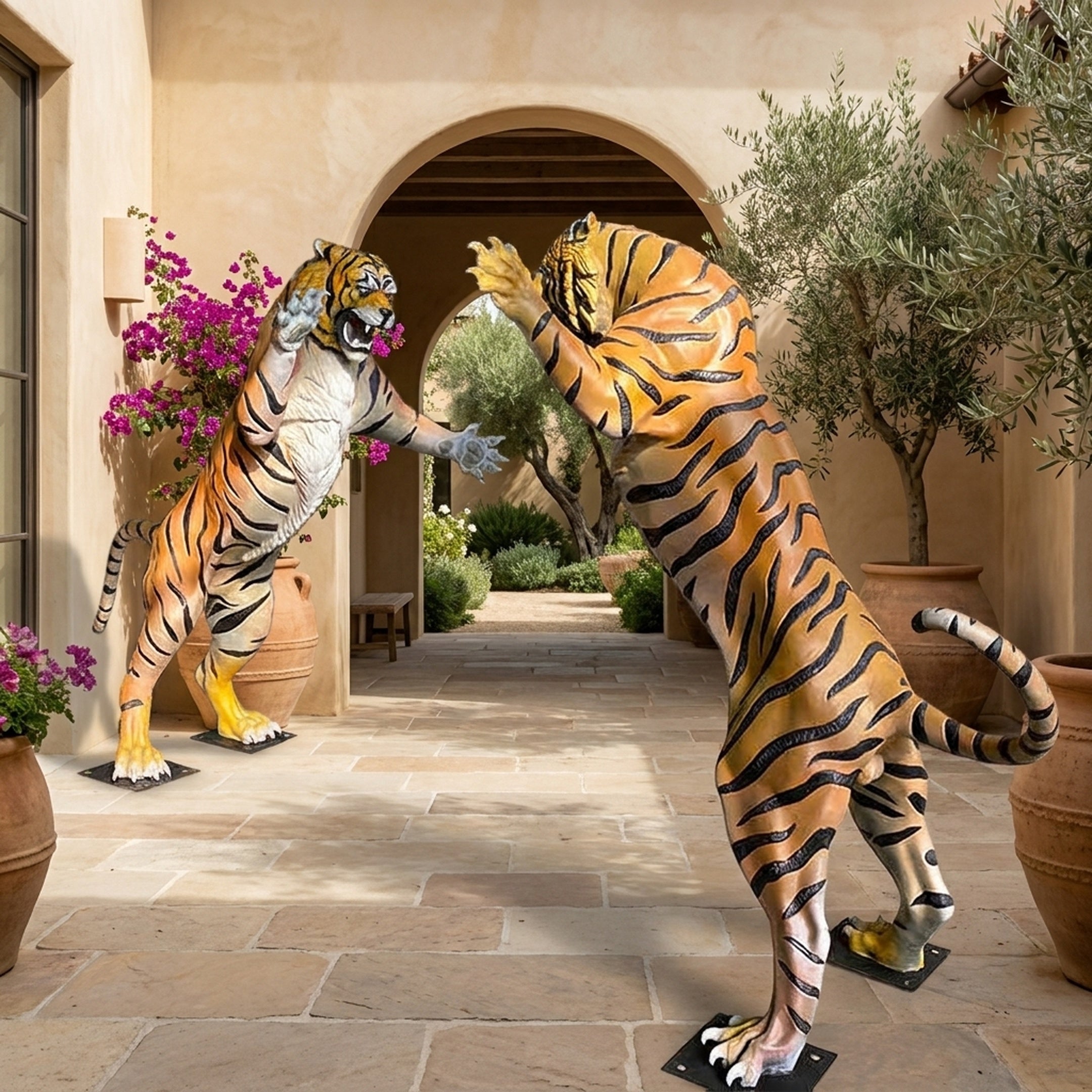
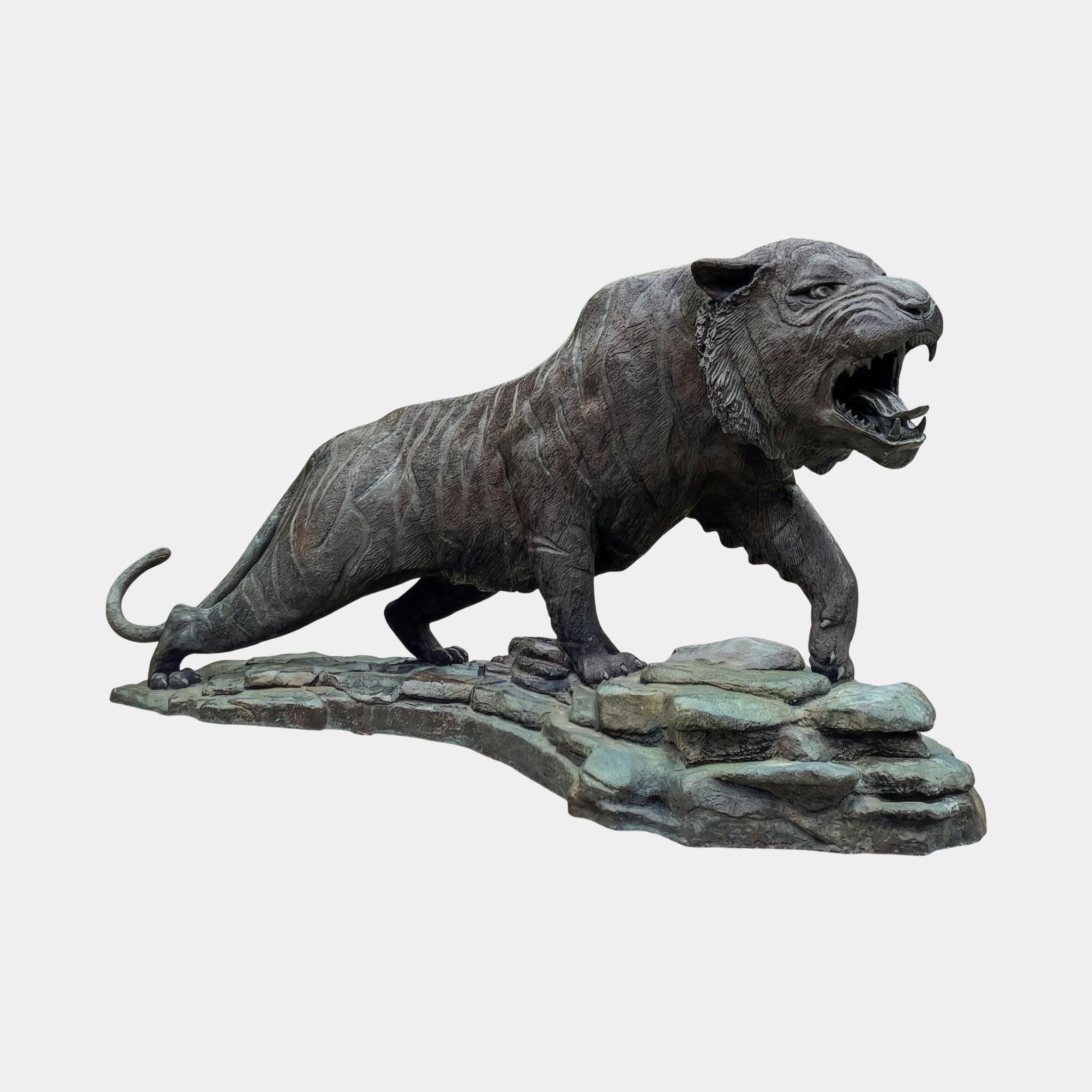
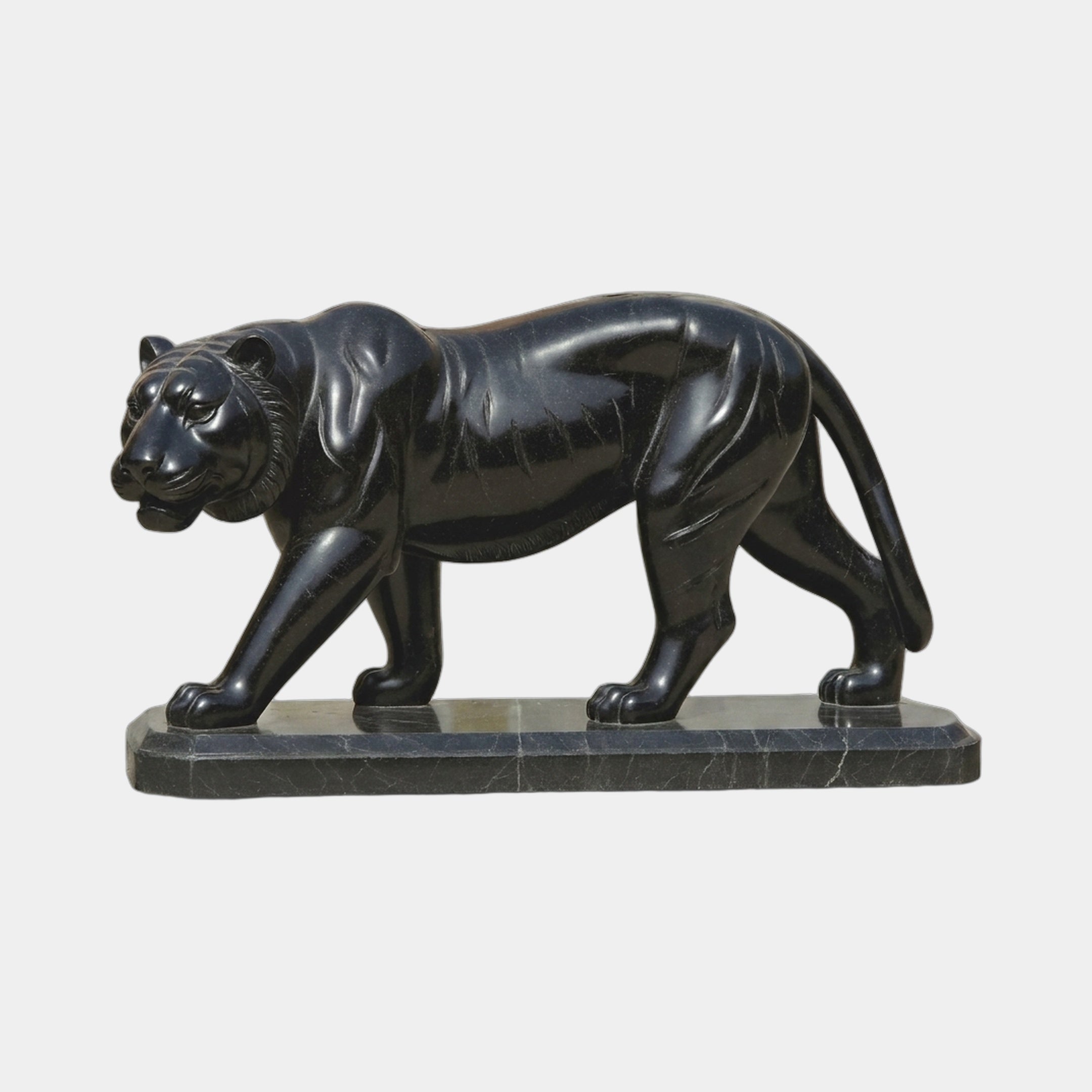
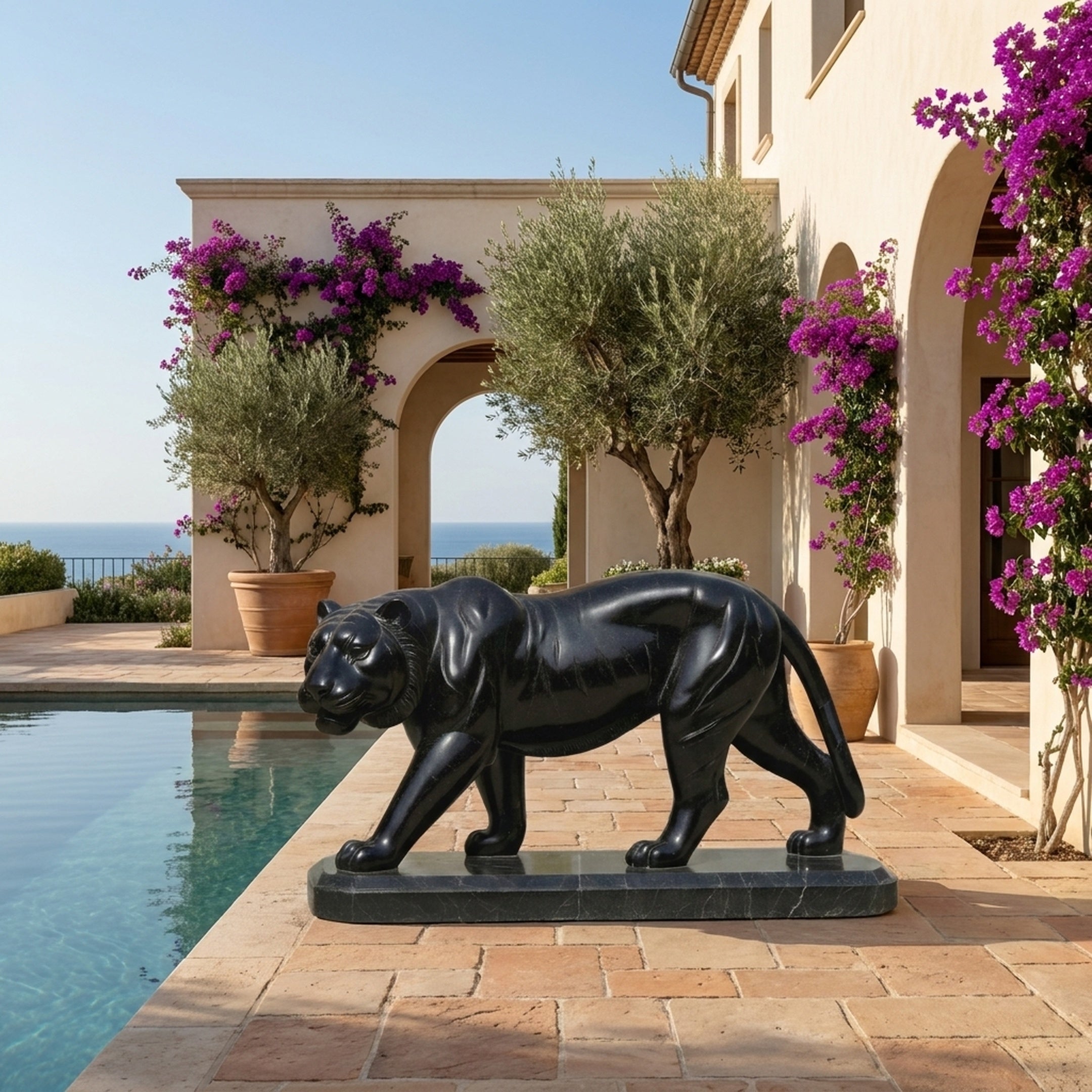
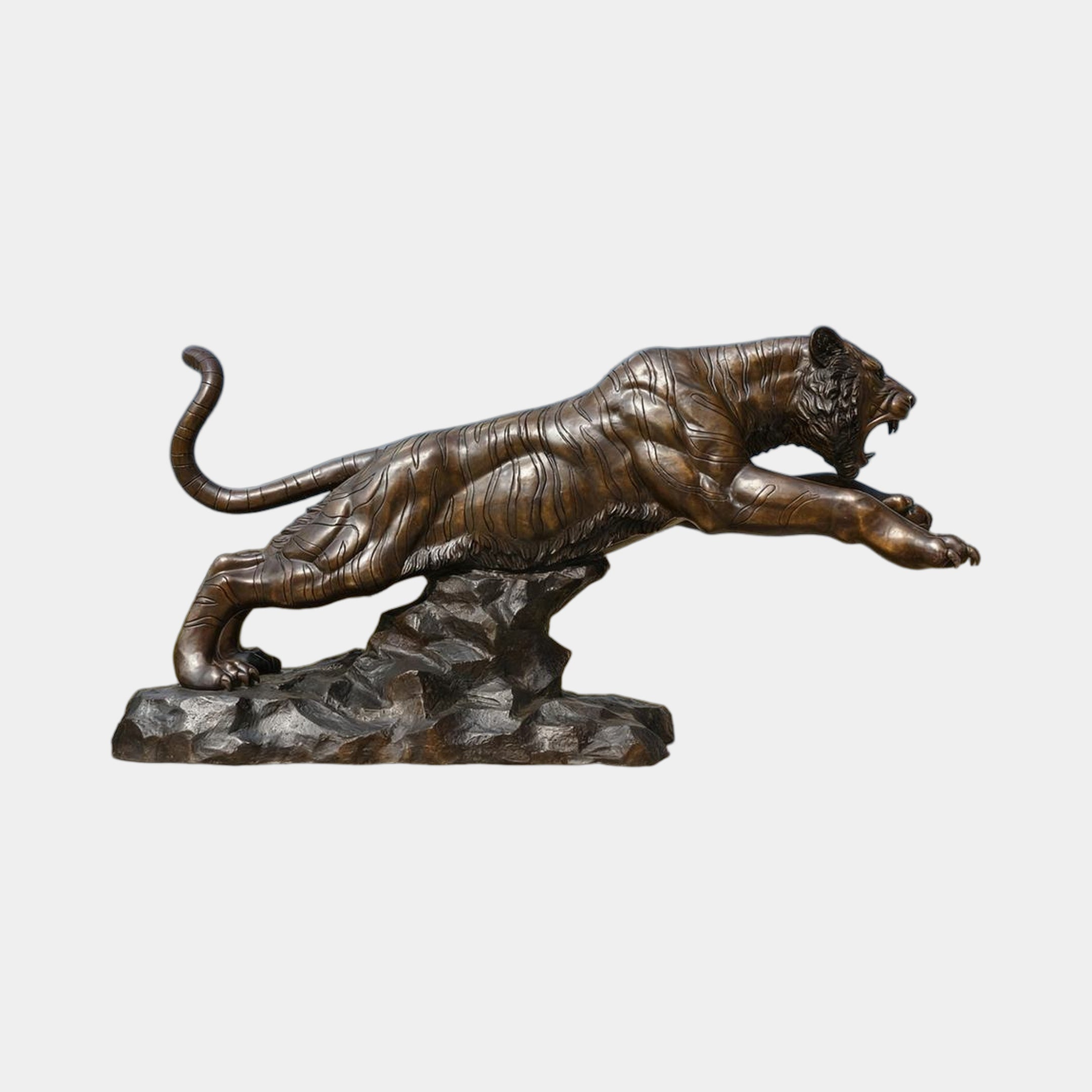
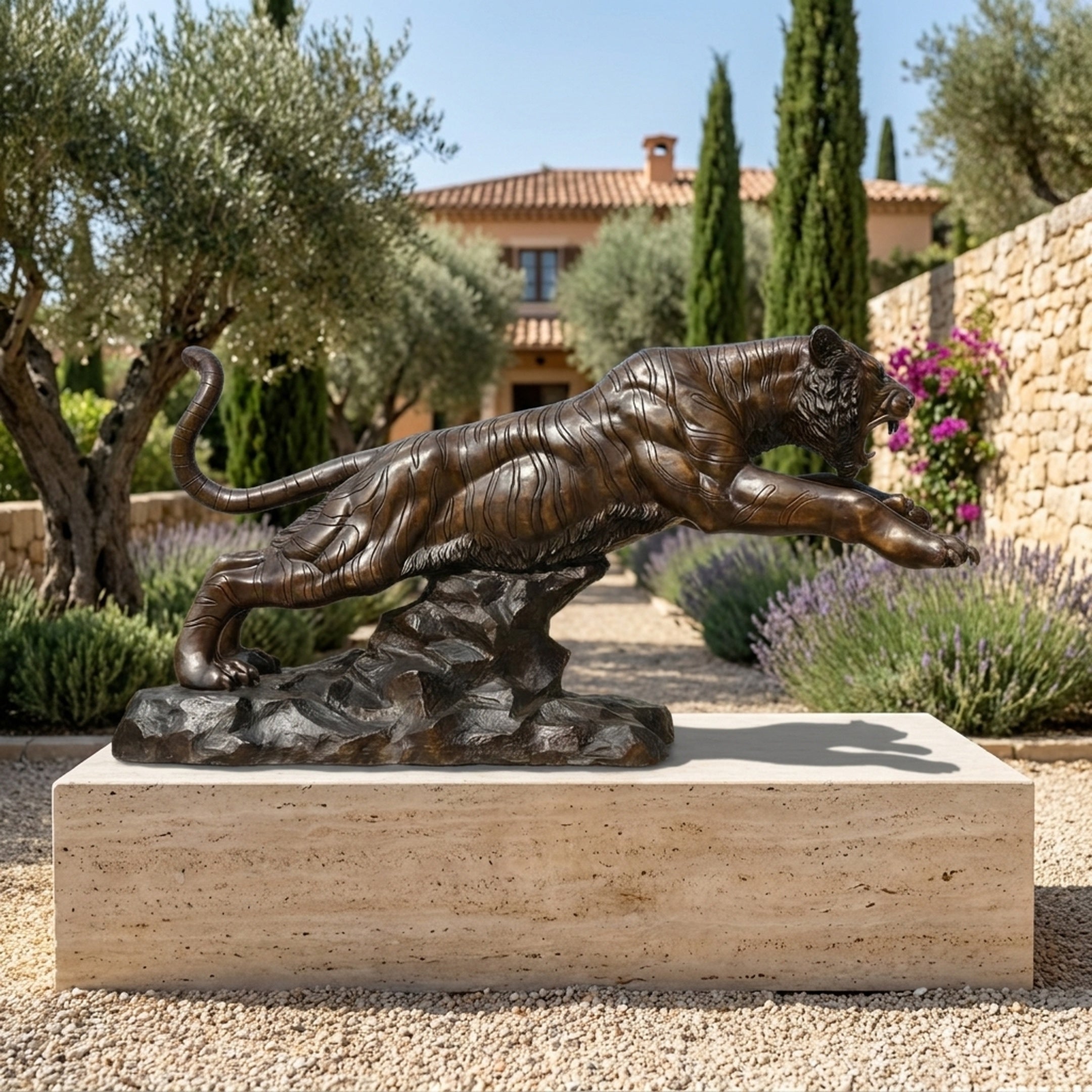
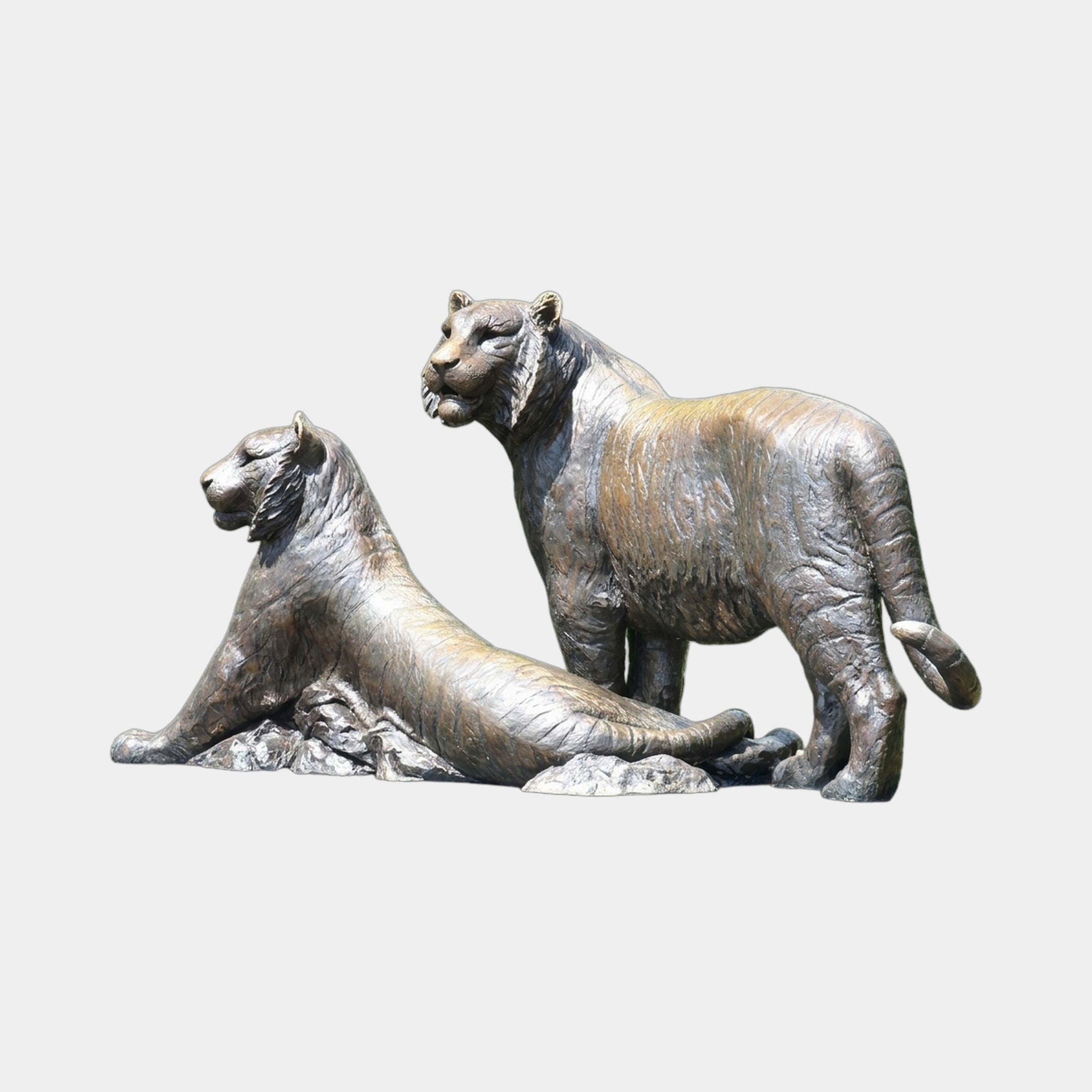
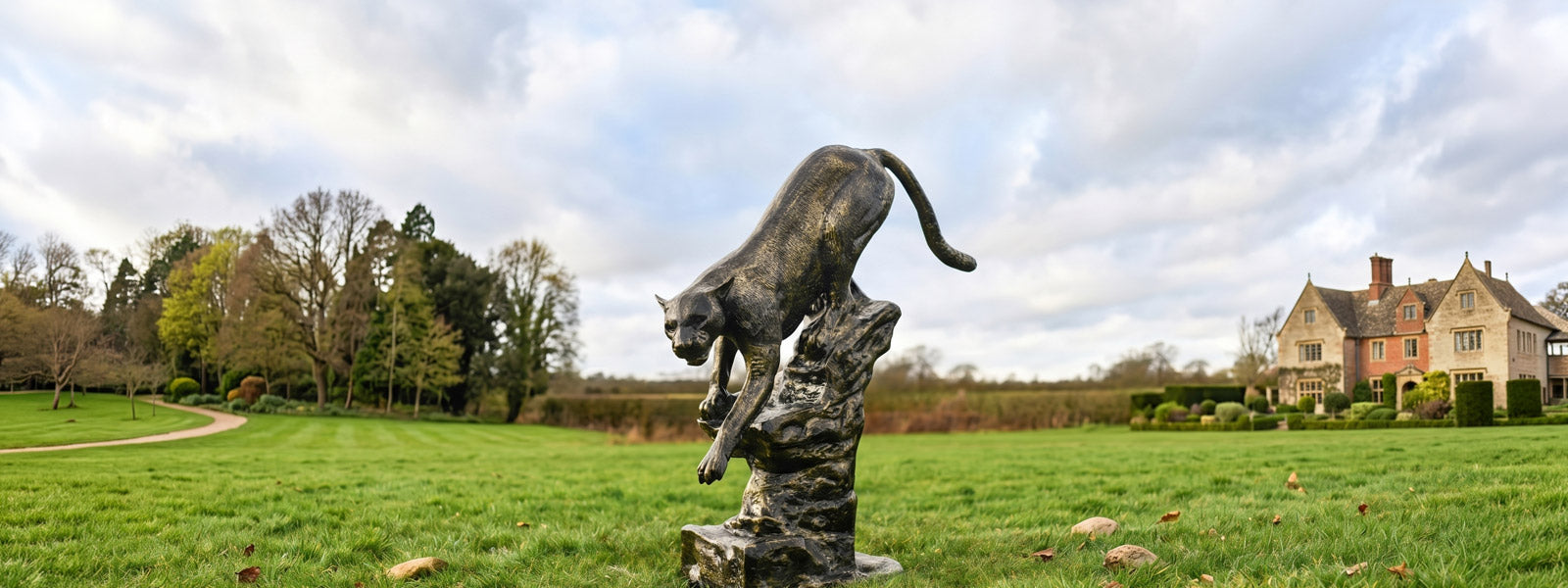
The range covers prowling and stalking tigers, seated and standing figures, and leaping poses. Browse the wider bronze work in bronze animal sculptures, the related big cats in lion statues and the full subject in animal sculptures and statues.
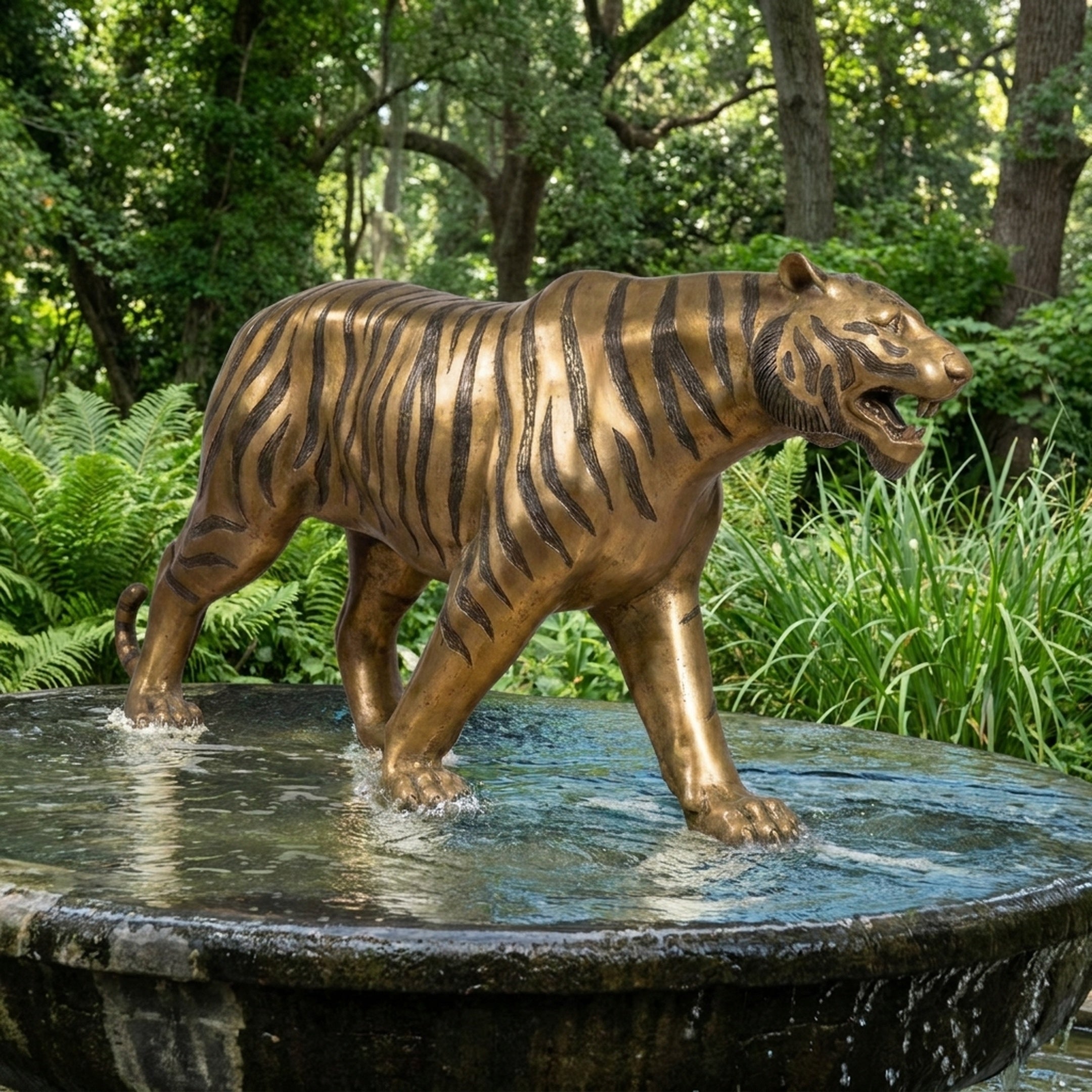
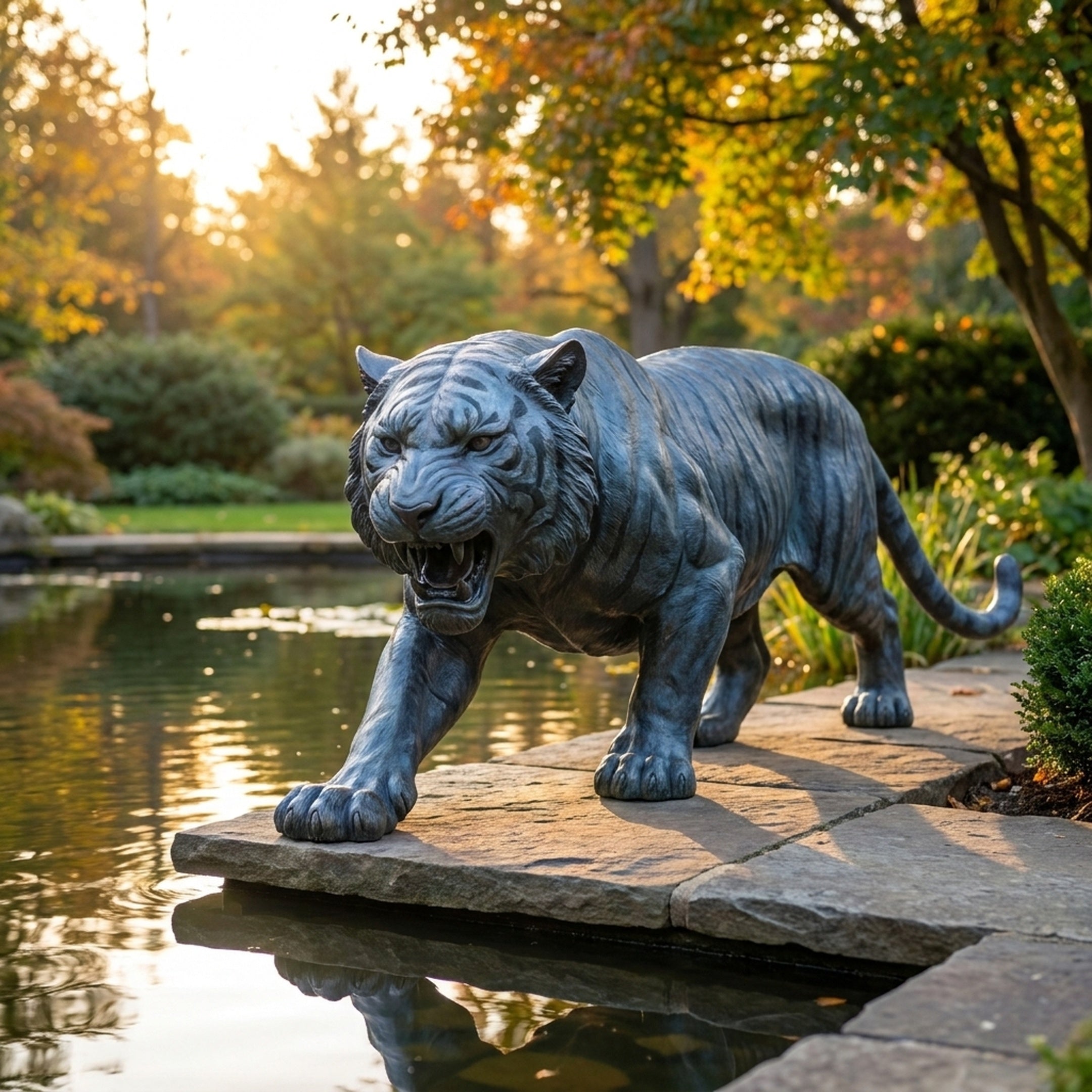
A prowling tiger wants a sight line rather than a corner, and ideally something to prowl towards. Everything here is made for permanent outdoor display and most pieces are at or near life size, which for a tiger is around 280cm nose to tail. See bronze garden statues.
Every piece is cast to order by our artists, designed in Birmingham and made in our worldwide studios. Standard production takes around three to four weeks, and we offer free worldwide shipping. Get in touch to commission a particular pose or scale.
FAQs
How large is a life-size tiger?
Around 280cm nose to tail and roughly 100cm at the shoulder. Most of the range sits at or near that, since a big cat depends on mass and loses its presence when scaled down.
Why patinated rather than painted with stripes?
Because a hand-applied patina deepens unevenly across the shoulder and flank, following the muscles that carry the animal's power. Painted stripes tell you what the animal is; the patina shows you what it can do.
Where should a tiger be placed?
With a sight line rather than in a corner, and ideally something to prowl towards. A stalking pose against a wall reads as trapped rather than as movement.
What poses are available?
Prowling and stalking, seated and standing figures, and leaping poses. Other poses can be commissioned.
Can they stay outdoors?
Yes, permanently. Bronze needs no protection and patinates over the years, which suits the subject.
How are they made, and how long do they take?
Every piece is cast to order by our artists, designed in Birmingham and made in our worldwide studios. Standard production takes around three to four weeks, and we offer free worldwide shipping.
Our Most Popular
BestSellers

New to the Collection
New Arrivals
Experience
Our Reviews

Designed In England
Birmingham based.

Limited Editions
Stand Out, Be Unique.

Premium Build
The Finest Materials.

Free Shipping
Worldwide.
Do you need help?
Visit the help section or contact us