

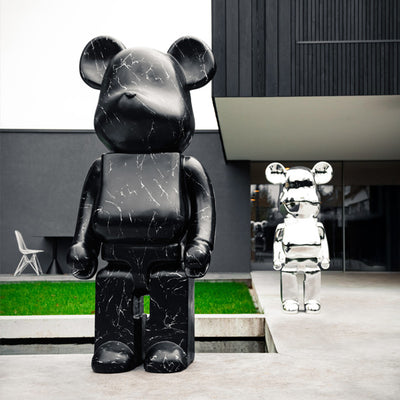


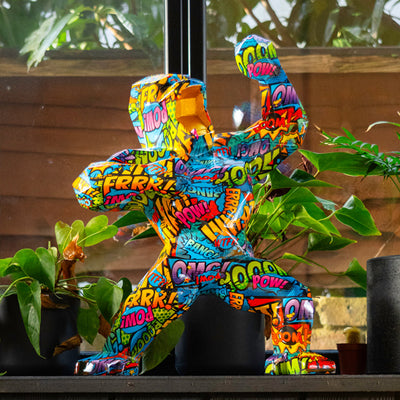









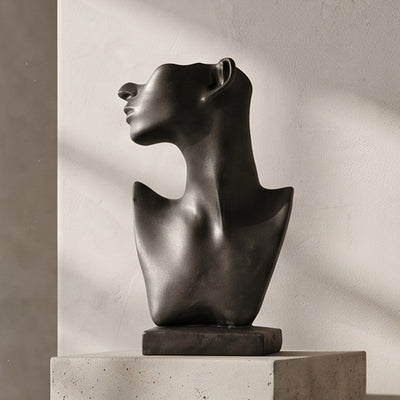

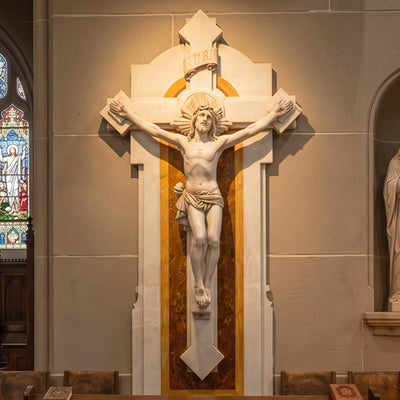


























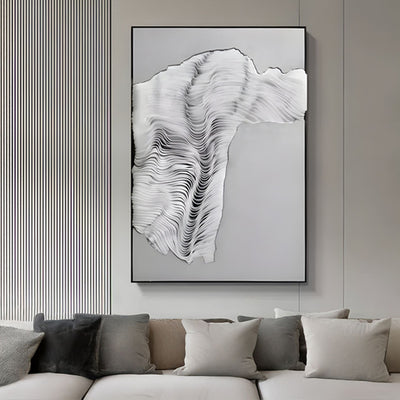
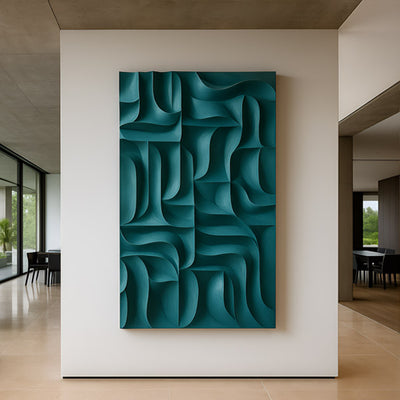
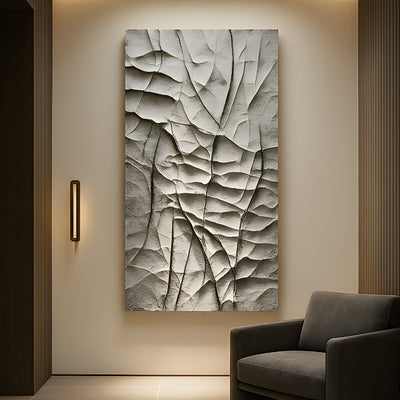



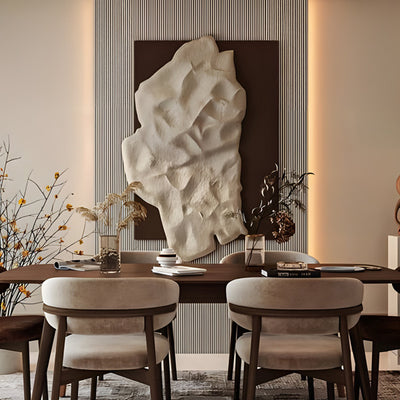


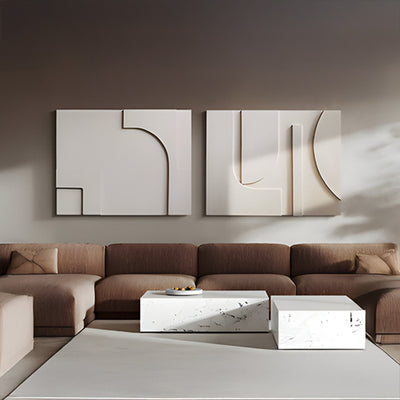





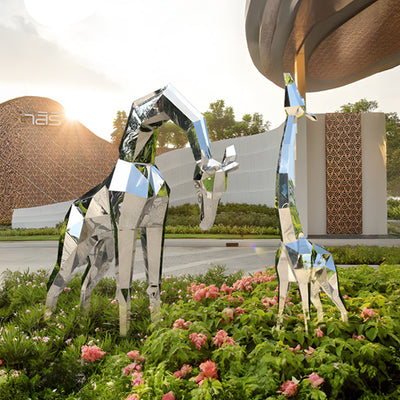






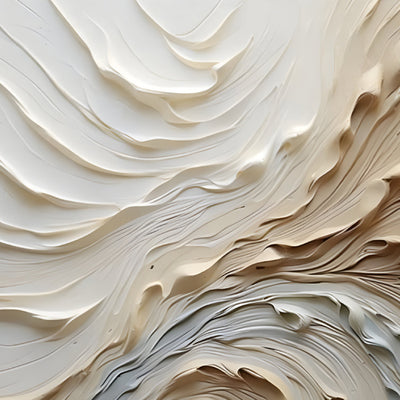




Pick up a stone resin sculpture and your hands notice something your eyes missed. It is heavier than resin should be, yet nowhere near the weight of carved marble. That in-between quality is the whole point of the material, and it is also behind most buyer disappointment. In the right spot, stone resin gives you crisp detail and a believable mineral surface at a weight two people can move. In the wrong spot, the surface starts to show its true makeup within a few seasons.

Quick Answer
Stone resin is crushed marble or limestone bound in polyester or epoxy resin, then cast in a mold.
More stone means more weight, a colder touch and a more convincing surface.
Molding captures fine carving detail that would take a stone carver weeks to reach.
UV light and freeze-thaw cycles break down the outer skin first.
It performs best under cover, on terraces, in hallways and lobbies, and on plinths kept out of direct weather.
What Goes Into a Stone Resin Sculpture
The base recipe is simple. Powdered or crushed stone, usually marble or limestone, is mixed into a liquid resin binder with a catalyst. Polyester is the common choice because it cures fast and runs cheaply through production molds. Epoxy is tougher, shrinks less and grips fine aggregate better, so serious casting studios use it for detailed or larger pieces. Pigments, fillers and sometimes a fiberglass backing layer are added depending on the effect the maker wants.
That is why two pieces sold as "stone resin" can feel like entirely different materials. Ask what the binder is. A supplier who cannot tell you probably bought the piece in rather than made it.
The Ratio Decides Weight, Coldness and Honesty
Stone-to-resin ratio matters more than any other number, and it is rarely printed on a listing. A high stone loading gives real heft. The surface stays cool to the hand on a warm afternoon, and a chipped edge looks mineral. A low loading behaves more like painted plastic with a sandy finish. It is light and warm to the touch, and it turns slightly glossy where hands rub it.
In our studio we judge it the way any buyer can, by lifting. A heavily loaded stone resin sculpture of around 3.5 feet (about 1 m) usually needs two people. A resin-heavy piece of the same size can go under one arm. Neither is wrong, but you should know which one you are paying for.

How a Mold Captures Carving Detail a Chisel Would Take Weeks to Reach
Every cast stone resin sculpture starts as a master original in clay, wax or carved material. The studio takes a flexible silicone mold from it, then pours or lays the stone and resin mix into that mold. Silicone records tool marks, fingerprints and undercut drapery folds that a carver working in solid stone would spend weeks approaching, with a constant risk of snapping a fold off. The principle is centuries old. The plaster casts of monumental sculpture in the V&A's Cast Courts show how faithfully a mold can carry detail from an original. If you want to see the process firsthand, stone and resin stone sculpture classes at community colleges and maker spaces usually start with small silicone molds and safe resin handling.
The catch is that all that detail lives in the skin. The sharpest surface sits in the first fraction of an inch of material, and that matters a great deal once weather gets involved.
Tap It, Lift It, Check a Chip
Three quick tests separate stone resin from carved stone and from plain resin:
Tap it. Carved stone gives a dense, high note under a knuckle. Stone resin gives a duller click. Plain resin sounds hollow, especially on larger castings.
Lift a corner. Carved marble of any real size will not budge. Stone resin shifts with effort, and plain resin shifts easily.
Check a chip or the base. Carved stone shows the same crystal structure all the way through. Stone resin shows speckled aggregate locked in a binder. Plain resin shows uniform plastic or a fiberglass mat behind a painted coat.
Look for seam lines too. A well-finished cast has them dressed out, but a faint ridge behind a limb or under drapery is common and worth asking about.

UV and Frost Attack the Thin Outer Skin First
Sunlight degrades the resin binder at the surface of any stone resin sculpture, and polyester yellows and chalks faster than epoxy. Once the top layer of binder erodes, loose stone particles start to show and the finish turns dull and powdery. Frost finishes the job. Water creeps into micro-cracks, freezes, expands and pries them wider. Winters in the northern US and the UK are the hardest on this material because they bring repeated freeze-thaw swings rather than one long hard freeze.
We learned this the slow way with a client in suburban Chicago who placed a stone resin urn on an open roof terrace against our advice. It looked fine through the first summer. By the second spring the north face had chalked, and a hairline crack ran down from the rim. Its twin, set under a pergola two floors below, was unmarked.
Covered Terraces, Hallways and Plinths: Where the Hybrid Outperforms Both Parents
Under cover, a stone resin sculpture beats both of the materials it borrows from. It beats carved stone on weight. An upper-floor landing in a Manhattan apartment may not take a solid marble figure without structural checks, while a stone resin piece with similar presence often will. It beats plain resin on surface and touch, which matters anywhere guests pass at arm's length.
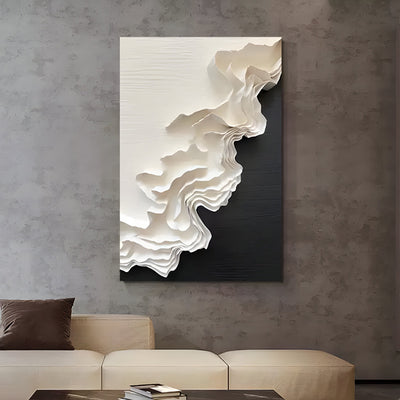
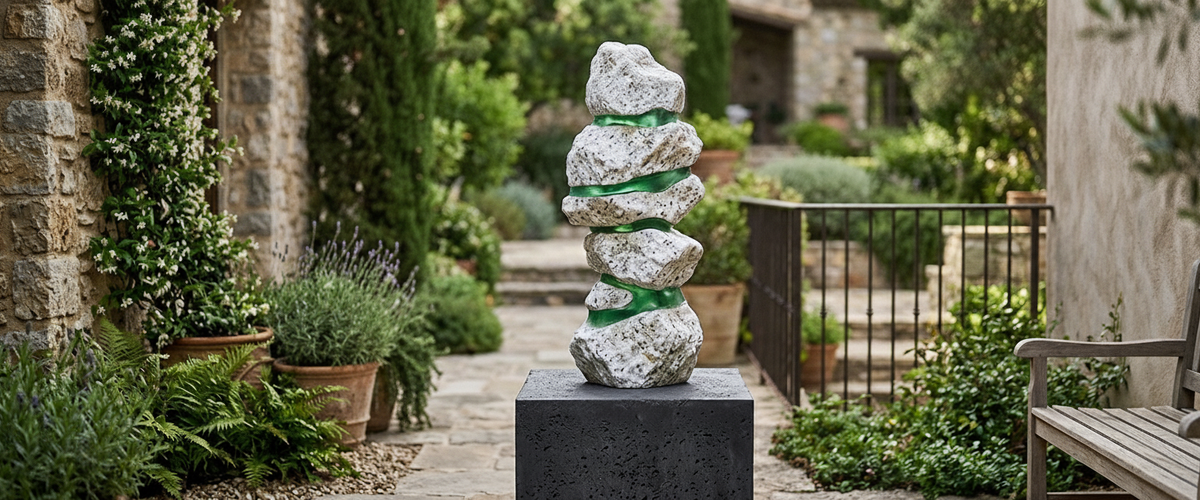
Covered terraces in Napa or Scottsdale, loggias, hotel lobbies and gallery plinths all suit it. Layered, strata-like forms do especially well indoors, where low light rakes across the surface and picks out every ledge. At just under 3.5 feet (106 cm), a piece such as the Green Stacked Rock Column Resin Sculpture - 106cm sits at the right height for a plinth in a hallway or loggia, and reads as geological rather than decorative.
Length is where the hybrid earns its keep. A single slab of stone running ten feet across a lobby floor is a structural problem before it is a design decision. Carrying a stone-look resin form on a steel frame solves that, which is why a long seat like the Frosted Stone Form Resin & Steel Bench - 320cm, about 10.5 feet (320 cm), is practical in a lobby or covered colonnade where carved stone of the same span would need engineering sign-off.

A Buyer's Checklist Before You Order a Stone Resin Sculpture
Ask which binder was used, polyester or epoxy.
Ask about stone content, or compare the weight against a similar-size piece.
Confirm whether there is a UV-stabilized topcoat.
Be honest about exposure: fully covered, part-covered or open sky.
Check floor loading on upper stories and balconies.
Keep the base out of spots where water pools.
Ask how a chip would be repaired and whether matching material is kept on file.
When to Commission Something Else
If the piece must stand in open ground through Aspen winters, or on a Texas lawn in full sun all year, stone resin is the wrong answer. For exposed sites, Giant Sculptures can quote a bespoke commission in bronze, stainless steel, Corten or carved stone. Budget depends on material, scale, complexity, engineering, installation and finishing, so a tailored quote is the only honest figure. For sheltered rooms and covered terraces, browse our resin sculptures collection and match the material to the space before you fall for the form.
For wider placement ideas, Marble and Granite Statues: Which Stone Belongs Where in Your Garden is useful companion reading before finalizing the setting and sightlines.