














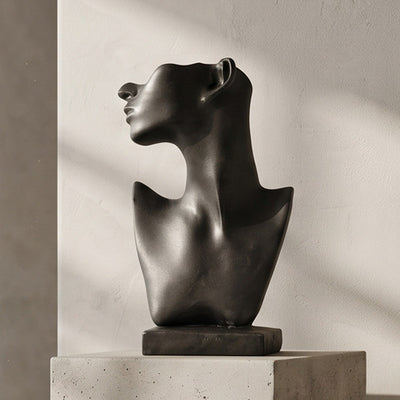

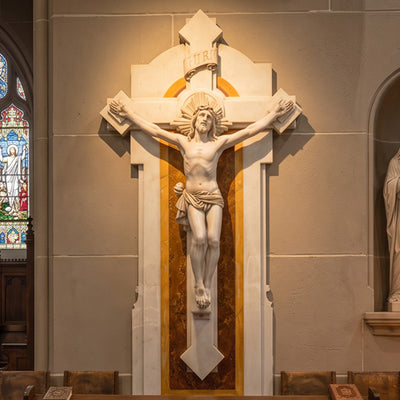


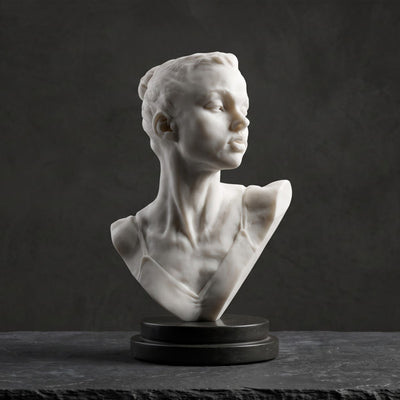




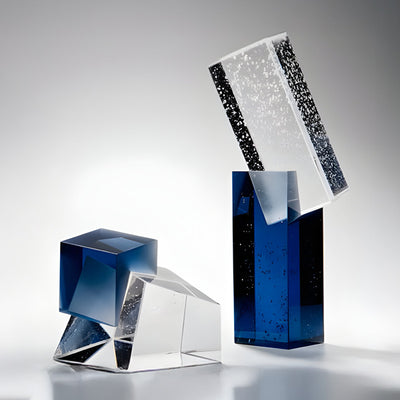
















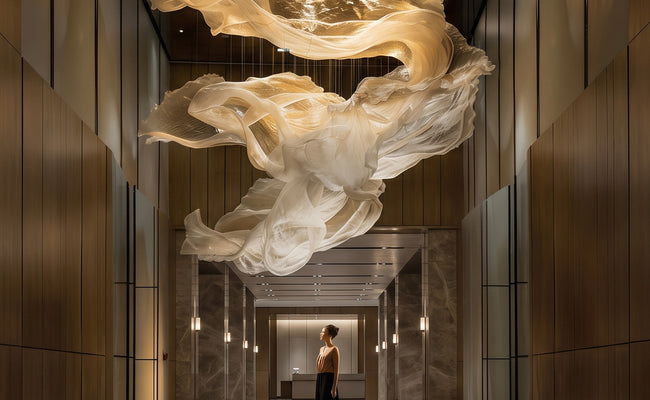




























































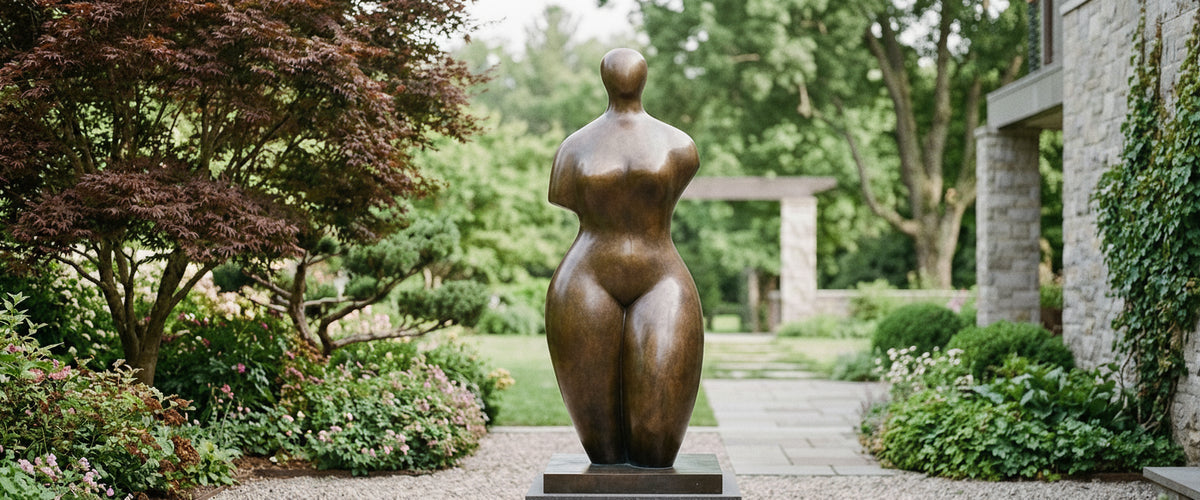

The same piece of contemporary modern sculpture can hold a double-height entrance hall like it owns the deed, or vanish into a corner where nobody looks twice. The bronze did not change. The placement did. We ship large abstract and figurative work to homes and venues across the US and beyond, and the pattern is consistent: buyers spend months choosing a contemporary modern sculpture and about ten minutes deciding where it goes. That ratio is backwards.
Placement is the quiet variable that decides whether a piece reads as considered or accidental. Get the sightline, height and backdrop right and a mid-size bronze can carry a whole room. Get them wrong and even a monumental work looks stranded.

Key Takeaways
- Contemporary modern sculpture reads differently in every room; the setting does half the work.
- Pedestal height and viewing distance change the pose more than most buyers expect.
- Outdoor placement rewards durable materials like bronze, Corten and stainless steel.
- Backdrop contrast and light direction decide visual impact before scale does.
- The most common mistake is buying for the piece, not for the sightline it will live on.

What Contemporary Modern Sculpture Actually Looks Like in Real Rooms
Strip away the gallery language and modern contemporary sculpture covers a wide field: pared-back abstraction, fragmented figures, smooth biomorphic forms, and the kind of confident negative space that only works at scale. In a Napa living room with white plaster walls and oak floors, a smooth bronze torso reads as calm and tactile. Drop that same form into a busy, pattern-heavy interior and it fights for attention it will not win.
Contemporary abstract modern sculpture tends to do its best work where the surroundings are quiet. For a console table, a wide shelf, or a plinth in a reading nook, a piece like the Contemporary Abstract Female Torso Bronze Sculpture - 70cm suits close viewing, so it wants to sit where people pause rather than pass. Larger works flip that logic. A Large Modern Abstract Face Fragment Bronze Sculpture - 180cm needs room to be read from across a space, not pressed against a wall in a hallway.
Outdoors, the rules loosen and the material bill tightens. A Hamptons garden, a Texas courtyard, an Aspen approach drive; each of these wants a contemporary modern sculpture that can take weather, temperature swings and years of neglect between cleans. That is where bronze, Corten steel and stainless steel earn their place, and why we steer outdoor commissions away from anything that will sulk in a hard winter.

Scale, Sightlines and Pedestal Height
Here is the single most useful thing we tell buyers: decide the viewing distance first, then the height, then the piece. Not the other way round.
A contemporary modern sculpture designed to be seen from ten feet away needs a different pedestal to one you walk right up to. Set a piece too low and viewers look down onto it, which flattens the pose and hides the silhouette that made it worth buying. Set it too high and you lose the detail and the invitation to look closely. As a rough working rule for figurative and abstract-figurative work, we aim for the visual center of the piece to sit near eye level for the average standing viewer, then adjust for whether people will mostly sit, stand or approach from a distance.
Sightlines matter more than square footage. A monumental work such as the Monumental Modern Abstract Seated Figures Bronze Sculpture - 220cm earns its scale when it terminates a long view: the end of a lawn, the far side of a lobby, the axis you see the moment you walk in. Put that same piece off to one side and the scale reads as awkward rather than deliberate.
We shipped a pair of large bronzes to a collector outside Dallas last year who had planned to flank a doorway. When the crates arrived we walked the space with them and moved both to a single sightline down the length of the garden instead. Same sculptures, entirely different presence. The doorway version would have looked like decoration. The axial version looked inevitable.
A Quick Placement Checklist
For wider placement ideas, How a Modern Contemporary Sculpture Is Really Made: An Insider's Guide is useful companion reading before finalising the setting and sightlines for your contemporary modern sculpture.
- Fix the primary viewing distance before you choose height.
- Check the silhouette against its backdrop from where people will actually stand.
- Confirm the base can carry the weight; large bronzes run into the hundreds of pounds (well over 100kg).
- Leave breathing room. Crowded sculpture reads as clutter, not confidence.
- Test the approach. Walk toward the piece the way a guest would and see what the first impression is.

Indoor Versus Outdoor: When Each Wins
Indoors, you control everything: light, backdrop, temperature, sightline. That control suits pieces with fine surface detail or a polished finish that would dull under UV and rain. A smooth interior bronze or a stainless steel form keeps its intended surface for decades when it lives inside.
Outdoors, a contemporary modern sculpture has to hold its own against sky, planting and changing light, and it has to survive the environment. This is where material choice stops being aesthetic and becomes structural. Bronze develops a patina over time, and that is usually a feature rather than a fault; the Smithsonian's Save Outdoor Sculpture program has long documented how weathering and maintenance shape the long life of outdoor bronze. Corten steel is meant to rust to a stable, protective surface. Stainless steel resists corrosion and throws light around a garden. Marble and stone bring weight and permanence but need thought about freeze-thaw exposure.
Where the setting can carry a sense of movement against open sky, a piece with a dynamic pose such as the Life-Size Modern Abstract Diving Figure Bronze Sculpture - 180cm works beautifully at the edge of a pool or lawn. Indoors, that same pose can feel cramped unless the ceiling and floor space genuinely support it. When a contemporary modern sculpture has movement built into its silhouette, give it the open backdrop it was designed for.

Light, Backdrop and Contrast
Light decides impact before scale does. A dark bronze against a dark wall disappears; the same bronze against a pale plaster wall or a green hedge snaps into focus. When you plan placement, plan the backdrop and the light together.
Indoors, side light rakes across a surface and reveals form. Flat, head-on light from a single downlight tends to kill the modeling that makes contemporary abstract modern sculpture worth owning. If you can, position the piece where daylight crosses it during the hours you use the room, then add a discreet accent light for the evening.
Outdoors, low morning and evening sun does the heavy lifting. A stainless steel or polished bronze form comes alive when the sun is low and the surface catches it. Backdrop contrast is your friend: a light-colored form wants a darker planting behind it, and a dark bronze wants sky, pale stone or a clipped hedge to read against. At 94cm, the Large Modern Abstract Bronze Sculpture - 94cm is a versatile contemporary modern sculpture here because it can sit against a wall inside or hold a planted corner outside, provided you give the silhouette something to contrast with.

Modern Contemporary Wall Sculptures and Vertical Space
Not every contemporary modern sculpture stands on the floor. Modern contemporary wall sculptures solve a real problem: rooms with generous wall area and little floor to spare, or corridors and stairwells that want interest without an obstruction. Treat a wall piece like a painting with depth. Hang it where raking light will catch the relief, keep it clear of door swings and traffic, and give it enough surrounding wall so it does not feel pinned into a corner. In double-height spaces, a vertical composition can hold the upper wall that usually goes to waste.
Contemporary American Sculpture Modernism, and Why the Lineage Matters
The abstraction most buyers respond to today did not appear from nowhere. Contemporary american sculpture modernism, from the mid-century push into pure form onward, taught a generation to read a simplified silhouette as complete rather than unfinished. That inheritance is why a fragmented figure or a rounded abstract pairing feels resolved rather than lacking. A piece like the Contemporary Abstract Rotund Figures Bronze Sculpture - 150cm leans on that language: two full, simplified forms whose relationship is the subject. Understanding the lineage helps you place a contemporary modern sculpture with confidence instead of treating it as an ornament.
Common Placement Mistakes We See
The frequent errors are predictable, which means they are avoidable.
- Buying for the piece, not the sightline. Fall in love with a contemporary modern sculpture, then discover it has nowhere to be seen properly. Reverse the order.
- Underscaling outdoors. Open air swallows objects. A piece that felt large in a studio can look modest on a lawn. When in doubt, go bigger.
- Ignoring the base and the ground. A monumental bronze needs a foundation that can take the load; something on the scale of the Monumental Modern Abstract Tandem Riders Bronze Sculpture - 250cm is not something you sit on a decorative paver and hope.
- Fighting the backdrop. Dark on dark, busy on busy. Give the silhouette contrast.
- Forgetting the evening. A garden sculpture with no lighting simply vanishes after dusk.
Commissioning for a Specific Spot
When an existing piece almost fits but not quite, a bespoke commission solves the gap. At Giant Sculptures we regularly adjust scale, base height, finish and patina so a contemporary modern sculpture suits a particular sightline, wall or approach rather than forcing the room to accommodate a stock size. Budget depends on material, scale, complexity, engineering, installation and finishing, so the honest answer is to send us the space and ask for a tailored quote. Bring photographs, the primary viewing distance, and a note on the light through the day. That is enough for us to advise on size, material and placement before anything is cast.
If you want to see the range of forms first, the contemporary and modern sculptures collection is the place to start, and the abstract sculptures collection narrows it to pure form. Choose the sightline, then choose the piece. In that order, a contemporary modern sculpture rarely disappoints.