

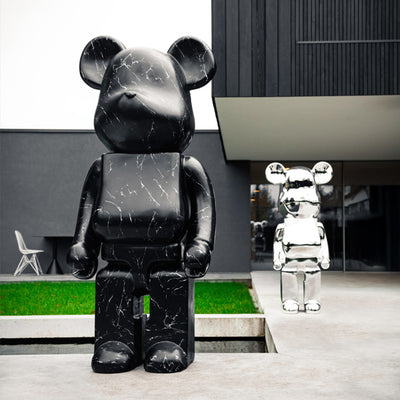

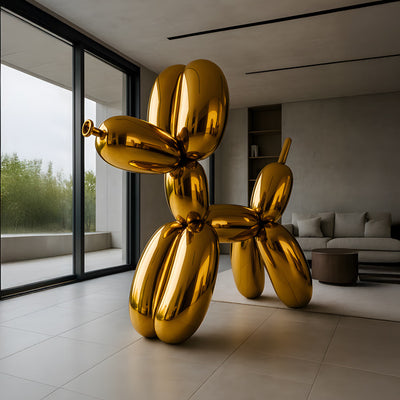
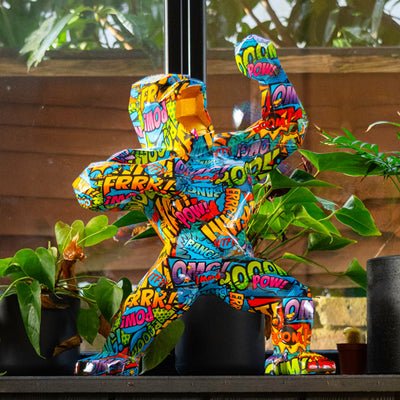
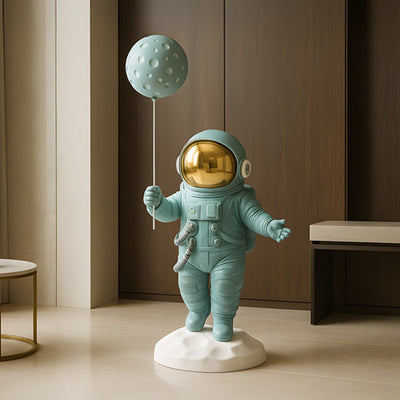








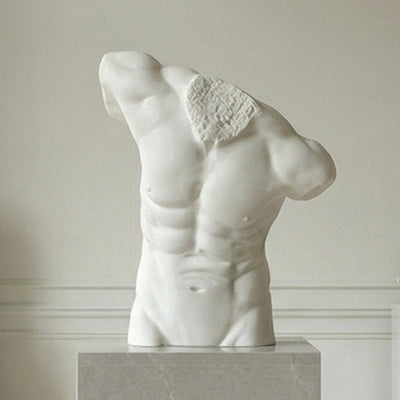
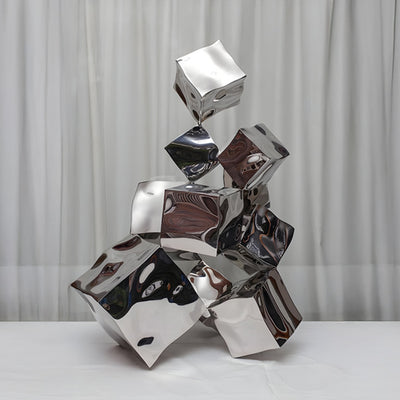


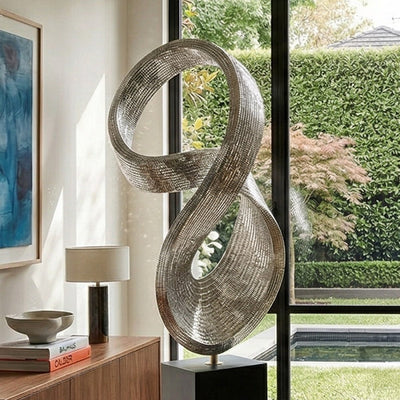
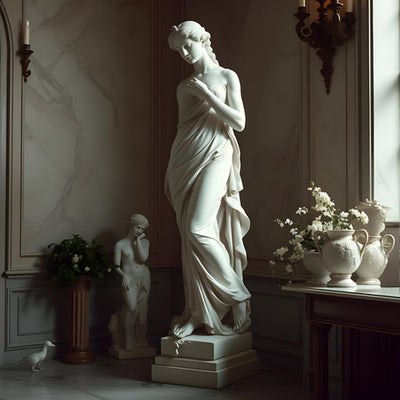
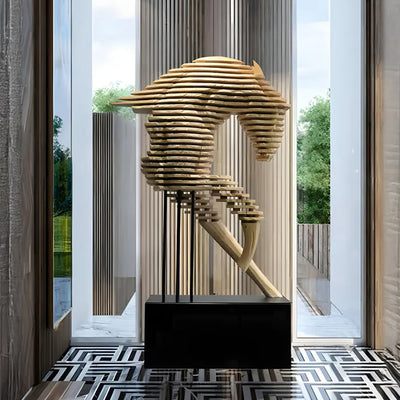
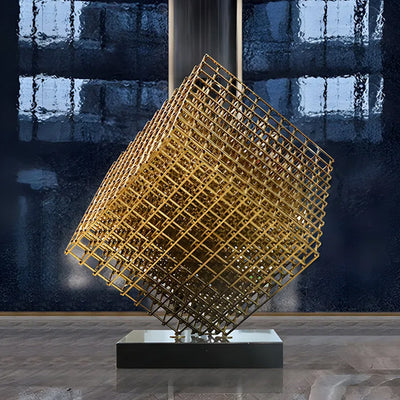
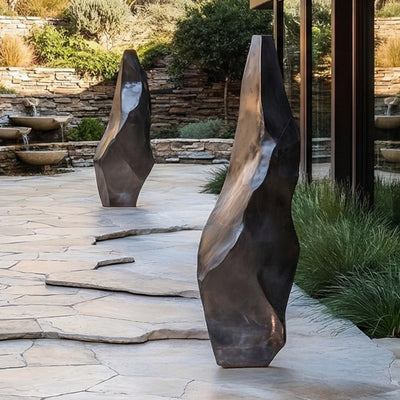

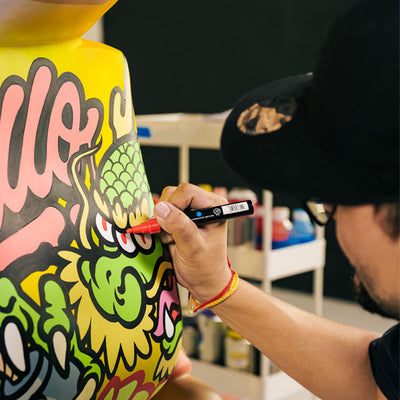














Most sculpture disappointments do not start with the piece. They start with the spot. A collector browses a contemporary outdoor sculptures sale, falls for a form, ships it, and then watches it shrink against a wide lawn or vanish into a dark hedge. The sculpture was never the problem. The placement was. Before you buy anything, you need to know how scale, sightlines, backdrop and light will treat the piece once it is standing in your garden or courtyard.
Looking for the full range in this category? Browse our Contemporary & Modern Sculptures collection for every available finish, size, and configuration.
We have shipped enough commissions to say this plainly: the same bronze that looks heroic in a studio can look apologetic in the wrong yard. Any smart contemporary outdoor sculptures sale purchase starts with placement logic, then the choice of work.

Key Takeaways for Buying a Contemporary Outdoor Sculpture
- Scale beats detail outdoors. Open sky and lawn eat visual weight, so a piece almost always needs to be larger than it feels indoors.
- Sightlines decide the pose. Where people first see the sculpture, and from how far, changes which orientation and silhouette works.
- Backdrop and contrast do half the work. A form only reads if it separates from what sits behind it.
- Pedestal height is a design decision, not an afterthought; it sets the eye line and the whole mood.
- Budget depends on material, scale, engineering and finishing. Ask for a tailored commission quote rather than guessing from a headline number.

What a Contemporary Outdoor Sculptures Sale Actually Looks Like in Real Settings
A sale listing shows you a clean studio shot. Your site shows you weather, wide angles and competing color. Those are different worlds. A 120cm (about 4ft) bronze that feels commanding on a plinth in a gallery can read as a garden ornament on a terrace flanked by mature olive trees. This gap is exactly why browsing contemporary outdoor sculptures for sale online can mislead you if you buy on looks alone. A good contemporary outdoor sculptures sale is really about matching the piece to a real place, not a photo.
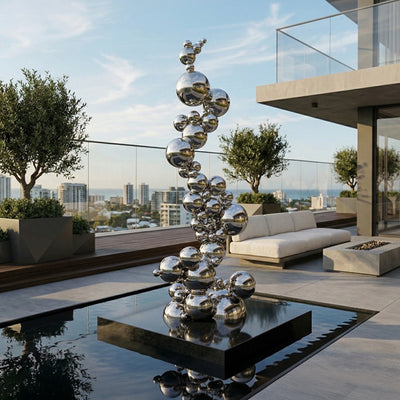
Think about the three settings people usually buy for. A formal courtyard reflects light off pale stone and rewards a piece with a strong, readable silhouette. A garden with deep planting swallows anything busy, so you want mass and a clean profile. An urban rooftop frames a sculpture against sky and skyline, which flatters vertical work and punishes anything squat. The piece that suits one of these will often look wrong in the others.
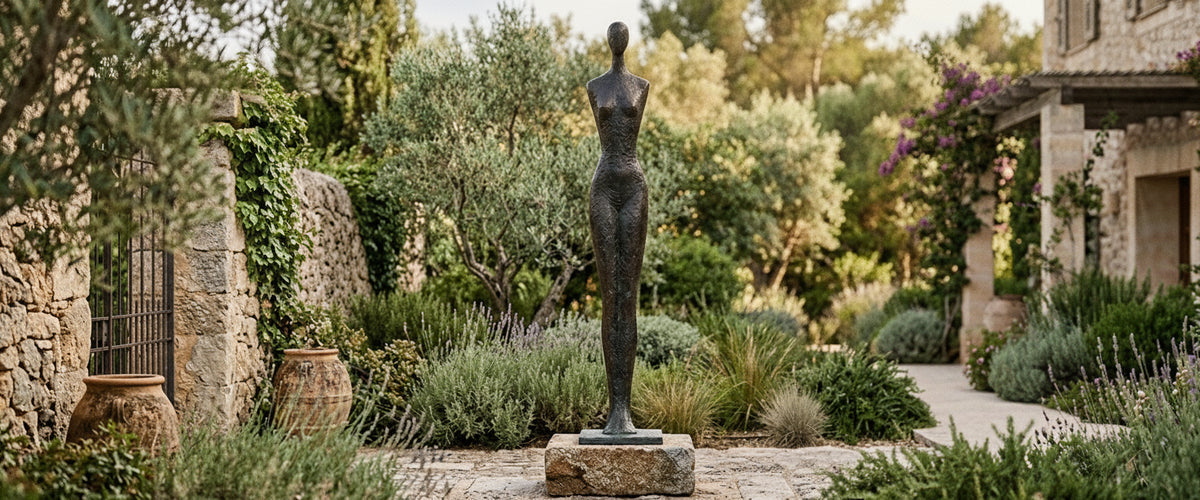
This is why we push buyers toward material and form before price. When you shop a contemporary outdoor sculptures sale for open space that needs height and a simplified form, something like the Large Contemporary Headless Figure Bronze Sculpture - 220cm earns its place because the gesture stays legible at distance. Shrink that idea to a tabletop and put it on a busy patio and the same gesture gets lost.

Scale, Sightlines and Pedestal Height: The Choices That Change How a Piece Reads
Scale is the single most common misjudgment we see in a contemporary outdoor sculptures sale. Indoors, a 5ft (1.5m) figure feels substantial. Outdoors, with 30ft (9m) of lawn behind it and open sky above, that same figure can look modest. The rule of thumb from our studio: measure the viewing distance, then size up. If people will mostly see the work from 40ft (12m) away across a garden, you want height and a bold outline, not fine surface detail they will never register.
Sightlines matter as much as size. Walk your space and note where the sculpture first comes into view. Is it seen head-on from a doorway? In profile as you walk a path? From above off a balcony? A figure with a clear directional line, such as the Large Contemporary Violinist Bronze Sculpture - 220cm, reads beautifully in profile; place it where the main approach is dead-on and you lose some of that drama. Match the pose to the primary sightline.
Pedestal height sets the eye line and the emotional register. Lift a figure so its face meets your eye and it feels like a peer. Raise it higher and it becomes commanding, even remote. Keep it low and grounded and it feels intimate, part of the garden rather than presiding over it. None of this is neutral. Decide the feeling you want, then set the height to serve it. For animal and object pieces, a low or ground-level setting often reads more naturally; a sprawling form like the Contemporary Octopus Bronze Sculpture - 80cm looks alive across stone at ground level in a way it never would on a tall plinth.

Indoor Versus Outdoor Placement: When Each Wins
For wider placement ideas, Contemporary Garden Sculptures: How to Choose a Piece That Holds the Whole Yard is useful companion reading before finalizing the setting and sightlines.
Some pieces in a contemporary outdoor sculptures sale actually earn their keep inside, and forcing them outdoors weakens them. Fine surface work, subtle patina gradients and intimate scale reward close viewing under controlled light. If a contemporary sculpture for sale invites you to lean in, it probably belongs in an entrance hall or a double-height living room where people pass within a few feet.
Outdoor placement wins when the form is strong at distance and the material can take weather. Bronze is the workhorse here. A well-cast, properly patinated bronze handles decades outside and develops character as it ages, which is why so much public and garden sculpture uses it. The Smithsonian's conservation guidance on outdoor bronze is a useful reality check on how these surfaces change and what upkeep looks like over time (Smithsonian's Museum Conservation Institute). Stainless steel and Corten steel also thrive outside, each with a different mood: mirror-polished steel throws the garden back at you, Corten settles into a warm rusted tone that suits naturalistic planting.
Our honest advice: if a piece in a contemporary outdoor sculptures sale could go either way, test the outdoor case hard. Weather, viewing distance and backdrop all have to agree. If two of the three fight the sculpture, keep it indoors.
Light, Backdrop and Contrast: What Really Decides Visual Impact
A sculpture only exists against its background. Get contrast right and a modest piece sings; get it wrong and a major work turns to mush. Dark bronze against a dark yew hedge is a classic mistake. The eye needs separation. Set that same bronze against pale render, a stone wall or open sky and the silhouette snaps into focus.
Light moves, so plan for it. South-facing spots get strong overhead sun that flattens form at midday and rakes beautifully in the early evening. East and west placements catch low, directional light that models a surface and throws long shadows, which usually flatters figurative and abstract work. A tender, gestural piece such as the Large Contemporary Girl with Bird Bronze Sculpture - 130cm gains real feeling in low side light because the exchange between figure and bird reads clearly. Under flat noon glare, that same subtlety washes out.
Think about seasonal backdrop too. Deciduous planting that frames a piece in July leaves it exposed against bare branches in January. If the sculpture is a year-round anchor, set it where the backdrop stays consistent: architecture, evergreens, water or sky rather than something that strips back in winter. Water is worth a mention on its own. A piece sited near a reflecting pool or one of our bronze fountains doubles its presence through reflection and gains movement and sound that a static lawn cannot give.
Common Placement Mistakes We See, and How to Avoid Them
These are the recurring errors from commissions and contemporary outdoor sculptures sale inquiries. Run through them before you buy.
- Buying for the studio photo, not the site. The listing shot is lit and staged. Photograph your own space at the intended viewing distance and imagine the piece at true size.
- Under-scaling. The most frequent regret. When in doubt, go larger. Open space demands more mass than a room does.
- Ignoring the primary sightline. A pose that works in profile can fall flat head-on. Match orientation to how people actually approach.
- Camouflaging the form. Dark on dark, busy on busy. Give the silhouette a clean backdrop to read against.
- Treating the pedestal as an afterthought. Height changes everything. Decide the eye line deliberately.
- Forgetting foundations and wind load. A tall bronze needs proper footing and fixing. This is engineering, not decoration, and it should be planned before delivery.
- Skipping the winter view. Check the backdrop across seasons, not just the month you install.
Choosing and Commissioning With Giant Sculptures
Giant Sculptures works with buyers, designers, architects and landscape designers on large-scale contemporary work in bronze, stainless steel, Corten and stone. When a stock piece from a contemporary outdoor sculptures sale nearly fits but not quite, a bespoke commission lets you set the exact height, patina, pose and base to suit your site and sightlines. That is usually the difference between a sculpture that sits in a garden and one that owns it.
On budget: we do not publish flat prices because they would mislead you. Cost tracks material, scale, structural engineering, finishing and installation, and those vary widely from one project to the next. A compact piece like the Contemporary Boar Head Bronze Sculpture - 45cm and a two-meter figure are different undertakings entirely. Tell us the space, the viewing distances and the feeling you want, and we will put a tailored quote against it. That beats guessing from a headline number in a contemporary outdoor sculptures sale.
Buy the placement first and the piece second. Do that, and your contemporary outdoor sculptures sale purchase stops being decoration and becomes the thing people remember about the space.