
Choosing the right Flower & Plant Art for your home isn't about grabbing whatever looks pretty in isolation. The right flower plant art should support your interior style, lift the mood of the room, and feel deliberate within your space. Picked with care, the best pieces can soften sharp modern interiors, add refinement to traditional settings, or bring warmth into pared-back minimalist rooms.
This guide focuses specifically on how to choose flower plant art that works for your interior style, not just how to style it after purchase. By understanding proportion, palette, mood, and material, you can make confident decisions that lift your home.

Start by Defining Your Interior Style
Before choosing any flower plant art, identify the foundation of your interior style. Artwork should reinforce your design direction rather than compete with it.
If your home leans towards a modern aesthetic with clean lines and neutral tones, opt for simple botanical line drawings or large-scale leaf prints. These choices support minimalism without introducing unnecessary detail.
For traditional interiors, look for detailed floral compositions or botanical illustrations with classic framing. Roses, peonies, and heritage blooms often sit comfortably within more formal décor.
Scandinavian or contemporary homes respond well to muted watercolors and soft greenery. Eclectic or maximalist spaces can carry bold, layered flower plant art with dramatic color and scale.
Decision tip: if the artwork feels disconnected from your furniture or finishes, it is likely not the right fit. For more on getting the walls themselves right, our guide to styling large wall art is a useful companion read.
Evaluate Color Compatibility
Color should guide your selection process rather than be an afterthought. Your flower plant art must either harmonize with your palette or introduce a controlled contrast.
If your room features cool shades such as gray, blue, or sage, choose botanical prints with similar undertones to maintain balance. Warm interiors benefit from florals containing earthy reds, terracotta, ochre, or muted gold.
When deciding, consider two approaches:
Harmonizing: Select artwork that blends with existing tones for a cohesive look.
Contrasting: Introduce an accent shade that complements your furnishings without overpowering them.
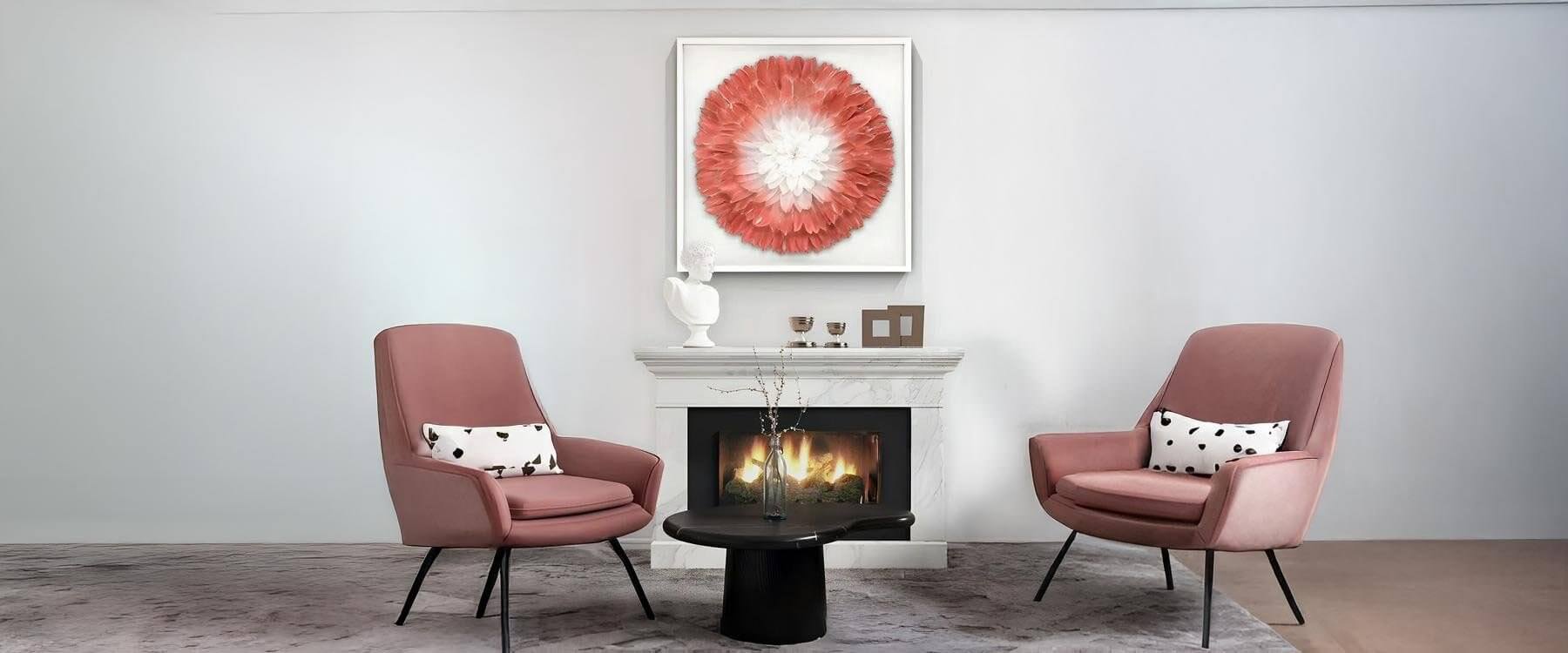
For example, a neutral living room can gain depth from a botanical piece featuring soft blush or warm beige tones. In darker spaces, lighter flower plant art can lift the overall atmosphere.
The key is intention. Flower plant art should either calm the space or energize it, never feel random. Color theory backs this up; the basic relationships between complementary and analogous shades are well explained by the Encyclopaedia Britannica's overview of the color wheel. If you want to pin down your scheme first, our guide on choosing a color palette for your interior is a good next read.

Choose the Correct Size and Scale
Scale is one of the most common mistakes when selecting flower plant art. Even the most beautiful piece will feel misplaced if it is the wrong size.
A small print above a large sofa can appear insignificant. An oversized floral piece in a narrow hallway may feel overwhelming.
Use these practical guidelines:
Artwork above a sofa should span roughly two-thirds (around 66 percent) of the sofa's width.
In bedrooms, hang botanical prints centrally above the headboard, with the center of the piece at about 57 to 60 inches (145 to 152 cm) from the floor.
Leave roughly 6 to 12 inches (15 to 30 cm) of clear wall between the top of the furniture and the bottom of the frame.
Vertical plant studies work well in hallways to create height.
Dining areas benefit from symmetrical floral compositions.
If you are designing a statement wall, you might pair flower plant art with subtle texture elements such as 3D art to add depth while keeping the botanical focus.
Choosing the right scale ensures balance and visual harmony.

Select a Medium That Matches Your Interior Mood
The medium of your flower plant art influences how it feels within a space. When choosing, think beyond the image itself.
Watercolor florals offer softness and fluid movement. They suit bedrooms, reading corners, and relaxed living areas.
Acrylic or oil botanical paintings add texture and boldness. These work well in entrance halls or feature walls where presence matters.
Digital botanical prints provide clean precision and complement contemporary interiors.
Framed canvas art creates visual weight and works particularly well in open-plan spaces that need strong focal points.
The surface finish should align with your interior's texture. Smooth finishes suit minimalist décor, while textured paintings enhance layered interiors.
Consider the Room's Purpose
Each room has a different function, and your flower plant art should support it.
Bedrooms benefit from calming botanical themes with soft greenery and gentle florals.
Home offices respond well to structured plant illustrations that add focus without distraction.
Living rooms allow greater freedom. You may choose bold, expressive florals that spark conversation or subtle botanical arrangements that promote relaxation.
Ask yourself: how do I want this room to feel? Your answer should guide your artwork selection.

Think About Framing Before You Buy
Framing significantly affects how flower plant art integrates into your interior.
Black frames create contrast in modern spaces. Natural wood frames complement Scandinavian décor. Ornate frames enhance traditional interiors.
Floating frames offer a contemporary finish, while mounted prints provide breathing space around detailed botanical illustrations. A mount of 2 to 3 inches (5 to 8 cm) around the print gives detailed work room to read clearly.
When choosing artwork, consider whether the frame supports your existing finishes, including flooring, cabinetry, and hardware. The wrong frame can undermine an otherwise perfect piece.
Use a Simple Selection Checklist
To make sure you are choosing wisely, review this checklist before buying flower plant art:
Does it complement my interior style?
Does the color palette align with my existing décor?
Is the scale appropriate for the wall?
Does the medium suit the mood of the room?
Will the framing integrate with other finishes?
If the answer to any of these questions is uncertain, reconsider before committing.

Balance Trend Awareness with Longevity
While trends influence decorative choices, flower plant art has lasting appeal when chosen thoughtfully.
Muted florals and classic botanical studies remain timeless. More trend-led pieces, such as oversized tropical leaves, can still work beautifully if they reflect your genuine taste.
Choose artwork you will appreciate long term rather than something that feels fashionable but temporary. Timeless selections give you flexibility as your furnishings evolve.

Conclusion: Choosing Flower & Plant Art with Clarity and Confidence
Selecting the perfect flower plant art takes more than aesthetic preference. It involves evaluating your interior style, assessing color compatibility, choosing appropriate scale, and selecting a medium that supports the mood of each room.
When chosen with intention, flower plant art enhances cohesion, introduces warmth, and reinforces the personality of your home. By focusing on proportion, palette, and purpose, you can avoid common mistakes and decide with confidence.
Explore the collection of botanical styling pieces available, consider how they align with your interiors, and choose flower plant art that transforms your space with balance and elegance.