
Gorilla sculptures have long captured the imagination of artists, collectors and designers. More than striking decorative pieces, they carry deep symbolic weight rooted in nature, culture and human psychology. Across gardens, galleries and public spaces, these sculptures communicate strength, intelligence and quiet authority without saying a single word.
Understanding the symbolism behind gorilla sculptures helps you appreciate them on a deeper level. Whether placed in a private setting or a commercial environment, their presence often reflects values such as leadership, protection and resilience. This article explores why these powerful forms resonate so strongly and how their meaning influences the way they are displayed and interpreted.

Why Gorillas Hold Such Strong Symbolic Meaning
Gorillas are among the most respected animals in the natural world. As the largest primates, they embody physical power. Yet their social structure reveals gentleness, loyalty and deep family bonds. This contrast between strength and sensitivity is central to their symbolic appeal.
In wildlife studies, gorillas are known for:
Strong protective instincts within family groups
Intelligent problem-solving abilities
Calm but commanding leadership from the dominant silverback
Emotional depth and social awareness
Cooperation and structured hierarchy
These traits translate naturally into sculpture. When crafted into artistic form, gorilla sculptures represent more than wildlife; they become expressions of character and human values.
A sculpture of a seated silverback, for instance, can symbolise authority and stability. A mother gorilla with her infant may reflect protection and nurturing. The posture, scale and material all contribute to the overall message.
Strength and Authority in Gorilla Sculptures
The most immediate impression created by gorilla sculptures is strength. Broad shoulders, grounded posture and intense gaze convey power without aggression. This subtle dominance is why these pieces are frequently used at entrances to properties, business premises and landscaped estates.
Strength in this context does not mean intimidation. Instead, it reflects grounded confidence. The gorilla does not need to prove its dominance; its presence is enough.
In sculpture, this symbolism is often enhanced by:
Upright seated poses
Forward-facing stance
Solid, weighty materials such as bronze or stone
Larger-than-life scale
When positioned outdoors, these sculptural forms become visual anchors. They stabilise the surrounding space and create a sense of permanence.

Leadership and Protection: The Silverback Influence
Within gorilla groups, the silverback leads and protects. This social structure has influenced how gorilla sculptures are interpreted in both private and commercial settings.
The silverback represents:
Responsibility
Decisive leadership
Guardianship
Calm control
Because of this, many property owners position gorilla sculptures near entrances or gateways. The symbolism subtly suggests protection over the space.
In landscape design, scale plays a key role. A smaller sculpture placed within foliage might evoke quiet watchfulness. Larger installations, including those similar in scale to large gorilla, create a commanding focal point that signals authority from a distance.

Intelligence and Emotional Depth
Gorillas are highly intelligent primates capable of complex communication and emotional expression. This aspect is sometimes overlooked when discussing symbolism, yet it is central to their appeal.
Gorilla sculptures often capture thoughtful expressions rather than aggressive gestures. Sculptors pay careful attention to facial detail, hand positioning and posture. These elements give the piece a contemplative quality.
This emotional depth resonates in:
Educational settings
Conservation-focused environments
Wildlife parks
Themed installations
The sculpture becomes a reminder of shared traits between humans and primates, reinforcing themes of awareness and coexistence.
Gorilla Sculptures in Cultural and Artistic Context
Throughout history, animals have symbolised human virtues. Lions represent courage. Eagles represent freedom. Gorillas represent strength combined with wisdom.
In modern art, gorilla sculptures also reflect contemporary values:
Environmental awareness
Wildlife conservation
Respect for natural ecosystems
Ethical responsibility
Many artists draw attention to endangered species through sculpture. The presence of a gorilla in art can quietly encourage reflection on habitat loss and conservation efforts.
Materials also influence cultural interpretation. A polished bronze sculpture suggests heritage and longevity. A raw steel design may reflect modern urban resilience. Resin versions offer flexibility in colour and style, making symbolic expression accessible to wider audiences.
Size and Scale: How Proportion Changes Meaning
Scale significantly alters how gorilla sculptures are perceived. A compact sculpture placed on a terrace may create an intimate atmosphere. Pieces closer in presence to medium gorilla tend to balance impact with approachability, making them suitable for both private gardens and public walkways.
Larger works transform entire spaces. Monumental sculptures shift from decorative pieces to architectural features. Their size amplifies the symbolism of strength and guardianship.
When selecting scale, consider:
Viewing distance
Surrounding landscape elements
Architectural style
Intended emotional impact
Proportion ensures the symbolism feels intentional rather than overwhelming.
Placement and Environmental Influence
Where gorilla sculptures are installed affects how their symbolism is interpreted. A sculpture placed among dense greenery suggests harmony with nature. Positioned against modern architecture, it may represent contrast between civilisation and wilderness.
Common placements include:
Garden focal points
Courtyard centres
Entrance features
Commercial forecourts
Wildlife-themed attractions
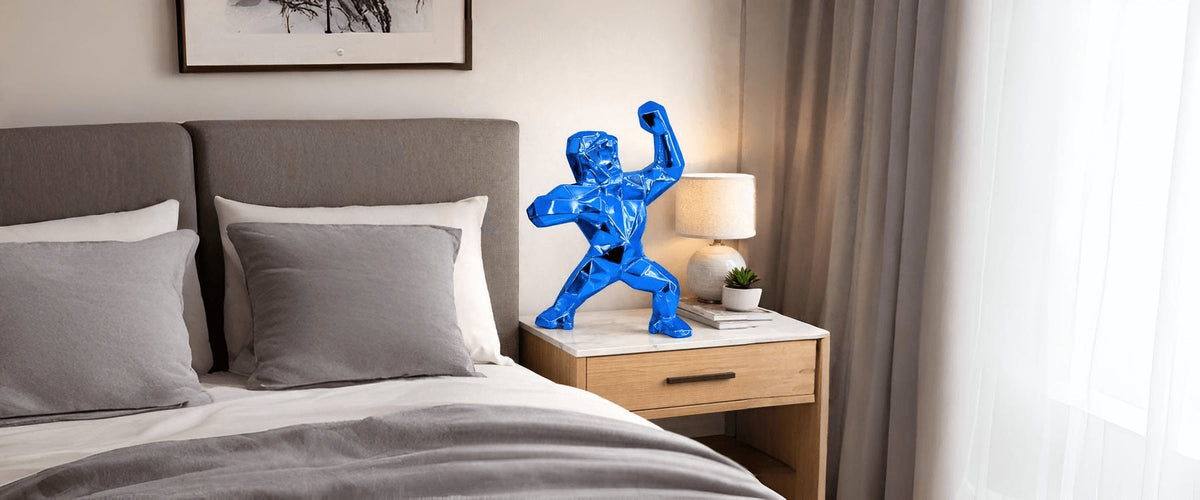
In domestic settings, smaller installations such as small gorilla often create subtle symbolic presence without dominating the landscape. These pieces encourage closer inspection and personal interpretation.
Lighting also plays a role. Soft illumination enhances texture and expression, reinforcing emotional depth.

Materials and Their Symbolic Weight
Different materials communicate different meanings.
Bronze: suggests permanence, tradition and investment value.
Stone and concrete: convey solidity and endurance.
Steel: reflects industrial strength and contemporary design.
Resin or fibreglass: allows flexibility in artistic interpretation and vibrant finishes.
The choice of material should align with the intended symbolism. A conservation-focused installation may favour natural textures, while a corporate environment might choose polished finishes for refinement.
Why Gorilla Sculptures Continue to Resonate
The enduring appeal of gorilla sculptures lies in their balance. They embody power without aggression and intelligence without fragility. Few animals hold such a complex symbolic identity.
Their presence encourages reflection on:
Strength paired with responsibility
Leadership grounded in protection
Emotional intelligence
The relationship between humanity and wildlife
Because of this layered meaning, these sculptural forms remain relevant in contemporary design. They adapt to changing artistic trends while maintaining timeless symbolism.

Symbolism in Modern Design and Styling
In landscape architecture and interior styling, symbolism influences layout and composition. Designers often use gorilla sculptures to anchor themes of stability and grounding.
When styled thoughtfully, they can:
Create symmetry in formal gardens
Contrast sleek architectural lines
Reinforce wildlife or safari themes
Serve as statement centrepieces
Surrounding materials such as stone pathways, water features or structured planting further enhance their narrative.

Conclusion: The Enduring Power of Gorilla Sculptures
Gorilla sculptures hold a unique place in art and design because they communicate layered meaning through form alone. They symbolise strength, protection, leadership and intelligence while also reflecting humanity’s connection to the natural world.
Scale, material and placement all influence interpretation, allowing each piece to carry a tailored message. From intimate garden features to commanding focal points, their presence transforms space with quiet authority.
Understanding the symbolism behind these sculptural forms allows you to choose pieces that reflect your values and design intentions. If you are considering adding one to your space, explore the collection and consider how scale, styling and material can shape the story you wish to tell.