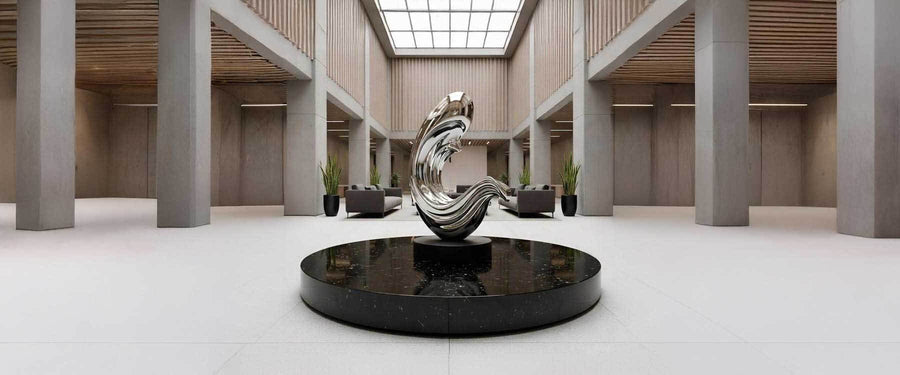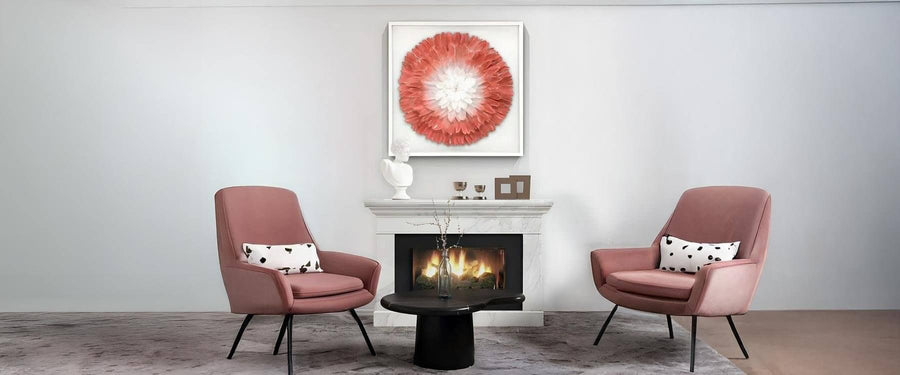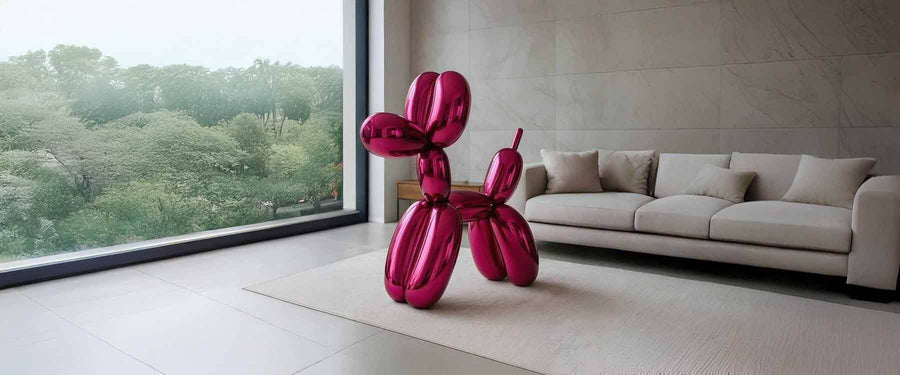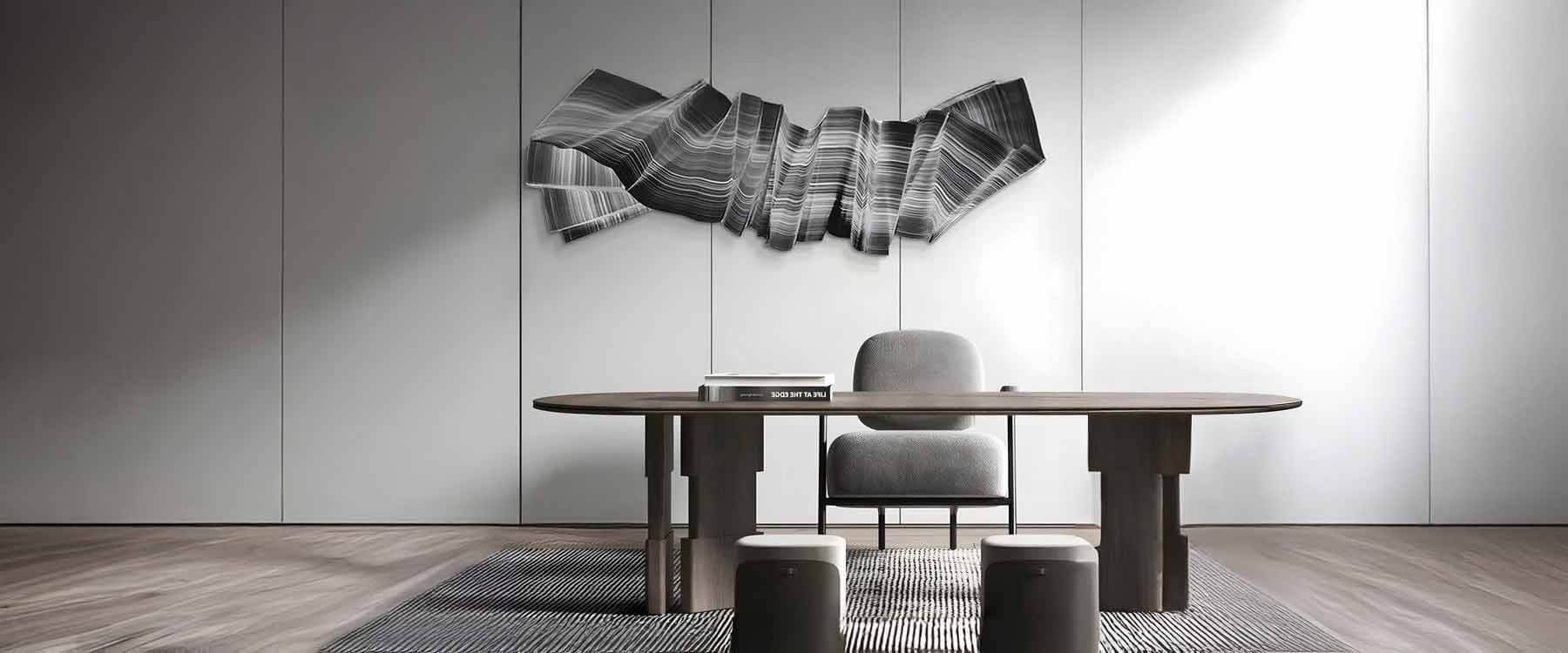

When it comes to shaping a modern interior, scale changes everything. A small frame can decorate a wall. A large statement piece can transform a room. That’s where abstract art comes into its own. Bigger works do more than fill empty space they anchor furniture, influence mood, and define the entire aesthetic of a home.
In contemporary interiors, oversized pieces are no longer bold risks. They are design tools. A carefully chosen large canvas brings cohesion to open-plan layouts, strengthens minimalist schemes, and introduces personality without clutter. If you’re considering investing in abstract art, understanding how scale works will help you choose confidently and style with impact.

Why Scale Matters in Modern Interior Design
Modern interiors favour openness. High ceilings, wide walls, and natural light create breathing space but they also demand proportion. A small artwork often looks lost on a large wall, making the room feel unfinished rather than refined.
Large abstract art works because it balances visual weight. Instead of scattering multiple small pieces, one substantial painting creates focus. It draws the eye naturally and grounds the furniture beneath it.
Scale also affects perception. A generously sized canvas can make ceilings feel higher and rooms feel more intentional. Designers often rely on large-format pieces to avoid visual fragmentation, particularly in living rooms and entrance halls where first impressions matter.
The Emotional Power of Large Abstract Art
Size influences emotion. When colour, texture and movement are expanded across a wide surface, they become immersive. Standing in front of a large painting is a different experience compared to viewing a small framed print.
With abstract art, this immersion matters. Because the subject isn’t literal, the viewer connects through colour relationships, brushstrokes and composition. The larger the artwork, the stronger that emotional exchange becomes.
For example:
Deep blues and muted greys can create calm in a bedroom.
Warm ochres and rust tones bring energy into a dining space.
Bold monochrome pieces introduce sophistication in minimalist interiors.
A substantial piece doesn’t simply decorate; it shapes atmosphere.

Large Abstract Art as a Focal Point
Every room benefits from a clear focal point. Without one, furniture feels disconnected. Oversized abstract art naturally becomes that anchor.
Placed above a sofa, console or bed, it:
Defines the seating zone
Connects colour palettes
Reduces the need for excessive accessories
Strengthens architectural lines
Instead of filling walls with multiple frames, a single large painting simplifies the visual narrative. It tells one strong story rather than several competing ones.
This approach works particularly well in homes that favour clean lines and restrained décor.

Choosing the Right Size for Your Space
Going big does not mean ignoring proportion. The artwork should relate to the furniture beneath it.
A helpful guideline:
Artwork above a sofa should span around two-thirds to three-quarters of the sofa’s width.
In dining rooms, a wide canvas can mirror the length of the table.
In hallways, vertical oversized pieces enhance ceiling height.
Measure the wall first. Consider viewing distance. Large abstract art needs breathing room, so avoid placing it too close to ceiling edges or heavy shelving.
Texture, Layers and Materials
One of the biggest advantages of large-scale abstract art is how clearly it reveals texture. On a smaller canvas, subtle brushstrokes and layered details can go unnoticed. On a larger surface, those same elements become immersive.
Thick paint application, palette knife work and visible layering add dimension that changes throughout the day as light shifts across the room. Instead of appearing flat, the artwork develops movement and depth. This added presence is one of the key reasons bigger truly works better in modern interiors.
Texture also creates contrast. In homes dominated by smooth surfaces glass tables, polished floors, clean architectural lines a richly layered painting introduces warmth and tactility. The eye is drawn not only to colour but to surface variation.
This effect becomes even more striking in mixed media art, where artists combine paint with additional materials to build structure and depth. On a large canvas, those materials have room to breathe. The composition feels deliberate rather than crowded, expressive rather than chaotic.
In spacious contemporary rooms, texture prevents minimalism from feeling sterile. It adds character without adding clutter. Instead of filling shelves with decorative objects, one substantial piece with strong material presence achieves the same visual interest in a far more refined way.
Large abstract art does not simply sit on the wall. It interacts with light, shadow and space and texture is what makes that interaction powerful.

Large Abstract Art in Different Rooms
Living Room
In open-plan living spaces, one large canvas can unify separate zones. Choose colours that echo cushions, rugs or throws without matching them exactly. This keeps the room cohesive but not predictable.
Bedroom
Soft-toned abstract art above the bed replaces a traditional headboard feature wall. Muted palettes maintain calm while still adding interest.
Dining Area
Dining spaces benefit from bold pieces. Larger works encourage conversation and add personality, especially when entertaining guests.
Home Office
A substantial artwork behind a desk introduces energy and creativity without overwhelming the workspace.
Investment and Value
Large abstract art often carries higher price points due to materials, scale and studio time. However, it also delivers greater impact per piece. Instead of purchasing multiple smaller works, investing in one statement painting simplifies styling and elevates the room instantly.
Collectors appreciate scale because it signals confidence. Larger works frequently become centrepieces in both private homes and gallery exhibitions. If chosen carefully, they can retain aesthetic and financial value over time.
Styling Large Abstract Art Correctly
Placement matters as much as size. Follow these principles:
Hang at eye level where possible.
Leave balanced wall space around the canvas.
Avoid overcrowding with mirrors or shelving nearby.
Use subtle lighting to highlight texture.
If you prefer a softer approach, lean a large piece against the wall for a relaxed, contemporary feel. This works well in creative studios or modern apartments.
You can also complement statement works with smaller canvas art pieces in adjacent rooms to maintain a consistent design language throughout your home.

Coordination Without Overmatching
One of the strengths of abstract art is flexibility. Because it is non-representational, it can adapt to evolving interiors. Choose artwork that contains at least one tone already present in your space. This creates harmony without forcing exact colour repetition.
Neutral interiors benefit from high-contrast pieces. Meanwhile, already colourful rooms may need subtler palettes to avoid visual overload.
Large-scale paintings act as bridges between furniture, textiles and architectural elements.
Why Minimalist Interiors Benefit Most
Minimalist design relies on clarity. Too many small decorative objects disrupt that simplicity. A single large abstract art piece delivers impact while preserving clean lines.
It removes the need for clutter and replaces it with intention. In pared-back spaces, scale becomes the statement rather than ornamentation.
Making a Confident Choice
Choosing oversized art requires decisiveness. Trust proportion and instinct rather than trends. Stand back and imagine how the piece will interact with your furniture and lighting throughout the day.
Remember that abstract art is about feeling as much as composition. If the work resonates emotionally and fits the scale of your room, it will likely remain timeless within your interior.

Conclusion: Elevate Your Space with Statement Scale
Large-scale interiors deserve artwork that matches their ambition. From balancing proportion to shaping atmosphere, oversized abstract art transforms modern rooms in ways smaller pieces simply cannot. It anchors furniture, strengthens colour palettes and creates an immediate focal point without clutter.
When chosen thoughtfully, it becomes more than decoration. It becomes part of the architecture of the room itself.
If you’re ready to redefine your walls, explore the collection and discover how statement sizing, refined styling and expressive composition can bring your interior to life.