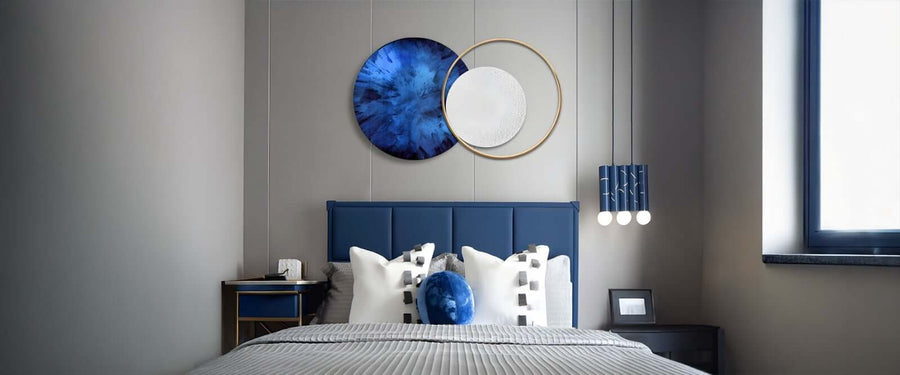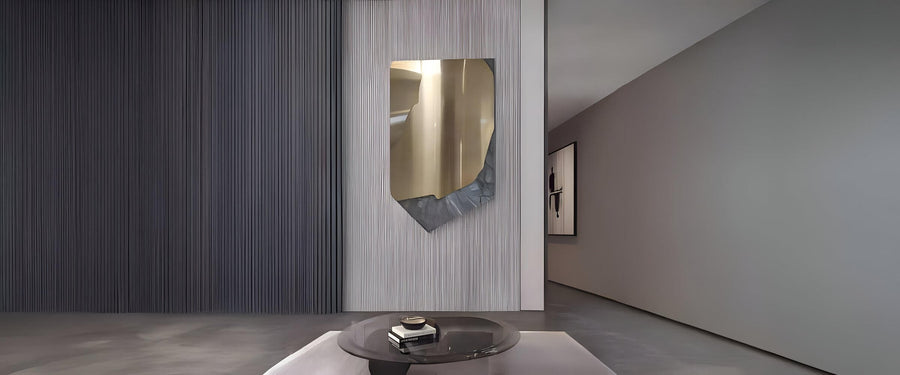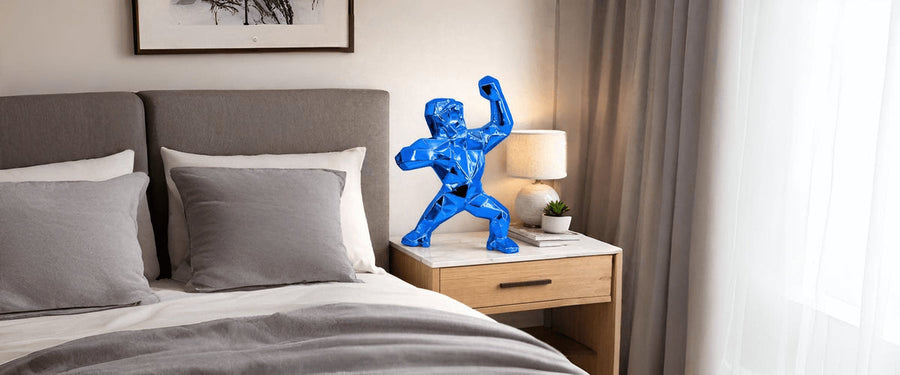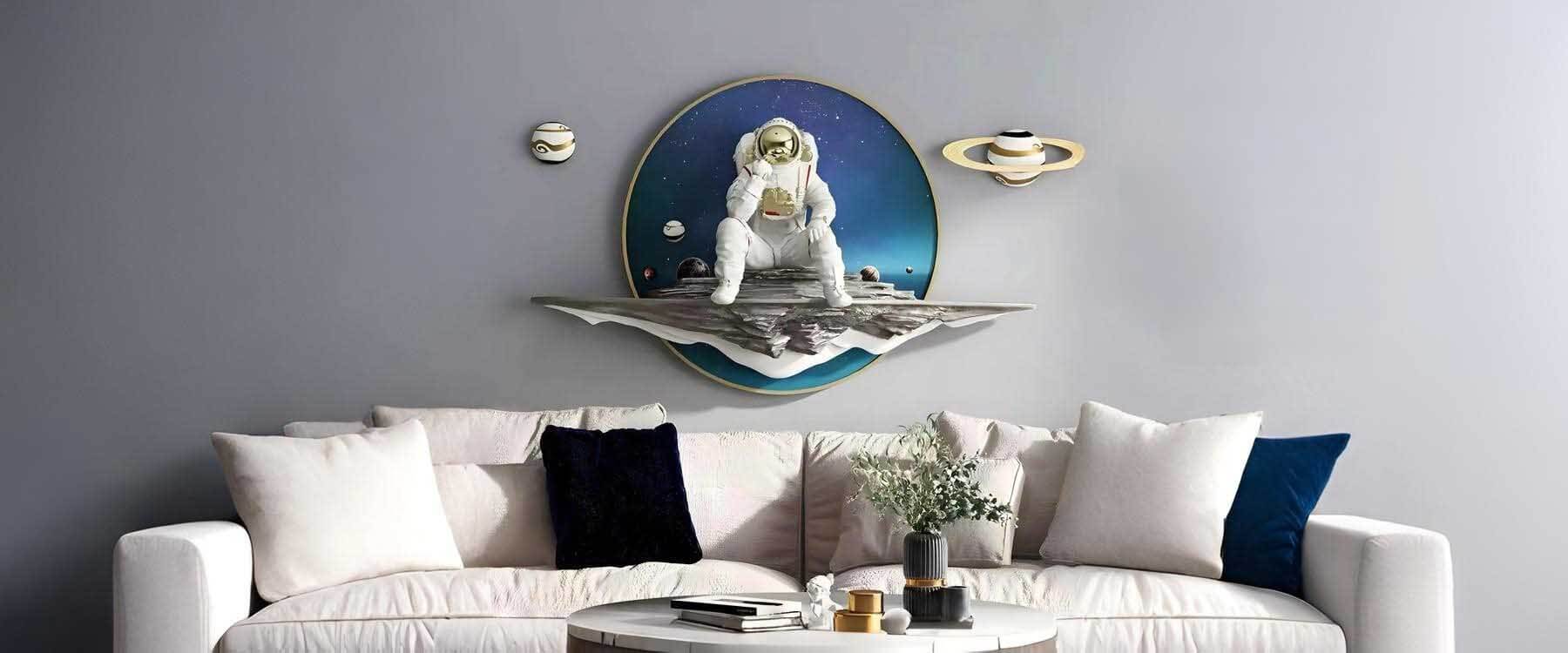

Creating professional 3D art for interior spaces is not about simply filling an empty wall. It is about designing depth, texture and structure that transform a flat surface into a refined visual feature. Whether positioned above a sofa, dining table or workspace, dimensional wall pieces introduce movement and balance that elevate a room instantly.
Unlike flat prints, sculptural pieces interact with light, shadow and perspective. The raised surfaces and layered forms create subtle variations throughout the day, giving the artwork a dynamic presence within the space. When thoughtfully designed, these pieces become architectural statements rather than decorative additions.
Understanding how dimensional wall pieces are conceptualised, crafted and styled will help you create or select artwork that feels intentional and harmonised within modern interiors.

Understanding the Foundation of 3D Art
At its core, 3D art designed for walls is built around dimension and proportion. Instead of relying solely on colour or imagery, it uses layering and sculptural structure to create impact.
Strong dimensional compositions depend on:
Clear focal direction
Balanced spacing and proportion
Thoughtful material selection
Controlled depth variation
Clean framing and finishing
While traditional acrylic art focuses on surface texture and brush techniques, dimensional wall pieces achieve their strength through physical structure and layering. The result is a more immersive visual experience that changes depending on viewing angle and lighting conditions.
When depth is controlled rather than excessive, the artwork feels refined and sophisticated rather than overpowering.

Concept Development for Dimensional Wall Pieces
Every successful 3D wall art installation begins with a clear design intention. The concept must respond to both artistic goals and the surrounding interior.
Before production, consider:
Where will the artwork be displayed?
What mood should it create?
Should it feel minimal, bold or organic?
How will natural and artificial light interact with it?
For example, a radial sculptural design above a dining table can serve as a central focal point. In contrast, structured geometric panels in a living area can reinforce symmetry and calm.
Unlike standalone abstract art created purely for expressive interpretation, dimensional wall pieces must also harmonise with furniture scale, architectural lines and room proportions.

Material Selection and Craftsmanship
The materials used in 3D art significantly influence its character and durability. Wood, metal, composite panels and layered surfaces are common choices for building dimensional wall features.
Each material affects:
Light reflection and shadow depth
Surface texture and tactile quality
Installation weight and stability
Long-term maintenance
Metallic accents introduce contrast and highlights. Textured finishes soften the overall feel. Layered panels create rhythm across the surface.
Precision craftsmanship ensures that edges remain clean, layers are aligned and spacing feels intentional. This level of control separates professional sculptural wall pieces from mass-produced décor.

Creating Depth Through Layering
Depth is the defining element of 3D art. However, effective depth requires balance.
Designers often construct dimensional pieces in stages:
Establish a stable base structure
Add primary sculptural forms
Introduce secondary accents
Refine spacing to prevent overcrowding
Layering should guide the eye naturally across the surface. Whether through geometric repetition or organic forms, movement must feel structured rather than chaotic.
Well-designed 3D art creates dimension without overwhelming the space.
The Role of Light and Shadow
One of the greatest strengths of 3D Art is its interaction with light. Unlike flat surfaces, dimensional pieces cast natural shadows that enhance contour and texture.
Directional lighting can:
Highlight raised elements
Emphasise structural rhythm
Create contrast through shadow
Add drama to metallic finishes
In minimalist interiors, subtle shadow variation adds quiet depth. In more dramatic settings, focused lighting intensifies sculptural impact.
Careful placement near windows or under ceiling fixtures allows dimensional wall art to shift visually throughout the day.

Framing and Presentation
Framing reinforces the architectural presence of dimensional wall pieces. A structured frame defines boundaries and enhances depth without distracting from the central design.
Floating frames are particularly effective for sculptural compositions. They create visual separation between the artwork and the wall, strengthening the perception of projection.
Clean wood or slim metal frames complement modern interiors and maintain balance. The frame should enhance the piece, not compete with it.
Proper spacing between the artwork and surrounding elements further strengthens its presentation. Allowing adequate breathing room prevents the composition from feeling crowded or visually compressed. When scale and placement are carefully considered, 3D wall art maintains its sculptural integrity while enhancing the overall structure of the interior.
Styling 3D Art in Modern Interiors
Proper placement ensures that dimensional wall pieces feel integrated rather than isolated within a room. Scale and proportion must align with surrounding furniture to maintain balance and harmony.
Above a sofa:
The artwork should span roughly two-thirds of the sofa’s width.
Above a dining table:
Centre the piece horizontally and allow comfortable vertical spacing.
In open-plan layouts:
Dimensional wall pieces can define zones and anchor visual focus.
When styled thoughtfully, 3D art enhances spatial balance while adding movement and texture to neutral interiors.

Avoiding Common Design Mistakes
Even well-crafted 3D art can lose impact if basic design principles are ignored. Small miscalculations in scale, lighting or placement can weaken the overall visual effect. Attention to proportion and balance is essential to preserve the sculptural strength of the piece.
Common mistakes include:
Choosing artwork that is too small for the wall
Overloading the design with excessive depth
Ignoring lighting direction
Clashing with the room’s existing colour palette
Installing the piece at an incorrect height
Avoiding these errors ensures that dimensional wall pieces maintain elegance and proportion. Careful consideration of scale, lighting and spatial balance allows 3D art to integrate seamlessly within modern interiors. When these fundamentals are respected, the artwork enhances the space rather than competing with it.
Connecting Sculptural Design with Artistic Foundations
Although 3D art is dimensional by nature, it benefits from traditional artistic principles. Understanding colour harmony, balance and composition strengthens sculptural outcomes.
Studying acrylic art techniques can inspire surface layering and subtle textural variation. Likewise, exploring abstract art develops sensitivity to proportion, rhythm and emotional tone.
When sculptural structure is combined with artistic fundamentals, the final result feels balanced, expressive and visually intentional.
This connection between sculptural design and traditional artistry encourages more thoughtful creative decisions. By applying foundational principles to dimensional work, artists can ensure that depth enhances rather than distracts from the overall composition. As a result, each piece of 3D art feels cohesive within its space while maintaining strong visual presence and clarity.

Conclusion: Elevating Spaces with 3D Art
Thoughtfully designed 3D art transforms blank walls into architectural features. Through controlled layering, refined materials and strategic lighting, dimensional wall pieces introduce depth that flat artwork cannot replicate.
When proportion, placement and craftsmanship align, 3D art becomes more than decoration. It defines atmosphere, enhances interior balance and adds sculptural sophistication to modern living spaces.
If you are refining your home or curating statement pieces for interior styling, explore the collection of the product to discover how structured design and dimensional craftsmanship can redefine your walls with lasting impact.