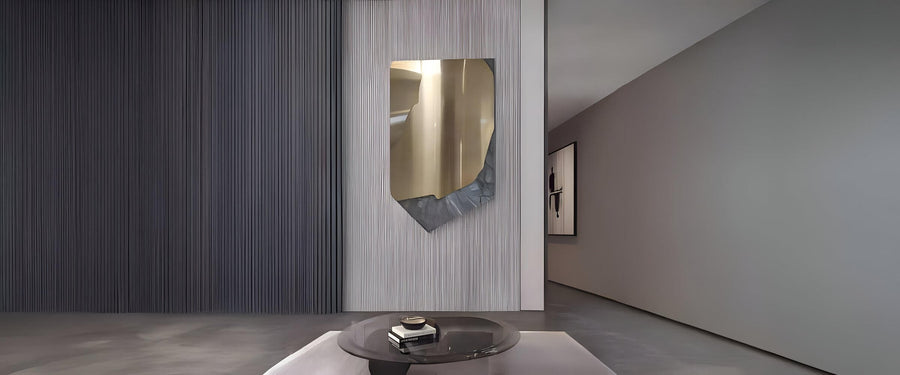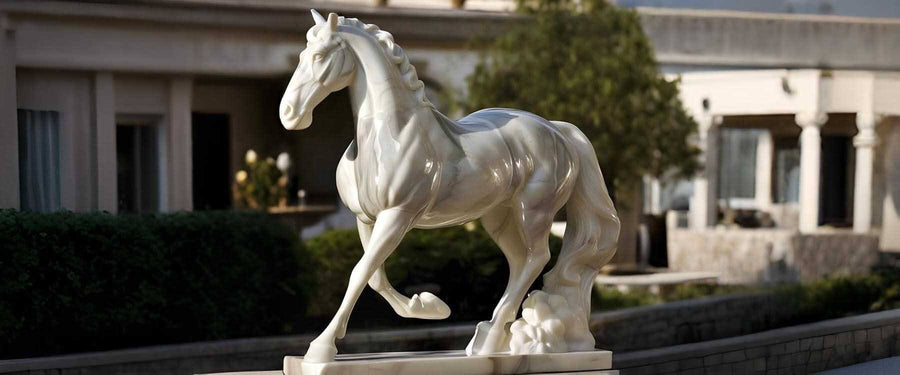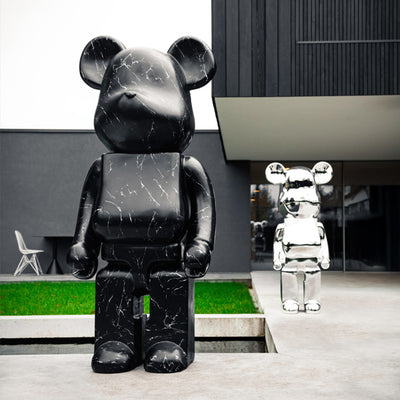

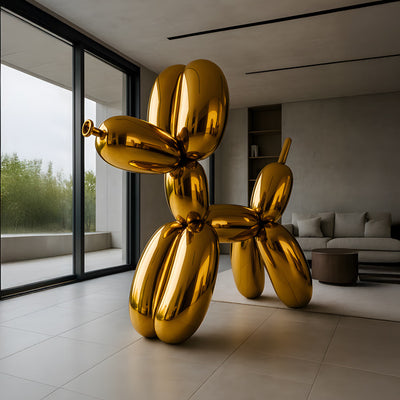
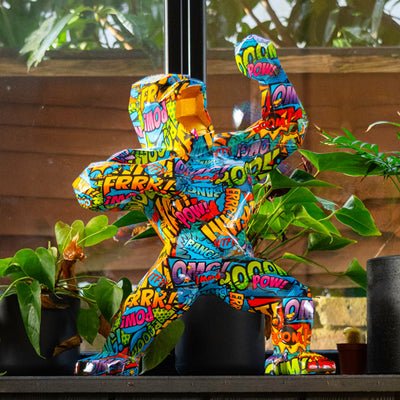
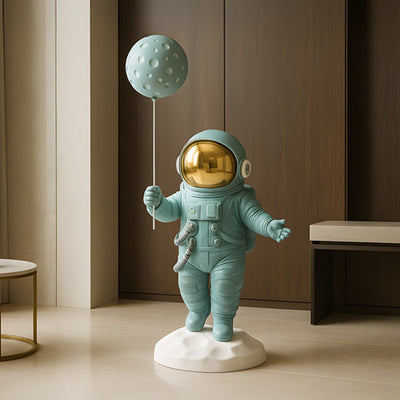

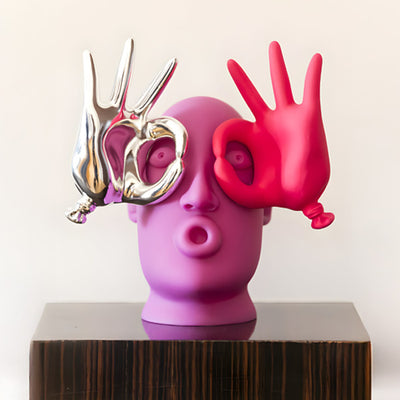












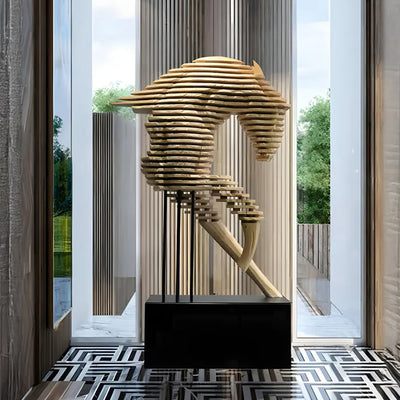
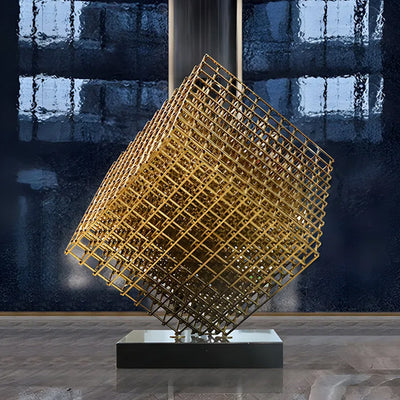
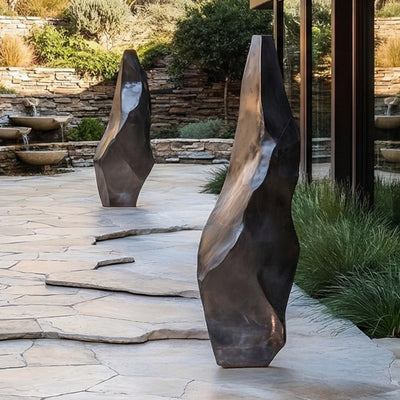

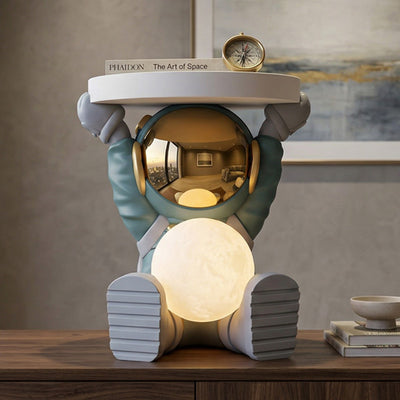

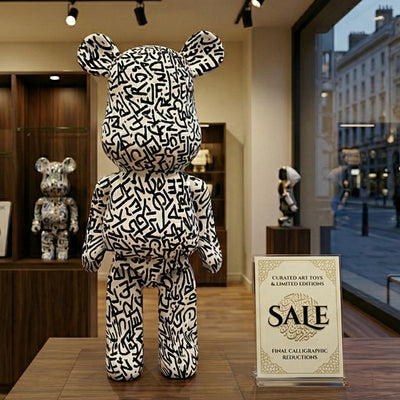
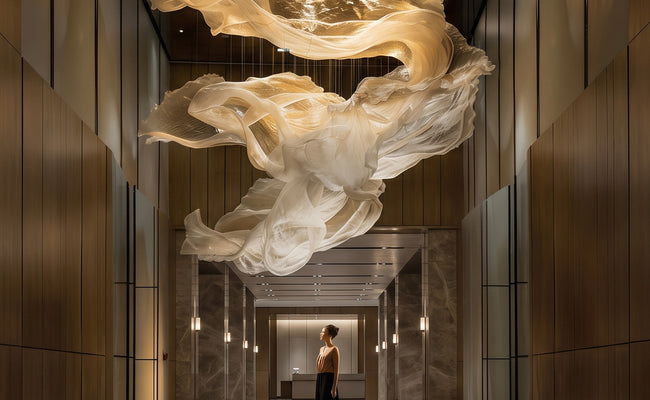


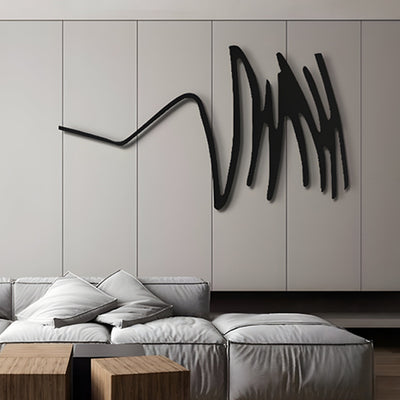

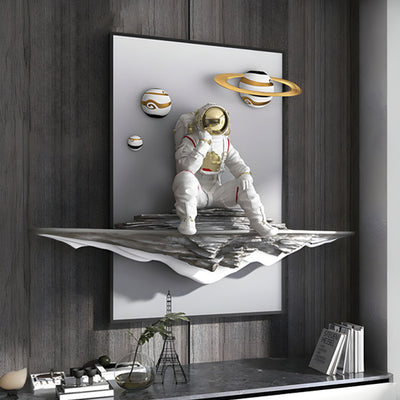

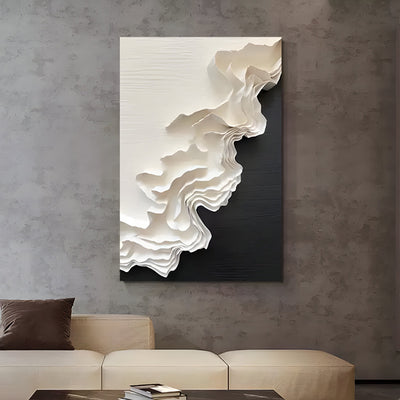
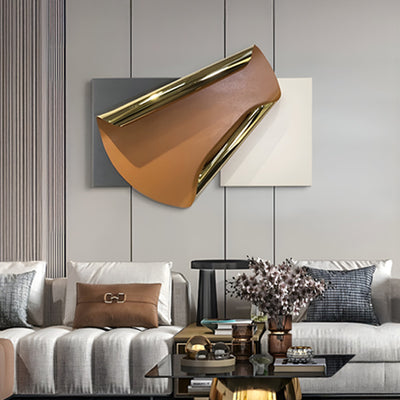
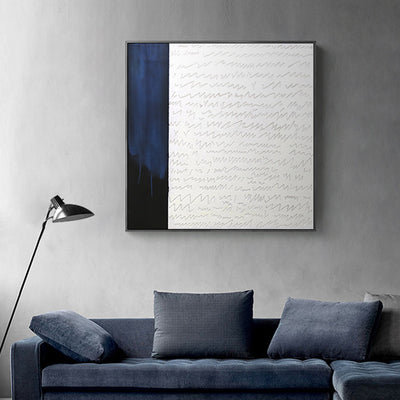
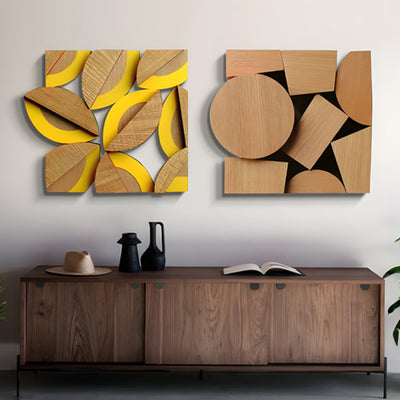

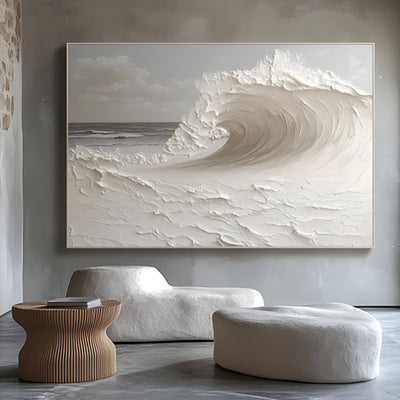
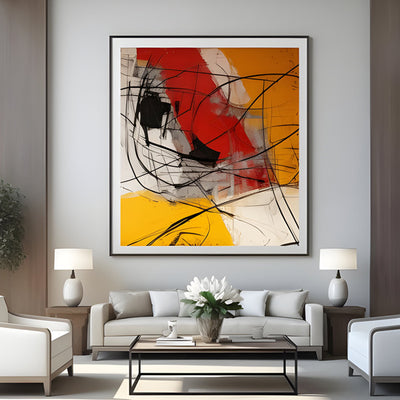
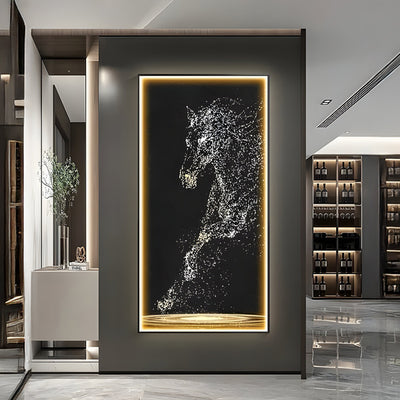
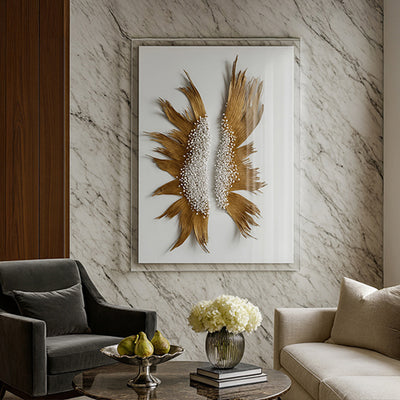
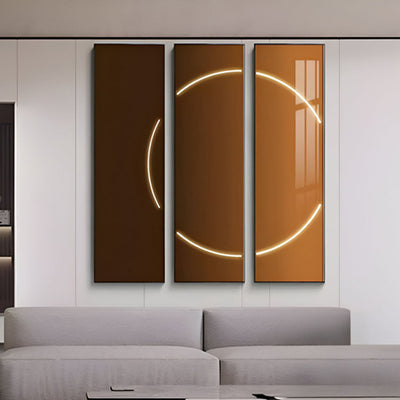
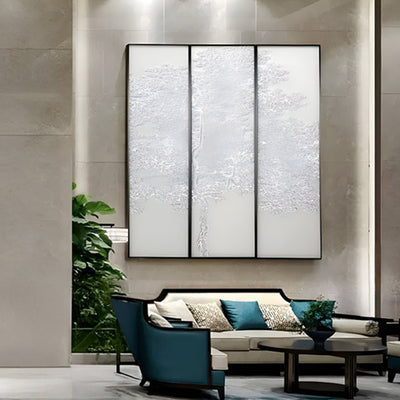
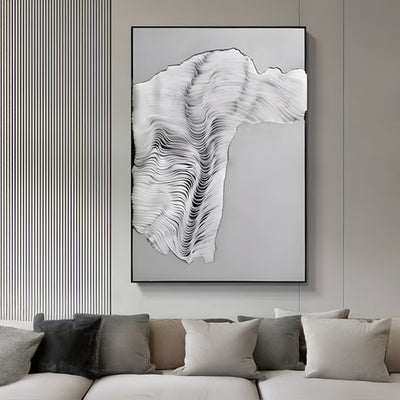
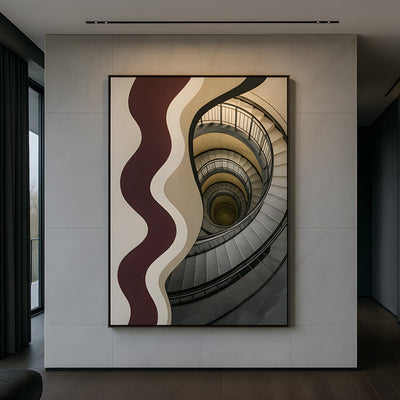
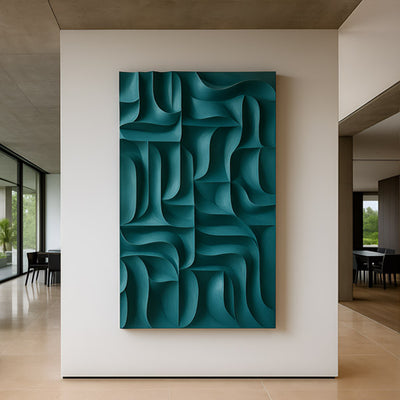
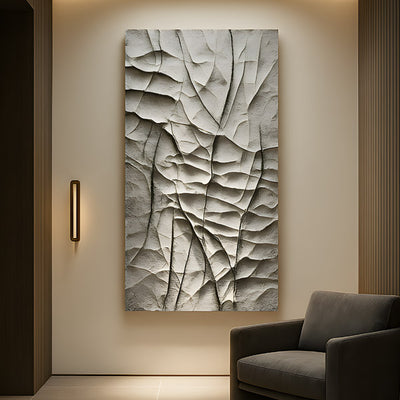
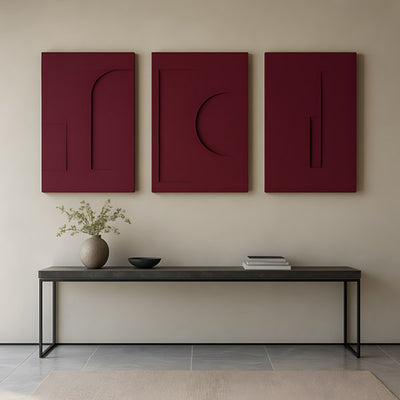
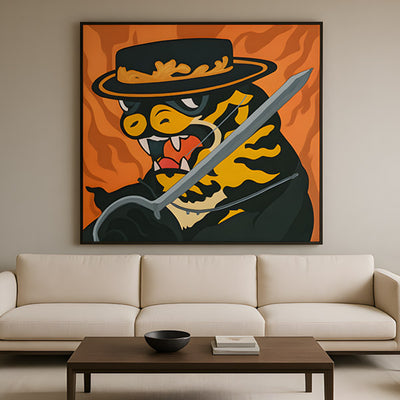
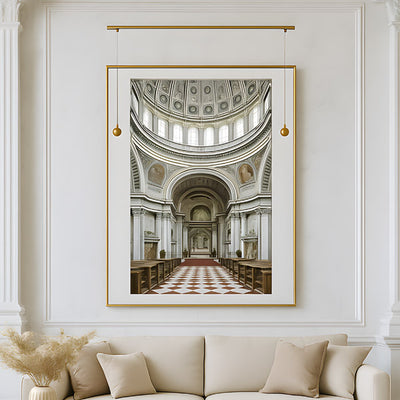
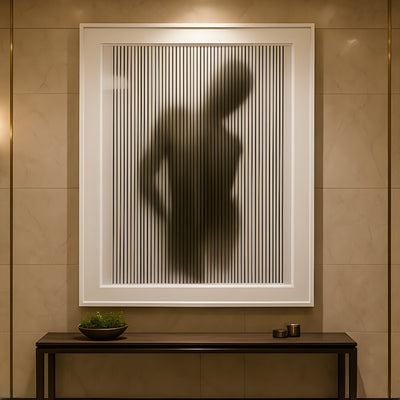
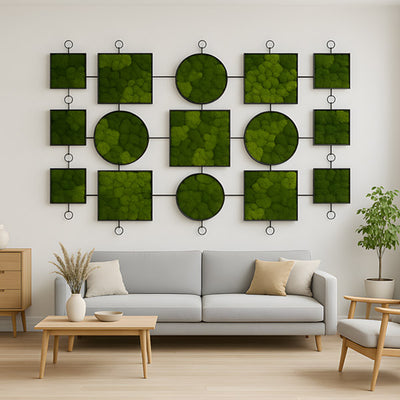







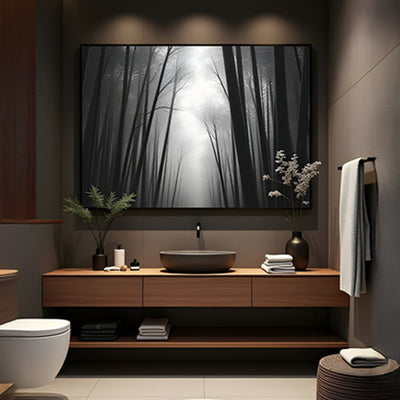
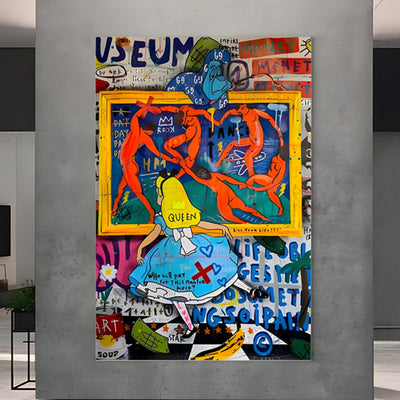
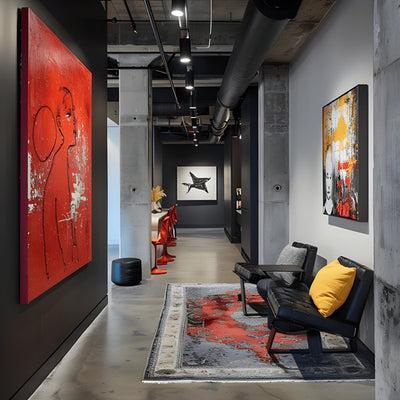


Interior design trends evolve constantly, but statement walls remain central to modern styling. Iron art is experiencing a strong revival, particularly in the form of sculptural wall décor that transforms blank spaces into architectural features. Today’s iron wall pieces are no longer limited to decorative metal accents of the past. They have evolved into contemporary designs that combine texture, depth and refined craftsmanship to create striking focal points within the home.
This resurgence is not accidental. As homeowners move away from flat, mass-produced décor, sculptural metal wall designs offer something more substantial. They deliver structure, permanence and visual interest qualities that feel both modern and timeless.

The Rise of Sculptural Iron Art on Walls
Modern interiors favour open spaces and clean lines. In these environments, walls often become the most important design surface, and sculptural metal wall décor has emerged as a powerful way to create visual impact. Rather than filling them with traditional framed prints, designers are choosing dimensional pieces that add structure and presence.
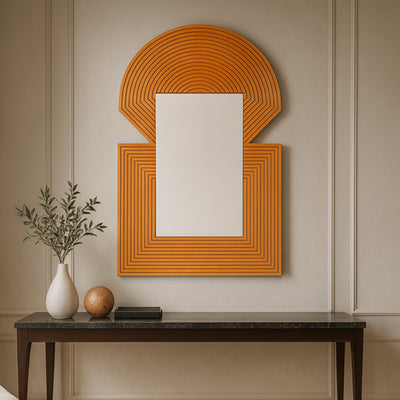
Unlike canvas artwork, metal designs interact with light. Layered discs, circular frames and textured finishes cast subtle shadows throughout the day. This creates movement and depth that flat artwork simply cannot achieve.
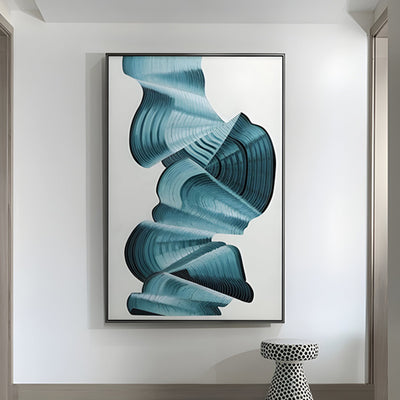
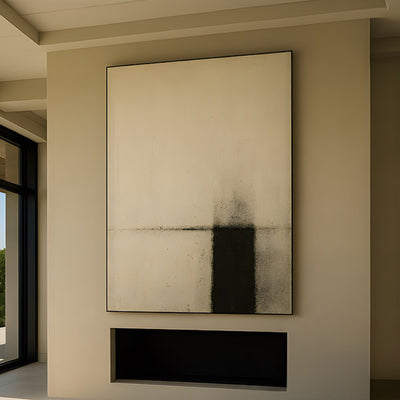
While traditional abstract art remains popular, many homeowners now prefer sculptural iron wall art décor for its physical presence. The dimensional quality of metal brings the wall to life in a way that printed designs cannot replicate.

Why Circular and Layered Iron Art Designs Are Trending
A defining characteristic of modern metal wall décor is the use of circular and overlapping forms. These shapes soften architectural lines and introduce balance into minimalist spaces.
Layered designs often feature:
Concentric metal patterns
Metallic spheres or accents
Mixed matte and polished finishes
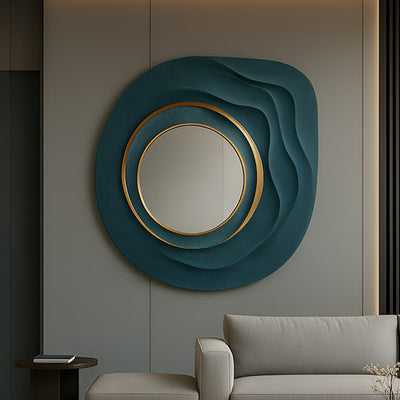
Blue, white and gold colour palettes
These features create a strong sculptural identity. The layered composition adds depth, while metallic tones reflect ambient lighting. The result feels curated and intentional rather than purely decorative.
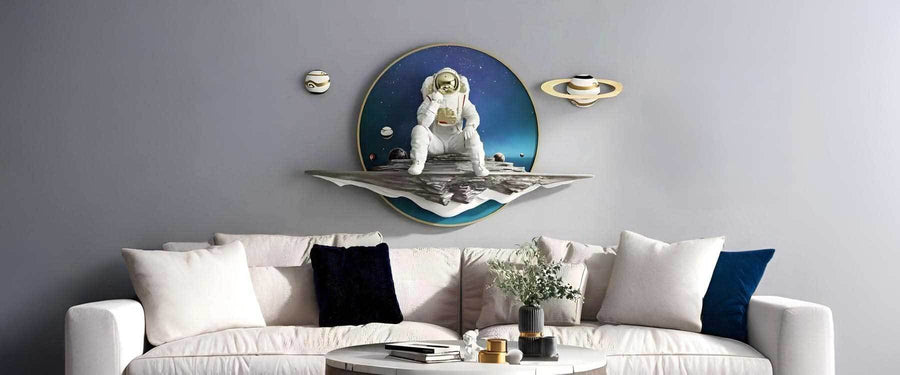
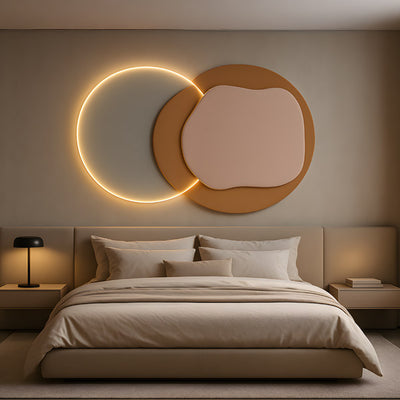
In contemporary homes, circular installations are frequently positioned above sofas or beds, where they anchor the room and establish symmetry.
Iron Art as a Living Room Statement
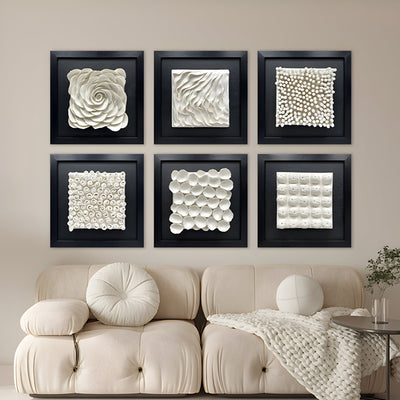
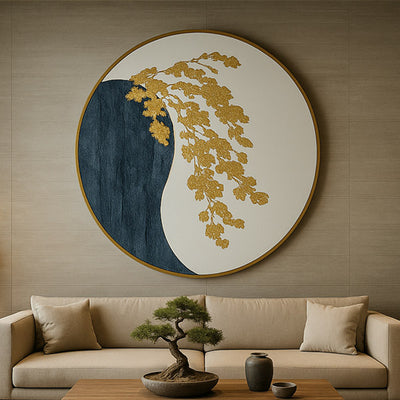
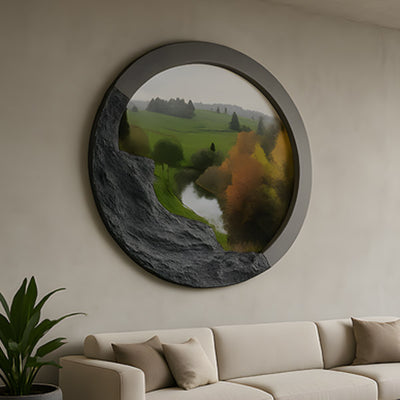
The living room is often where iron art makes its boldest impression. Installed above a sofa, a large circular metal wall piece defines the seating area and ties together surrounding décor elements.
Blue-toned metal designs with gold detailing introduce contrast against neutral walls. The metallic structure subtly reflects light, enhancing brightness without overwhelming the space.
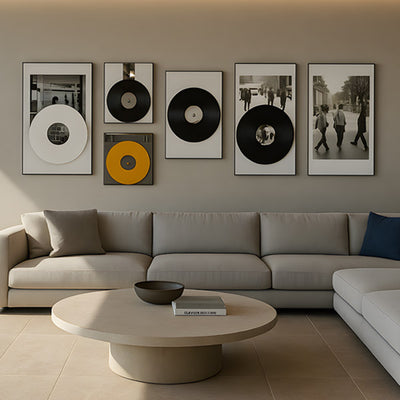
Compared to oversized prints or framed posters, sculptural metal wall décor feels more architectural. It creates a gallery-style atmosphere while maintaining warmth and sophistication.
Styling Iron Art in the Bedroom
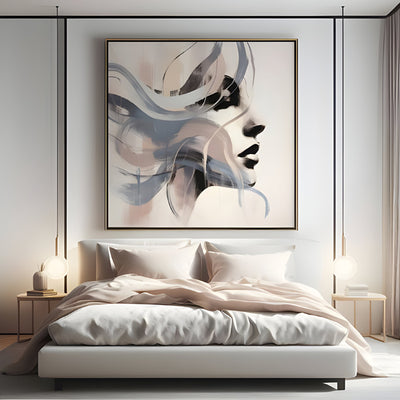
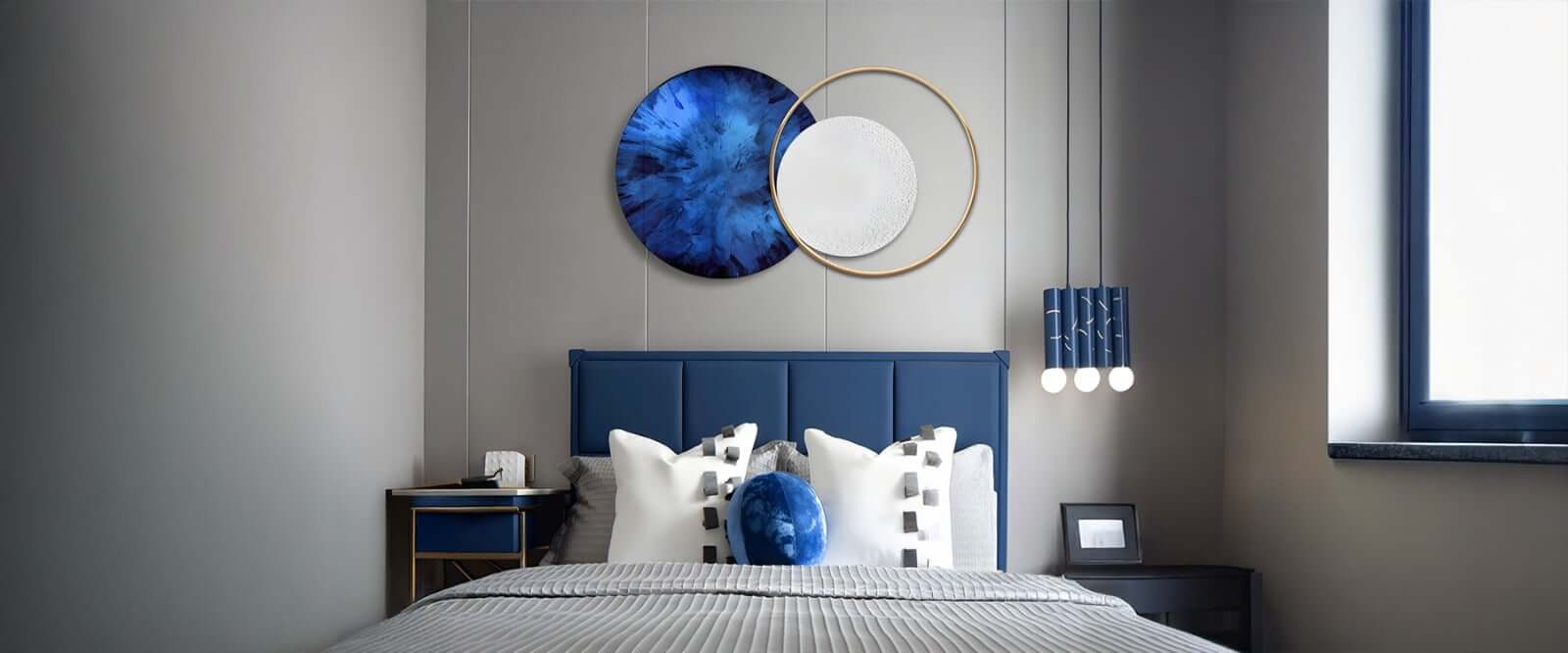
Bedrooms benefit from calm and balanced design choices. Iron art works beautifully above upholstered headboards, where it replaces traditional framed artwork.
Layered circular metal designs introduce texture without clutter. The dimensional surface adds depth while maintaining a clean aesthetic. Because sculptural metal wall pieces do not fade like printed materials, they retain their visual strength over time.
In bedrooms that incorporate textured fabrics and soft lighting, this style of wall décor provides contrast and structure. The result is a refined focal point that feels cohesive rather than overpowering.

Iron Art in Dining Spaces
Dining areas are increasingly styled as curated environments rather than purely functional rooms. Here, iron art plays a strong decorative role.
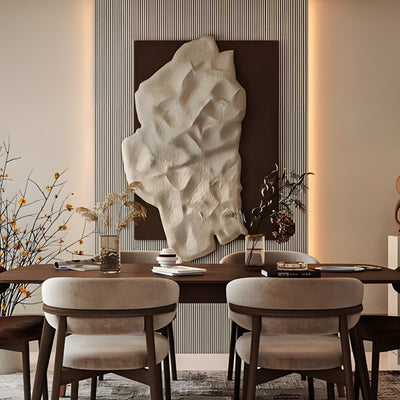
White concentric metal panels with metallic spheres create rhythm and symmetry. When positioned above a dining table, a sculptural metal wall piece becomes a conversation feature that enhances the overall atmosphere.
Many homeowners who previously opted for large-scale 3D art are now exploring dimensional metal designs as an alternative. Both offer depth, but metal wall décor introduces refined texture and a more architectural finish.

The Advantages of Iron Art Over Traditional Wall Décor
There are clear reasons why iron art is replacing flat wall pieces in many homes. As interior design shifts towards texture and dimension, this style of wall décor offers a stronger visual presence than traditional prints.
1. Dimensional Impact
Sculptural metal designs add depth and shadow, transforming flat walls into layered surfaces.
2. Durability
High-quality metal wall décor maintains its structure and finish for years, making it a long-term investment.
3. Texture
The tactile quality of metal enhances the visual richness of a space.
4. Timeless Appeal
This style of wall décor blends seamlessly with contemporary, minimalist and transitional interiors.
Because of these qualities, dimensional metal artwork feels more substantial than standard decorative prints.
How to Choose the Right Iron Art for Your Space
Selecting iron art involves thoughtful consideration. Choosing the right piece ensures it enhances your interior rather than overpowering it.
Scale
The piece should fill approximately two-thirds of the wall space above furniture to maintain balance.
Colour Harmony
Blue and gold metal wall designs complement modern interiors, while white and metallic finishes suit minimalist rooms.
Layering
Single-disc designs offer subtle elegance, while overlapping circular compositions create stronger visual impact.
Lighting
Position the artwork where it can catch natural or spotlight illumination to highlight its texture.
By evaluating these elements, homeowners ensure their wall décor feels integrated into the overall design.
Why Iron Art Feels Modern Yet Enduring
Iron has historical significance, yet contemporary fabrication techniques have modernised its aesthetic. Today’s art features clean lines, refined finishes and sculptural compositions that align with current design preferences.
At the same time, this style of metal wall décor avoids feeling trend-driven. Its material strength and timeless geometry allow it to remain relevant even as styles shift.
Rather than being temporary decoration, sculptural metal artwork becomes a lasting part of the interior’s architectural identity.
This enduring quality makes it particularly appealing in spaces designed for longevity rather than short-term trends. The balance between strength and elegance allows it to complement both minimalist and layered interiors. As a result, it feels intentional, refined and permanently integrated into the overall design scheme.

Conclusion: Elevate Your Interior with Iron Art
Iron art has re-emerged as a defining element in modern interior styling because it offers more than decoration. It introduces dimension, structure and sculptural elegance to walls that would otherwise feel empty.
From layered circular installations in living rooms to refined bedroom centrepieces and sophisticated dining accents, sculptural metal wall décor transforms spaces with texture and depth. Its durability and timeless appeal make it a compelling alternative to flat artwork.
If you are ready to redefine your walls, explore the collection of metal wall designs and discover how these statement pieces can elevate your interior styling with balance and lasting impact.