












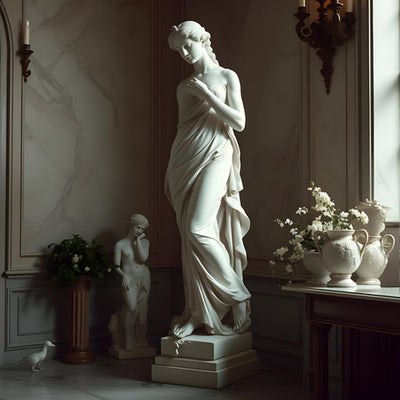
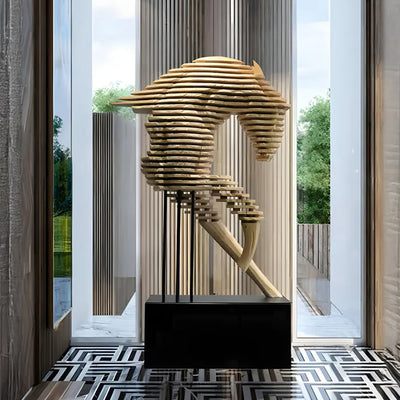
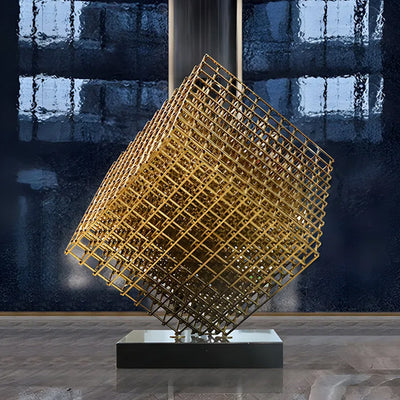
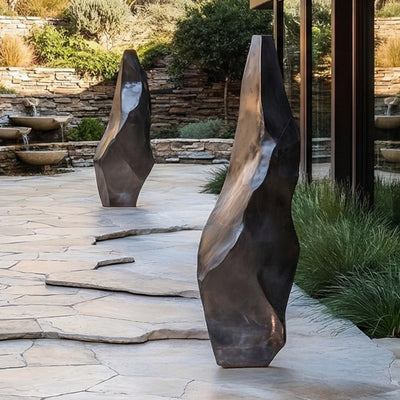














Most problems in a figure sculpture commission happen weeks before anyone touches clay. They happen in an email thread, in a folder of phone photos taken at the wrong angle, and in a pose that everyone nodded at without really looking. By the time a steel armature is welded and the clay is on, those early choices have hardened into the piece. Some can be softened. A few cannot be changed at all without starting again.
So the useful thing to understand is not how bronze gets cast. It is which decisions in a figure sculpture commission are cheap this week and expensive next month.

Key Takeaways Before You Start
Reference material beats description. Ten good photographs will do more for likeness than a thousand words of brief.
Pose is structural. It dictates the armature, the weld points, the center of gravity and the fixing method.
The maquette is your argument stage. Changes there cost hours; changes at full scale cost weeks.
Material changes the face. The same modeled head reads differently in bronze, marble and fiberglass.
Set the eye line before the pedestal. Height is a viewing decision, not a landscaping afterthought.
Budget follows scale, edition size, complexity, finish and freight. Ask for a tailored quote rather than guessing from a size alone.
Reference Photos That Work, and the Three Angles Clients Never Send
Every figure sculpture commission begins with reference material, and clients send the flattering photographs. Front-facing, chin slightly down, good light, often already retouched. Those are the least useful images for a sculptor, because a retouched face has lost exactly the asymmetry that makes it recognizable.
What we almost never receive without asking: a true profile from both sides, a shot from below the jaw showing how the neck meets the skull, and the back of the head. That last one matters more than people expect. Viewers circle a freestanding figure, and the rear silhouette of a head is where amateur likeness collapses. Add a photograph of the subject standing at full length in ordinary clothing, so proportion is measurable rather than guessed.
For a personal sculpture figure commission of someone who has died, gather everything, including snapshots you think are too casual. Candid images show habitual posture. A formal portrait shows a person performing stillness, which is not the same thing.

Pose Locks In Before the Armature Does
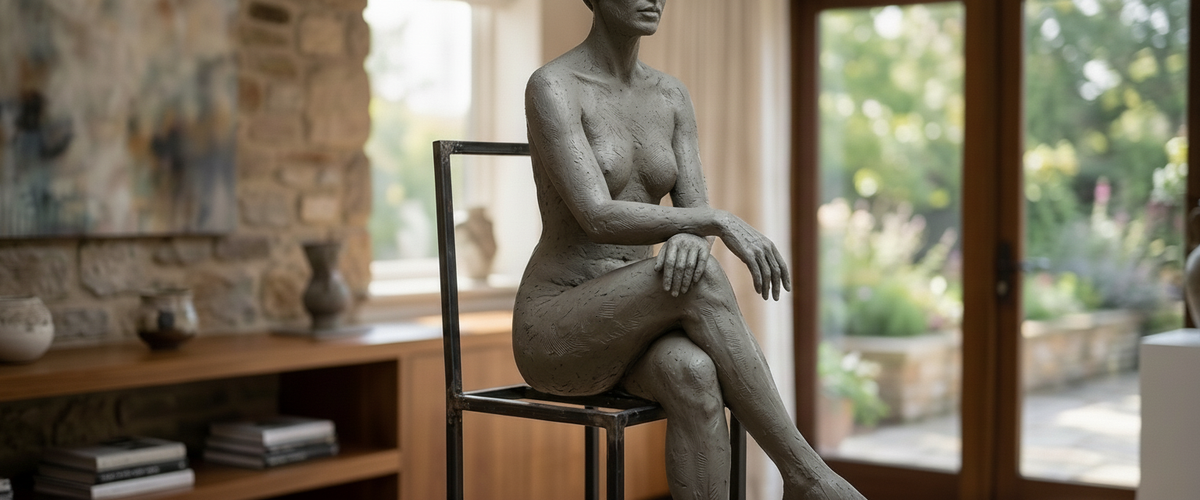
Pose feels like a styling choice. It is closer to engineering. A figure with weight on one leg, an arm extended and the head turned needs internal steel routed to carry cantilevered mass, and that steel is welded before modeling begins. Change the angle of the extended arm later and you are cutting into structure.
Outdoor work compounds it. A raised arm gathers wind load. A narrow contact point between foot and base concentrates stress at the very place water likes to sit. Group compositions add another layer, because the negative space between bodies becomes the piece as much as the bodies do. In a multi-figure arrangement such as the Monumental Classical Three Figures Bronze Fountain - 280cm at roughly 9 feet 2 inches (280 cm), the gaps between the bodies do most of the composing, and they are the first thing to collapse if one figure is rotated late in the process.
The Maquette Stage Is Your Last Cheap Argument
A maquette is a small working model, traditionally used by sculptors to test composition and proportion before committing to scale, and it remains the most valuable stage in a figure sculpture commission. Institutions hold maquettes precisely because they record the thinking behind the finished work; Tate's definition is a useful primer if the term is new to you.
Settling the head tilt at maquette scale, where an hour of work replaces a week of it later.
Use it properly. Walk around it. Photograph it on your phone at eye level and look at those images the next morning, because a camera flattens a form the way distance will. Argue about the tilt of the head now. Ask whether the hands are doing something believable.
Once the maquette is signed off, we scale up. From that point, revisions stop being conversations and start being labor.

Likeness in Bronze, Marble and Fiberglass
One modeled head produces three different faces depending on where it ends up.
Bronze holds fine surface detail and takes patina, so eyelids, lips and the edge of the hairline stay crisp for generations. Patina color also changes perceived age; a dark brown reads solemn, a lighter verdigris reads softer. Marble translates light rather than detail. Carved stone diffuses light just below the surface, which flatters skin and punishes sharp undercuts, so a marble likeness usually needs slightly exaggerated planes to survive. Fiberglass and composite suit interior, temporary or retail work where weight and speed matter, though they will not deliver the century-scale outdoor life of cast metal.
Patina decides how a commissioned figure reads at close range, and how it ages outdoors.
When an interior needs the look of aged metal without the weight or the wait, a verdigris-finished composite piece like the Equilibrium Verdigris Horse & Figure Sculpture - 71cm at about 28 inches (71 cm) is closer to the right answer than a cast bronze at the same size, and it shows how far surface treatment carries the illusion at close viewing distance.
Most portrait and figure sculpture commissions we run for exterior installation still end in bronze. Browse the bronze figures and statues collection and you can see how varied a single material becomes once patina and surface finish are involved.
Eye Line First, Pedestal Second
Decide where the viewer's eye should land before the figure exists. A standing figure meant to feel companionable wants its eye line near the viewer's own. A figure meant to command a lawn or a hotel forecourt wants lift, and lift changes modeling: raise a face 8 feet (2.4 m) and you are mostly showing people the underside of a chin.
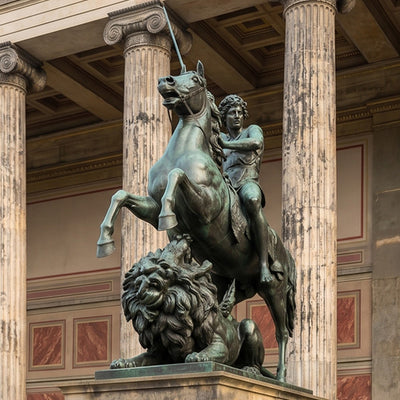
Monumental work is designed for that upward view from the beginning. The Monumental Classical Female Figure and Lion Bronze Sculpture - 320cm at around 10 feet 6 inches (320 cm) holds together because the head, shoulders and drapery were resolved for someone standing well below it. Fix the total height, plinth included, and give it to the sculptor early. It informs everything.
Foundry Queues and the Crate Nobody Budgets For
Lost-wax casting is a multi-stage process involving molds, wax chasing, ceramic shell, pour, cleanup, welding and patination, and each of those stages queues behind other people's work. Foundries have busy seasons. Large pours are scheduled, not squeezed in.
Then there is the crate. We once shipped a bronze figure group to a vineyard estate where the client had planned the show meticulously and had not accounted for a bespoke braced crate, a rigger, or the fact that the delivery route ran under a low arbor. Crating, lifting equipment, site access and fixing into the foundation are real line items. Ask about them in week one, not week twenty.

What Genuinely Moves a Figure Sculpture Commission Quote
Five things carry most of the weight:
Scale. Cost does not rise in a straight line with height. Doubling height multiplies material volume and the engineering behind it.
Edition size. A unique work carries the full mold and development cost alone. A small edition spreads it.
Complexity. Free arms, drapery, animals, multiple figures and water features all add modeling and casting work.
Finish. Multi-tone patina, gilding, mirror polish or hand-carved stone detailing take skilled hours.
Installation and freight. Fixings, foundations, crating and rigging vary enormously by site.
The National Sculpture Society is a sensible starting point on how commissioning relationships between sculptor and client are usually structured, and worth reading before you sign anything.
Your Pre-Commission Checklist
Reference pack: both profiles, under-jaw, rear of head, full-length standing shot, plus candid images.
Pose brief: one preferred pose, one alternate, and a note on which side the piece will be approached from.
Site facts: total height available, sight lines, prevailing wind, foundation type, delivery access width.
Material call: indoor or outdoor, expected lifespan, appetite for patina change over time.
Approval points: confirm in writing what you sign off at maquette, at full-scale clay and at patina.
Logistics: who crates, who rigs, who fixes, who insures in transit.
Giant Sculptures runs bespoke figure work from first reference photo through modeling, casting, finishing and installed delivery worldwide. If you are weighing up a figure sculpture commission, send the photographs and the site dimensions together. Those two things tell us more in five minutes than a month of describing it.
For wider placement ideas, Classical Sculpture, Decoded: How to Buy a Figure That Actually Looks Alive is useful companion reading before finalising the setting and sightlines.