






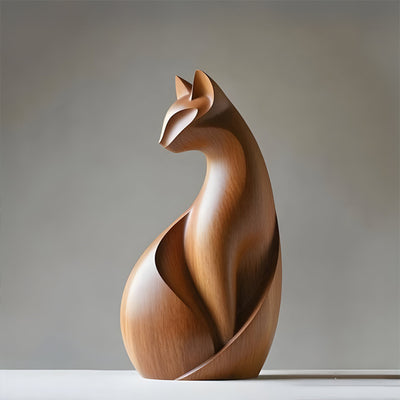
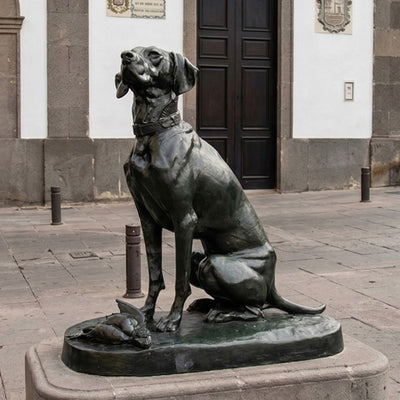


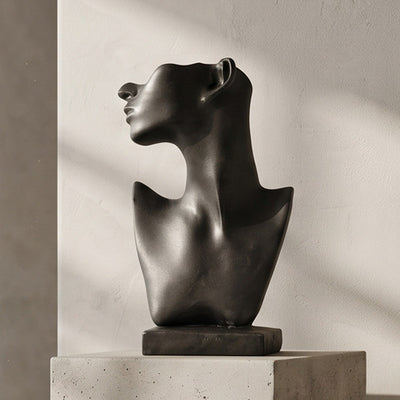

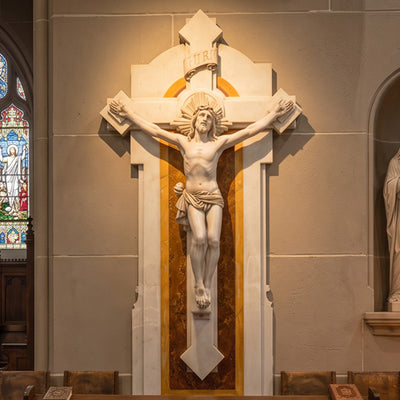






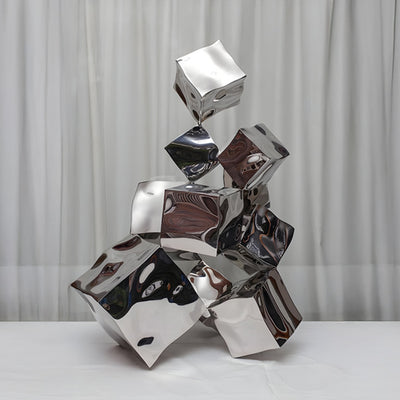


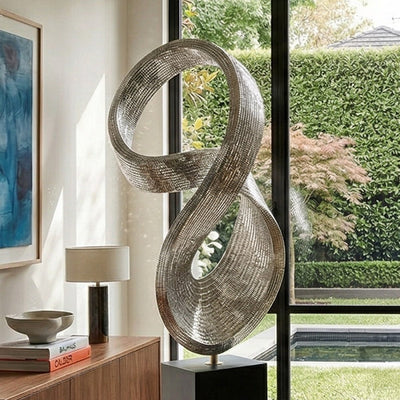
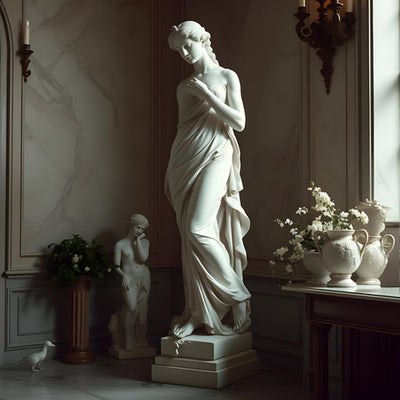
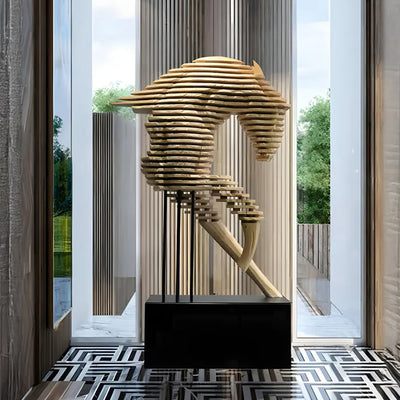



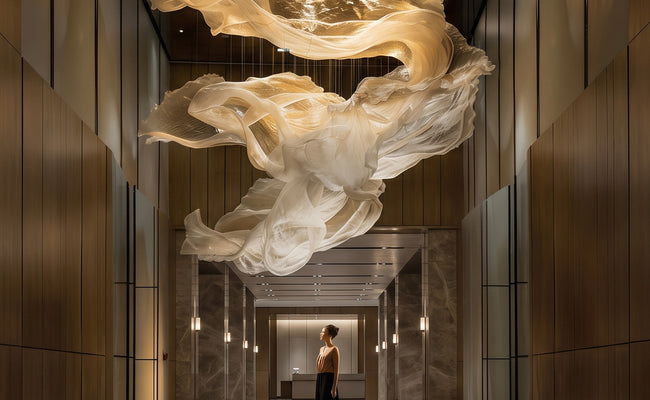


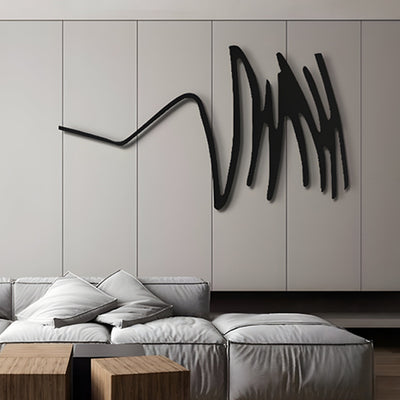

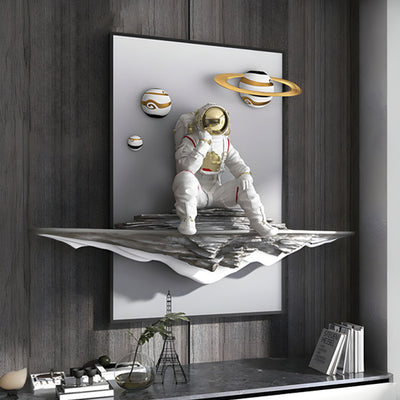

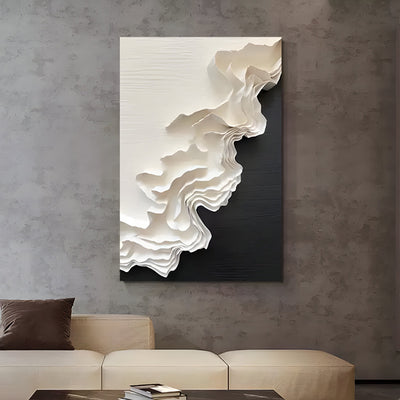
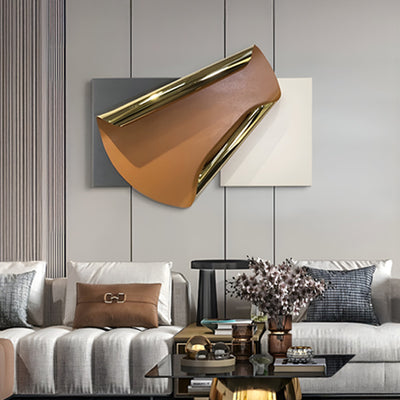
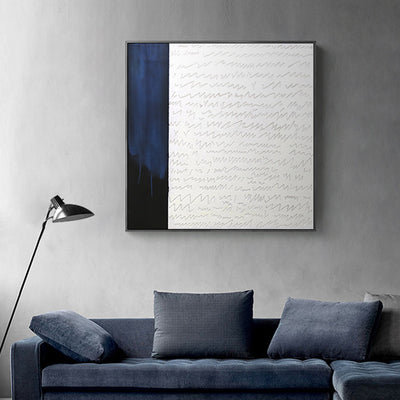
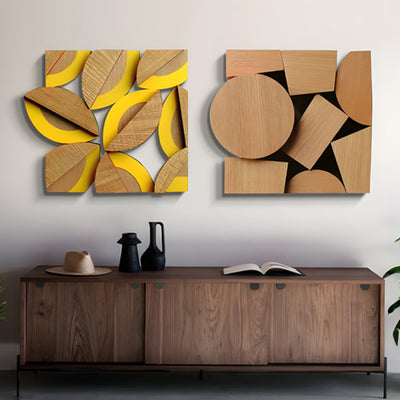

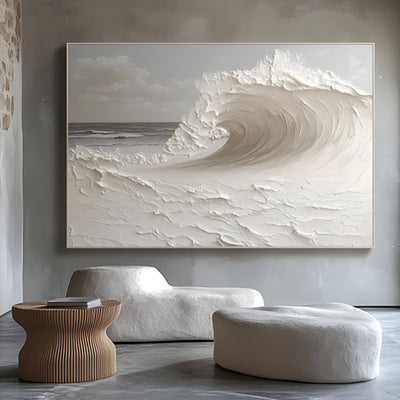
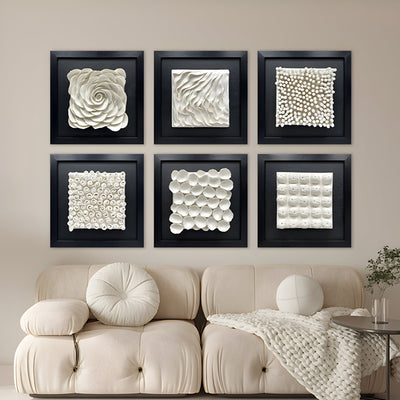
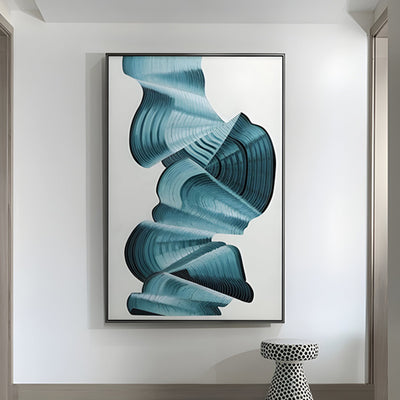
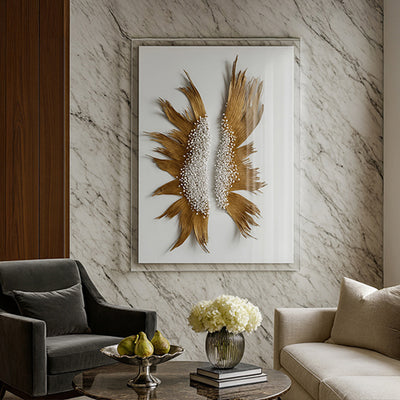
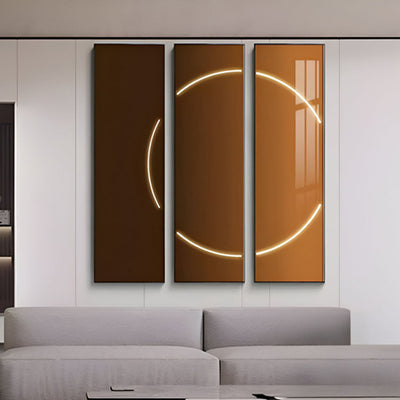
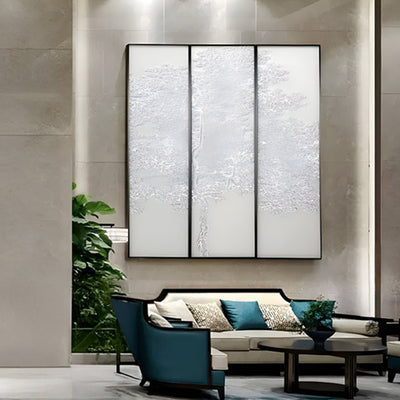
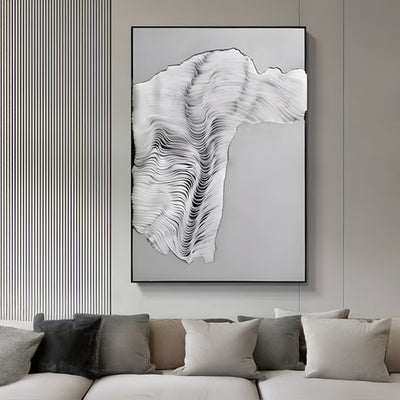
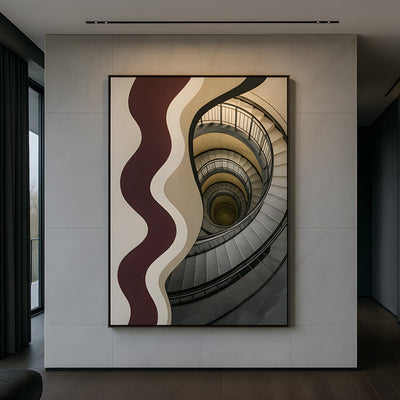
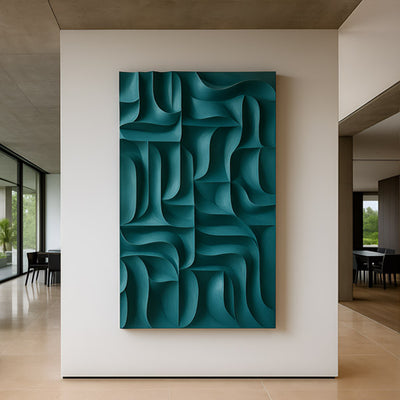
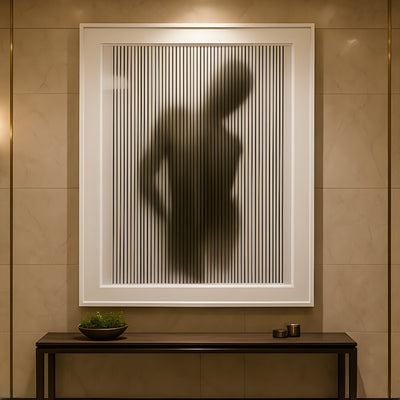
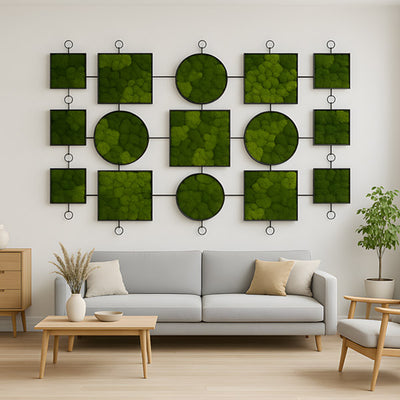
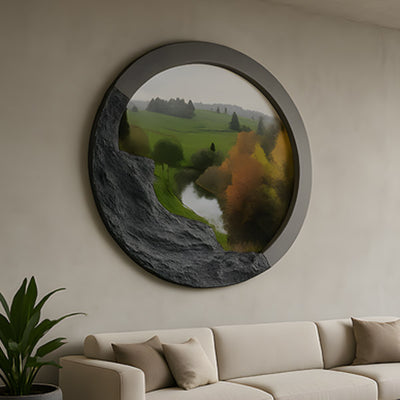
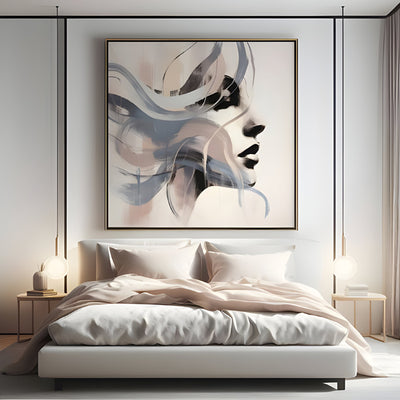










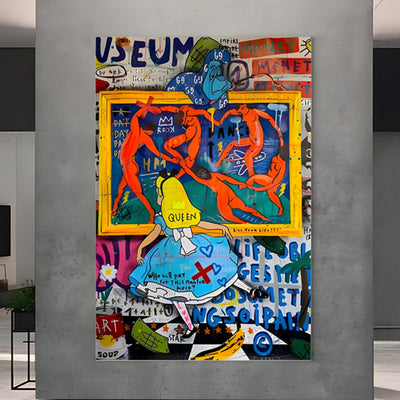
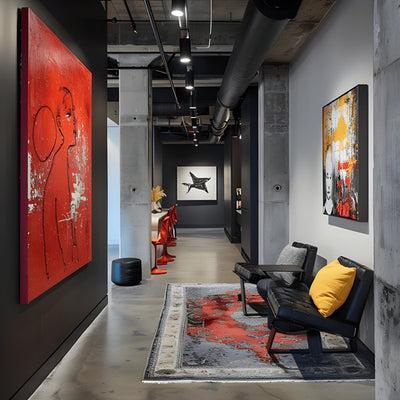


A hallway is the one room in the house you never stand still in, and that single fact wrecks more art choices than any other. Buyers pick a piece they love in a gallery, hang it in a corridor, and then walk past it a hundred times a week without ever really seeing it. Good hallway art ideas start from movement, not from the wall. Before we take on a corridor commission at Giant Sculptures, the first thing we ask is how a person travels through the space and where their eyes land on the way.
Get that right and a hallway stops being dead footage between rooms. Get it wrong and even a beautiful object looks stranded. The best hallway art ideas begin with that walk-through, not with a pretty picture.

Key Takeaways for Hallway Art Ideas
- Movement first: people glide through hallways, so pieces need to read at speed and from an angle, not just head-on.
- Scale is a trap: what looks bold at 10 ft (3 m) can look thin and lost at 30 ft (9 m).
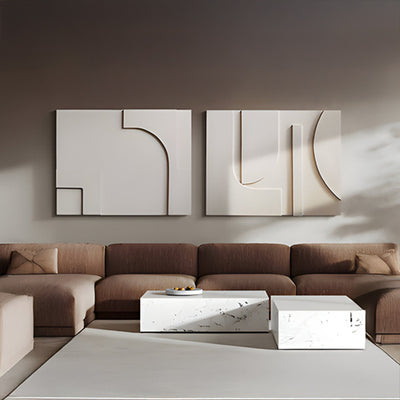
- Relief and dimension beat flat prints: a shallow bronze relief or a wall-mounted metal form catches changing light as you walk.
- Material earns its keep: corridors take knocks, so finish and durability matter more than in a formal room.
- Bespoke removes the guesswork: a maquette and a finish sample let you test the idea before the full piece is made.

What Sculptors Actually Think About Before a Hallway Art Commission
The brief we get is usually vague: "I want some art in the hallway, something with presence." What the client means, once we talk it through, is that the corridor feels like a tunnel and they want a reason to slow down in it. That is a spatial problem before it is an artistic one, and it is where the strongest hallway art ideas come from.
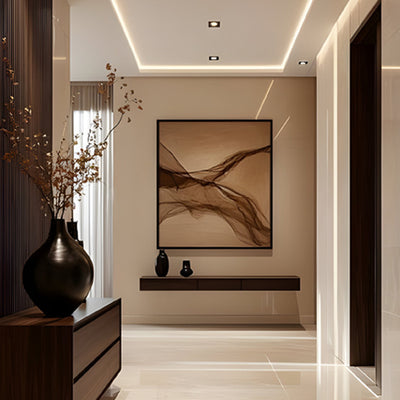
We map three things. First, the primary sightline, the view you get walking in the front door or down the stairs. Second, the passing view, what you catch from the side as you move. Third, the lingering view, the spot where people actually pause, often near a console table or a turn in the corridor. Most flat wall art for hallway settings only solves the first of these. A dimensional piece solves all three because its shadows shift as your position changes.
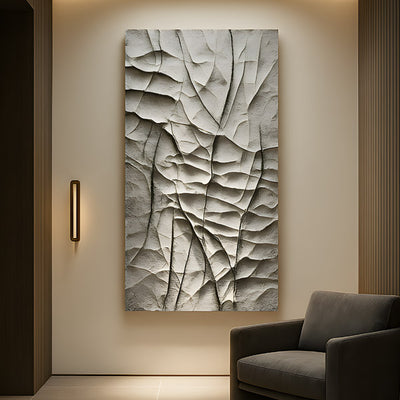
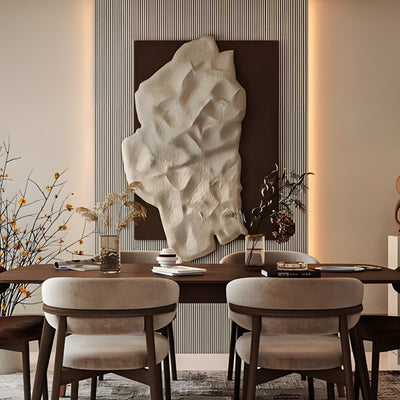
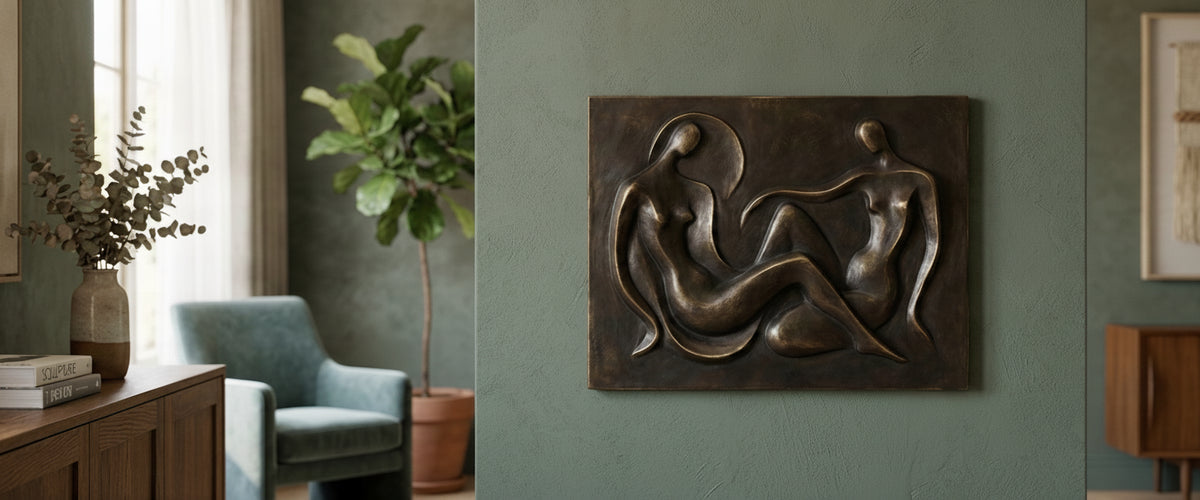
We shipped a shallow bronze wall relief to a townhouse where the entry hall was barely 4 ft (1.2 m) wide. A framed canvas would have felt claustrophobic, pressing in on you. The relief sat almost flush to the wall, under an inch (2.5 cm) of projection, and the low afternoon light raked across it differently every hour. That is the kind of result you cannot get from a print, and it is why so many hallway art ideas end up leaning toward sculpture.

Craft Decisions That Change the Result and the Price
Every corridor commission comes down to a handful of choices that quietly set both the look and the budget. Buyers tend to focus on the subject. Makers focus on these, and they shape which hallway art ideas are even feasible in your space.
Depth of relief. A high-relief piece with figures pulling away from the ground reads dramatically but eats wall depth you may not have in a tight hall. A low relief is subtler and safer in a pinch point. The difference in modeling and casting hours is real, which is part of why cost tracks the craft, not just the size.
Finish. On bronze, a dark patina hides the small scuffs a busy corridor collects, while a polished or gilded highlight draws the eye to a focal point. On stainless steel, a brushed finish stays calm; a mirror polish turns the piece into a light source that bounces daylight down a windowless hall. We often recommend a mixed finish for exactly this reason.
Mounting. Concealed cleats and rod systems carry serious weight while keeping the piece looking like it floats. A metal wall form of any real mass needs proper fixing into studs or masonry, not drywall anchors. This is engineering, and skipping it is where cheap installs go wrong.
If you want to see the range of dimensional pieces built for corridors and entry walls, our hallway art collection is a useful starting point for judging depth, scale, and finish side by side. It is also a fast way to sharpen your own hallway art ideas.

Why Some Hallway Art Reads Right at 10 ft and Wrong at 30
This is the mistake I see most. A client falls for a piece at close range, where fine detail and delicate line work sing. Then it goes into a long corridor where the main view is from the far end, and all that subtlety collapses into visual noise. From 30 ft (9 m) the eye reads mass, silhouette, and contrast, not filigree. Distance changes which hallway art ideas actually hold up.
So we design for the dominant viewing distance. A long, straight hallway wants a piece with a strong, simple outline and enough tonal contrast to hold the far view. A short entry hall, where everyone sees the work up close, can carry intricate detail and reward a second look. Getting this wrong is expensive, because you cannot shrink the corridor to fit the art.
Scale in metal is unforgiving here. A stainless steel form that looks generous in the studio can look undersized once it is up against a two-story stair void. When in doubt, we mock up the footprint at full size in tape on the wall and photograph it from every approach. It is a five-minute exercise that has saved more than one commission, and it tests hallway art ideas before you spend a cent.
The Studio Process: Maquette, Sample, Fabrication, Install
Bespoke sounds risky to buyers who have only ever bought finished work. The process exists precisely to remove that risk, one stage at a time, so your hallway art ideas arrive as something you have already seen coming.
- Maquette. We build a scaled model, often around a foot (30 cm) tall, so you can see the form in three dimensions and judge how it turns. Photos lie about depth; a maquette does not.
- Finish sample. A small sample of the actual patina or polish, made on the actual material, viewed in your actual light. Bronze patina in particular shifts under warm versus cool light, so this stage matters more than people expect. The Smithsonian's conservation team has documented how patina and surface treatment affect how a metal object ages, and the same principles guide the sample we send you.
- Fabrication. Modeling, molding, casting or metal forming, then finishing. This is the long stretch, and the timeline depends on material and complexity.
- Install. We plan fixings, weight distribution, and access before the piece leaves the studio. For heavier metal work we specify the mount to suit your wall construction rather than assuming.
Because each stage has a sign-off, you are never committing blind. That is the honest advantage of commissioning over buying a flat print off a wall, and it is why bespoke hallway art ideas tend to outlast trend-driven prints.
Honest Red Flags to Ask About Before You Commit
A specialist should welcome hard questions. Ask these before money changes hands, whatever hallway art ideas you are weighing.
- How will it fix to my wall? If the answer is vague, that is a warning. Weight and wall type dictate the mount, full stop.
- What does the finish do over time? Bronze develops its patina, stainless keeps its face, but every material behaves in its own way in a high-traffic corridor. You want the maker to tell you before, not after.
- Can I see a finish sample in my own light? A studio confident in its work will send one. Judging a metal finish from a screen is guesswork.
- What is the maintenance, honestly? Indoor metal work asks very little, but a straight answer beats a sales pitch.
- Who handles the install? For anything with weight, professional fitting protects both the piece and the wall.
On the question people quietly wonder about: yes, you can absolutely hang art in a hallway, and a corridor is often the best home for a dimensional metal piece because the changing angle of view suits it. The old idea that hallways only take small, safe prints comes from decorating habit, not from any real rule. If your hallway can carry the mount, it can carry a proper piece, and that opens up far bolder hallway art ideas.
A quick word on the internet's stranger hallway searches. Plenty of people looking for corridor decor run into fictional clip art scenarios that circulate as manga panels and captioned images online. That is narrative illustration and stock clip art, a different thing entirely from a commissioned sculptural piece for a real home. If you are furnishing an actual corridor, ignore the clip art rabbit hole and think about form, material, and how the work reads as you move past it.
The best hallway art ideas last because they treat the corridor as a real room with its own rules of movement and light. That is the lens we bring to every bespoke hallway art commission at Giant Sculptures, whether the piece is a shallow bronze relief for a tight entry or a bold metal form built for a two-story stair.
For wider placement ideas, 3d Acrylic Wall Art: A Buyer's Guide to Depth, Light and Scale is useful companion reading before you finalize the setting and sightlines behind your hallway art ideas.