




































































































A flat canvas on a wide plaster wall reads as an afterthought. Layered acrylic, lit from within or catching daylight across its edges, does something a print never will: it changes as you walk past it. That shift, from color to shadow to reflection, is the whole reason 3D acrylic wall art exists, and it is why designers reach for it when a room needs presence without another heavy bronze or stone piece competing for the floor.
This guide is written for buyers weighing depth, finish and scale before they commit, whether you are furnishing a double-height entrance in Dallas or a gallery wall in a Tribeca loft.

Key Takeaways
- 3D acrylic wall art uses layered, cast or sculpted acrylic to create real depth, so light and shadow become part of the piece.
- It suits large blank walls, backlit niches and rooms where a heavy sculpture would feel too much.
- Finish matters more than color: clear, frosted, mirrored and UV-printed surfaces behave very differently under light.
- Scale is the most common mistake. Measure the wall, not the piece you fell for online.
- Bespoke commissions let you set size, palette, lighting and mounting to the exact wall; budget depends on scale, complexity and finishing, so ask for a tailored quote.

What 3D Acrylic Wall Art Means and Who It Is Best For
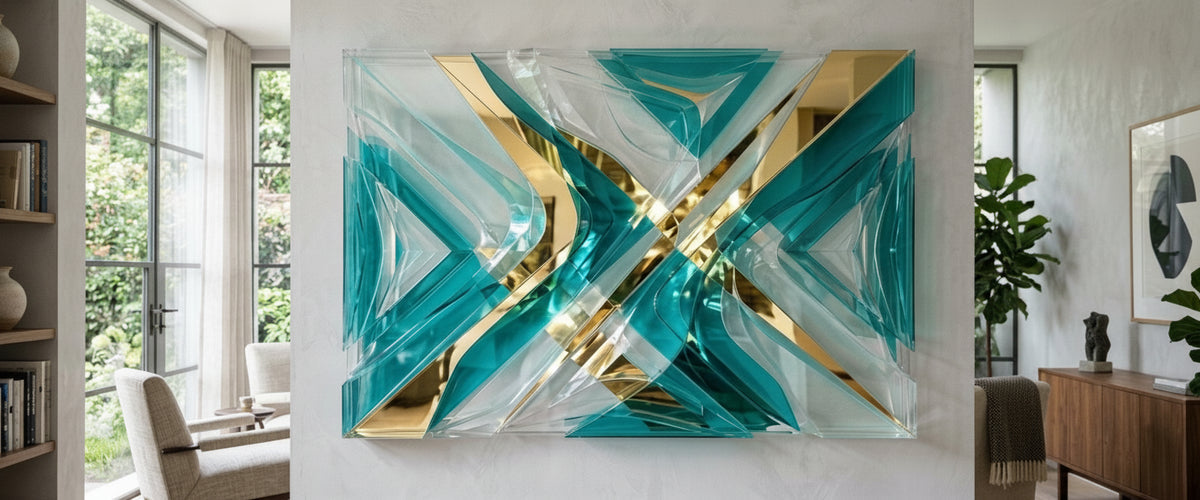
3D acrylic wall art is any wall piece that uses the transparency and thickness of acrylic to build physical depth. Instead of a single printed surface, you get stacked layers, cast forms, faceted edges or sculpted relief, sometimes combined with metal frames, gold mirror or integrated LED lighting. The result sits off the wall and plays with light in a way flat art cannot.
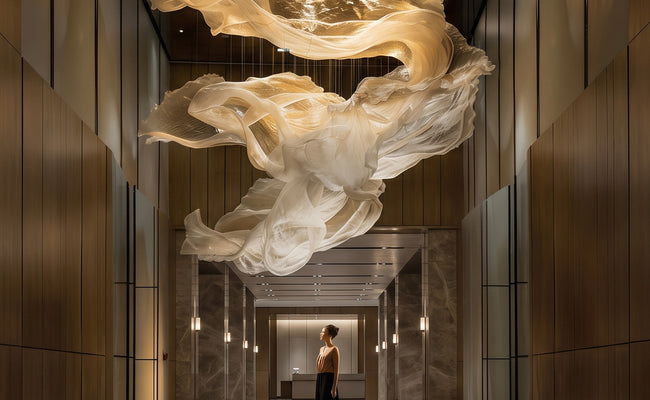
It is best for people who want a strong focal point but do not want to fill floor space. Interior designers use it above consoles and headboards. Collectors like it where humidity or handling rules out a fragile medium. It works for commercial venues too: hotel lobbies, restaurant feature walls and corporate reception areas where the piece has to look considered from across the room and up close.
Compared with our bronze and stainless steel work, acrylic is lighter, brighter and easier to mount on standard interior walls. It will not carry the gravity of a cast bronze relief, and it belongs indoors, but for the right wall it does the job nothing else does.

Key Materials, Finishes and Scale Decisions
Acrylic (cast PMMA) is the base, and quality varies more than buyers expect. Cast acrylic holds color and optical clarity far better than cheaper extruded sheet, and it resists yellowing under interior light. The Getty's conservation research on plastics notes that acrylics are among the more stable modern materials when kept out of direct UV and heat, which is one reason it holds up as a long-term wall piece indoors (Getty Conservation Institute).
Finish is where the decisions get interesting:
- Clear layered acrylic reads as pure depth and refraction. Best where you have some natural light to work with.
- Frosted or satin surfaces soften reflections and diffuse any backlight, so an LED glow spreads evenly rather than showing hot spots.
- Mirrored and metallic accents bounce a room back into the piece. Where a wall needs to shift between color and reflection as you move past it, something like the Coreva Teal Acrylic and Gold Mirror Round 3D Wall Art pairs teal acrylic with gold mirror to do exactly that.
- UV-printed and abstract surfaces hold graphic detail and saturated color that stays crisp under interior lighting; the Iridia Halo III Abstract Acrylic UV Wall Art is closer to that design language.
Then there is light. A backlit piece such as the Onyx Flame Glow Acrylic 3D LED Wall Art changes the calculation entirely, because the artwork becomes a light source. If you are running integrated LEDs, plan the power feed early. Retrofitting a discreet cable channel after the wall is finished is a headache we have watched clients regret.
On scale: a piece that looks generous on screen can shrink to nothing on a 12-foot (3.7 m) wall. As a rough rule, a feature piece should span roughly two thirds the width of the furniture or wall zone beneath it. For a large empty wall, go bigger than instinct suggests, or group several pieces so they read as one composition.

Where to Place 3D Acrylic Wall Art for the Strongest Visual Impact
For wider placement ideas, Large Abstract 3d Metal Wall Art: How to Place It so It Actually Reads is useful companion reading before finalising the setting and sightlines.
The best walls for these pieces share one trait: raking light. Position a layered or faceted work where daylight crosses it at an angle, and the edges glow while the shadows deepen. Flat, head-on light kills that effect, which is why a piece opposite a window often outperforms the same piece on the window wall itself.
Strong locations include:
- Entrance halls and stairwells, where people move past and the depth reveals itself as they walk.
- Above a low console or credenza, giving the piece a clear zone to command.
- Feature niches, ideally with concealed lighting so a backlit acrylic piece reads as a lantern.
- Dining and bar walls, where evening light and mirrored accents earn their keep.
Keep these pieces out of full afternoon sun through south-facing glass. Prolonged direct UV and heat are the two things that shorten the life of any acrylic piece, and a west-facing California great room can push surface temperatures higher than people realize. Indoors, out of the direct beam, it will stay clear for decades.
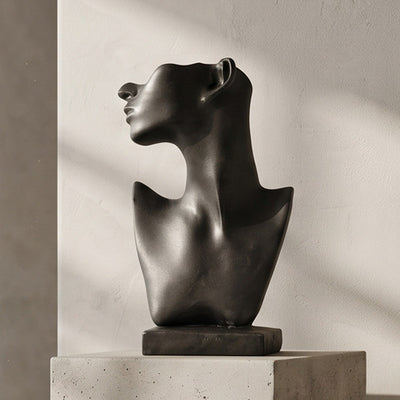
Where the wall calls for the sculptural weight of relief but you prefer metal, a cast piece such as the Classical Figural Torso Wall Sconce Bronze Sculpture - 90cm answers the same brief in a different material, holding light through form and patina rather than transparency. It is worth seeing both approaches before you decide which one your wall wants.
Budget, Commissioning and Delivery Considerations
There is no single price for a layered acrylic piece, and anyone quoting one online without seeing your wall is guessing. Cost tracks with scale, the number of layers, the complexity of the form, any integrated lighting, the finish and the mounting system. A modest round piece and a room-scale backlit composition are different projects. The honest answer is to request a tailored quote once you know the wall dimensions and the effect you want.
A few things protect your budget:
- Confirm mounting before you buy. Layered acrylic needs standoffs or a concealed cleat rated for the weight; a bespoke piece should ship with a mounting spec, not a guess.
- Plan lighting as part of the piece, not after. Integrated LED runs and drivers should be specified up front.
- Ask about edge finishing. Polished, flame-polished and diamond-polished edges look and cost differently, and they are the detail people notice up close.
Delivery deserves respect. Large acrylic panels are lighter than bronze but far more vulnerable to edge chips and surface scratches in transit, so they travel in custom crating with protective film left on until installation. For international shipping we build to the piece, and we recommend keeping that film on until the wall, lighting and mount are ready.
How Giant Sculptures Can Help With Bespoke Projects
Most of the acrylic work we ship is bespoke, because the whole point of the medium is fitting the wall. As a maker of large-scale and commissioned pieces, Giant Sculptures can set the exact size, palette, layer count, edge finish and lighting to your space, then supply the mounting detail your installer needs. Whether you want clear depth or a backlit 3D acrylic wall art panel, we build to the brief.
A recent commission for a US hospitality client shows how the process runs: we sized a backlit layered panel to a reception wall, matched the acrylic tint to their brand color, and specified a concealed driver so the maintenance team could access it without pulling the piece off the wall. The brief started as a rough sketch and a wall measurement. That is usually all we need to begin.
If you are choosing between acrylic, metal, wood or stone for a wall, browse the Acrylic Art collection for finished examples, then look across the wider 3D Wall Art range to compare how different materials handle depth and light. Send us the wall dimensions, the light conditions and the mood you are after, and we will come back with options and a quote built around them.