



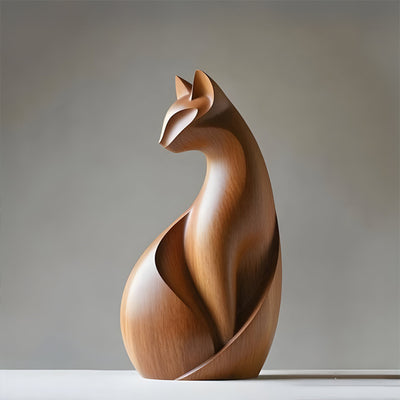



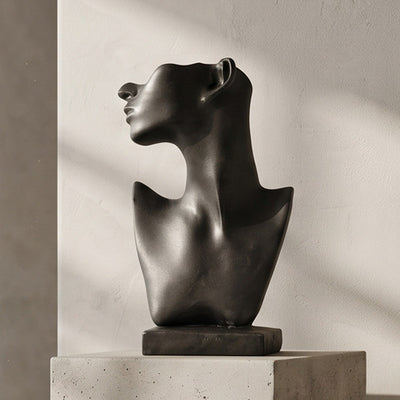


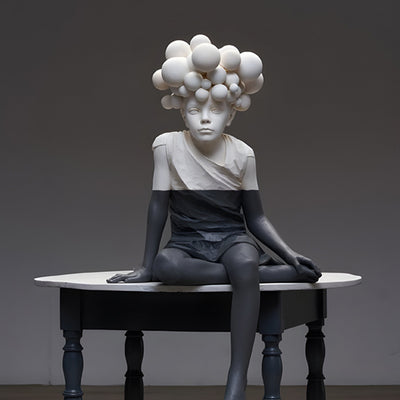

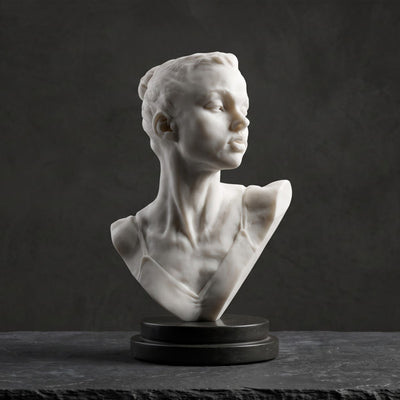




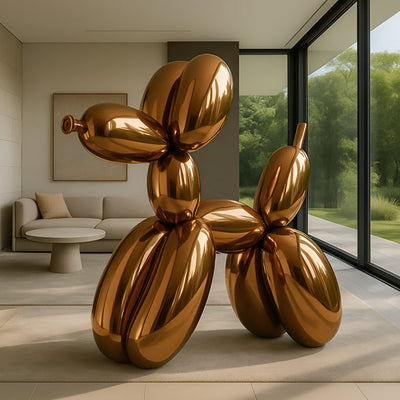
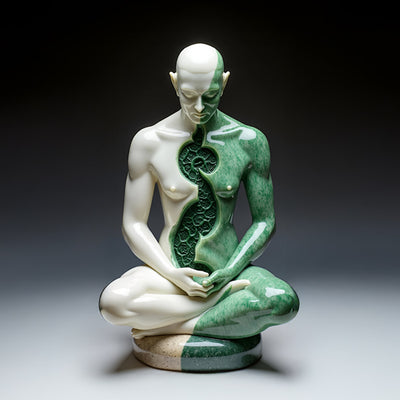
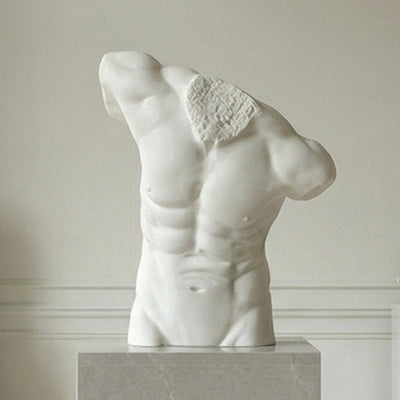
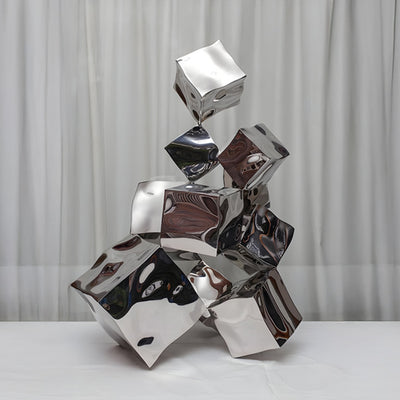


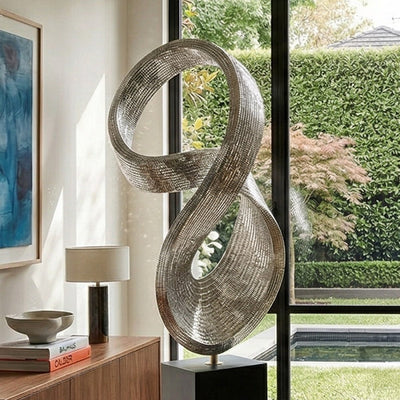
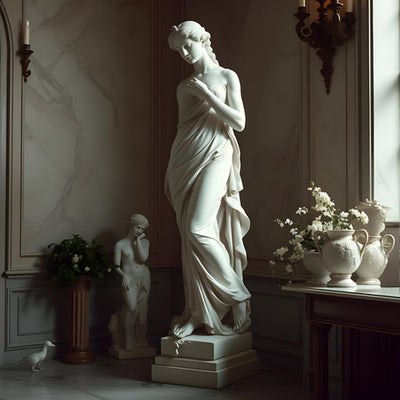
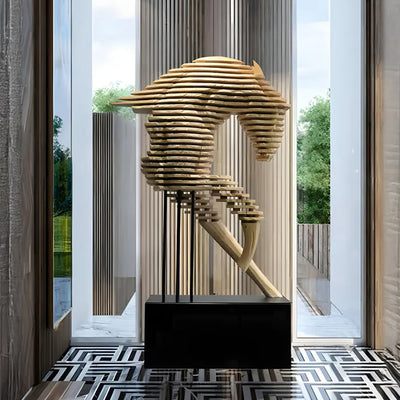
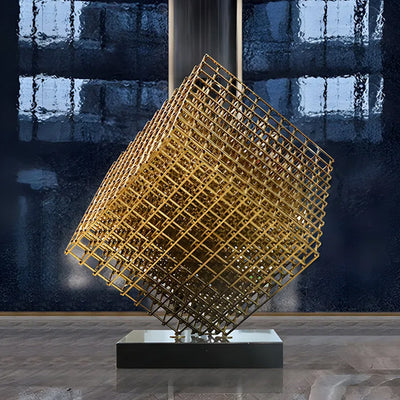






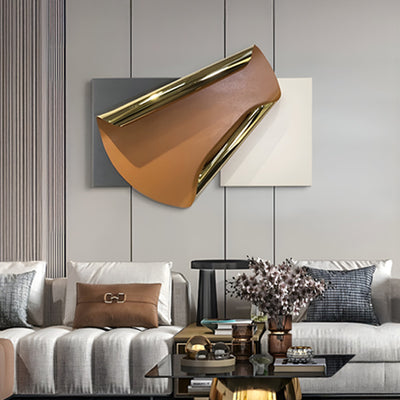
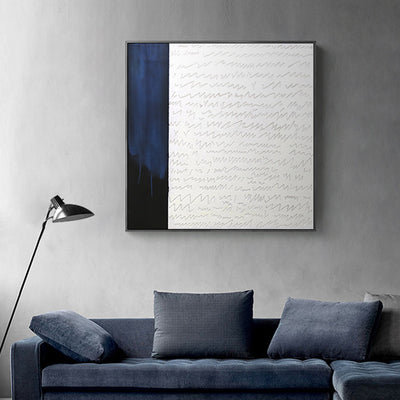
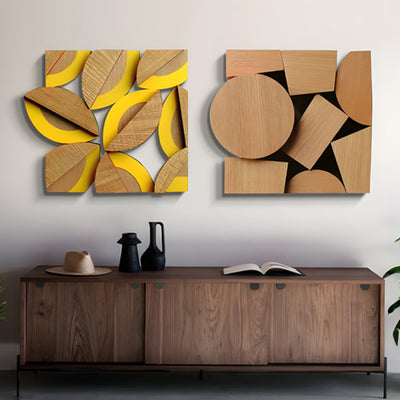

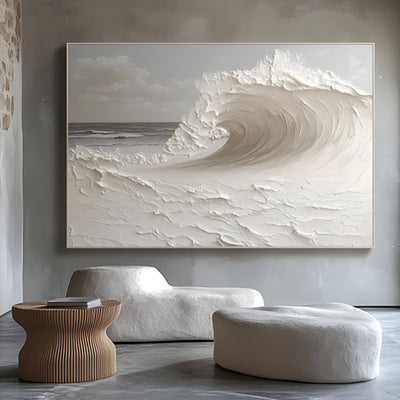
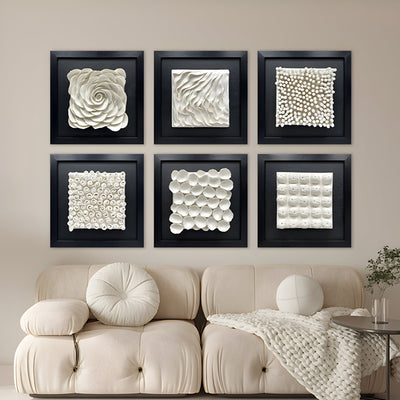
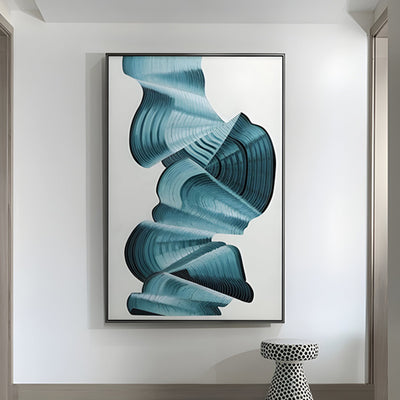
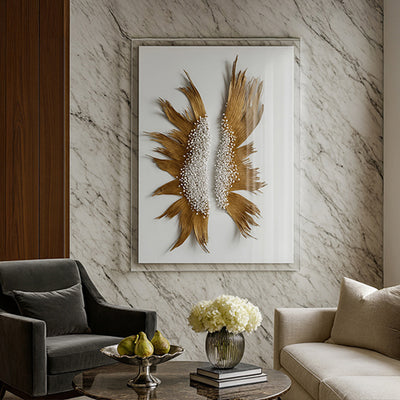
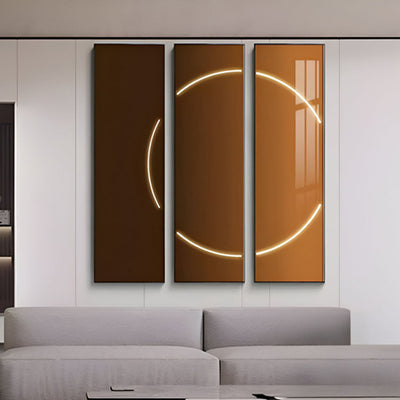
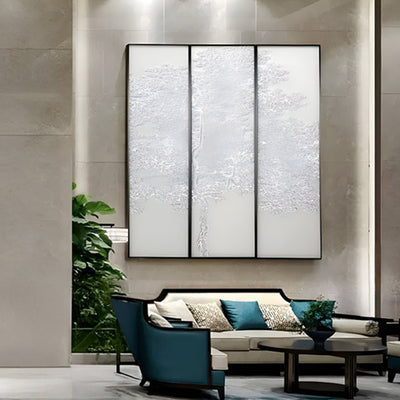
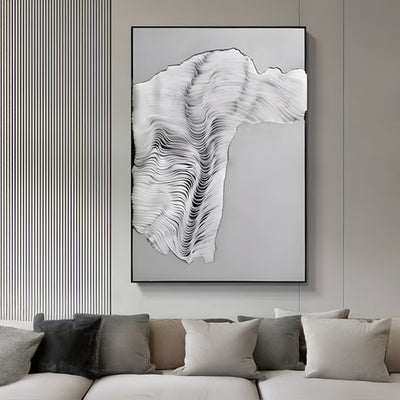
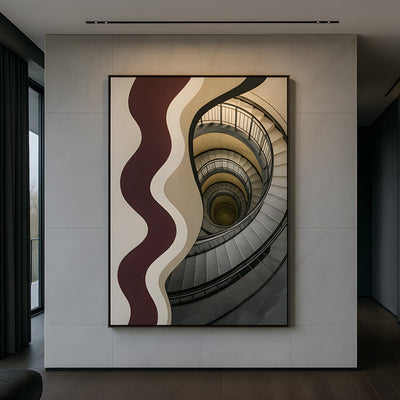
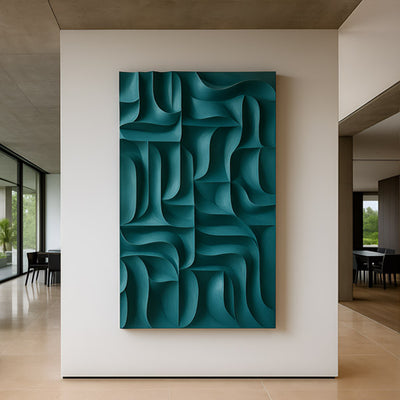
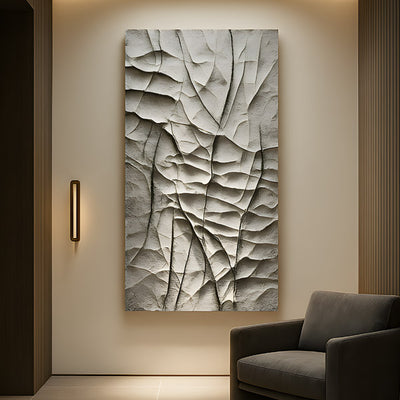
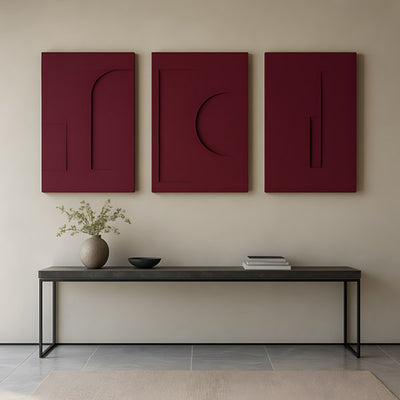
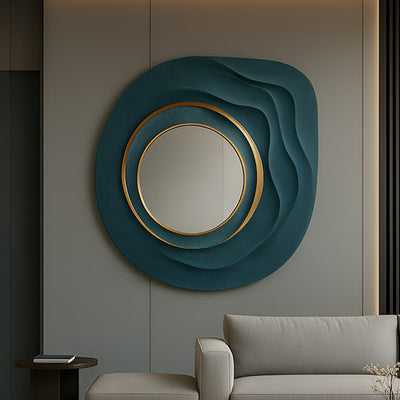
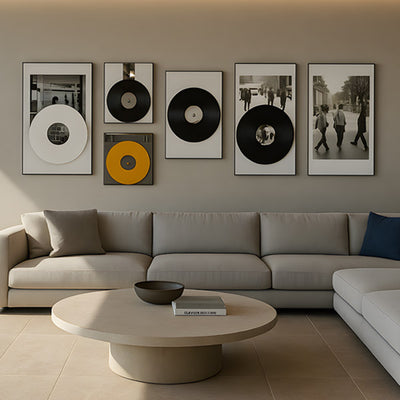





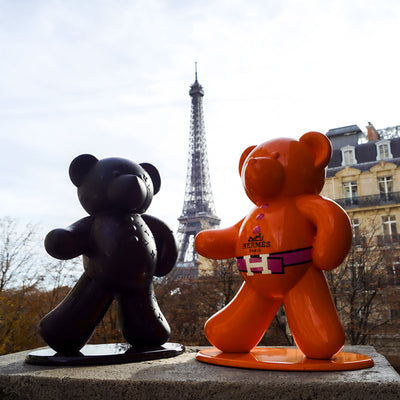


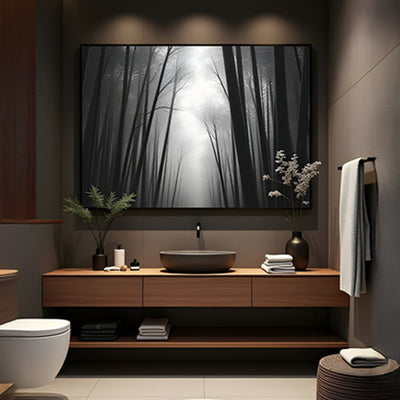
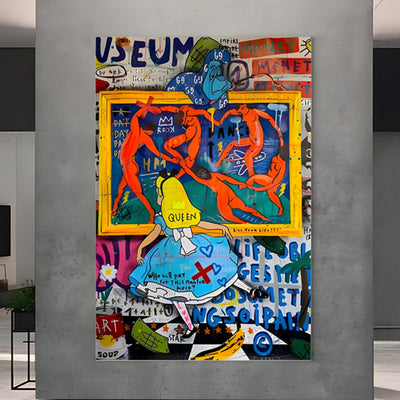
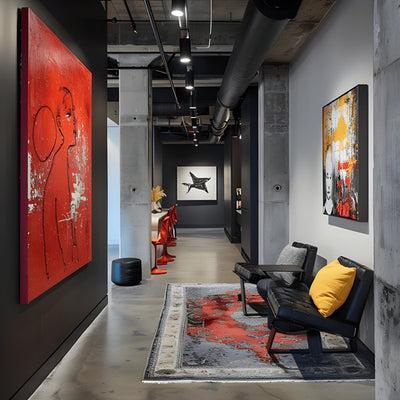
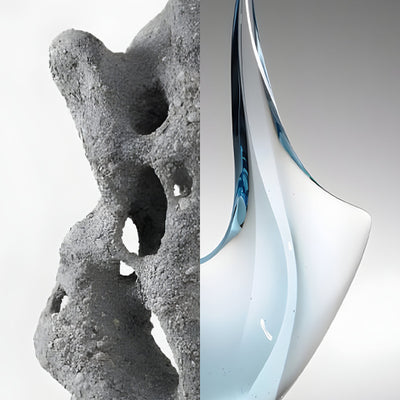
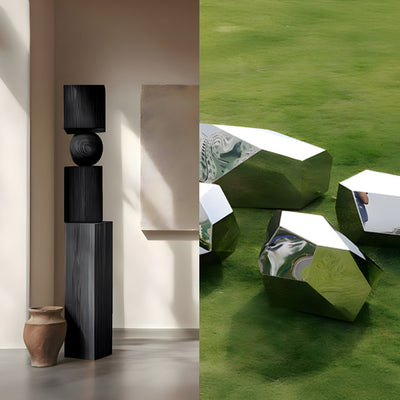

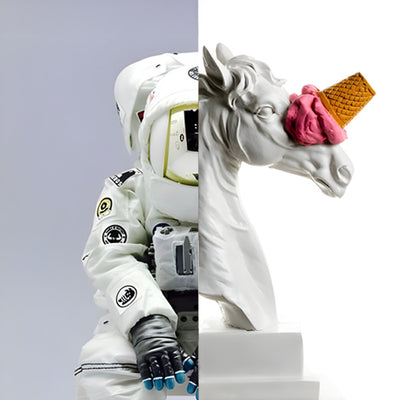


Decorating with iconify sculptures can completely transform a space. These bold, modern art pieces are designed to stand out, add personality, and elevate interiors beyond standard décor. Yet, despite their visual impact, many people unintentionally undermine their effect through common styling mistakes.
This guide is designed to help you avoid those pitfalls. It’s educational at heart, but practical enough to guide confident buying and styling decisions. Whether you’re new to sculptural décor or refining an existing space, understanding these mistakes will help you create interiors that feel balanced, intentional, and visually cohesive without compromising flow or design intent.

Quick Checklist: Are You Styling Iconify Sculptures Correctly?
Scale: Does the sculpture feel proportionate to the room and nearby furniture?
Placement: Can it be seen clearly from the main angles (entry, sofa, dining area)?
Breathing room: Is there enough clear space around it so it doesn’t look crowded?
Lighting: Does the light highlight texture and create flattering shadow, not harsh glare?
Height: Is it positioned around eye level, or balanced with the furniture it sits on?
Cohesion: Do the colours and finishes tie into something already in the space?
Mood: Does it match the feeling you want the room to have (calm, bold, playful, luxe)?
Mistake 1: Choosing the Wrong Scale for the Space
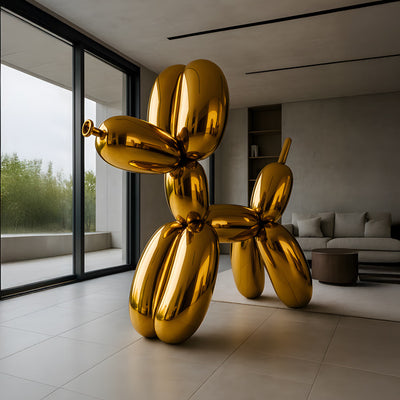
One of the most frequent mistakes when decorating with iconify sculptures is selecting the wrong size. Sculptures are three-dimensional objects, meaning they occupy visual and physical space in ways wall art does not. When the scale is off, the entire room can feel unbalanced.
A sculpture that’s too small may disappear into its surroundings, especially in open-plan or high-ceiling spaces. On the other hand, a piece that’s too large can dominate the room and overwhelm furniture placement. Scale should always be considered in relation to ceiling height, room width, and nearby objects.
Designers often recommend assessing the sculpture’s height and volume alongside the furniture it will sit near. A well-proportioned piece complements the room rather than competing with it, helping the space feel intentional rather than forced.

Mistake 2: Treating the Sculpture as an Afterthought
Another common issue is adding a sculpture as a last-minute decorative filler. Iconify sculptures are not accessories; they are focal elements that deserve thoughtful consideration early in the design process.
When sculptures are introduced after the room is already complete, they often feel disconnected from the rest of the décor. Colours clash, sightlines are blocked, or the placement feels random. Instead, the sculpture should help shape layout decisions, lighting choices, and even the overall colour palette.
Including the piece from the start ensures visual harmony. It should feel naturally embedded within the space, rather than added later simply to fill an empty corner.
Mistake 3: Ignoring Lighting and Shadow Play
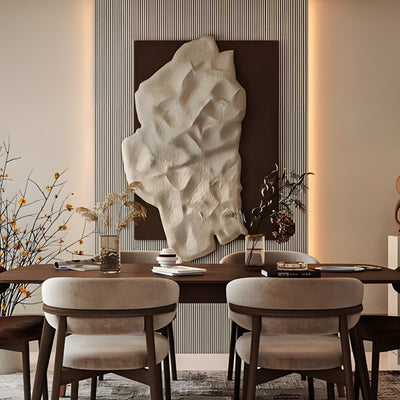
Lighting is one of the most underestimated aspects of sculptural styling. Unlike flat décor, Iconify sculptures rely on light and shadow to reveal depth, texture, and form.
Placing a sculpture in poor lighting can flatten its appearance or hide key details. Overhead lighting alone often creates harsh shadows, while insufficient light can make even the most striking sculpture fade into the background.
Strategic lighting, such as directional spotlights or ambient side lighting, enhances the sculptural contours and adds drama. When styled correctly, Iconify sculptures interact with light throughout the day, creating a dynamic visual experience rather than a static display.
Mistake 4: Overcrowding the Display Area
Less is often more when it comes to showcasing iconify sculptures. A common mistake is surrounding them with too many decorative objects, artwork, or furniture pieces. This visual clutter diminishes the sculpture’s presence and impact.
Sculptures need breathing room. Clear space around them allows the eye to appreciate form, silhouette, and detail. When everything competes for attention, nothing stands out.
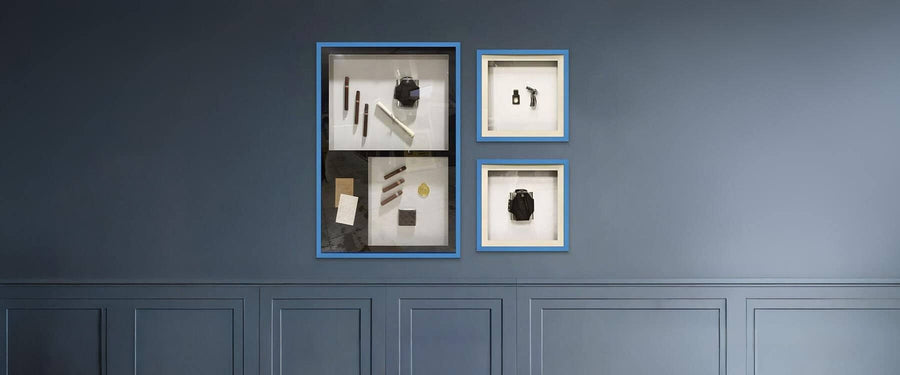
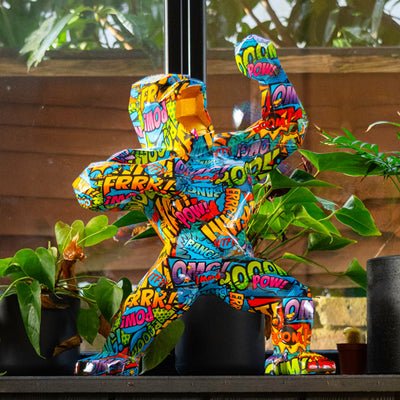
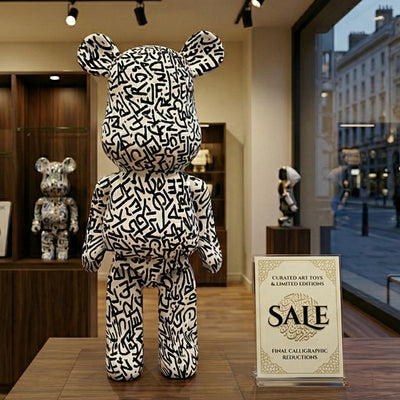
For example, when styling small iconify pieces, restraint is key. Placing them alongside minimal décor rather than busy shelving allows their design to shine without distraction.

Mistake 5: Placing Sculptures at the Wrong Height
Height placement plays a crucial role in how iconify sculptures are perceived. Sculptures positioned too low can feel disconnected, while those placed too high may appear awkward or inaccessible.
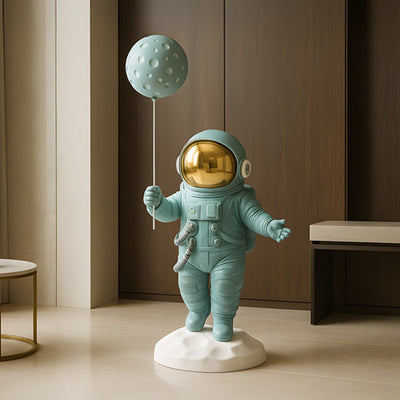
Ideally, sculptures should align with natural sightlines. Eye-level placement works well for detailed pieces, while floor-standing sculptures should feel grounded rather than floating awkwardly between furniture heights.
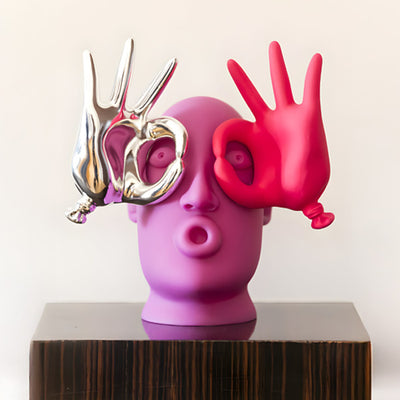
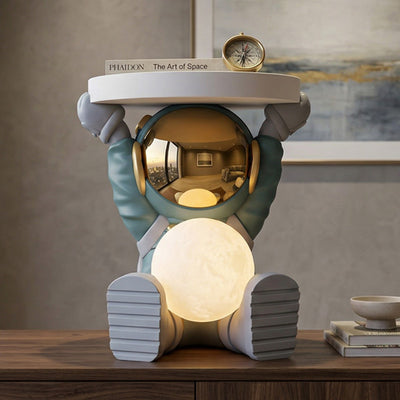
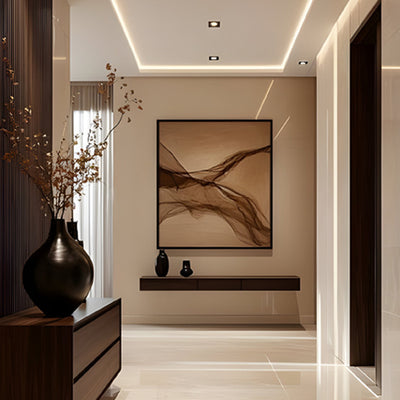
For console tables or sideboards, medium-height pieces tend to work best. Styling medium iconify sculptures at the correct height ensures they integrate seamlessly with surrounding furniture while still commanding attention.

Mistake 6: Choosing Style Without Considering the Interior Theme
While contrast can be powerful, ignoring the existing interior style altogether is a common error. iconify sculptures are bold by design, but they should still complement the overall aesthetic of the space rather than work against it.
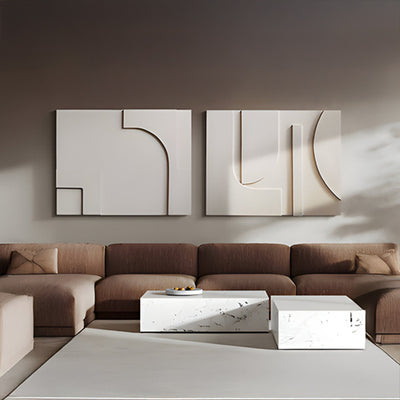
Placing a highly expressive sculpture into a room with a completely opposing style can create visual tension rather than interest. The goal is balance, not conflict. Materials, finishes, and colour tones should connect subtly with existing elements such as flooring, upholstery, or architectural features.
When chosen thoughtfully, a sculptural piece enhances the room’s identity instead of competing with it, reinforcing a cohesive and intentional design narrative.
Mistake 7: Forgetting the Emotional Impact of the Piece
Sculptures are more than visual objects; they carry emotion, symbolism, and personality. A major mistake is choosing iconify sculptures purely for appearance without considering how they make you feel within the space.
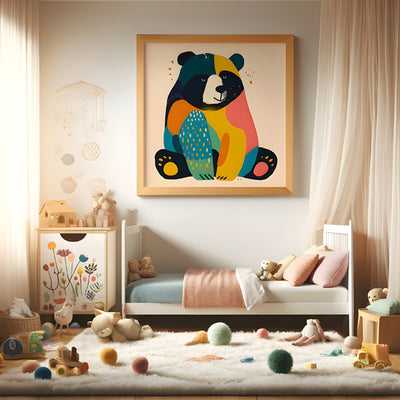
The most successful interiors evoke emotion, whether that’s calm, confidence, creativity, or intrigue. A sculpture should contribute to that atmosphere. When the emotional tone is overlooked, the piece may look impressive but feel disconnected from the environment.
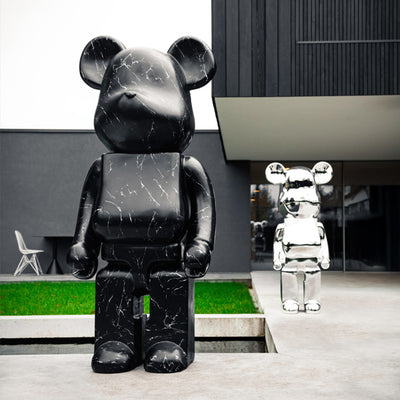
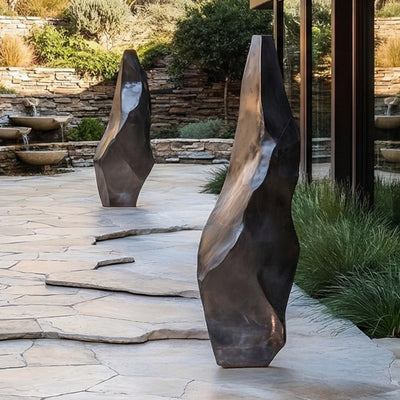
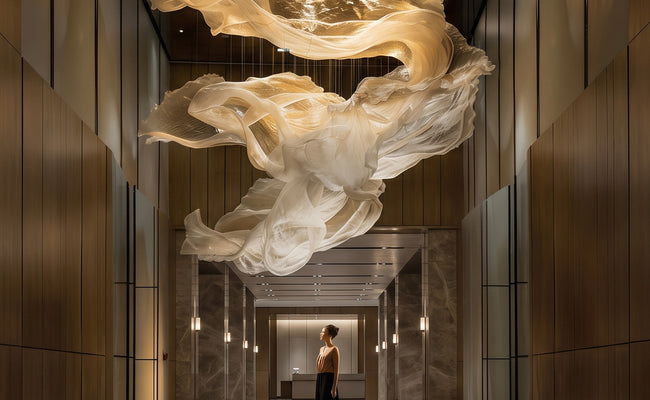
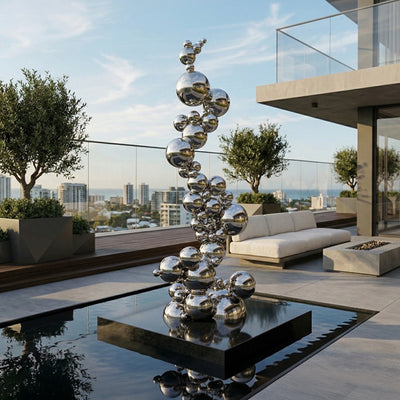
Large statement pieces, such as large iconify sculptures, are especially powerful in setting mood. Their presence can define a space, influence movement, and anchor the room’s character when chosen with intention.

Why Avoiding These Mistakes Matters
Decorating with iconify sculptures is an investment in both style and atmosphere. When placed thoughtfully, they elevate interiors, create focal points, and add depth that standard décor cannot achieve.
Avoiding these common mistakes allows the sculpture to do what it’s designed to do: command attention without overpowering, complement without blending in, and express individuality without chaos. Understanding scale, placement, lighting, and emotional impact ensures each piece contributes meaningfully to the space.