
































































































An aztec astronaut sculpture is a conversation piece by design, so the fastest way to waste one is to shove it against a busy wall where nobody can read the silhouette. The subject fuses ancient stonework motifs with a spacefaring figure, and that contrast only lands when the viewer has room to see the whole outline in one glance. Get the placement right and an aztec astronaut sculpture anchors an entrance, a lawn, or a double-height living room. Get it wrong and a striking object reads like clutter.
We field a lot of questions about astronaut sculpture placement at Giant Sculptures, and the same handful of decisions come up every time. This guide walks through the ones that actually change how an aztec astronaut sculpture reads.
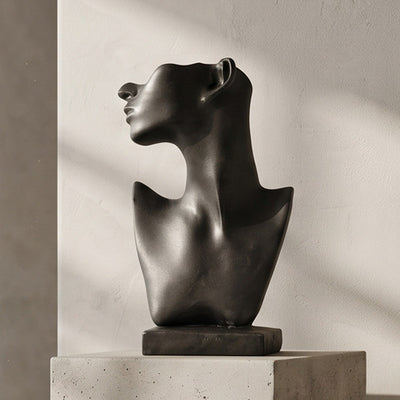
A clear sightline lets the silhouette do its work.

Key Takeaways
Silhouette first. An aztec astronaut sculpture depends on a clean outline, so give it a calm backdrop and clear sightlines.
Scale to the space, not the catalog photo. A 36cm figure and a 110cm figure solve completely different rooms.
Pedestal height sets the eyeline. A few inches up or down changes whether the piece feels heroic or incidental.
Indoor and outdoor placements ask for different materials and finishes. Plan for weather before you plan for wow.
Contrast wins. Metallic or glowing figures need a darker, quieter setting to read at their best.

What an Aztec Astronaut Sculpture Actually Looks Like in a Room
The appeal of an aztec astronaut sculpture is the collision of two visual languages. You get the blocky, carved geometry associated with Mesoamerican stone iconography married to the rounded, sealed form of a spacesuit. In a modern interior with concrete floors and pale walls, the piece behaves like punctuation; it stops the eye and gives an otherwise minimal room a focal point. In a warmer, more traditional home, the same figure reads as a deliberate wink, a bit of pop-culture confidence in a space that would otherwise play it safe.
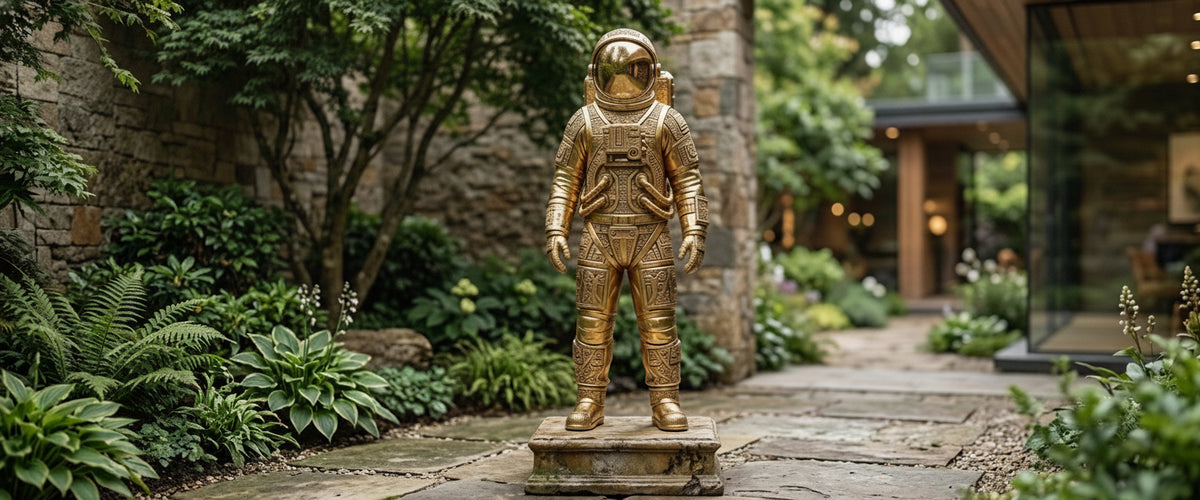
Outdoors the character shifts again. On a lawn or a gravel courtyard, an astronaut figure reads as a landmark, something guests orient around as they walk the grounds. We have shipped standing astronaut figures to clients who wanted exactly that: a piece you glimpse from the driveway and then meet properly on foot. For that kind of grounds-scale landmark, a full-height aztec astronaut sculpture such as the Celestial Gold Astronaut Glow Moonwalk Sculpture - 110cm holds its own against planting and hard landscaping without needing a plinth.

Scale, Sightlines and Pedestal Height
Scale is the decision buyers most often get wrong, and it is almost always in the direction of too small. A tabletop aztec astronaut sculpture like the Lunar Silver Astronaut Beats Figure - 36cm is charming on a console or a shelf, but drop it into the middle of a large open-plan space and it disappears. As a rough starting point, a freestanding sculpture on the floor of a generous room wants to sit somewhere around three to four feet tall (roughly 90 to 120cm) to hold attention from across the room.
Sightlines matter as much as raw height. Walk the route people actually take through the space. Where does the eye land first? An aztec astronaut sculpture placed on the natural sightline from the front door or the top of a staircase earns far more attention than one tucked into a corner. Give the piece a stopping point rather than a passing glance.
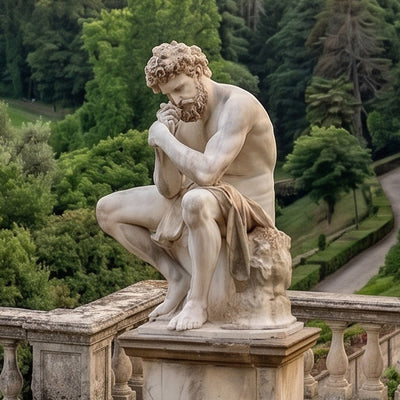
Pedestal height decides whether the figure feels heroic or incidental.
Pedestal height is the quiet lever. Lift a figure so its center of interest, often the helmet or the chest, sits near standing eye level, roughly five feet (about 152cm), and it reads as deliberate and composed. Set it too low and viewers look down on it, which flattens the drama. Set it too high and you lose the detail. Where you want a piece that sits at eye level on a console or entrance table rather than commanding the floor, a mid-scale aztec astronaut sculpture like the Cosmic Sky Astronaut Glow Hover Sculpture - 60cm on a low plinth of 12 to 18 inches (30 to 45cm) usually lands the eyeline correctly.

Indoor Versus Outdoor Placement: When Each Wins
For wider placement ideas, Fallen Astronaut Sculpture: How to Place a Space Figure so It Actually Lands is useful companion reading before finalizing the setting and sightlines for your aztec astronaut sculpture.
Indoors wins when the piece has surface detail or a finish you want people close to. Metallic and glowing figures reward proximity, and an interior lets you control light and keep the surface pristine. An entrance hall, a stair landing, or the end of a long sightline in a Los Angeles or NYC apartment gives an aztec astronaut sculpture the theater it needs without weather in the equation.
Outdoors wins when you want scale and landmark value. A figure on a Napa lawn or a Hamptons courtyard reads against sky and greenery, and the space lets you go bigger. The tradeoff is durability. UV, rain, salt air near the coast, and freeze-thaw cycles all attack finishes over time, so an outdoor placement should start with an honest conversation about material and coating. The American Institute for Conservation publishes useful general guidance on how outdoor artworks weather and why proactive care beats reactive repair; see its notes on caring for outdoor sculpture. For a permanent exterior aztec astronaut sculpture, we steer clients toward engineered metalwork such as bronze, stainless steel or Corten, finished for the specific climate, rather than a display finish built for indoor light.
Browse the full astronaut sculptures and space art range if you are still deciding between an indoor statement figure and an outdoor landmark; the size split there maps closely onto that indoor-versus-outdoor choice.

Light, Backdrop and Contrast
A metallic or glowing aztec astronaut sculpture lives or dies on contrast. Place a silver or gold finish against a white wall in bright daylight and it washes out; the surface has nothing to push against. Give it a darker, calmer backdrop, a charcoal wall, a slate hearth, dense evergreen planting, and the figure separates cleanly and reads three-dimensional.
Directional light does the heavy lifting. A single raking light from one side pulls out form, which is far more flattering than flat overhead light that erases shadow. For glow-effect figures, plan the placement so ambient light is low enough in the evening to let the glow do its job. A piece designed to luminesce, viewed under a blazing spotlight, loses its entire trick.
Outdoors, think about the sun's path. A figure that sits in silhouette against a bright afternoon sky can look dramatic, but if you want to read the surface, orient it so it catches morning or late-afternoon light rather than sitting backlit at midday.
Common Placement Mistakes We See
A few errors show up again and again in aztec astronaut sculpture commissions and consultations:
Buying to the wall, not the room. People pick a size that suits one wall, then place the piece in open space where it looks lost. Measure the sightline distance, not the nearest surface.
Ignoring the base entirely. A well-chosen figure on a flimsy or wrong-height plinth undercuts itself. The pedestal is part of the composition.
Over-lighting. Flooding a metallic or glow finish with light kills contrast and, for glow pieces, kills the effect.
Forgetting the approach. Guests experience a piece as they walk toward it. If the first view is from behind or half-hidden, the reveal is wasted. This matters as much for a headless astronaut sculpture as it does for a full figure.
Treating outdoor like indoor. Putting a display-finished interior figure outside and expecting it to hold up. Specify for the environment from the start.
A Quick Placement Checklist
Walk the space and find the primary sightline. Place the piece on it.
Match scale to the room's volume, not to a single wall.
Set the pedestal so the figure's focal point sits near eye level.
Choose a backdrop that contrasts with the finish.
Use directional light; avoid flat overhead washout.
For outdoor placements, confirm the material and coating suit the climate before you commit.
Check the approach view, not just the hero angle.
Commissioning a Bespoke Version
The catalog figures are a strong starting point, but the aztec astronaut sculpture theme lends itself well to a bespoke commission, especially when you want a specific height, a particular finish, or an outdoor-rated build. Because we work at scale in durable materials, we can translate a display concept into something engineered to stand in a garden for decades. Budget for an aztec astronaut sculpture depends on material, size, complexity, engineering, installation and finishing, so the honest answer is to request a tailored quote once you know the placement and the scale you want. That single conversation about where the piece will live usually settles half the decisions on its own.