

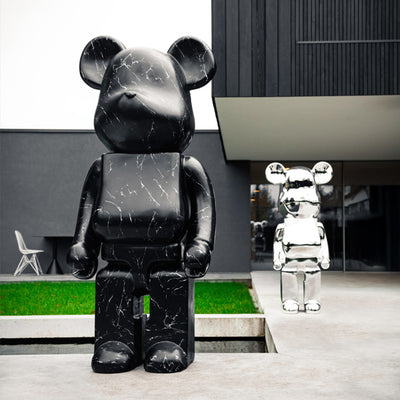

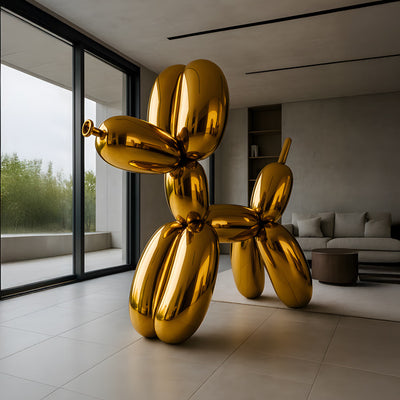
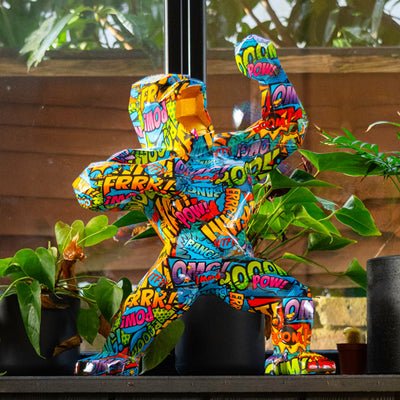
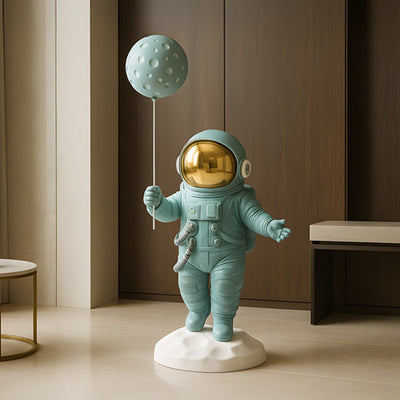








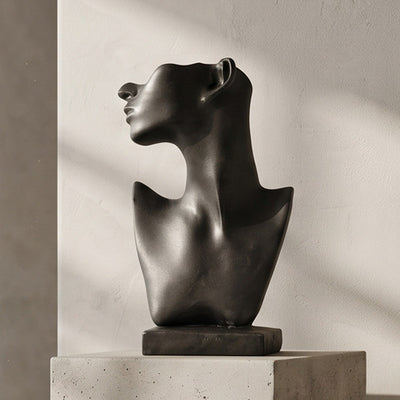









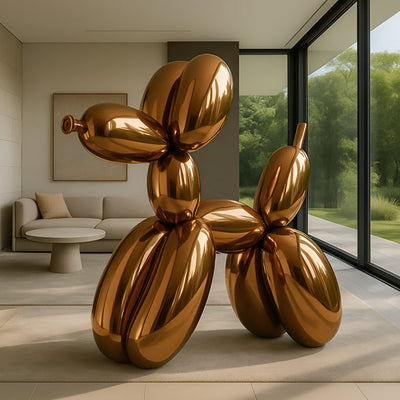

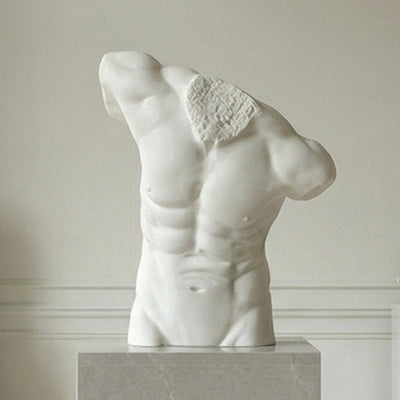
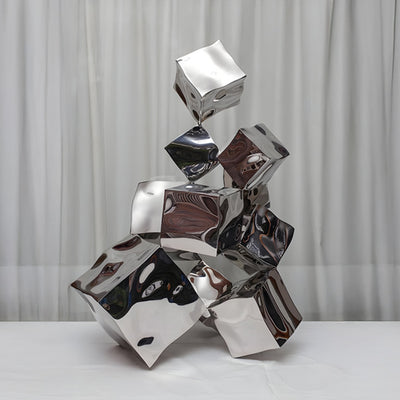


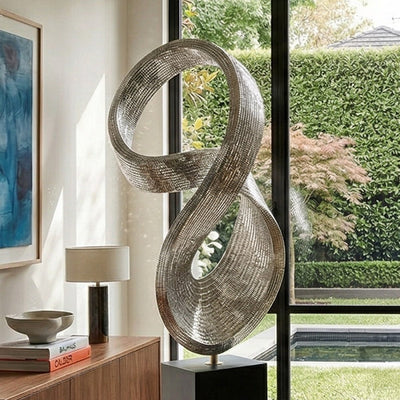

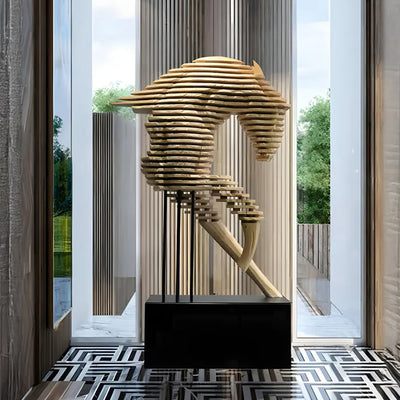
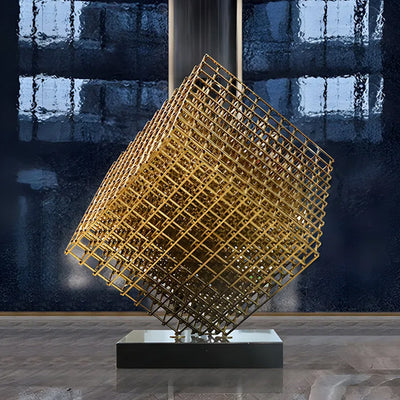
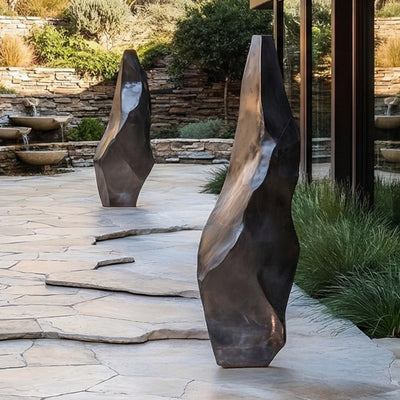






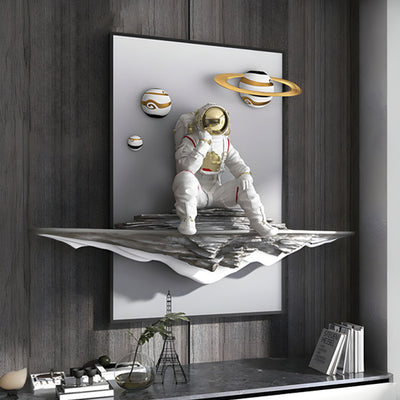

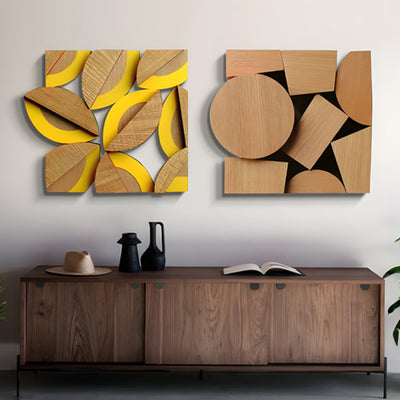

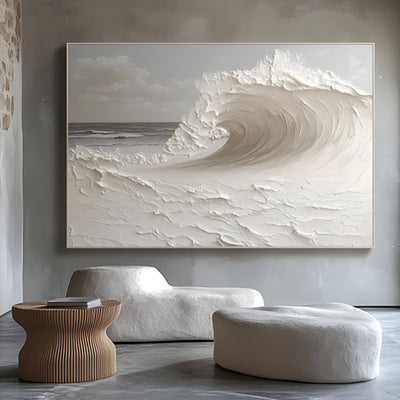
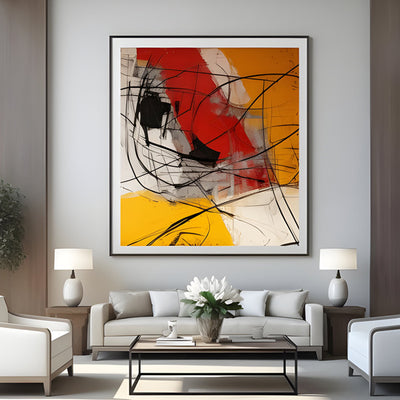
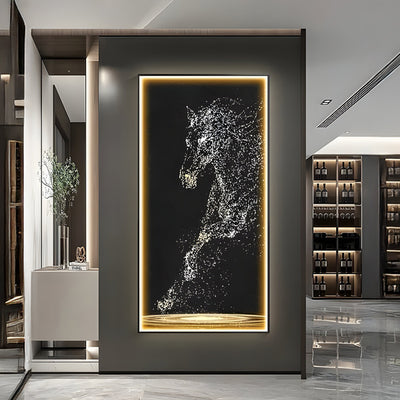
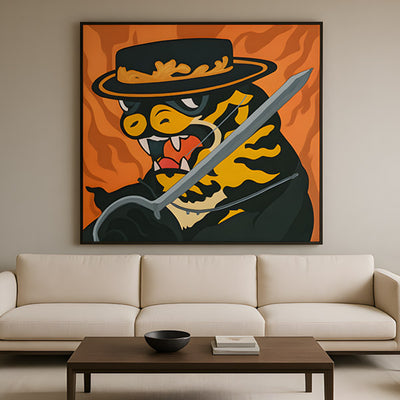
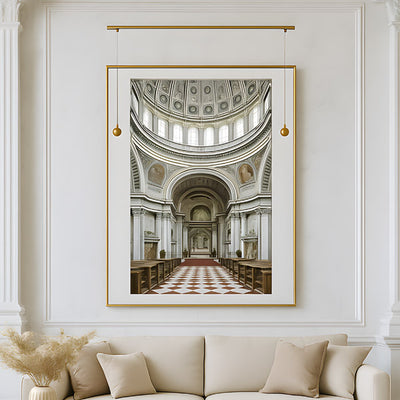
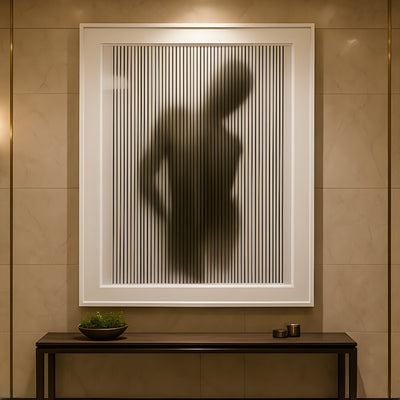
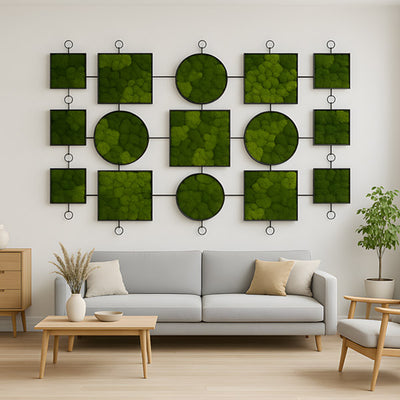










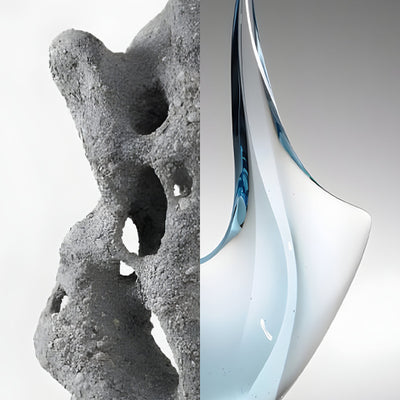
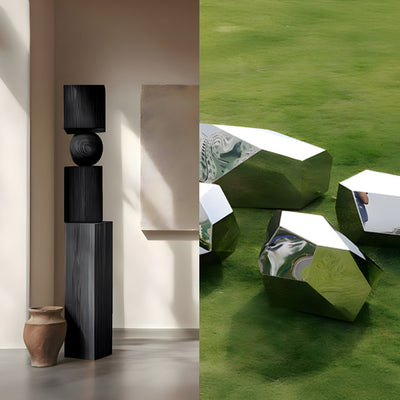

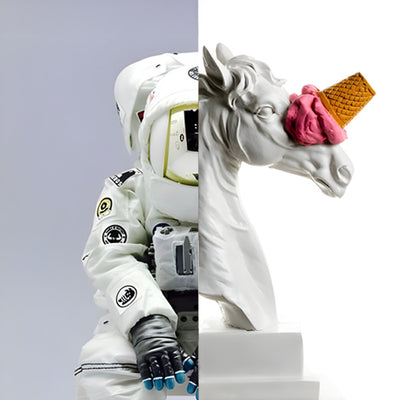
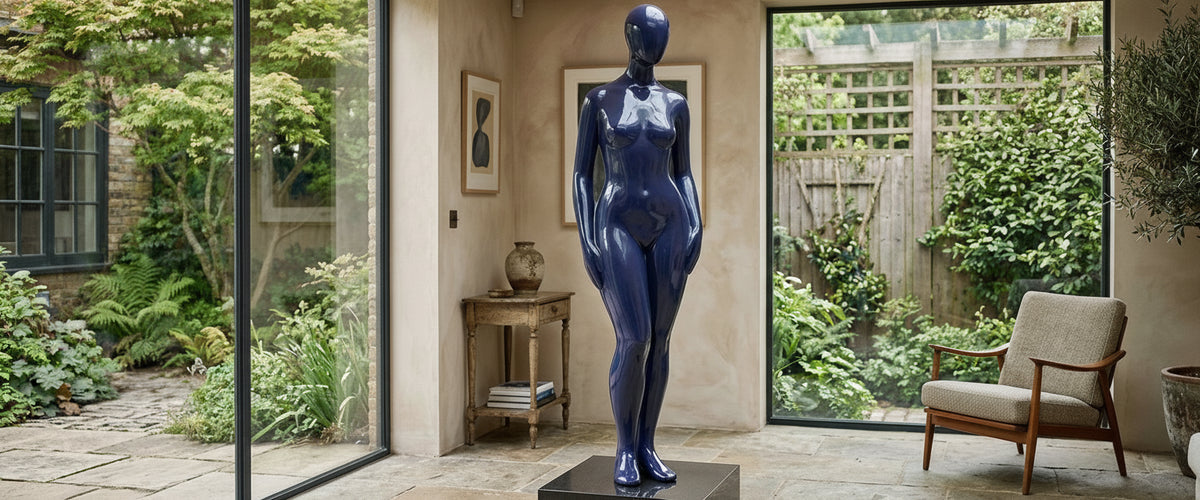

A large fiberglass sculpture will either command a room or disappear into it, and the deciding factor is almost never the piece itself. It is where you put it. We have watched a bold figure that looked heroic in the studio shrink into apology the moment it landed in the wrong corner of a double-height hallway. Placement is the quiet work that makes or breaks a statement piece, and with a material as light as fiberglass you have more freedom than most buyers realize.
The upside of a fiberglass sculpture large enough to anchor a space is that it can go where bronze or stone cannot: a mezzanine, a rooftop terrace, a suspended feature above a stairwell. The catch is that a big, light form needs a considered position to earn its scale. Below is how we think about it when clients commission through Giant Sculptures.

Key Takeaways
- Scale is relative to sightlines, not just room size. Measure the distance a viewer stands away, then size up.
- Pedestal height changes the entire read of a piece; eye level is rarely the right answer.
- Indoors rewards contrast and controlled light; outdoors rewards silhouette and a clean backdrop.
- Fiberglass is light, so mounting and anchoring matter more than raw weight suggests.
- The most common mistake is under-scaling. Buyers routinely go one size too small.

What a Large Fiberglass Sculpture Looks Like in Real Rooms
A 7-foot (2.1 m) fiberglass figure feels enormous flat-packed in a crate and surprisingly modest in a warehouse-style loft with 14-foot (4.3 m) ceilings. Volume is read against its surroundings, always. In a Napa great room with tall glazing and long stone floors, that same piece needs to sit closer to 9 feet (2.7 m) to hold its ground. In a tighter New York apartment with 9-foot ceilings, a 5-foot (1.5 m) form on a low plinth can dominate beautifully.
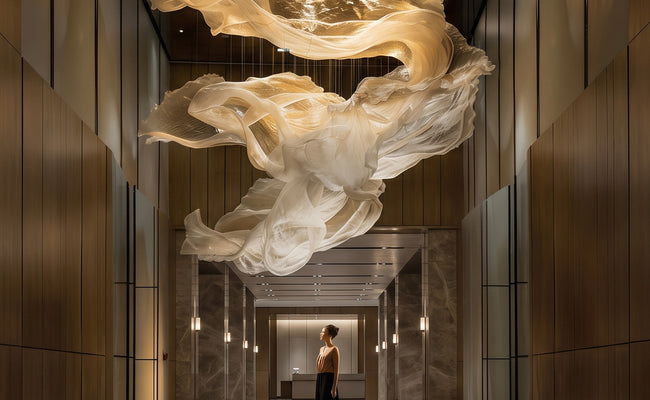
This is where fiberglass earns its place. Because it is far lighter than cast bronze or carved marble, you can install a genuinely oversized piece on an upper floor, a cantilevered deck, or a wall bracket that solid metal would never allow. That freedom is exactly why designers reach for a large fiberglass sculpture when the concept calls for scale but the structure cannot carry tonnage.

Scale, Sightlines and Pedestal Height
Start with the approach. Where does the viewer first see the piece, and from how far? A sculpture read from 30 feet (9 m) across an open-plan space needs bolder mass and a simpler silhouette than one you meet at arm's length in an entryway. Fine surface detail gets lost at distance; a strong outline survives it.
Pedestal height is the lever most people ignore. Placing a sculpture at standing eye level flattens it and makes it feel like furniture. Lift a figure so the viewer looks slightly up and it gains presence; drop a reclining or animal form low and it reads intimate and grounded. As a rough working rule in the studio, we set the visual center of the piece a little above the average viewer's eye line for anything meant to feel commanding, then test it in situ before committing to a plinth.
Give the piece breathing room. A large form crammed against a wall loses the volume that makes it worth owning. Pull it forward so light can wrap around the back edge and you get depth instead of a silhouette pinned to plaster.

Indoor Versus Outdoor: When Each Wins
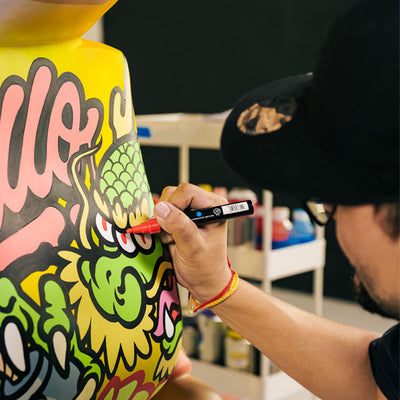
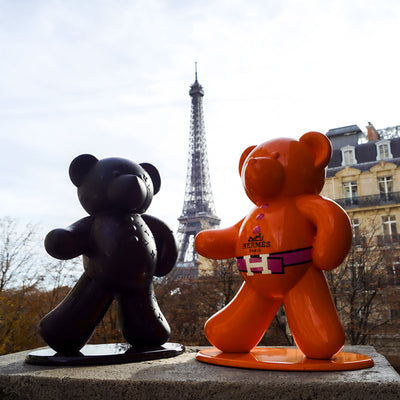
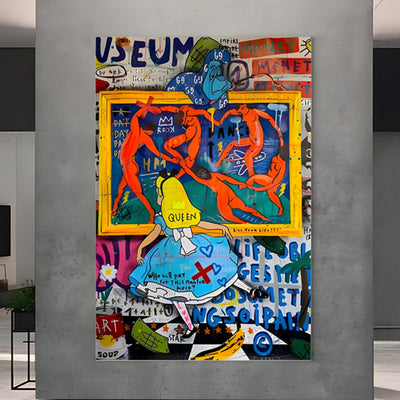
Indoors, a large fiberglass sculpture wins on control. You dictate the light, the backdrop, and the sightline, so the piece performs the same way every day. This is the setting for painted, high-gloss, or heavily textured surfaces where finish is part of the story. Fiberglass takes automotive-grade paint and lacquer well, which is why so many bold, color-forward feature pieces are built in it rather than metal.
Outdoors, the argument shifts to silhouette and weather. A piece on a Hamptons lawn or an Aspen terrace is seen against sky, hedging, and shifting light, so outline does the heavy lifting. Fiberglass handles outdoor life when it is properly gel-coated and UV-stabilized, but pigments and clear coats degrade under sustained sun and salt air over years, and the American Coatings Association notes that UV exposure is a primary driver of coating breakdown outdoors (paint.org). For a permanent outdoor centerpiece in a harsh climate, we often steer clients toward bronze, stainless steel, or Corten instead; you can compare those options in our stainless steel sculptures range. Fiberglass shines outdoors for seasonal installations, sheltered courtyards, and pieces you are happy to refinish periodically.
Light, Backdrop and Contrast
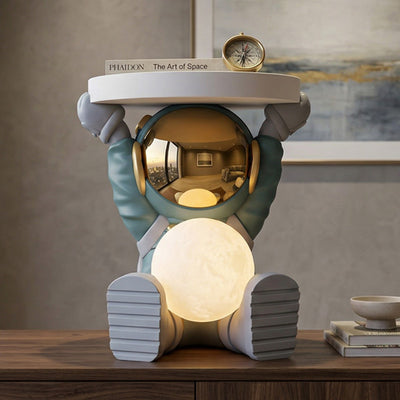
Light decides whether a sculpture looks alive or embalmed. Flat overhead lighting kills form; raking light from one side reveals it. Indoors, aim a narrow-beam accent from roughly 30 to 45 degrees off vertical so shadows model the surface. A glossy fiberglass finish will bounce hard highlights, so soften or angle the source to avoid a single blown-out hotspot.
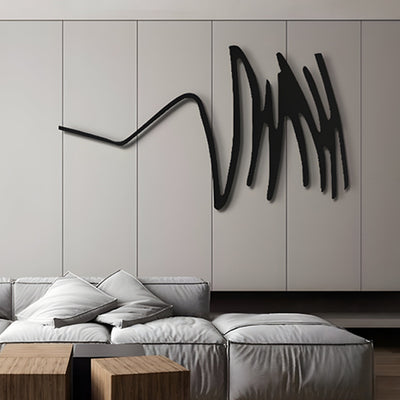
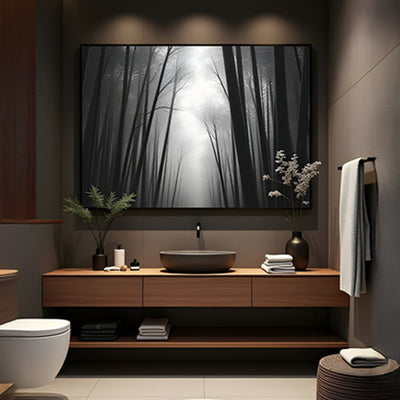
Backdrop is the other half of the equation. A pale figure against a pale wall vanishes; the same figure against a charcoal panel or a dark hedge snaps into focus. Contrast is your friend. We tell clients to think about the wall or planting behind the piece before they think about the plinth in front of it, because the background sets the ceiling on how much impact you can get.
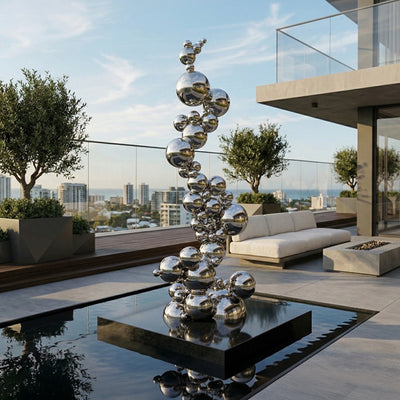
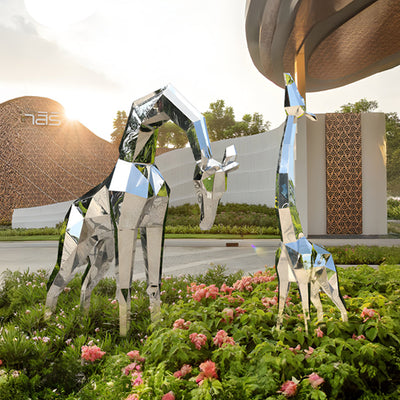
Reflective floors, water features, and glazing add a second reading of the piece. A mirror-polished or high-gloss fiberglass sculpture large enough to sit near water gains a doubled presence that a matte stone piece never would. Use that deliberately rather than by accident.
Common Placement Mistakes We See
For wider placement ideas, How to Make a Large Fiberglass Sculpture: A Buyer's Reality Check is useful companion reading before finalising the setting and sightlines.
The mistakes repeat, commission after commission:
- Under-scaling. The single most frequent error. A piece that looks huge in a photo often sits small in a real room with tall ceilings. When in doubt, size up.
- Eye-level default. Standing every piece at 5 foot 6 makes a collection look like a showroom. Vary height to suit the form.
- Backing it into a wall. Kills the three-dimensional read. Pull forward.
- Fighting the light. Installing under flat downlights, then wondering why the piece looks dead.
- Ignoring the approach. Positioning for the room you stand in rather than the sightline you walk in along.
- Under-anchoring outdoors. Fiberglass is light, which makes it vulnerable to wind. A large hollow form on a terrace needs proper ballast or a fixed mount, not just its own weight.
Placement Checklist Before You Commit
- Mark the footprint on the floor with tape and live with it for a day.
- Note the primary approach and the distance of first sight.
- Mock up pedestal height with boxes before ordering a plinth.
- Check the backdrop for contrast; adjust wall color or planting if needed.
- Test light angle at the times of day the room is actually used.
- For outdoor pieces, confirm anchoring, drainage under the base, and wind exposure.
- Confirm access: doorways, stair turns, and ceiling height on the delivery route.
Commissioning a Large Fiberglass Sculpture
When a piece is bespoke, placement should drive the brief, not follow it. Tell us the site first. A commission built for a specific wall, terrace, or atrium can be scaled, finished, and weighted for exactly that position, which removes most of the mistakes above before fabrication starts. Giant Sculptures works with buyers, interior designers, and landscape architects to size and finish pieces to a defined spot, and we can advise when fiberglass is the right call versus metal or stone. Browse the fiberglass sculptures collection to see the range of forms and finishes the material supports.
Budget depends on material, scale, complexity, engineering, installation and finishing, so there is no useful single figure. The honest answer is to send us the site and the concept and we will prepare a tailored quote. A large fiberglass sculpture placed well is worth far more than a larger one placed badly, and getting the position right costs nothing but attention.