




























































Want to make a large fiberglass sculpture for a garden, a lobby, or a retail floor? Most people asking that are not planning to build one in a garage. They want to know what they are buying, why an eight-foot (2.4m) piece costs what it does, and whether fiberglass is the right call at all. This is the honest, studio-side answer: the work involved, which choices decide quality, and how to brief and budget a commission. The smooth surface of a finished piece hides how much goes into it, and knowing the steps changes how you judge a quote.
Below is the real version of how to make a large fiberglass sculpture, from clay to gelcoat, written by a studio that ships large-scale and bespoke work worldwide.

Key Takeaways Before You Start
Fiberglass is light for its size. That is its main advantage for large figures, animals, and abstract forms that would be impractical in bronze or stone.
The finish is where quality lives or dies. A great sculpture with a poor gelcoat and paint job will chalk and fade within a few seasons outdoors.
Molds are the hidden cost. The first cast carries the whole tooling investment when you make a large fiberglass sculpture; repeats are cheaper.
Scale changes engineering. Past roughly life-size, you need internal armatures, panel joints, and anchoring plans.
Most buyers commission rather than build. The equipment, ventilation, and skill needed to make a large fiberglass sculpture yourself make DIY impractical for a true large piece.

What Making a Large Fiberglass Sculpture Actually Means
Fiberglass, properly called glass-reinforced plastic (GRP), is a shell of resin and woven glass strands laid over a mold. It is a strong hollow skin, not a carved or cast solid block. That is exactly why the material suits large work. A ten-foot (3m) animal in bronze could weigh well over a ton (900kg); the same form in fiberglass might be a few hundred pounds (around 150kg), which transforms delivery, craning, and floor loading.
The typical path to make a large fiberglass sculpture runs like this. A sculptor builds a full-size original, usually in clay over a steel and timber armature. A mold is taken from that original, often in silicone backed by a rigid fiberglass jacket, split into sections so it can be pulled off cleanly. Layers of gelcoat, resin, and glass matting are then laid into the mold by hand. Once cured, the sections are demolded, joined, seamed, filled, sanded, and finished. For the technical background on how these thermoset resins cure and behave, the CompositesWorld technical library is a genuinely useful reference.
Who is this best for? Anyone who wants a dramatic form at a size that would be punishing in traditional materials: garden centers, theme attractions, brand mascots, hospitality venues, and homeowners who want a large statement piece without the structural headaches of stone. For any of them, the choice to make a large fiberglass sculpture comes down to scale and weight.

How to Make a Large Fiberglass Sculpture: Materials and Finishes That Matter
If you only remember one thing about how to make a large fiberglass sculpture well, make it this: the surface system decides longevity. The glass and resin give strength, but the outer skin is what faces UV, rain, salt air, and handling.
Gelcoat. This is the pigmented resin layer applied first into the mold, so it becomes the outermost surface. A good marine-grade gelcoat resists water ingress and gives the piece its base color and sheen.
Resins. Standard polyester resin is common and cost-effective. For pieces facing hard weather or long outdoor life, vinylester or epoxy systems offer better water and chemical resistance. This choice matters more for a large fiberglass garden sculpture that will sit through a hard coastal winter or desert heat year after year.
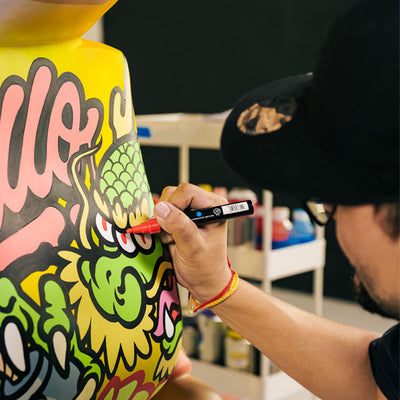
Topcoats and paint. Many large pieces are finished with automotive-grade two-part polyurethane paint and a UV-stable clear coat. Painted colors are wonderful on day one; the real question is how they hold at year five. The US National Park Service conservation guidance on documenting and caring for outdoor works is a good reminder that no finish is truly maintenance-free.
Scale drives a set of decisions that smaller work never faces when you make a large fiberglass sculpture. Big forms need internal steel armatures and sometimes foam cores. Sections have to be planned so they fit through a door, onto a truck, and around a delivery corner. A piece over about six feet (1.8m) usually needs a base plate or ground anchors so it does not act like a sail in a storm.

Where to Place a Large Fiberglass Sculpture for Real Impact
For wider placement ideas, Large Outdoor Metal Sculpture: A Buyer's Guide to Scale, Finish, and Placement is useful companion reading before finalizing the setting and sightlines.
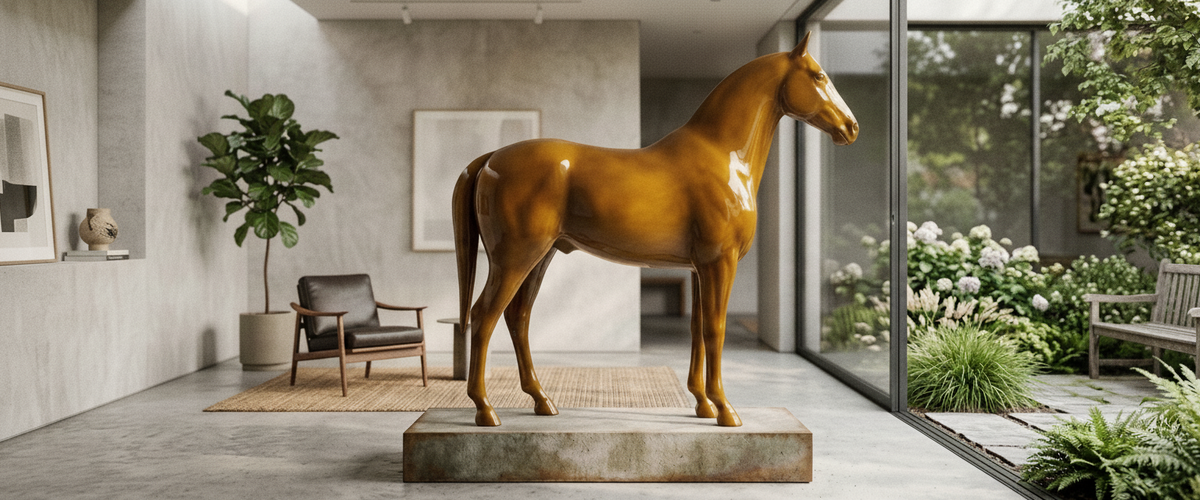
A large piece earns its keep when it has room to breathe and a sightline that carries. Cramming a nine-foot (2.7m) figure into a tight courtyard flattens it, so plan the site before you make a large fiberglass sculpture at that scale.
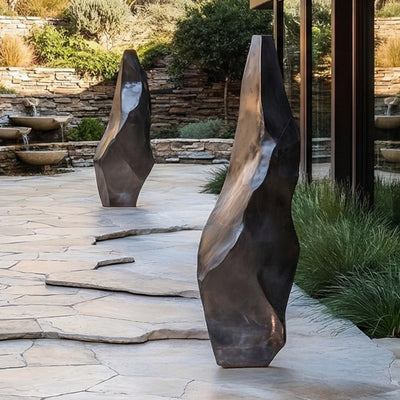
For gardens, set the sculpture where it reads from the house and from the approach: the end of a lawn axis, a turn in a path, a clearing framed by planting. A large fiberglass garden sculpture works beautifully as a focal point precisely because its low weight lets you place it on a plinth or in a spot that could never take stone.
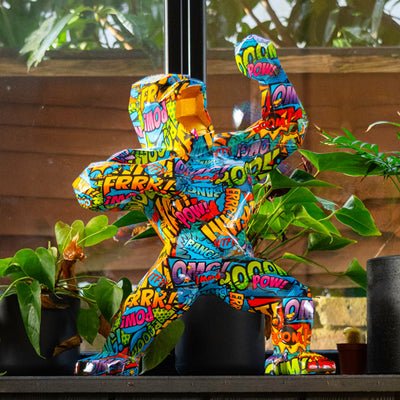
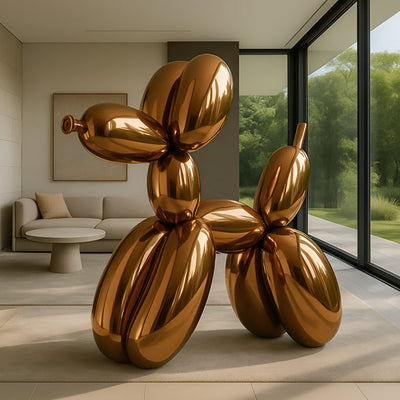
For commercial spaces, think about the first three seconds. A lobby sculpture in an office tower or a mascot on a retail floor should register instantly from the entrance. The choice to make a large fiberglass sculpture makes bold, oversized, sometimes playful forms achievable, which is why animal figures and characters are so common in the material. If you are weighing options, browse our fiberglass sculptures to see how scale and finish read across different subjects.
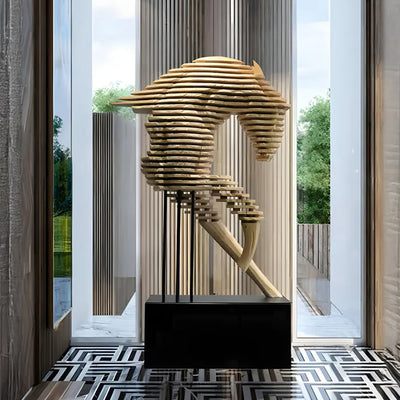
Indoors, control the light. Glossy gelcoat and clear-coated paint catch highlights, so a piece near a window will look sculptural in a way a flat matte finish will not.
Budget, Commissioning and Delivery
Pricing a large fiberglass sculpture is not a single number, and any studio quoting you a flat figure sight unseen is guessing. The real drivers when you make a large fiberglass sculpture are material grade, overall size, complexity of form, whether a mold already exists, the paint and finishing system, structural engineering, and installation. A brand-new original sculpted from scratch carries the cost of the clay original and the mold; a piece cast from an existing mold does not. For a tailored quote, share your intended size, location, indoor or outdoor use, and any color or brand requirements.
The steps to make a large fiberglass sculpture on commission run in clear stages. You agree the concept and reference, approve a maquette or digital model, sign off the full-size clay or the first cast, then move to finishing and color approval. Skipping the sign-off stages is the classic buyer mistake; it is far cheaper to change a shoulder line in clay than to rework a finished cast.
Delivery is where scale bites. A large hollow piece is light for its volume but awkward to handle. We plan access routes, craning if needed, and anchoring before anything leaves the studio. One retail client wanted an oversized animal delivered to a mall atrium with a single narrow service door; we built the piece in two sections with a concealed join specifically so it could pass through, then seamed and touched it up on site. That kind of planning is invisible in the finished piece, which is the point of choosing to make a large fiberglass sculpture in panels.
Should You Build It Yourself or Commission It?
Honest answer: for a genuinely large piece, commission it rather than try to make a large fiberglass sculpture yourself. Laying up fiberglass at scale needs proper ventilation and respiratory protection, temperature-controlled curing, mold-making skill, and a sculptor who can hold form and proportion at size. A small resin figure on a workbench is one thing. A ten-foot (3m) outdoor sculpture that has to survive decades of weather and public contact is another.
Use this quick checklist when you brief a studio or judge a quote to make a large fiberglass sculpture:
Purpose and lifespan. Indoor display or outdoor for twenty years? This sets the resin and finish grade.
Size and access. Final height, and every doorway, corridor, and gate it must pass through.
Finish spec. Exact colors, gloss level, and any brand matching, agreed in writing.
Structural plan. Internal armature, base plate, and anchoring method for the site.
Maintenance expectation. Who cleans and recoats it, and how often.
Sign-off stages. Maquette, full-size approval, finish approval, all named before work starts.
How Giant Sculptures Helps With Bespoke Fiberglass Projects
Giant Sculptures is a bespoke supplier of large-scale work, and fiberglass is one of several materials we use alongside bronze, stainless steel, Corten, and stone. When a project calls for size and light weight, the plan to make a large fiberglass sculpture is often the right choice, and we can also cross-check whether a form would be better served in metal for a public site with heavy contact.
We handle the parts buyers rarely see: engineering the internal structure, planning section joins for delivery, and specifying finishes for the actual climate a piece will live in. Whether you want a large fiberglass garden sculpture for a private estate or a branded figure for a commercial floor, we can take you from reference images through to an installed piece. Tell us the subject, the size, and where it is going, and we will build the plan around it before we make your large fiberglass sculpture.