

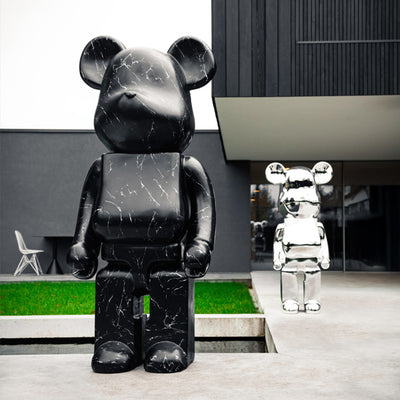

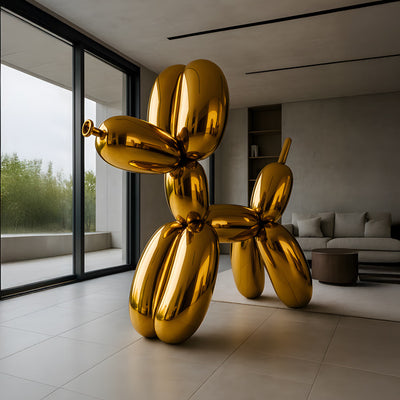
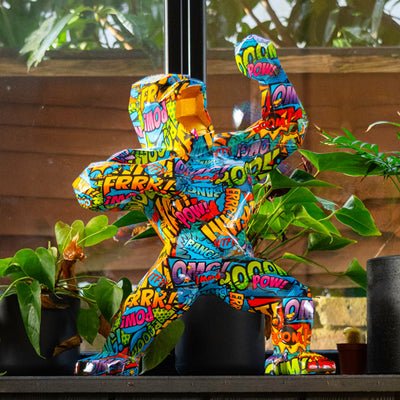
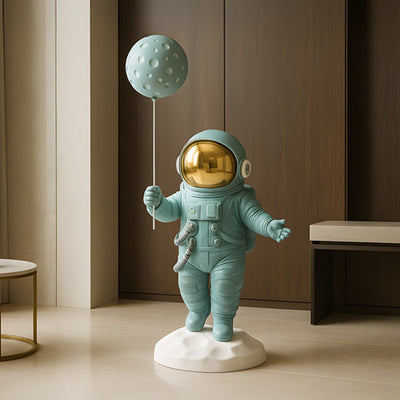











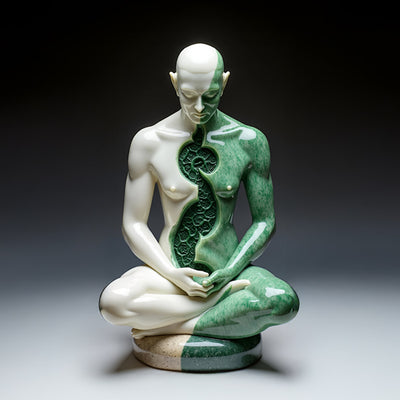




















An ancient astronaut sculpture will do one of two things in a room: hold the space like a figure stepping through a wall, or sit there looking like a costume prop someone forgot to move. The gap between those outcomes has very little to do with the piece itself and almost everything to do with where you put it, how high you lift it, and what sits behind it. We have shipped space figures to Napa tasting rooms, a Manhattan loft with double-height glass, and a private gallery in Texas, and the same lesson keeps repeating: the ancient astronaut sculpture is only half the decision.
So before we talk about the theme, the finish, or the pop-culture reference that makes the astronaut sculpture such an easy conversation starter, let us handle the part most buyers underestimate. Placement.

Ancient Astronaut Sculpture: Key Placement Takeaways
For wider placement ideas, Fallen Astronaut Sculpture: How to Place a Space Figure so It Actually Lands is useful companion reading before finalising the setting and sightlines for your ancient astronaut sculpture.
- Give it approach room. A space figure reads best when you can walk toward it, not squeeze past it.
- Height changes the whole mood. A low base makes the figure a companion; a tall plinth makes it an icon.
- Backdrop beats spotlight. Contrast behind the sculpture matters more than the light hitting it.
- Indoors rewards detail, outdoors rewards silhouette. Choose the setting that suits the pose you love.
- Scale to the volume, not the corner. Big rooms swallow small figures faster than people expect.

What an Ancient Astronaut Sculpture Looks Like in Real Rooms
The phrase covers a lot of ground. Some pieces lean literal and heroic, a full-suited figure mid-stride as if crossing lunar dust. Others play with the idea of the astronaut as a modern myth, the way museum collections frame older cultures encoding sky-travelers in stone. The famous Palenque lid, often cited in aztec astronaut sculpture discussions, is really a Maya ruler carved into the world tree, not a spaceman. That misreading is exactly why this ancient astronaut sculpture theme resonates: people love a figure that looks like it arrived from somewhere else.
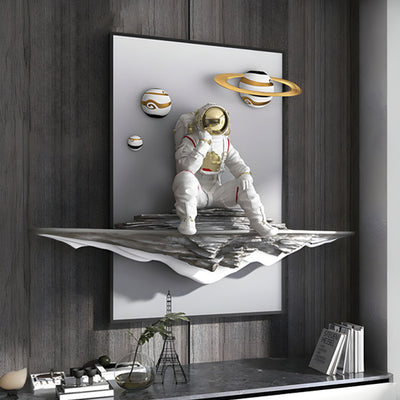
In a home, that translates in a few reliable ways. A gold or silver space figure in a double-height entry becomes the first thing a guest registers. A headless astronaut sculpture, where the helmet reads as an empty visor, brings a cooler, more conceptual edge that suits minimalist interiors in California or a stripped-back loft. An astronaut wall sculpture, mounted so the figure appears to push out of the plaster, works where floor space is tight but ceiling height is generous. Each version of the ancient astronaut sculpture asks for a slightly different room.

Scale, Sightlines and Pedestal Height
Height is the single most common thing buyers get wrong. A space figure set flat on the floor reads as approachable and slightly playful, which is right for a family room or a studio corner. Lift the same figure onto a plinth and the whole reading shifts toward monument. The visor now meets you at eye level or above, and the ancient astronaut sculpture stops being furniture and starts being a subject.
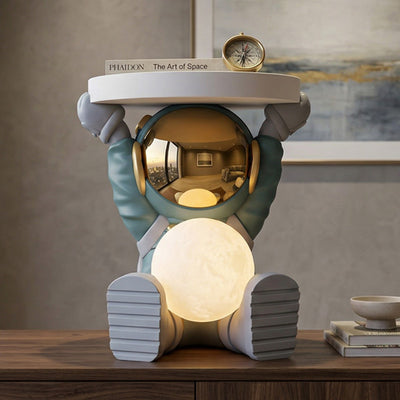
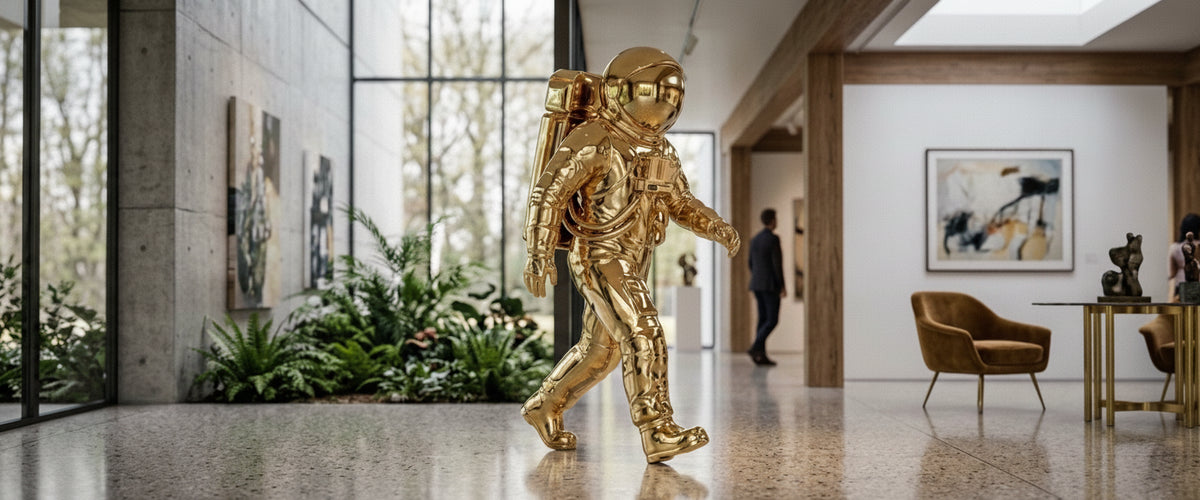
As a working rule, we like the focal point of a figure, usually the helmet, to land between 5 and 6 feet (1.5 to 1.8 m) from the floor for an eye-level encounter. Push it higher for drama in a grand hall; keep it lower where you want intimacy. A 36 cm piece such as the Lunar Silver Astronaut Beats Figure - 36cm often needs a base or a console to reach that sweet spot, whereas a taller floor sculpture arrives there on its own. Where you want the figure to hold a wide entry hall unaided, a full-height reflective piece like the Celestial Gold Astronaut Glow Moonwalk Sculpture at roughly 43 inches (110 cm) carries enough presence to anchor the sightline on its own, and its mirrored surface pulls in the color of everything around it. Put it near warm timber and it warms; set it against cool concrete and it turns architectural.
Sightlines matter as much as height. Stand where people naturally enter and look. If the astronaut sculpture is the reward at the end of that line, it works. If it is off to one side and half-blocked by a sofa back, it never lands, no matter how good the piece is. Give your ancient astronaut sculpture a clear run of at least a few feet so viewers can walk up and around.

Indoor Versus Outdoor: When Each Wins
Indoors favors detail and finish. Close viewing distances mean people notice surface texture, seams, and the play of interior light across a polished shell. Reflective and glow-accent pieces belong here, where you control the lighting and there is no weather to fight. For a shelf, a reception desk, or a landing where guests pass close, a smaller hover-style figure such as the Cosmic Sky Astronaut Glow Hover Sculpture - 60cm at around 24 inches (60 cm) sits closer to the right scale than a full-height floor piece.
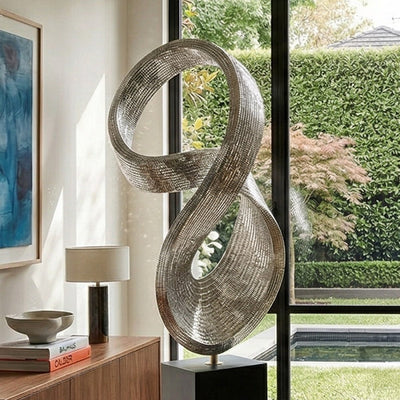
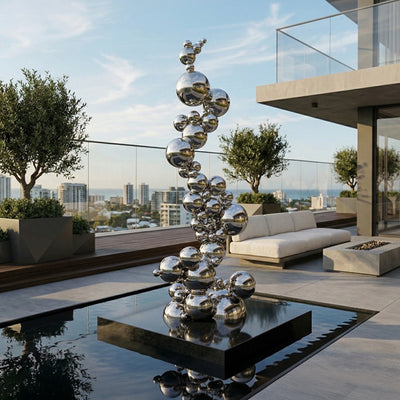
Outdoors favors silhouette. A garden in the Hamptons or a courtyard in Aspen reads the ancient astronaut sculpture against sky, hedge, or stone, so the outline does the work long before anyone sees the finish. Scale up for outside; open air shrinks everything. A figure that felt commanding in a living room can look lost on a lawn.
Material choice follows the setting. For genuine outdoor life, we steer buyers toward bronze, stainless steel, or Corten, which handle UV, rain, and temperature swings without the surface fatigue that thinner decorative finishes can suffer. The American Institute for Conservation offers sound general guidance on how outdoor metalwork ages and what upkeep it needs. If you love a specific glow or mirror-finish figure that was built for interiors, keep it inside and commission an outdoor-rated version instead of gambling on the weather.

Light, Backdrop and Contrast
People obsess over spotlighting and forget the wall. Contrast behind the sculpture decides visual impact more than any fixture. A silver space figure against a pale wall disappears; the same figure against charcoal plaster or a dark planted backdrop snaps into focus. Before you buy your ancient astronaut sculpture, look hard at what will sit behind the piece.
For lighting, aim for a soft key light slightly to one side so the helmet casts a gentle shadow and the form reads as three-dimensional. Flat frontal light kills depth. Outdoors, morning and late-afternoon sun rake across a figure and bring out the pose; midday overhead sun flattens it. If you are placing the astronaut sculpture in a permanent spot, watch how light crosses it across a full day before you fix the base.
Reflective finishes need one extra thought: they will mirror clutter. A mirror-polished figure in front of a messy shelf shows the mess. Keep the reflected zone calm so the ancient astronaut sculpture stays the subject.
Common Placement Mistakes We See
These come up again and again in commissions and enquiries, and all of them are fixable before delivery.
- Buying for the corner, not the volume. A big room needs more figure than people expect. Measure the wall behind and the ceiling height, then scale up.
- No approach path. A space figure wants to be walked toward. Blocking it with seating or a table kills the effect.
- Wrong base height. The most common single error. A plinth that is 6 inches too short can turn a monument back into an ornament.
- Ignoring the backdrop. Choosing the finish before choosing the wall behind it.
- Indoor finish left outside. Glow and decorative-shell figures degrade in weather. Match material to setting from the start.
- Overcrowding. One confident astronaut sculpture beats three competing pieces. Let it breathe.
There is also the church question, which surprises people. An astronaut sculpture in a church, most famously a small carved spaceman detail on a cathedral facade, works because it is a single wink against centuries of stone. The same lesson holds for any grand or historic interior: an ancient astronaut sculpture lands hardest when everything around it is restrained. Let the contrast carry it.
Commissioning a Bespoke Astronaut Sculpture
Off-the-shelf works when a listed size and finish fit your space. When they do not, this is where a bespoke ancient astronaut sculpture commission earns its place. At Giant Sculptures we build to a specific site: the exact height you need to hit an eye-level visor, an outdoor-rated metal for a coastal garden, a scaled-up figure for a lobby with 20-foot ceilings, or a wall-mounted version engineered with the right fixings and load spread for your wall type.
Budget depends on material, scale, engineering, finish, and installation, so we quote each ancient astronaut sculpture commission rather than publish a flat figure. If you are weighing options, the large astronaut sculptures are a good starting point for statement scale, while the full astronaut sculpture art and space range shows how finish and pose change the mood before you commit. Tell us the room, the sightline, and the wall behind, and we will tell you honestly whether a stock piece or a bespoke build serves you better.