

































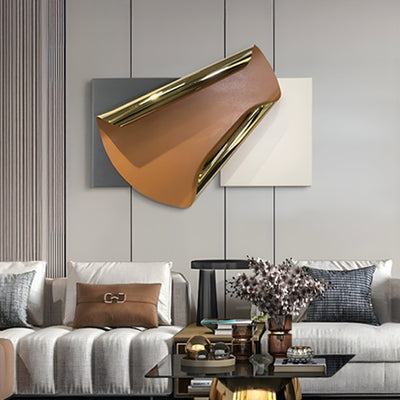
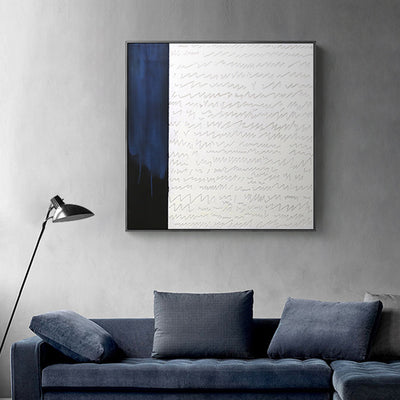
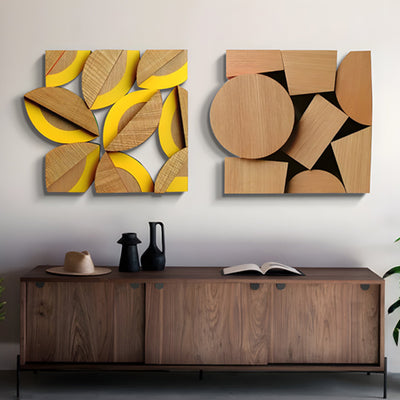

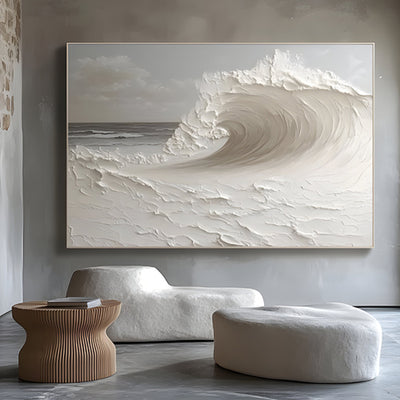
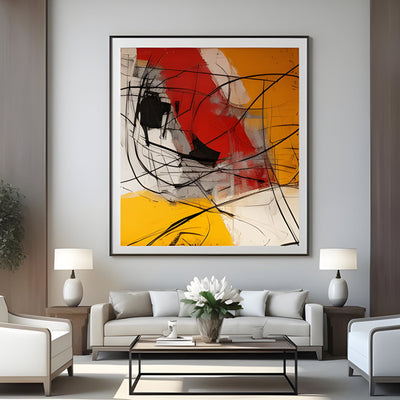
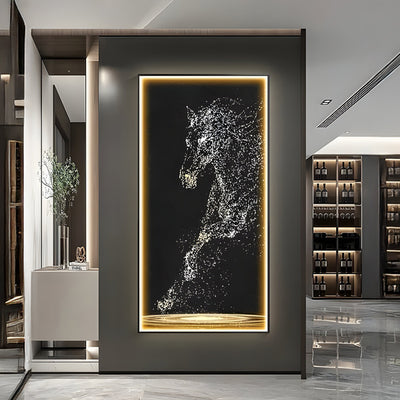
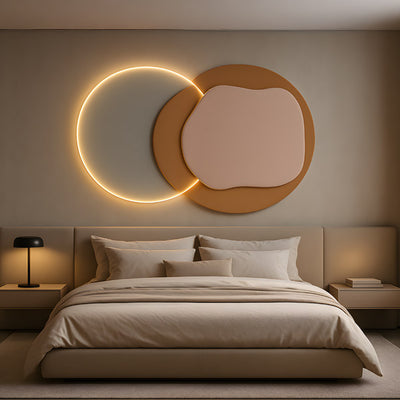
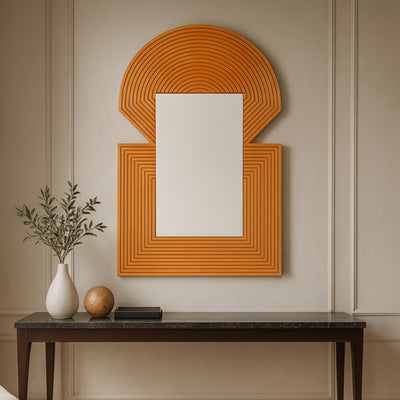
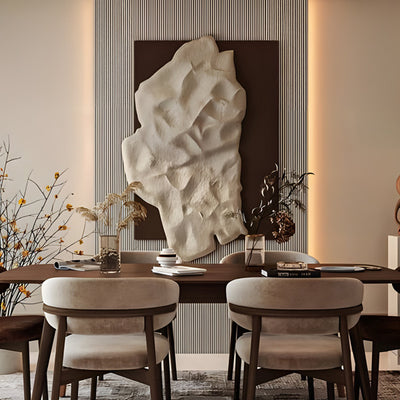
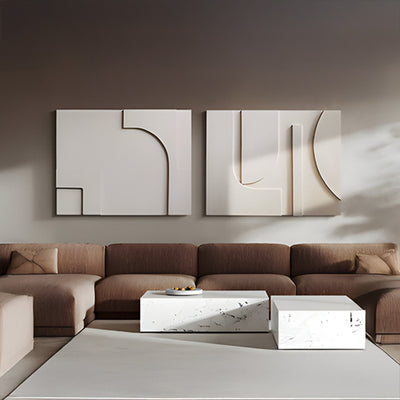












Most 3D metal wall art looks deep in the product photo and flat on the wall at home. The metal is rarely the problem. The cause is usually the gap between the layers, or the wall the piece hangs on. A buyer can control both before anything is cut, and they are the first two questions we ask on every wall commission at Giant Sculptures.

Quick Answer
Depth comes from the gap, not from thicker metal. Generous standoffs throw real shadow.
Three layers suit most living rooms. Five layers need close viewing and raking light.
Put brushed behind polished, so the reflective layer reads forward.
Skip the TV wall. A fireplace or console wall with side light suits layered metal far better.
Ask for a sample panel on bespoke pieces before the full work is cut.
Layering Makes 3D Metal Wall Art, and Often Ruins It
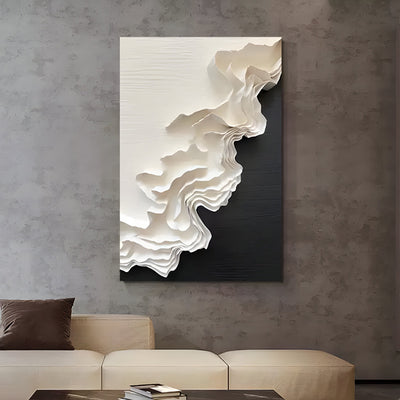
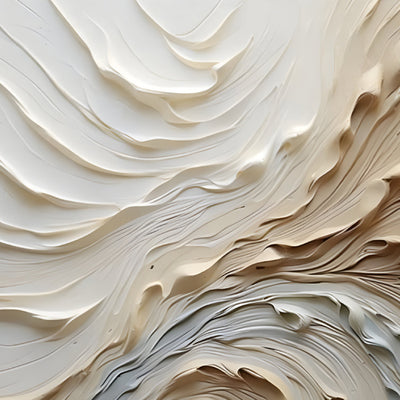
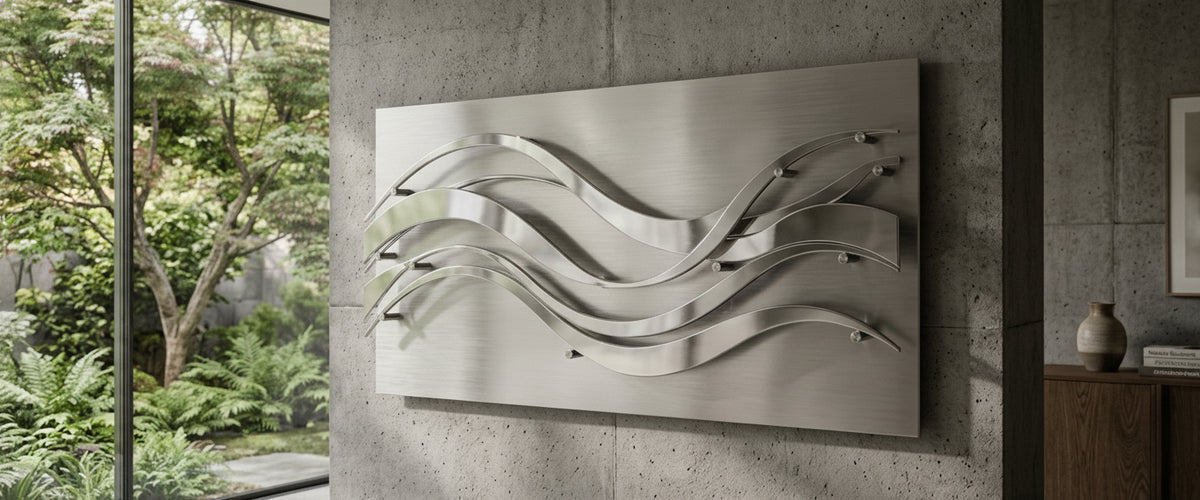
Three-dimensional metal works by stacking cut or formed plates so each one catches light at a slightly different depth. Done well, the eye reads a relief. Done badly, the layers compete. Identical outlines stack like a deck of cards, or fine cuts pile up until the shadows tangle into noise.
The most common mistake we see in 3D metal wall art is adding layers to rescue a design that lacks a clear front plane. A strong piece has one dominant layer the eye lands on first. Everything behind it plays a supporting role.

The Standoff Gap Is Where the Shadow Lives
The cut gets the attention, but the shadow lives in the standoff: the hidden spacer holding each layer off the one behind it. Shrink the gap and the shadow collapses into a thin dark line. Open it up and every edge draws a second, softer outline onto the wall.
On the studio bench we judge a layout by switching off the overheads and walking a single lamp across it. If the shadow barely moves with the lamp, the gap is too tight. Deeper gaps mean more hardware, so larger works need concealed brackets fixed into studs or masonry, planned with your contractor before delivery day.
Two, Three or Five Layers: How Each Count Reads From Across a Living Room
Two layers read cleanly from a distance. A solid back plate with one cut or formed front is bold and graphic, legible at 20 feet (about 6 meters). That suits open-plan homes where the sofa sits a long way from the feature wall.
Three layers add a middle ground that gives real relief at normal seating distance, roughly 8 to 12 feet (2.5 to 3.5 meters). This is what we recommend most often for 3D metal wall art for living room walls, because it holds up from the sofa and still rewards a closer look.
Five layers is a collector's choice. It pays off up close under raking light, but from across a room the middle layers merge. Save it for a wall people actually stand near, such as the hallway into the living space or a long gallery wall.
Scale changes the math again. Once a piece runs the full length of a wall, it behaves more like architecture than art, and restraint in depth is what keeps it calm. On a run of that size, a long, shallow relief such as the Silver Sculptural Metal Wall Panel, 710cm, roughly 23 feet end to end, makes more sense than a deeply stacked composition that would read as busy from every seat in the room.

Brushed Under Polished Works; Polished Under Brushed Almost Never Does
Finish order changes how depth reads. A brushed back layer diffuses light into a soft gray glow, and a polished layer over it jumps forward like a highlight. Reverse the order and the polished back plate mirrors the room through every gap, lamps and clutter included, which flattens whatever sits in front.
One mirror surface can carry a lot on its own. Where a wall needs a single reflective moment rather than a layered stack, a mirror-finish form like the Silver Polished Oval Disc Stainless Steel Wall Art, 120cm, about 47 inches across, will hold the wall by itself. Stack two polished elements and they cancel each other out. Grade matters too, especially near a coastal window or a steamy kitchen opening. The World Stainless Association publishes clear material on grades and surface finishes if you want the technical background.
Why a TV Wall Kills Layered Metal and a Fireplace Wall Rescues It
For wider placement ideas, Why Every Metal Wall Decor Sculpture Changes Color on the Wall is useful companion reading before finalising the setting and sightlines.
A TV wall is the worst home for layered metal. The screen is a black rectangle that steals focus, its glow at night washes out shadows, and the wall usually hides cabling and a heavy mount competing for the same fixing points. We see the same pattern again and again: a three-layer piece hung above a large screen ends up looking like a radiator. Move it to a fireplace wall with light raking across it, from a window or angled picture lights, and the shadows come back.
A fireplace wall already acts as a focal point, and the mantel adds a ledge of depth the metal can play against. Side light from nearby windows helps more than any ceiling fixture. Keep a sensible clearance above the firebox, as sustained heat can discolor finishes over time.
Test One Sample Panel Before the Full Piece Is Cut
On bespoke commissions we cut a single sample section at full scale before committing the whole design. Hang it on the real wall for a few evenings under your own lighting. Does the shadow read from the sofa? Does the finish sit well beside your hardware and frames? Does the gap need opening? A few days of testing is far cheaper than recutting a finished piece, and on larger works it is the right moment to confirm fixings with your architect or installer.

Buyer Checklist for 3D Metal Wall Art
Measure the distance from the main seat to the wall.
Match layer count to that distance: two for far, three for typical, five for close.
Confirm standoff depth and concealed fixings into studs or masonry.
Set finish order with brushed behind polished.
Choose a fireplace or console wall with side light over a TV wall.
Request a sample panel and a tailored quote. Budget depends on material, scale, layer count, engineering, installation and finishing.
If you are still comparing styles, our metal wall art collection covers the finishes and scales discussed here, and the wider 3D wall art range offers relief ideas in other materials. When nothing off the shelf fits the wall, Giant Sculptures will design and cut 3D metal wall art to your room, your light and your viewing distance.