

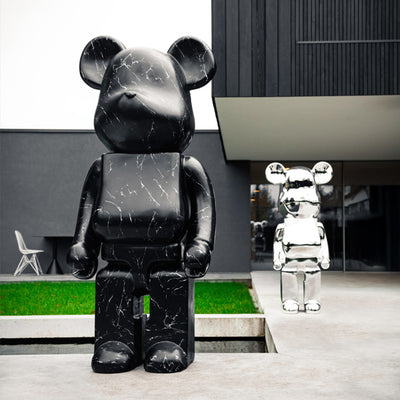

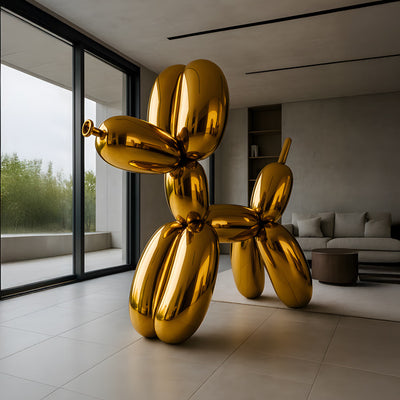
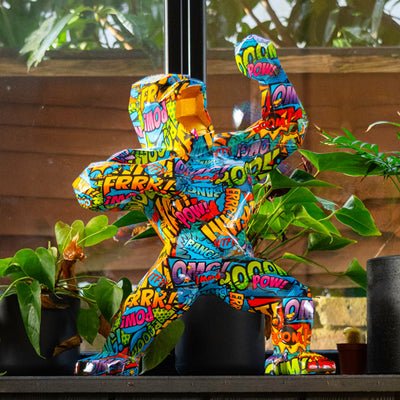
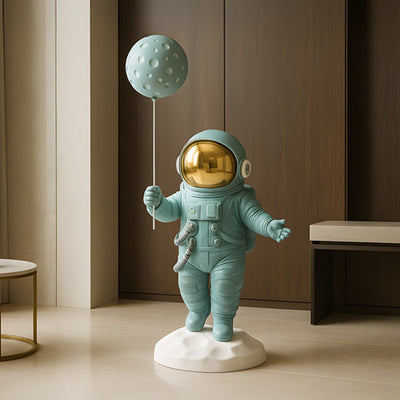

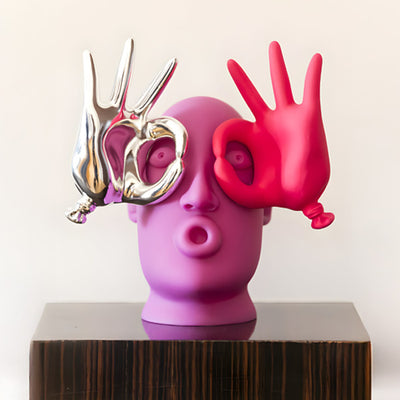


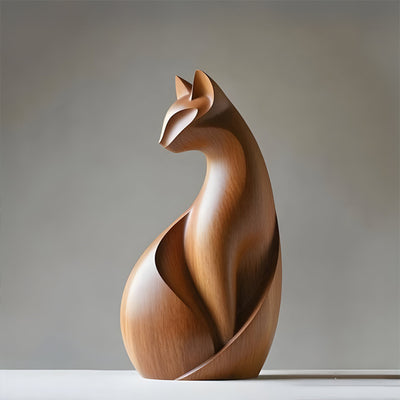



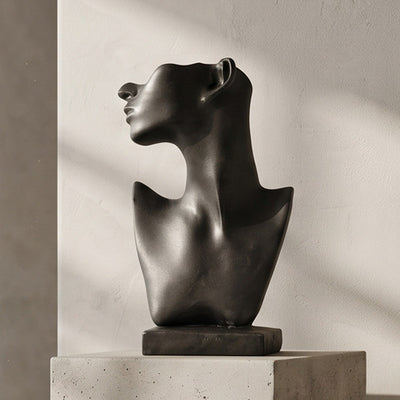

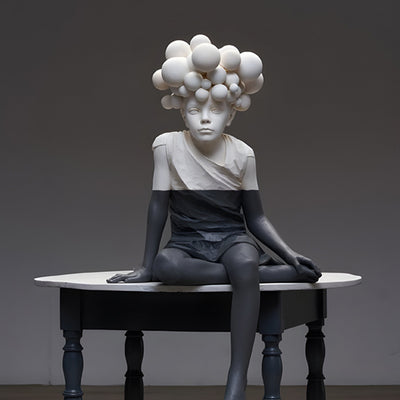

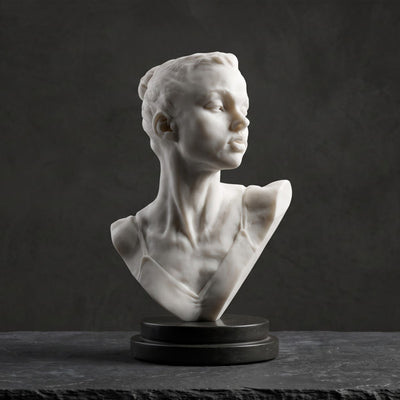

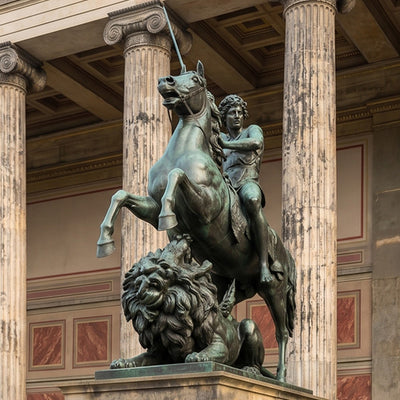


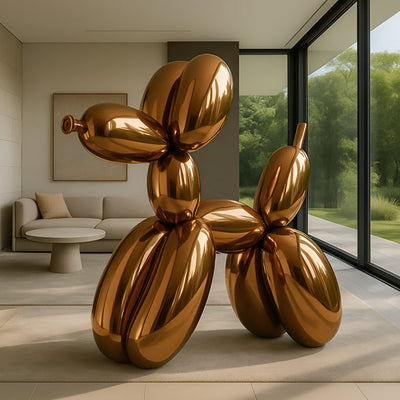
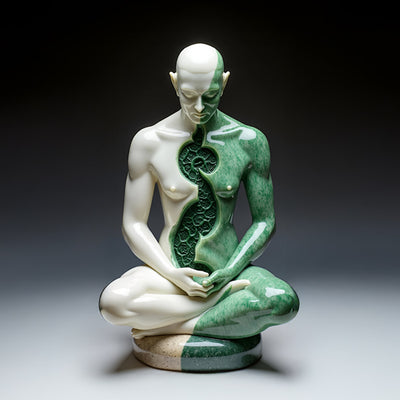
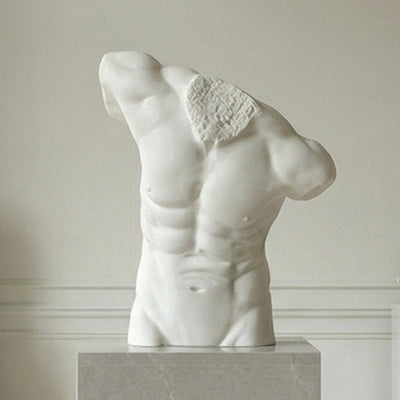
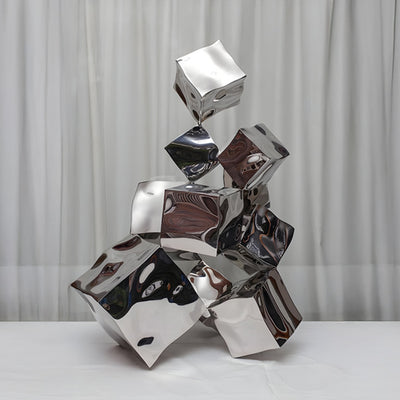


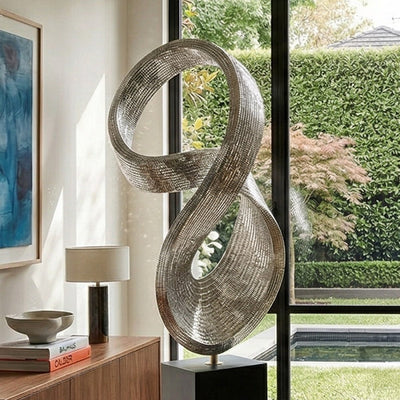
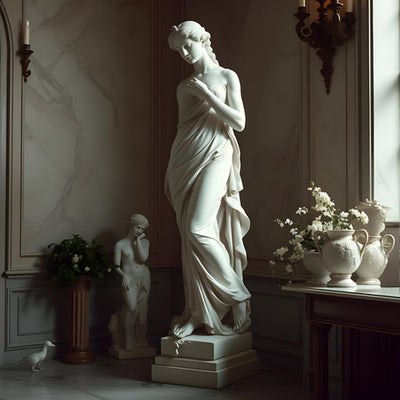
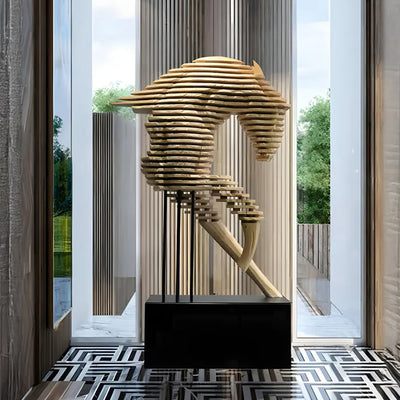
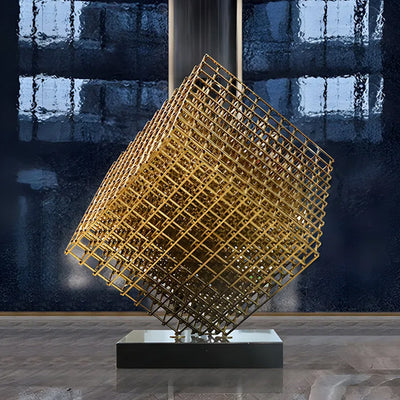
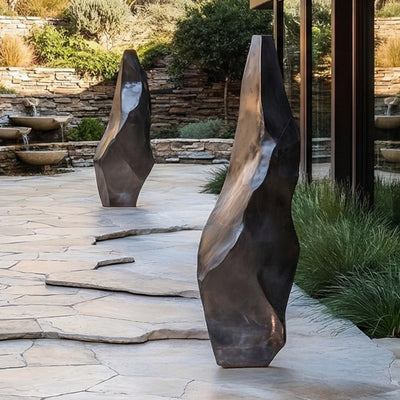








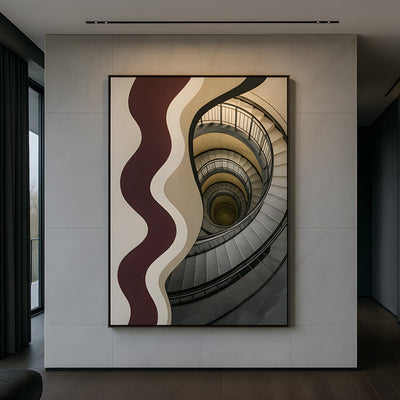
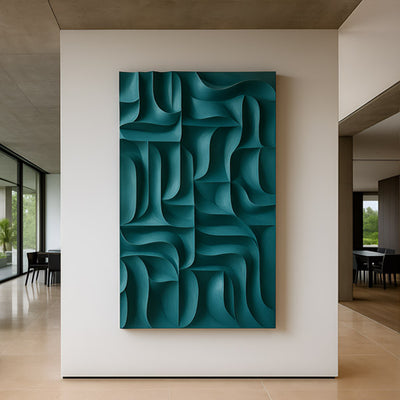
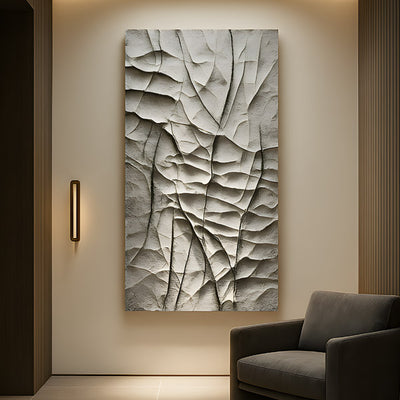
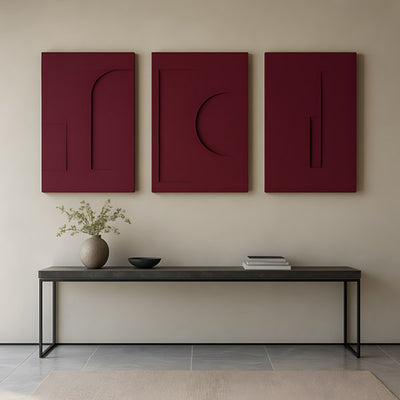







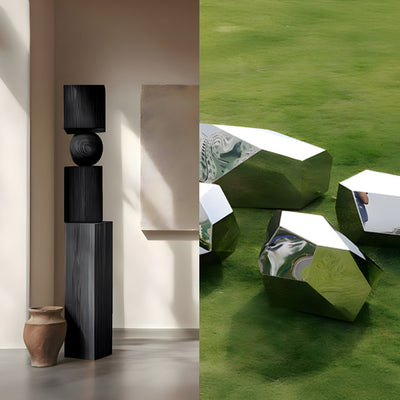
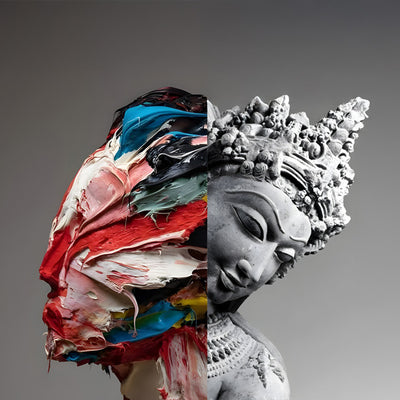
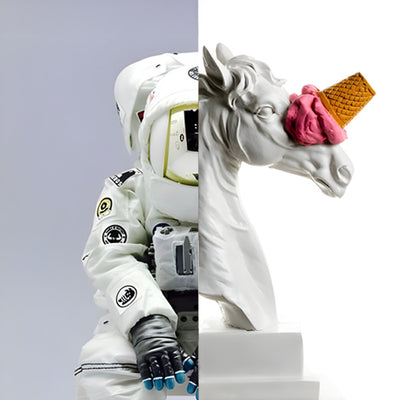
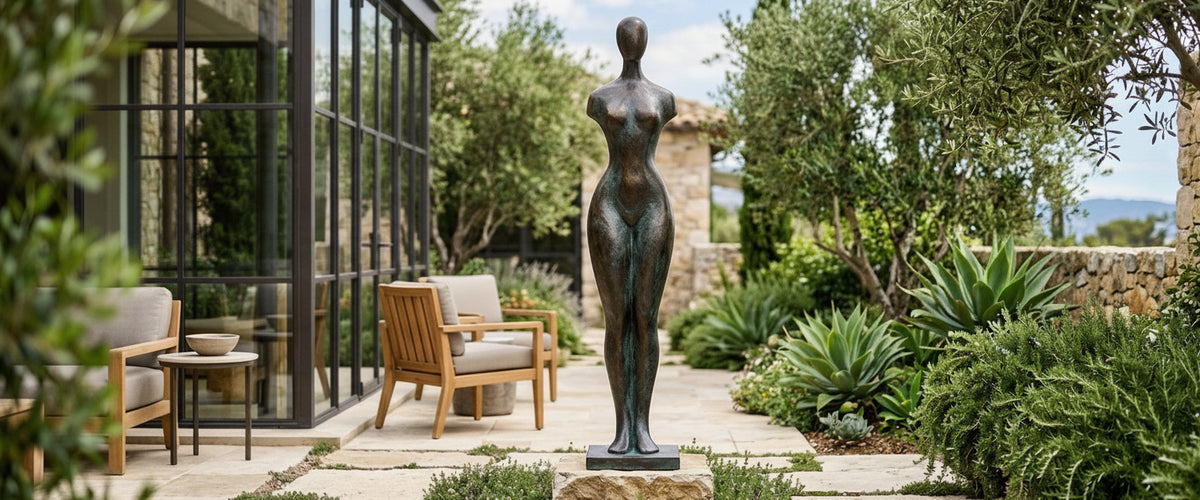

Most people meet a finished contemporary sculpture and assume the hard part was the sculpting. It was not. The hard part was the dozens of small decisions made before anyone touched clay: how the form would read from across a lawn versus from arm's reach, which alloy would survive a Napa summer and an Aspen winter, where the weight would sit so the piece did not fight its own base. Get those right and the object looks inevitable. Get them wrong and no amount of surface polish saves it.
Looking for the full range in this category? Browse our Jirayu Tantrakul - Contemporary Sculptures collection for every available finish, size, and configuration.
We build large, bespoke work for private gardens, corporate lobbies, and public plazas, so this is written from the fabrication side of the table. If you are weighing a sculpture contemporary commission, or just trying to understand why quotes vary so much, this is what actually governs the outcome.

Key Takeaways Before You Commission
- Scale changes everything. A form that charms at 10 ft can look thin and awkward at 30 ft. The read distance has to be decided before design starts.
- Material drives cost, weight, and lifespan. Bronze, stainless steel, Corten, and stone each behave differently outdoors and price differently.
- The maquette is the real design tool. Approving a small model saves expensive changes later.
- Budget is set by material, scale, complexity, engineering, and install, not by a fixed menu. Ask for a tailored quote.
- Red flags are avoidable if you ask about engineering, finish warranty, and installation up front.

What Sculptors Think About Before Taking on a Sculpture Contemporary Commission
The first question in the studio is never "what should it look like." It is "where does it live and who sees it." A contemporary sculpture destined for a windswept coastal terrace in Malibu has different structural demands than one going into a climate-controlled NYC lobby. Wind load, salt air, freeze-thaw cycles, and the angle people approach from all feed back into the form itself.
Then comes intent. Contemporary sculpture, broadly, means work made from roughly 1980 onward that prioritizes concept, gesture, and material honesty over strict representation. A useful primer is the reference volume A Sculpture Reader: Contemporary Sculpture Since 1980, which traces how the field moved away from the pedestal-and-figure tradition. One focus of many contemporary sculptures is the relationship between the object and the space around it: the piece is designed to change as you walk past it, not to sit still and be admired from one "correct" spot.
That matters commercially. If a client wants a form that rewards movement, we plan sightlines and negative space early. If they want a single hero image for a brand lobby, we design a dominant front elevation. Those are different objects, and pretending otherwise wastes money.

Craft Decisions That Change the Final Result and the Price
Ask what contemporary sculpture is made of and the honest answer is: whatever the concept and the site demand. In our workshop the common languages are bronze, stainless steel, Corten steel, marble, and carved or cast stone. Each carries a different set of trade-offs.
Contemporary bronze sculpture remains the workhorse for a reason. It takes fine detail, patinas into a living surface, and lasts for centuries with basic care. Where a courtyard needs a confident figurative gesture that still holds crisp linework up close, a piece like the Large Contemporary Violinist Bronze Sculpture (220cm) is the kind of form the alloy handles best. The conservation logic behind bronze longevity is well documented: a stable patina is a protective skin, not just a color choice.
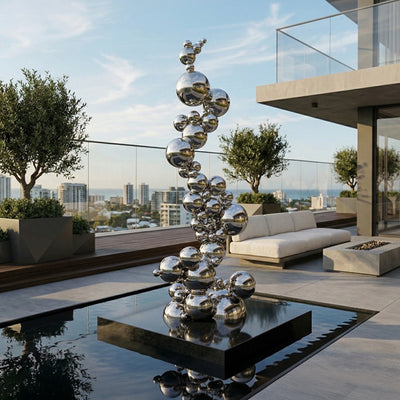
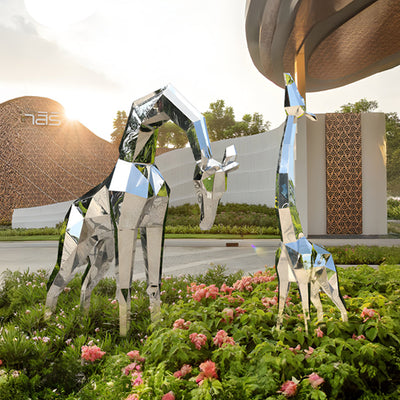
Stainless steel does the opposite job. It reflects sky and surroundings, so it reads as light rather than mass. It suits mirror-polished abstract forms that dematerialize in bright sun. Corten steel, by contrast, embraces its own weathering; the rust layer stabilizes into a warm, matte surface that sits beautifully against planting and stone. Marble and cast stone bring weight and permanence but demand more thought about freeze-thaw and staining if the piece lives outdoors.
Scale interacts with material too. Where a garden calls for a bronze accent rather than a full-height figure, a compact form such as the Contemporary Boar Head Bronze Sculpture (45cm) delivers the same material richness at a fraction of the weight and footprint. Every one of these choices moves the price. Casting bronze at scale means moldmaking, pouring, chasing, and patination, each a skilled hand-stage. Cost depends on material, scale, complexity of form, structural engineering, finishing, and installation, which is why we quote per project rather than from a rate card. If someone gives you a flat figure before seeing the design, be careful.

Why Some Contemporary Sculptures Read Right at 10 ft and Wrong at 30
This is the mistake buyers make most. A sculptor models something that looks superb on the studio bench, then it lands on a 30 ft plaza and looks spindly and lost. Scale is not a slider you drag at the end. It rewrites the geometry.
At close range the eye forgives thin limbs, delicate negative space, and fine texture. At distance those same details vanish and the silhouette does all the work. A form that must carry a large open space needs thicker masses, simpler outlines, and stronger contrast between solid and void. Where a setting needs a piece that holds its presence across a wide lawn, the reduced, almost architectural mass of the Large Contemporary Headless Figure Bronze Sculpture (220cm) reads cleanly at real distance where a busier figure would dissolve.
We once had a client in Texas who fell for a maquette of a lithe animal form, then wanted it tripled in height for a ranch entrance. Enlarged literally, the legs would have looked like pencils and, worse, would not have carried the wind load. We rebuilt the proportions for the new scale. The finished piece looks like the same idea; mathematically it is a different animal. That redesign is invisible to the eye and essential to the result.
A Note on Contemporary Wall Sculpture
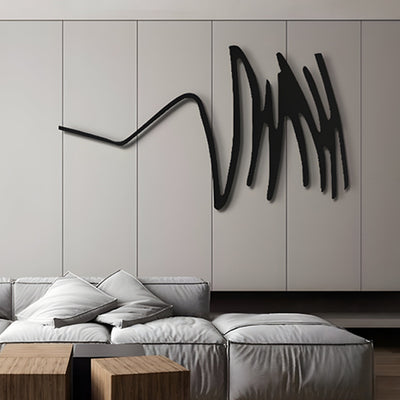
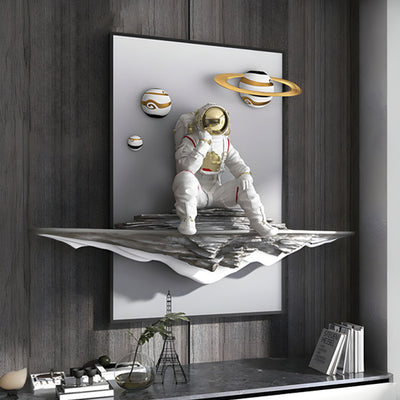
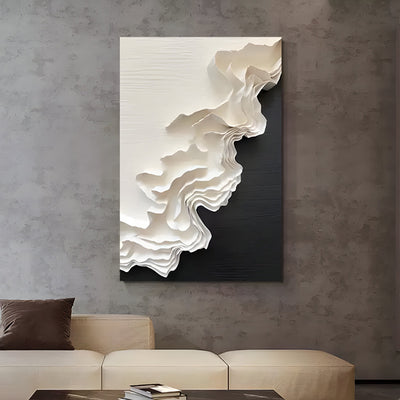
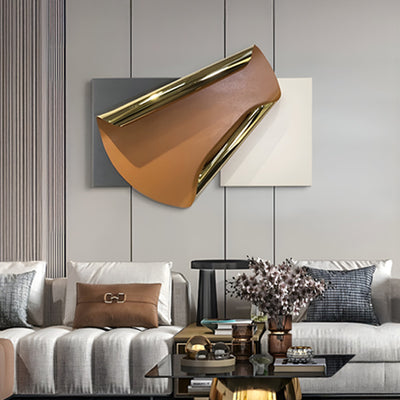
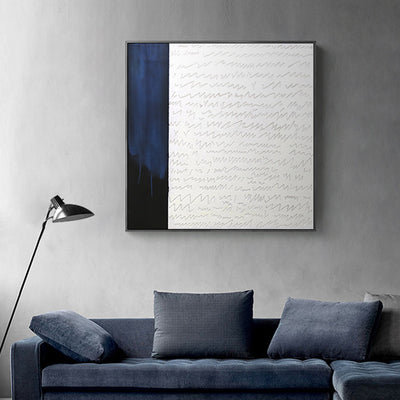
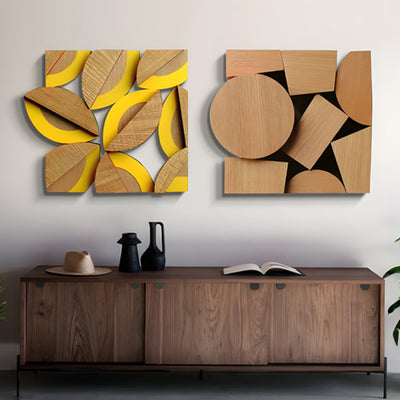
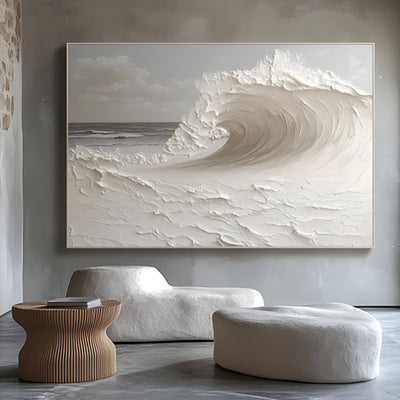
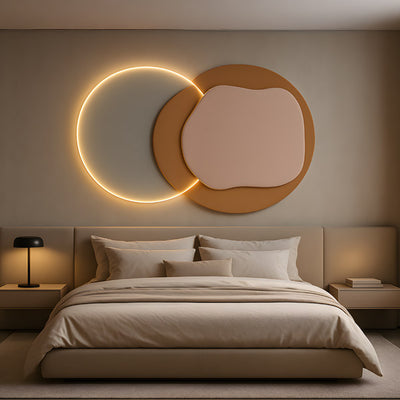
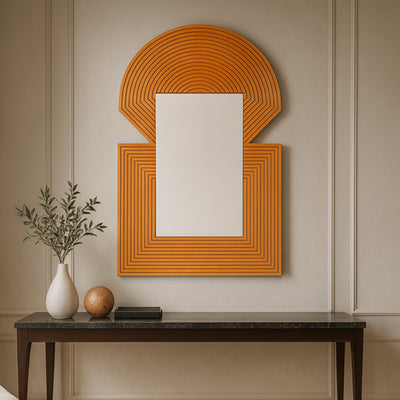
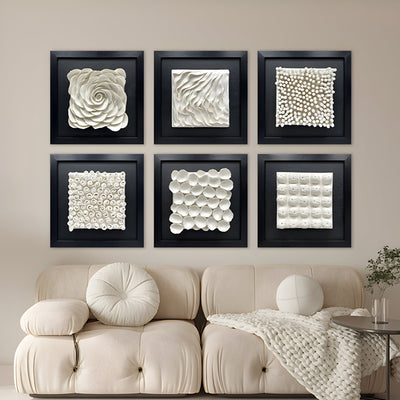
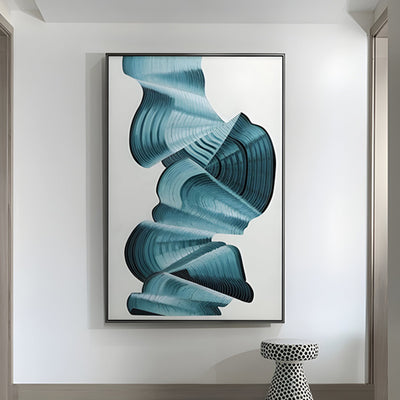
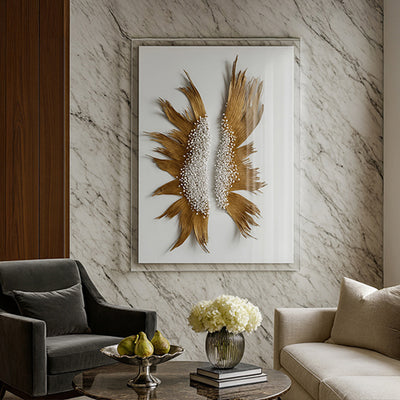
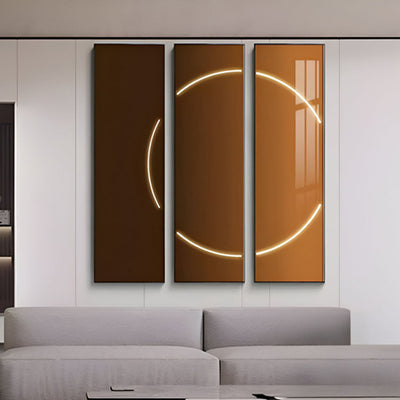
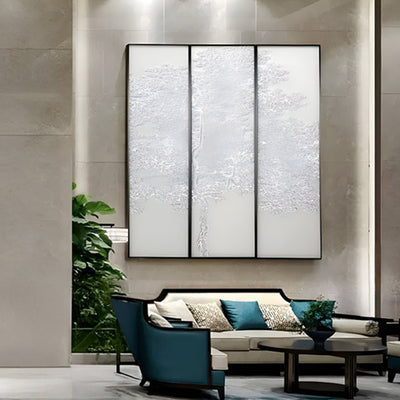
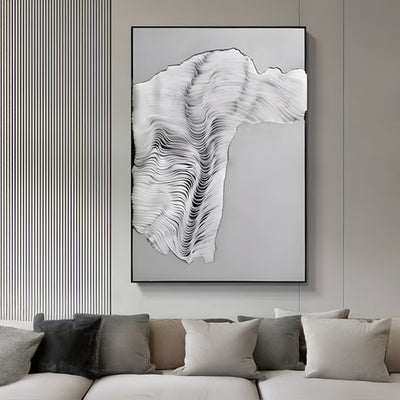
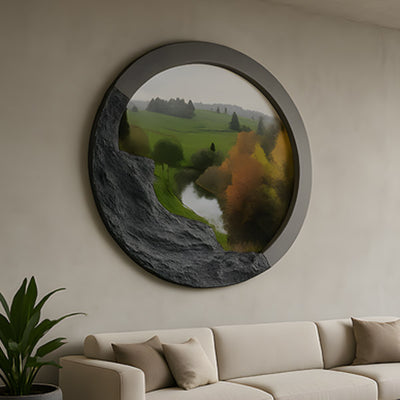
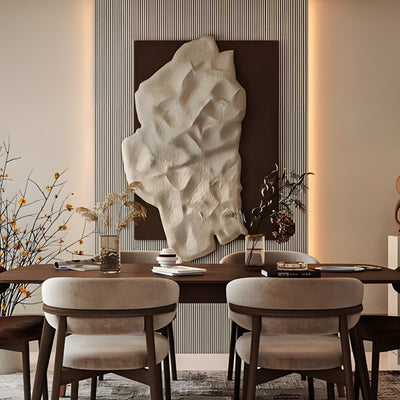
Wall-mounted work follows different rules again. A contemporary wall sculpture is read almost entirely as relief and shadow, so lighting angle and mounting depth matter as much as the form. For interiors we plan the fixing points and the throw of light before finalizing the relief depth, because a shallow piece under flat light simply disappears.

Studio Process: Maquette, Sample, Fabrication, Install
A serious commission moves through clear stages, and skipping any of them is where projects go wrong.
- Concept and maquette. We build a scaled model, usually in clay or 3D, so you can approve proportion and gesture in the round. Changes here cost minutes. Changes after casting cost fortunes.
- Material sample. For bronze we prepare a patina sample; for Corten, a weathered swatch; for stone, a finish test. You approve the actual surface, not a rendering.
- Fabrication. Moldmaking, casting or forming, welding, chasing, and finishing. For large work this includes hidden internal armatures and engineered fixings.
- Delivery and install. Crating, freight, rigging, and anchoring. On big pieces the base and foundation are part of the artwork's survival, not an afterthought.
A subtlety in contemporary sculpture that buyers rarely anticipate is how much of the final quality lives in the chasing and patination stage, long after the form is "done." Two casts from one mold can look like different objects depending on how the surface is worked. This is why we insist clients see samples; it is the least glamorous stage and the one that decides whether the piece feels alive or dead.

Honest Red Flags Buyers Should Ask About Before They Commit
Commissioning is a relationship, and the questions you ask early protect you. A few things to press on:
- Engineering, not just aesthetics. Ask who calculates wind load, weight distribution, and anchoring. For anything over roughly 6 ft (1.8 m) or several hundred pounds, this is non-negotiable. The structural standards that govern large metalwork exist for a reason.
- Finish warranty and care. Ask what happens to the patina or the polish in five years, and what maintenance falls to you.
- Who owns the maquette and the design. Clarify reproduction rights, especially for signature commissions.
- Realistic install logistics. A studio that has never shipped internationally may underestimate crating and rigging. We ship worldwide, and freight planning starts at the design stage, not the end.
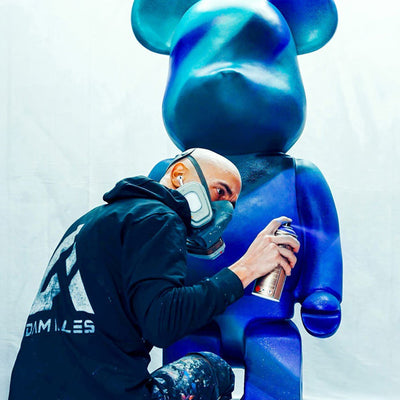
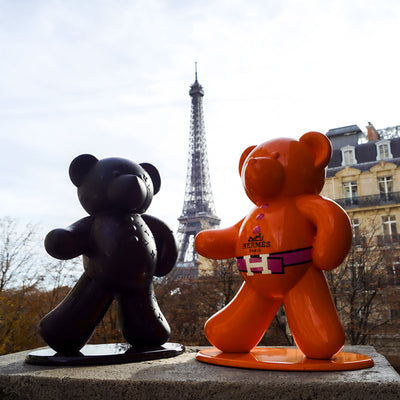
- Named artists and provenance. Contemporary sculpture artists working with a reputable studio should be identifiable. Browse work by makers such as those in our Adam Illes collection to see how an individual hand carries across pieces.
If you want to see the range of what we mean by contemporary work, the Contemporary & Modern Sculptures collection gathers figurative, abstract, and animal forms across bronze and other materials. It is a good place to calibrate your eye on scale and finish before you brief a bespoke piece.
The short version: a good contemporary sculpture looks effortless because someone did the unglamorous thinking first. Decide the read distance, choose the material for the site rather than the mood board, approve a maquette and a sample, and ask hard questions about engineering and install. Do that, and the finished object earns its place for decades.
For wider placement ideas, Abstract Contemporary Metal: What Actually Happens Before Your Piece Gets Made is useful companion reading before finalising the setting and sightlines.