






























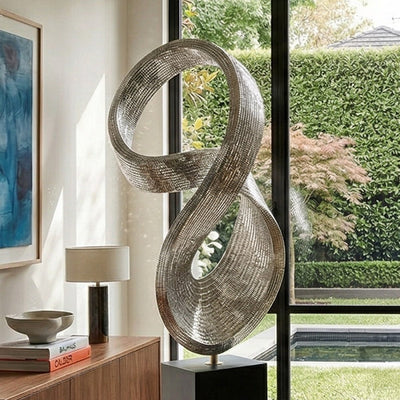

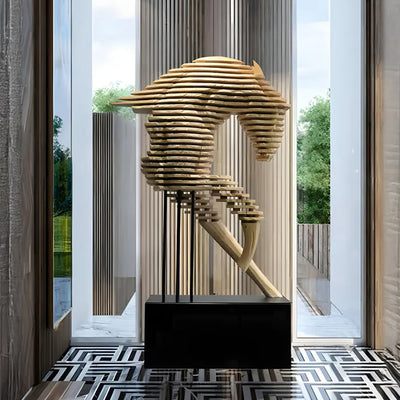
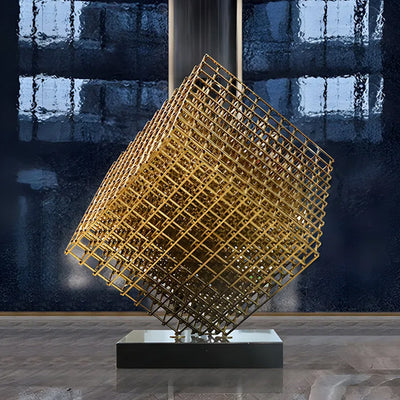









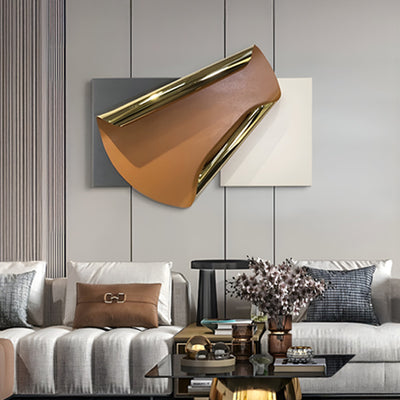
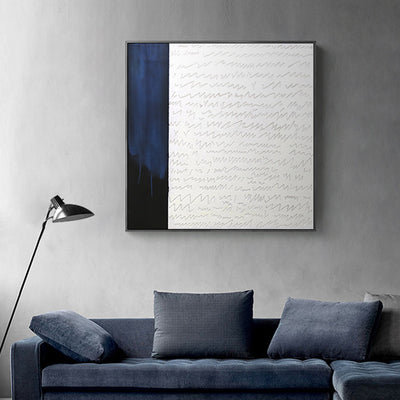
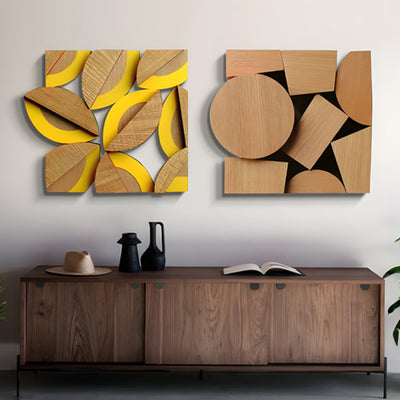

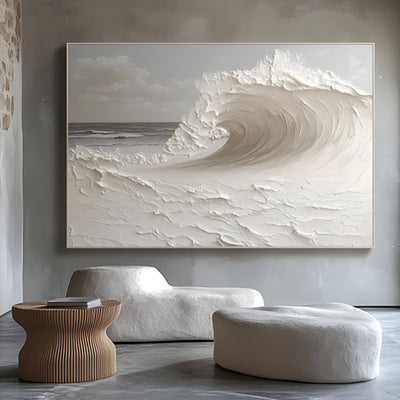
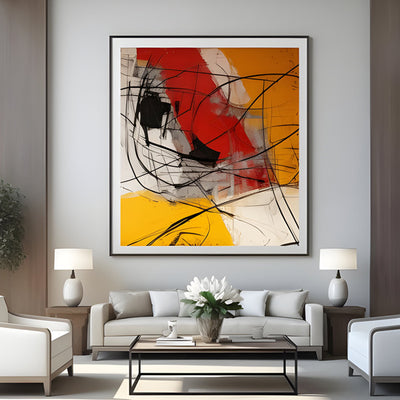
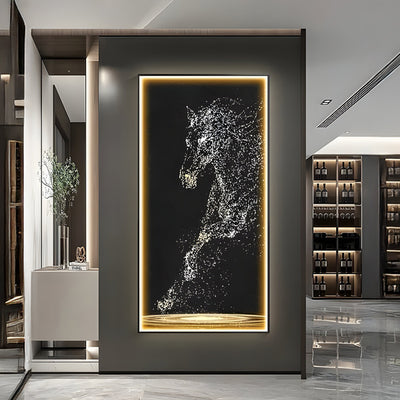
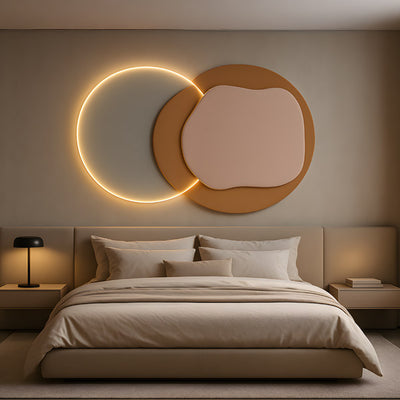
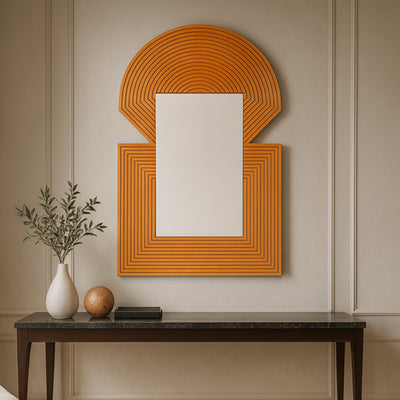
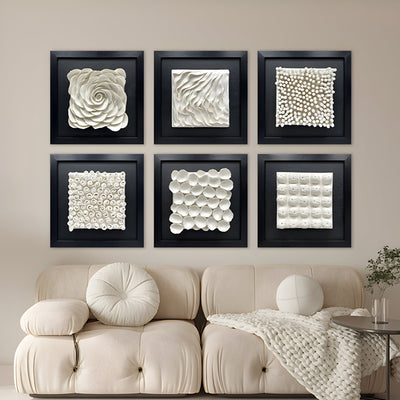
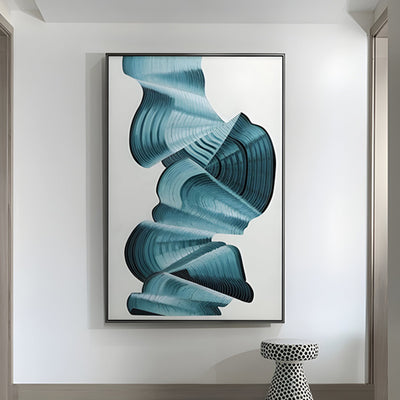
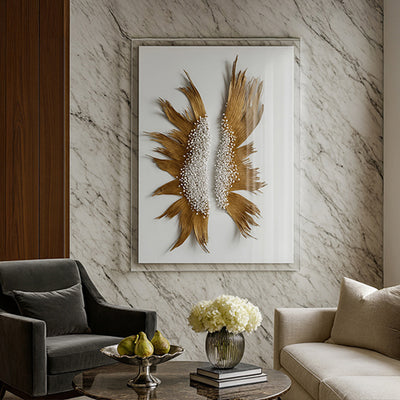
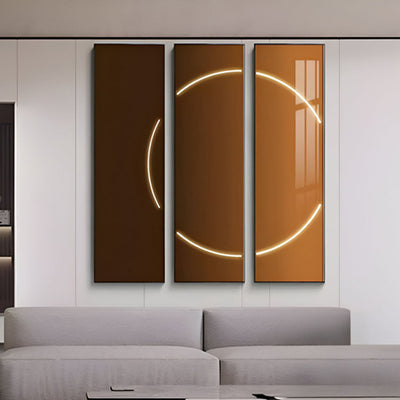
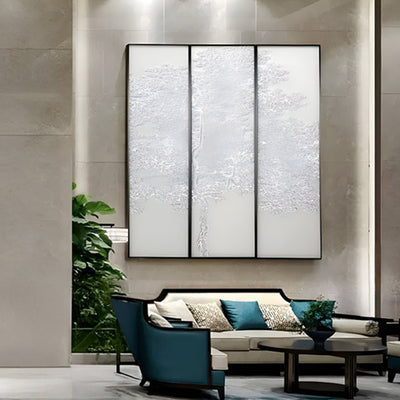
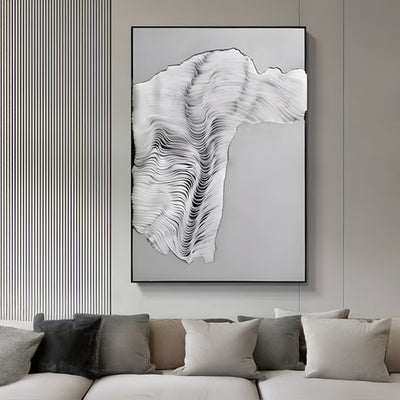
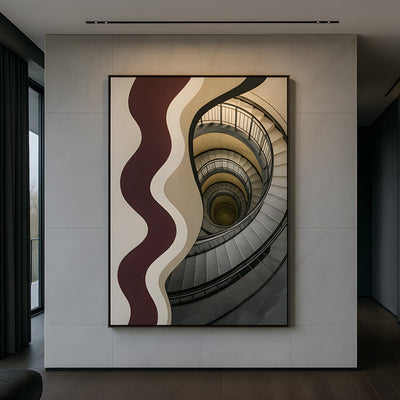
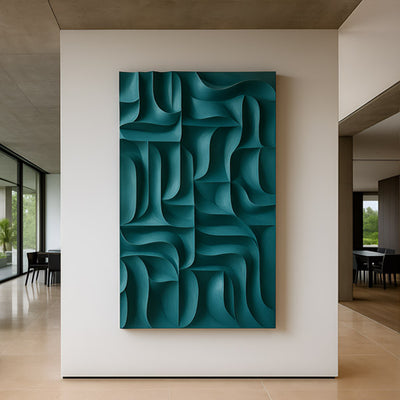
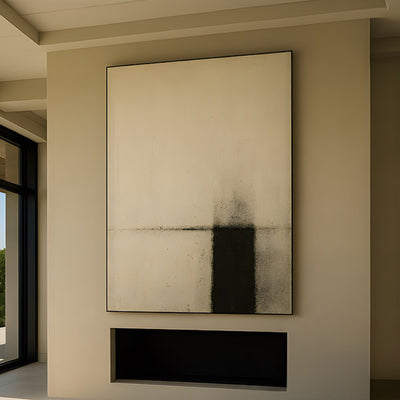
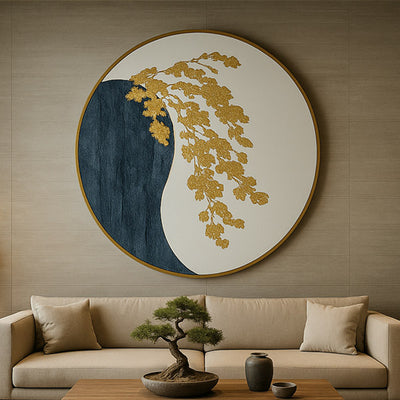
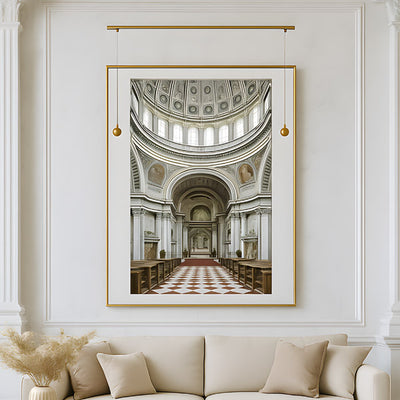
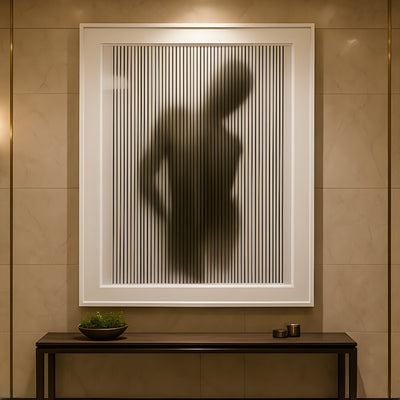
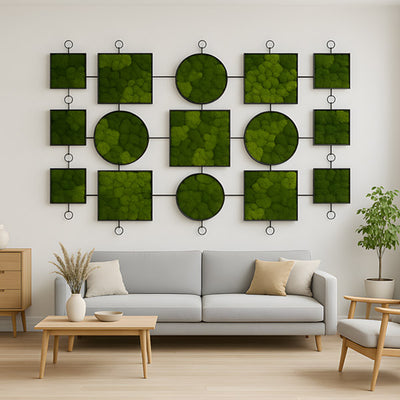
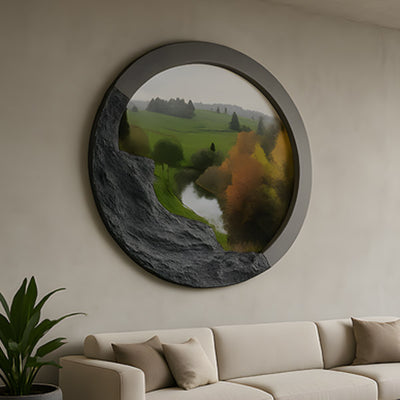
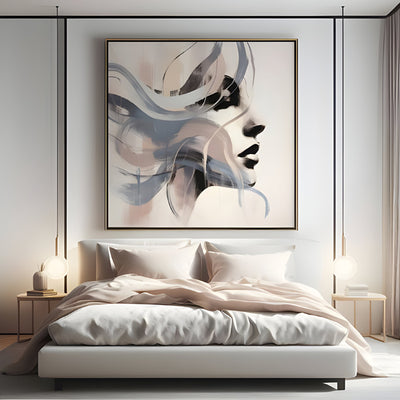
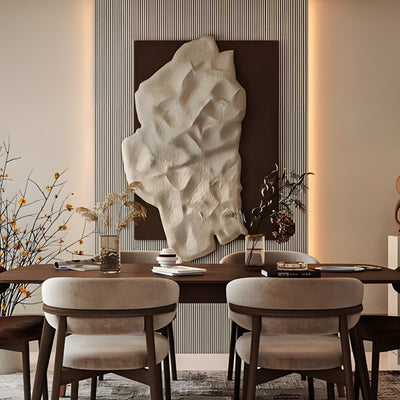
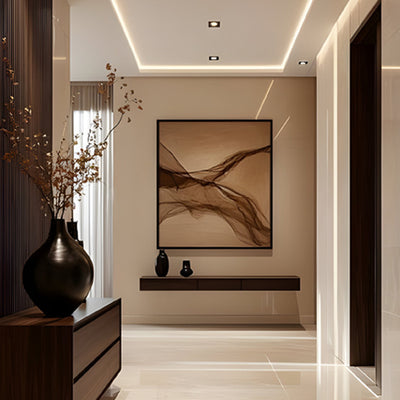
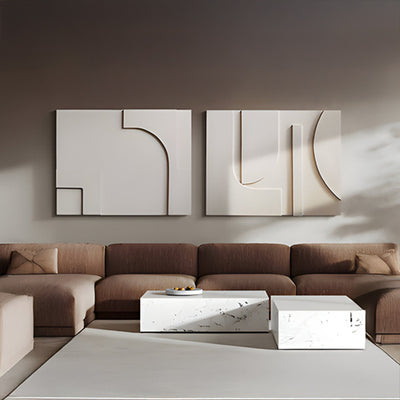













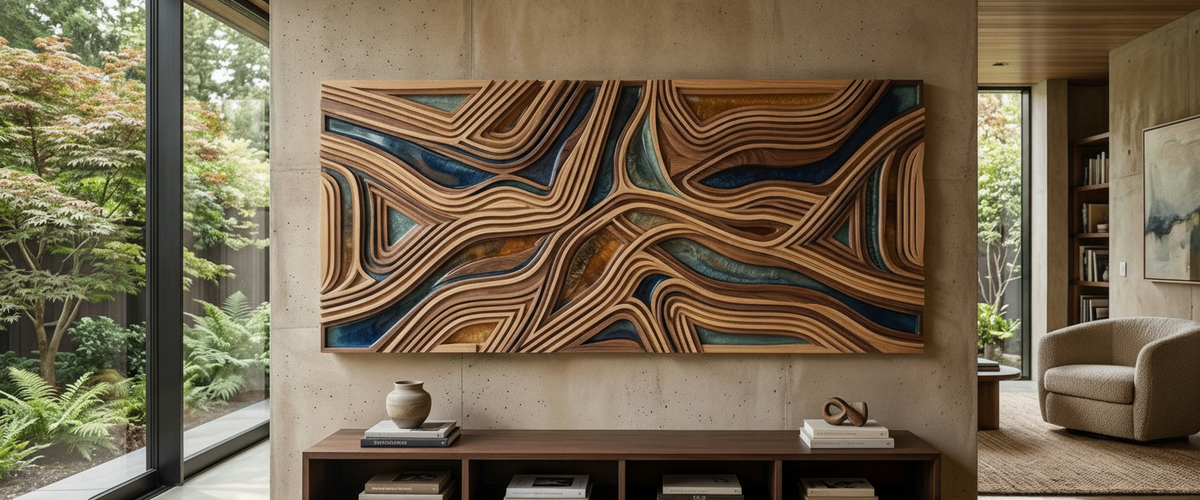

Hang a clear-pour panel on a west-facing wall in Scottsdale and you can watch it warm from water-clear to weak tea within a season or two. So, can wood resin art hang in sunlight? Yes, but only if the resin system, the topcoat and the wall were chosen with that sun in mind. Clients usually put the question a longer way: can a wood and resin art sculpture hang in sunlight for years without ambering? The honest answer is that most of the disappointment we hear about comes from a piece bought for its color and hung wherever the wall looked empty.
Looking for the full range in this category? Browse our Resin Sculptures & Statues collection for every available finish, size, and configuration.

Quick Answer: How Much Sun Can Wood Resin Art Take?
Resin yellowing is a chemistry issue, not a quality issue. Standard casting epoxies amber. UV-stabilized systems slow it down; they do not stop it forever.
Wood moves, cured resin barely does. Sun-driven drying is what opens the bond line, usually along the longest glue joint.
A UV-inhibited topcoat matters more than the pour itself, because it is the sacrificial layer you can refresh.
Reflected and glazed light counts. Low-E glass, pale stone floors and pool decks all bounce UV onto the wall you thought was shaded.
Weight is the quiet risk. A deep pour panel can carry far more mass per square foot than a canvas of the same size.
Which Resin Systems Go Amber in a South-Facing Room
Not all clear resin is the same material. Unmodified epoxy is the usual culprit: excellent adhesion and depth of pour, poor light stability. In a bright south-facing room it can show a visible warm cast within a year or two, and the shift reads worst in thick, water-clear sections where you have several inches of material for the eye to look through. The real question buried inside the obvious one is how long wood resin art can stay optically clear in that particular room. Tinted pours, blacks, deep teals and opaque whites hide the change for much longer because the pigment load dominates the color.
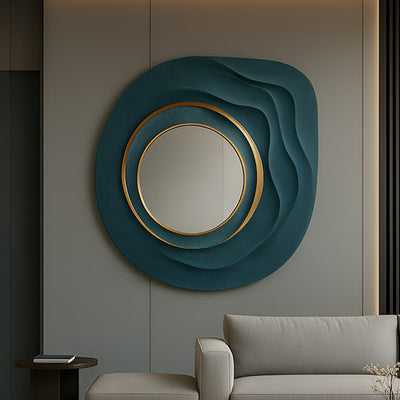
If the room rules out a water-clear pour altogether, the color can be carried by pigment and carved depth instead: gradient work such as the Wenlock White & Sunset Gradient Wood Relief 3D Wall Art reads as saturated color without asking a thick transparent layer to stay optically perfect for a decade.
UV-stabilized epoxies with hindered amine light stabilizers hold clarity far longer, and polyurethane or polyaspartic topcoats are better again at the surface. Conservation research on modern plastics is blunt about the mechanism: photo-oxidation is cumulative and irreversible, so prevention through light control beats any later remedy, as the Smithsonian's Museum Conservation Institute notes in its work on plastic and composite artifacts. Ask what specific resin brand and grade was poured, and whether the maker has sun-exposure samples they can show you.

The Wood Moves, the Resin Does Not
This is the failure most buyers never see coming. Timber expands and contracts with moisture content, and the USDA Forest Products Laboratory's Wood Handbook documents just how much dimensional change occurs across the grain as humidity swings. Cured epoxy does almost nothing by comparison. Put a sunlit surface temperature of 120°F (49°C) on one face of a wood resin panel and air conditioning on the other, and the wood dries unevenly while the resin holds its shape. So whether wood resin art can hang in sunlight is as much a timber question as an epoxy one.
The bond line splits first at the longest continuous glue joint, usually near an edge where the panel is thinnest and the end grain can breathe. You will see a hairline that catches light before you feel anything. Well-made pieces reduce the risk with properly dried stock, sealed end grain, segmented joints instead of one full-length seam, and a back that is finished as thoroughly as the front. That last point is the one cheap panels skip, and it is why they cup.
The Exact Spec Line to Ask a Maker For
Ask a studio directly whether wood resin art of this type can sit on a west-facing wall, then send this list and see how fast the answers come back:
Resin type and grade, and whether the formulation includes UV absorbers and light stabilizers.
Topcoat system, film thickness, and whether it is field-renewable without stripping the pour.
Moisture content of the timber at the time of pour, and how the stock was conditioned.
Whether the reverse face and all edges are sealed.
Total weight and the hanging hardware supplied.
Whether replacement or refinishing of the topcoat is offered years down the line.
A studio that answers those six points in plain language is worth buying from. Vague reassurance is not.
Glass, Blinds and Reflected Glare: The Sun You Forget to Count
Clients often tell us a wall gets "no direct sun," then describe a double-height Napa living room with a wall of glazing opposite. Direct beams are only part of the load. Pale limestone terraces, white render, snow in Aspen and pool water all bounce significant UV back indoors, and a wall in permanent shade can still sit in a bright hemisphere of reflected light all day. So the more useful version of can wood resin art hang in sunlight is this: how much light, direct and bounced, reaches that wall over a year?
Low-emissivity glazing is built around heat rather than light stability; the coating cuts some ultraviolet but is not a dependable filter on its own. Laminated glass with an interlayer blocks far more. If a favored wall is compromised, the measures that protect resin art are unglamorous and effective: a UV-filtering window film, solar shades on a timer for the worst three hours, or simply rotating two panels between rooms every couple of years so neither takes the full dose.

Rooms Ranked Bluntly: Where Can Wood Resin Art Live Happily?
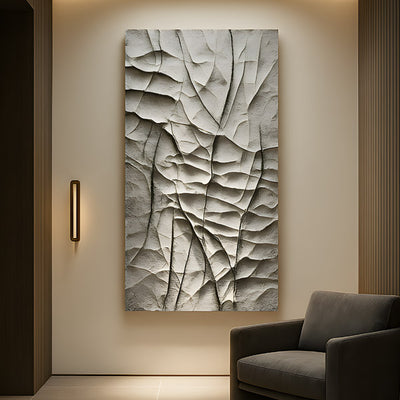
Shaded hallway or stair wall. The best home for a clear pour. Low light, stable humidity, and the relief catches raking light beautifully as you walk past. In a corridor where the light is soft and sidelong, a texture-led panel such as the Selene V White Sandstone Textured 3D Wood Relief Wall Art works harder than a saturated clear pour, because the shadow lines carry the piece rather than the color.
Living room, north or east wall. Safe with a stabilized system. Morning sun is gentler and shorter.
Kitchen wall. Manageable away from the range, but cooking aerosols film the surface, and heat plus grease is a bad combination on any resin. Keep at least a few feet from heat sources and clean with a damp microfiber only.
Conservatory or sunroom. Can wood resin art survive a glass room? A clear pour, rarely. It is hot, dry and bathed in light all day. If a client insists, we steer them toward opaque pigmented pours and heavily textured timber, or toward a metal relief instead.
Bathroom. Humidity cycling is the issue more than light. Wood swells, the resin does not, and the joint pays.
Hanging a Heavy Pour Panel Without Damage
Light decides how a panel ages; hardware decides whether it stays on the wall at all. Deep pours are dense. A 5 by 3 foot (1.5 by 0.9 m) resin panel with a thick pour layer can weigh several times a comparable canvas, and the load sits well off the wall plane, which adds use. A French cleat is the right answer almost every time: a full-width interlocking pair, ideally as long as the panel itself, so load spreads across studs rather than concentrating at two points.
Drywall: hit studs. Toggles alone are not enough for a deep pour.
Masonry or brick: sleeve anchors sized to the substrate, not plastic plugs.
Cleat depth: allow enough clearance behind the panel for air movement, which also keeps the back from sweating.
Two people, always. Resin edges chip when a panel is walked up a wall alone.
Check level again a week later, once a heavy panel has settled on its fixings.

Commissioning a Piece Built for Your Light
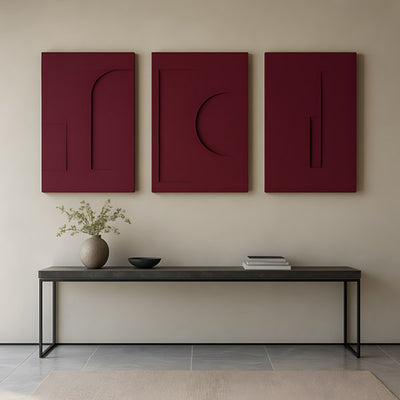
The practical route is to design around the wall from the start. Tell us the orientation, the glazing, the room temperature swing and the wall build-up, and the spec follows: pigmented versus clear, topcoat choice, joint layout, cleat design. Asked early, whether your wall can take wood resin art in sunlight becomes a specification rather than a gamble. Modular work gives you more freedom still. Where a room's use and light are likely to change, a reconfigurable composition along the lines of the Nocturna Black & Green Modular Wooden Hand-Painted 3D Wall Art can be split, rehung or moved to a kinder wall without recommissioning the whole piece.
The wood wall art and resin art collections are the easiest way to compare how different treatments read at scale. Giant Sculptures builds bespoke wall reliefs and large-scale sculpture to commission, and because budget depends on material, panel size, pour depth, finishing and installation, the sensible next step is a tailored quote with your wall dimensions and light conditions attached.
For wider placement ideas, Big Canvas Art That Doesn't Read as Wallpaper is useful companion reading before finalizing the setting and sightlines.