

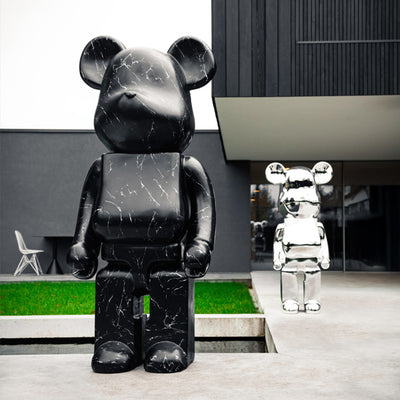

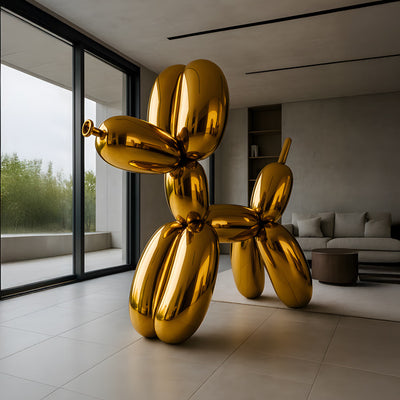
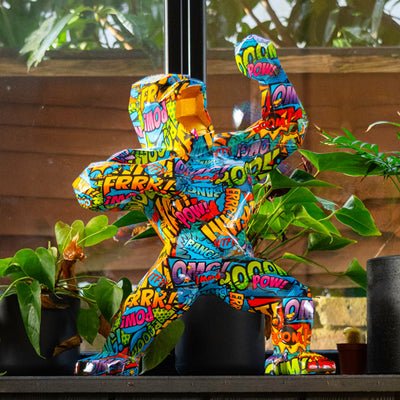
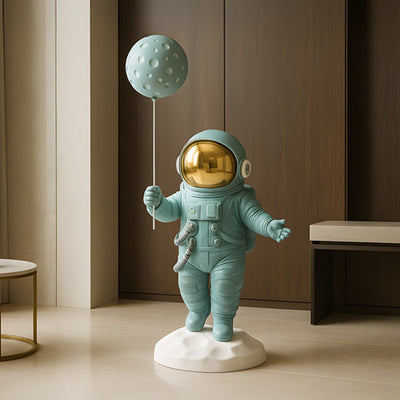














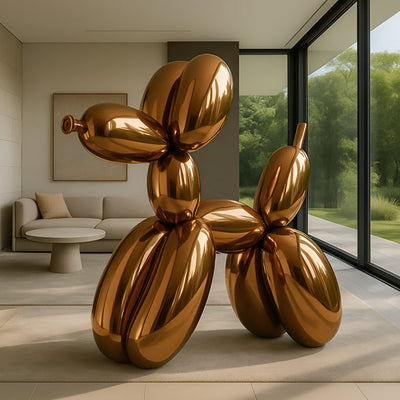

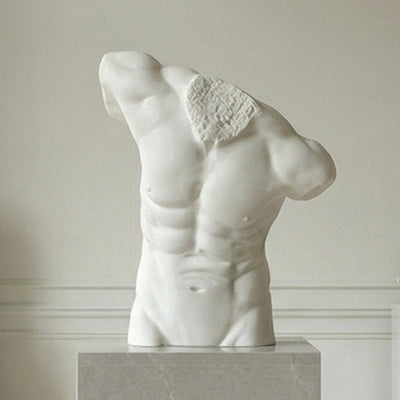
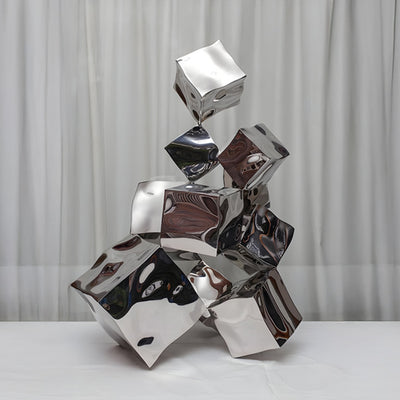


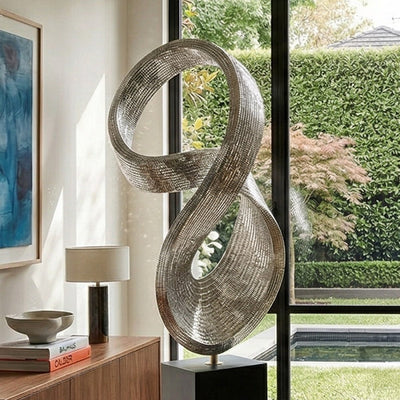






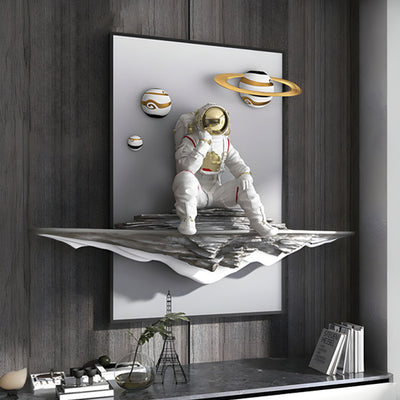

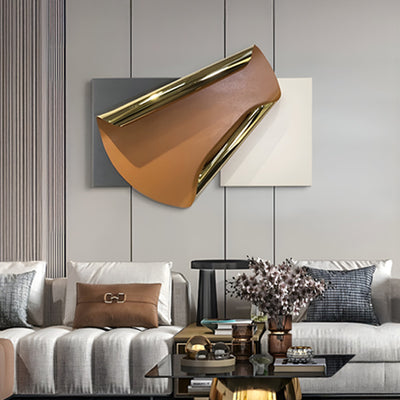
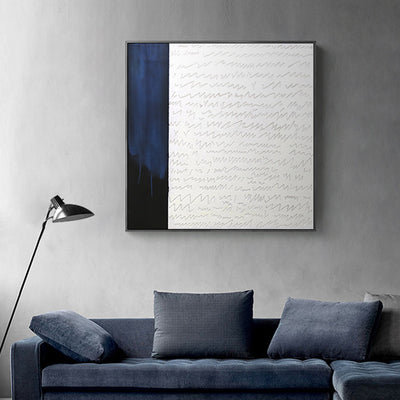
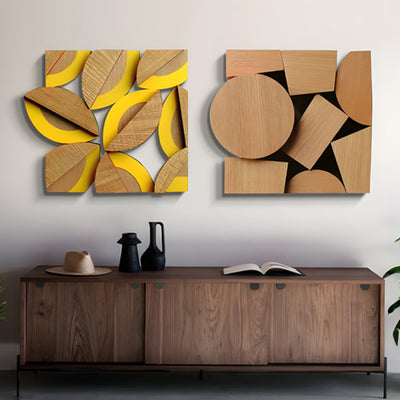

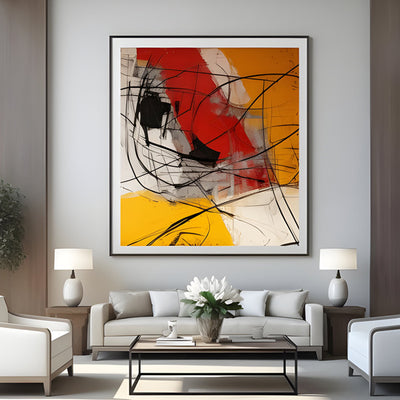
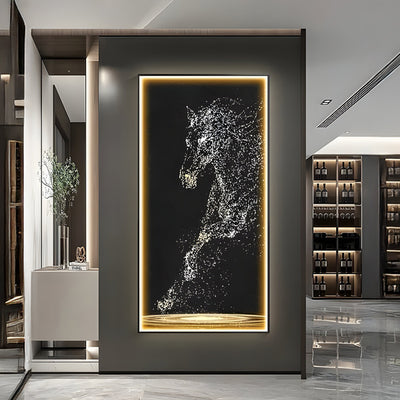
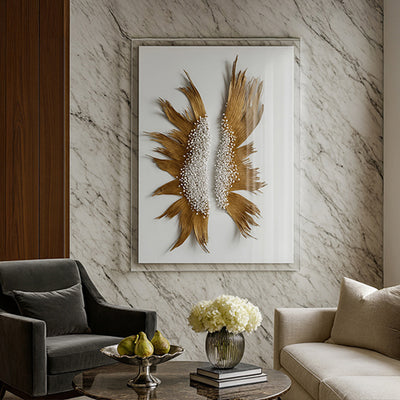
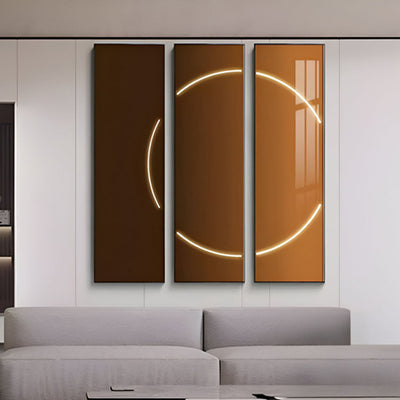
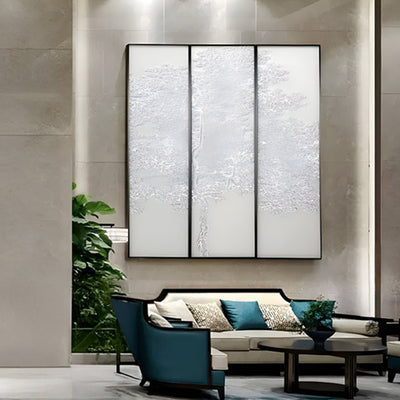
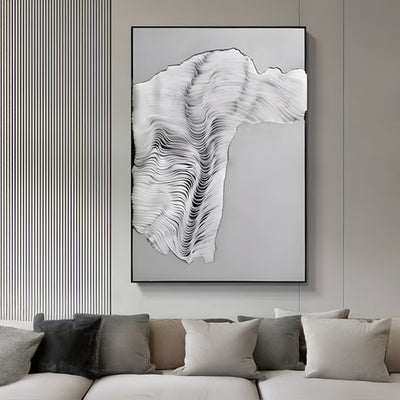
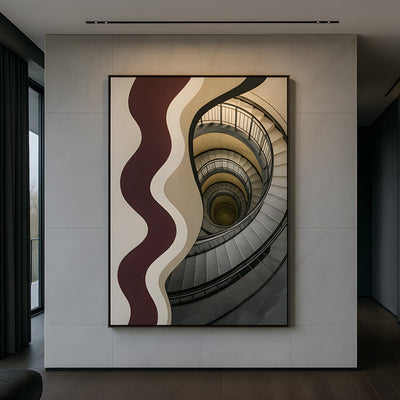
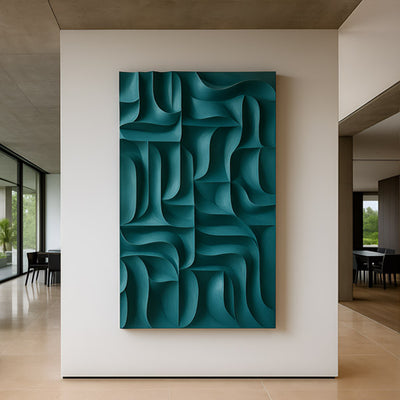
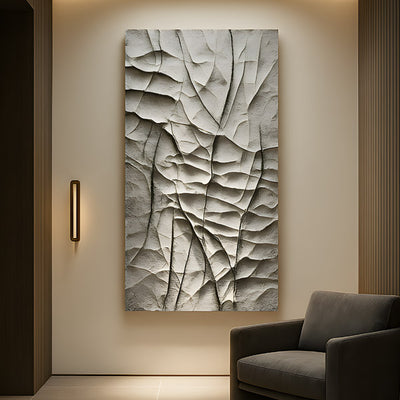
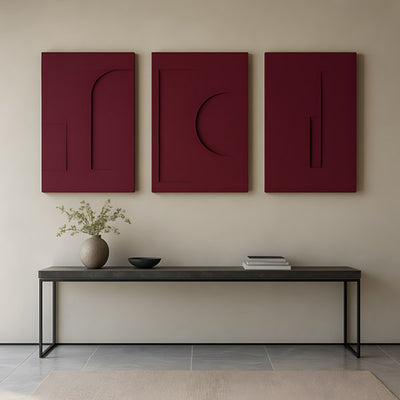














The most common regret we hear about large sculptures home decor is not the price. It is the sizing. A piece that looked commanding in a photo arrives, gets craned into a double-height living room in Austin, and reads like an ornament on a mantel. Nothing wrong with the casting; everything wrong with the math. Scale, sightlines, and weight get decided long before anyone melts bronze or bends steel, and that early thinking is what separates a piece you live with happily for decades from one you quietly rehome.
Looking for the full range in this category? Browse our Home Decor Sculptures collection for every available finish, size, and configuration of large sculptures home decor.
Here is what actually happens in the studio when a serious commission lands, and how to read the process as a buyer.

Key Takeaways for Buyers
- Scale is planned to the room, not the catalog. A figure that works at 10 ft (3 m) in an atrium can vanish against a 30 ft (9 m) glass wall.
- Material drives everything else: weight, finish, cost, and how the light behaves at different times of day.
- The maquette is not optional. A scale model tells you more than any render.
- Weight and access decide install. Floor loading, door widths, and crane access matter as much as the design.
- Budget depends on material, scale, complexity, engineering, finishing, and installation. Ask for a tailored quote rather than trusting a round number for your large sculptures home decor.

What Sculptors Actually Think About Before Taking on a Large Commission
Before we talk about pose or finish, we ask where the piece is going to live and who moves around it. A sculpture that sits in the center of a Napa courtyard gets read from every angle, so it has to resolve in the round. A piece against a wall in a Manhattan penthouse only ever shows two or three faces, which changes how the back is handled and, honestly, where the budget goes.
The second question is light. Bronze in morning sun looks nothing like bronze under warm evening lamps. Stainless steel throws reflections that can either sharpen a room or turn into a distracting mirror over a dining table. We have talked more than one client out of a mirror-polished finish for a west-facing space because the afternoon glare would have been relentless. That is the kind of call you can only make by knowing the room where your home decor large sculptures will stand.
Third is honesty about proportion. Large sculptures for home decor fail more often from being under-scaled than over-scaled. People fear the piece will dominate, so they shrink it, and the result looks tentative. In a genuinely large space, a bolder mass usually reads as calmer and more resolved. Confidence in scale is a design decision, not an accident.

Craft Decisions That Change the Final Result (and the Price)
Material is the first fork in the road for large sculptures home decor. Each option carries a different personality and a different maintenance reality.
- Bronze gives you depth, warmth, and a patina that matures over decades. It is the traditional choice for figurative work and it ages gracefully outdoors and in.
- Stainless steel reads modern and clean, holds crisp edges, and shrugs off weather. Finish choice, brushed versus mirror, completely changes the mood.
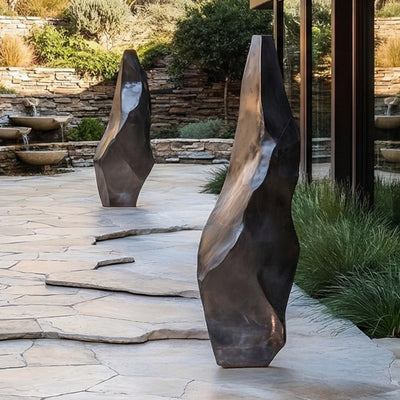
- Corten steel settles into a warm rust-toned surface that suits gardens and contemporary architecture, especially in the Hamptons or Aspen where it plays against greenery and stone.
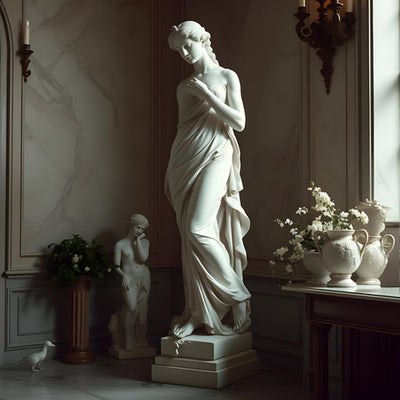
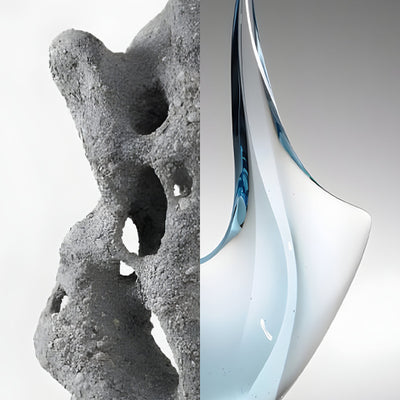
- Stone and marble bring weight and permanence, and they carve to a level of detail metal cannot match, though they demand more thought about indoor floor loading.
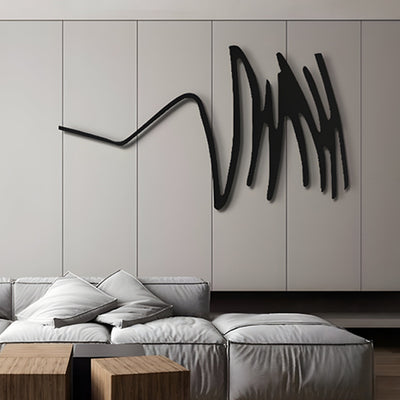
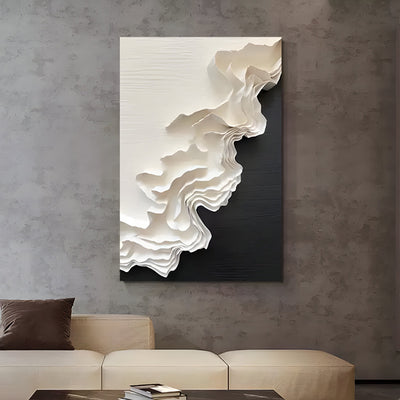
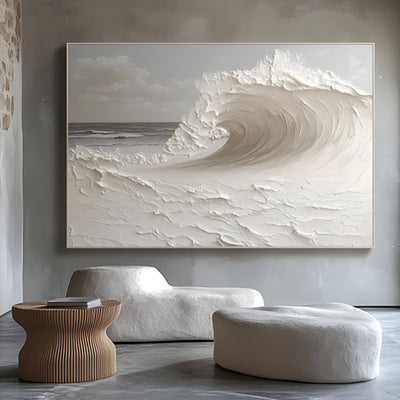
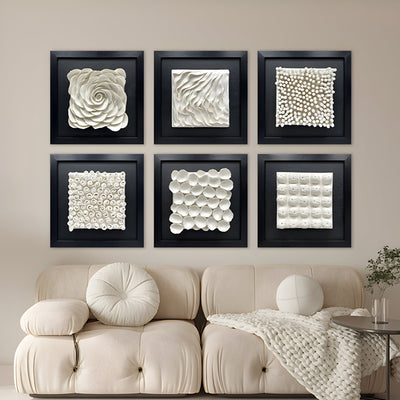
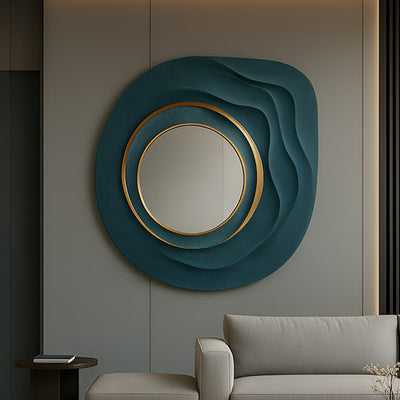
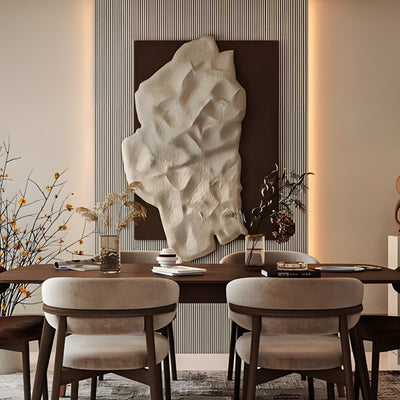
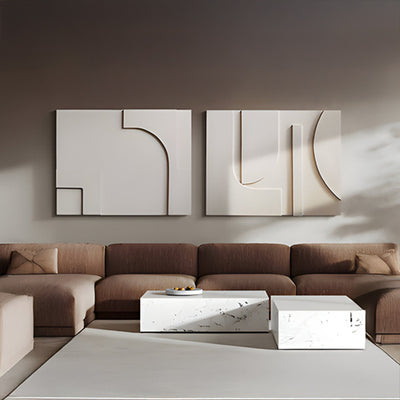
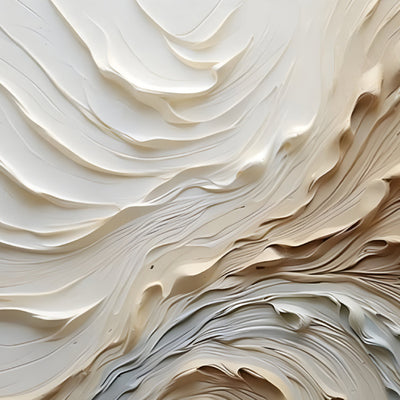
For interior pieces where the sculpture works as wall-mounted art rather than a floor object, plaster and cast composites open up shapes and surface effects that heavy metal would make impractical. Where a room needs a large vertical presence on the wall without the visual weight of a bronze relief, a pale matte piece such as the Lustre White Plaster Statue Vertical Decorative Wall Art is closer to the right design language, holding a broad footprint while keeping the surface quiet.
Finish is the next lever, and it moves the price more than buyers expect. A brushed satin surface is quicker to achieve than a flawless mirror polish that has to be worked and reworked until every reflection runs true. Hand-chased detail on bronze, selective patination, gilding, all of it adds studio hours. None of this is padding; it is the difference between large sculptures home decor that looks made and pieces that look manufactured.

Why Some Pieces Read Right at 10 ft and Wrong at 30
Human perception of scale is stubbornly relative. Put a 10 ft (3 m) figure in a room with an 8 ft (2.4 m) ceiling and it feels enormous. Put the same figure under a 30 ft (9 m) atrium ceiling and it can look lost, because the eye measures it against the volume around it, not against a person.
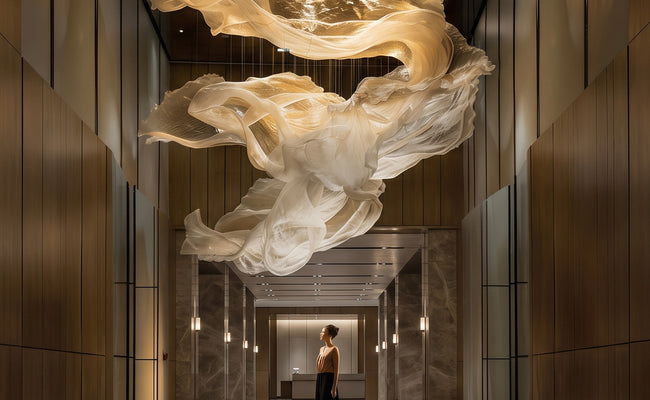
This is where commercial buyers and homeowners diverge. A hotel lobby or corporate atrium usually wants a piece that owns the vertical space, so we push scale up and often simplify the form so it reads cleanly from a distance. Residential large sculptures home decor, even the big ones, are experienced up close as well as across the room, so detail and surface quality carry more weight. The same abstract form might be fabricated at very different sizes and finishes for those two settings.
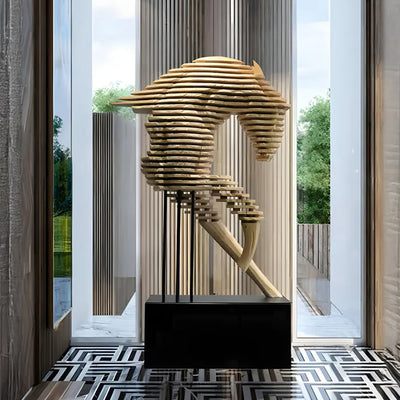
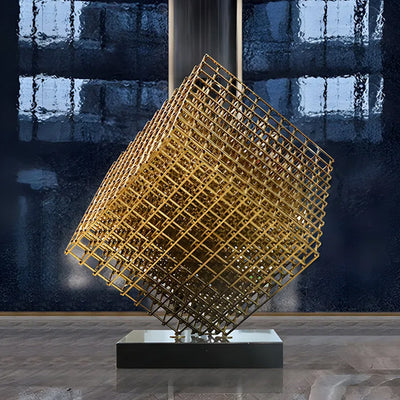
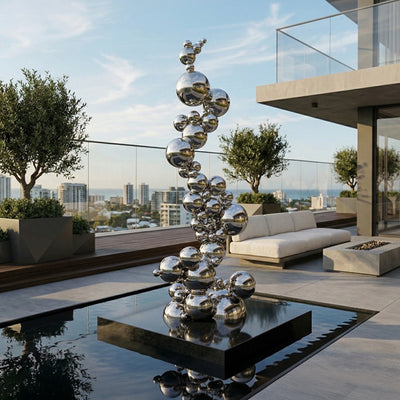
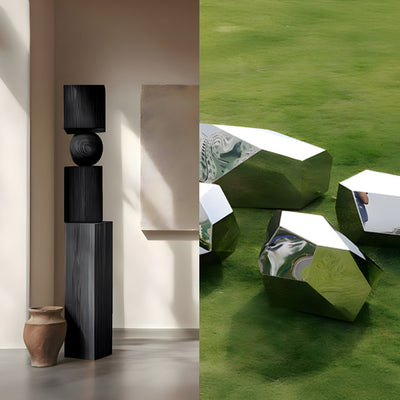
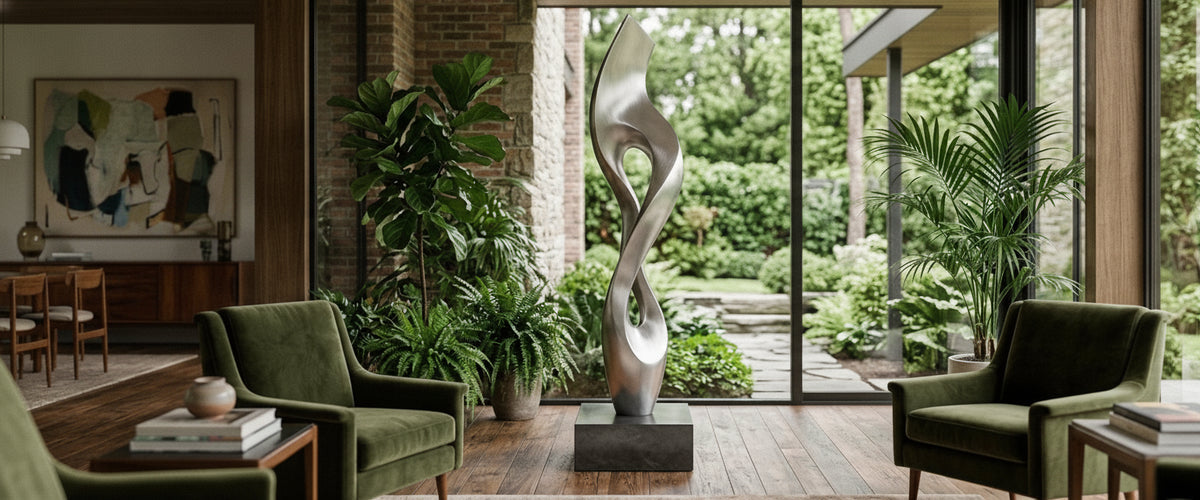
Reflective materials complicate this further. A stainless steel piece borrows the space around it, so a smaller sculpture can feel larger because it pulls in the ceiling, the windows, and the light. Our stainless steel sculptures tend to be specified with this in mind, because the reflection is part of the footprint even when the physical object is compact.

Studio Process: Maquette, Sample, Fabrication, Install
A serious bespoke commission for large sculptures home decor moves through clear stages, and skipping any of them is where projects go wrong.
- Maquette. A scale model, usually clay or a small casting, lets everyone agree on form, pose, and proportion before real money is committed. Photos of the maquette placed against the actual room tell you far more than a render, because the maquette is physically true.
- Material sample. We produce a finish sample so you can see the exact patina, polish, or Corten weathering in your own light. Bronze patina in particular shifts between studio lighting and a home, so this step prevents surprises.
- Fabrication. Casting, welding, carving, and finishing happen here. For metal work, structural engineering runs in parallel; a tall piece needs an internal armature and a base sized to keep it stable. The American Institute of Steel Construction publishes the standards a lot of large metal fabrication leans on for that structural side (aisc.org).
- Install. Doorway widths, elevator dimensions, floor loading, and crane or gantry access all get confirmed before the piece leaves the studio. We have rerouted a delivery through a garden gate because a front door was two inches too narrow; measuring twice is cheaper than a second crane day.

How to Choose Modern Sculptures for Home Decor
If you are working out how to decorate a home with sculptures, start from the room and work back to the object rather than falling for a piece and forcing it in. The best large sculptures home decor choices always begin with the space.
- Map the sightlines. Where will you see it from most often? A stairwell, a sofa, a kitchen island? That view sets the primary face.
- Check the light through the day. Note where direct sun lands and when. Reflective finishes and strong sun rarely mix well indoors.
- Measure the real volume. Ceiling height, wall span, and floor area all set the scale. Photograph the space with a person standing where the piece will go.
- Decide indoor or outdoor early. It changes material, finish, and sealing. A garden piece for a Texas summer has different needs than an air-conditioned foyer.
- Match the mood, not the trend. A calm figurative bronze and a sharp geometric steel form ask for very different rooms.
Modern interiors often suit a single confident piece over several small ones. When it comes to large sculptures home decor, one bold abstract form or a clean figurative work gives a room a focal point and lets everything else settle around it.
Honest Red Flags Buyers Should Ask About
Ask any studio these questions before you commit to large sculptures home decor. Good answers are specific.
- "Will I see a maquette and a finish sample?" If the answer is no, be cautious. You are buying blind.
- "How is it engineered to stay upright?" For anything tall or top-heavy, there should be a clear answer about armature, base weight, and fixing.
- "What does the finish need over ten years?" Bronze wants occasional waxing; conservation bodies like the American Institute for Conservation publish sensible guidance on caring for metal sculpture (culturalheritage.org). Corten needs to drain properly. A vague answer here is a warning.
- "Who handles delivery and install, and is access surveyed first?" Large pieces are not couriered; they are project-managed.
- "What is the quote based on?" Material, scale, complexity, engineering, finishing, and installation all move the number. A credible studio explains the drivers rather than quoting a suspiciously round figure.
Giant Sculptures works as a bespoke supplier of large sculptures home decor buyers can plan around, which means most of what we ship is designed for a specific room, garden, or venue rather than pulled off a shelf. That is the whole point of a commission: the sizing, material, and finish are chosen for where the piece will actually stand, so it reads right on day one and holds up for decades after. Get those calls right early and large sculptures home decor stops being a gamble.
For wider placement ideas, Inspirational Wall Art for the Office: What Sculptors Weigh Before They Start is useful companion reading before finalising the setting and sightlines.