
































































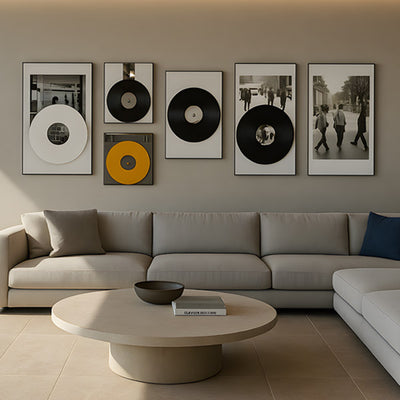
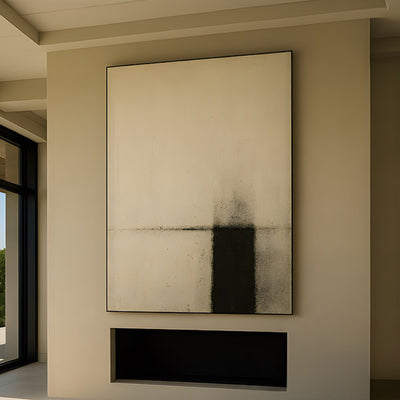
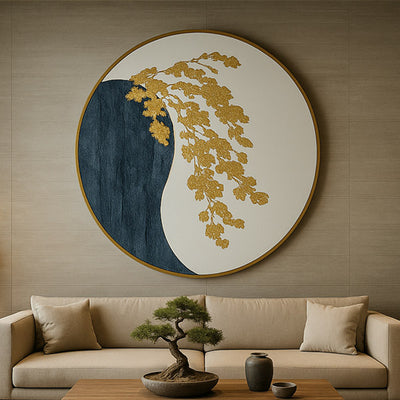















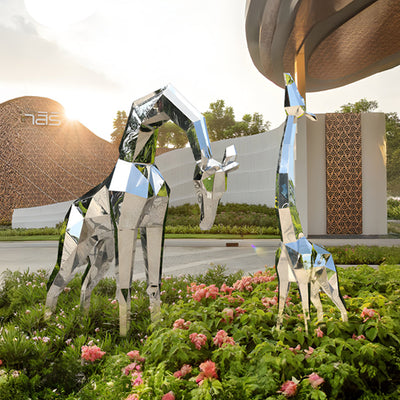














A framed print on a 20-foot (6 m) wall reads like a postage stamp. That is the problem sculpture 3D wall panels solve. Instead of a flat image trapped behind glass, you get relief that catches light, throws shadow, and changes as you cross the room. For architects, designers and collectors working with large volumes of empty wall, these dimensional panels are often the only thing that fills the space without shouting.
Giant Sculptures builds and sources large-scale, durable work, so we spend a lot of time talking clients out of underscaled art. Panels are where that conversation gets specific. Below is what actually matters when you choose them.

Sculpture 3D Wall Panels: The Quick Answer
- What they are: relief sculpture designed to hang flat against a wall, built in single pieces or modular sets that read as one composition.
- Best for: double-height entries, stairwell walls, lobbies, boardrooms, and any interior where a flat print looks lost.
- Material drives everything: carved wood, cast bronze, layered metal, textured stone and resin composites each behave differently on the wall and to the eye.
- Scale is the first decision, not the last: measure the wall before you fall in love with a piece.
- Bespoke is normal here: these panels are one of the easiest sculpture formats to commission to an exact width, palette and depth.

What Sculpture 3D Wall Panels Mean, and Who They Suit
Relief art is one of the oldest forms of sculpture; the Parthenon frieze and countless temple walls worked precisely because carved depth reads clearly from a distance and under changing light, a principle museum collections still document today (see the British Museum collection). Modern sculpture 3D wall panels use the same idea with contemporary materials and cleaner geometry.
They suit anyone with a large, blank vertical surface and a reluctance to hang something forgettable. Designers use them to give a lobby a focal point without eating floor space. Homeowners fit carved relief above a fireplace run where a single canvas would disappear. Collectors treat modular panel sets as a way to own sculptural presence in rooms that cannot take a freestanding figure.
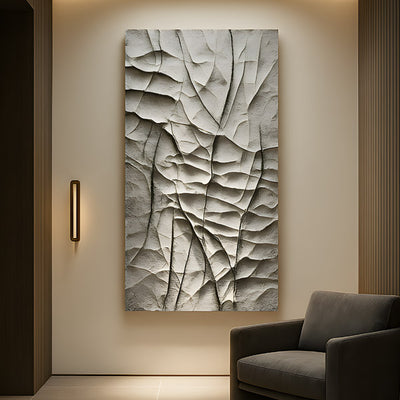
The dividing line is depth. A printed acoustic panel is decor. A true relief piece, where the surface is genuinely carved or cast into three dimensions, is sculpture. That distinction shows up the moment side light hits it.

Materials, Finishes and Scale Decisions
Material is the honest starting point, because it sets weight, longevity, price and how the piece ages.
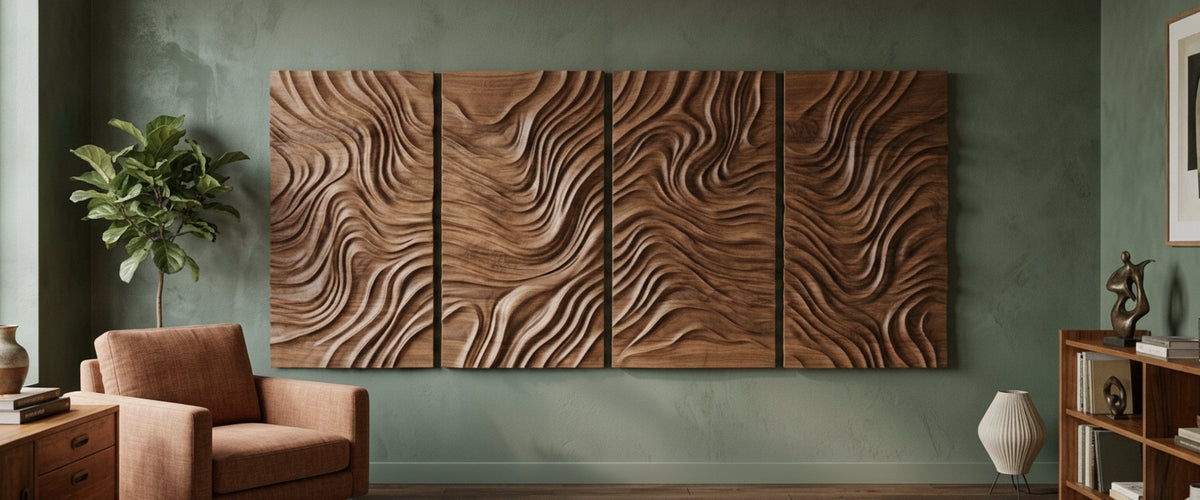
Carved wood gives warmth and hand-worked texture that photographs beautifully in residential interiors. Where a wide wall needs a single flowing composition rather than one small framed piece, a modular set such as the Harmonic Forms 4-Panel Brown Wood Carving 3D Wall Art lets four carved sections carry the span as one gesture. Wood wants a stable indoor climate; keep it away from direct heat sources and humidity swings.
Bronze and cast metal are the durability play. Bronze relief develops a patina, holds crisp detail for generations, and carries the visual weight that commercial lobbies and grand residences need. It is heavier, so fixing and wall structure matter more. Browse the bronze wall art range if you want work that will outlast the building's next three refits.
Layered metal and machined panels suit modern architecture. Brushed stainless, anodized aluminum and mixed metal layers throw sharp, moving reflections and pair well with concrete and glass. Where the setting needs contemporary shine over classical weight, an acrylic-and-LED piece like the Chromia Golden Horizon Acrylic 3DLED Wall Art is closer to the right design language.
Textured stone and sandstone-effect panels bring a quieter, geological feel. On a long horizontal wall, something like the Rivura Navy Layered Sandstone Texture 3D Wall Art uses stacked horizontal strata to create depth that shifts with the light through the day.
Resin and composite panels are the lightweight, design-forward option, sometimes with integrated LED. They let you get bold geometry and color at a manageable weight, useful for retail and hospitality where the look changes on a cycle.
Getting Scale Right
The most common buyer mistake we see is a panel chosen for a screen, not a wall. On a large surface, aim for the artwork to occupy a clear majority of the visual field, not a polite third. Modular sets give you flexibility: you can space the sections tightly for a single dense composition or spread them for rhythm across a longer run. Measure the full wall, mark the intended footprint in painter's tape, and live with it for a day before committing.

Where to Place Sculpture 3D Wall Panels for Impact
For wider placement ideas, Art 3d Wall Panels: How to Place Them so They Actually Read is useful companion reading before finalising the setting and sightlines.
Relief art earns its keep where light rakes across it. Position matters more than for any flat work.
- Side-lit walls: a panel lit from a window or wall wash at a low angle reveals its depth. Flat frontal light kills relief.
- Stairwell and double-height walls: the vertical drop is where dimensional pieces do their best work. One client had a three-story stair wall that swallowed every canvas they tried; a tall modular set finally held it.
- Entry and lobby focal points: the first wall a visitor sees. This is where commercial venues get the most return on a statement piece.
- Above a horizontal run: a fireplace, credenza or reception desk gives a panel a base to anchor to.
- Corridors and transitional spaces: shallow-depth work reads well when you pass it at an angle, which is most of the time in a hallway.
Plan the lighting with the panel, not after it. A pair of adjustable spots angled to graze the surface will do more for a relief piece than any amount of ambient wattage. If you want more placement thinking across formats, our 3D wall art collection is a good place to see the range of depths and how they sit.
Budget, Commissioning and Delivery
Panel pricing depends on material, scale, the complexity of the relief, the finish, and whether the piece is a standard design or made to your dimensions. A machined resin panel and a hand-cast bronze relief of the same footprint sit in completely different places. Rather than guess, ask for a tailored quote against your actual wall size and material shortlist; that is the only figure worth planning around.
A quick commissioning checklist:
- Confirm wall dimensions and structure. Masonry, stud, and plaster each need different fixings, and heavier metal panels may need blocking behind the surface.
- Decide indoor or outdoor. If a piece is heading to a covered terrace or exterior wall, material and coating change entirely.
- Set your palette and depth early. Depth affects shadow; palette affects how the piece sits with your finishes.
- Ask about modular seams. On multi-panel sets, agree how the joins read and how they mount level.
- Plan the crate and access route. Large pieces ship in protective crates; confirm door widths, elevator sizes and stair turns before delivery day.
Because Giant Sculptures ships worldwide, we build crating and freight into the conversation from the start. We have sent large panel work to homes and venues internationally, and the two problems that catch people out are always the same: underestimating wall structure, and forgetting to measure the route into the building. Sort both early.
How Giant Sculptures Helps With Bespoke Panel Projects
Our strongest work in this category is bespoke. If you have an exact wall width, a palette pulled from a stone floor, or a brand identity to echo in a lobby, made-to-measure relief will always beat a stock piece forced into the space. We work in bronze, stainless steel, carved wood, stone and engineered metalwork, and we can scale a design up or down while keeping the proportions honest.
Send us the wall dimensions, a few photographs showing how light falls across the day, and the material direction you are leaning toward. From there we can advise on depth, weight, fixing and finish, then quote against the real project rather than a template. For durable, large-format sculpture 3D wall panels that still look right in twenty years, that specificity is the whole point.