


























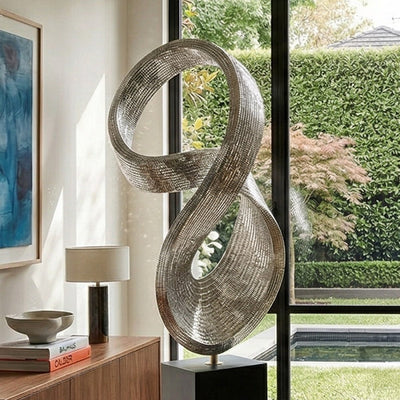


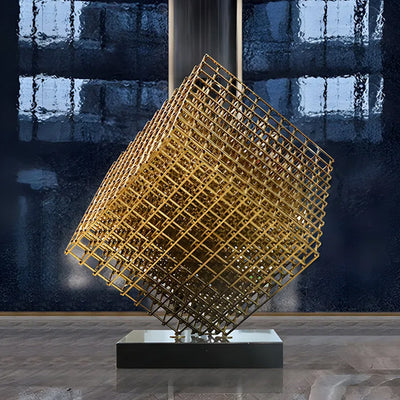
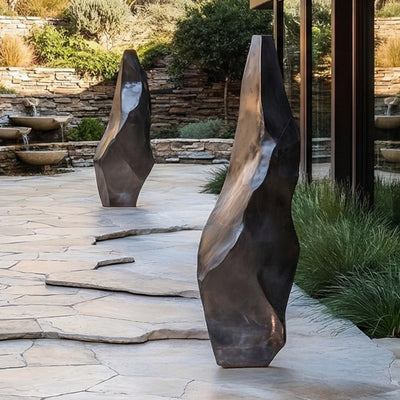


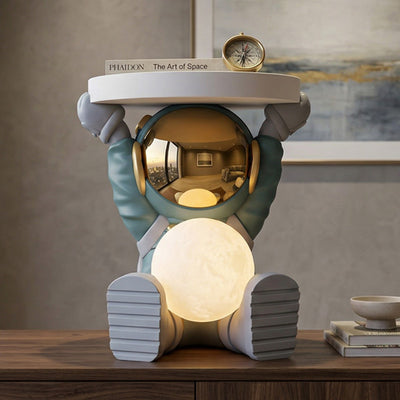


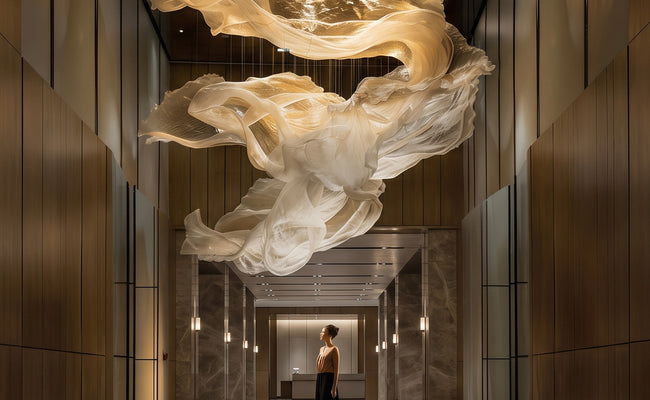


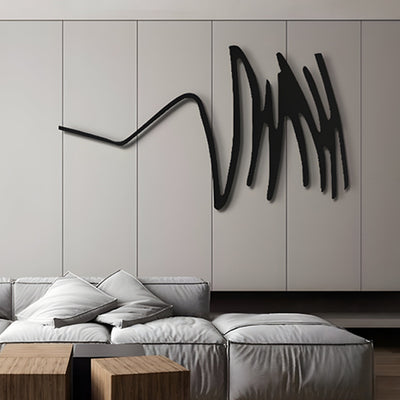

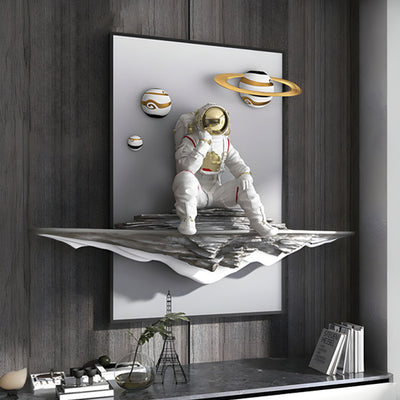

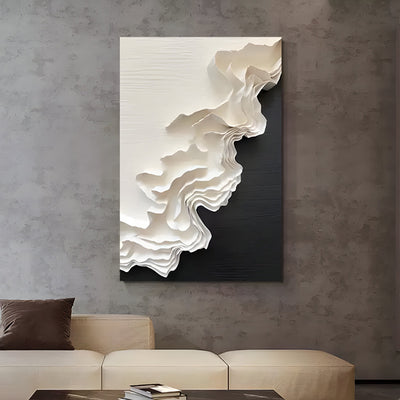
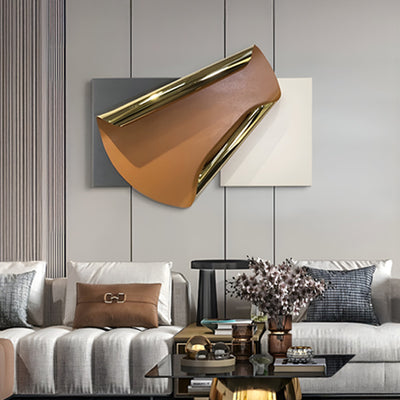
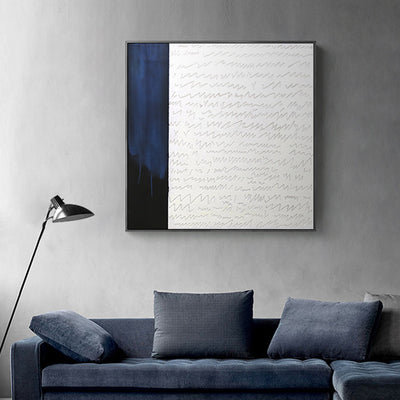
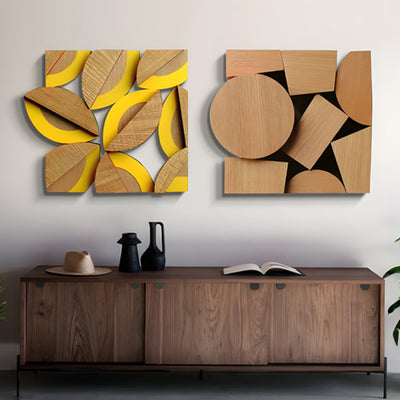

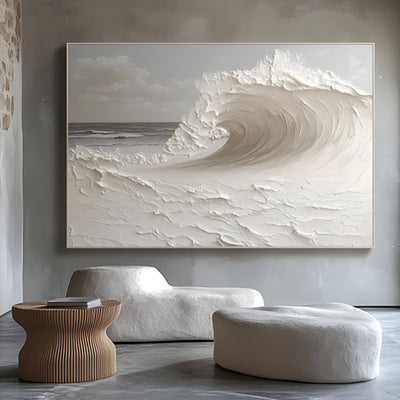
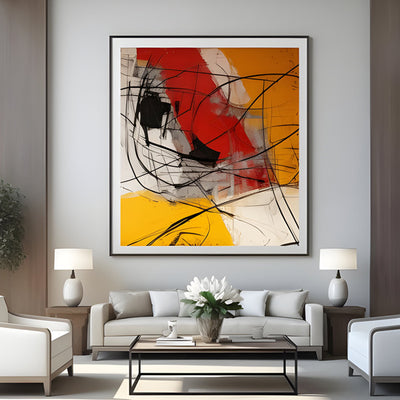
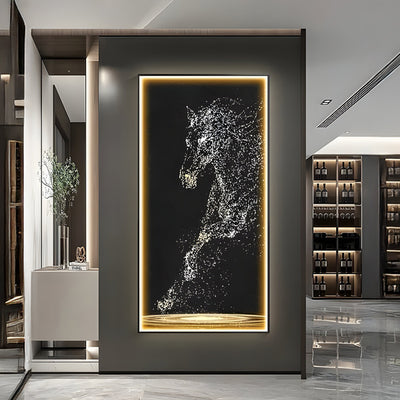
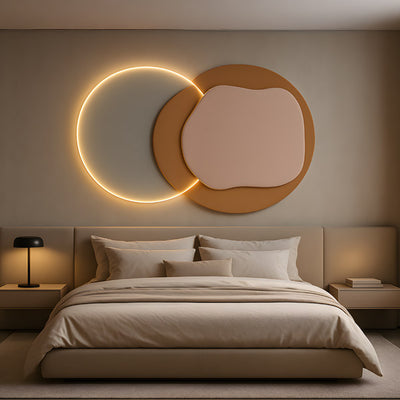
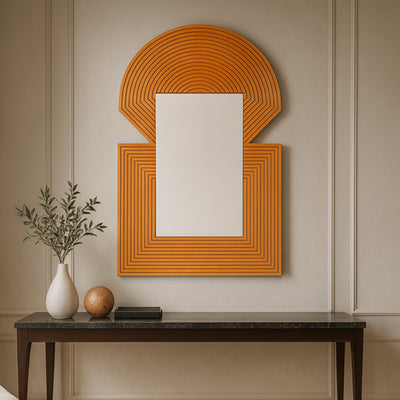
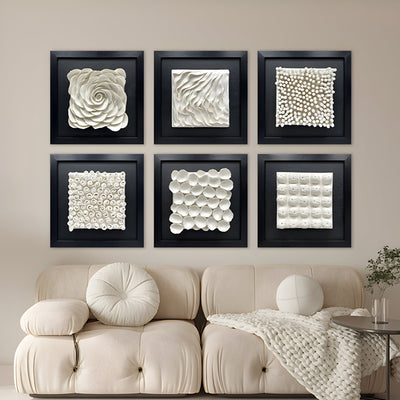
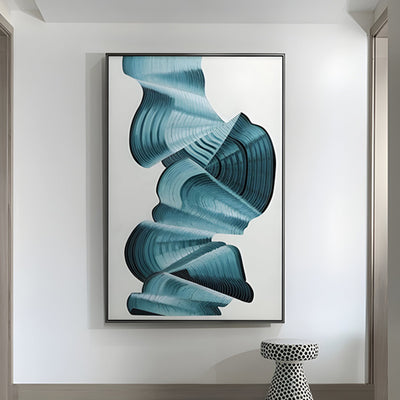
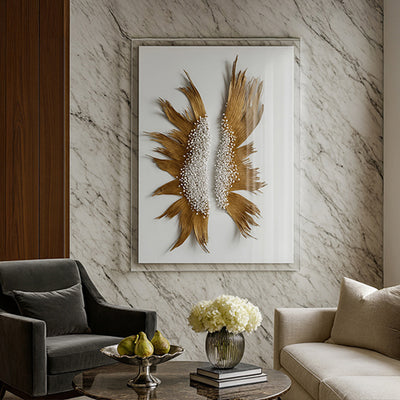
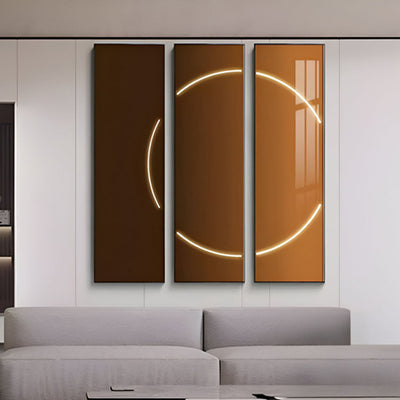
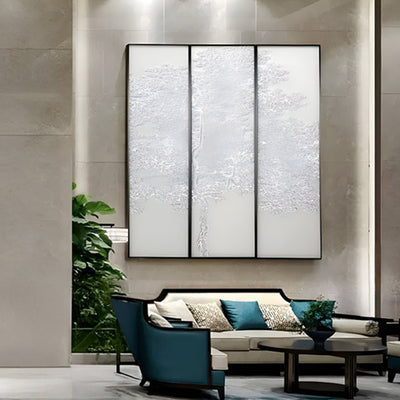
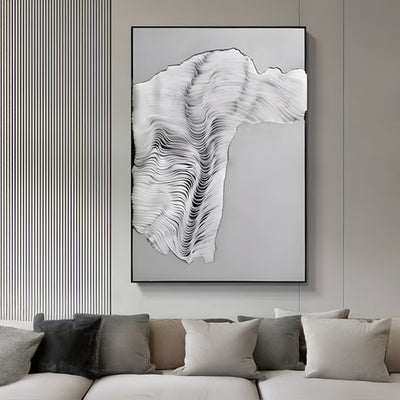
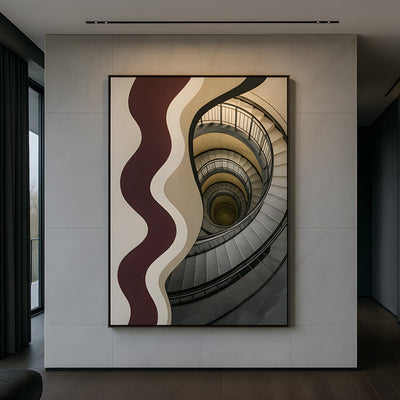
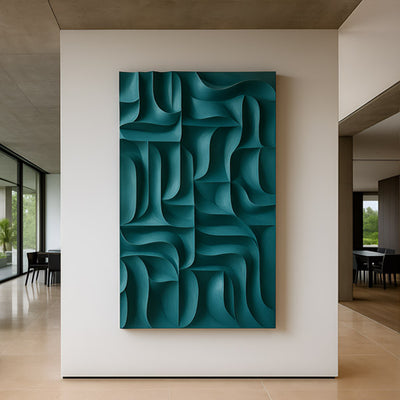
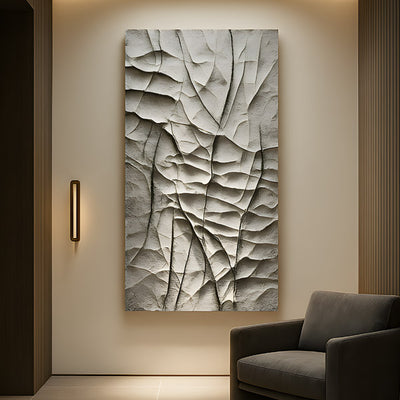
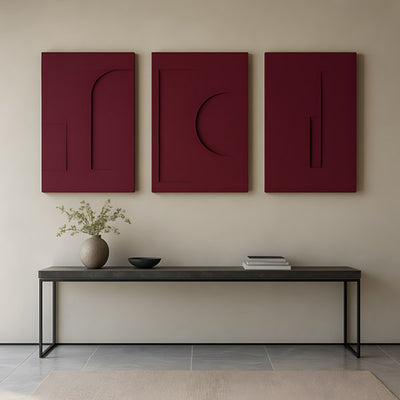
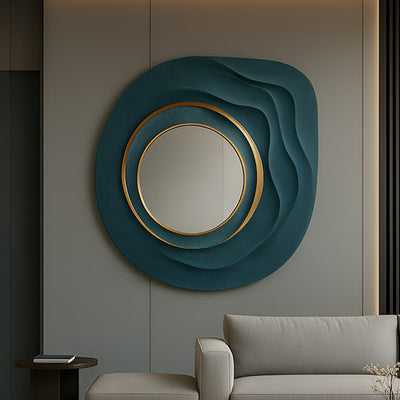
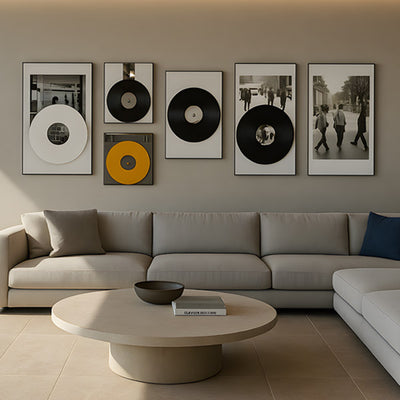
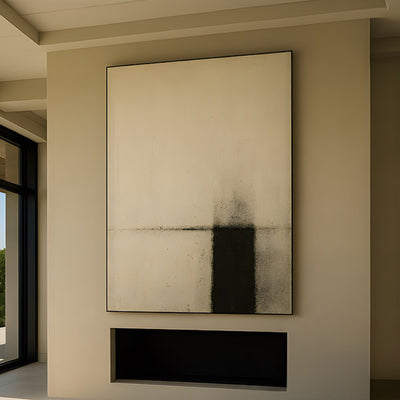
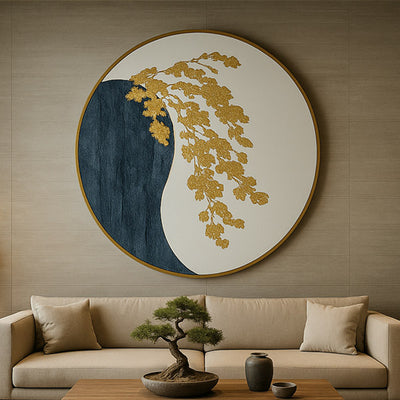
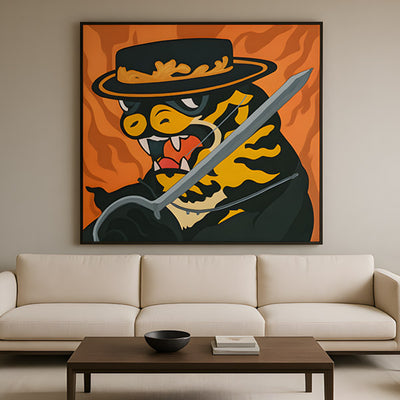
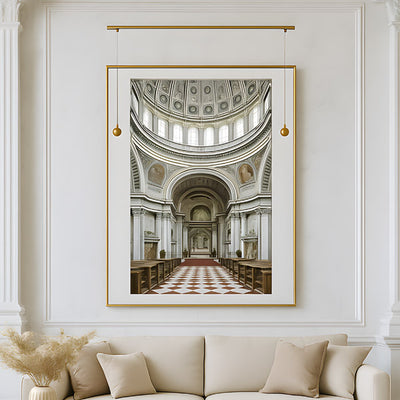
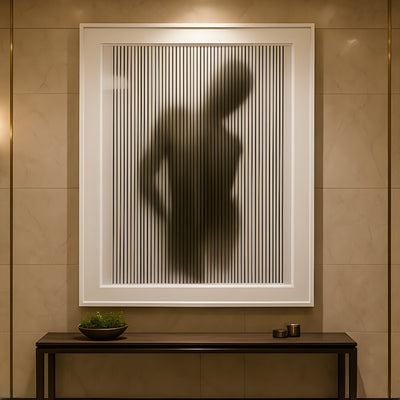
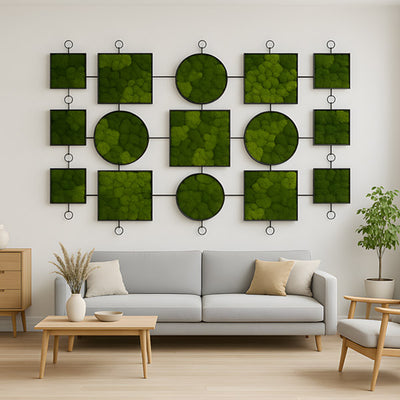
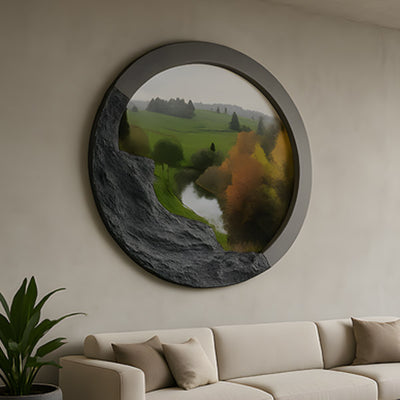
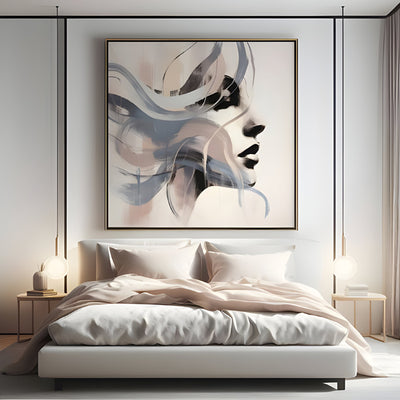
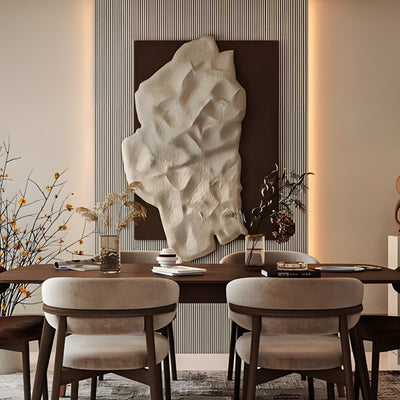
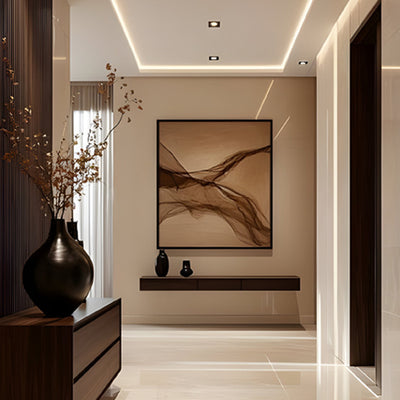
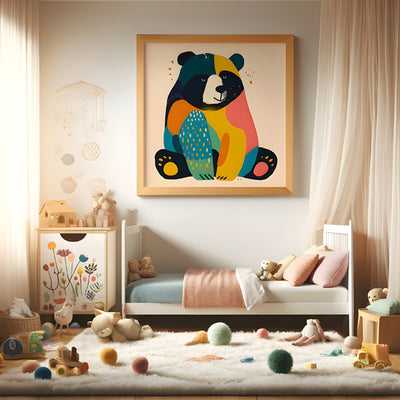
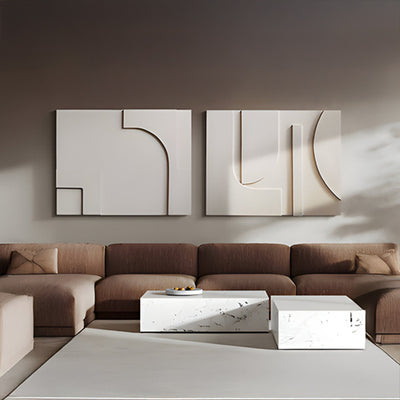
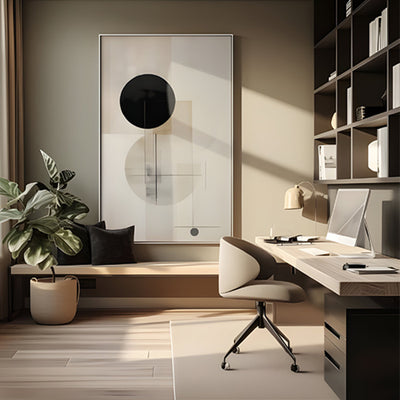


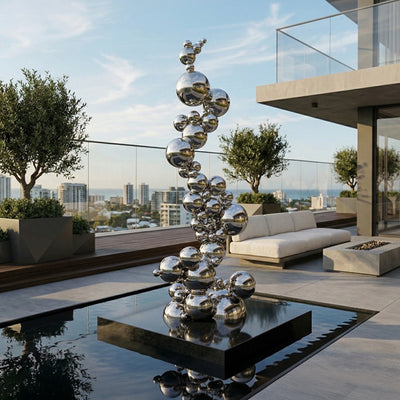








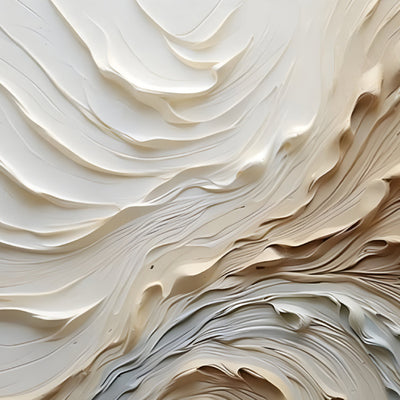
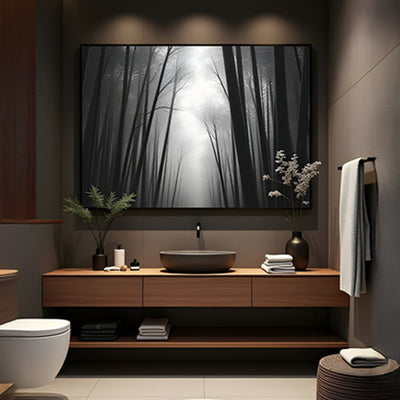
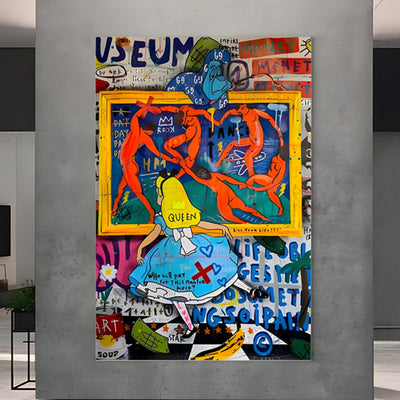
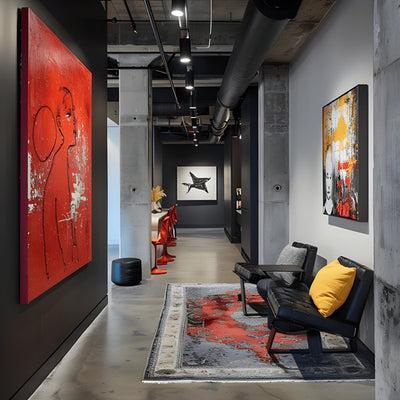
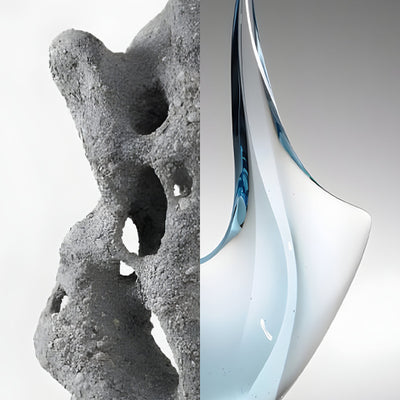
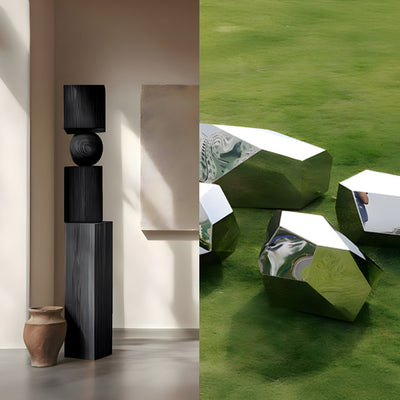


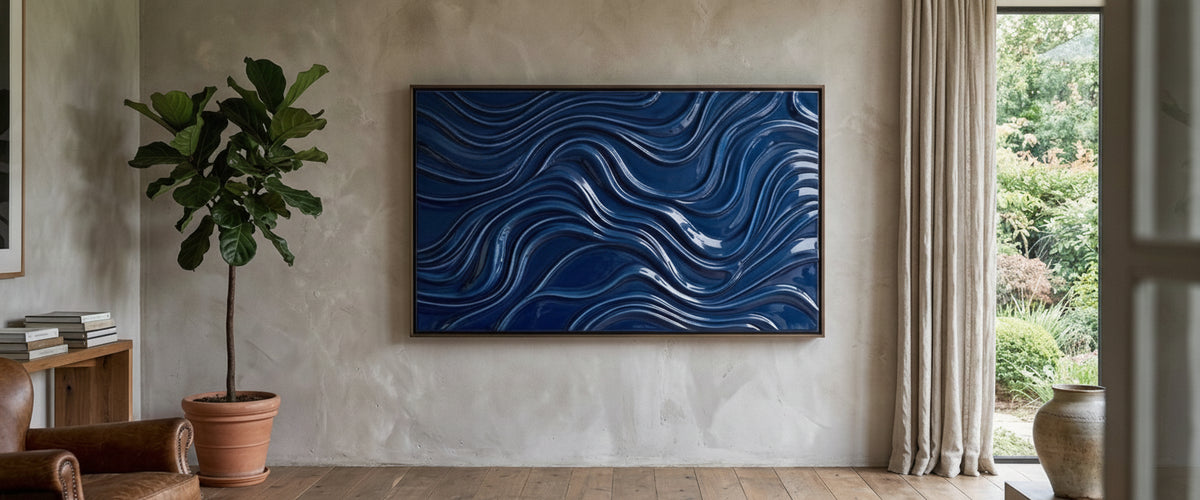

Most wall art dies on a bright wall. Flat prints wash out, canvas goes matte, and the piece you loved in the showroom disappears the moment afternoon light hits it. Porcelain wall art does the opposite. The glazed, crystal-coated surface catches light and throws it back, so the piece stays alive across the whole day. That single property is why designers reach for it in rooms with big windows and long sightlines.
Looking for the full range in this category? Browse our Wall Art and Wall Decor collection for every available finish, size, and configuration.
If you are weighing porcelain wall art for a home in California, a Napa tasting room, or a hospitality lobby in New York, the decision is less about the image and more about surface, depth, and scale. Get those right and the piece anchors a wall for years. Get them wrong and you own an expensive reflection.

Porcelain Wall Art at a Glance
- What it is: printed or relief artwork fused to a porcelain or crystal-porcelain panel, sealed under a high-gloss protective layer.
- Best for: bright interiors, feature walls, commercial lobbies, and spaces that need color and light without heavy framing.
- Finish options: flat gloss panels, textured relief, and 3D crystal porcelain wall art with raised, tactile surfaces.
- Common subjects: abstract color fields, porcelain flower wall art, porcelain fish wall art, and calm white porcelain wall art for minimalist rooms.
- Watch for: reflection control, panel weight, mounting hardware, and edge quality on larger sizes.

What Porcelain Wall Art Means and Who It Is Best For
Porcelain wall art is not a single product. At the simple end you have a flat porcelain or ceramic panel with an image fused into a glazed surface. At the richer end sits crystal porcelain wall art, where a clear crystal resin layer is bonded over the print to add depth, gloss, and a slight lens effect that makes color read brighter. Some pieces build the surface into genuine relief so the work reads as three-dimensional from an angle.
The buyers who get the most from it tend to fall into a few camps. Homeowners want a durable feature piece that survives sun, humidity, and cleaning. Interior designers want color and reflectivity they can control on a hard-finish wall. Hospitality and commercial clients want art that shrugs off cleaning schedules and high foot traffic. If any of those describe you, porcelain earns its place.
One thing to be clear about upfront: these glazed panels live in a different category from our core work in large bronze, stainless steel, and stone. They suit interiors and covered spaces rather than open gardens. When a client asks us for a light-catching interior feature to pair with a heavier outdoor sculpture, this is often the answer.

How to Compare Porcelain Wall Art Options Before Buying
Start with the surface, because it drives everything else. Ask whether the panel is flat, textured, or true 3D relief. A flat gloss panel is clean and modern; 3d porcelain wall art gives you shadow and movement as you cross the room. The difference is obvious in person and easy to miss in a product photo, so ask the seller how the surface behaves in raking light.
Next, look at the crystal layer. On crystal porcelain wall art, a well-applied resin coat should be even, bubble-free, and clear rather than yellow-tinged. This layer is what deepens color and protects the print. It is also what makes cleaning simple, since you are wiping a sealed surface, not the artwork itself. Where a room is used mostly after dark, an integrated-lighting panel such as the Lumea Deep Green 3D LED crystal porcelain wall art changes how depth reads once daylight drops away, which is worth weighing before you settle on a flat panel.
Then check the practical spec: panel thickness, backing, mounting system, and total weight. A large glossy panel needs to sit flush and secure, and heavier pieces want proper wall fixings rather than a single hook. If a piece includes LED lighting, confirm the power routing before you commit to a wall, because a trailing cable ruins an otherwise clean install.
Quick comparison checklist
- Surface: flat gloss, textured, or full 3D relief?
- Coating: even, clear crystal layer with no cloudiness or bubbles.
- Color behavior: how does it read in direct sun versus lamp light?
- Weight and mounting: hidden fixings, cleats, or standoffs supplied?
- Lighting: if LED-backed, where does the cable run?
- Edges: clean, sealed edges on larger panels.

Key Materials, Finishes, and Scale Decisions
Finish sets the mood. Deep, saturated color panels like blues and greens carry drama and work well as a single hero piece. White porcelain wall art does the opposite job; it adds texture and light without competing with the room, which is why it suits minimalist interiors and pale stone walls. Between those poles you have subject-led work: porcelain flower wall art for softness and organic line, and porcelain fish wall art for movement, often grouped as a shoal across a wide wall.
Scale is where buyers stumble. A panel that looks large in a listing can shrink to a postage stamp on a double-height wall. As a rough rule, a feature piece should fill roughly two-thirds of the visual width of the wall or furniture it sits above. For very wide walls, a triptych or a grouped set of smaller panels often reads better than one stretched image. Our studio has shipped grouped arrangements where three or four panels, hung with tight gaps, do far more than a single large panel would.
Color choice also depends on light. In a bright room where you want intensity to survive strong daylight, a saturated blue panel such as the Lumea Vibrant Blue 3D LED crystal porcelain wall art holds its depth where softer tones would flatten. If you are torn between colors, decide based on the light the wall actually gets, not the light in the showroom.
Where to Place Porcelain Wall Art for the Strongest Visual Impact
For wider placement ideas, Wood Wall Art Decor: A Buyer's Guide to Scale, Finish, and Placement is useful companion reading before finalising the setting and sightlines.
The gloss surface is the whole point, so treat reflection as a design tool rather than a flaw. Place the piece where it can catch light but not stare directly into a window, which would bounce glare back at anyone looking. A wall at ninety degrees to a large window is usually ideal; the panel picks up soft, angled light and the color stays readable.
Good candidate walls include entrance halls, above a low console, at the end of a long hallway, and behind a bar or reception desk. In open-plan homes common across Texas and California builds, these panels work well on a feature wall that terminates a sightline, so the piece is the thing you see when you walk in. For LED-backed pieces, an evening-use room like a dining space or media room lets the lighting earn its keep.
Hang height matters more with glossy work because reflections shift with your eyeline. Center the piece so its visual weight sits around eye level for a standing viewer, roughly 57 to 60 inches (145 to 152 cm) to center in most rooms, then adjust down slightly for seated spaces. If you are grouping panels, plan the whole layout on the floor first and mark the wall before a single fixing goes in.
Budget, Commissioning, and Delivery Considerations
There is no honest single figure for porcelain wall art, because cost tracks the surface complexity, the panel size, whether the piece is 3D or flat, and whether it includes integrated lighting. A large 3D crystal panel with LED backing sits well above a small flat print, and a bespoke design costs more again. The sensible move is to fix your wall size and finish first, then request a tailored quote so you are comparing like for like.
Delivery is the part people underestimate. Glazed panels are rigid and need careful crating, corner protection, and sometimes freight rather than parcel handling on larger sizes. When we ship internationally, we crate glossy panels so the face never contacts packing material directly, since a scuff on a high-gloss surface shows instantly. Ask any supplier how they protect the coated face in transit before you buy.
For commissions, bring three things: the wall dimensions, a photo of the space with its natural light, and a sense of palette. From there a maker can advise on panel count, whether relief or flat suits the subject, and how lighting should run. You can browse finished examples across our porcelain art collection to sharpen your brief before you commission.
How Giant Sculptures Can Help With Bespoke Projects
Giant Sculptures is a bespoke sculpture supplier, and while much of our work is large-scale bronze, stainless steel, and stone, we help clients pull interior and exterior pieces into one coherent scheme. A glazed feature panel often plays the interior counterpoint to a heavier outdoor commission, so a garden bronze in the Hamptons might be echoed by a calmer piece indoors.
If you want the piece to read as sculpture rather than decor, consider pairing a glossy panel with a relief metal work on an adjacent wall. Where the composition needs matte weight and cast shadow to play against reflective porcelain, a bronze piece such as the Classical Figural Torso Wall Sconce bronze sculpture (90cm) gives the contrast that makes both surfaces stronger. You can compare that approach across our wider 3D wall art collection.
The Corning Museum of Glass explains that surface coatings and glazes are what give glass and ceramic works their optical depth and long-term stability, which is exactly the property you are buying into with a sealed panel (cmog.org). Choose the surface deliberately, respect the light, and porcelain wall art will hold a wall long after a printed canvas would have faded.