
Walk into a café, scroll through Instagram, visit a Sunday market, or browse a homeware shop, and you’ll see it everywhere: foxes on prints, leopards on cushions, whales on murals, dogs in pastel sketches, birds in bold lino cuts. Animal art has become one of the most visible, shared, and collected creative themes of the moment.
It’s tempting to think the reason is simple: animals are cute, familiar, and make people happy. That’s part of it, sure. But the real obsession runs deeper. The rise of animal art says a lot about how we live now what we miss, what we fear losing, what we’re trying to reconnect with, and even how we see ourselves.
This post breaks down why this art form is having such a strong cultural moment, what it means for artists and collectors, and how you can understand (or create) it with more intention.

Why Animal Art Offers Comfort in Modern Life
Life feels loud these days. Work is faster, devices are always on, and news cycles can be exhausting. When the world speeds up, people tend to look for grounded, calming things. Animals do that naturally.
They represent a kind of steadiness we don’t always feel in human spaces. There’s something reassuring about their presence quiet, instinctive, and unhurried.
A painting of a sleeping cat or a grazing deer doesn’t demand anything from you. It lets your brain slow down, which is why animal art often becomes “comfort art”: the kind you want on your wall because it softens your home, your mood, or your day.
It’s not childish it’s practical. We’re using images of animals the way people use houseplants or quiet music: as a way to build a gentler environment in a high-pressure world.

How Animal Art Reconnects Us with Nature
Most of us now live more urban lives than our ancestors did. Even if you’re surrounded by greenery, your day probably involves screens, buildings, and structured routines. Nature can feel like something you visit rather than something you live inside.
That shift creates a quiet hunger. It’s a low-level feeling that something essential is slightly out of reach, even if you can’t quite name it.
You might not notice it until you’re standing in front of a painting of a heron, or you see a sketch of a bear that makes your chest tighten for a second.
animal art becomes a bridge back to the natural world a reminder that we’re still part of it, not separate from it.
For some people, it’s nostalgia. For others, it’s aspiration: a way of pulling wildness into everyday life. Either way, the popularity of animal art reflects a simple fact: lots of us feel a bit cut off from nature, and art helps patch that gap.

The Link Between Animal Art and Environmental Awareness
What’s less obvious is that the boom in animal art is tied to environmental concern.
Wildlife is under pressure in a way that’s hard to ignore now. Species decline, habitat loss, and climate impacts are common headlines.
Even people who don’t follow environmental news closely feel the background anxiety of it. There’s a sense that something precious is slipping away.
Artists respond to that instinctively. They use animals not just as subjects, but as symbols of what’s vulnerable and worth protecting.
A mural of an endangered tiger isn’t only decoration it’s a statement. A series of prints featuring sea life might be a tribute, a warning, or a love letter.
So yes, we like animals. But we’re also worried about them. animal art lets people turn worry into care, and care into something visible.

Animals in Art as Symbols of Human Emotion
One reason animal art sticks in the mind is because animals carry human meaning so easily.
We’ve always used animals to explain ourselves. We still do, but the meaning we attach to them has shifted. Today’s animal imagery often deals with identity, emotion, and society without needing to be literal.
Common examples include:
A lone wolf can symbolise independence, resilience, or isolation.
A flock of birds might suggest community, migration, freedom, or hope.
A dog curled up in a corner can feel like loyalty, safety, grief, or devotion.
A lion often represents courage, leadership, pride, or protection.
A butterfly can stand for transformation, fragility, new beginnings, or short-lived beauty.
People connect to these images on a gut level. The animal becomes a stand-in for feelings that can be hard to talk about directly. That emotional shorthand is a big reason animal art spreads so widely online it lands fast, and it lands deeply.

The Role of Social Media in the Rise of Animal Art
The truth is, animal art is extremely shareable.
A strong animal image works in a tiny square on a phone screen. You don’t need a long explanation to get it. Animals read clearly at a glance, which is exactly what online platforms reward.
Artists also benefit because animal subjects help build recognisable “series” work: people follow a creator for their hares, their cats, their birds, their weird little fish characters. This isn’t shallow. It’s just how modern attention works.
Social media doesn’t cause the love of animal imagery, but it helps it travel. The more it travels, the more people want it, and the cycle keeps growing.

Pet Culture and the Growing Demand for Animal Art
Pets are family now. This isn’t a brand-new idea, but it’s become far more central to how people live. We spend more money on them, talk about them constantly, and organise parts of our daily routines around their needs. For many people, pets are emotional anchors in a busy world.
That closeness changes the way we respond to animal imagery. When you see a dog, cat, or bird in a piece of art, you don’t read it as neutral decoration. You read it through your own experiences of care, companionship, and routine. The image feels familiar in a personal way.
It also explains why demand for animal-themed work has grown so quickly. Pet portraits, in particular, have become a huge part of the trend. People want artwork that captures their animal’s character because it feels like honouring a relationship, not just commissioning a picture.
A good pet portrait isn’t only a likeness. It holds memory and affection in a form you can keep, display, and return to. That matters even more when a pet is ageing or has passed away, because the art becomes a lasting reminder of a shared life.
Even when the subject isn’t someone’s own pet, the wider pet culture makes animal imagery feel personal. If you’ve ever loved a dog, then a dog painting doesn’t feel like “an animal painting.” It feels like your story, or at least a story you recognise. That shared emotional language is a big reason these images resonate so widely right now.

Why Animal Art Works Across Many Artistic Styles
Another reason animal art is everywhere is because it’s one of the most flexible themes in visual culture.
You can put animals into:
Realism
Cartoons
Abstract work
Pop art
Minimalism
Folk style
Surrealism
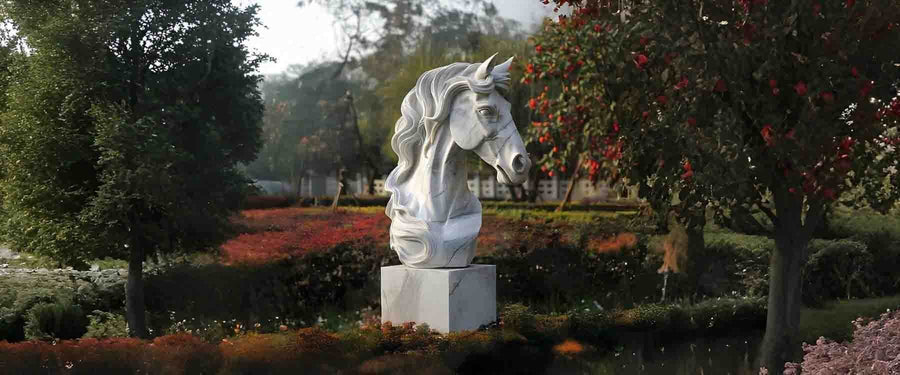
Sculpture
Textiles
Digital illustration
Some artists even blend animal themes with traditions like figure art, using the contrast between human form and animal presence to tell a stronger story.
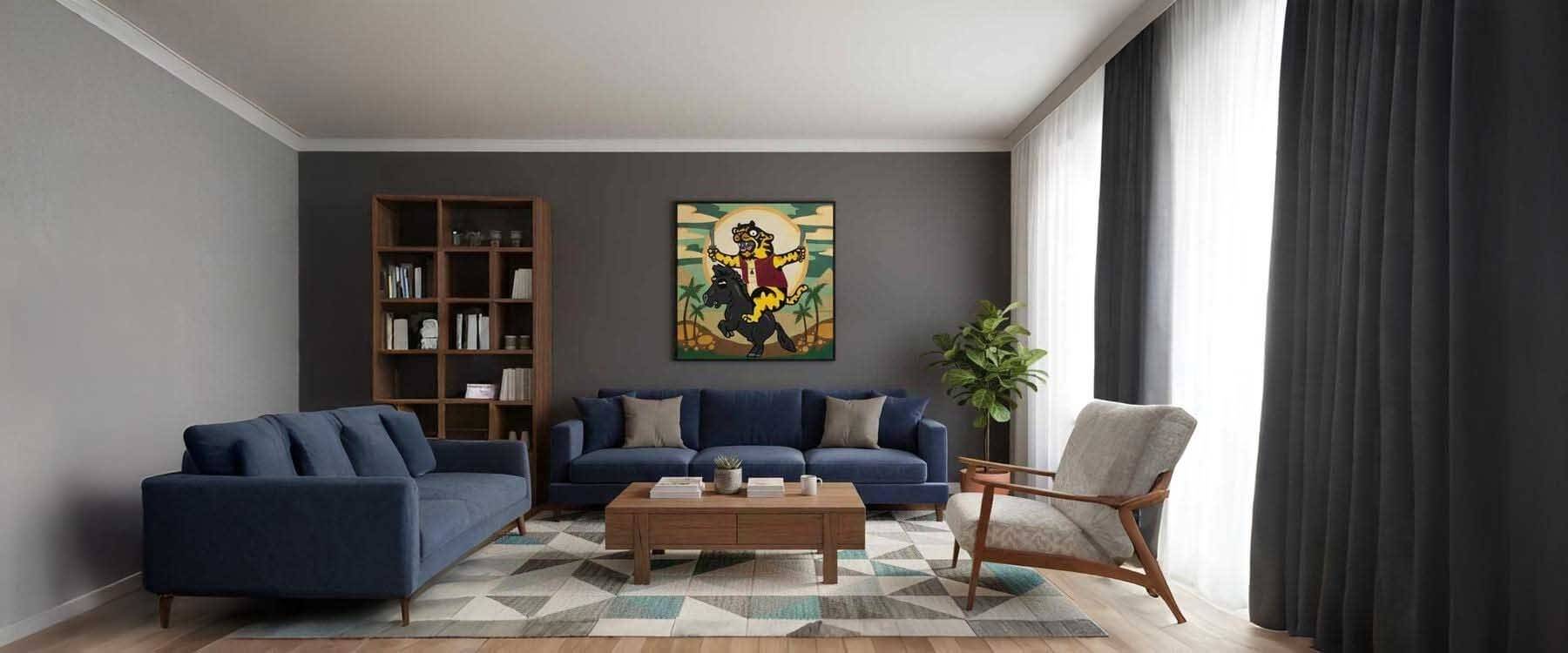
That means it suits almost any home, taste, or budget. A collector who likes fine art can buy a detailed wildlife oil painting. Another person might want a cheeky capybara print. Someone else might hang a single-line drawing of a cat. All of that counts as animal art, and all of it is in demand.
When a theme works across styles, it naturally grows faster.

The Emotional Impact of Animal Art
Yes, animals are joyful subjects. There’s an immediate warmth to them that people recognise straight away. Even a simple sketch of a rabbit or a dog can lift a mood without trying too hard. That basic joy is part of animal art’s pull.
But the happiness we get from this kind of work is rarely one-note. It often comes tangled with other feelings like calm, longing, tenderness, or even sadness. Animals can carry emotion in a quiet, natural way that doesn’t feel forced. They let us feel something without spelling it out.
A painting of a rain-soaked elephant can be beautiful and heartbreaking at once. You see strength and vulnerability sitting side by side. The image might make you smile first, then leave you thinking about what the animal has endured. That shift is powerful, and it’s part of why these images stay with you.
A playful otter print, on the other hand, might spark a softer kind of feeling. It can remind you of childhood days, a place you once visited, or someone you miss. The animal becomes a doorway to memory, not just a subject on paper. That’s why even light-hearted pieces can feel deeply personal.
Because animal images are emotionally layered, people don’t just “like” them in passing. They return to them, noticing something new each time. The longer you live with a piece, the more it can grow with you.
That’s why this artwork gets collected so often. People want it in their homes because it does more than decorate a wall. It holds a mood, a memory, or a quiet kind of company. And when art can do that, it becomes part of daily life, not just something you glance at and forget.

What the Animal Art Trend Teaches Artists
If you’re an artist, this obsession is good news, but it’s also a challenge. Demand is high, and the field is crowded. To stand out in animal art, the best approach is to go beyond surface-level charm and aim for clarity plus meaning.
Ask yourself:
What draws you to this animal?
Is it the form, the movement, the symbolism, the story?
What emotion do you want the viewer to feel?
Peace, joy, wonder, concern, humour?
What style best serves that feeling?
You don’t need realism if your goal is character. You don’t need cuteness if your goal is impact.
It also helps to think about materials for instance, acrylic art works beautifully for animal subjects because you can build bold layers quickly and capture strong colour contrast.
People can sense when animal work is made with real attention. That doesn’t mean every piece has to be heavy or political. It just means it should feel alive, not generic.

What to Consider When Choosing Animal Art
If you’re buying, sharing, or displaying animal-themed art, you’re part of this cultural moment too. The choices you make help shape what kinds of animal imagery stay visible and valued.
The best pieces usually do one of two things. They either pull you closer to the natural world, or they reflect something personal back at you.
First, animal art often reconnects you to nature. Even if you live in a city, your home can still carry a bit of wildness through the images you surround yourself with.
Second, it can reflect something about you. Your favourite animal often links to your values, your memories, or even the kind of energy you want in your life.
So when choosing animal pieces, take a second to notice why one works for you. It’s rarely random, and that instinctive pull is part of the magic.
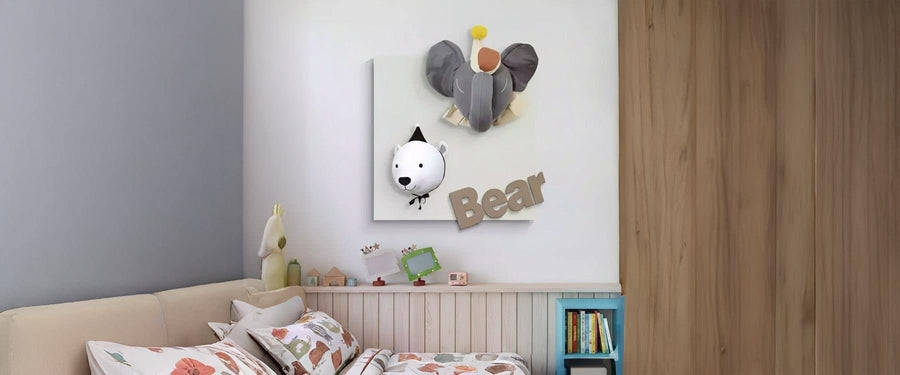
And don’t overlook newer formats. A growing number of collectors are now drawn to animal-themed 3D art, which adds presence and texture in a way flat prints can’t.

Conclusion: More Than a Trend, a Quiet Return
The world’s obsession with animal imagery isn’t just about liking animals. It’s about what animals represent right now. They offer comfort in stressful times, reconnect us to nature we’re drifting away from, and express emotions that feel too big for plain language. They also remind us of what’s at stake as wildlife faces real threats, and they do all of this in a way that works across every style, medium, and platform.
Put simply, this kind of work is popular because it meets us where we are: tired, distracted, hopeful, and still hungry for a genuine connection to the living world.
If you’ve been drawn to animal imagery lately, lean into it. Study the artists you love, notice what each animal makes you feel, and let that guide your next choice, whether you’re creating, collecting, or simply appreciating.
Got a favourite animal you can’t stop thinking about? Pick it, find a reference, and make a small piece this week even a quick sketch. Share it, hang it, or gift it. The point isn’t perfection. The point is connection.
Because the more we pay attention to animals in art, the more we remember they’re worth paying attention to in life.