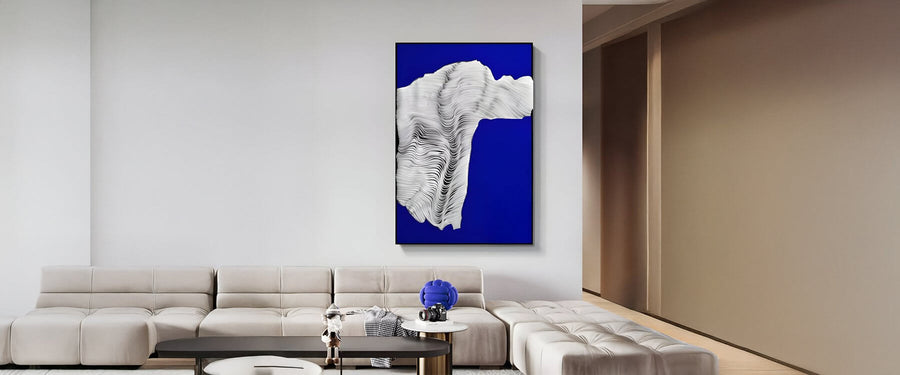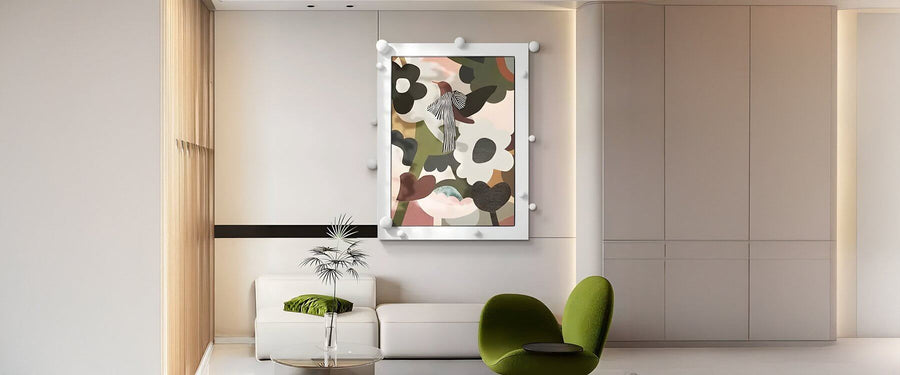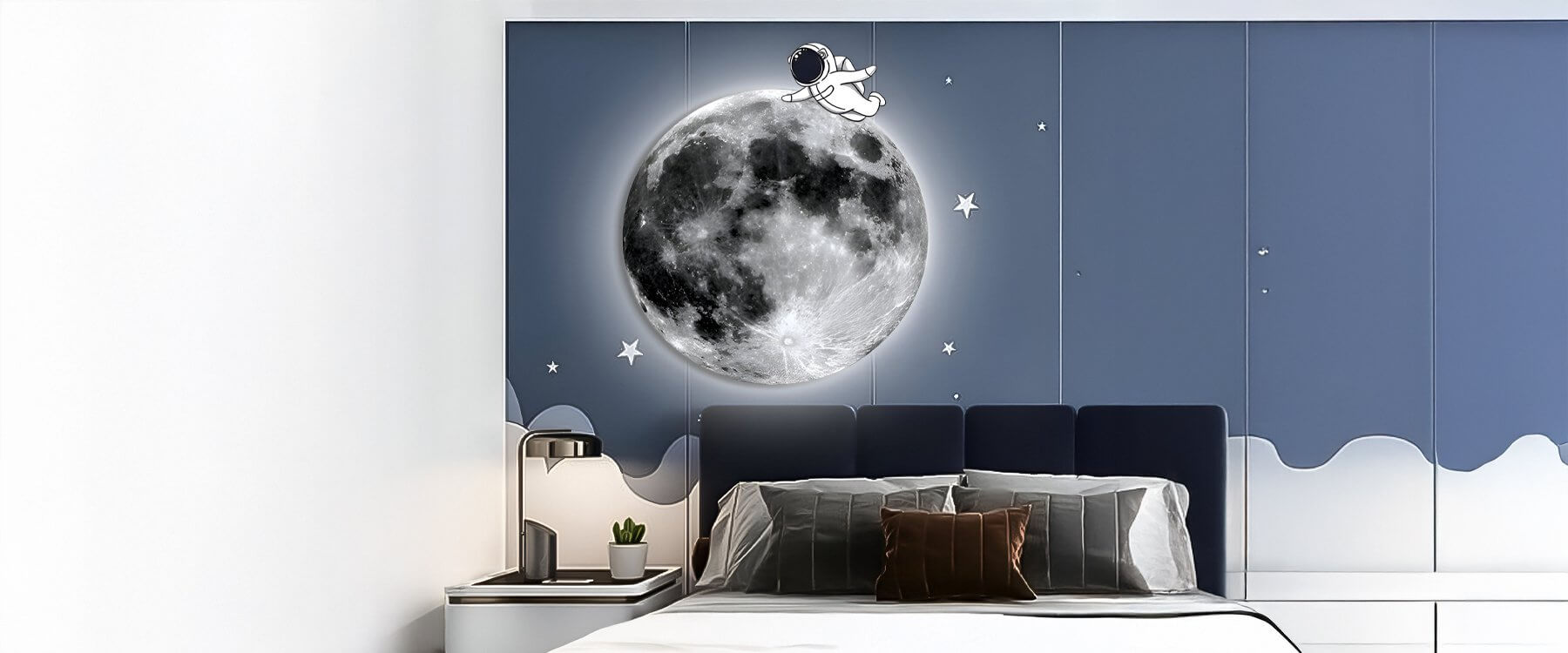

When children gaze at the walls of their bedrooms, they should see more than paint and plaster, they should step into another world. Kids room art that tells a story can ignite imaginations, reinforce learning and create a comforting, inspiring environment. From whimsical fairy‑tale scenes to galaxy‑spanning space missions, narrative kids room art transforms blank walls into immersive adventures.
In this guide, we’ll explore why kids storytelling wall art matters, survey beloved themes, from classic fairy tales and animal escapades to astronaut adventures, offer tips on where to place your story murals, and show you how to choose, style and even customise art to suit your little one’s personality. We’ll also highlight DIY projects and the educational, emotional benefits of narrative art. Let’s bring your child’s stories to life on their walls.

Why Narrative Art Matters in Children’s Spaces
Emotional & Developmental Benefits
Story‑driven art nurtures creativity, language skills and emotional connection. A child who sees a dragon mural at bedtime engages not only visual wonder but emotional empathy, imagining the dragon’s feelings, adventures and friendships.
Immersive & Memorable
Fairy‑tale forest prints or animal kingdom panoramas turn ordinary rooms into timeless tales. Children remember the forest glade they “explored” at bedtime and the safari scenes where lions “roared” at playtime.
Educational Through Visuals
Maps of imaginary kingdoms, alphabet‑story boards or solar system diagrams teach geography, letters and science in context. A space room art poster showing the planets in order becomes a reference point for school lessons; an animal art mural detailing jungle habitats sparks curiosity about biodiversity.

Themes That Tell a Story: Kids Room Art Ideas from Classics to Cosmos
1. Fairy Tale & Fantasy Murals
Transform a wall into an enchanted realm with castles, unicorns, woodland fairy‑huts and friendly dragons. Large‑scale story mural for children captures young minds, while framed prints of princesses, knights and magic mushrooms add focused points of interest.
2. Space & Science Adventure
Bring the cosmos indoors with space kids room art: rocket‑ship launch scenes, floating astronauts, planets and stars. STEM‑inspired educational posters, showing constellations or the phases of the moon, combine learning with wonder.
3. Animal & Wildlife Narratives
From safari‑style panoramas of elephants and giraffes to undersea adventures with dolphins and octopi, animal art can chart a child’s journey through different habitats. Use a sequence of frames to depict a day in the jungle or an ocean exploration.
4. Alphabet & Map Story Posters
Educational kids posters that double as narrative art include “A‑Z Adventure” boards, each letter illustrated by a story scene, and illustrated world maps where children can follow explorers’ routes across continents and oceans.

Where to Place Storytelling Art in Kids’ Spaces
Above the Bed
A single‑panel mural, be it a fairy‑tale castle or a space landscape, acts as a nightly storybook. Position the artwork’s centre 20 cm above the headboard, letting your child drift to sleep among knights, dragons or distant galaxies.
Play Corners & Reading Nooks
Define a play area with wall decals of treehouses, secret doors or rocket‑ship interiors. Add a story stool, a small seat shaped like a toadstool or space capsule, and watch your child enact their favourite tales in a dedicated storytelling zone.
Gallery Wall Displays
Mix framed illustrations, quote prints (“Once upon a time…”, “To infinity and beyond!”) and small 3D elements like felt fairy wings or magnetic NASA logos. Arrange chronologically, first the fairy‑tale prints, then animal scenes, then space posters, to guide young minds on a visual journey.
Study/Desk Zone
Above desks, install learning wall art such as solar system timelines, dinosaur fossil charts or storyboards of classic tales. This keeps educational narratives in sight during homework and sparks curiosity.
Hallways & Transitional Areas
Convert corridors into adventure pathways by theming each wall: the first panel shows a forest entrance, the next a jungle, then an ocean, ending in space. This hallway art progression turns every passage into part of the story.

How to Choose and Style Storytelling Kids Room Art
Scale & Proportion
Feature walls benefit from large murals (2–2.5 m wide), while smaller framed sets (30×40 cm) suit gallery clusters. Always measure your wall and choose art covering at least two‑thirds of the space for maximum impact.
Material & Durability
Kids’ rooms need interactive kids wall art that’s easy to clean and hardwearing. Opt for vinyl murals or washable fabric prints. Removable decals allow updates as interests shift, ideal for growing imaginations.
Colour & Mood Matching
Soft pastels and watercolour styles soothe pre‑bedtime corners; bold primaries energise play areas. Match your art’s dominant hues to bedding and soft furnishings for cohesion.
Mixed Media & Interactive Options
Incorporate felt boards or magnetic panels so children can rearrange story elements, drag a felt dragon from one scene to another, or stick magnetic planets onto a star map. These interactive kids wall art features keep stories evolving.

DIY & Custom Story Art Projects for Kids
Custom Canvas Prints
Commission a canvas art featuring your child’s name woven into their favourite story, e.g., “Emma’s Enchanted Forest” or “Alex’s Galactic Voyage.” Personalized art makes the narrative uniquely theirs.
Story Collage Walls
Combine family photos, postcards from travels, printed story illustrations and your child’s drawings. Overlap and arrange chronologically to narrate your family’s own adventure saga.
Interactive Storyboards
Mount a chalkboard mural of a pirate ship or fairy castle and provide chalk for on‑the‑fly storytelling. Alternatively, use magnetic vinyl sheets and character magnets for endless re‑enactments.

Educational and Emotional Value of Story Art
- Teaching Concepts: Narrative art can simplify complex ideas: solar system prints teach planetary order, animal murals illustrate food chains, and world maps introduce geography.
- Emotional Connection: Children relate to characters - unicorns, astronauts, jungle friends, building empathy and imaginative play. Story art fosters creative confidence as your child “lives” the tales on their walls.
- Language & Literacy: Pointing out scenes prompts discussion: “What do you think the unicorn sees?” This dialogue builds vocabulary and narrative skills, reinforcing early reading readiness.

Caring for Storytelling Art Displays
Framed Prints & Murals: Dust regularly with a soft cloth. For vinyl decals, wipe with a damp cloth, no harsh chemicals.
Avoid Direct Sunlight: Position art away from windows or use UV‑resistant finishes to prevent fading.
Secure Decals: Reinforce peel‑and‑stick murals with a clear, repositionable spray if edges begin to lift.
Mural Maintenance: For wallpaper murals, choose wipeable surfaces and avoid high‑traffic scuff zones.

Conclusion: Let the Walls Tell the Tale
Kids room art that tells a story does more than decorate, it shapes worlds, nurtures learning and sparks joyous play. Whether you choose a dreamy fairy‑tale forest, an interstellar odyssey or a jungle‑to‑ocean adventure, thoughtful placement and styling turn walls into portals of imagination. Involve your child in selecting themes, rotate artworks as interests evolve, and mix real elements, stuffed animals, space toys, storybooks, to deepen the narrative.
Ready to craft your child’s storybook room? Pick a theme - fairy tales, space missions or wildlife adventures, and explore our curated storytelling art collections at Giant Sculptures. Let the storytelling begin!