



























Introduction
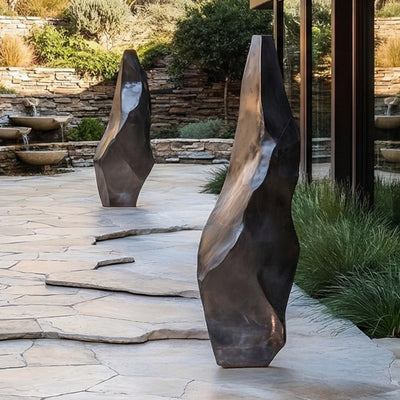
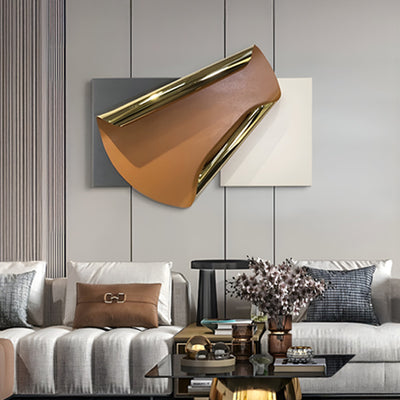
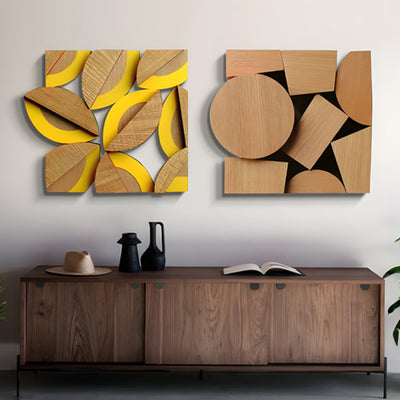
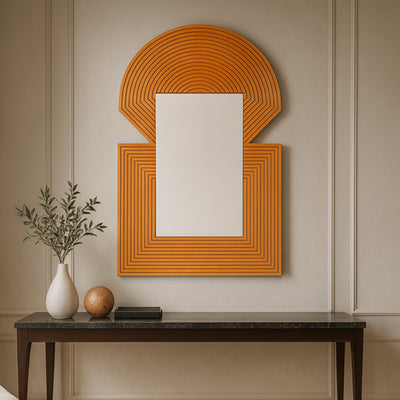
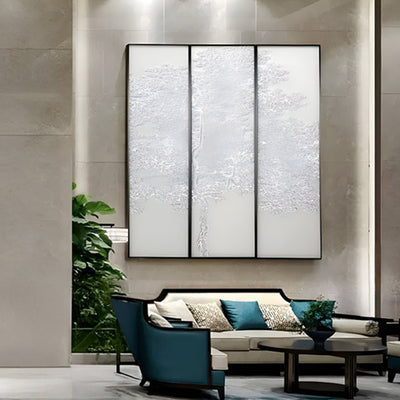
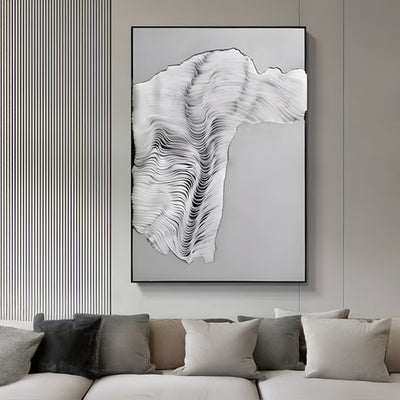
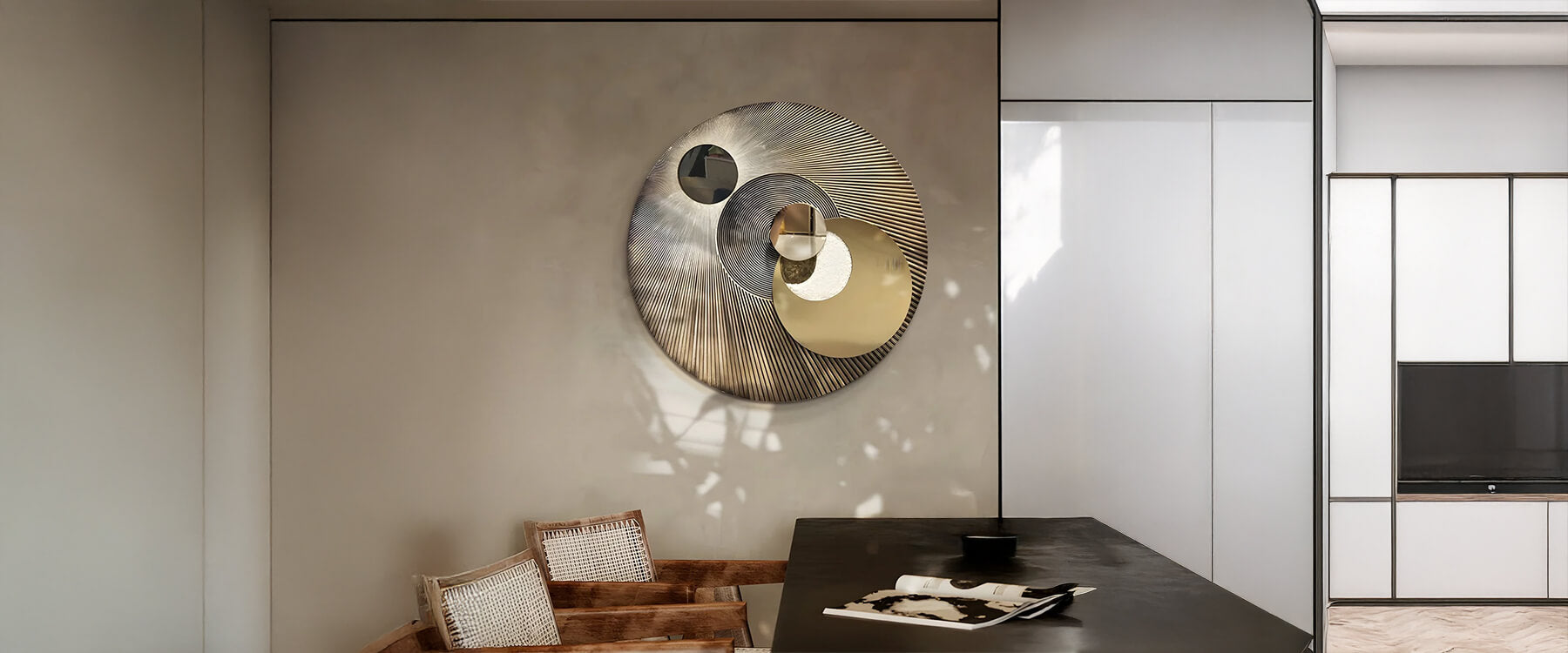
Geometric art is characterized by structured patterns, shapes, and symmetry, has a timeless allure that has captivated artists and audiences alike for centuries. Its roots date back to ancient civilizations, where intricate designs adorned temples, pottery, and textiles, symbolizing harmony and balance. Today, geometric art has evolved into a modern decor staple, celebrated for its versatility and ability to elevate any space.
This article explores the history and versatility of geometric art, its integration with various themes, and practical tips for choosing and caring for these striking pieces.

What Is Geometric Art?
Geometric art has roots in ancient civilizations, where patterns and symmetry were often used in architecture, textiles, and ceramics. Over time, these elements evolved, finding prominence in movements like Art Deco, which celebrated symmetry and bold lines, and Bauhaus, which emphasized function and form through geometric shapes.
In the modern era, geometric pieces has expanded to include a variety of styles and mediums. From clean, minimalistic forms to vibrant, abstract patterns, it remains a popular choice for its ability to bring structure and creativity to any space. Its versatility ensures it resonates with contemporary tastes while retaining its timeless appeal.
The Versatility of Geometric Art Across Styles
One of the most compelling aspects of geometric art is its ability to merge seamlessly with various artistic styles, reimagining traditional themes through a modern lens. From animal portraits to architectural designs and floral compositions, this art form brings a structured, dynamic edge to familiar subjects, making it a perfect fit for contemporary interiors.

Animal Art with Geometric Designs
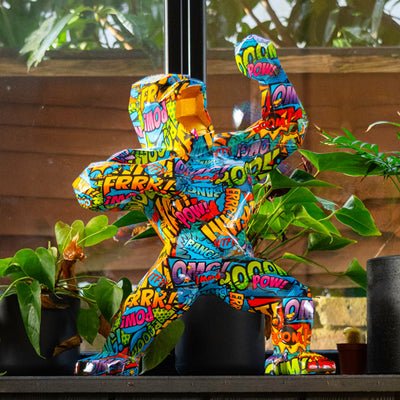
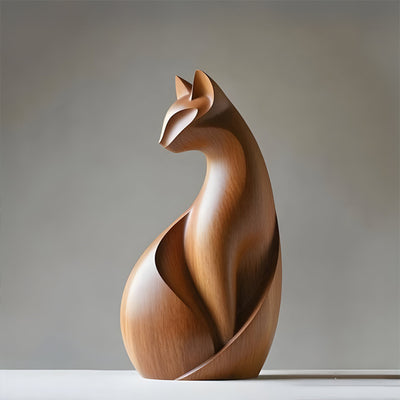
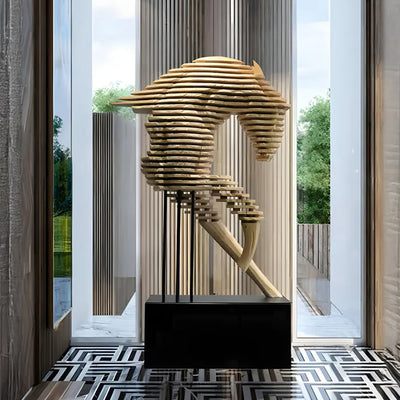
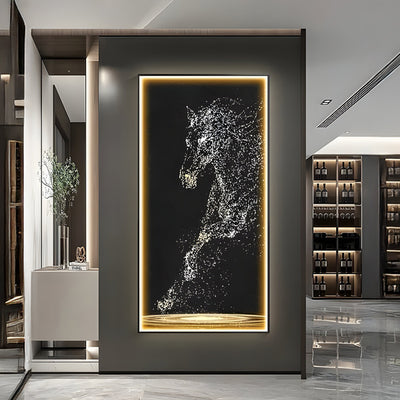
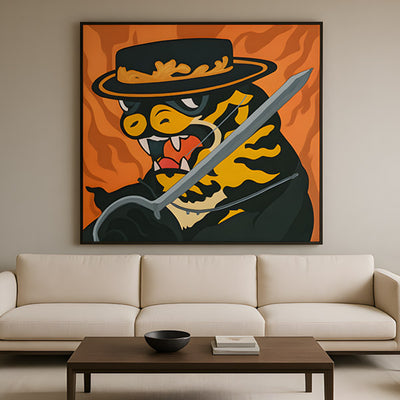
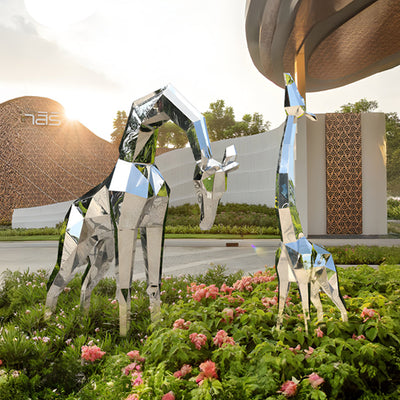
Geometric art transforms animal portraits into bold, dynamic masterpieces by breaking down natural forms into abstract shapes and polygonal patterns. This approach creates a fresh and contemporary look while maintaining a connection to the natural world. Artists use sharp angles, symmetry, and vibrant colour palettes to craft striking interpretations of animals that feel modern yet timeless.
Beyond lions, other popular geometric animal designs include polygonal foxes, abstract owls, and angular deer silhouettes. Each piece balances the raw beauty of wildlife with a sense of modernity, appealing to nature enthusiasts who prefer a contemporary aesthetic. These artworks are versatile, capable of fitting seamlessly into various decor styles, from minimalist to industrial interiors.
For nature lovers, geometric animal art bridges the gap between the organic and the abstract, allowing them to celebrate wildlife in a way that feels bold and fresh. It’s particularly effective in spaces that need a strong, visually striking piece to anchor the room.
Architecture Art and Geometric Patterns
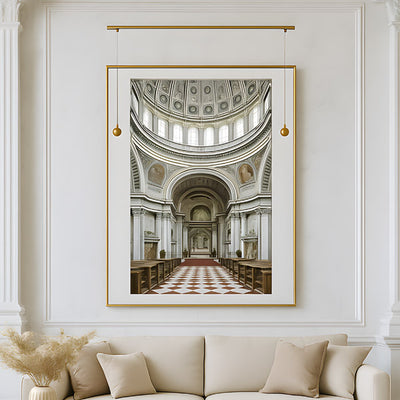
The synergy between architecture and geometric art is undeniable, as both emphasize clean lines, structure, and balance. Geometric architecture art takes iconic buildings, cityscapes, and structural forms and reinterprets them through angular designs, turning familiar sights into striking visual statements.
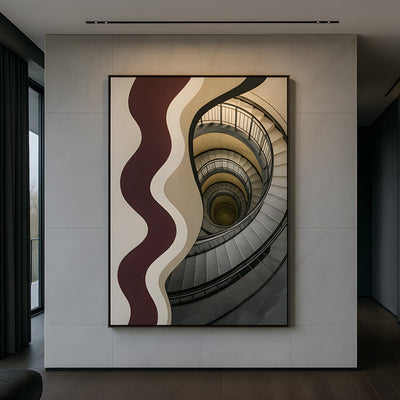
In addition to skylines, geometric architecture art often highlights specific architectural features, like arches, windows, or staircases, breaking them down into repetitive shapes or symmetrical patterns. This approach reimagines classic architectural details, making them feel modern and visually engaging.
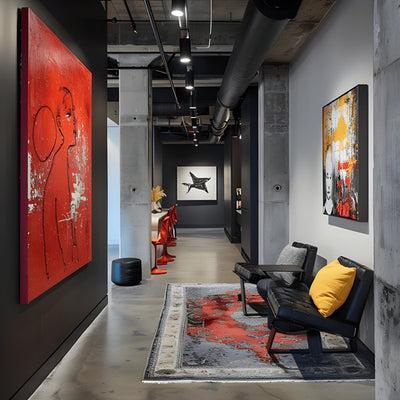
This style works especially well in industrial or urban-themed interiors, where the emphasis on structure complements exposed materials like brick, metal, or concrete. For offices and professional spaces, architectural geometric art adds a sense of sophistication and order, inspiring creativity and focus.

Landscape Art with Geometric Elements
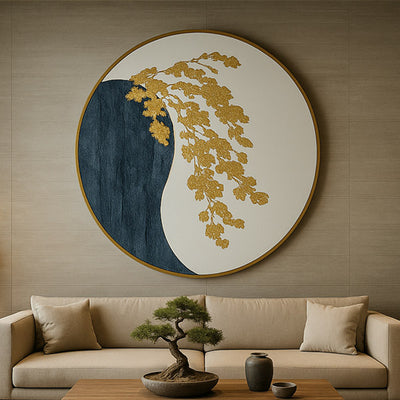
By simplifying organic forms like mountains, forests, and rivers into bold shapes and vibrant colour blocks, artists create designs that are both captivating and modern.
This style thrives in minimalist interiors, where its bold lines and clean forms can serve as a striking focal point. In bohemian settings, geometric landscapes bring a fresh twist, blending seamlessly with eclectic decor while adding a sense of balance and order.
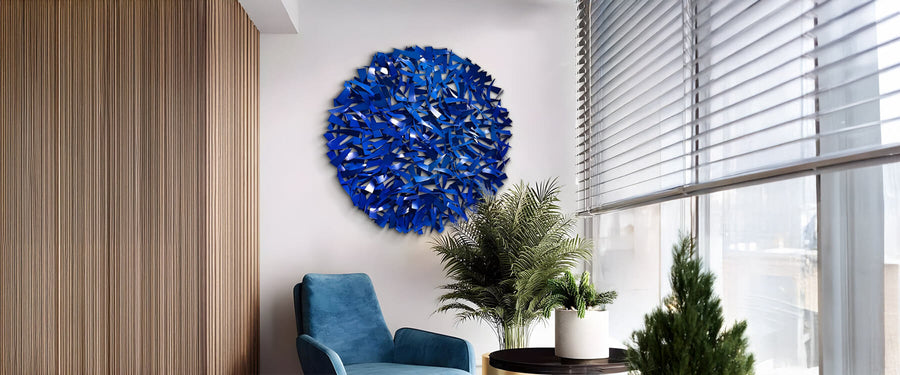
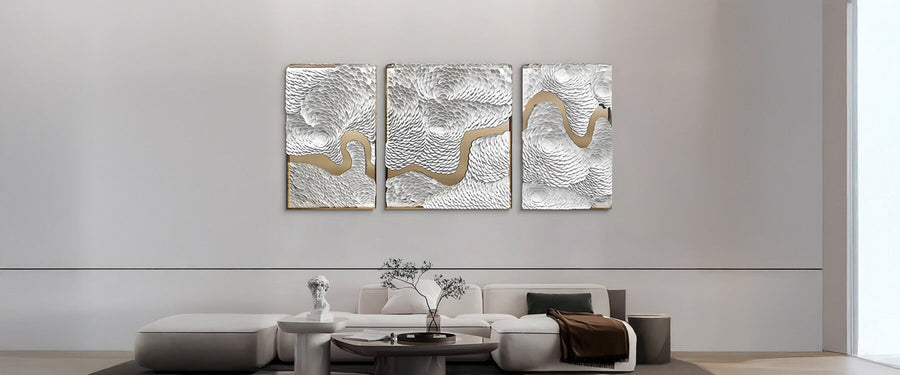
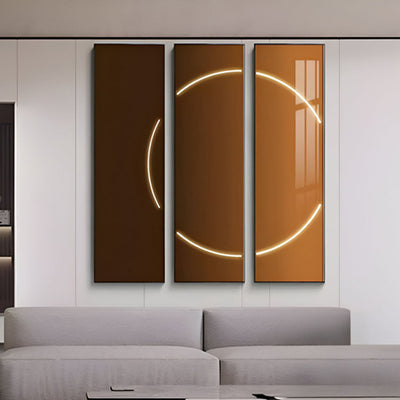
Geometric landscape art isn’t limited to traditional mediums like canvas. It can also take the form of multi-panel pieces or even 3D designs that add depth and texture. This versatility makes it a popular choice for modern homes, where it can elevate living rooms, bedrooms, or even entryways.
By abstracting the beauty of nature, geometric landscapes offer a fresh perspective that appeals to those who love both art and the outdoors, creating a connection to the natural world with a contemporary edge.

Geometric Figure Art
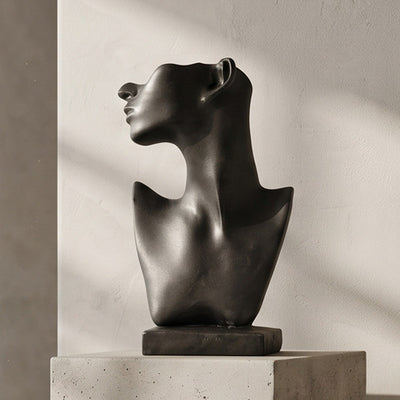
Inspired by the ground-breaking work of Cubism and other modern art movements, geometric figure art stylizes human forms through abstract shapes and bold patterns. This approach transforms traditional portraits and figure studies into contemporary, eye-catching pieces that challenge the boundaries of realism.
These artworks often explore themes of identity, emotion, and movement while maintaining a visually structured aesthetic. By using overlapping shapes and sharp lines, geometric figure art creates a sense of dynamic energy, making it a perfect fit for modern and eclectic interiors.
This style is particularly impactful in spaces like dining rooms or creative workspaces, where its unique blend of abstraction and humanity sparks conversation and inspires thought. Additionally, pairing geometric figure art with complementary styles-such as minimalist landscapes or bold animal designs-can create a visually balanced gallery wall.
Geometric figure art bridges the gap between traditional portraiture and modern abstraction, offering a bold, contemporary take on the human form that feels both personal and universal.

Why Geometric Times Is Perfect for Modern Interiors
Its sharp lines, bold patterns, and symmetrical designs offer a sense of order that resonates with contemporary design trends. Whether incorporated as a statement piece or layered subtly into a room’s decor, this art style adapts effortlessly to various settings, making it an ideal choice for modern interiors.
Timeless Appeal
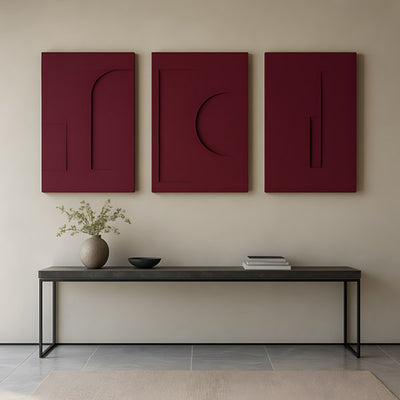
The clean and structured forms of this style have a universal quality, allowing it to fit seamlessly into both minimalist and maximalist spaces. For minimalists, its straightforward lines and shapes bring harmony and balance without overwhelming the room. For maximalists, its bold patterns and dynamic designs provide energy and movement, creating a visually engaging focal point.
Versatility
Geometric art is incredibly versatile, easily complementing other artistic styles and decor elements. Its ability to pair with Animal Art, Architecture Art, and Landscape Art makes it a flexible addition to any collection. For example, a geometric cityscape can be combined with industrial decor for a cohesive urban look, while polygonal animal prints can introduce a modern edge to a nature-themed space.

Practical Design Tips
To make the most of geometric art in modern interiors, consider the following practical design strategies:
-
Use Geometric Art as a Statement Piece
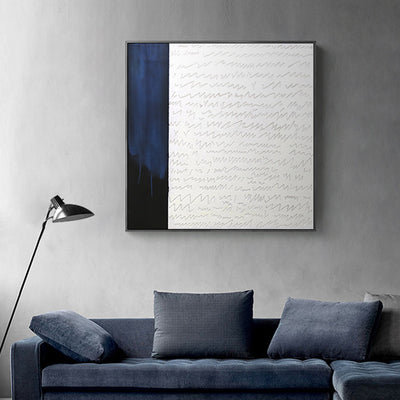
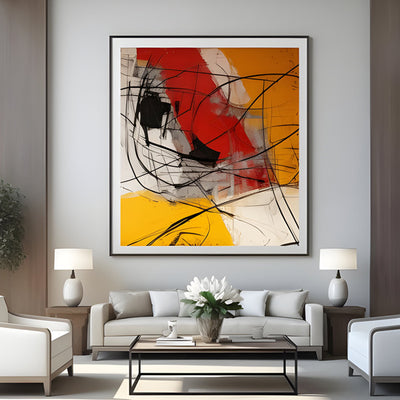
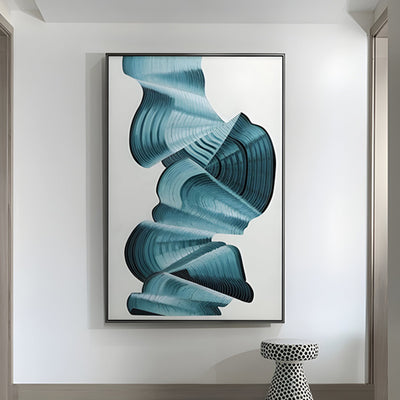
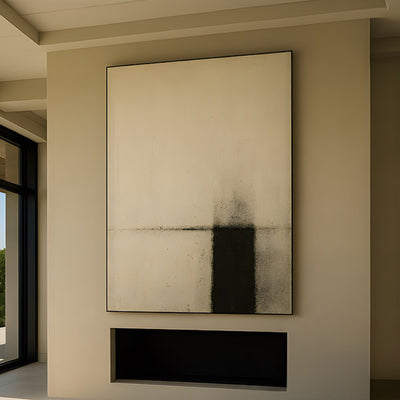
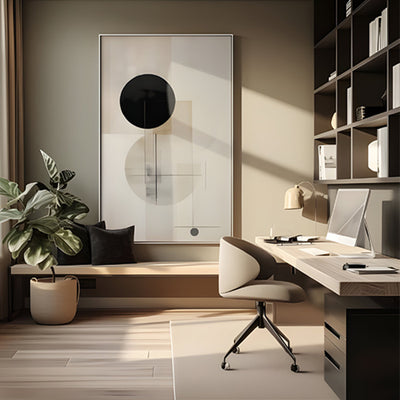
- A bold geometric design can serve as the centrepiece of a room. For example, a large canvas featuring sharp lines and contrasting colours can draw the eye and anchor the space, especially in rooms with a neutral colour palette.
-
Pair Geometric Art with Textured Furniture
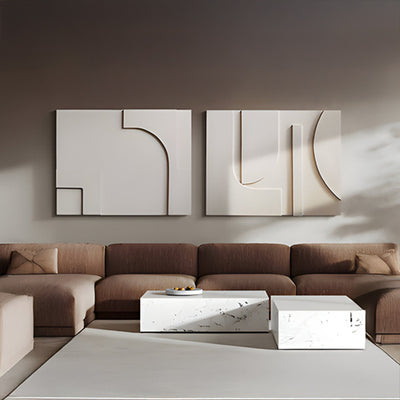
- Combine angular art with textured decor, such as a plush sofa, a woven rug, or a rustic wooden coffee table. This contrast between structured patterns and tactile materials adds depth and visual interest to the space.
-
Create a Gallery Wall with Mixed Styles
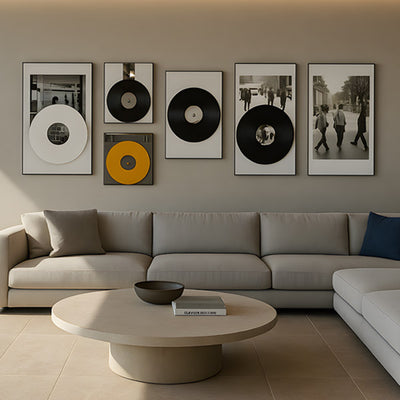
- Geometric art pairs beautifully with complementary styles like floral prints, architectural sketches, or abstract landscapes. By mixing these pieces on a gallery wall, you can achieve a balanced yet dynamic look that showcases a variety of influences.
-
Incorporate Geometric Art in Small Accents
- If you prefer a more understated approach, consider using geometric patterns in smaller accents, such as framed prints, decorative pillows, or tabletop decor. This allows you to enjoy the structured beauty of the style without making it the room’s dominant feature.
-
Choose Colours That Complement Your Décor
- Geometric art offers a wide range of colour options, from muted tones to bold, vibrant palettes. Select colours that harmonize with your room’s existing scheme for a cohesive look, or opt for contrasting hues to create a striking visual impact.
-
Experiment with 3D Geometric Art
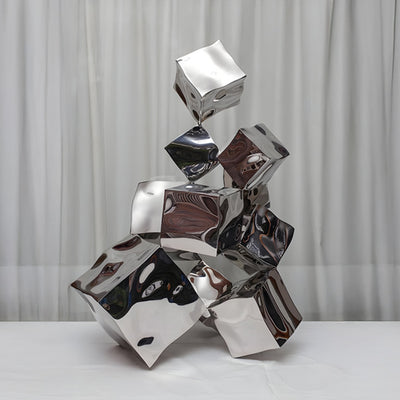
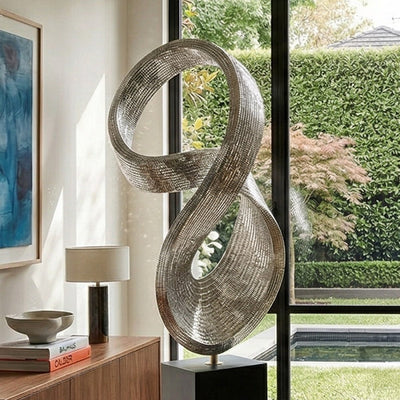
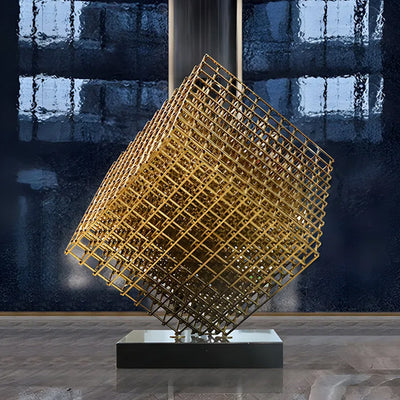
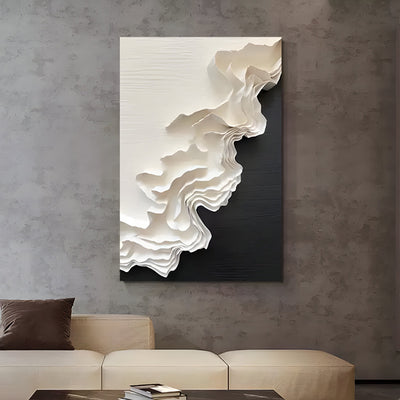
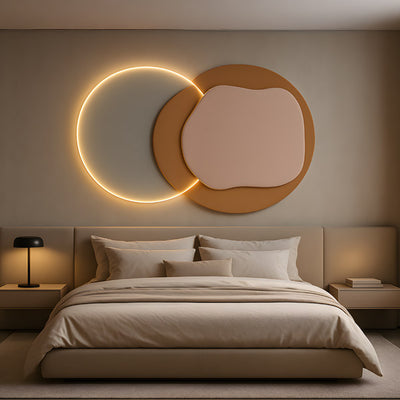
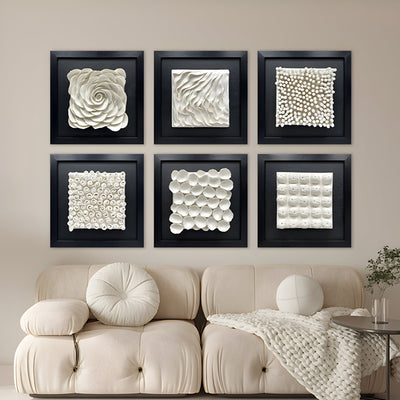
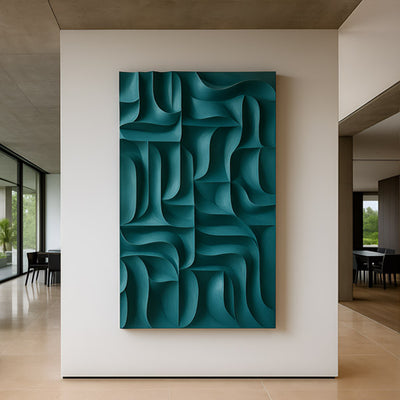
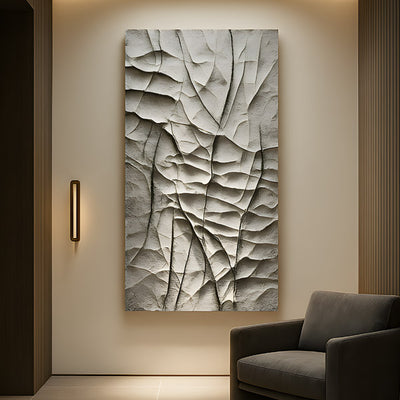
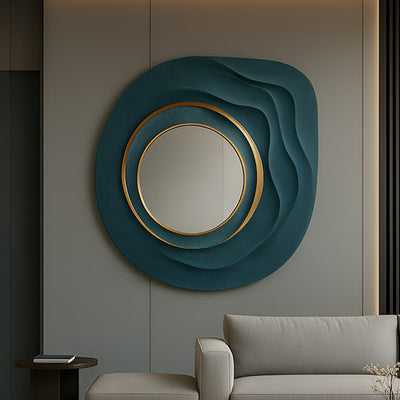
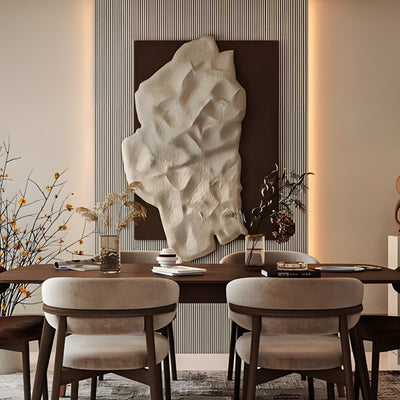
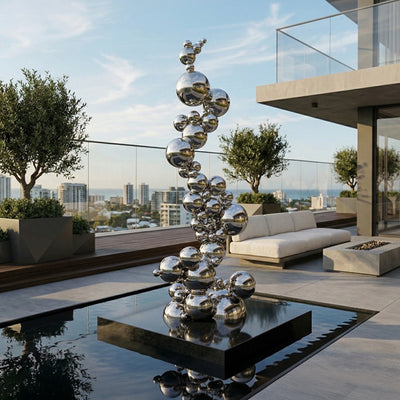
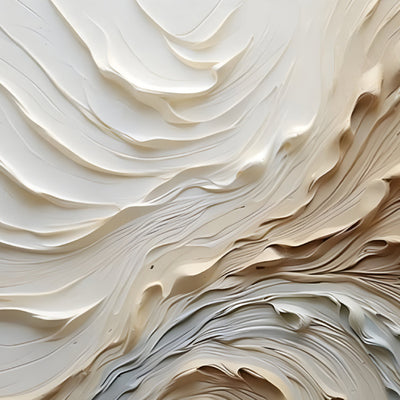
- Textured, three-dimensional designs add depth and intrigue, making them ideal for spaces where flat art might feel too static. Consider using 3D geometric wall hangings to create a tactile focal point.
-
Balance Large and Small Pieces
- Geometric art works well when balanced with other decor elements. In a room with oversized furniture, use large geometric pieces to maintain proportion. In smaller spaces, opt for compact designs that add visual interest without overwhelming the area.

Conclusion
The structured beauty of geometric art makes it a cornerstone of modern design. Its clean lines and bold patterns blend effortlessly with themes such as Animal Art, Landscape Art, and Floral Designs, offering countless possibilities for personalization. Used as a striking centrepiece or part of a curated gallery wall, this art form adds depth and personality to your decor.