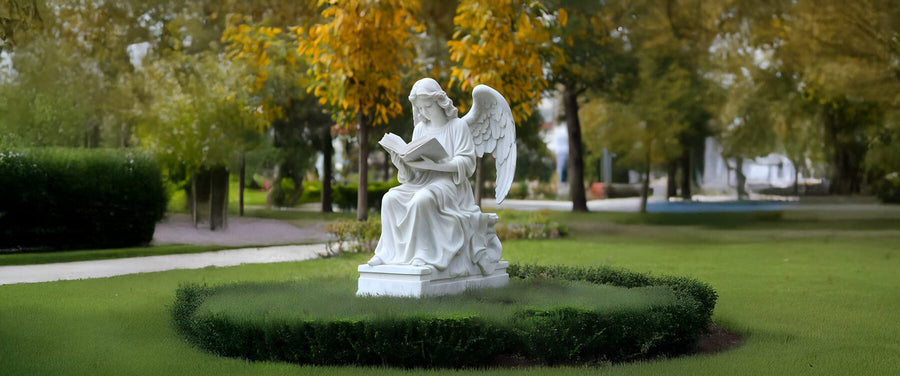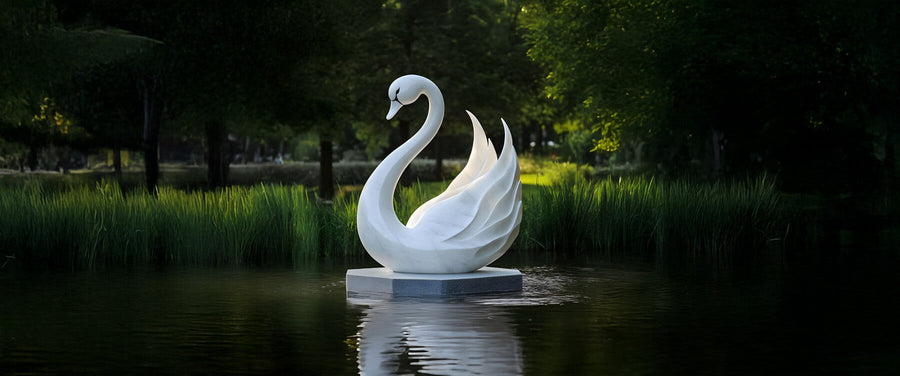


















































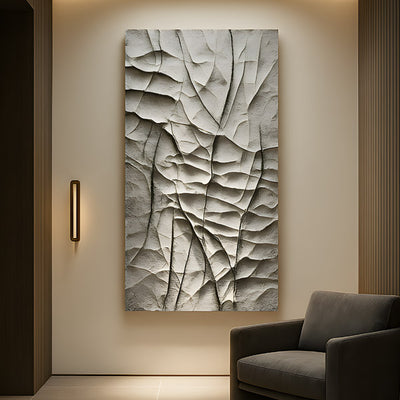
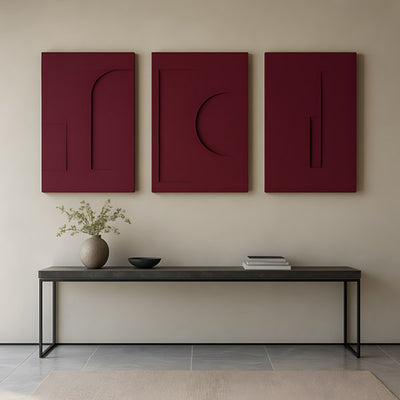


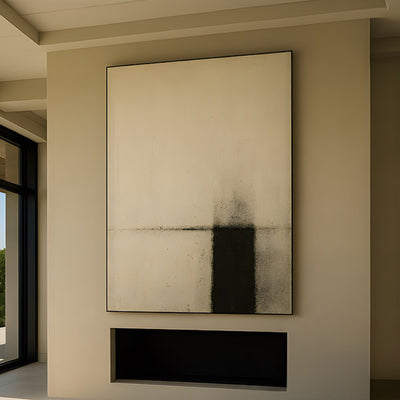
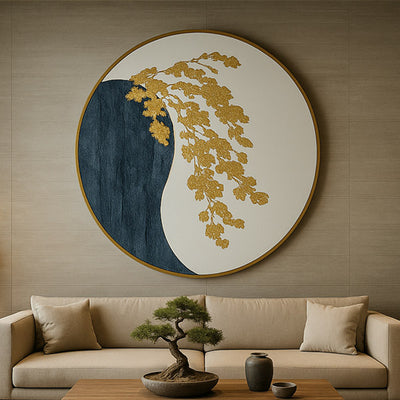















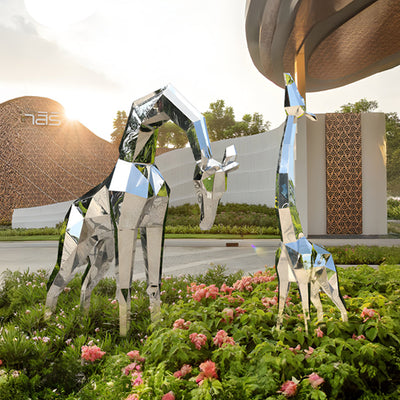











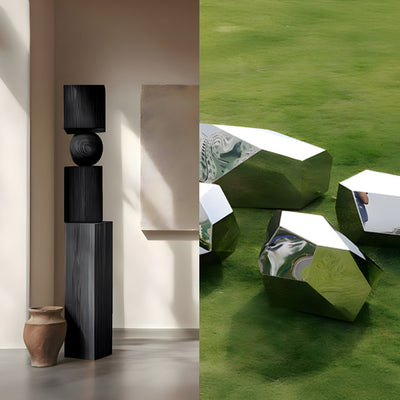


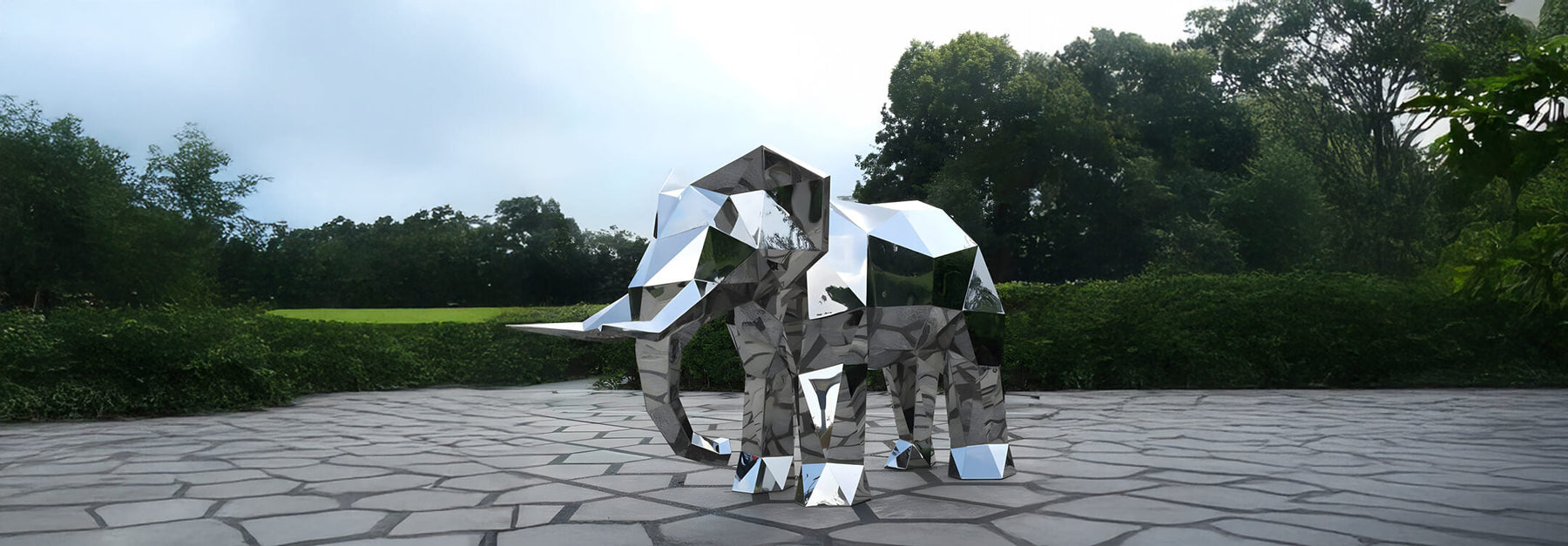

In today's evolving outdoor design scene, incorporating outdoor sculptures can transform a garden or patio into a dynamic space of creativity and character. Whether you are aiming to make a bold statement or add subtle charm to your landscape, these art pieces offer a unique blend of form and function. The following FAQs provide actionable insights into selecting, installing, and maintaining these striking additions, ensuring that every outdoor area becomes a canvas for self-expression.
Key Takeaways
- Match material to climate: bronze and Corten suit coastal sites, marble prefers sheltered, shaded placements.
- Anchor pieces over 200 lbs (90 kg) on a poured concrete pad to prevent tilt or theft.
- Place a focal sculpture at sight lines from the house or path entry, not lost mid-lawn.
- Clean metal twice a year with mild soap; reseal stone annually before winter freeze-thaw cycles.
- Use warm, low-voltage uplighting at 30 to 45 degrees to model form without flattening detail.

Choosing Materials and Design Styles for Outdoor Sculptures
FAQ #1: How Do I Choose the Right Material for My Outdoor Sculptures?
Selecting the appropriate material is crucial for both aesthetic appeal and durability. When deciding on a medium, consider factors like climate, maintenance, and overall style. Materials such as metal, stone, and resin each offer distinct textures and finishes. Metal pieces, for example, can provide a modern edge and are often designed to age gracefully with patinas. Stone works well for a natural, earthy vibe, while resin offers versatility and cost-effectiveness without sacrificing detail. Balancing durability with design is key; invest in high-quality materials that not only withstand environmental challenges but also complement your garden's décor and architectural style.
By choosing materials wisely, you can ensure that your investment in outdoor sculptures remains a focal point of your landscape for years to come.
FAQ #2: What Are the Latest Design Trends and Styles in Outdoor Sculptures?
Today's design trends for garden art embrace a mix of traditional craftsmanship and contemporary innovation. Modern trends lean towards minimalist forms with clean lines and abstract compositions that add sophistication without overwhelming the space. Meanwhile, classical designs, often inspired by nature and mythology, continue to hold timeless appeal. Sustainable art that incorporates recycled materials or eco-friendly practices is also gaining traction, as homeowners seek pieces that reflect a commitment to environmental stewardship. By staying informed about these trends, you can choose designs that not only enhance your landscape but also resonate with current aesthetic sensibilities.
Integrating one of these styles into your collection of outdoor sculptures can create a harmonious dialogue between nature and art.
Placement, Maintenance, and Weather Resistance
FAQ #3: How Can Outdoor Sculptures Enhance My Garden Ambiance?
Artwork in an outdoor setting does more than serve as decoration; it helps set the mood and defines the character of the space. Strategic placement of art pieces can lead to a striking focal point that draws the eye and stimulates conversation. For instance, placing a dramatic sculpture near a water feature or at the entrance of your garden can evoke a sense of arrival and wonder. Consider how different textures and forms interact with natural elements like sunlight, foliage, and water. The interplay of shadows and reflections can further amplify the sculpture's visual impact, creating a dynamic environment that evolves throughout the day.
FAQ #4: What Maintenance Practices Are Essential for Outdoor Sculptures?
Proper care is vital to preserving the beauty and longevity of garden art. Regular cleaning, tailored to the material of your sculpture, is the first step. For metal pieces, gentle washing with non-abrasive cloths and mild detergents can prevent corrosion, while stone sculptures may require periodic sealing to protect against weathering. It's also important to inspect your art after storms or seasonal changes to catch any damage early. Routine maintenance not only keeps the piece looking its best but also safeguards your investment against the harsh effects of environmental exposure.
A regular upkeep schedule ensures that your collection sculptures continues to add value and vibrancy to your landscape year after year.
FAQ #5: How Do I Ensure My Outdoor Sculptures Withstand Various Weather Conditions?
Weather resistance is a primary consideration when selecting and placing art outdoors. Extreme temperatures, moisture, and UV exposure can affect even the most durable materials. Opt for sculptures crafted from weather-resistant materials and finishes designed specifically for outdoor use. Look for products that come with warranties or guarantees regarding their ability to handle fluctuating weather conditions. Consider situating your sculptures in areas that offer some natural protection, such as under pergolas or near trees that can provide shade. These steps help minimize potential damage and ensure your art remains a striking feature regardless of the season.
Integrating, Lighting, and Installing Outdoor Sculptures
FAQ #6: What Strategies Can I Use to Integrate Outdoor Sculptures with My Landscape?
Harmonizing art with nature is all about balance and thoughtful placement. Begin by considering the overall style of your garden, whether it's formal, rustic, or modern, and choose sculptures that echo these design elements. Use natural curves, pathways, and garden beds to frame your art, creating a cohesive narrative throughout your outdoor space. Combining sculptures with complementary landscaping elements like water features, rock gardens, or flowering shrubs can enhance the visual impact. Experiment with grouping several pieces together to form a mini gallery or place a standout piece as a singular focal point. These strategies create an integrated arrangement where art and nature enhance each other.

FAQ #7: What Are the Best Lighting Techniques to Showcase Outdoor Sculptures?
Effective lighting is key to maximizing the visual appeal of art in outdoor settings. Consider using spotlights or directional fixtures to highlight textures and details, especially during the evening hours. Installing low-voltage landscape lighting can add a dramatic effect, creating intriguing shadows and emphasizing the sculpture's contours. Natural lighting should also be taken into account; position your art so it benefits from soft, ambient daylight that enhances its features without causing glare or damage. Experiment with different lighting intensities and angles until you achieve a balanced look that accentuates the sculpture's form and the surrounding landscape.
Optimal lighting turns your outdoor sculptures into visual centerpieces, visible and admired from every angle.
FAQ #8: What Are the Best Practices for Installing and Securing Outdoor Sculptures?
Proper installation is crucial for ensuring both the aesthetic appeal and safety of your garden art. Start by selecting a stable, level surface that can support the weight of the piece. If the sculpture is large or heavy, it may require a concrete foundation or specialized mounting equipment. For wall-mounted pieces, use rust-resistant hardware and secure anchors that can withstand vibrations from wind or passing activity. It's also advisable to consult with a professional installer if you're uncertain about the proper setup, particularly for intricate or valuable pieces. Securing your art not only prevents accidents but also ensures that it remains a long-lasting feature of your outdoor space.

Final Takeaway
Enhancing your landscape with art is a rewarding pursuit that brings both beauty and personal expression into your outdoor living areas. By carefully considering material choices, design trends, maintenance practices, and installation techniques, you create a space that truly reflects your style and withstands the elements. Every decision, from selecting a modern piece that catches the eye to arranging a series of artworks that complement your natural surroundings, adds a layer of sophistication and personality to your garden.