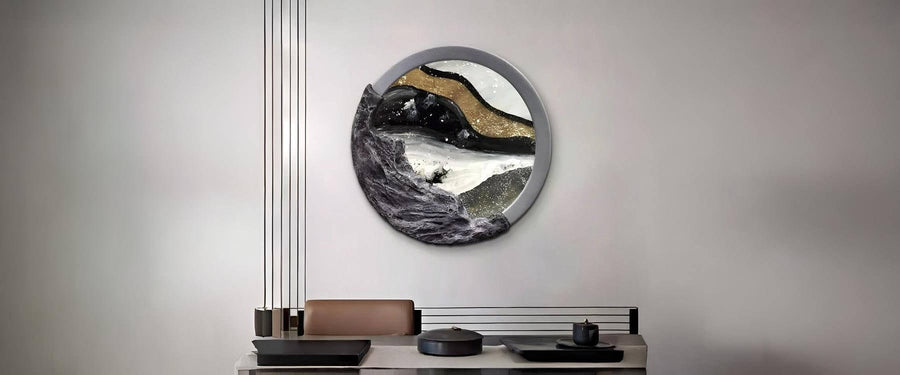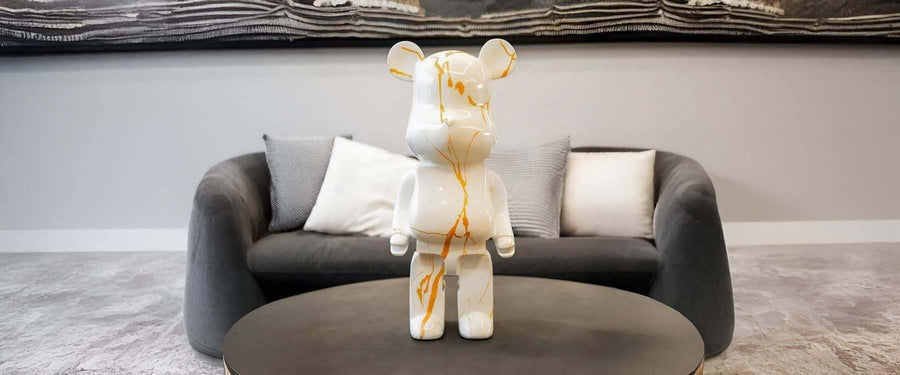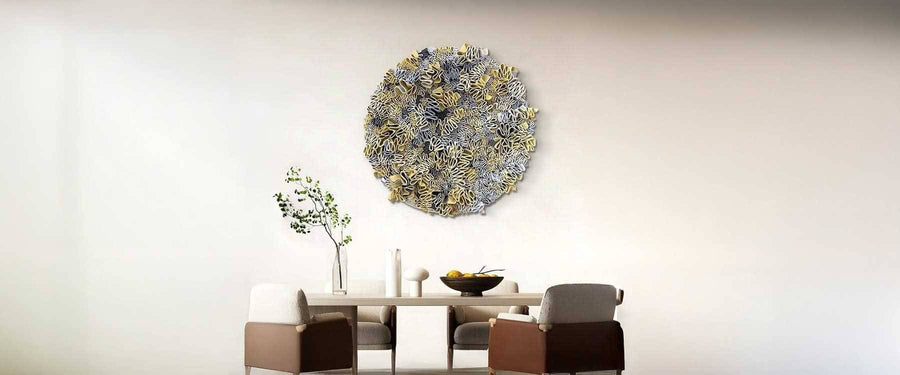


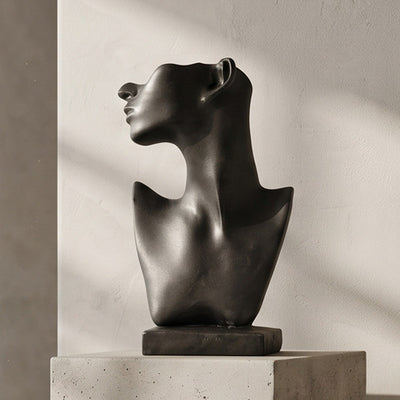














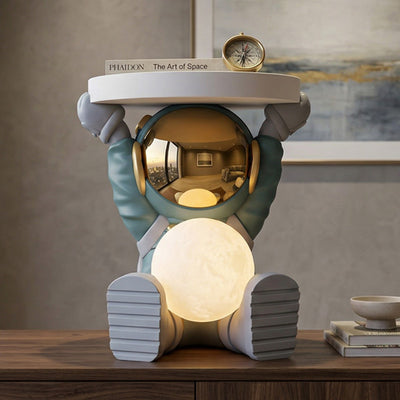

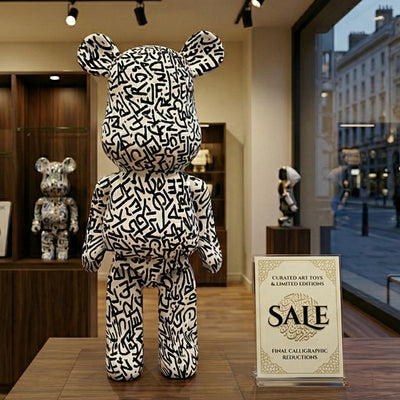
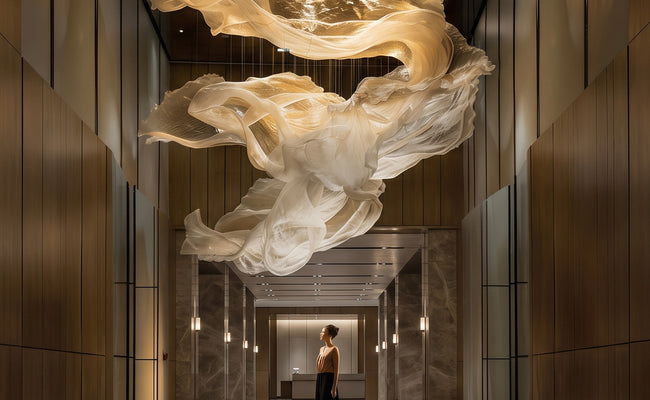
























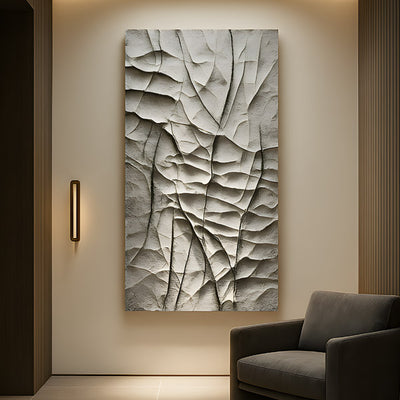
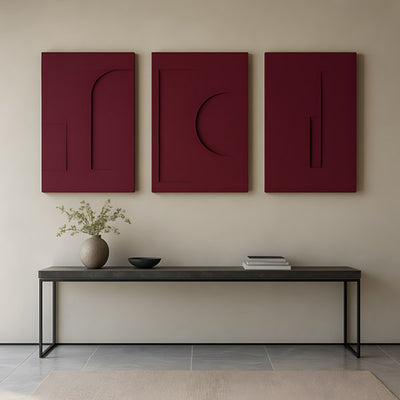

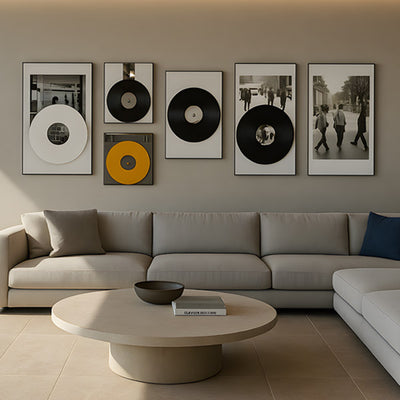
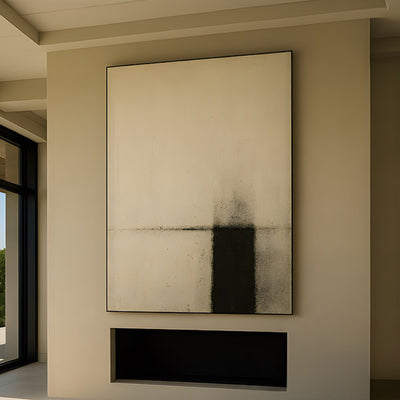
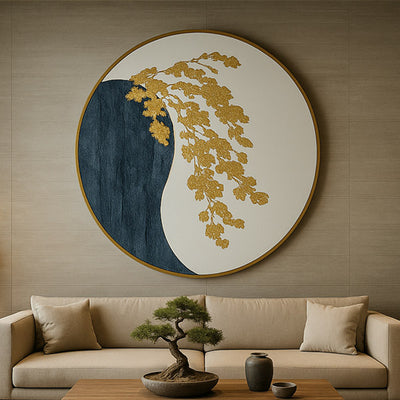
























Interior design is no longer just about furniture, colour palettes, and lighting. Today, art plays a central role in shaping how a space feels and functions. Among the most powerful design elements used in modern interiors are abstract sculptures. Their ability to introduce movement, personality, and depth into a room makes them a favourite choice for designers and homeowners alike.
Unlike traditional figurative art, abstract sculptures do not attempt to replicate reality. Instead, they rely on form, balance, texture, and scale to communicate ideas and emotion. This flexibility allows them to fit effortlessly into a wide range of interiors, from minimalist apartments to large architectural spaces.
When used thoughtfully, abstract sculptures can transform an ordinary room into a striking environment that feels curated and visually engaging. Understanding how they work within interior design helps you choose pieces that elevate your space rather than simply fill it.

Why Abstract Sculptures Work So Well in Interior Design
One of the reasons abstract sculptures integrate so naturally into interiors is their versatility. Because they do not depict a specific object or subject, they complement many design styles without clashing with existing decor.
Interior designers often rely on sculpture to introduce visual weight and spatial balance. A carefully placed piece can draw the eye across a room, creating movement and guiding attention to specific areas.
Abstract forms also create contrast. In rooms dominated by straight architectural lines and flat surfaces, a sculptural piece introduces curves, shadows, and dimension. This contrast prevents interiors from feeling static or overly structured.
Another advantage is emotional impact. Abstract art invites interpretation, encouraging viewers to interact with the space in a more personal way. Rather than simply observing an object, people experience the atmosphere it creates.
The Role of Sculptural Form in Interior Spaces
The shape of a sculpture has a direct influence on how a room is perceived. Abstract sculptures, in particular, use form and proportion to shape the visual rhythm of a space. Tall vertical sculptures emphasise ceiling height and add elegance to narrow areas such as entryways or corridors. Wide horizontal forms, on the other hand, ground a room and create stability.
Scale also plays an important role. A large sculpture can serve as a focal point that anchors the entire design scheme. In contrast, smaller pieces can be grouped together to form curated displays that add subtle layers of interest.
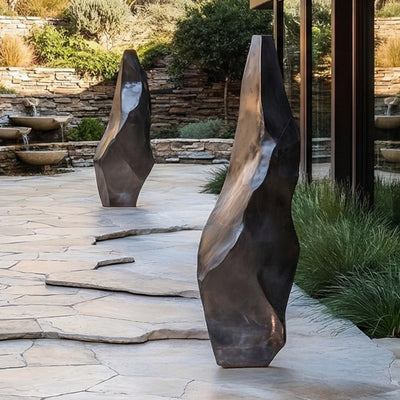
Many designers favour organic sculptures because their flowing forms soften rigid architectural environments. Curved silhouettes introduce a sense of movement that balances the straight lines often found in modern interiors. These shapes can make a space feel calmer and more inviting without overwhelming the overall design.
By carefully selecting sculptural forms, designers shape the rhythm of a room and influence how people experience it.

Materials That Influence the Look of a Space
Material choice is just as important as shape. Different materials reflect light differently and contribute unique textures to a space.
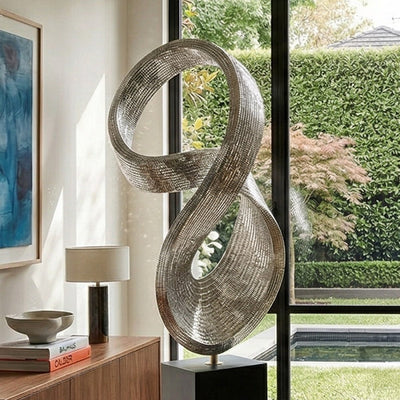
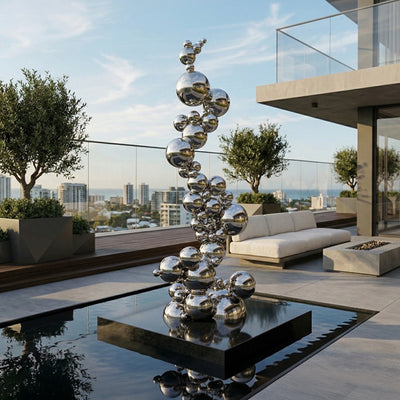
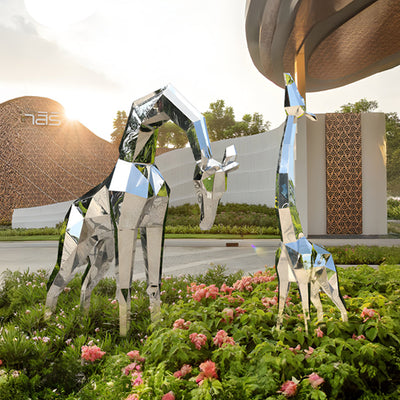
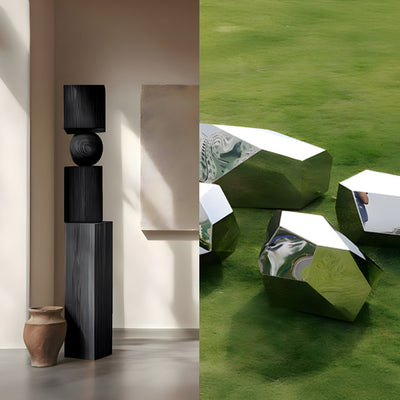
Metal sculptures are particularly popular in contemporary interiors. Their reflective surfaces interact with natural and artificial lighting, creating subtle shifts in brightness throughout the day, stainless steel sculptures in particular are widely used because they combine strength with a sleek modern aesthetic. Their clean surfaces complement minimalist design while still providing a strong artistic presence.
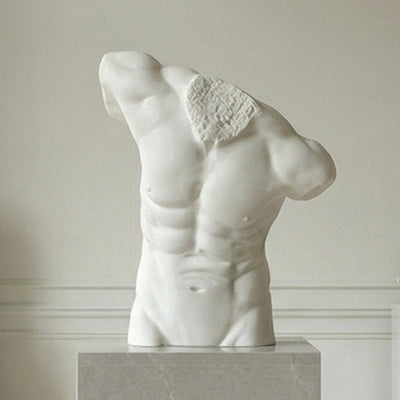
Stone sculptures offer a completely different effect. Their natural textures introduce warmth and authenticity, making them ideal for interiors that emphasise natural materials.
Glass and resin sculptures create lighter visual impressions. Because they allow light to pass through or reflect softly, they are often used in smaller rooms where heavy materials might feel overwhelming.
The choice of material influences not only the sculpture itself but also how the surrounding room feels.

Strategic Placement: Where Sculptures Make the Biggest Impact
The placement of a sculpture determines how effectively it enhances the space. Positioning is not just about filling an empty corner; it involves understanding sightlines, lighting, and movement within a room.
Common locations where sculptures make the strongest impact include:
Entryways: where a statement piece immediately defines the atmosphere of the home
Living rooms: where sculptures complement furniture arrangements and act as conversation pieces
Staircases and landings: where vertical sculptures highlight architectural flow
Hallways: where smaller pieces guide movement through the space
Open-plan interiors: where large sculptures help divide visual zones without using walls
Lighting also plays a crucial role. When properly illuminated, sculptures cast shadows that emphasise their shapes and textures. Spotlights or directional lighting can turn even a modest piece into a dramatic focal point.
Careful placement ensures the sculpture feels integrated rather than accidental.
Creating Balance Between Art and Furniture
A common mistake in interior design is treating abstract sculptures as decorative accessories rather than structural elements. In reality, sculptures should interact with furniture and architectural features.
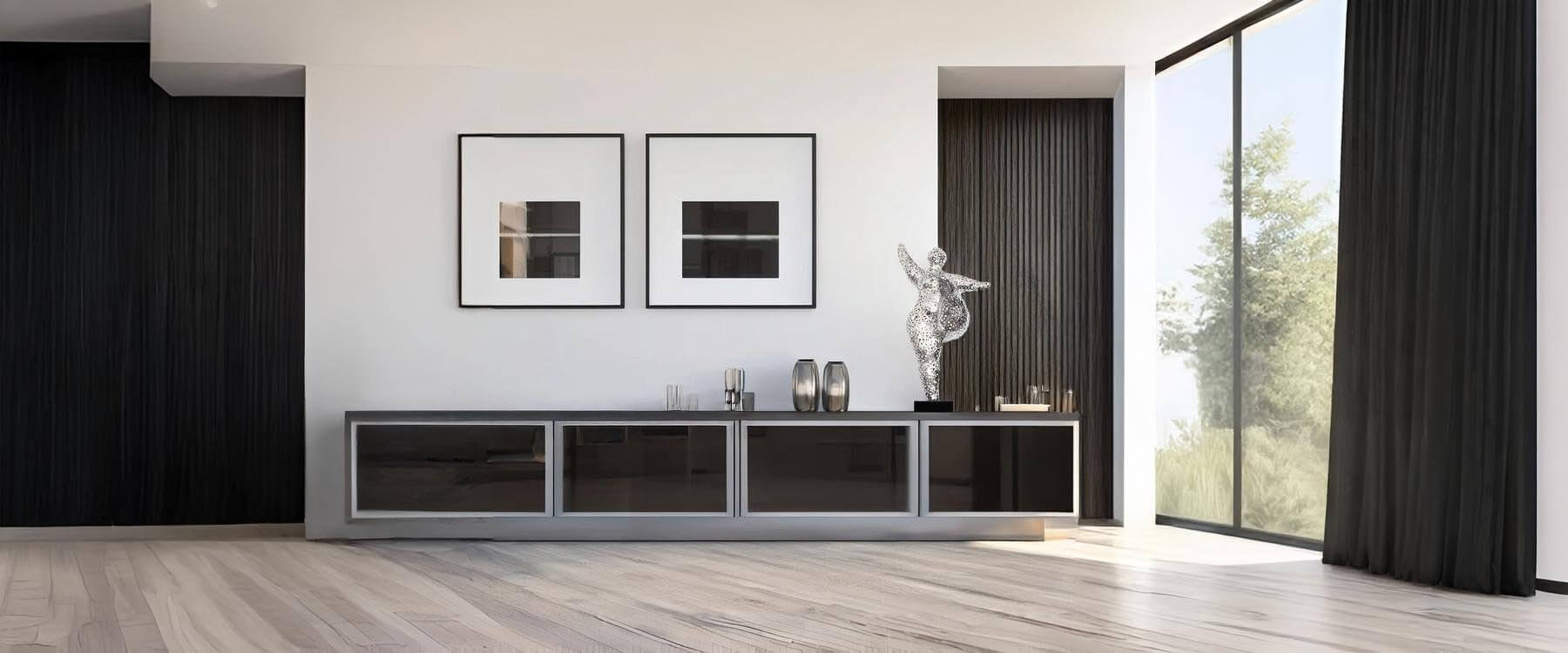
For example, a sculptural piece placed beside a sofa can balance the height of the seating area and prevent the space from feeling visually flat. In dining rooms, sculptures positioned on sideboards or consoles introduce depth that complements table arrangements.
Spacing is equally important. Sculptures need room around them to be appreciated properly. When objects are crowded together, their shapes become harder to read, reducing their impact.
Maintaining balance between art and furniture ensures the sculpture remains a highlight rather than getting lost among other objects.

How Sculptures Shape the Atmosphere of a Room
Beyond visual impact, abstract sculptures influence the emotional tone of a space. Different forms and materials evoke different moods.
Smooth curved shapes often create a sense of calm and fluidity, making them suitable for relaxing environments such as living rooms or reading areas. Angular geometric sculptures, by contrast, bring energy and modernity to spaces like offices or contemporary lofts.
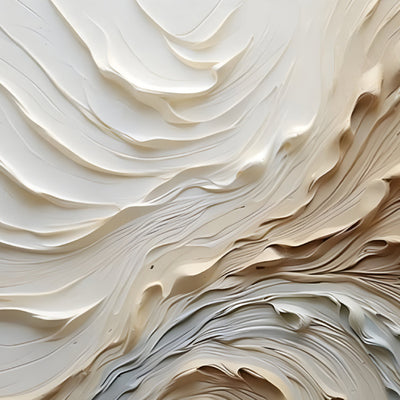
Texture also contributes to atmosphere. Highly polished surfaces feel refined and sophisticated, while rough or raw materials introduce authenticity and depth.
When designers select sculptures carefully, they shape how people feel when they enter a room.
Choosing the Right Abstract Sculpture for Your Home
Selecting the right abstract sculpture involves more than choosing something visually appealing. The piece must work with the overall design of the room.
Consider the following factors before making a decision:
Scale: The sculpture should match the size of the room and surrounding furniture.
Material: Choose materials that complement the existing palette of wood, metal, or stone in the space.
Style: The sculpture should enhance the interior design rather than compete with it.
Lighting: Ensure the piece can be properly illuminated so its shape and texture are visible.
Placement: Think about how people will move around the sculpture and view it from different angles.
Taking these elements into account ensures the sculpture contributes to the overall harmony of the interior.

Why Sculptural Art Is Becoming Essential in Modern Homes
As interiors become more minimal and architecture becomes more open, the role of art becomes increasingly important. Abstract sculptures add character without introducing visual clutter, making them a natural fit for contemporary interior design.
Unlike paintings, which are limited to walls, sculptures occupy physical space. They interact with light, perspective, and movement in ways that two-dimensional artwork cannot.
This is why many designers treat sculptures as architectural components rather than decorative objects. Abstract sculptures help define spatial relationships, create focal points, and guide how people experience the environment.
In modern homes where simplicity is often the goal, sculptures provide personality and depth.

Conclusion: Elevating Interior Spaces with Sculptural Design
Abstract sculptures have become a defining feature of contemporary interior design because they combine artistic expression with spatial function. Through their shapes, materials, and placement, they influence how rooms feel and how people interact with their surroundings.
When chosen carefully, a sculpture can anchor a living space, soften architectural lines, and introduce a unique sense of movement within the room. From reflective metals to flowing organic forms, abstract sculptures help transform interiors from simple living areas into curated environments that feel intentional and visually engaging.
If you are looking to introduce statement pieces that bring character and sophistication into your home or architectural project, exploring large-scale sculptural art can be a powerful step. Discover unique designs and contemporary installations at Giant Sculptures, where striking works are created to elevate both interiors and architectural spaces.