



















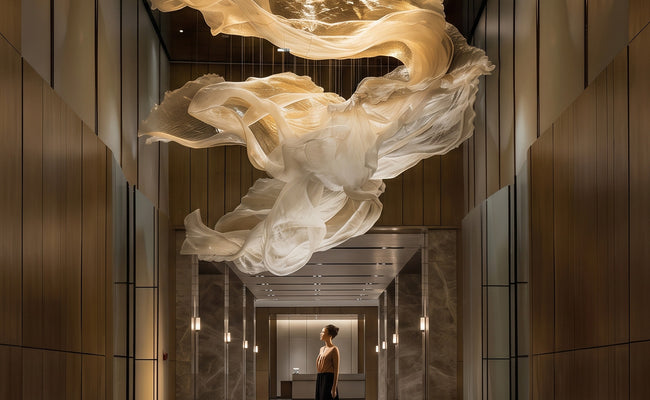

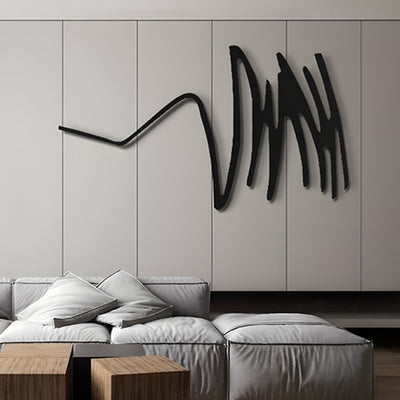

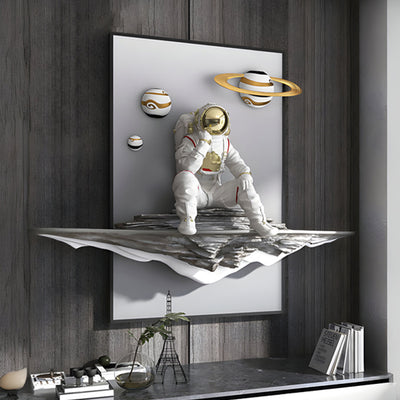

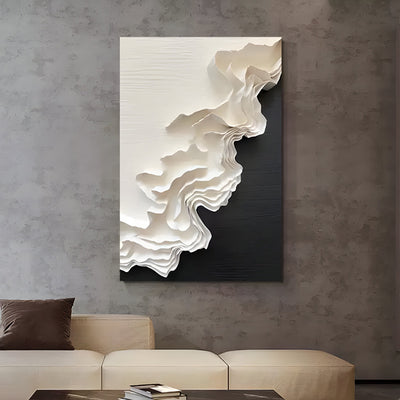
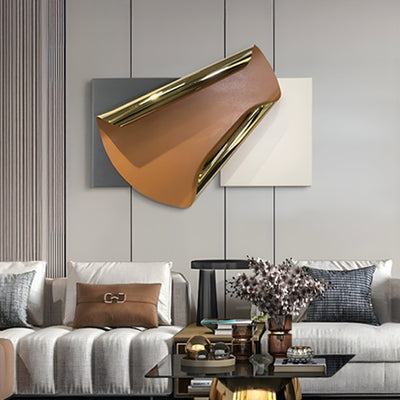
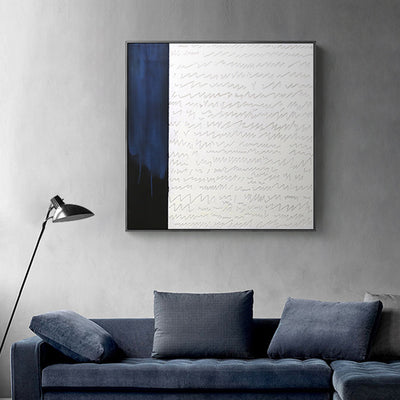
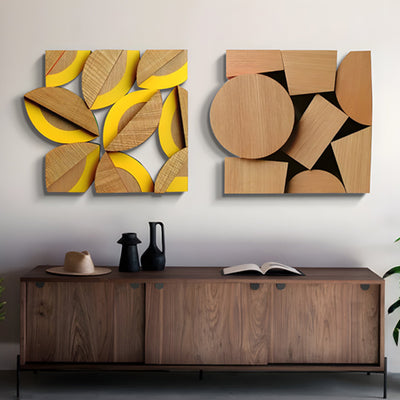

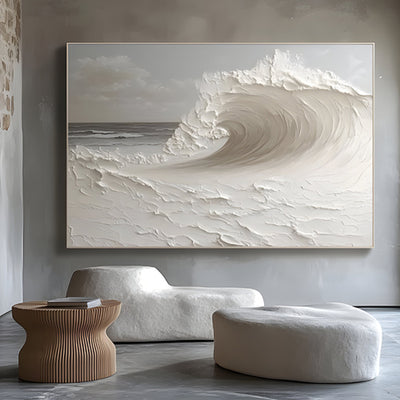
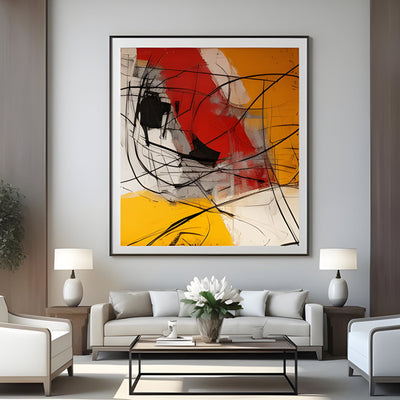
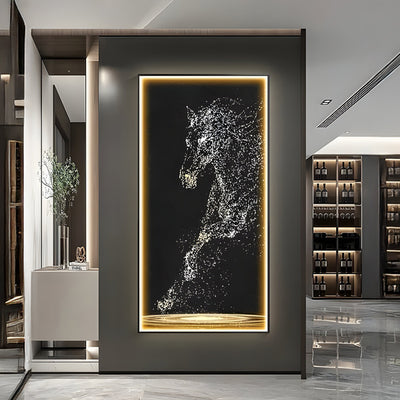
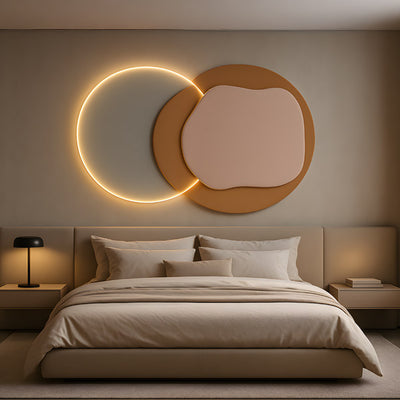
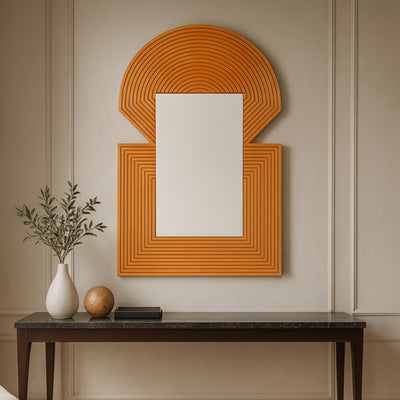
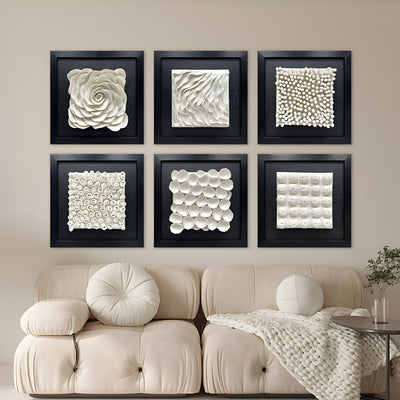
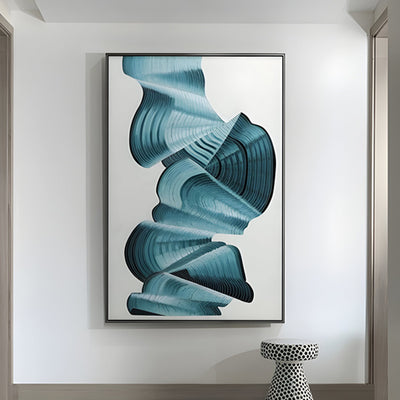
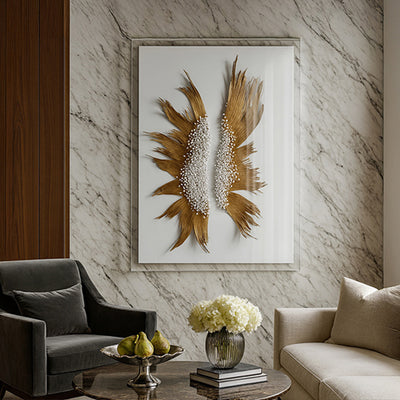
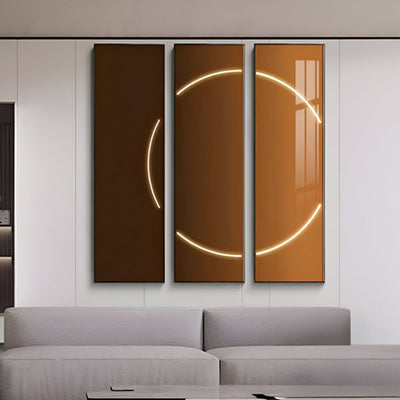
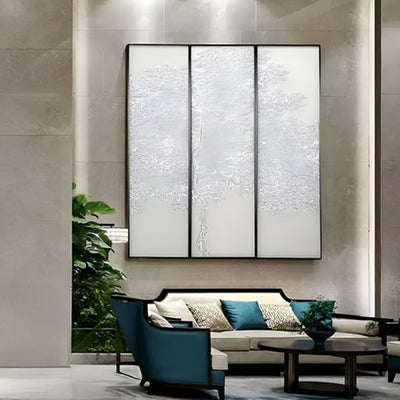
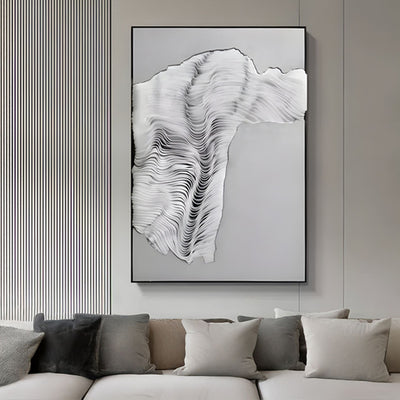
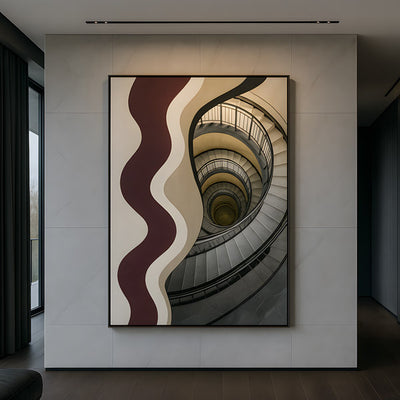
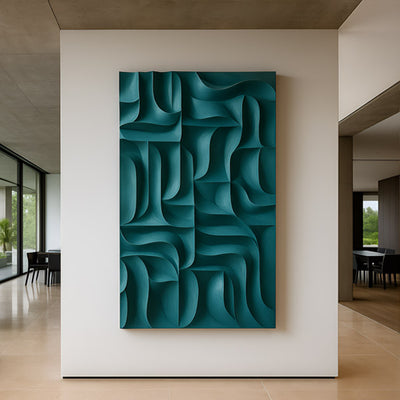
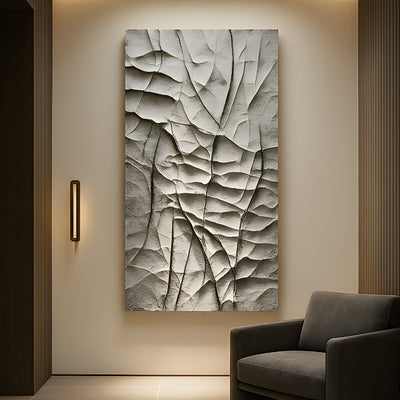
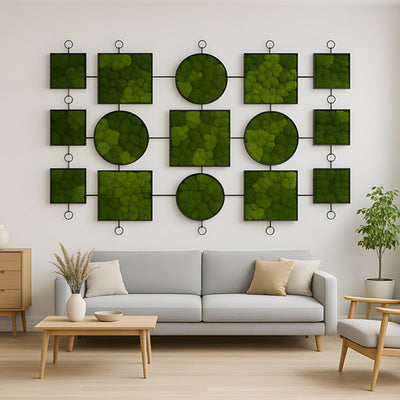
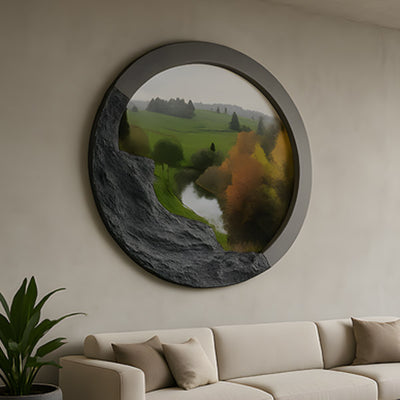
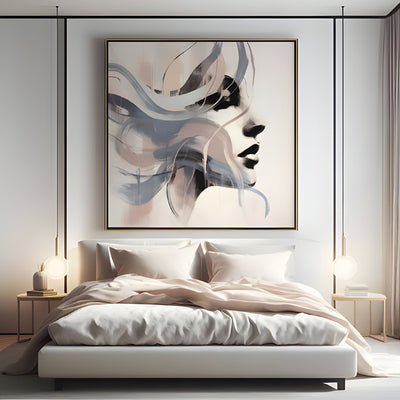
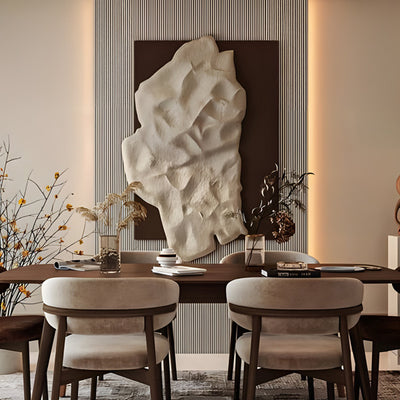
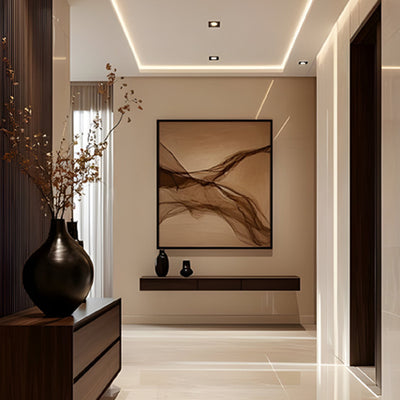
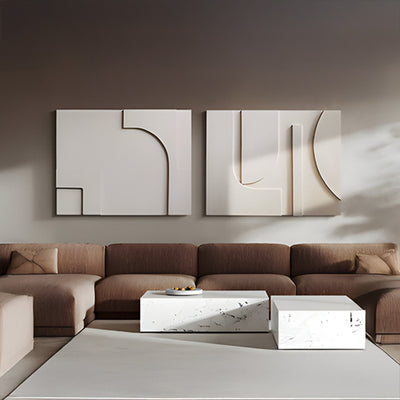
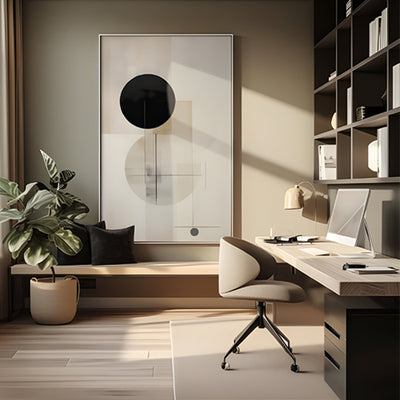








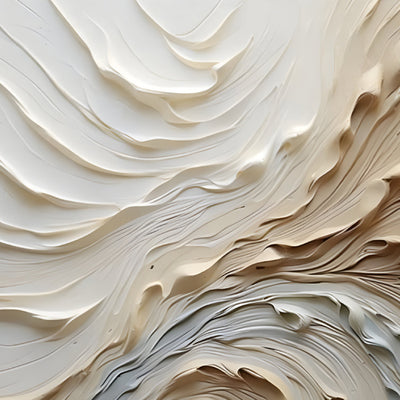
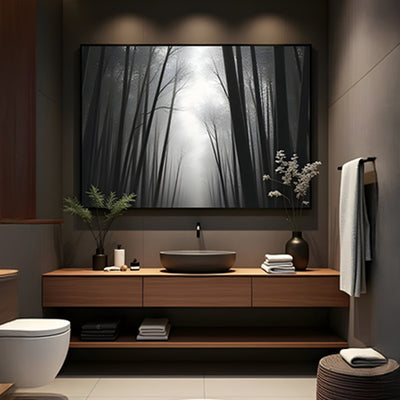
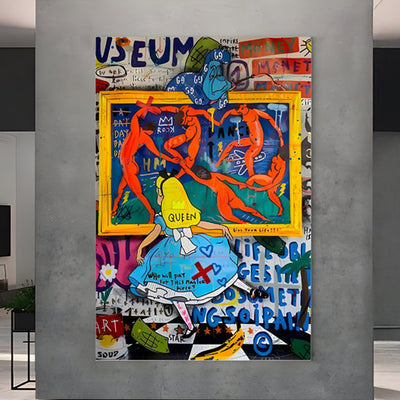
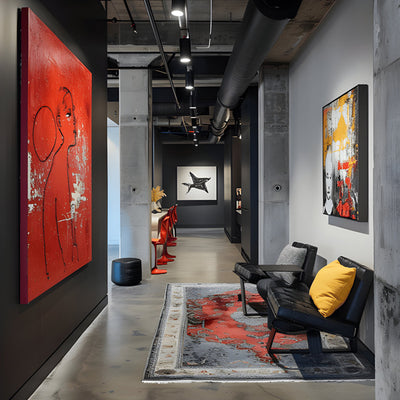
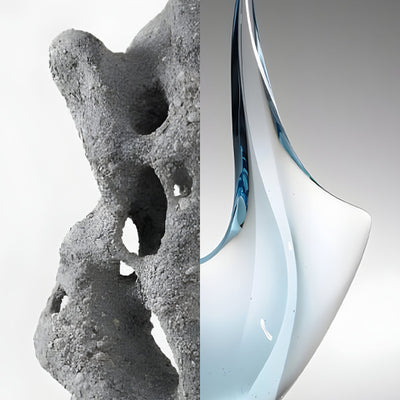



Most people judge 3D abstract wall art before they have put their keys down. They see it from the front door or the far end of a hallway, at a distance where fine detail disappears and only shadow, silhouette and color survive. If the piece works there, they walk closer. If it fails there, no amount of careful surface work will rescue it. A relief is decided by its wall, its light and its viewing distance far more than by the catalog photo.
Looking for the full range in this category? Browse our Wall Art & Wall Decor collection for every available finish, size, and configuration.

Quick Answer
Judge the piece from your furthest regular viewpoint first, usually 15 to 20 feet (4.5 to 6 meters).
Shallow relief suits seating areas. Deep relief suits hallways and passing views.
End walls usually beat side walls in corridors, because light can rake across the surface.
Over a mantel, hang lower than instinct suggests. Over a console, relate the piece to the furniture, not the ceiling.
Test with painter's tape and a flashlight before anyone drills.
The Doorway Glance: Why 3D Abstract Wall Art Makes Its Case From 20 Feet
At about 20 feet (6 meters), a relief stops reading as an object and becomes a pattern of light and dark. The eye picks up overall mass, the direction of the main shadows and the contrast between piece and wall. A pale relief on a pale wall can vanish entirely at that range, while a darker layered piece on warm white holds its outline from the next room.
Makers have always worked this way. Architectural friezes were cut knowing they would be read from below and at distance, which is why the history of relief sculpture is really a history of viewing angles. In our studio we photograph finished wall pieces from the workshop door before they are crated. That one distant photo predicts a client's reaction better than any close-up we have ever taken.

Shallow Relief Rewards the Sofa, Deep Relief Rewards the Hallway
The difference between low and high relief matters more at home than most buyers expect. Shallow 3D abstract wall art, projecting an inch or two (2.5 to 5 cm), gets its interest from line, edge and color. You need to sit with it. For the wall opposite a sofa or above a reading chair, a fine-lined acrylic relief such as Tessera Blush Rose & Mulberry Line Acrylic 3D Wall Art suits that slower look better than anything heavily stacked, because the eye has time to follow each layered line.
Shallow relief earns its keep where people sit and look for a while.
Deep relief does the opposite job. Layers that stand several inches proud throw shadows you can see while walking past, so the piece changes as you move. Where a wall is mostly seen in passing, on a hallway or stair landing, stacked metal planes like those in Oscura Stratum Layered Black Abstract Metal Wall Art are closer to the right design language: they reward a moving viewer rather than a seated one.
Corridors Flatten Texture, End Walls Let the Shadows Stretch
Side walls in corridors are where good reliefs go to disappear. You only ever see them obliquely, from too close, under ceiling downlights that hit straight on and cancel every shadow. A client in Austin learned this with a layered steel panel hung along a 4-foot-wide (1.2 m) corridor. It looked flat for a month. We suggested moving it to the end wall facing the entrance, with a single wall-washer angled from one side, and the same piece suddenly read as sculpture.
End walls give 3D abstract wall art a head-on approach and room for light to graze the surface. They are also where scale pays off: a sweeping horizontal piece of around 7 feet (220 cm), such as Peach & Teal Comet Trail Wall Art - 220cm, needs that full approach to register as one continuous gesture rather than a fragment glimpsed from the side.
An end wall with angled light lets deep layers read from the full length of the corridor.

Over a Fireplace or a Console: How Hanging Height Changes What the Relief Shows
For wider placement ideas, Large Metal Wall Art Comes in Pieces: What Good Seams, Gauge and Scale Look Like is useful companion reading before finalising the setting and sightlines.
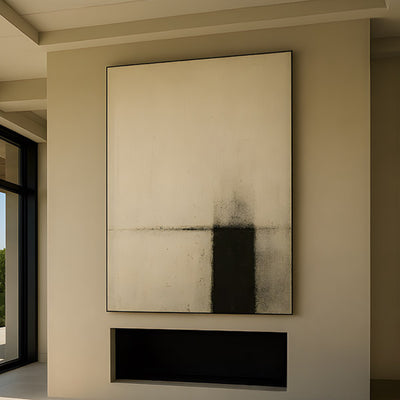
Gallery convention puts the center of a work around 57 to 60 inches (145 to 152 cm) from the floor. A mantel overrides that. Leave roughly 6 to 10 inches (15 to 25 cm) between mantel and frame edge; any higher and you look up at the underside of each layer, so the shadows drop below the forms and the piece starts to feel top-heavy. Above a working fireplace, choose metal 3D abstract wall art over acrylic or paper pieces, which do not appreciate rising heat.
A console is more forgiving. Aim for a piece around two-thirds the console's width, hung 8 to 12 inches (20 to 30 cm) above the surface so the two read as one composition. Raise it to align with a ceiling line instead and the relief floats away from the furniture that was meant to anchor it.
Triptychs: Rhythm From Across the Room, Clutter at Arm's Length
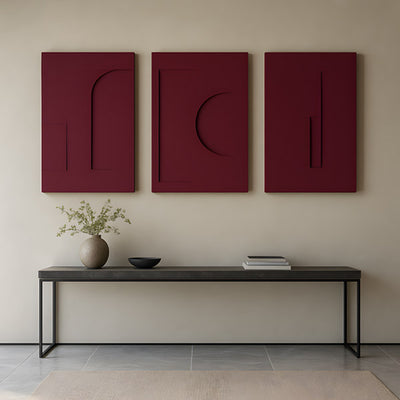
Split into three panels spaced 2 to 4 inches (5 to 10 cm) apart, 3D abstract wall art creates a beat when seen from the far side of an open-plan room. Up close, the eye bounces between six edges and loses the forms. Use triptychs on long walls you mostly view from a distance, such as a dining wall seen from the living area. Skip them in powder rooms, narrow stairwells and anywhere you stand within 5 feet (1.5 m) most of the time.
Testing the Wall First: Painter's Tape, a Flashlight and Three Standing Points
Tape the outline of the piece at its true size, including any triptych gaps.
Mark three standing points: the doorway, the main seat and the closest regular pass.
After dark, hold a flashlight where your real light sources sit and hold a crumpled sheet of paper inside the outline. Watch where shadows fall.
Check the same wall at morning and late afternoon for side light from windows.
Confirm studs, wiring and wall construction can take the weight, especially for metal wall art.
Photograph the outline from each standing point and compare the doorway shot first.

Choosing or Commissioning 3D Abstract Wall Art
Once the wall is tested, the decision gets simpler. Weigh these criteria:
Viewing distance: far views need bold mass and contrast; close views can carry finer line.
Light direction: side light favors deep layers; flat overhead light favors color and edge.
Material: steel and layered metal for heat, traffic and longevity; acrylic and paper craft for calm, dry interiors.
Weight and fixing: plan the hanging system before you fall for the piece.
The 3D wall art collection covers both shallow and layered options, while the metal wall art range is the better starting point when depth and durability come first. If nothing fits the wall exactly, Giant Sculptures can make a bespoke piece, adjusting layer depth, finish and scale to your viewing distance. Send us a photo of your taped outline from the doorway; budget depends on material, scale, complexity, engineering, installation and finishing, so we quote each commission individually.