










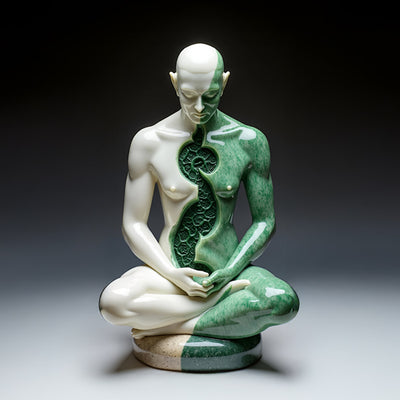
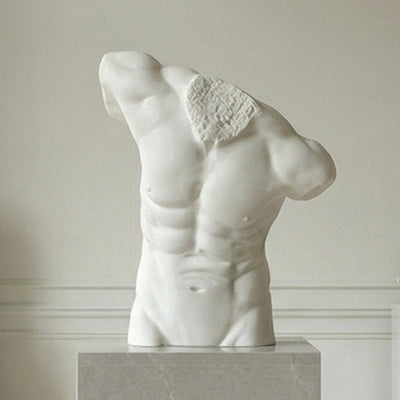
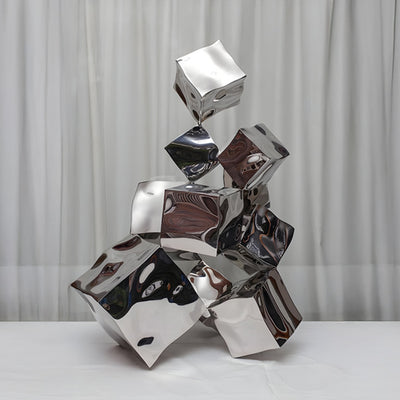


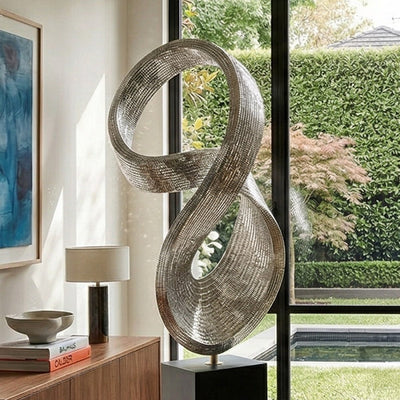
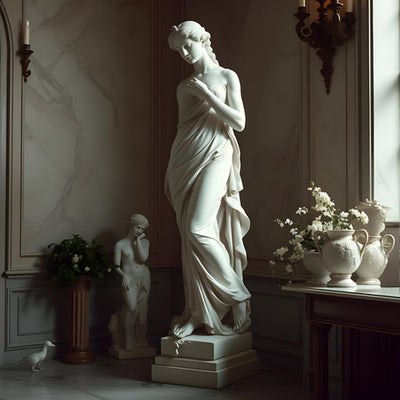
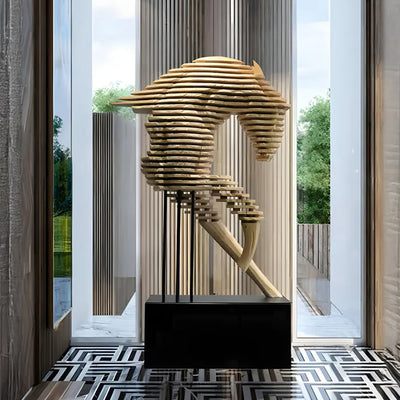
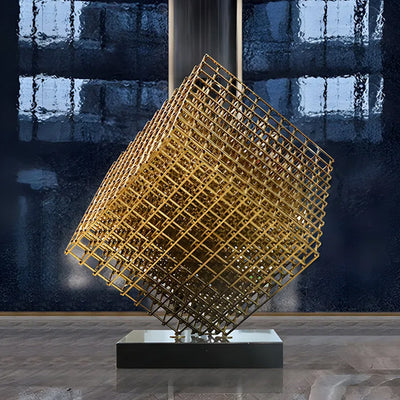
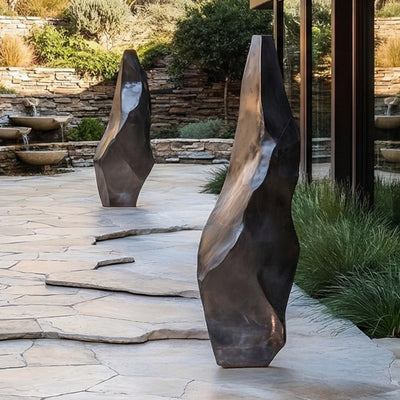













Most abstract pieces fail not because the idea is weak, but because two materials were forced together that age at different rates. A patinated bronze form set against untreated steel, a resin panel screwed onto raw timber, a stone base under a metal figure with no thought for how water will drain; these mismatches show up within a couple of seasons. A mixed media abstract work done well behaves like one object, even though it is made of several. That coherence is the whole point, and it is harder to achieve than it looks.
Getting it right starts with understanding what you are actually buying and where it will live.

What Mixed Media Abstract Means and Who It Suits
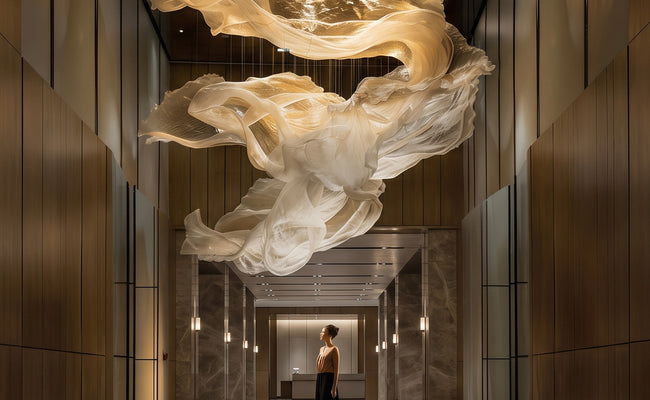
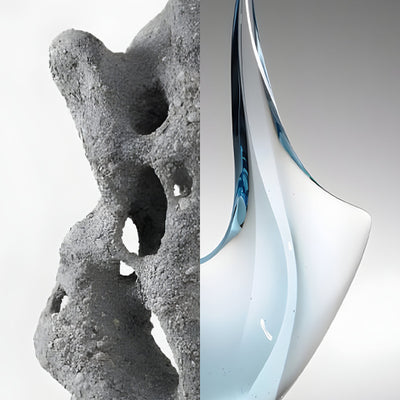
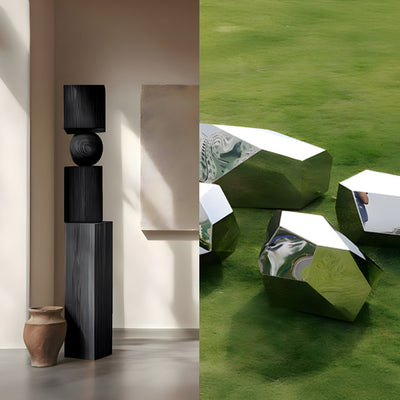
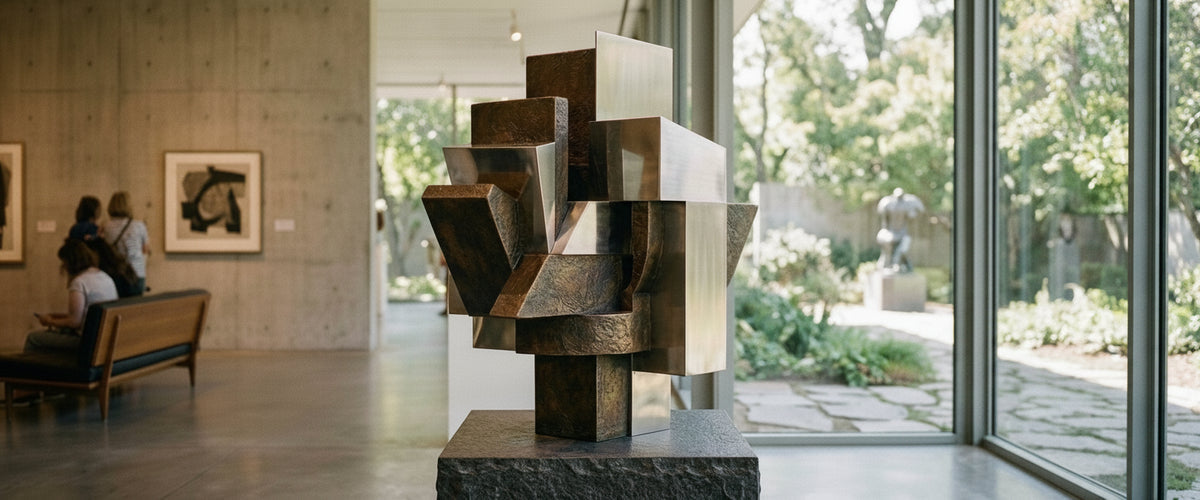
Mixed media abstract simply means a non-representational piece built from more than one material. Think bronze combined with polished stainless steel, or Corten steel paired with cast glass, or a stone plinth carrying a welded metal form. The abstraction lets the materials do the talking; there is no figure or face to anchor the eye, so texture, contrast, and light become the subject.
Key takeaways:
- Mixed media abstract combines two or more materials in a non-representational form; contrast and texture carry the work.
- Material pairings must age at compatible rates, especially outdoors.
- Scale decisions should follow the site, not the studio photo.
- Placement is about sightlines and light, not just floor space.
- Bespoke commissioning lets you control material, finish, and proportion from the start.
It suits buyers who want a statement without narrative; collectors furnishing a modern home, landscape designers working on a large garden, and venue owners who need a focal point that reads well from a distance. If you like the idea of a piece that shifts as you walk around it, this is the category to look at.

Key Materials, Finishes, and Scale Decisions
The materials you pair define both the look and the maintenance load. Bronze is the workhorse of durable abstract work; it takes patina beautifully and lasts for generations outdoors when cast and finished properly. Where a single cast material needs to carry two moods at once, a form like the Large Modern Abstract Bronze Sculpture (94cm) does the work through polished and patinated zones on the same body, which is a useful reference before you commit to a second material.
Where you introduce a second material, think about how the two will move. Metals expand and contract with temperature; stone and glass barely do. That difference matters at the joint. A well-engineered piece isolates those movements so nothing cracks or loosens over time. The Getty Conservation Institute has published extensively on the conservation of outdoor sculpture, and its guidance is worth reading before you commit to an outdoor pairing (Getty Conservation Institute).
On finishes, decide early whether you want the materials to contrast or blend. A brushed steel element beside a dark bronze reads as deliberate tension. A raw Corten surface next to weathered stone reads as a single quiet gesture. Both work; they just say different things.
Scale: Read the Site, Not the Photo
For wider placement ideas, Large Abstract Garden Sculptures: A Buyer's Guide to Scale, Metal, and Placement is useful companion reading before finalising the setting and sightlines.
The most common mistake we see is buyers picking scale from a studio image. A form that looks commanding on a white plinth can vanish in a large garden or overwhelm a narrow hallway. As a rough starting point, an outdoor abstract piece meant as a garden focal point usually needs to stand at least 5 to 7 feet (1.5 to 2.1 m) to hold its ground against planting and sky. Indoors, ceiling height and viewing distance matter more than raw square footage.
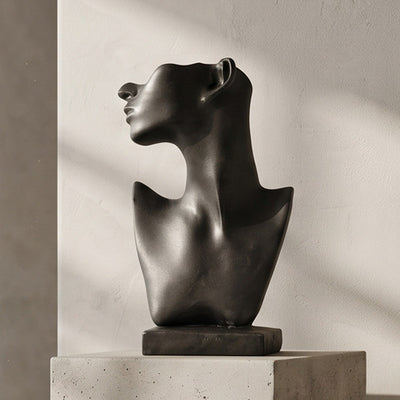
If you want abstraction with a hint of the figurative, the Large Modern Abstract Face Fragment Bronze Sculpture (180cm) shows how scale changes the reading; at nearly 6 feet it becomes architectural rather than decorative. Where a site can carry a fully monumental statement, something on the order of the Monumental Contemporary Abstract Female Figure Bronze Sculpture (220cm) shifts the reading again, from focal point to landmark.

Where to Place Mixed Media Abstract for the Strongest Impact
Abstract work lives or dies on sightlines. Because there is no obvious "front," you want a spot that lets people move around it or at least see it from more than one angle. That is why these pieces reward island placement, a lawn, a courtyard, a wide entrance hall, over a piece pushed flat against a wall.
Light is your other lever. Raking light across a textured metal surface at low sun angles will pull out every ridge and hollow; flat midday light flattens the same piece. On one courtyard commission, the owner moved the intended position by roughly ten feet after we suggested tracking where the afternoon light landed, and the piece reads twice as strongly for it. Spend a few evenings watching how light crosses the site before you fix a plinth.
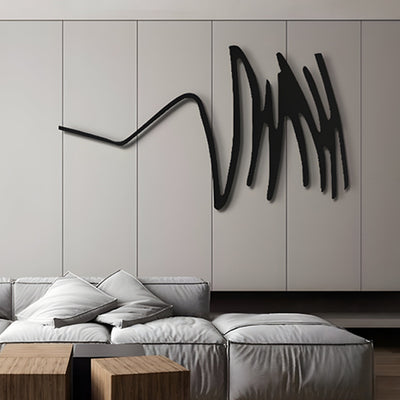
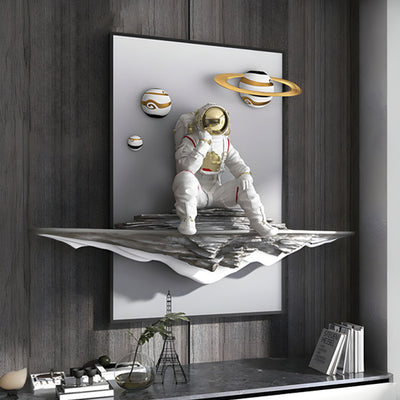
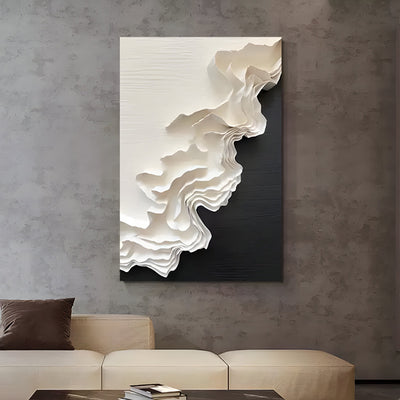
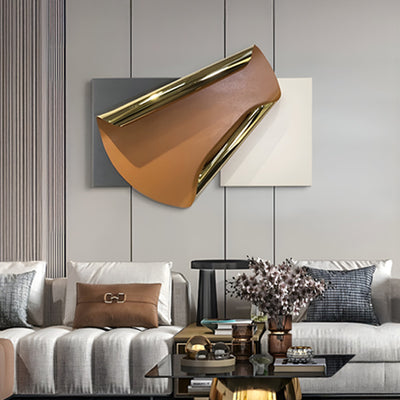
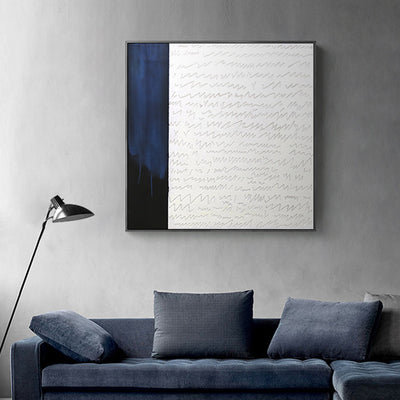
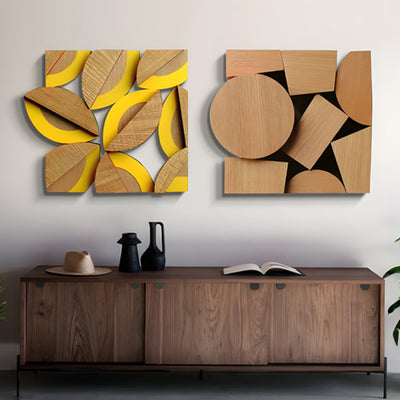
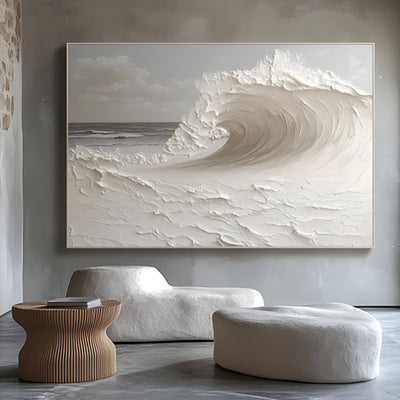
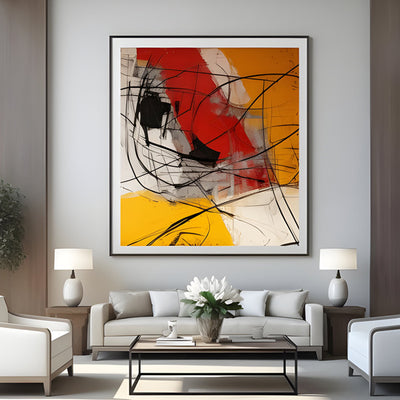
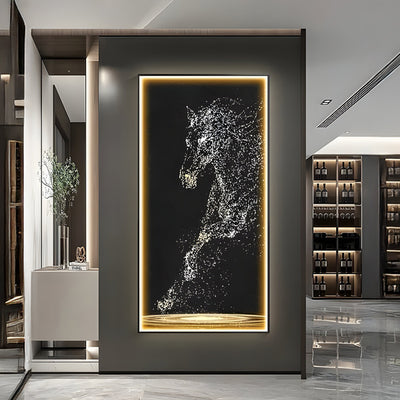
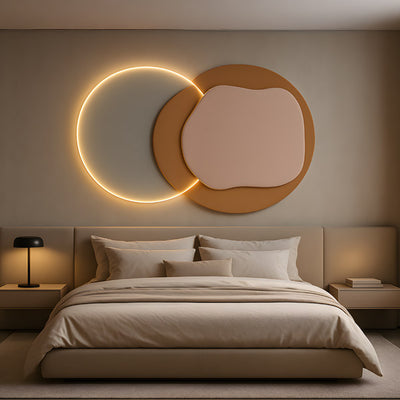
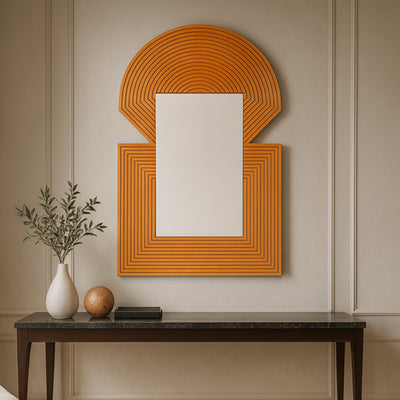
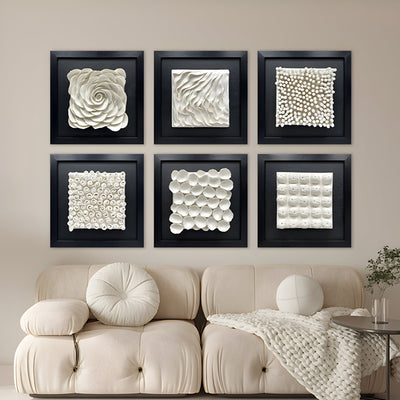
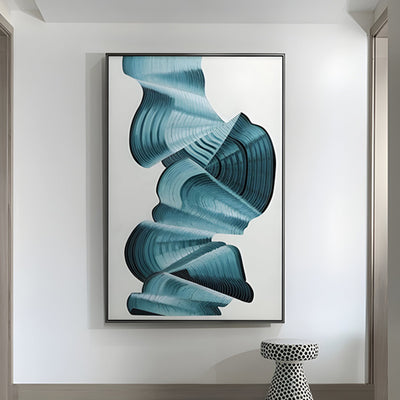
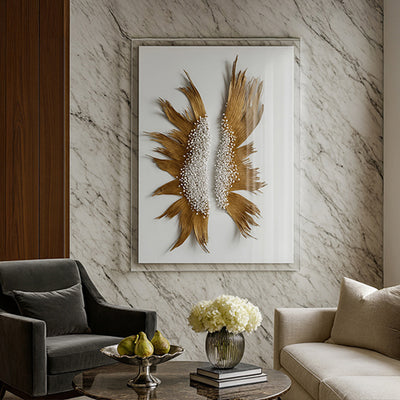
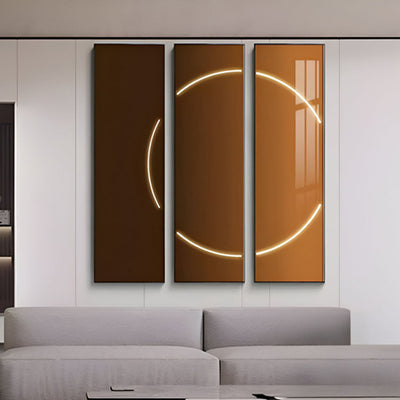
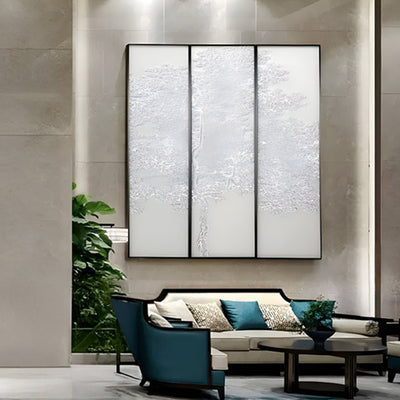
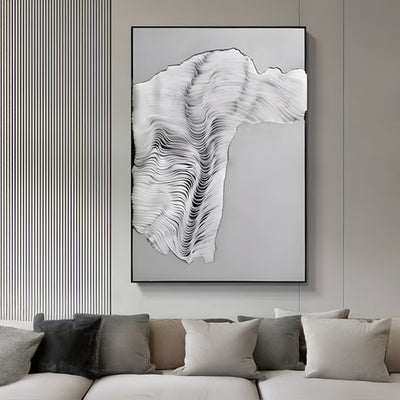
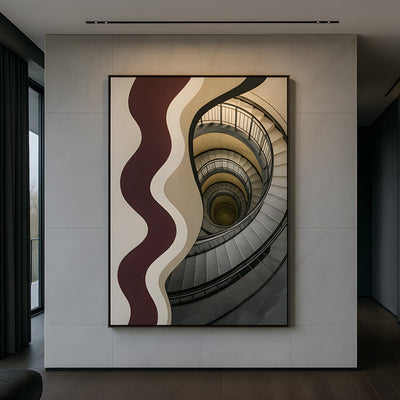
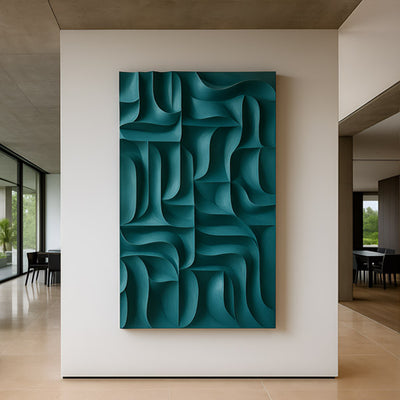
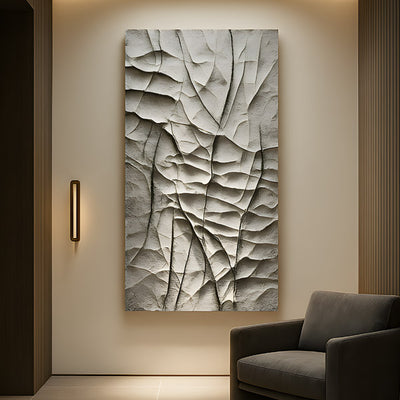
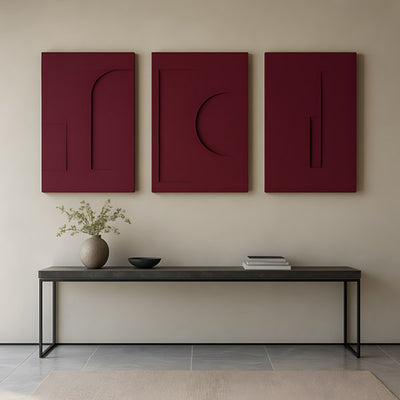
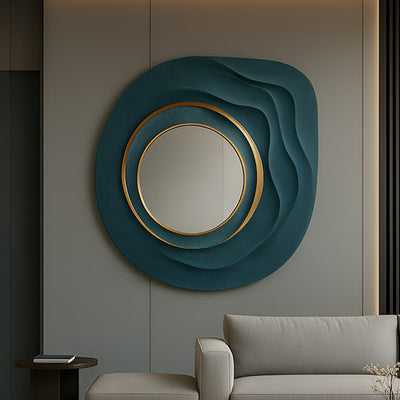
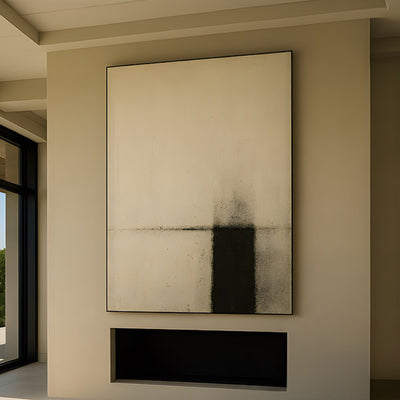
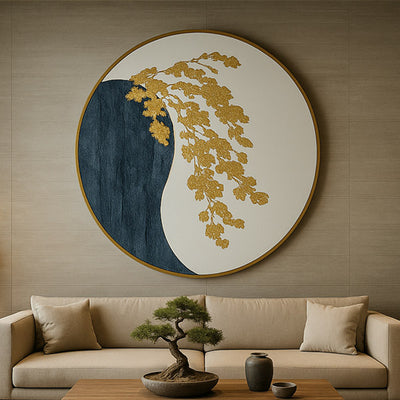
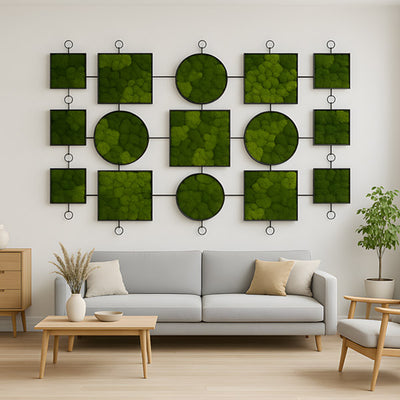
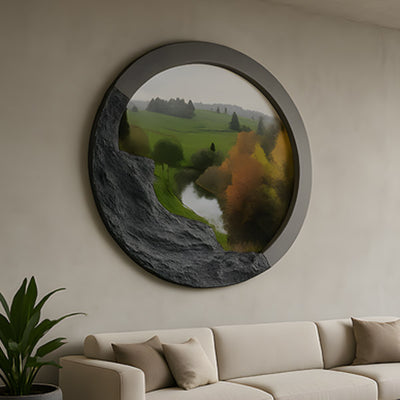
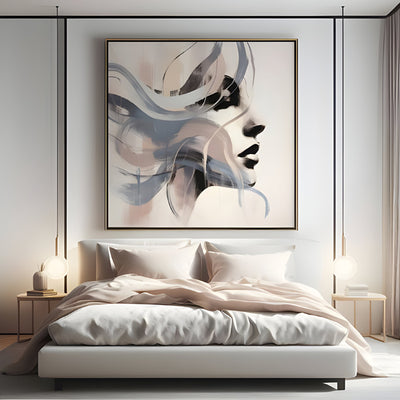
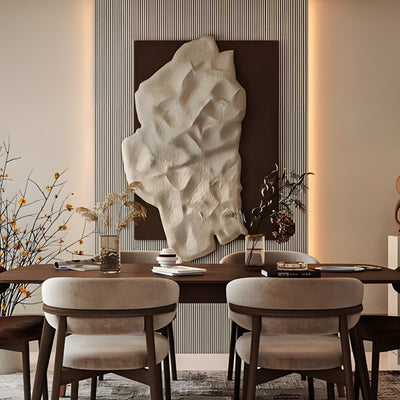
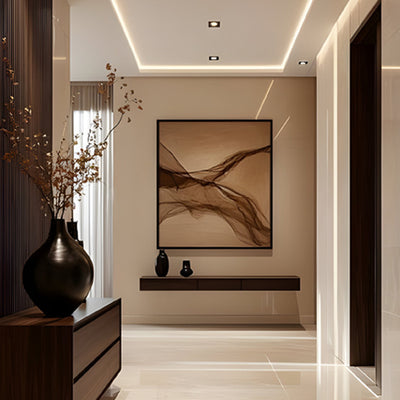
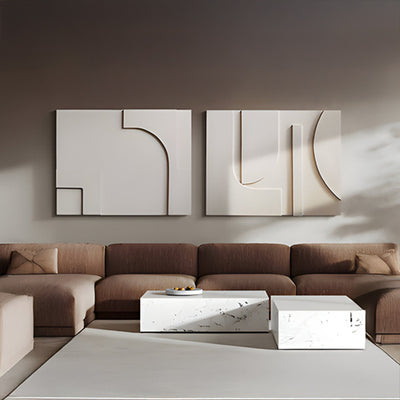
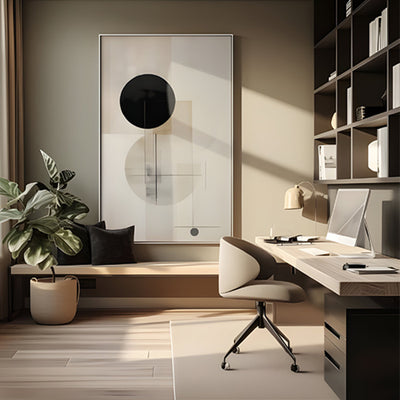
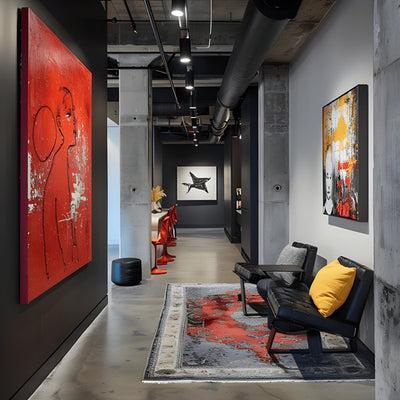
For interiors, mixed media abstract wall art gives you the same textural interest in a lower-profile format. A layered metal-and-composite panel works over a fireplace or along a long circulation wall where a freestanding piece would block the route. If you are weighing wall-mounted against freestanding, our Mixed Media Art collection is the natural place to compare the two formats side by side.
Placement Checklist
- Can you view it from at least two angles, ideally three?
- Where does natural light fall at the hours you will use the space most?
- Is the base or plinth rated for the weight and wind load of the site?
- Does the surrounding color help or fight the finish? Gray stone flatters bronze; busy planting can swallow it.
- Is there drainage under an outdoor piece so water does not pool at the joint?

Budget, Commissioning, and Delivery
There is no honest single price for work like this, and anyone quoting one before seeing the brief is guessing. Cost is driven by material choice, overall scale, structural engineering, the number of finishing stages, and installation access. A large bronze-and-steel piece with a hand-applied patina and a custom footing will sit in a different bracket than a modest indoor panel. The sensible move is to define your site and intent first, then request a tailored quote so the figure reflects what you actually need.
A few things genuinely change the budget:
- Material volume and type. Cast bronze carries a higher material and foundry cost than fabricated steel of the same size.
- Finishing complexity. Multiple patinas, polished-versus-textured zones, and protective coatings each add labor.
- Engineering. Anything tall or cantilevered needs internal armature and wind-load calculation.
- Installation and access. A crane, a narrow gate, or an upper-floor terrace all affect delivery.
On commissioning, the process at Giant Sculptures runs from concept sketches and material samples through to a scaled maquette before any full-size fabrication begins. That maquette stage is where clients catch proportion issues that would be costly later. Because we ship worldwide, we plan crating and freight around the destination early; a remote mountain site needs different handling than a ground-floor gallery.

How Giant Sculptures Approaches Bespoke Mixed Media Abstract
We specialize in large-scale and bespoke sculpture, so most of our mixed media abstract work is either commissioned or adapted from an existing form. If a piece in the Abstract Sculptures range is close to what you want but needs a different finish, height, or a second material introduced, we can usually build that variant rather than starting from zero.
Our bias is toward materials that last: bronze, stainless steel, Corten, and stone, chosen and combined so the finished object survives decades outdoors with minimal fuss. Resin and composite have their place for lightweight interior panels, but for anything that will face weather or that you want to hand down, we steer toward metal and stone. For collectors specifically after cast bronze abstraction, the Bronze Abstract Sculptures collection is the best starting point, and we can commission from there.
The short version: decide where the piece lives, watch the light, pair materials that age together, and get a quote built around your actual site. Do that, and the result stops being a gamble and becomes the fixed point a whole space is arranged around.