








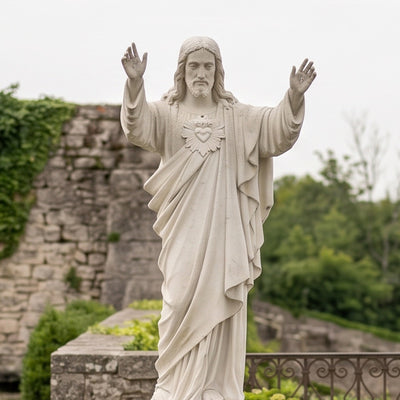
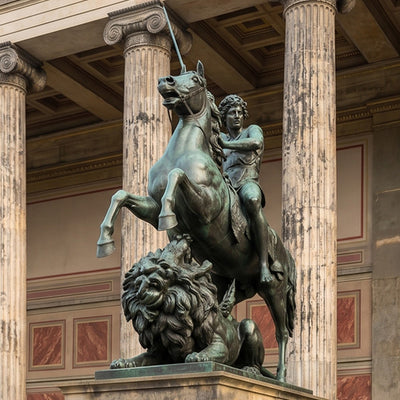




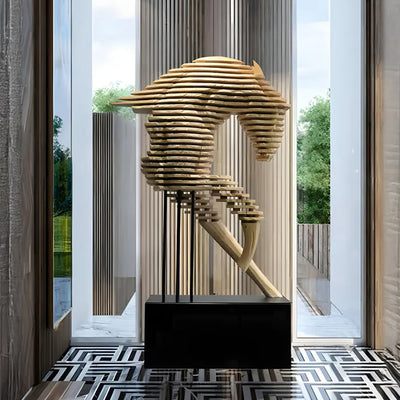
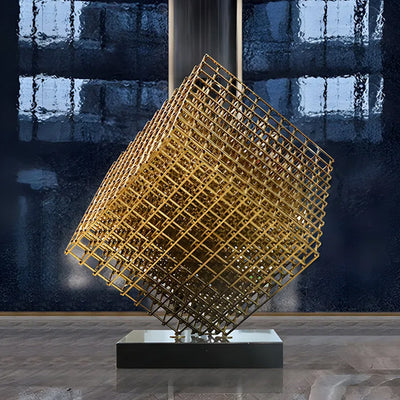
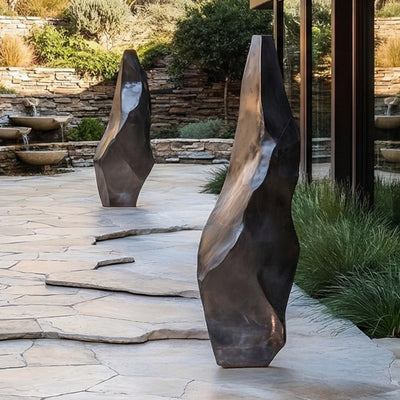













The most expensive mistake in bronze is a beautiful figure approved in a studio and then dropped onto a site that argues with it. We have seen it happen: the clay looked superb on a turntable under even light, and six months later the finished piece stood on a lawn where the viewer only ever saw the back of the head. A custom figurative bronze sculpture is really made twice, once in clay and once by the ground it stands on. That is why our studio signs off the maquette after the site visit, never before.

Key Takeaways
Visit and measure the site before approving the maquette for a custom figurative bronze sculpture, not after casting begins.
Plinth height should give a slight look-up, usually so the figure's chest or chin sits above the viewer's eye line.
Indoor atrium settings and open lawns demand different modeling, not just a different base.
Patina samples must be judged against the actual brick, render or planting they will live beside.
Footings and fixings are designed for saturated winter ground, not the day of the survey.
A proper survey adds a line to the quote and removes several from the install-day problem list.
Why the Maquette Gets Signed Off After the Site Visit
For wider placement ideas, How a Custom Bronze Memorial Sculpture Gets the Likeness Right is useful companion reading before finalizing the setting and sightlines.
A maquette is a contract in miniature. Once it is approved, the enlargement, armature, mold-making and casting all follow its logic, and changing a shoulder angle at full scale is a structural decision rather than a sculptural one. Every custom figurative bronze sculpture we cast inherits the geometry of the model signed off at this stage, so the sequence matters. We want to know where north is, where the sun lands in late afternoon, what the viewer sees from 60 feet (18 m) away and what they see from 6 feet (2 m).
One Napa commission changed shape entirely after a two-hour walk-through. The client wanted a standing female figure facing the house. From the only real approach, a gravel drive curving in from the east, that pose would have shown a flat back for the entire walk. We rotated the figure 40 degrees and opened the gesture outward. Same subject, same budget, completely different experience.

Eye Level, Plinth Height and the Slight Look-Up
Figurative work flatters the viewer when the viewer has to look up a little. Not craning, just lifting. As a working rule, we aim for the figure's sternum or chin to sit above the average adult eye line at the primary viewing distance, which usually means a plinth somewhere between ankle height and waist height depending on the pose. Plinth height is the cheapest variable in a custom figurative bronze sculpture and the one most often left to whoever turns up with the concrete.
Plinth height decides whether a figure is read or simply walked past.
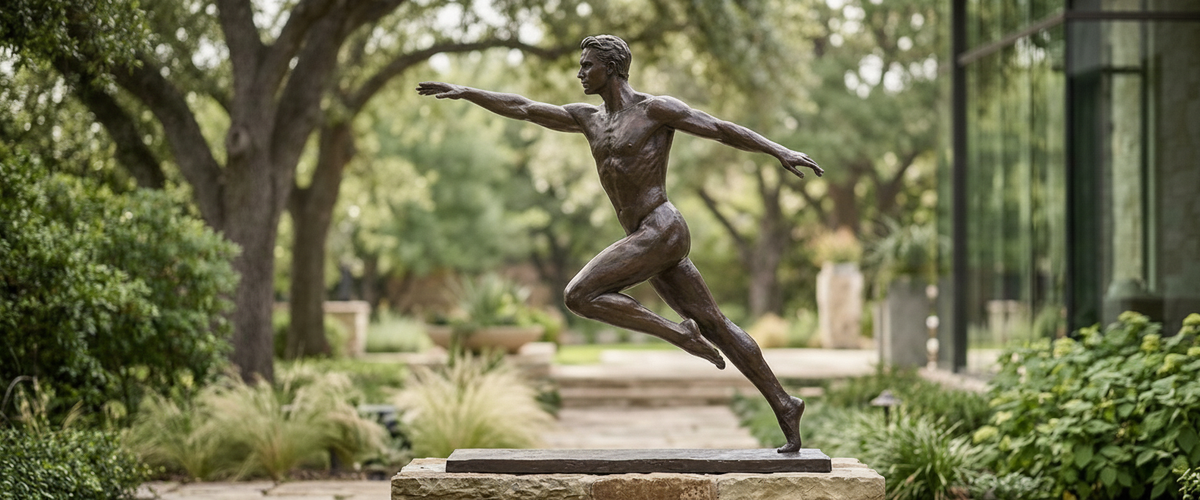
Dynamic poses need more lift than static ones. A leaping or airborne figure loses its physics when its feet sit at grass level, which is why a piece at the scale of the Large Contemporary Leaping Male Figure Bronze Sculpture - 260cm (roughly 8 ft 6 in) reads best when the plinth pushes the extended limb clear of the horizon. Seated and folded poses work the other way. A figure gathered in on itself wants to sit near ground level so the intimacy survives; raise it too high and it turns into a monument to knees.
Glass Atrium or Open Lawn: What Changes in the Modeling
A custom figurative bronze sculpture destined for a glass atrium is modeled differently from one going onto an open lawn, and the base is the least of it. Under an atrium roof, light is diffuse and close, so fine surface detail survives: tool marks, fingerprint texture in the wax, crisp edges around a hand. Outdoors in Texas or Arizona sun, that same detail bleaches out at midday and only returns at low angles. Open-air commissions therefore get stronger silhouette work and deeper undercuts, because the outline is doing most of the communicating.
Glass changes something else. In a full-height atrium the figure is read from the mezzanine, from below, and from outside through the glass at night when the piece becomes a dark shape against interior light. Where the setting works the outline harder than the face, an enveloped form along the lines of the Contemporary Hooded Phantom Figure Bronze Sculpture - 150cm holds up under that treatment, because its drama survives being reduced to a shape. A figure whose interest sits in facial expression will not.
Testing Patina Against Brick, Pale Render and Evergreens
Patina is a chemical finish on the surface of the alloy, and the color that looks rich on a sample card in the foundry can go muddy against a red brick wall or disappear entirely in front of dense yew. Nothing dates a custom figurative bronze sculpture faster than a finish chosen under foundry lighting. We send physical sample plates to the site and ask clients to tape them up and live with them for a week, in morning and evening light.
Sample plates judged on site, against the wall the finished piece will stand beside.
Rough guidance from our own commissions: warm browns and liver reds sit beautifully against pale render and limestone but fight red brick. Traditional greens read well against stone and gravel and vanish against heavy evergreen planting. Dark, near-black patinas hold silhouette best in green settings, which is why so many outdoor figures end up there. The Copper Development Association's guidance on copper alloy finishes and patination is a useful primer on how these surfaces develop and why they keep moving after installation.
Whatever you choose, plan for maintenance. Outdoor bronze wants washing and waxing on a regular cycle, and the National Center for Preservation Technology and Training publishes practical care routines for outdoor bronze sculpture that translate well to private gardens.

Sightlines From the Approach, the Window and the Seat Nobody Mentioned
Clients tend to describe one view. There are always at least three, and a custom figurative bronze sculpture has to answer all of them. The approach view sets expectation and usually decides the figure's orientation. The interior window view is the one seen most often, frequently from a kitchen island or a desk, and it is worth walking indoors during the survey to check it.
Then there is the seat nobody mentions. A bench, a fire pit, a pool lounger, the place where people actually sit for an hour. In a Hamptons garden we surveyed, the real viewing position turned out to be a teak bench tucked behind a hedge that appeared on no drawing. The figure was set 15 degrees off the axis the landscape plan proposed, and that small rotation made the piece feel placed rather than parked.
Footings, Fixings and the Load the Ground Carries in February
Ground behaves differently in winter. A lawn that feels firm in August can be soft and saturated in February, and a tall bronze on a slim footprint becomes a lever in wind. Footings under a custom figurative bronze sculpture are sized for the worst case: saturated soil, frost depth, wind load against the actual silhouette, and any eccentric loading from an outstretched arm or leg.
Practical points we work through on every bespoke commission:
Bearing capacity of the soil, including made ground and old fill under lawns.
Frost depth for the region, since footings above it will heave and tilt a figure over a few winters.
Fixing method, typically stainless anchors or cast-in studs with isolation to prevent galvanic issues between dissimilar metals.
Drainage around the plinth so standing water does not stain the base or streak the bronze.
Services below ground: irrigation, lighting cable, pool plant runs and drainage that no one remembers until the auger finds them.
What a Survey Adds to the Quote, and What It Saves at Install
A site survey is a line item, and it is the one clients question most often. It is also the reason installs run to a half day rather than two days plus a return visit. The survey establishes crane or gantry access, gate widths, overhead cables, ground protection needs, and whether a plinth can be poured on site or has to be delivered as a finished stone element. Moving a custom figurative bronze sculpture after installation is expensive; moving it on a drawing costs nothing.
We once had a 240cm figure (about 7 ft 10 in) destined for a walled Texas courtyard where the only access was a 39-inch gate. That job was solved on paper months earlier by casting in sections and assembling on site. Inverted and wide-armed geometry is where that planning earns its keep: a commission built along the lines of the Large Contemporary Handstanding Male Figure Bronze Sculpture - 240cm has a footprint and a center of gravity that dictate both the delivery route and the fixing detail, long before anyone thinks about a crane.

Commissioning a Custom Figurative Bronze Sculpture
Budget for a custom bronze figure sculpture depends on scale, alloy and wall thickness, pose complexity, patina work, engineering, plinth specification and installation access, so the sensible route is a tailored quote after the site is understood rather than a number pulled from a size chart. Browsing helps sharpen the brief: our bronze figures and statues and the wider figurative sculptures collection show the range of pose, scale and finish we work across, and clients who already live with custom figurative bronze sculpture art often arrive with three existing pieces that together describe what they actually want.
Bronze rewards patience at the front end. Get the site, the eye level and the patina right before the mold is made, and a custom figurative bronze sculpture will look inevitable for the next century. For garden settings specifically, our bronze garden statues are a good starting point for thinking about scale against planting before a bespoke commission begins.