

































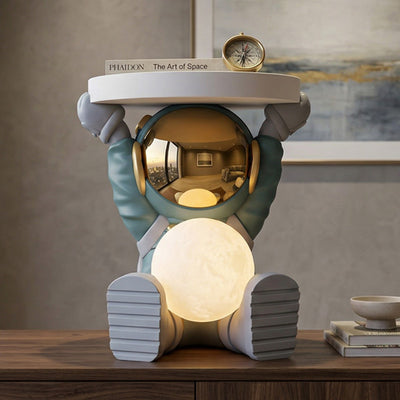























































Search for a 17 Stories decorative sculpture and you will find hundreds of listings. Almost none of them tell you who made the thing. 17 Stories is a private-label brand sold through Wayfair, so the name on the page describes a buying team's style lane rather than a workshop. That is perfectly fine for filling a bookshelf. It matters a great deal if you want a piece that still looks right on your mantel in ten years.

At a Glance
17 Stories is a retailer label. The factory or maker is usually unnamed.
Read the material and weight fields before you look at the photos.
Resin can pass for wood or metal on screen. It rarely passes in your hand.
Mass carries a room better than surface detail.
A metal wall decor sculpture suits shallow spaces where a freestanding piece would crowd the floor.
A Retailer Label Is Not a Maker's Mark: What the 17 Stories Name Tells You
Private labels source from many factories at once. Two pieces under the same brand name can come from different suppliers, with different materials and different standards of finish. So the label on a 17 Stories decorative sculpture tells you about style (eclectic, vintage, a bit industrial) and about distribution. It tells you very little about construction.
The shipping method is a quieter clue. If a piece arrives by parcel courier in a single cardboard box, it is light and it is small. That is no criticism; it is simply a different category of object. At our studio, large pieces leave in custom timber crates with a handling plan, because a bronze or stone work cannot survive a courier depot. The packaging tells you what the maker expected the object to weigh.
The Vintage Wood Camera Piece: Carved Object or Resin Dressed as Timber?
The 17 Stories vintage brown wood camera decorative sculpture is a useful test case. A bellows camera on a tripod is a charming form, and the listing photos make it look like old mahogany. Check the specification line, though. In this category of home decor sculptures, "brown wood" often describes the finish rather than the substrate, and the material field may read polyresin, MDF, or a wood and resin mix.
The underside tells you more than the listing photos: look for end grain, casting seams and felt pads.
Once a 17 Stories decorative sculpture is in your hands, you can check it in thirty seconds. Turn it over. Carved timber shows end grain on the base and grain that flows around curves. Painted grain stops abruptly at a casting seam and repeats in identical patterns on matching parts. Tap it with a fingernail: solid wood gives a dull, dense note, while hollow resin sounds like a plastic bottle.

Cast Resin, Carved Wood, Welded Metal: What Each One Gives Away in Your Hands
Resin, which turns up in plenty of 17 Stories listings, warms to your touch within seconds and weighs less than it looks. It holds crisp detail at small scale, but a chip reveals a white or gray core under the paint. Carved wood moves with humidity; it can check along the grain in a dry Arizona winter, and that honesty is part of its appeal. Welded metal stays cold, shows its weld lines or grinds them flush, and has heft you feel in your wrist.
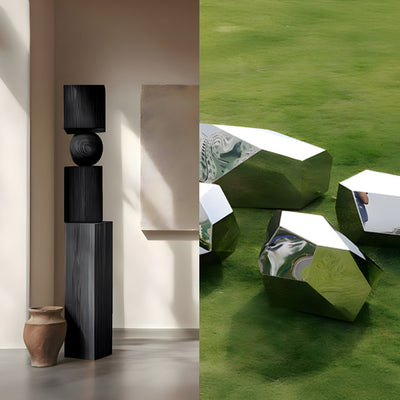
Bronze sits at the far end of that scale. It is dense, it rings when struck, and its patina deepens over decades rather than flaking. Stainless steel reads precise and clean, whether brushed or mirror-polished. When a mass-market piece comes into our studio, the first thing a fabricator does is weigh it in one hand. That gesture says more than any product description.
Mass Over Motif: Why a Featherweight Piece Slides Into Clutter on a Mantel
Sculpture decor fails on a mantel for a simple reason: small, light objects compete on detail, and detail is noisy from across a room. The eye reads scale and density first. Five intricate trinkets become one blur of texture. A single solid form gives the eye somewhere to land.
One dense form in proportion to the mantel reads more calmly than several small pieces.
Picture a brownstone mantel holding seven decorative sculptures, each pleasant on its own. Swap them for one cast bronze abstract form roughly a third the width of the mantel and the room calms down at once. The fireplace finally looks like the center of it. Weight helps in a practical sense too. A piece under 2 pounds (0.9 kg) gets nudged by cats and dusters; a heavy one stays put.
Metal Wall Decor Versus Freestanding Work: When Flat Relief Earns the Wall Instead
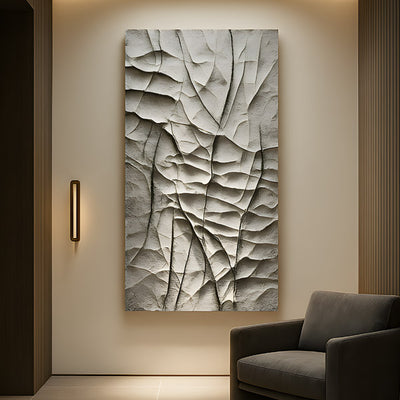
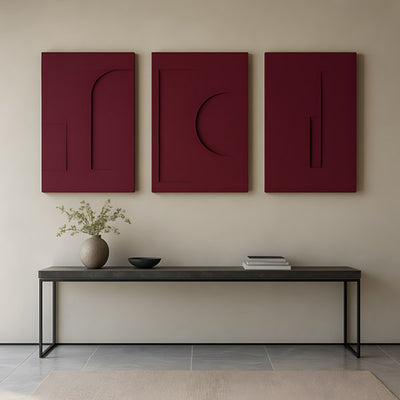
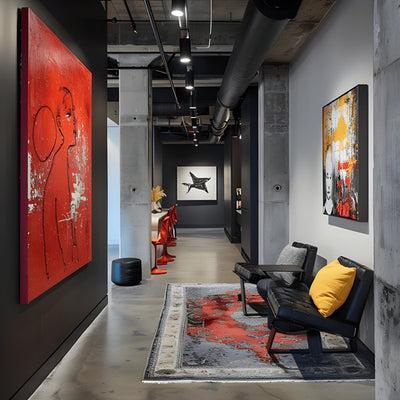
A metal wall decor sculpture is the right call when floor space is tight: narrow hallways, stair landings, the wall above a console in a Manhattan apartment. Depth of a few inches gives you presence without a trip hazard. Look for proper fixings, a standoff that throws a shadow line behind the piece, and a wall that can take the load.
Many mass-market wall pieces are thin laser-cut sheet with a painted finish. Bespoke relief is built differently, layered and welded onto an armature so it has genuine depth. If you are weighing materials, browse our stainless steel sculptures to see how brushed and polished surfaces behave under daylight. Freestanding work, by contrast, needs circulation space around it and usually a plinth, so reserve it for rooms where people can walk around the piece.

One Heavy Object Beats a Shelf of Small Ones: How to Choose a Decorative Sculpture That Lasts
Whether you are buying a 17 Stories decorative sculpture for a guest room or commissioning a centerpiece for a Napa terrace, the same questions apply. Use this checklist before you buy:
Read the material line first. Ignore color names like "brown wood" or "bronze tone" until you know the substrate.
Ask for the weight in pounds. A large-looking piece that weighs very little is almost always hollow resin or thin sheet.
Inspect the base. End grain, casting seams, felt pads and fixings all tell a story.
Measure the setting. On a mantel or console, aim for one dominant piece in proportion to the surface.
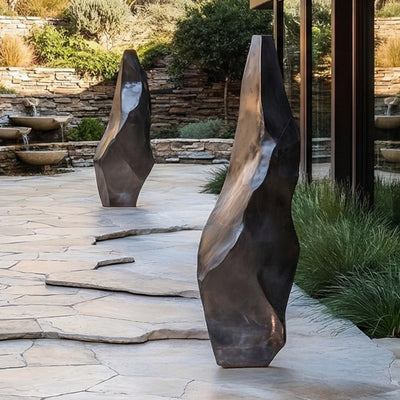
Check indoor versus outdoor rating. A decorative garden sculpture needs a UV-stable, frost-tolerant material such as bronze, Corten, stone or marine-grade stainless steel.
Ask who made it. A named maker or studio usually means someone will stand behind the finish.
When nothing off the shelf fits, a commission is the cleaner answer. At Giant Sculptures, a bespoke piece moves from brief to maquette to fabrication, with scale, material and installation agreed before metal is cut. Budget depends on material, size, complexity, engineering and finishing, so we quote each project individually. It costs more than a 17 Stories decorative sculpture or any other catalog piece, and it should. You are buying one object that does the work of a shelf full of them.
For wider placement ideas, How to Spot Truly Unique Wall Art Decor Before You Buy is useful companion reading before finalising the setting and sightlines.