
Landscape art has held a lasting place in human creativity for centuries. From ancient scrolls and oil paintings to contemporary wall pieces, artists have continually returned to nature as a subject worth capturing. Mountains, rivers, forests, coastlines and open skies appear across cultures and time periods, suggesting that our fascination with natural scenery is deeply rooted rather than fleeting.
This article explores what landscape art is, why it resonates so strongly with people, how it has evolved, and why it continues to matter today. Rather than focusing on trends or sales, the aim here is to understand the enduring appeal of nature on canvas and the role it plays in visual culture.

What Is Landscape Art?
Landscape art is a genre of visual art that focuses on natural environments as the main subject. These settings can include rural countryside, dramatic mountains, calm coastlines, gardens or imagined natural scenes. While people or buildings may sometimes appear, they are usually secondary to the environment itself.
Rather than simply recording scenery, this type of art often aims to communicate emotion, mood or atmosphere. A quiet meadow may suggest calm and reflection, while a stormy sea can convey tension or power. This emotional depth is a key reason the genre continues to feel engaging and relevant.
The category extends beyond painting alone. Drawings, prints, mixed media works and sculptural interpretations can all fall within this genre, provided the natural environment remains the central focus.
Why Humans Are Drawn to Landscapes
Our attraction to landscape imagery is closely linked to human psychology. Long before cities and screens, survival depended on reading the land. Open spaces suggested safety, water meant life, and distant horizons hinted at opportunity. Even today, these instincts continue to shape how people respond to images of nature.
Landscape art also provides visual rest. In busy environments, natural imagery helps restore balance and calm. Viewing a painted forest or open field can slow the mind in ways that abstract or heavily detailed visuals often cannot, which helps explain why landscape scenes are commonly chosen for both public and private spaces.
Cultural memory plays a role as well. Many landscapes evoke shared ideas of home, travel, heritage or freedom. These associations give nature-based imagery a universal quality that feels familiar across different cultures and backgrounds.

A Brief History of Landscape Art
Early Traditions and Symbolism
Some of the earliest examples of this genre appear in East Asian traditions, particularly Chinese ink paintings. These works were often philosophical rather than literal, using mountains and rivers to express balance, spirituality and humanity’s place within the natural world.
In early European art, scenic settings were usually used as backgrounds for religious or mythological scenes. Nature existed to support the narrative rather than stand on its own.
The Rise of Landscape as a Subject
During the Renaissance, artists began studying perspective, light and realism, allowing scenery to gain greater importance in artworks. By the 17th and 18th centuries, natural scenes had become a respected subject in their own right, particularly in Europe.
Later movements such as Romanticism and Impressionism pushed the genre even further. Artists stopped aiming for perfect realism and instead focused on atmosphere, shifting light and personal response to the natural world.
Styles Within Landscape Art
This genre is not defined by a single visual approach. Over time, it has adapted to artistic movements and cultural shifts, resulting in a wide range of interpretations and techniques.
Romantic and Expressive Landscapes
Romantic landscapes often exaggerate nature’s scale and power. Dramatic skies, vast seas and towering cliffs are common, with the focus placed on emotional impact rather than visual accuracy. These scenes are designed to evoke awe, tension or wonder.
Realist and Naturalist Approaches
Realist approaches aim to show the land as it appears, without idealisation. Artists working in this style often focus on rural life, farmland or everyday scenery, highlighting a close and grounded relationship between people and place.
Modern and Contemporary Interpretations
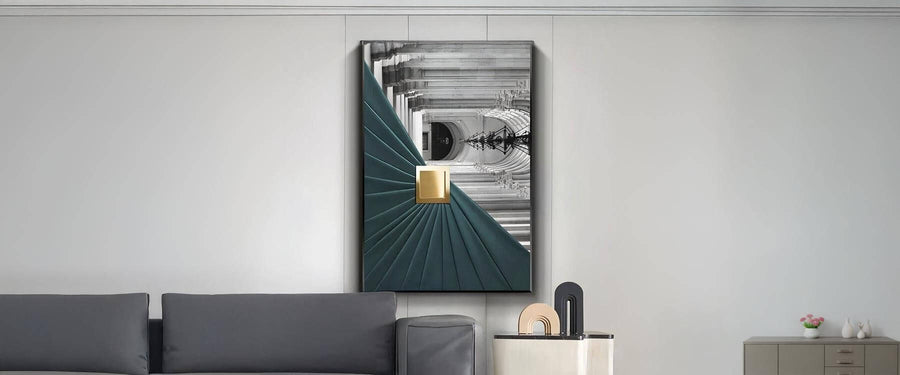
In modern art, natural scenery may be simplified, abstracted or reimagined entirely. Some artists explore texture and depth, occasionally borrowing ideas from other disciplines such as sculpture or even 3D art to give physical presence to natural forms.

The Role of Landscape Art in Interior Spaces
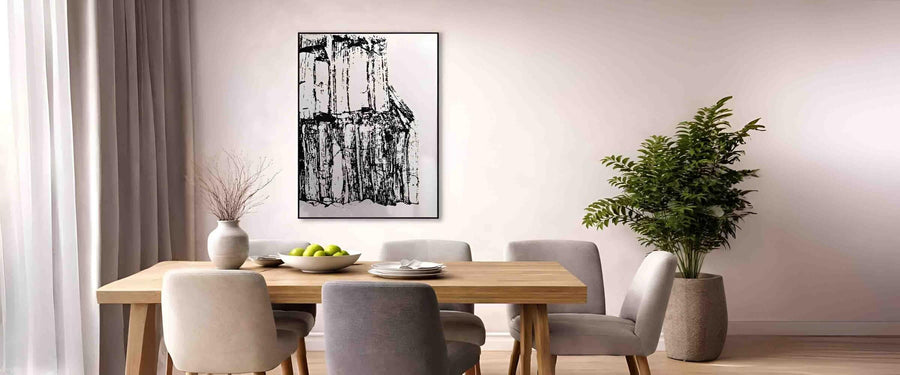
Natural scenery has long been used in homes, galleries and public buildings, not just for decoration but for atmosphere. These scenes can soften sharp lines in modern rooms, add depth to smaller spaces and create a sense of calm where you need it most. Because nature-based imagery often carries familiar colours and organic shapes, it tends to feel settled in a room quickly even when the artwork itself is bold.
To make a piece feel intentional (rather than like an afterthought), it helps to think about placement, scale and mood.
Quick ways to style a landscape piece so it suits your space
Match the mood, not just the colours: A misty woodland feels restful, while a stormy sea scene adds drama.
Use scale to control impact: Oversized pieces become a focal point; smaller works suit grouped layouts.
Choose the right height: Hang the centre of the artwork roughly at eye level so it feels balanced in the room.
Let the frame support the scene: Simple frames suit modern spaces; warmer wood tones complement countryside or pastoral views.
Consider what’s nearby: Nature scenes pair well with textures like linen, wood, stone and woven materials.
Create breathing space: Avoid crowding the artwork with too many objects so the scenery can visually open up.
This genre is also a practical choice if you like changing your décor over time. A well-chosen scene tends to remain compatible as you swap cushions, paint colours or furniture styles, because nature-based tones are usually easy to rework around.
Emotional and Cultural Meaning in Landscape Art
Beyond visual appeal, this genre often reflects cultural values and environmental awareness. Many artists use natural imagery to comment on humanity’s relationship with the land, whether that relationship is harmonious, fragile or under threat. Through scenery, artists can explore ideas of belonging, responsibility and change without relying on words.
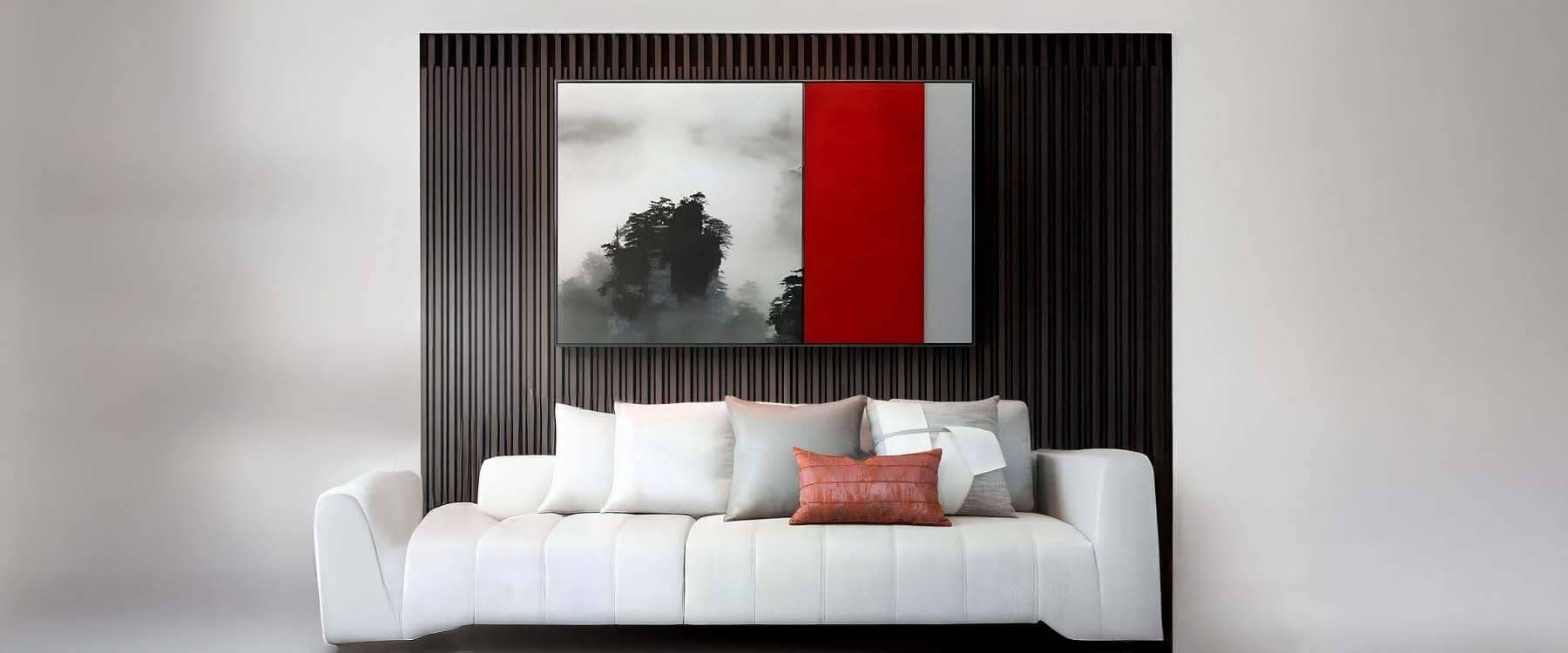
In some traditions, nature-focused imagery overlaps with meditative practices. For example, certain minimalist compositions share similarities with zen art, where simplicity, balance and space encourage quiet reflection rather than visual stimulation. These works invite viewers to slow down and engage more thoughtfully with what they see.
These layers of meaning allow nature-based imagery to function on more than one level, offering both aesthetic pleasure and deeper emotional engagement.

Landscape Art in the Modern World
Despite rapid technological change, this genre has not lost relevance. If anything, it has gained new importance. As daily life becomes increasingly digital, images of nature offer contrast, grounding and a sense of space that many people crave.
Artists today continue to reinterpret natural scenery through new materials, perspectives and techniques. Photography, digital tools and mixed media have expanded what nature-focused work can look like, while still keeping a connection to the outdoors understanding.
This flexibility helps explain why the genre remains lively rather than purely historical, continuing to evolve alongside the world it reflects.
Why Landscape Art Continues to Endure
The lasting appeal of landscape art lies in its balance between familiarity and imagination. Everyone recognises nature, yet no two artists depict it in exactly the same way. Each landscape reflects a personal viewpoint shaped by culture, experience and emotion.
Landscape art also reminds us of scale. It places human life within a wider world, encouraging perspective and humility. In a time when attention is often fragmented, this sense of space and continuity feels especially valuable.

Conclusion: Why Landscape Art Still Matters
This genre has endured because it speaks to something fundamental. It connects people to nature, emotion and memory through visual storytelling that feels both personal and universal. Across history, styles and cultures, Landscape art has been used to express beauty, meaning and reflection in ways that continue to resonate.
Today, landscape art continues to shape interiors and influence how people experience space. Whether traditional or contemporary, calm or dramatic, it remains a powerful way to bring the natural world into everyday life.
If you’re inspired by how nature-inspired artwork can transform a space, explore the collection to see how different styles, formats and scales can be used for thoughtful styling and meaningful visual impact.