

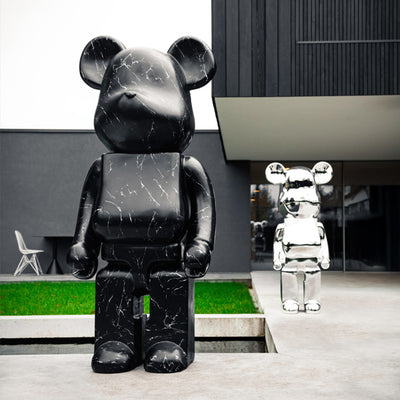

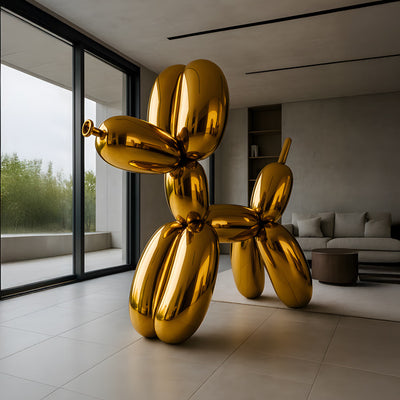
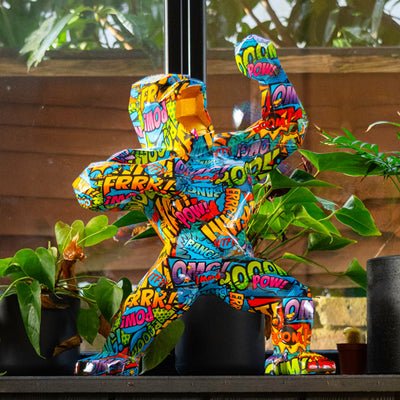
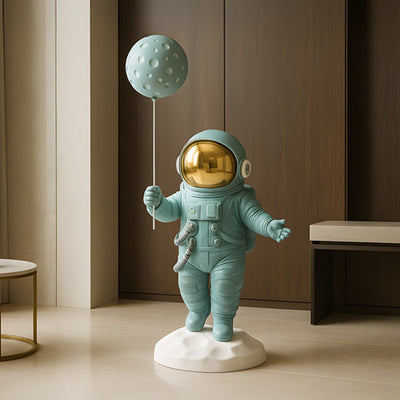



































A sculpture that looks flawless on a studio plinth can streak, pit, or crack within two winters once it is exposed to real weather. The gap between how a piece photographs and how it ages outdoors is where most buyers get caught out. Choosing the best materials outdoor sculpture genuinely needs is less about taste and more about chemistry, climate, and how the piece will be cared for over twenty or thirty years.
Looking for the full range in this category? Browse our Bronze Fountains collection for every available finish, size, and configuration.
We ship large-scale work to gardens, courtyards, and commercial frontages across very different climates, from dry heat in Arizona to salt-laden coastal air in the Hamptons. The same bronze behaves differently in each. So before you fall for a pose or a silhouette, it helps to understand what each material does when the sun, frost, and rain go to work on it. The best materials for outdoor sculptures earn their durability and weather resistance through how they age, not how they photograph.
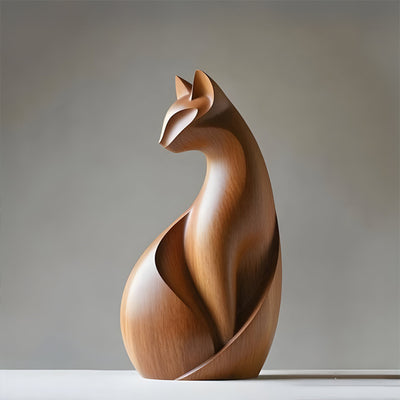
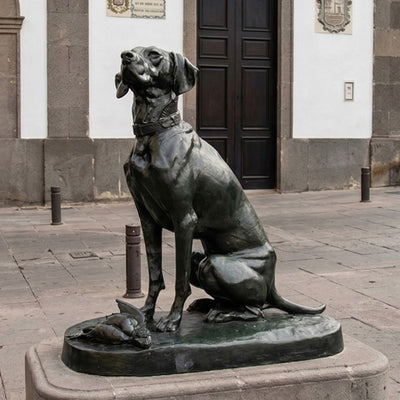
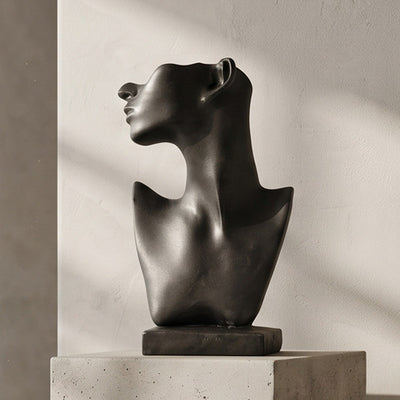
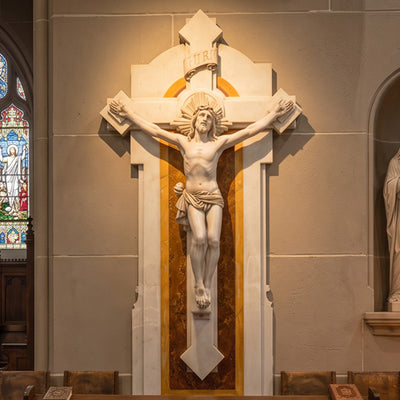
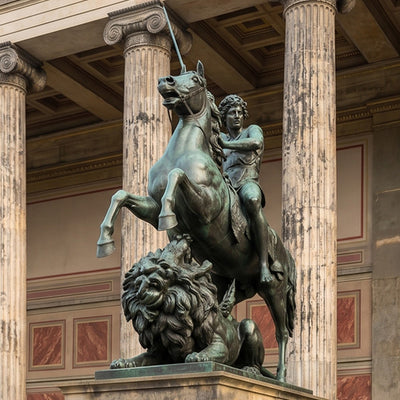
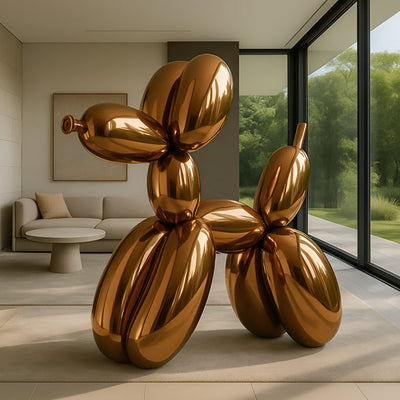
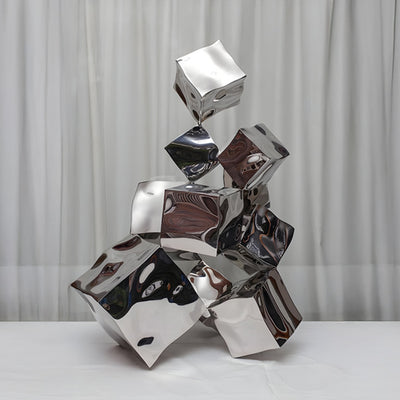
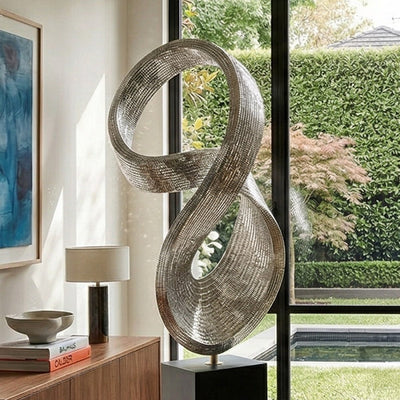
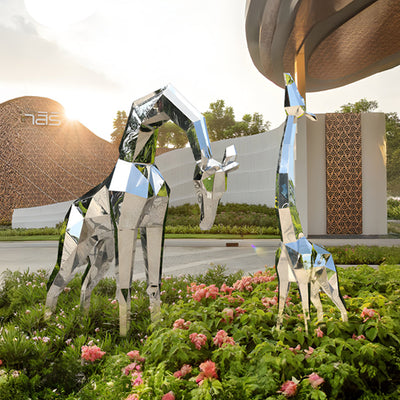
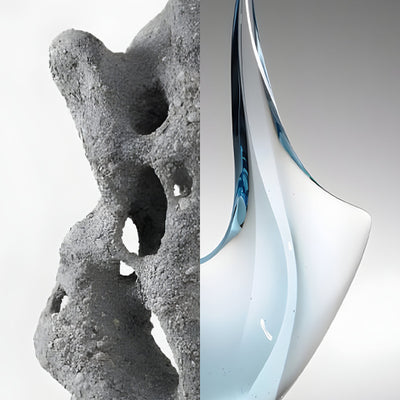
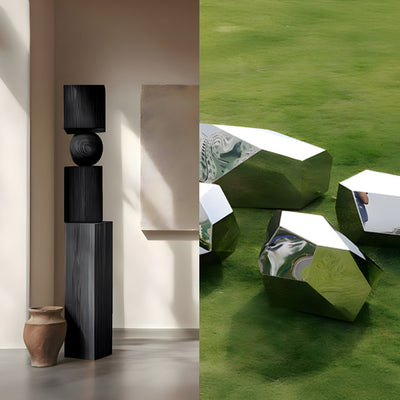
Bronze, stainless steel, Corten and marble each age differently in real weather.

Best Materials Outdoor Buyers Should Shortlist First
Key takeaways:
Bronze is the long-haul champion: it forms a protective patina and can last centuries with light care.
Stainless steel (marine grade 316) resists corrosion and suits clean, contemporary forms.
Corten (weathering steel) develops a stable rust skin and reads beautifully against green planting.
Marble and natural stone bring classical weight but need the right stone for your climate.
Resin and composite can work for sheltered or temporary settings, not exposed permanent installs.
Scale and fixings matter as much as material: a heavy piece needs the right base and anchoring.
That shortlist of best materials outdoor projects rely on covers most serious commissions. The right answer depends on your climate, the look you want, and how much hands-on maintenance you are willing to do.

How Each Material Handles Real Weather
Bronze
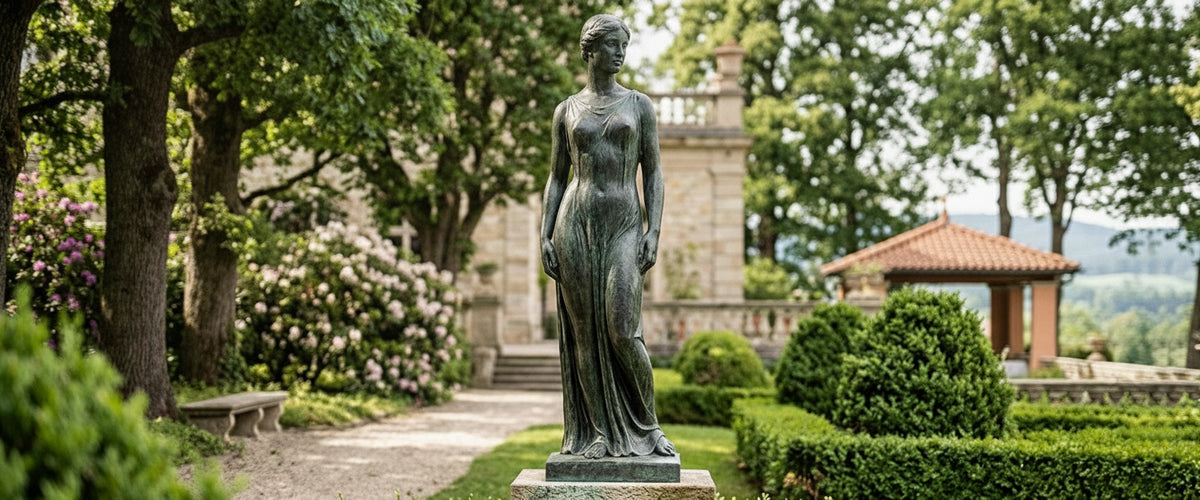
Bronze is what we reach for when a client wants a piece that outlives them, and it sits near the top of any list of the best materials for outdoor sculptures when durability and weather resistance are the priority. Cast properly, it forms a patina that protects the metal underneath rather than destroying it, which is why ancient bronzes still survive today. The Smithsonian American Art Museum's conservation guidance on outdoor bronze stresses that a stable patina and a maintained wax coating are what keep these works sound across decades (see Smithsonian American Art Museum). For a buyer, that translates to an annual wash and a fresh coat of wax, and very little drama otherwise.
The trade-off is weight and budget. A large bronze figure is heavy, needs proper foundations, and costs more to produce than most alternatives. For permanent statement pieces in a Napa garden or a corporate plaza, it is usually worth it.
Stainless Steel
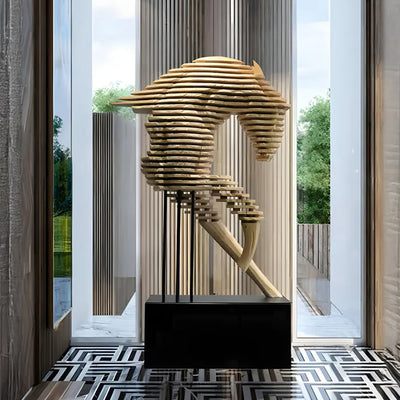
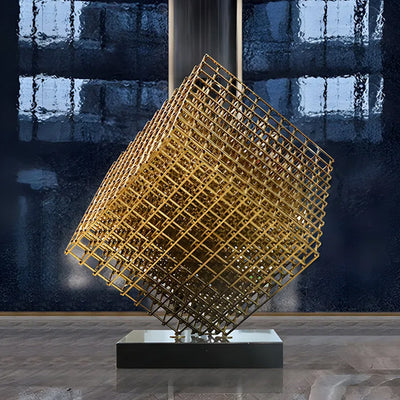
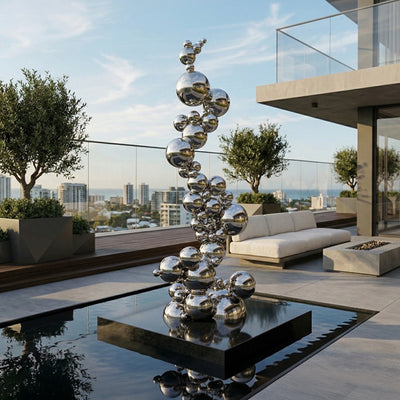
For contemporary forms, mirror finishes, and crisp geometric work, marine-grade 316 stainless steel is hard to beat. It shrugs off rain and resists the pitting that cheaper grades suffer near pools and coastlines. We steer clients near salt air firmly toward 316 rather than 304, because the chloride exposure is unforgiving. Stainless reflects its surroundings, so a polished piece in an Aspen garden will shift with the seasons and the light. Browse our outdoor sculptures collection to see how reflective metalwork reads against planting and sky, and why it ranks among the best materials outdoor designers specify.
Corten (Weathering Steel)
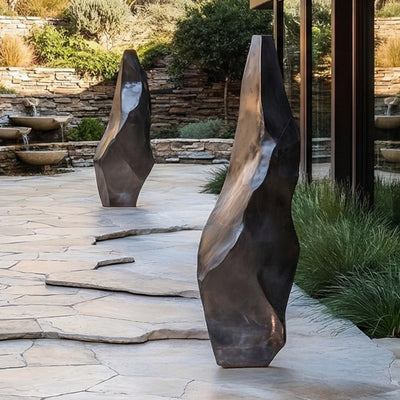
Corten is the material people fall for once they see it settled into a garden. It rusts deliberately, then stabilizes into a warm, matte orange-brown skin that protects the steel beneath. It pairs beautifully with grasses, gravel, and modern architecture. One caution we always give: in the first year or two, Corten runoff can stain pale paving and stone underneath it, so plan the base accordingly.
Marble and Natural Stone
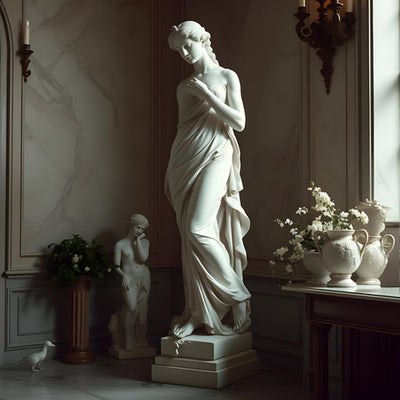
Marble carries a sense of permanence that no metal quite matches, and for classical and figurative work it is the natural choice. For a formal garden or a memorial setting that needs a single commanding focal point, a full-height figure such as the Large Angel Marble Outdoor Sculpture (Arms Crossed) - 180cm has the presence to anchor the whole composition. Marble is not maintenance-free, though. It is porous, sensitive to acid rain, and in hard-freeze climates trapped water can cause spalling. In a Texas courtyard it will be far happier than on a New England hillside that swings below freezing dozens of nights a year.
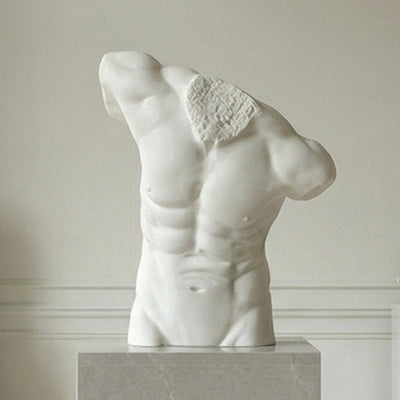
A weathered marble fragment suits planted ruins and gravel gardens.
Where the look you want is weathered and antique rather than pristine, a fragment piece such as the Male Marble Torso Sculpture (Weathered Fragment) - 100cm reads as if it has stood for a century, which suits a planted ruin or a gravel garden far better than a polished full figure would.
Resin and Composite
For wider placement ideas, Abstract Garden Sculptures: A Placement Guide for Real Spaces is useful companion reading before finalizing the setting and sightlines.
Resin and composite pieces have their place: sheltered loggias, covered terraces, short-term installs, or projects where weight is a genuine constraint. For a fully exposed, permanent commission in a tough climate, they are not among the best materials outdoor sites demand, and not in the same league as bronze, stainless, or stone. We are straight with clients about that.

Choosing the Best Materials for Outdoor Sculptures: Durability and Weather Resistance
When buyers ask us to rank options by durability and weather resistance, the honest answer is that climate decides as much as the material itself. The best materials for outdoor sculptures in a coastal, salt-heavy site are not the same as those that thrive in a dry inland courtyard or a hard-freeze northern garden. Bronze and 316 stainless lead on raw longevity; Corten earns its place on low maintenance; and the right natural stone, sited well, can still outlast everyone who admires it. Matching the medium to the weather your site actually delivers is the whole game.

Where to Place the Best Materials Outdoor for Real Impact
Material choice and placement are joined at the hip, and even the best materials outdoor buyers pick can fall flat in the wrong spot. A reflective stainless piece needs space and a backdrop that changes; crowd it against a wall and you lose the effect. Corten wants greenery or gravel around it so the color reads. Marble figures hold their own as a focal point at the end of a sightline, a path, or a reflecting pool.
Think about three things on site before you commit. First, sightlines: where will the piece be seen from, and at what distance? A sculpture meant to be read from across a lawn needs more scale than one tucked beside a seating area. Second, the background: pale stone walls flatter dark bronze; dark hedging flatters pale marble. Third, light: morning and evening raking light brings out modeled surfaces. Where the position catches low sun, a figure with deeply worked drapery and wings such as the Weeping Angel Marble Outdoor Sculpture (Wings Raised) - 150cm rewards that raking light far more than a flatter, simpler form.
One lesson from a shipped commission: a client in coastal California sited a polished piece beautifully, then discovered the lawn sprinklers hit it twice a day. Mineral spotting built up fast. We moved the spray heads, not the sculpture. Worth checking your irrigation before you set anything in concrete.
Budget, Commissioning and Delivery
Outdoor sculpture pricing depends on material, scale, complexity of the form, the engineering and foundations required, finishing, and installation. A tall bronze with internal armature and a poured base is a different project from a compact stone piece on an existing plinth. Choosing the best materials outdoor budgets stretch to is part of the conversation. Rather than quoting vague bands, we price each commission to its drawings and site, so the honest answer is to request a tailored quote once you know roughly what you want.
A few practical points that affect cost and timeline more than buyers expect:
Foundations: heavy stone and bronze need proper footings and anchoring, especially in windy or seismic areas.
Access: if a crane cannot reach the spot, installation gets more involved. Tell us about gates, steps, and soft ground early.
Finish choices: patina color on bronze, polish level on stainless, and base detailing all sit within a commission.
Lead time: bespoke casting and carving take months, not days. Plan around your planting or build schedule.
Browsing our garden statues collection is a good way to calibrate scale and pose before a commission conversation, even if your final piece ends up bespoke.
How Giant Sculptures Helps With Bespoke Outdoor Projects
We work with collectors, designers, architects, and landscape designers to match the right material to the right setting, then build it to last. For a fully bespoke project, that means advising on the best materials outdoor conditions call for, engineering the base and fixings, and managing crating and shipping worldwide. Our focus is large-scale, durable work, so the questions we ask early (freeze cycles, salt exposure, sightlines, access) are the ones that prevent expensive regrets later.
If you are weighing the best materials outdoor sculpture needs for a particular garden or venue, send us the site details and the look you are after. We will tell you honestly which materials will thrive there and which will fight the weather, and we will price it to the actual project rather than a guess.