












































































Ceramic art holds a distinct position in galleries and museums, where it is studied and displayed as a serious artistic medium rather than a decorative craft. Across different cultures and historical periods, artists have shaped clay into objects that reflect social values, technical knowledge, and creative intention. Museum collections allow viewers to understand how ceramic forms evolved from practical origins into expressive works of art.
By placing ceramic objects in curated settings, galleries highlight their material qualities and artistic decisions. Each piece records a process involving form, surface, and transformation through fire, offering insight into both the maker’s skill and the cultural context in which the work was created.

Ceramic Sculpture: Shape, Scale, and Presence
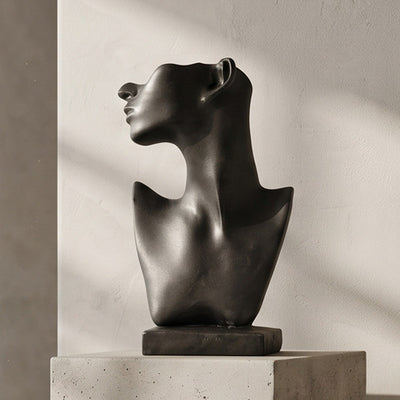
Sculptural ceramics are created primarily for visual and conceptual impact. In this context, ceramic art moves beyond function and instead emphasises shape, scale, and presence. Artists use clay to explore both solid mass and hollow space, often building forms that feel architectural or bodily. Subtle fingerprints, tool lines, and joins are often left visible, showing how the work was constructed.
In museum displays, ceramic sculpture is frequently shown alongside stone or metal works, reinforcing its status within fine art traditions. The kiln-firing process fixes gesture and texture permanently, preserving surface decisions as part of the final statement. Viewers can often read the making process in the contours, edges, and glaze breaks, which adds to the work’s depth. This combination of material strength and expressive surface is a key reason ceramic art commands attention in galleries.

Ceramic Vessels: Form, Balance, and Surface
Vessels remain a central category within ceramic collections. Although bowls, jars, and vases originate from functional traditions, their presence in galleries is based on artistic value rather than use. Museums present these forms to demonstrate how proportion, balance, and surface treatment elevate simple objects into works of art.
Many vessel-based works incorporate rhythmic pattern and repetition, principles closely associated with geometric art, where visual order and structure guide the viewer’s attention. These pieces show how familiar forms can be reinterpreted through artistic intention.

Surface-Driven Ceramics: Glaze, Texture, and Finish
Some ceramic works are defined by their surface rather than their overall form. Museums display these pieces to highlight technical skill, material control, and visual complexity.
Common characteristics of surface-focused ceramics include:
Layered or textured glazing that changes with light
Carved or incised patterns added before firing
Variations created by firing temperature and atmosphere
Hand-painted slips or stains used to build colour and imagery
Burnishing or polishing that creates a soft sheen without glaze
These works encourage slow viewing because the surface reveals its detail over time. Up close, small shifts in texture, colour, and finish become easier to notice and appreciate.

Figurative Ceramics: Storytelling Through the Figure
Framed figurative ceramic relief wall panel featuring stylised human faces. Many early examples were created for ceremonial use, storytelling, or symbolic display rather than everyday function. Museums preserve these works because they reveal how different cultures understood the body, nature, and belief through clay. Details such as posture, facial features, and surface pattern often carry meaning that goes beyond decoration.
Contemporary figurative ceramic art continues to treat the figure as a rich subject for exploration. Artists may use the body to reflect identity, memory, emotion, or social experience, sometimes blending realism with stylisation. Clay’s responsiveness allows subtle shifts in posture and expression, making the work feel immediate and personal. In gallery spaces, figurative pieces often hold attention because they invite viewers to connect with a recognisable form while noticing the artist’s hand in the surface and structure.

Ceramics in Space: Tiles, Reliefs, and Installations
Architectural ceramics include works originally designed for buildings, such as tiles, relief panels, and decorative friezes. These pieces often served both practical and visual roles, protecting surfaces while adding pattern, colour, or narrative. When displayed in museums, architectural ceramics show how clay can shape an environment rather than simply sit within it. They also highlight the skill involved in producing repeated forms that still feel precise and intentional.
Spatial ceramic works are often created specifically for exhibition settings and are meant to be experienced from multiple angles. They share qualities with 3D art because viewers need to move around the work to understand its structure, scale, and relationships in space. This approach can emphasise repetition, rhythm, and the way light falls across surfaces. In gallery contexts, spatial ceramics often shift attention from a single object to the wider experience of the room.

Conceptual Ceramics: Ideas, Process, and Meaning
Conceptual ceramics prioritise ideas over traditional appearance. In this approach, ceramic art may use fragile forms, unfinished surfaces, or unconventional methods to communicate meaning rather than visual polish.
These works often explore:
The limits of durability and permanence
The relationship between material and idea
Viewer interpretation rather than fixed meaning
The tension between function and non-function
Process, chance, and transformation through firing
Such approaches align closely with methods seen in abstract art, where suggestion and ambiguity shape the viewer’s response. In museum settings, conceptual ceramics are often presented with context so the idea and the material choices can be read together.

Functional Ceramics in Museums: Utility Meets Design
Museums also display functional ceramic objects when craftsmanship, design, or cultural importance elevates them beyond everyday use. Within these collections, ceramic art can include teapots, plates, and storage vessels shown to demonstrate innovation in form, refined making, or historically significant techniques. In many cases, these objects represent everyday life within a specific time and place, making them valuable records of material culture. Curators often highlight details such as glaze choice, handle design, and proportion to show how function can be shaped by artistic decisions.
By reframing functional objects as art, galleries encourage viewers to reconsider the relationship between utility and creativity. Ceramic art in this context shows how a familiar form can take on new meaning when it is viewed for its design language rather than its daily role. Museum displays also show how makers balanced durability with beauty, especially when an object needed to be used as well as admired. This perspective helps viewers understand how ceramics can sit between practical purpose and expressive intent.

Ceramic Traditions: Regional Craft and Cultural Identity
Cultural ceramic traditions form a significant part of museum collections. In this context, ceramic art reflects regional materials, local clays, firing methods, and visual languages developed over generations. Patterns, colours, and forms often carry symbolic meaning linked to identity, status, belief, or daily life. By studying these pieces, viewers can see how ceramics record both artistic preferences and cultural priorities.
Museums preserve these ceramics to maintain cultural knowledge and protect traditions that might otherwise be lost. Collections also allow different regions and time periods to be compared, showing both shared influences and distinct styles. Exhibitions often explain how techniques were passed down through workshops or communities, strengthening the educational value of the display. In this way, ceramic art shows how clay can connect people across time through craft, story, and place.

Conclusion: Understanding Ceramic Art in Museum Collections
Ceramic Art appears in galleries and museums in many forms, each showing how clay can carry meaning through technique, culture, and artistic intention. Sculptural works emphasise presence, material strength, and the marks of making, while vessel-based pieces transform familiar forms through proportion, pattern, and surface design. Surface-focused ceramics highlight glazing, carving, firing effects, and other finishes that reward close viewing and careful attention. Figurative ceramics preserve symbolic and cultural storytelling while continuing to explore identity and emotion in contemporary practice.
Architectural and spatial ceramics demonstrate how clay can shape environments and guide movement through space, while conceptual works use process, fragility, and experimentation to focus on ideas rather than polish. Functional objects shown as museum art reveal how design and craftsmanship can elevate everyday forms into lasting cultural records. Finally, traditional ceramics connect viewers to regional materials and heritage, showing how methods and meanings are passed down over generations. Together, these categories explain why ceramic art remains an essential and varied presence in museum collections.