
Iron art sculptures can transform a space without shouting for attention. Solid, expressive, and full of character, they bring depth and presence to both interiors and outdoor settings. Whether placed in a modern living room, a landscaped garden, or a commercial lobby, the right piece adds a sense of permanence that few materials can match.
This guide explores how sculptural ironwork elevates a room visually and emotionally, why iron art remains relevant in contemporary design, and how to choose pieces that feel intentional rather than simply decorative. It’s written to help you understand the craft and make smarter choices whether you’re browsing for inspiration or narrowing down what to buy.

The Enduring Appeal of Sculptural Ironwork
There’s a reason iron art continues to turn up in striking design projects: it sits at the sweet spot between strength and elegance. A well-made sculpture can feel bold and architectural, yet still look refined. The material naturally holds shape, supports dramatic silhouettes, and carries texture beautifully especially when the maker leans into the surface finish rather than hiding it.
Unlike lighter decorative items, iron has visual weight. It grounds a room. Even one sculpture can create a focal point that anchors the surrounding design, which is especially useful in open-plan spaces where you want definition without adding clutter.
Another reason this medium lasts is how well it ages. Subtle changes in tone and patina add to the character. Instead of looking tired over time, a quality piece often looks more established one of the reasons iron art feels so at home in thoughtfully designed spaces.

How Iron Art Wall Sculptures Change the Feel of a Room
A good sculpture doesn’t just fill a corner. It shifts the atmosphere. In minimalist interiors, metalwork adds contrast and warmth. In traditional spaces, it reinforces heritage and craft. In contemporary homes, it introduces texture and structure often making a room feel more “finished” without needing more furniture.
One of the most overlooked effects is how the piece interacts with light. Open forms throw shadows that move throughout the day, while solid forms create a heavier, more dramatic presence. That changing relationship with light is also why sculptural pieces are sometimes compared to 3D art you experience them differently from every angle.
If you’re styling a room that feels flat, adding a sculpture can bring depth in a way a painting can’t. It gives the eye something to travel around, not just something to look at head-on.

Craftsmanship: What Makes a Piece Feel Premium
The difference between “nice décor” and a sculpture that genuinely elevates a space usually comes down to craftsmanship. Strong design helps, of course, but build quality is what makes a piece feel intentional rather than temporary. That’s why iron art stands out when you’re choosing something meant to last and still look considered years from now.
Hand-forged work often shows subtle tool marks, gentle variation, and a sense of movement in the metal. Those details are not imperfections; they’re proof the piece has been shaped, not stamped. Even the joins and welds can be part of the artistry when they’re finished with care.
By contrast, mass-produced items can look overly uniform and flat. They may work for quick styling, but they rarely have that “stop and look” quality that well-made pieces deliver. When you invest in iron art, you’re paying for skill, time, and a finish that holds up.

Using Iron Art Wall Sculptures in Interior Design
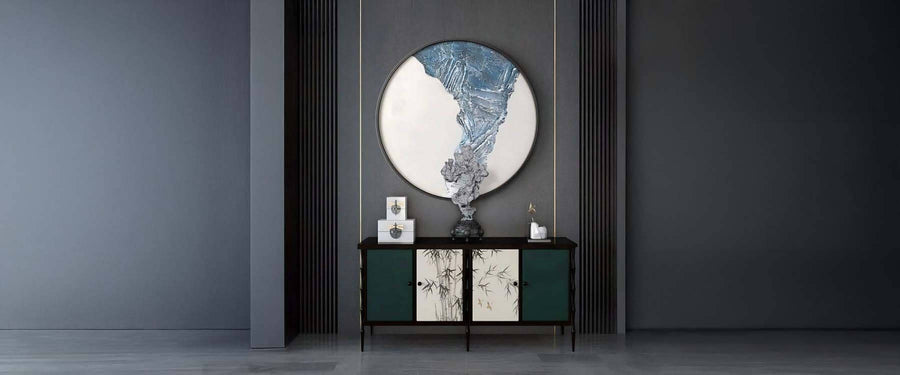
Inside the home, placement matters as much as the piece itself. Large statement sculptures work well in entryways, living rooms, and stairwells areas where the eye naturally pauses. With iron art, scale and positioning are especially important because the material carries visual weight. Smaller pieces are ideal for consoles, shelving, or sideboards when you want texture without taking up floor space.
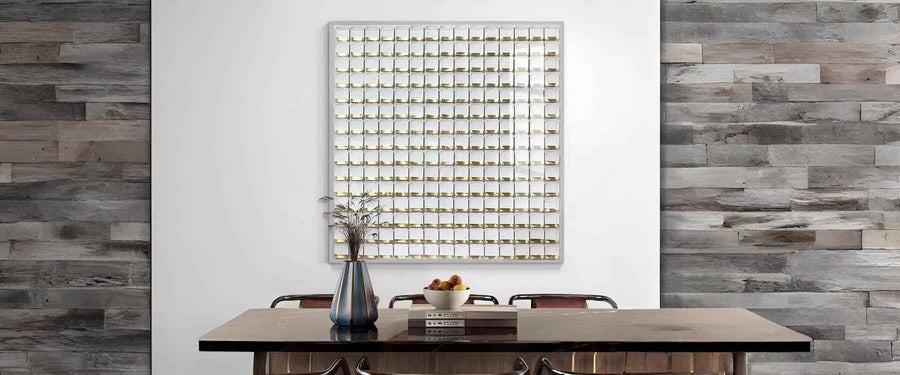
This material pairs beautifully with wood, stone, plaster, and linen. The contrast between hard metal and soft textures creates balance, helping neutral palettes feel richer without relying on loud colour. In modern spaces dominated by smooth surfaces such as glass, polished floors, and sleek cabinetry, iron art introduces tactility and depth, preventing the room from feeling too sterile.
In more traditional interiors, sculptural ironwork fits naturally alongside classic furniture, timber beams, and warm finishes, reinforcing a sense of craftsmanship and permanence.

Quick Checklist: How to Pick the Right Piece
Use this guide to choose something that looks deliberate (not random) and genuinely improves the space:
Get the scale right: a small piece can disappear in a large room, while an oversized one can overwhelm a narrow area.
Use sightlines: place it where it’s visible from key angles entry points, seating zones, or a main walkway.
Think about light: open designs create shadow patterns; solid forms feel heavier and more sculptural.
Balance textures: metal looks best when it contrasts nearby materials like timber, plaster, stone, or glass.
Choose a finish with intent: matte black reads modern; patinated finishes feel earthy and timeless.
Give it a job: focal point, subtle accent, or functional feature (for example, as part of a display arrangement).

Where Iron Art Wall Sculptures Work Best
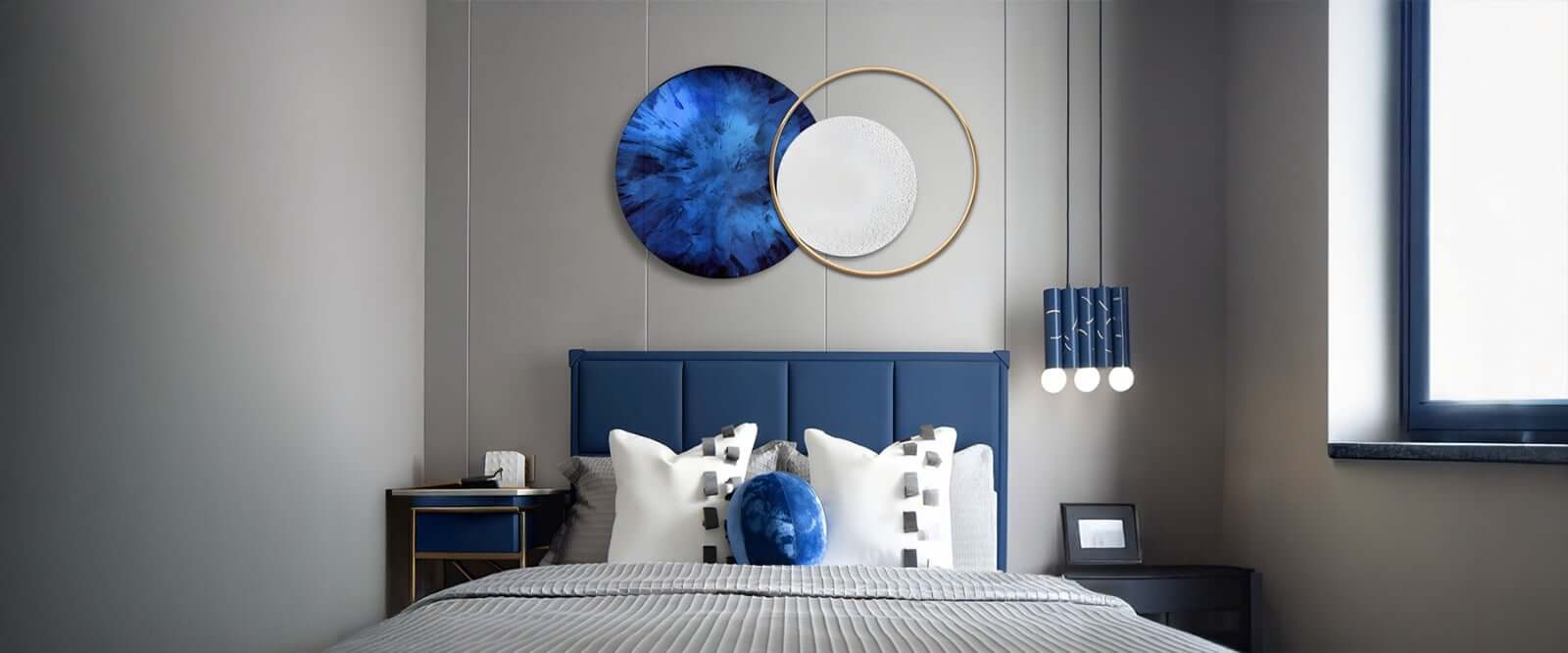
Iron art wall pieces work beautifully across a range of interior spaces because they add dimension without taking up usable room. In open-plan layouts, a large wall piece helps define zones such as separating the lounge area from the dining space without needing dividers or extra furniture. In smaller homes, wall sculpture is a smart way to add impact while keeping surfaces and walkways uncluttered.
Some of the best placements include entryways, stairwells, and feature walls behind sofas or sideboards. These are natural “pause points” where the eye expects a statement. If you want the piece to feel built into the design, align it with key sightlines what you see when you walk in, sit down, or move between rooms so it becomes part of the architecture rather than an afterthought.
If you’re styling covered outdoor areas such as a sheltered patio or balcony wall, check the finish and placement carefully. Choose a protected location away from direct rain and constant moisture, and follow the maker’s care instructions. Most wall pieces are designed primarily for indoor use, but certain finishes can suit semi-outdoor spaces when installed thoughtfully.

Iron Art Wall Sculptures as Expression, Not Just Decoration
Not every sculpture needs to “look like something” to be powerful. Many makers use iron to explore movement, balance, and tension, creating pieces that feel energetic even when they’re still.
That’s where the medium can overlap with abstract art, because meaning is suggested rather than spelled out. These pieces work well in modern interiors, galleries, and commercial spaces where you want originality and presence. They also suit homes that prefer statement design over traditional ornament.
If you’re unsure whether an abstract piece will suit your space, start with something smaller. A single sculptural form on a console can introduce the style without taking over the room.

Choosing the Right Iron Art Wall Sculpture for Your Space
When selecting a piece, think about proportion, placement, and purpose. Ask yourself what you want it to do: anchor the room, soften an empty corner, add height, or create a focal point. With iron art, a little planning goes a long way because the material naturally draws the eye.
It also helps to consider the surrounding shapes. If your furniture is boxy and straight-edged, curved metalwork can create contrast. If your space already has lots of texture, a cleaner silhouette might look more considered.
Custom work is ideal when you have a specific size, finish, or concept in mind. Ready-made pieces suit quicker styling and smaller budgets, but they still need thoughtful placement to look intentional.

Why Collectors and Designers Keep Coming Back to This Medium
Designers love ironwork because it’s versatile, and iron art can suit everything from sleek modern interiors to more traditional spaces. It can look contemporary, rustic, industrial, or classic depending on the shape, scale, and finish. Collectors value it because well-made pieces hold their presence over time and don’t lose their impact after a season or two. Trends come and go, but strong sculpture tends to stay relevant because it’s built around form and craftsmanship, not novelty.
There’s also something reassuring about a piece that doesn’t feel disposable, especially when it’s made with care and meant to last. It can move from home to home, or even be handed down, without feeling out of place. That sense of longevity is one of the strongest reasons people choose iron art when they want something with lasting impact and genuine character. With the right placement, it continues to elevate a space as your style evolves.

Maintaining Your Iron Art for Long-Lasting Impact
Maintenance is simple, and most indoor iron art pieces only need occasional dusting and a gentle wipe with a soft cloth. Avoid harsh cleaners or abrasive pads, as these can strip the finish and leave dull patches. If the sculpture sits near a window or heat source, give it a quick check now and then for dryness or surface changes. A light-touch routine keeps the piece looking crisp without turning upkeep into a chore.
For outdoor pieces, the main goal is protecting the surface, especially around edges, joints, and detailed areas where moisture can linger. If you notice small marks or early rust, tackle it promptly before it spreads or stains surrounding areas. Gentle cleaning followed by a suitable protective product can help maintain the finish and slow future wear. With consistent care, iron art retains its visual impact and long-term value.

Conclusion: Bring Lasting Style and Presence to Any Space
Sculptural metal pieces can do what many design updates can’t: add instant depth, structure, and personality without needing to change the whole room. In this guide, you’ve seen how the right sculpture shifts atmosphere, plays with light and shadow, and creates a focal point that makes a space feel more finished. You’ve also learned what separates premium craftsmanship from mass-produced décor, how to style pieces indoors and outdoors, and what to consider when choosing scale, finish, and placement.
If you want a design element that feels intentional, holds its impact over time, and continues to look better as your space evolves, iron art is one of the strongest choices you can make.
Ready to elevate your space with a piece that feels truly considered? Explore the collection today and find the sculpture that belongs in your home.