





















































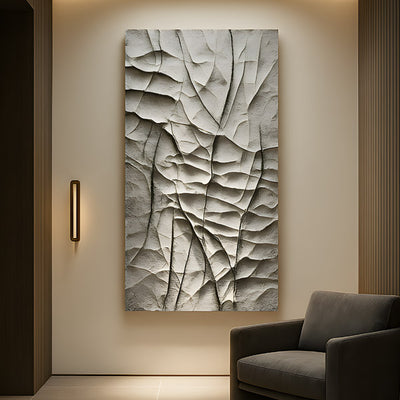
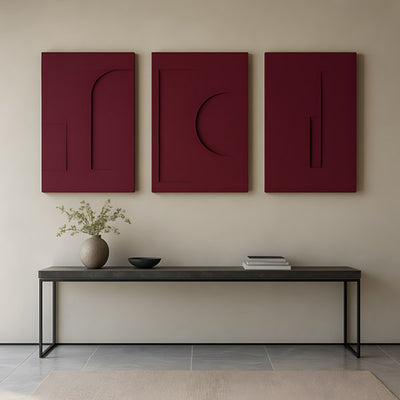

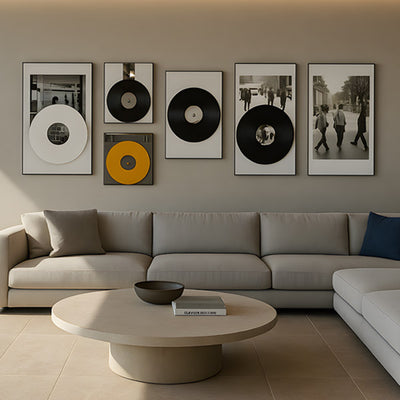
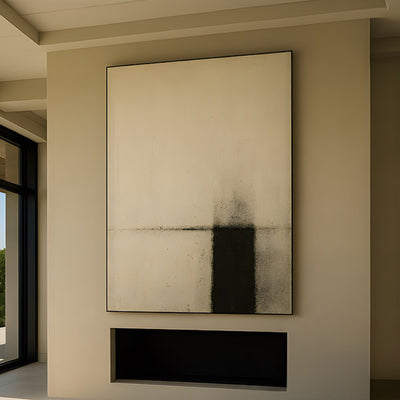
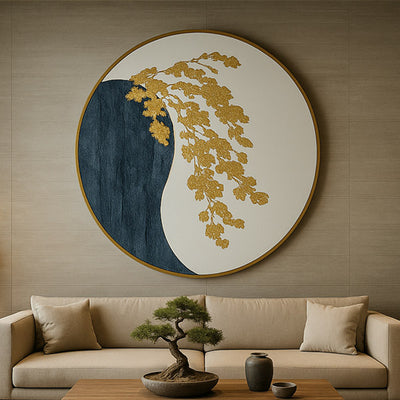















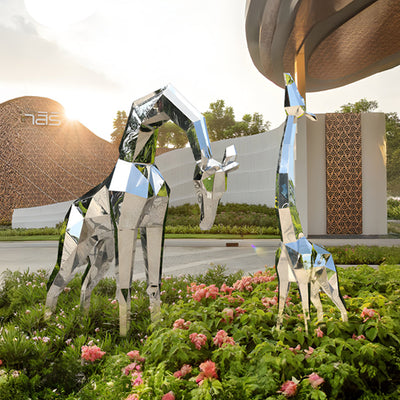






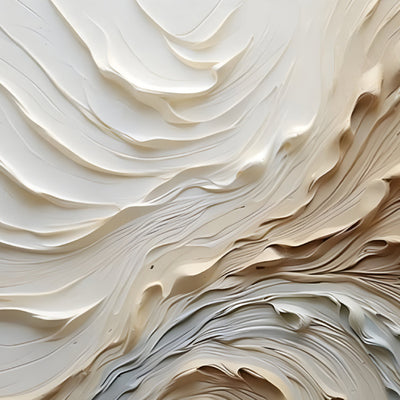
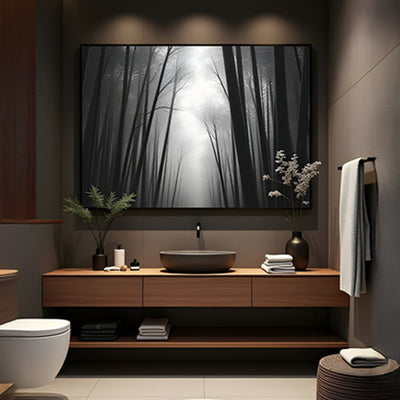
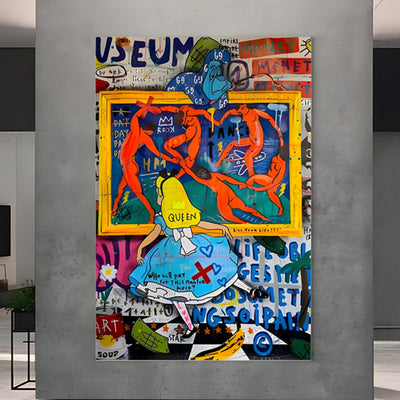
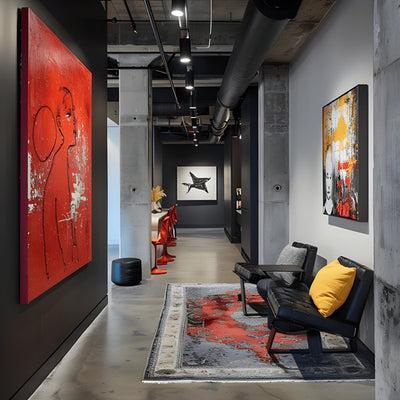




Tooled leather wall art lives or dies on placement. The same piece that disappears above a console in a bright Napa hallway will stop conversation cold on the feature wall of a Tribeca loft. Hide is a quiet material with deep surface character, and it asks the room to meet it halfway. Get the wall, the light, and the sightline right, and you have a piece that ages with the house. Get them wrong, and an expensive tooled leather wall art commission looks like a placeholder.
This guide walks through how leather wall art reads in different settings, how to think about scale and pedestal height for sculptural hybrids, and the mistakes we see most often when clients commission a piece without first walking the wall. The right tooled leather wall art rewards that homework.

Quick Answer: Key Takeaways
Scale up, not down. A hide panel needs roughly 60 to 75 percent of the wall width it occupies. Smaller reads as decor; larger reads as art.
Light is everything. Tooled and layered hide depends on raking light to show its relief. Flat overhead light kills it.
Backdrop matters more than frame. Plaster, limewash, and deep matte paint flatter leather. High-gloss walls fight it.
Indoor first. True hand-tooled hide belongs inside. Outdoor walls call for treated, sealed, or hybrid pieces engineered for UV and moisture.
Eye line, not ceiling line. Hang centers around 57 to 60 inches (145 to 152 cm) from the floor, adjusted for seated rooms.

What Tooled Leather Wall Art Actually Looks Like in a Room
Hide-based wall pieces cover a wide visual range. At one end you have traditional tooled leather wall art, hand-stamped with botanical or geometric motifs, mounted on a stretcher or hardwood panel. At the other you have contemporary 3D layered work, where strips, bands, or sculpted forms in dyed leather are built up over an acrylic or metal substrate. Both belong under the heading, and both behave very differently on the wall.
Traditional hand-tooled hide reads as craft in rooms that already lean into wood, wool, and warm metals.
Traditional tooled hide reads as craft. It works in libraries, snug studies, ranch interiors in Texas or Wyoming, and any room that already leans into wood, wool, and warm metals. The piece becomes a focal texture against quieter materials.
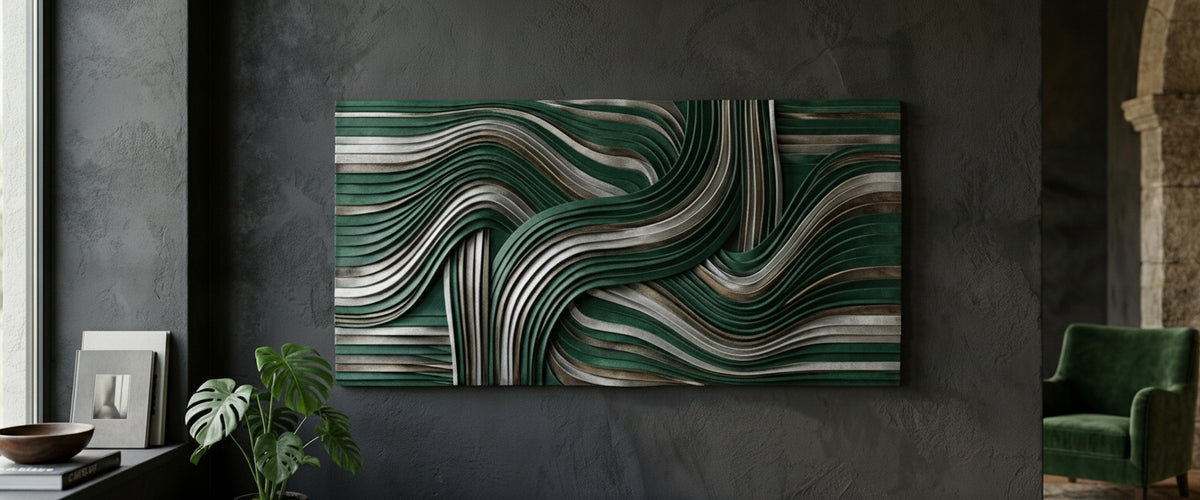
Contemporary leather wall art decor, the layered and sculptural kind, behaves more like a relief sculpture. Where the room calls for architecture first and material second, a layered band piece such as Rhythm Emerald & Silver Layered Stripe Leather 3D Wall Art belongs over a low credenza in a modern Los Angeles living room, against a limewashed wall, where the bands throw shadow lines across the surface. That shadow is the artwork. Lose it and you lose the piece.
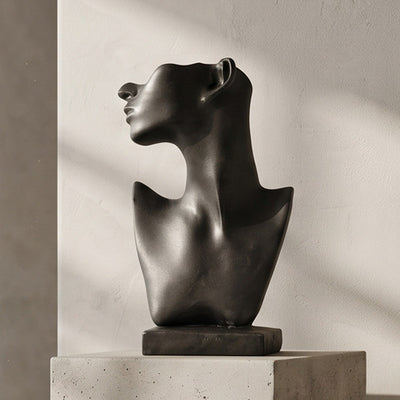
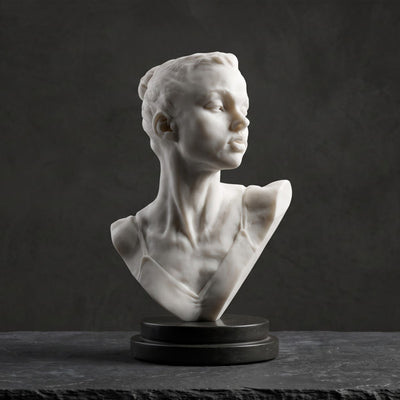
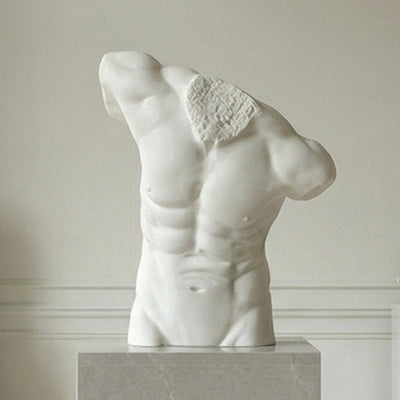
Figurative hybrids sit in between. For clients who want the gravity of a sculpted bust in an apartment where a freestanding bronze would not fit, a wall-mounted figurative tooled leather wall art relief like the Edge Forest Green David Bust Leather & Acrylic 3D Wall Art carries the classical reference at a fraction of the footprint.

Scale, Sightlines, and Pedestal Height
The single most common mistake we see in tooled leather wall art commissions is undersizing. Clients measure the wall, then quietly subtract a foot in every direction because the larger number feels brave. Then the piece arrives and floats.
A working rule: the artwork should occupy 60 to 75 percent of the visual wall width when the wall is uninterrupted, and 50 to 65 percent when furniture sits below. Over a sofa or credenza, the piece should be roughly two-thirds the width of the furniture. Anything narrower looks like a postage stamp on a parcel.
Height is its own decision. Standard gallery hang puts the center of the piece at 57 to 60 inches (145 to 152 cm) from the floor. That assumes a standing viewer. In a sitting room where the primary view is from a low sofa, drop the center by 3 to 5 inches (8 to 13 cm). The piece should meet the seated eye line, not the standing one. Dining rooms split the difference.
For leather wall hanging art with depth, the depth itself changes the math. A piece that projects 3 inches (7.5 cm) off the wall reads heavier than a flat canvas of the same width. Give it more breathing room. At least 18 inches (45 cm) of clean wall on either side, more if the ceiling is tall.

Indoor Versus Outdoor: When Each Wins
Hide is a hygroscopic material. It moves with humidity, fades under UV, and stains where rain hits it. Traditional tooled leather wall art belongs indoors, full stop. We have shipped tooled commissions to clients in Aspen and the Hamptons who initially wanted them on covered loggias; in every case we redirected the piece to an interior wall and proposed a sealed metal or stone work for the outdoor position instead.
Faux leather wall art and treated hybrid panels are a different conversation. Polyurethane-faced composites can tolerate covered outdoor settings, away from direct sun and driving rain. They will not match the patina of real hide up close, but at 8 feet (2.4 m) viewing distance the difference disappears. For a Napa pool house or a covered Texas porch, this is often the right answer.
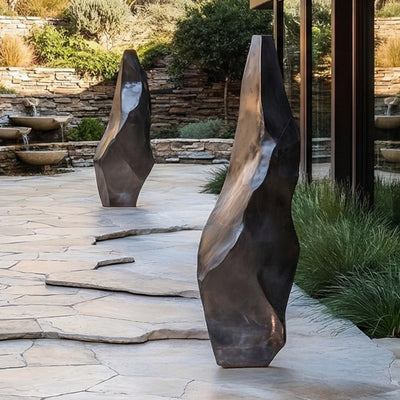
If the brief calls for a sculptural feature on an exposed exterior wall, tooled leather wall art is the wrong material. Steer the project toward our outdoor wall art collection, where Corten, stainless steel, and cast bronze handle the weather without compromise. Save the leather for the room behind the door.

Light, Backdrop, and Contrast
Hide is a low-reflectance material with deep surface variation. It needs directional light to perform. The American Lighting Association recommends accent lighting at roughly three times the ambient level for artwork to read properly, and for tooled leather wall art that ratio is the floor, not the ceiling. The Illuminating Engineering Society publishes practical guidance on aiming angles for picture lights and track heads worth reading before you commit to a fixture.
A 30-degree raking light pulls shadow from every tooled groove and layered band.
Aim track heads or picture lights at a 30-degree angle to the wall. That angle rakes across the surface and pulls shadow out of every tooled groove or layered band. A flat 90-degree wash flattens everything. The piece looks like a printed graphic.
Backdrop choice carries almost as much weight. Hide wants a matte, slightly textured wall. A leather art wall reads best against limewash, clay plaster, and deep flat paint in mushroom, ink, oxblood, or forest green. Avoid high-gloss and avoid bright white unless the leather itself is dark and saturated. A saturated, jewel-tone work like Rhythm Sapphire and Gold Layered Stripe Leather 3D Wall Art (Horizontal Bands) against an off-white wall loses half its drama; against a deep navy plaster, it sings.
Common Placement Mistakes We See
For wider placement ideas, Outdoor Metal Wall Art: A Placement Guide for Walls That Actually Earn It is useful companion reading before finalizing the setting and sightlines.
A short list, drawn from real tooled leather wall art commissions:
Hanging too high. Clients align the top edge with door frames or cabinetry. The piece floats above the room. Center on eye line instead.
Wrong wall. Hide over a fireplace catches heat and dries out. Keep at least 4 feet (1.2 m) of vertical separation from active hearths, or choose a different position entirely.
Sun exposure. South and west-facing walls in California, Arizona, and Texas cook hide. Even indoors, direct afternoon sun will fade dyed leather wall art modern or traditional within a season. The American Institute for Conservation publishes light-exposure thresholds that apply here.
Competing texture. Hide against exposed brick, stacked stone, or heavy wood paneling cancels itself out. Both surfaces want to be the texture. Choose one.
Underscaled commissions. See above. If you are between two sizes, take the larger.
Ignoring the sightline from the entry. Walk to the doorway. What you see from there is the photograph of the room. Place the piece for that view, not for the seat you happen to favor.
Commissioning Bespoke Tooled Leather Wall Art
Most of the hide-based pieces Giant Sculptures ships are bespoke tooled leather wall art. Clients send wall dimensions, photographs of the room in morning and evening light, and a sense of palette. If you started from a diy leather wall art experiment and outgrew it, this is the next step. We work back with scaled mock-ups before any leather is cut. Lead times depend on size, layering complexity, and finish. Budget depends on material grade, scale, structural engineering for larger panels, and installation. We quote each commission individually rather than publishing bands, because a 4-foot (1.2 m) sculptural panel and a 9-foot (2.7 m) layered wall behave like completely different projects. The same logic applies whether you want a leather face wall art portrait or a quiet geometric panel.
If you are weighing a tooled leather wall art commission against a sculptural alternative, the full leather art collection is the right place to start, followed by the broader wall art catalog if you want to compare against metal, wood, or mixed-media options at the same scale.