


























































A six-foot marble figure can look heroic in one room and crowded in another, and the difference is rarely about the carving. Classical Greek statues live or die on placement. The contrapposto stance, the drape of a chiton, the angle of a tilted head; all of it was designed to be read from specific distances and specific heights. Put the same piece against the wrong wall and you flatten two thousand years of sculptural intent.
At Giant Sculptures we ship large classical Greek statues into private homes, hotels, vineyards, and estate gardens across the US and Europe. The questions that come up before delivery of classical Greek statues are almost always the same. How big should it actually be? Where will it look right? Does it belong inside or out? This guide answers those questions the way we would on a studio call.

Quick Answer: What Matters Most for Classical Greek Statues
Scale to architecture, not to floor space. Ceiling height and sightline distance matter more than square footage.
Pedestal height changes the read. Eye level for intimacy, raised for authority, low for a sculptural-object feel.
Outdoors needs a backdrop. Hedges, stonework, or sky. Empty lawn kills a classical figure.
Light should rake, not flood. Side light pulls drapery and musculature forward; flat overhead light flattens it.
Material follows climate. Marble prefers covered porticos and interiors; bronze handles open weather without fuss.

What Classical Greek Statues Actually Look Like in a Real Room
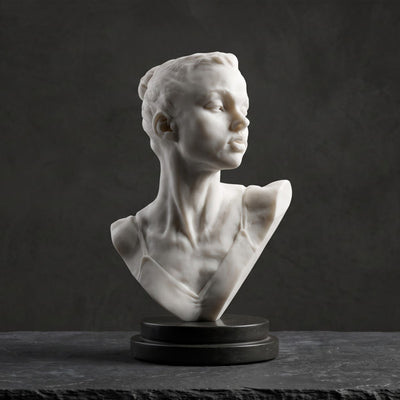
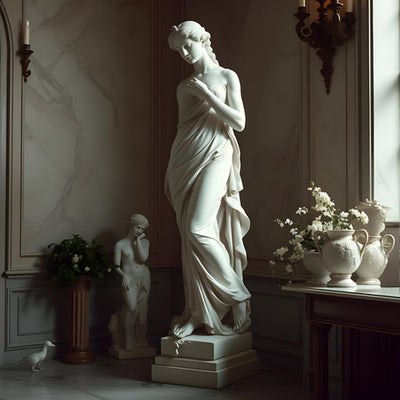
Most buyers picture museum lighting and a clean plinth. The reality at home is messier, and that is fine. A 4 ft (122 cm) seated marble figure in a wood-paneled study reads as a collector's piece. The same figure on a Malibu terrace, set against bleached cedar and ocean glare, becomes architectural punctuation. Greek classical statues are unusually flexible that way because the forms were built around the human body, and the human body fits almost any setting we live in.
Interior placements of classical Greek statues we have shipped recently include a Napa wine room with a seated marble figure on a low travertine block, and a Manhattan duplex entry with a single life-size figure facing the door. Both work because the piece had room to breathe and a clear primary view. Neither room is large. Both have generous ceilings, which is the variable that actually matters.
Scale, Sightlines and Pedestal Height
Three numbers decide whether classical Greek statues land: the height of the piece, the height of the pedestal, and the distance from which it is first seen. Get any one of them wrong and the sculpture either disappears or dominates.
Reading Distance
A classical Greek statue is meant to be read whole, then read again up close. The first read needs distance equal to roughly twice the figure's height. A 6 ft (183 cm) statue wants a 12 ft (3.6 m) approach. Shorter than that and the eye cannot take in the silhouette. This is why classical garden statues at the end of an allee work so well; the avenue itself supplies the reading distance.
Pedestal Height
The default instinct is to raise everything. Resist it. Pedestals do specific jobs:
No pedestal or low block (under 12 in / 30 cm): the figure reads as object, sculptural and intimate. Good for interiors with high ceilings or terraces where you want a piece you can walk past closely.
Mid pedestal (16 to 28 in / 40 to 70 cm): brings the figure's face to roughly standing eye level. This is the warmest, most human read. Best for hallways, libraries, and courtyard niches.
Tall plinth (32 in / 80 cm and up): formal, processional, slightly remote. Right for garden focal points and grand staircases, wrong for a living room where you actually want to feel the piece.
Choosing the Figure's Own Height
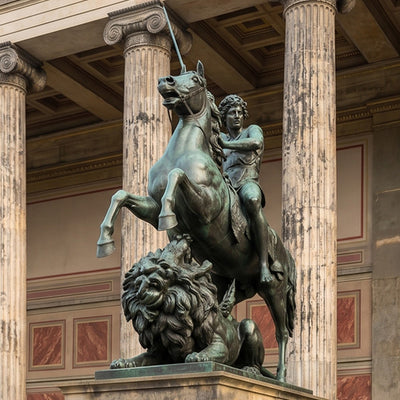
For interiors, 110 to 140 cm (43 to 55 in) is the sweet spot for most homes. It reads as significant without crowding furniture. A piece like the Seated Classical Woman Marble Sculpture - 130cm sits squarely in that range and is the kind of scale that holds a library or wine room without dominating it. For double-height entries and great rooms, push classical Greek statues to 170 to 200 cm (67 to 79 in) and the piece starts to hold its own against the architecture. Outdoors you can scale further; for a long lawn or the end of a hedged axis, a monumental bronze such as the Monumental Classical Greek Warrior Bronze Statue - 250cm needs that distance to be read properly, which is why these pieces tend to anchor lawns rather than terraces.
Indoor Versus Outdoor: When Each Wins
Buyers often ask which setting classical Greek statues are really for. The honest answer is that the ancient Greeks placed them in both temple interiors and open sanctuaries, and the placement logic still holds.
When Indoor Wins
Choose interior placement if you want a piece you live with daily, if the figure is finely carved marble with delicate undercuts you want to protect, or if the climate involves hard freeze-thaw cycles. Marble dislikes repeated freezing, especially when the surface is porous or recently restored. The Getty Conservation Institute has published widely on how moisture migration through marble accelerates surface loss, which is one reason serious collectors keep their best classical statues under cover.
When Outdoor Wins
Choose exterior placement when you have the sightlines for it. Classical garden statues earn their keep at the end of a sight axis, inside a hedged room, or framed by an arch. Bronze is the easier outdoor material for classical Greek statues. It develops a green or brown patina over decades and asks for little beyond an annual wax. Stone and marble work outdoors too, particularly in dry climates such as Santa Fe, the Sonoran corridor, or inland Southern California; they suffer most in damp Northeast winters.
Light, Backdrop and Contrast
A classic statue is essentially a study in shadow. The carving exists to catch raking light across drapery folds, across the deltoid, across the line of a jaw. Place the piece so that light hits from the side for at least part of the day. North-facing interior walls with a window to the east or west give beautiful soft modeling. South-facing patios with overhead sun at noon flatten everything; the figure looks chalky.
Backdrops matter as much as light. Classical marble wants something behind it. A dark green hedge (yew, boxwood, holly) is the traditional choice and still the best one. Inside, a plastered wall in a warm gray or a paneled surface in walnut or oak gives the figure a stage. Avoid placing a white marble piece against a white wall; the silhouette disappears and only the carving details remain, which is the opposite of what classical Greek statues were made for.
Common Placement Mistakes We See
For wider placement ideas, Contemporary Sculpture: A Buyer's Guide to Materials, Scale, and Placement is useful companion reading before finalising the setting and sightlines.
After shipping a lot of classical Greek statues, the same errors come up in client photos. Worth listing plainly:
Centering on the room instead of the sightline. A statue placed dead-center on a wall looks like a hotel lobby. Place it where you first see it walking in.
Pedestal too tall for the ceiling. Anything that brings the head within 12 in (30 cm) of the ceiling reads as cramped, no matter how grand the figure.
Open lawn with no backdrop. Classical garden statues need something behind them. A 6 ft figure on a 2-acre lawn looks like a doll.
Lamp-style pieces used as pure sculpture. A figure-with-light hybrid like the Classical Woman Lamp Marble Sculpture - 230cm is designed to throw light and read as a figure at the same time. Placed in a dark corner without illumination, half its purpose is lost; it belongs on a stair landing or hallway where the light it casts is part of the composition.
Marble outdoors in freeze country without a plan. Cover it, raise it on a draining plinth, or move to bronze.
Pairs placed too close together. Flanking pairs of classical Greek statues need separation roughly equal to twice their height. Anything tighter and they fight each other.
Commissioning Classical Greek Statues at the Right Scale
Most of our commissions for classical Greek statues begin with a client sending a photo of the intended space and a rough budget. From there we work backward: which material, which scale, which pose, which finish. Budget for a large piece depends on material (Carrara marble behaves differently from a denser stone or cast bronze), scale, carving complexity, base and pedestal, crating, and installation. Rather than quote a band that will not fit your project, we put together a tailored estimate once the brief is clear.
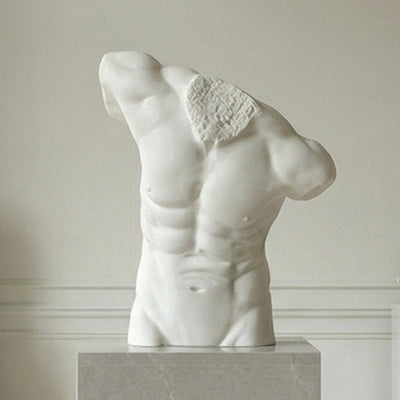
A note on Roman versus Greek for buyers who care about the distinction. Statues common in classical Rome were often direct marble copies of Greek bronzes, plus portrait busts of senators and emperors. A dominant characteristic of classical period statues is idealized naturalism: anatomically convincing but stripped of personal flaw, balanced through contrapposto, and emotionally restrained. If you want serene authority, that is the tradition to draw on. If you want personality and likeness, the Roman portrait tradition is closer to what you actually want commissioned.
Browse the classic sculptures collection or the marble sculptures collection for a sense of pose and scale across our classical Greek statues. The pieces shown are starting points; most clients end up commissioning a variation on size, base, or finish.