




































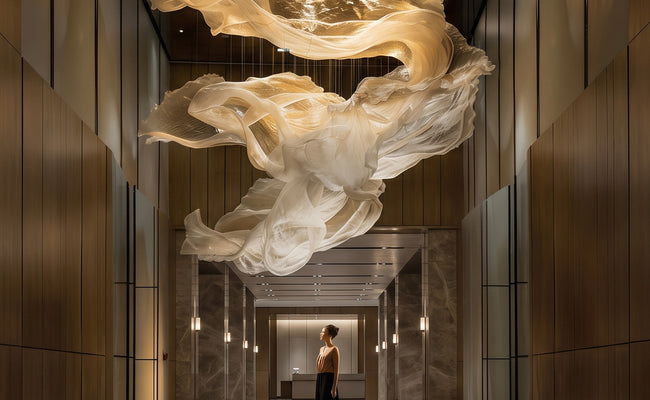
























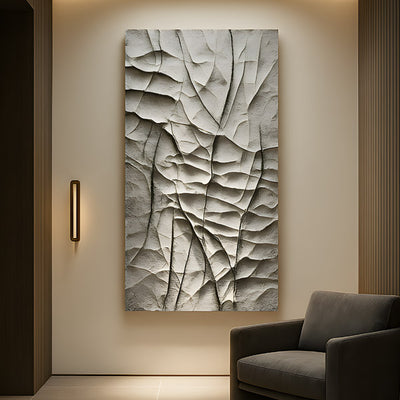
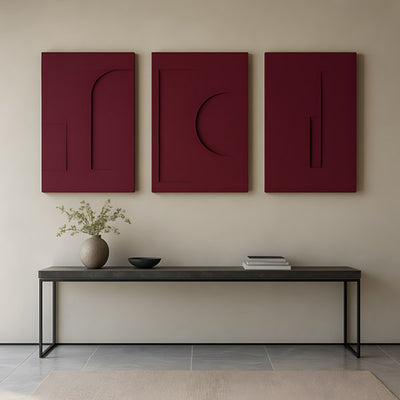































Most people walk into a gallery, fall hard for a piece of contemporary sculpture, and only then realize they have no idea where it would live, what it weighs, or how it will read in a real room. That gap between desire and decision is where most buying mistakes happen. This guide is the brief we wish more clients had read before they called us, covering what contemporary sculpture actually is, the materials that hold up outdoors, the scale jumps that change a room, and the commissioning steps that keep a project on the rails.

Key Takeaways
- Contemporary sculpture covers work made roughly from 1980 onward, spanning figurative, abstract, kinetic, and conceptual pieces.
- Material drives lifespan: bronze, stainless steel, Corten, and stone are the workhorses for serious collectors and outdoor sites.
- Scale is the single most under-estimated decision. A piece that looks large in a studio almost always reads smaller in situ.
- Budget depends on material, size, engineering, finish, and installation. Ask for a tailored quote rather than guessing from a thumbnail.
- Bespoke commissions take longer than stock pieces but solve siting, scale, and meaning problems no off-the-shelf work can.

What Contemporary Sculpture Actually Means
The term gets thrown around loosely, so it helps to pin it down. Contemporary sculpture refers to three-dimensional work made by living artists, or work produced from roughly 1980 onward. The reference text A Sculpture Reader: Contemporary Sculpture Since 1980, published by the International Sculpture Center, uses that same hinge date because the early 80s marked a clear break from late modernism toward installation, identity, materials experimentation, and site-specific work.
Practically, contemporary art sculpture is a wide tent. It includes polished stainless steel abstractions, weathered Corten landscape pieces, figurative bronzes with a modern edge, kinetic works that move with the wind, and conceptual installations such as Kara Walker's A Subtlety, the monumental sugar-coated sphinx she built inside the Domino refinery in Brooklyn. The common thread is intent: contemporary work tends to ask a question rather than simply decorate a plinth.
Who is it best for? Buyers who want a single statement piece doing real work in a room or garden, designers building a project with a strong point of view, and collectors who care about authorship and provenance rather than matching a sofa.

Materials, Finishes, and What They Mean for Ownership
The honest answer to "what is contemporary sculpture made of" is almost anything: bronze, stainless steel, Corten, marble, granite, glass, resin, recycled metal, fiber, even ice and sugar in the case of conceptual work. For pieces meant to last decades in a private collection or public site, four materials carry most of the weight.
Bronze
Still the benchmark for figurative and semi-figurative work. A well-cast bronze with a hand-applied patina handles weather, UV, and physical contact better than almost any alternative, and the patina can be refreshed by a conservator decades later. Contemporary bronze sculpture has moved well past the classical nude; expect stylized figures, abstracted forms, and surface treatments that range from mirror-polished to deeply textured. Bronze is heavy. A life-size figure can land at 400 to 700 pounds (180 to 320 kg), which changes how you ship, site, and anchor it.
Stainless Steel
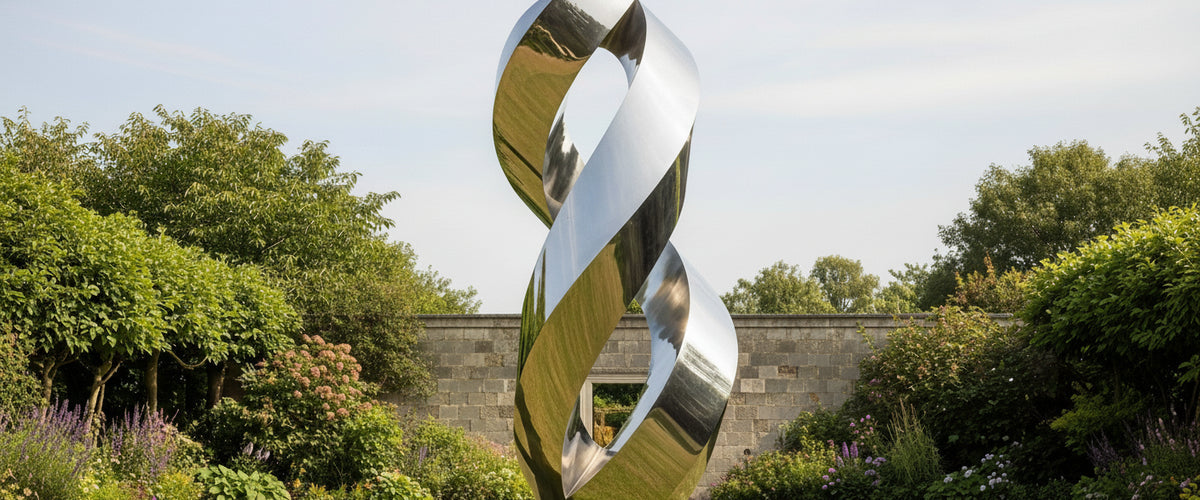
The material of choice for high-gloss abstract work and large outdoor commissions. Marine-grade 316 stainless resists corrosion in coastal sites, takes mirror, satin, or brushed finishes, and reads as cool and architectural rather than warm. It is the right call for a Napa courtyard, a Hamptons pool terrace, or a corporate lobby where the piece needs to hold its own against glass and concrete.
Corten (Weathering) Steel
Corten develops a stable rust-colored oxide layer that protects the steel beneath. It suits landscape settings, agricultural conversions, and modern gardens where you want the piece to feel rooted to the site. Expect the surface to deepen over five to ten years before stabilizing into its final tone.
Stone and Marble
For carved contemporary work, stone offers gravity that no metal can match. Granite handles freeze-thaw cycles well; marble is more sensitive and is best sited where acid rain and de-icing salts will not reach it. A carved stone piece is effectively permanent, which is both the appeal and the responsibility.

Scale: The Decision Most Buyers Underestimate
If there is one lesson worth tattooing on a clipboard, it is this: outdoor sites swallow scale. A 6-foot (1.8 m) figure that dominates a studio will look modest at the end of a 40-foot lawn. We have shipped a 9-foot (2.7 m) stainless abstract to a client in Marin County who originally specified 5 feet; we mocked it up in cardboard on site during a survey call and the smaller version simply disappeared against the oak canopy behind it.
A few working rules:
- Indoor focal piece: for a double-height entry or great room, aim for 5 to 7 feet (1.5 to 2.1 m) on the longest dimension.
- Garden centerpiece on open lawn: 7 to 10 feet (2.1 to 3 m), or taller if mature trees frame it.
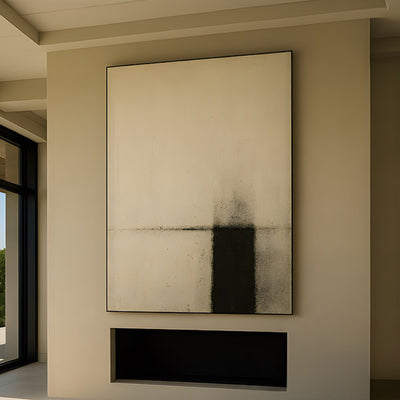
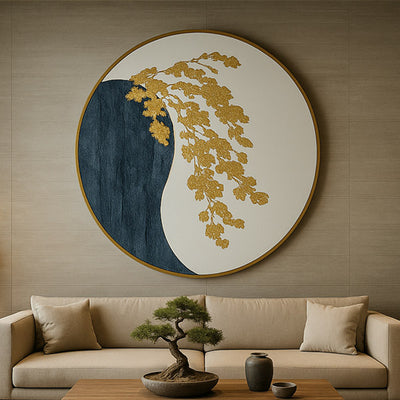
- Contemporary wall sculpture: the piece should occupy roughly two-thirds the width of the wall or anchor furniture below it, never floating as a postage stamp.
- Approach distance matters: a piece viewed from 50 feet away needs a bolder silhouette and less fine detail than one read at arm's length.
Before committing, ask for elevation drawings or a to-scale photo composite. Any serious studio will provide them.

Placement for Strongest Visual Impact
For wider placement ideas, Contemporary Garden Sculptures That Earn Their Lawn is useful companion reading before finalising the setting and sightlines.
One focus of many contemporary sculptures is the relationship between object and site, so where you put the work matters as much as what you buy. A few placements consistently earn their keep.
End of a sightline. Position the piece at the terminus of a long view: down a hallway, at the end of a pool, framed by a doorway. The eye is doing half your work.
Against a quiet backdrop. Busy planting, patterned wallpaper, and cluttered architecture all fight the silhouette. A clipped hedge, a stucco wall, a still pond, or a single mature tree gives the form room to breathe.
Off-center, not dead center. Strict symmetry flattens contemporary work. Set the piece one-third into the space and let negative area carry the composition.
Lit from two sides at night. Single-source uplighting collapses a three-dimensional form into a silhouette. Two low-wattage sources at roughly 45 degrees keep the volume legible after dark.
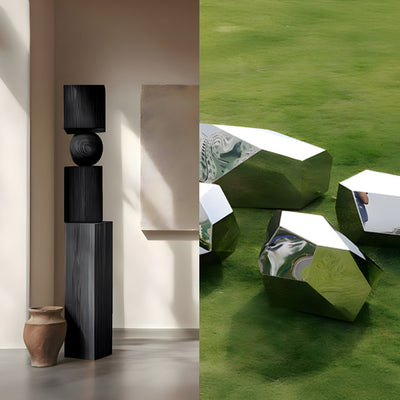
For interior placement, modern contemporary sculptures benefit from being seen in the round. Pedestals that allow a 360-degree walk-around almost always read better than wall-pushed plinths. Our contemporary and modern sculptures collection shows the range of forms that respond well to this kind of staging.

Budget, Commissioning, and Delivery
Honest answer on price: contemporary sculpture spans a vast range and is driven by material, scale, engineering complexity, finish, edition status, and installation requirements. A 3-foot table bronze and a 12-foot stainless commission are not in the same conversation. The right move is to share your site, brief, and rough scale with the studio and request a tailored quote rather than work from a number you saw on someone else's invoice.
A few cost levers worth understanding:
- Edition vs unique: a bronze cast in an edition of eight will price differently from a one-of-one carved stone work.
- Engineering: cantilevered or kinetic pieces need structural calculations and often a hidden steel armature. That is real work, not optional.
- Finish: a mirror polish on stainless adds significant labor over a satin or brushed surface.
- Installation: crane hire, footings, anchor bolts, and site protection are usually quoted separately. Ask up front.
- Shipping and crating: custom crates and air-ride freight are standard for international delivery. We have shipped commissions to clients across California, Texas, New York, and Florida, and the logistics piece is rarely the smallest line item.
A bespoke commission timeline typically runs from three months for a refined version of an existing model to twelve months or more for a fully original large-scale work. Build that into the project program early, especially if the piece is tied to a build completion or an event.
Working With Contemporary Sculpture Artists on a Commission
The best commissions start with a clear brief and a flexible mind. Bring the site (photos, drawings, sun path, sightlines), the intent (what the piece should do emotionally and spatially), and the constraints (budget envelope, deadline, access for crane and truck). Leave the form open. Contemporary sculpture artists work best when they are solving a problem, not executing a thumbnail.
At Giant Sculptures we work with a roster of makers across bronze, stainless, Corten, and carved stone, and we manage commissions end-to-end: artist selection, maquette, engineering, fabrication, finish, crating, shipping, and installation. For clients who want a curated entry point, the Adam Illes and Jirayu Tantrakul bodies of work show two distinct contemporary approaches, one more architectural, one more figurative, and either can be scaled or adapted for a specific site.
A Short Buyer's Checklist Before You Commit
- Have I seen the piece at true scale, either in person, via cardboard mock-up, or in a to-scale photo composite?
- Is the material right for the climate and the site (coastal, freeze-thaw, full sun, chlorinated pool deck)?
- Do I have the structural base or footing the piece needs?
- Is access for delivery and installation actually possible (gate widths, driveway grade, overhead obstructions)?
- Have I asked about long-term care: patina refresh intervals, cleaning, and any annual inspection the studio recommends?
- Do I have written confirmation of edition status, provenance, and artist authorship?
Get those six right and the rest of the project is mostly logistics. Get any of them wrong and you will spend the next two years working around a piece that should have worked for you.