
























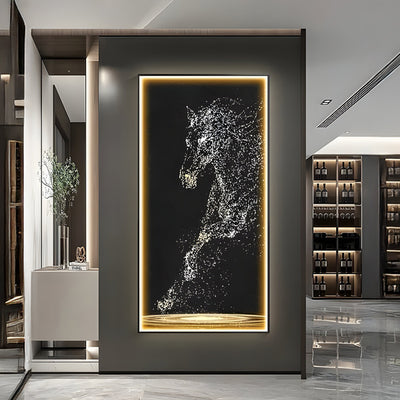
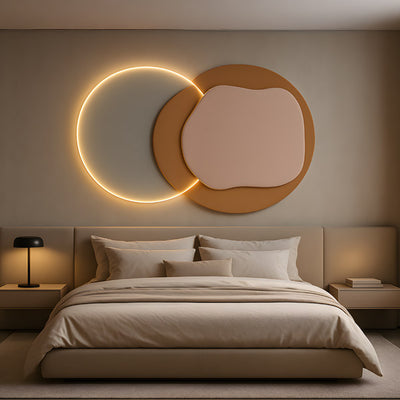
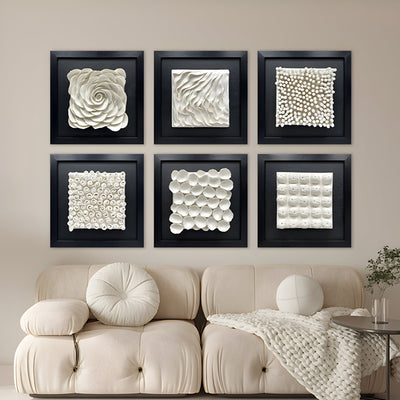
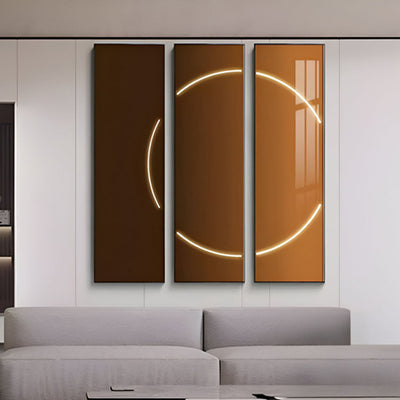
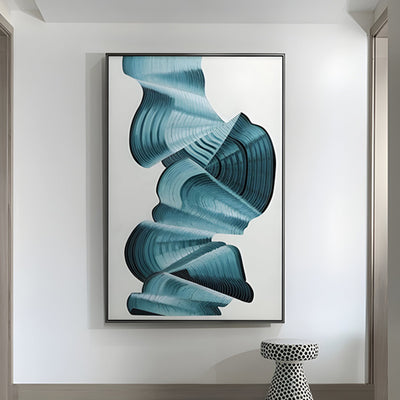
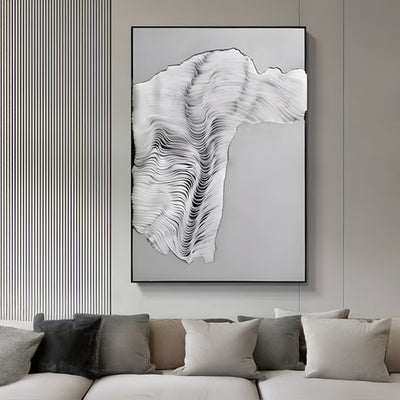
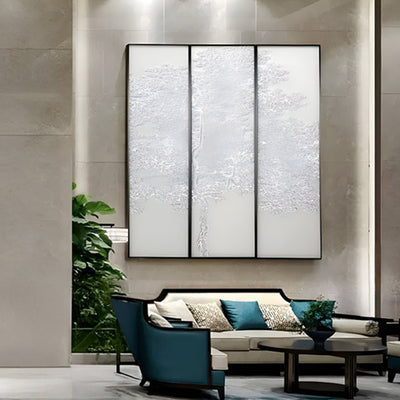
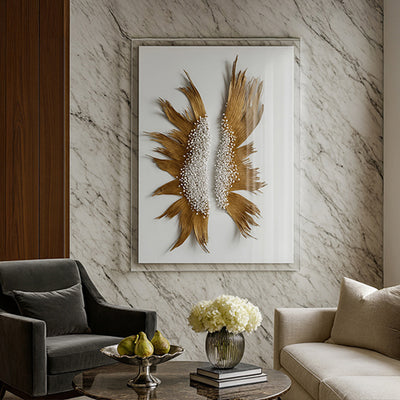
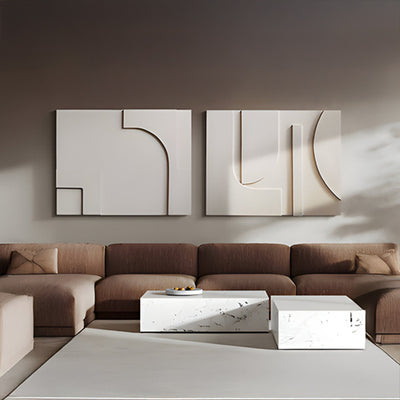
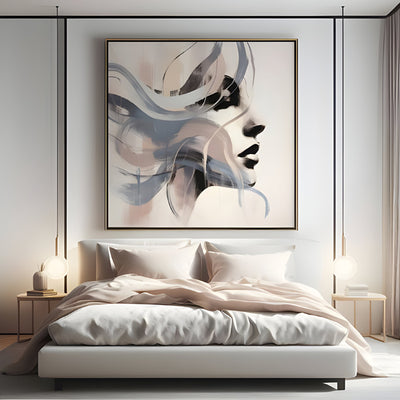
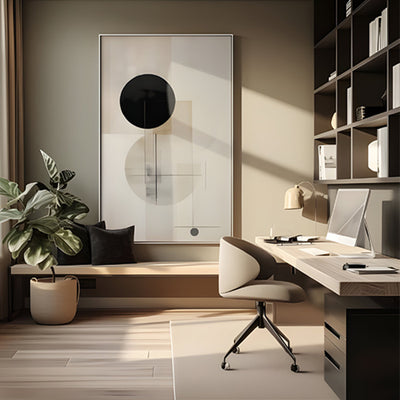
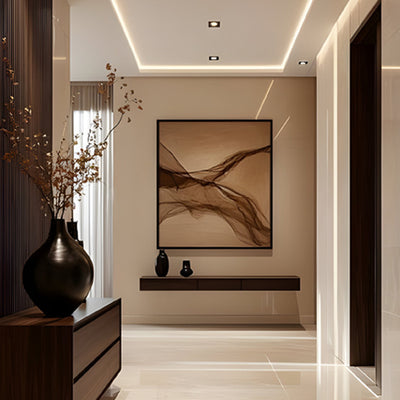









Most buyers approach a wall art metal commission the way they approach a painting, then get a surprise when the maker starts asking about wind load, wall substrate, and how the light moves across the facade between 3pm and sunset. A flat artwork hung on a hook this is not. A large metal wall piece is a piece of fabricated sculpture that happens to live on a wall, and the decisions made in the first ten minutes of a studio conversation are what separate a commission that ages beautifully from one that looks tired in two summers.
Looking for the full range in this category? Browse our Metal Wall Art collection for every available finish, size, and configuration.
This is a behind-the-bench look at how our team at Giant Sculptures actually thinks about a metal wall art project before we quote, build, or ship. If you are weighing a commission for a Napa winery facade, a Texas ranch entryway, or a triple-height stairwell in a Tribeca loft, the points below are the ones that move the needle.
A maquette review in the studio, the stage where most decisions actually get made.

At a Glance: What Drives a Metal Wall Art Commission
Substrate and structure: what the piece is hanging on matters as much as the artwork itself.
Material choice: stainless, Corten, copper, brass, aluminum, mild steel with powder coat. Each ages differently.
Read distance: a piece that sings at 10 ft (3 m) can fall apart at 30 ft (9 m), and vice versa.
Depth and relief: the difference between a graphic and a sculpture is usually 2 to 6 inches (5 to 15 cm).
Finish strategy: brushed, mirrored, patinated, clear-coated, or left to weather. This is a 20-year decision.
Install method: standoffs, French cleats, anchored brackets, or engineered subframe.

What Sculptors Actually Think About First
Before any sketching, a sculptor wants to understand three things: where the piece lives, how people approach it, and what the wall is made of. A poured concrete wall in a commercial lobby will take almost anything. A timber-frame exterior in the Hamptons with cedar cladding will not, and pretending otherwise leads to ugly compromises at install. Outdoor pieces also have to answer to weather, salt air near the coast, and the freeze-thaw cycle in mountain locations like Aspen.
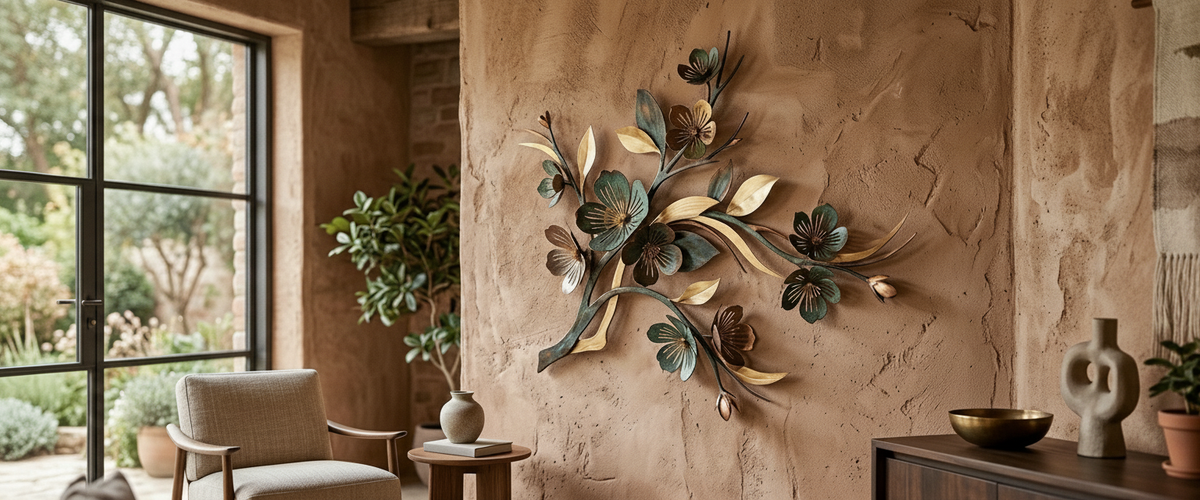
The second question is light. A metal wall sculpture is essentially a light instrument. Brushed stainless reads as soft silver in north light and almost white at noon. A copper-gold blossom branch piece spread across 16 ft (5 m) of a double-height wall will throw warm reflections onto adjacent surfaces in late afternoon, which is either a gift or a problem depending on the room. We talk through this with clients before we draw a single line.
The third question is purpose. Is the metal wall art decor meant to anchor a room, soften an architectural feature, or carry the identity of a building? A hospitality client commissioning a piece for a brand-led lobby has different success criteria than a private collector who wants the artwork to disappear into the architecture and only assert itself at certain times of day.

Craft Decisions That Change the Final Result
Once the brief is honest, the craft decisions begin. These are the choices that quietly drive both the look and the cost of a commission.
Material
Stainless steel, particularly 316 grade, is the workhorse for exterior metal wall art near coastlines. Corten gives that rust-orange patina that suits desert and modern agrarian architecture; it stabilizes after a year or two but will stain anything beneath it during that period. Copper and brass move through pink, brown, and eventually green if left uncoated. Aluminum is light, which matters on plaster or drywall installations, and takes powder coat beautifully. The American Institute for Conservation has good general guidance on how outdoor metals behave over time, and it is worth a read before locking in a finish.
Depth and Relief
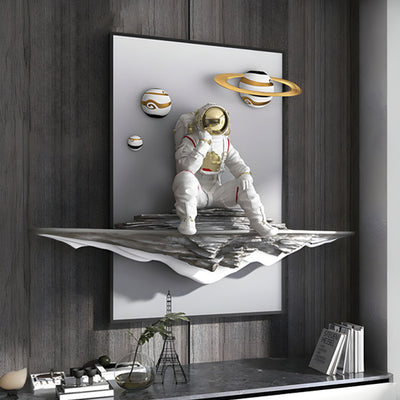
A piece described as 3D wall art typically projects 2 to 8 inches (5 to 20 cm) from the wall. That projection is what makes shadow, and shadow is what makes the piece read as sculpture rather than graphic. Where a single accent gesture is doing the heavy lifting, as in the Celestara Grey Round 3D Wall Art with Red Metal Ball, the relief has to be real; flatten it and the composition collapses into a sticker.
Finish and Patina
Finish is where most regrets live. A mirror polish looks dramatic in a showroom and shows every fingerprint in a family kitchen. A brushed satin finish is more forgiving. Hand-applied patinas on copper and bronze are gorgeous but need a clear lacquer if the client wants them frozen in time, otherwise they will continue to evolve. None of these are wrong; they are simply different commitments.
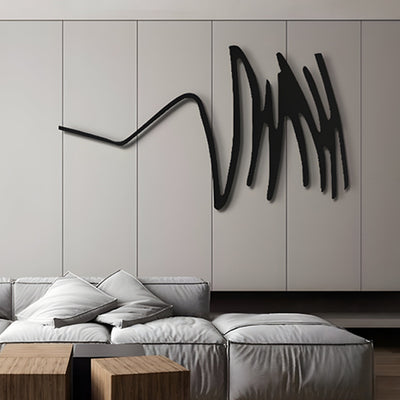
A long-sightline piece designed to read as a single drawn line from across a courtyard.

Why Some Pieces Read Right at 10 ft and Wrong at 30
Scale is the single most misjudged element of large metal wall art. Designers often specify a piece based on its proportion to the wall, which is the right instinct but only half the calculation. The other half is read distance.
A finely detailed abstract metal wall art piece with intricate cutwork can be a quiet pleasure when viewed from 8 to 12 ft (2.5 to 4 m). Place that same piece at the top of a 30 ft (9 m) atrium and the detail dissolves into visual noise. Conversely, a piece designed for long sightlines, big silhouettes, generous negative space, strong color blocking, can look crude when you walk up to it.
For long sightlines, like a winery elevation, a hotel porte-cochere, or the back wall of a Texas great room, we push clients toward bigger gestures and longer pieces. A work like the Copper-Gold Blossom Branch Metal Wall Sculpture - 500cm (roughly 16.4 ft) is built for that kind of distance; the branch reads as one drawn line from across a courtyard and only resolves into individual blossoms as you approach. For a more contained space where the viewer is always within 15 ft, a layered landscape piece such as the Gold & Azure Landscape Mountain Metal Wall Sculpture - 120cm rewards close looking with overlapping planes and color shifts.
The Studio Process: Maquette, Sample, Fabrication, Install
A serious commission usually runs through four stages. Skipping any of them is one of the red flags discussed below.
1. Maquette
A maquette is a scaled physical or detailed digital model, usually around 12 to 24 inches (30 to 60 cm). It lets the client see proportion, depth, and composition in three dimensions before any full-scale metal is cut. Photos and renders are not enough on a piece that will live with a family for decades.
2. Material and Finish Samples
We send actual metal samples in the proposed finish. A brushed brass swatch in your own light tells you more than any swatch on a screen. For exterior pieces, samples are sometimes left on site for a week so the client can see how the work behaves at dawn, midday, and dusk.
3. Fabrication
This is the long stage. Cutting, forming, welding, grinding, finishing, patinating, sealing. A large piece can spend several weeks on the bench. Good studios share progress images. Great studios invite you to visit if you are close enough.
4. Install
Installation for a large sculpted panel is engineering, not handyman work. Anchors are sized to substrate. Standoffs are calculated for the weight and projection of the piece. For pieces over roughly 80 lb (36 kg) we typically specify a concealed subframe rather than relying on point fixings. On exterior installs we also think about drainage behind the piece so water does not pool against the wall.
Honest Red Flags Before You Commit
If you are interviewing studios for a commission, these are the questions that quickly reveal who is who.
Do they ask about the wall before quoting? If the conversation jumps straight to design without anyone asking what your wall is made of, that is a signal.
Do they show a maquette stage? Studios that skip maquettes for large pieces are gambling with your money.
Can they name the alloy and finish system? "Metal" is not an answer. 316 stainless with a number 4 brushed finish is.
What is the warranty on the finish, specifically outdoors? Exterior pieces live a harder life than indoor ones and the finish system should be specified for that environment.
How do they handle install? A studio that hands you a heavy artwork at the curb and waves goodbye is not a studio you want for a flagship piece.
Are they willing to say no? A maker who cheerfully agrees to every request is either very junior or telling you what you want to hear. Strong commissions involve some pushback.
One more practical note for DIY projects and smaller pieces hung by the owner: use the right anchor for the substrate, hit studs whenever possible, and for anything over 25 lb (11 kg) use two fixing points minimum, level and spaced wider than the center of gravity. Manufacturers like Simpson Strong-Tie publish load tables for common anchor types that are worth checking before you drill.
Where a Bespoke Commission Earns Its Keep
A catalog piece is the right answer most of the time. It is faster, the finish is known, and the install is straightforward. Bespoke earns its place when the wall is unusual, when the brand or family identity needs to live in the work, or when the scale exceeds what is sensibly shipped as a single object. For pieces that need to be assembled on site from multiple panels, like a 25 ft (7.6 m) facade installation, bespoke is not a luxury, it is the only honest route.
Whatever direction you take, treat the first conversation as the most important one. A good studio will spend that hour asking about your wall, your light, and your life with the piece, not pitching you finishes. That is the tell.
For wider placement ideas, Metal Wall Art Decor: What Sculptors Weigh Before Saying Yes is useful companion reading before finalising the setting and sightlines.