

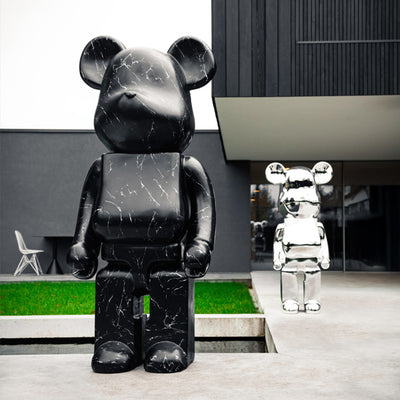

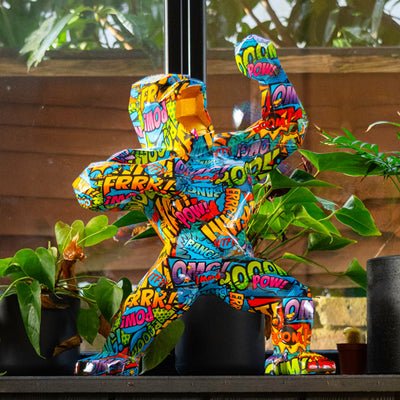


















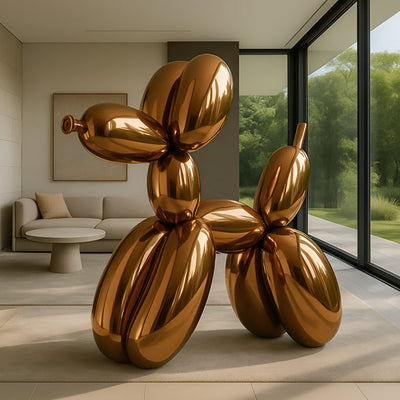

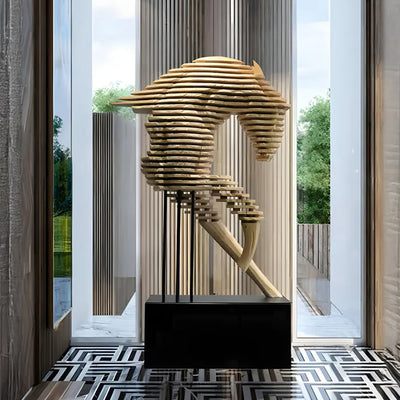

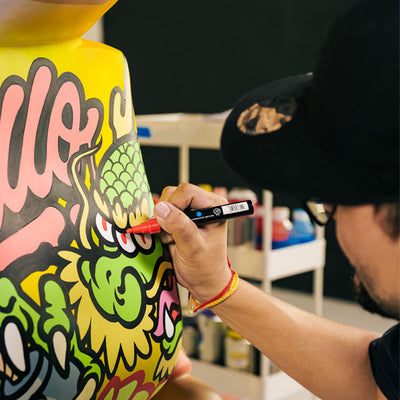

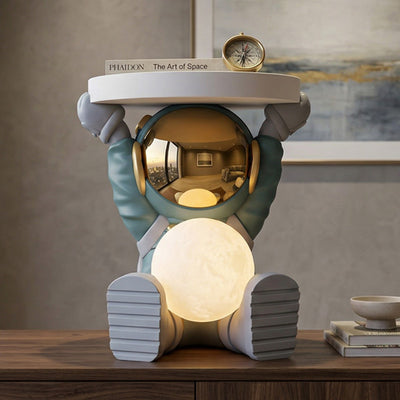



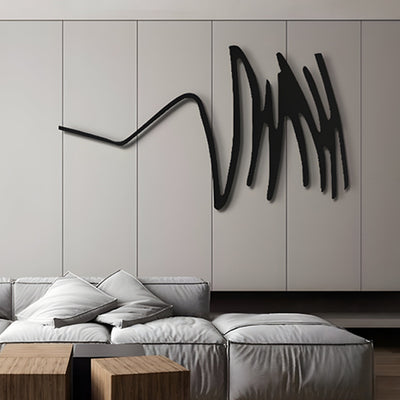



























Here is the part nobody tells you about how to make fiberglass sculpture that survives 15 feet (4.6 m) of full sun in a Napa courtyard: the honest answer starts nowhere near the resin. The shape gets decided in a maquette the size of a dinner plate, the surface gets settled in a tiny test panel, and the price gets set by choices most buyers never see. By the time a piece is laminating in the studio, the hard thinking is done. So this article is about the planning, not the glass. It walks the build the way a studio runs it: what gets decided up front, the craft calls that move the result and the budget, and the red flags worth raising before you sign.
The internal frame goes in first, because the glass is the skin, not the spine.
This is written from the supplier side; at Giant Sculptures we plan large-scale and bespoke pieces, so the bias here is toward a sculpture that has to survive weather, shipping, and years of being looked at closely. Get the planning right and you make a fiberglass sculpture that earns its place for decades.

Quick Answer: How a Fiberglass Sculpture Comes Together
Maquette first. A small scale model fixes the form and proportion before any money goes into full size. Decide this before you make a fiberglass sculpture at scale.
Mold or sculpt-up. The form is either modeled in clay and molded, or built directly over an armature.
Lamination. Layers of fiberglass matting and resin build the shell to the right thickness for the size. This is the stage people picture when they think about how to make a fiberglass sculpture.
Internal structure. Steel or aluminum armature carries the load; the glass is the skin, not the spine.
Finishing. Filling, fairing, sanding, then paint, automotive lacquer, or a metallic or mirror finish.
Install. Anchoring, ballast, and access all get planned early, not on delivery day.

What a Studio Thinks About Before Taking the Commission
Before anyone agrees to make a fiberglass sculpture, the first questions are not artistic. They are practical. Where is it going? Indoors, in a lobby, or outside in full sun and frost? How big, and how will it get through the door or onto the site? Who anchors it, and into what? Plan to make a fiberglass sculpture around these answers and the rest of the build gets easier.
The material earns its place because it is light for its size. A figure that would weigh several hundred pounds in bronze can come in dramatically lighter as a fiberglass resin sculpture, which changes everything about shipping, craning, and floor loading. That lightness is exactly why a tall piece needs a properly engineered internal frame. The glass skin is strong in compression and stiff in a curve, but it cannot hold a 12-foot (3.7 m) cantilevered arm on its own.
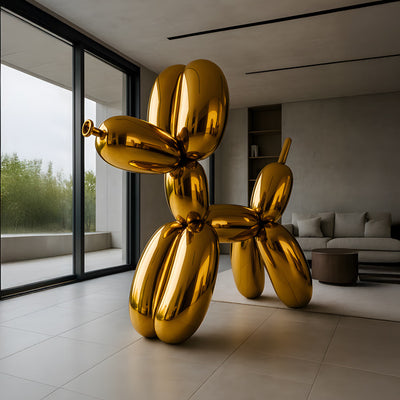
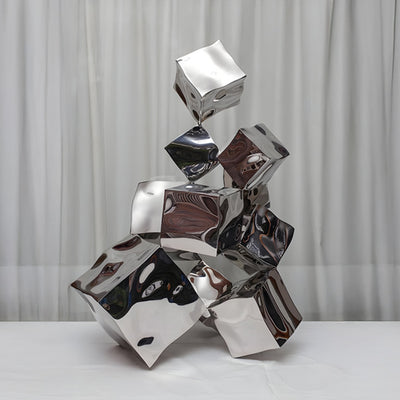
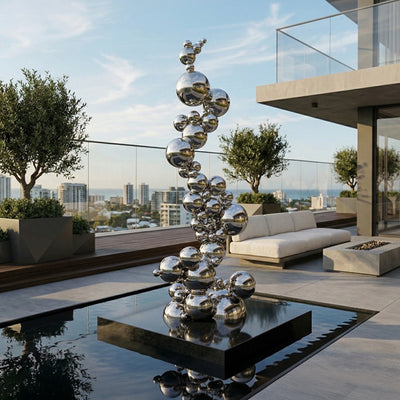
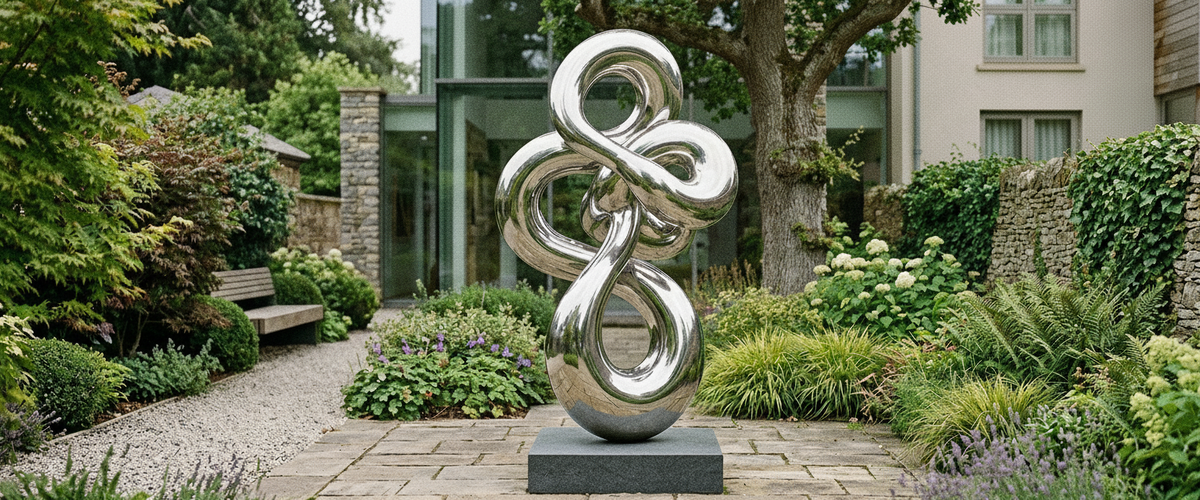
We also flag the finish intent up front. A matte painted animal and a mirror-polished abstract are not the same job. The mirror and metallic looks people associate with large composite pieces, the kind of language an Anish Kapoor fiberglass or steel form trades in, demand a near-perfect substrate. Every ripple shows. That surface ambition flows straight back into the schedule when you make a fiberglass sculpture at this level.

Craft Decisions That Change the Result and the Price
The cost to make a fiberglass sculpture varies wildly even between two pieces of the same height, and the gap is rarely about the glass itself. It is about these calls:
Resin and laminate choice
Standard polyester resin is common and economical. For outdoor work that has to resist UV and moisture for years, a better resin system and a gelcoat layer matter. Marine and conservation guidance is blunt about this: surface coatings and laminate quality drive how composites age outdoors, and cheap shortcuts surface as chalking and crazing within a few seasons. Skip this step and you will make a fiberglass sculpture that fades fast.
Wall thickness and reinforcement
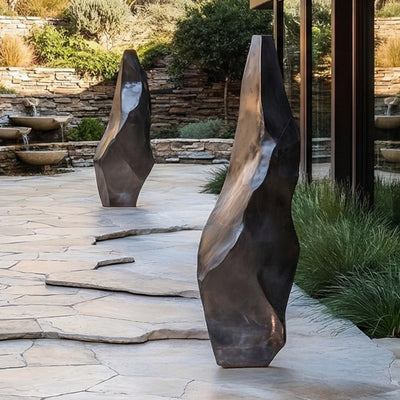
A decorative indoor piece can run thin. A fiberglass garden sculpture that will get leaned on, sat on, or hit by a strimmer needs more laminate, local reinforcement at stress points, and a frame sized for the span. Thickness is hours, and hours are cost. This is one of the quiet ways the choice to make a fiberglass sculpture properly shows up in the quote.
Surface ambition
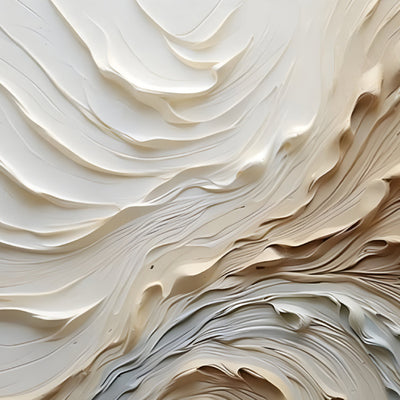
A textured, painterly finish hides small imperfections. A high-gloss automotive or chrome-effect finish hides nothing, so the team spends far longer fairing and sanding before the first color coat. If you want to make a fiberglass sculpture that reads like polished metal, expect the finishing stage to be the longest part of the build.
Color and paint system
How you paint the surface decides how it survives. Automotive 2K systems and proper primers bond and hold color far better outdoors than a quick rattle-can job. We spec the paint system to the location, not to the photo, every time we make a fiberglass sculpture for the open air.
Sample panels prove color, gloss, and texture on real laminate before full-size finishing, well before you make a fiberglass sculpture at scale.

Why a Piece Can Read Right at 10 ft and Wrong at 30
Scale is where amateur composite work falls apart. A maquette that looks balanced on a table can look top-heavy, thin, or oddly proportioned once it is enlarged to standing height in an open plaza. Eyes read big forms differently. Detail that charms at 10 feet disappears at 30, and a silhouette that worked small can look pinched once it is towering over you.
This is why we sample and step the scale up rather than jumping straight to full size when we make a fiberglass sculpture. We have shipped pieces where the client signed off a render happily, then we built a mid-size test of one section so everyone could stand next to it before committing the full enlargement. That intermediate check has saved more than one commission from looking wrong on install day. Custom fiberglass sculptures live or die on this kind of patience, so the plan to make a fiberglass sculpture at full height starts small.
Placement feeds back into the form too. A piece seen mostly from below, on a plinth, wants a different profile than one viewed from a balcony above. Seasonal pieces have their own quirks; fiberglass christmas sculptures, for example, often need to read clearly from a distance and under floodlight, which pushes you toward bolder masses and cleaner edges rather than fine surface play.
The Studio Process, Step by Step
Brief and reference. We gather site photos, dimensions, sight lines, and the finish you are after before we make a fiberglass sculpture from scratch.
Maquette. A small sculpted model fixes form and proportion. This is your cheapest chance to change your mind.
Sample panel. A finish sample shows the exact color, gloss, and texture on real laminate, not a screen.
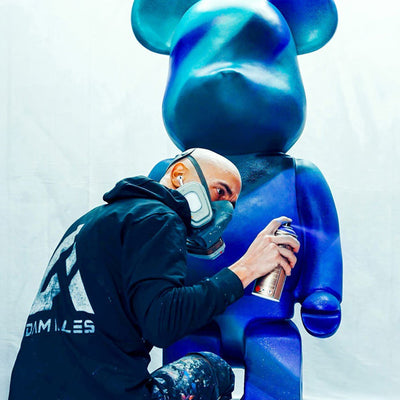
Armature and buildup. The internal steel or aluminum frame goes in, then the form is built and the glass is laminated over it.
Fairing and finishing. Filling, sanding, priming, and the chosen paint or metallic system.
Sign-off and crating. Photos for approval, then a crate built for the route, whether that is a Texas ranch or a gallery in NYC.
Install. Anchoring and ballast as planned, with access and crane needs confirmed in advance.
If you want to see how the material sits next to heavier options, our fiberglass sculptures collection shows the range of forms it handles well, and the broader large garden statues selection is a useful gut check on scale before you set out to make a fiberglass sculpture of your own.
Honest Red Flags to Raise Before You Commit
Most disappointing jobs trace back to a question that nobody asked. Before you commit to make a fiberglass sculpture, here is what to ask:
What is the internal structure? If the answer is vague, walk. A tall piece needs a real engineered armature, not just thick glass.
Which resin and gelcoat for outdoors? UV resistance and a proper surface layer are not optional for a fiberglass garden sculpture that has to last.
What paint system, and is it warranted outdoors? Automotive-grade finishes behave very differently from decorative paint, so confirm the spec before you make a fiberglass sculpture for a wet climate.
How is it anchored? Lightweight is a feature until the wind picks up. Ballast and fixing detail should be in the plan before you make a fiberglass sculpture this big.
Can I see a sample and a maquette? Any serious studio will offer both before they make a fiberglass sculpture for you. Skipping them is the fastest route to a piece that reads wrong at scale.
How do I repair it later? The material is genuinely repairable, which is one of its real strengths over time, but you want to know the route before you need it.
Fiberglass is a brilliant material for big, light, sculptural form, including ambitious fiberglass animal sculptures that would be impractical in solid bronze. When you make a fiberglass sculpture as a serious build with a frame, a finish system, and a scale plan, it ages well and ships well. Treated as a quick cast, it fails in front of an audience. The difference is almost entirely in the decisions made before you make a fiberglass sculpture and lay the first coat.
If you are weighing a commission, talk to us early about site, scale, and finish. That is where the choice to make a fiberglass sculpture pays off, and where Giant Sculptures does the work that makes the final piece look inevitable.
For wider placement ideas, How to Make a Fiberglass Sculpture the Right Way is useful companion reading before you finalize the setting and sightlines and commit to make a fiberglass sculpture for the spot.