

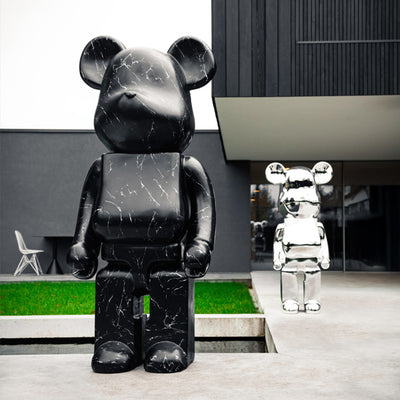

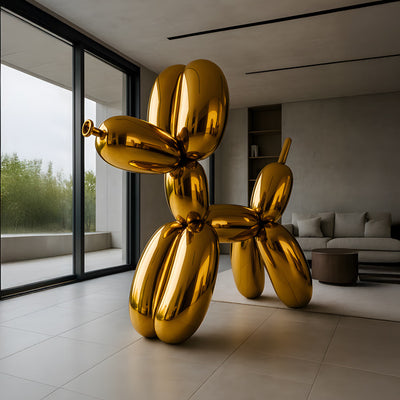
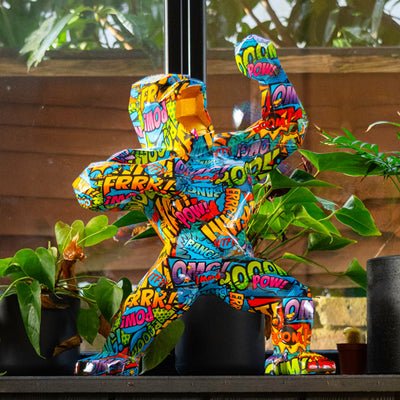
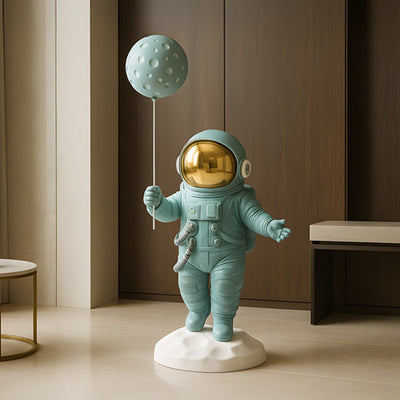

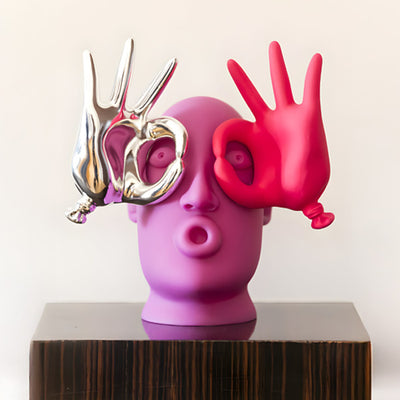


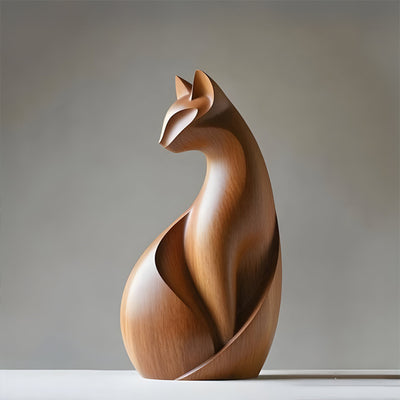
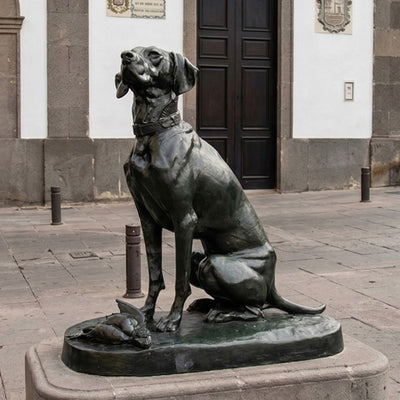


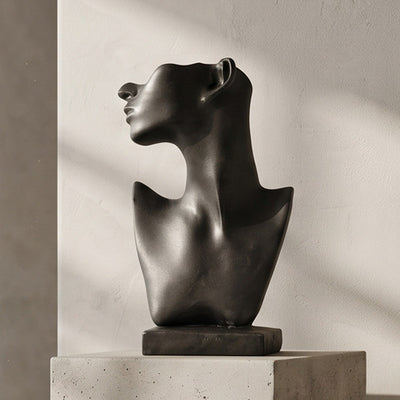

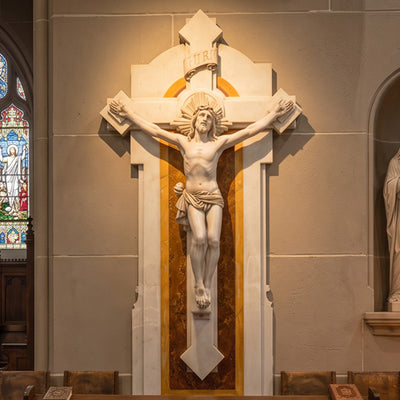
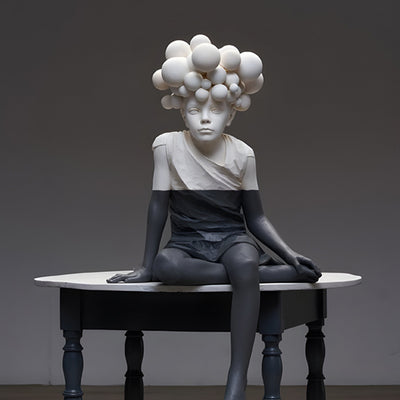

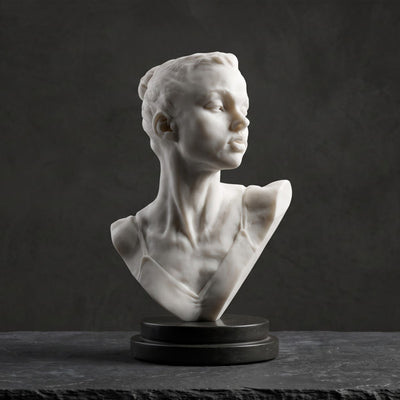
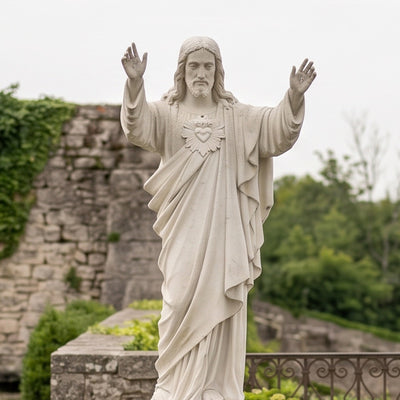
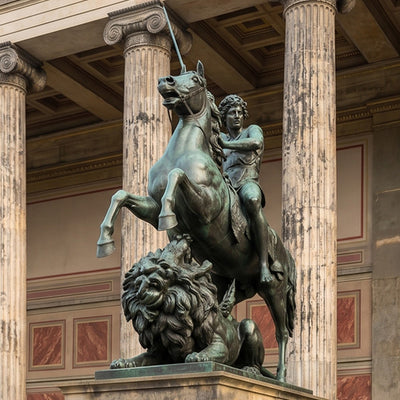


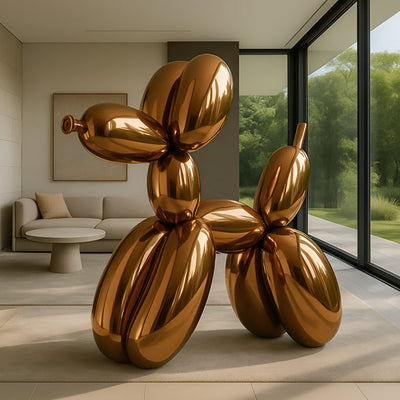
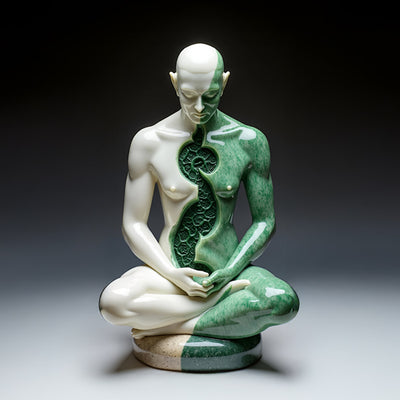
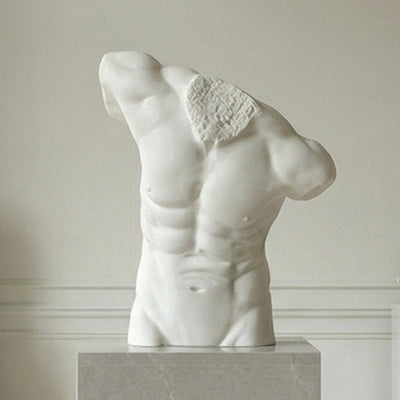


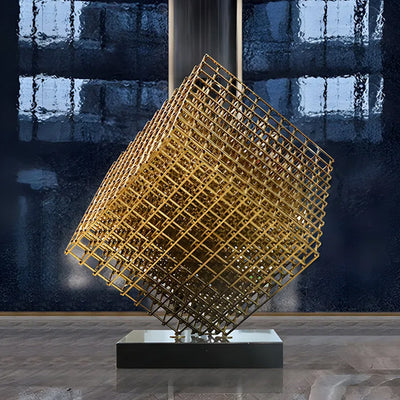
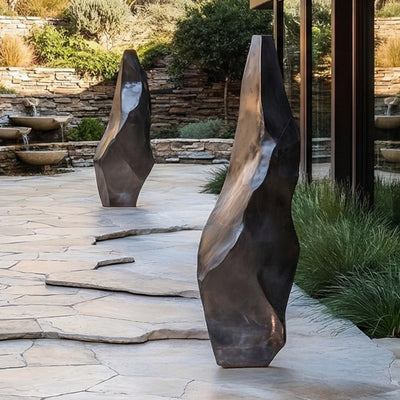

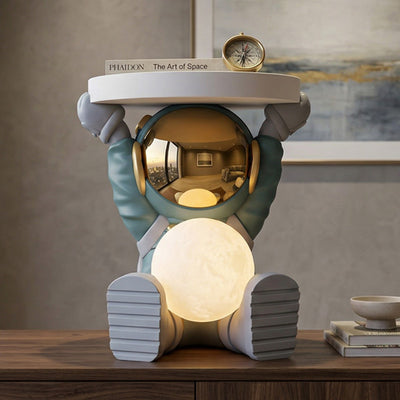














A figure at human height changes a room the way a real person does. That is the quiet power of life size statues, and it is also why so many of them are bought badly. The wrong material in a wet climate, the wrong pose in a tight hallway, the wrong base on a soft lawn, and a serious piece of sculpture starts to feel like a prop. This guide is written for buyers who want the opposite outcome: life size statues that hold their ground for the next thirty or forty years.

At a Glance: What to Know Before You Commit
- Scale: "Life size" usually means 5 to 6 feet (150 to 185 cm) for human figures, taller for heroic poses, and full anatomical height for horses (around 16 hands, roughly 64 inches at the withers).
- Material drives lifespan: Bronze and marble for multi-generational outdoor work; stainless steel and Corten for contemporary statements; resin only where weight or budget genuinely demands it.
- Weight is real: A life size bronze figure can run 200 to 600 pounds (90 to 270 kg). Plan access, base, and rigging before you plan the show.
- Placement beats price: A modest piece in the right spot beats an expensive one in the wrong spot, every time.
- Bespoke is the norm at this scale: Most life size statues commissions involve some adjustment to pose, finish, patina or base.

What "Life Size" Actually Means
The phrase sounds self-explanatory and is not. A full-scale statue of a standing woman might measure 5 feet 6 inches (168 cm), while a life size horse statue stands closer to 8 feet (244 cm) at the ear tips and stretches 9 feet (275 cm) nose to tail. A life size anime statue of a tall shonen character, say a life size Gojo statue, can hit 6 feet 4 inches (193 cm) before the hair is added. Always ask for the actual measured height, width and depth of life size statues you commission, not the nominal label on the spec sheet.
This matters because most placement mistakes happen on paper. A doorway is 6 feet 8 inches. A standard ceiling is 8 feet. A figure on a 12 inch plinth in a room with a low beam suddenly looks crowded. Tape the footprint on the floor and the height on the wall before you sign anything off.

Materials and Finishes That Earn Their Keep
At full scale, material is the single biggest decision you will make when buying life size statues. It governs cost, weight, longevity, maintenance and the way the piece reads in different light.
Bronze
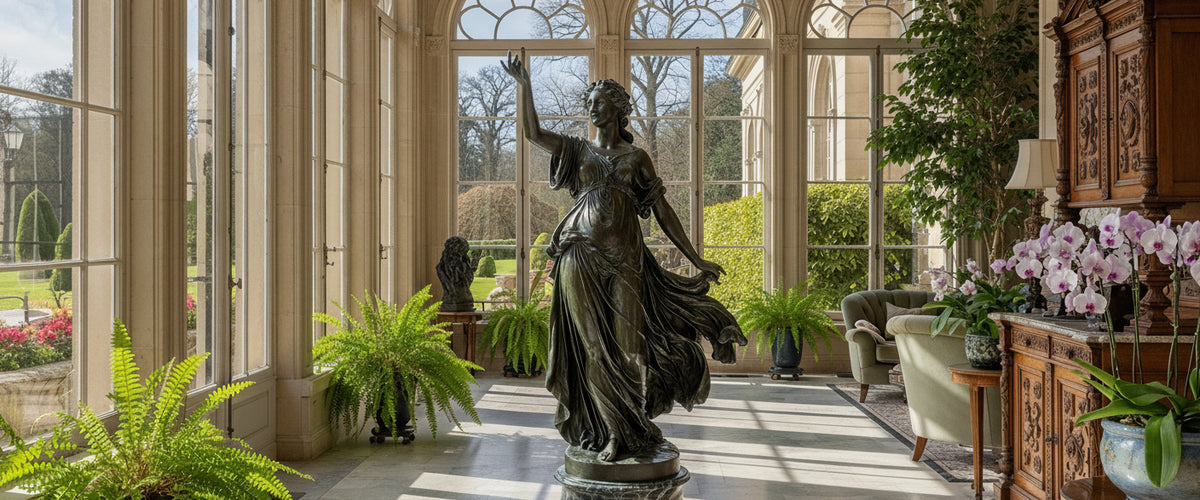
Lost-wax cast bronze is the default for serious outdoor figurative work, and has been since antiquity. A well-patinated bronze will outlive the building it stands next to. Expect to rewax it every couple of years in coastal or industrial air; the Smithsonian's conservation guidance on outdoor bronzes is a sensible reference point. Bronze handles fine anatomical detail, holds dynamic poses, and accepts a wide patina palette from deep chocolate to verdigris green.
Marble and Stone
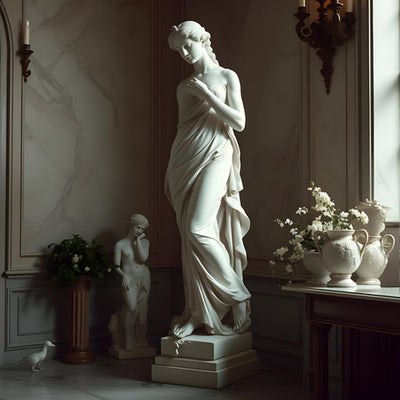
Marble carries an authority no other material matches, particularly for classical subjects, angels, draped figures and memorials. Carrara and Volakas are the usual choices for white work. Marble is heavier than bronze pound for pound and more vulnerable to acid rain and freeze-thaw cycles, so it rewards a sheltered position or a temperate climate. For a contemplative chapel courtyard or a walled rose garden, a 160cm carved figure such as the Life-Size Angel Marble Outdoor Sculpture - 160cm sits closer to the eye and reads as companion rather than monument; push the same subject to Life-Size Angel Marble Outdoor Sculpture - 200cm and it begins to dominate a long axis the way a memorial should. The Getty Conservation Institute has published widely on outdoor stone care if you want to read further.
Stainless Steel
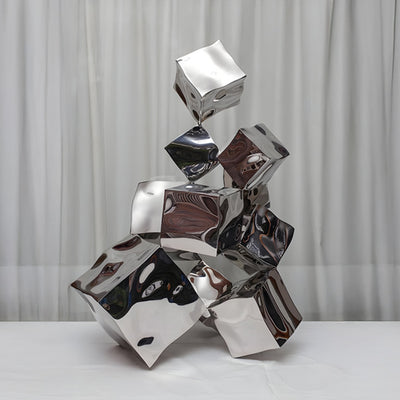
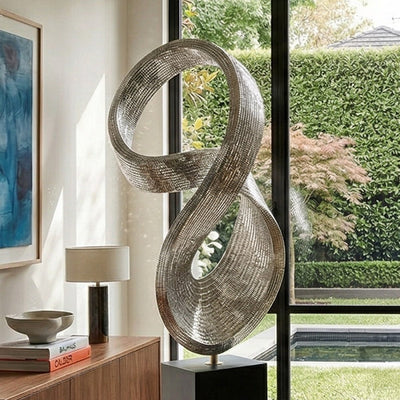
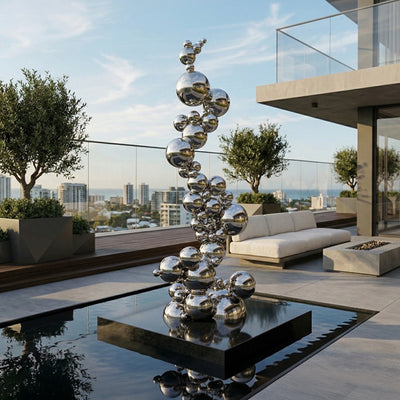
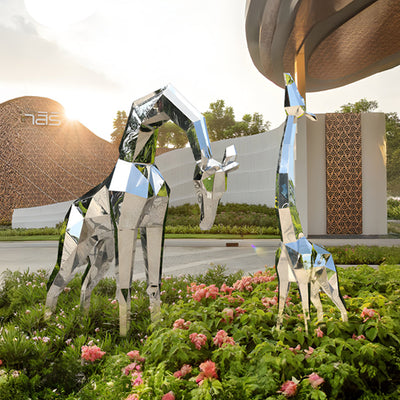
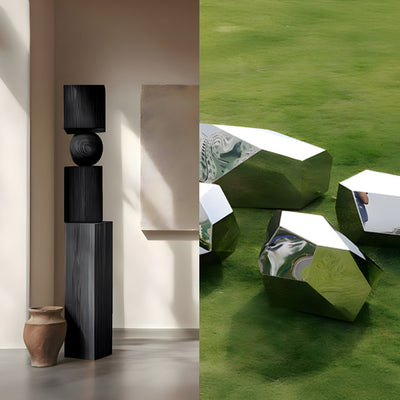
Mirror-polished or brushed stainless suits contemporary architecture, rooftop terraces, and any setting where you want life size statues to reflect their surroundings. It is exceptionally durable and fingerprint-tolerant in brushed finishes.
Corten Steel
Corten weathers to a stable rust skin and reads beautifully against planting, gravel and pale stone. It is a strong choice for ranch entries in Texas, Napa vineyards and Aspen sculpture lawns where you want the work to feel rooted in the land.
Resin and Composite
For wider placement ideas on life size statues, Life Size Statues at Home: Where Scale Stops Being a Gimmick is useful companion reading before finalising the setting and sightlines.
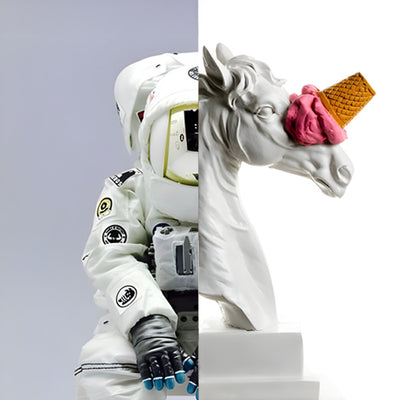
Useful for interior anime and pop-culture pieces where weight, color saturation and tight production tolerances matter more than centuries of life. Not the right answer for a permanent garden installation.

Placement: Where Full-Scale Figures Actually Work
The most common error we see is treating a human-height figure like a decorative object. It is not. At human scale, life size statues read as a presence, and presences need somewhere to stand and something to face.
- End of a sightline. A long lawn, a pool axis, a gravel path, a gallery corridor. Give the piece a destination role.
- Against a calm backdrop. Hedging, a render wall, a single mature tree. Busy planting fights the silhouette.
- With breathing room. A figure needs at least its own height of clear space around it, more for equestrian or multi-figure groups.
- At the right elevation. A 12 to 18 inch plinth lifts the work above ground clutter and reads more architectural. A life size horse, by contrast, usually wants to stand on grade.
For interiors, the calculation shifts. A life size anime statue or a life size Gojo statue in a media room is a focal piece; give it a dedicated wall, controlled lighting, and ideally a low platform so the head sits slightly above eye level. We have shipped pop-culture life size statues to clients in Los Angeles and Austin where the piece sits in a custom-lit niche, and the difference between that and a corner placement is night and day.

Weight, Base and Installation
Life size statues in bronze typically weigh 200 to 600 pounds (90 to 270 kg) depending on wall thickness and whether the casting is solid in the limbs. A marble piece of similar height can weigh 700 to 1,200 pounds (320 to 545 kg). A full-scale horse in bronze can run 1,500 pounds (680 kg) or more.
That has consequences. Soft lawn needs a concrete pad below grade. Rooftop installations need a structural engineer's sign-off. Interior placement on a suspended floor needs load checking. Doorway and stair access needs to be measured for the crated dimensions, not just the sculpture itself. We routinely build steel armatures and hidden pin-fixings into the base so the piece is anchored against wind load and, frankly, against the occasional drunken guest.

Budget and Commissioning
Pricing for life size statues at this scale is genuinely project-specific. A bronze cast from an existing pattern sits in a very different budget bracket from a fully bespoke commission with original sculpting, custom patina, integrated lighting and a carved stone plinth. Marble carving is priced by the complexity of the figure, the quality of the block, and the hours of hand finishing. Anime and character work depends heavily on licensing, sculpting hours and paint detail.
Rather than chase a number online, the better question is: what is the brief? Once you can describe the subject, approximate height, material preference, indoor or outdoor placement, and timeline, a serious studio can come back with a realistic quote inside a week or two. At Giant Sculptures we work this way on every bespoke project, and we would rather have one honest conversation than three rounds of guesswork.
Buyer Checklist Before You Sign Off
- Confirm the final dimensions in writing, including plinth.
- Approve a maquette or 3D render before full-scale work begins.
- Specify the patina or finish with a physical sample, not a photo.
- Agree the base, fixing method and any lighting integration up front.
- Check crate dimensions against every doorway, gate and turn on the delivery route.
- Plan installation day with rigging, not goodwill.
- Get the care schedule in writing for year one.
How Giant Sculptures Approaches Life Size Commissions
Our studio focuses on large-scale, durable work, and life size statues are where most of our commissions land. For classical and memorial briefs, hand-carved marble pieces like the Life-Size Angel Marble Outdoor Sculpture - 180cm sit at the natural pivot point between intimate and architectural; where the brief calls for ceremony rather than contemplation, the same subject in a gold-leaf finish shifts the register without changing the silhouette.
For contemporary, wildlife and character work, including life size horse statues and pop-culture figures, we commission life size statues in bronze, stainless and mixed media to brief. You can see the full range of full-scale work in our Life Size and Large Statues collection, and the animal commissions in Wildlife Sculptures. Every piece ships worldwide with crated transport, and we handle installation coordination with your contractor or landscape team.
The honest summary: life size statues are one of the few purchases that genuinely get better the longer you live with them. Choose the material for the climate, the pose for the placement, and the maker for the long haul.
For general conservation principles, V&A sculpture techniques is a useful external reference, though the final care routine should always follow the material and finish specified for the individual commission.