





















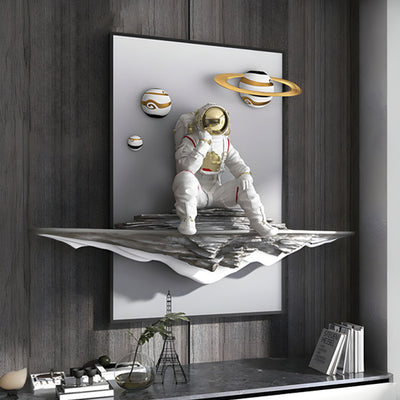

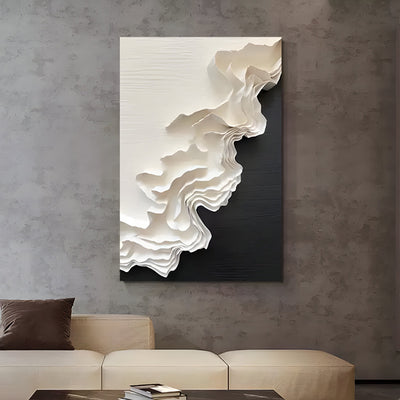
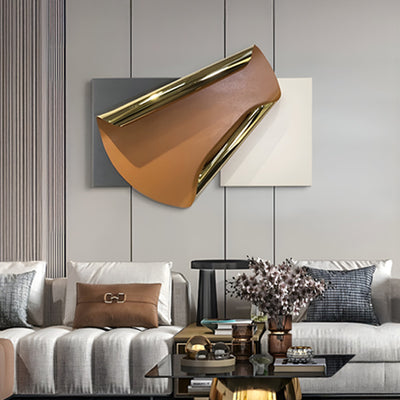
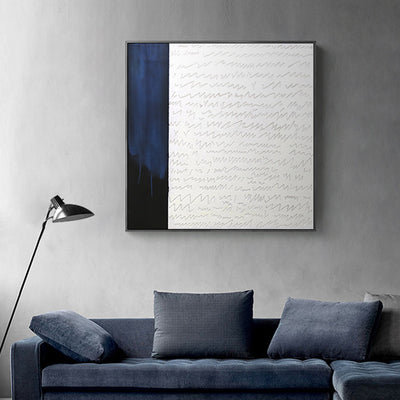
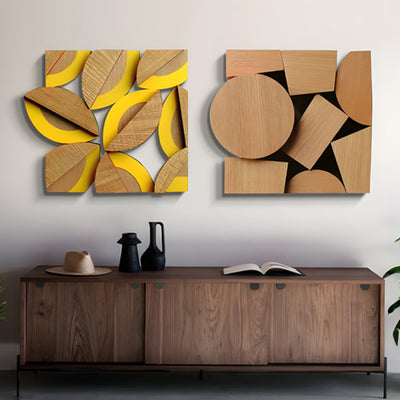

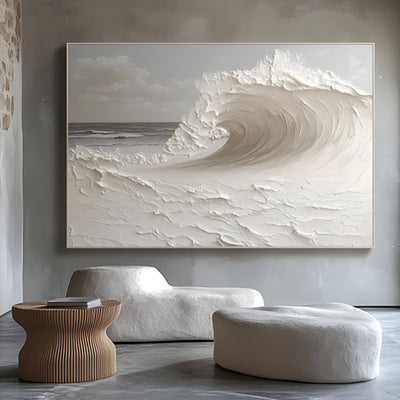
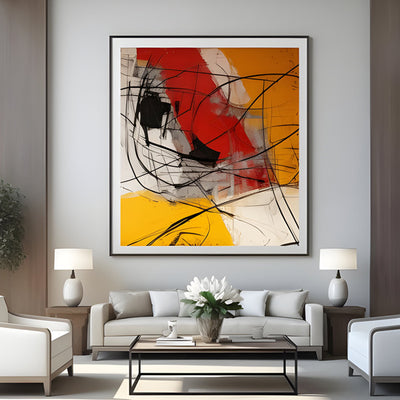
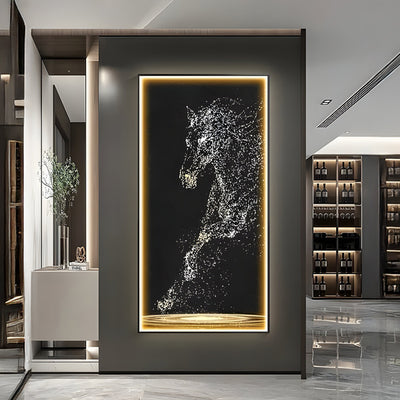
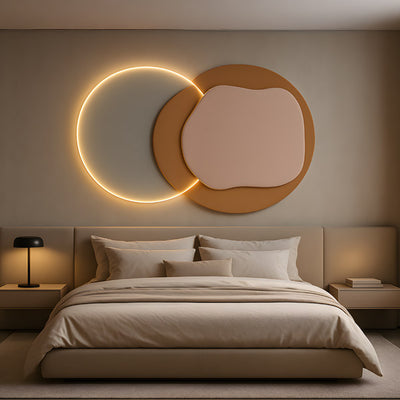
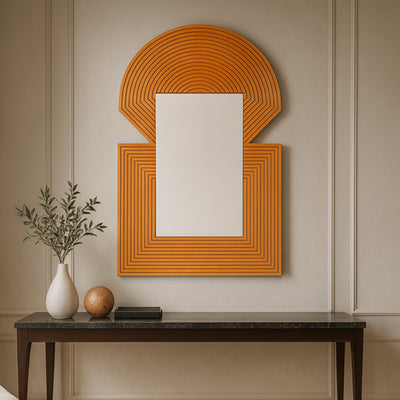
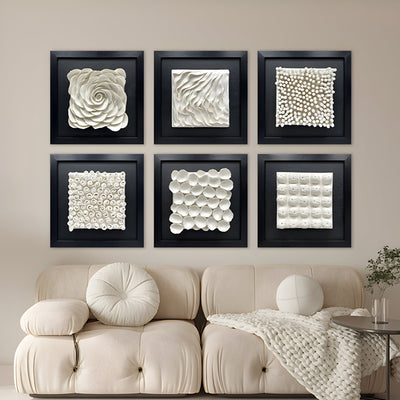
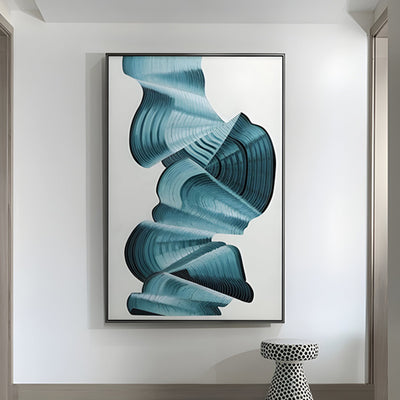
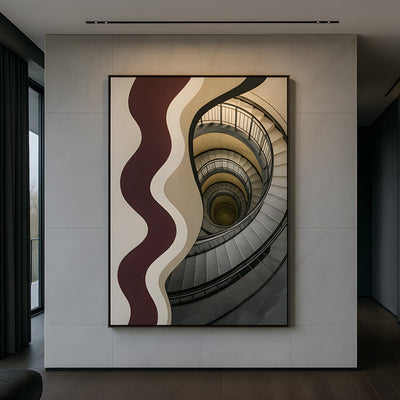
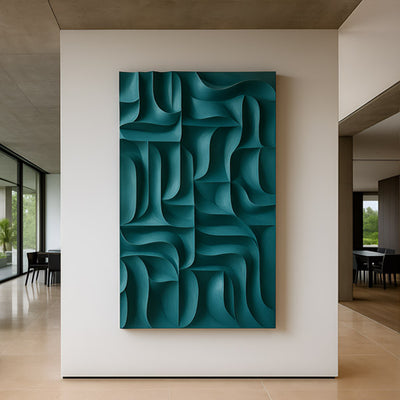
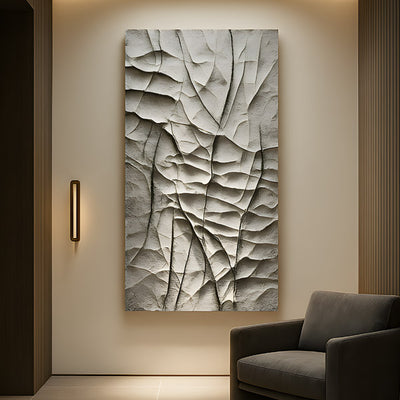
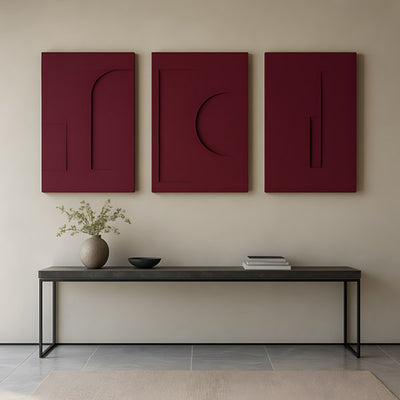
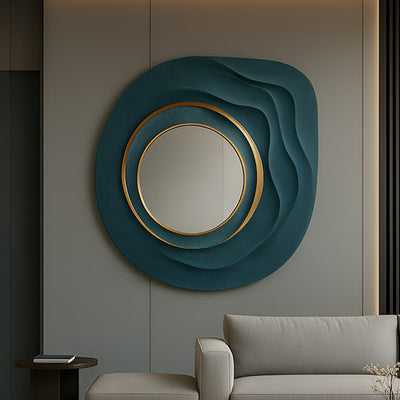
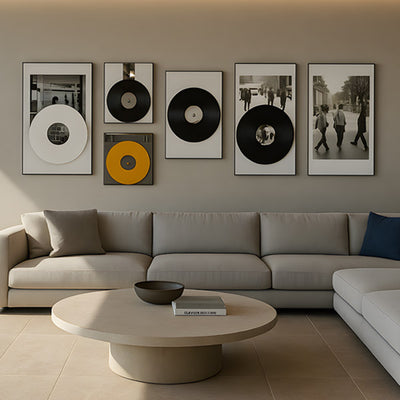
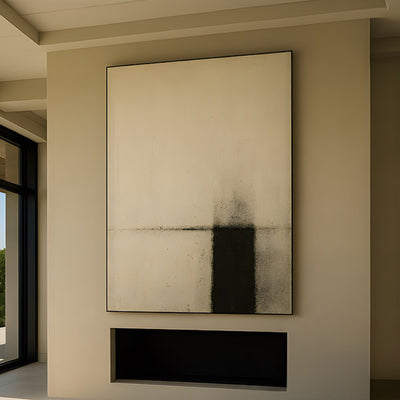
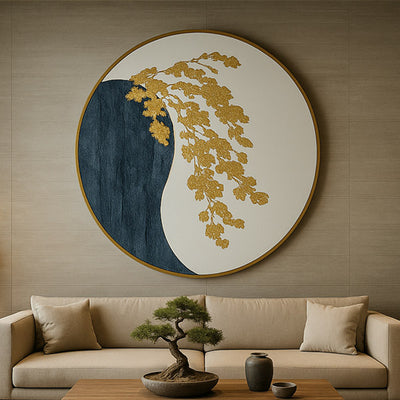
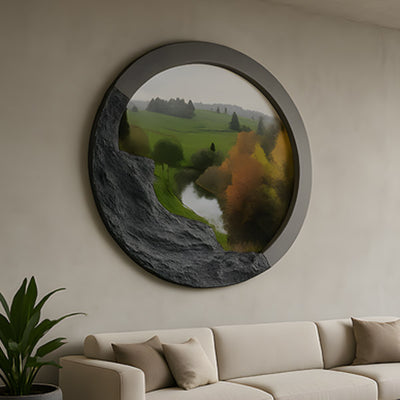
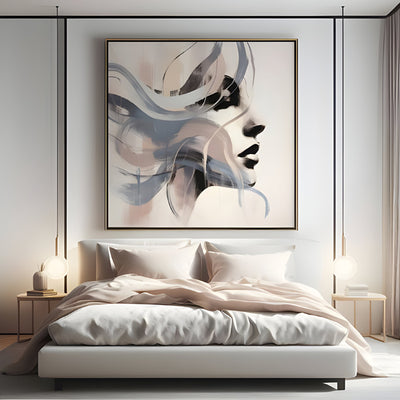
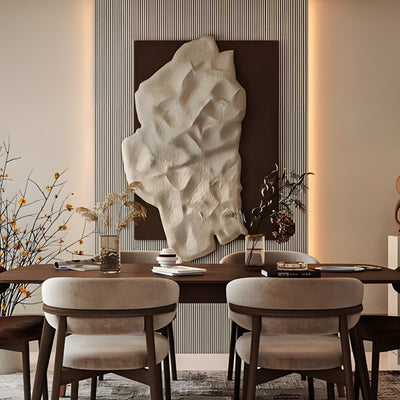
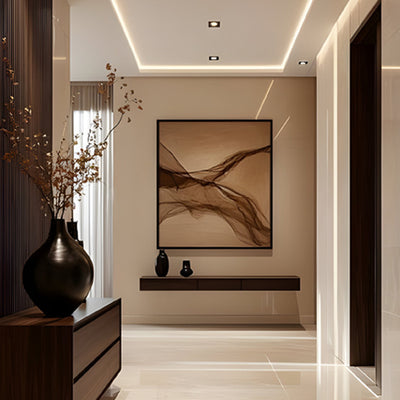










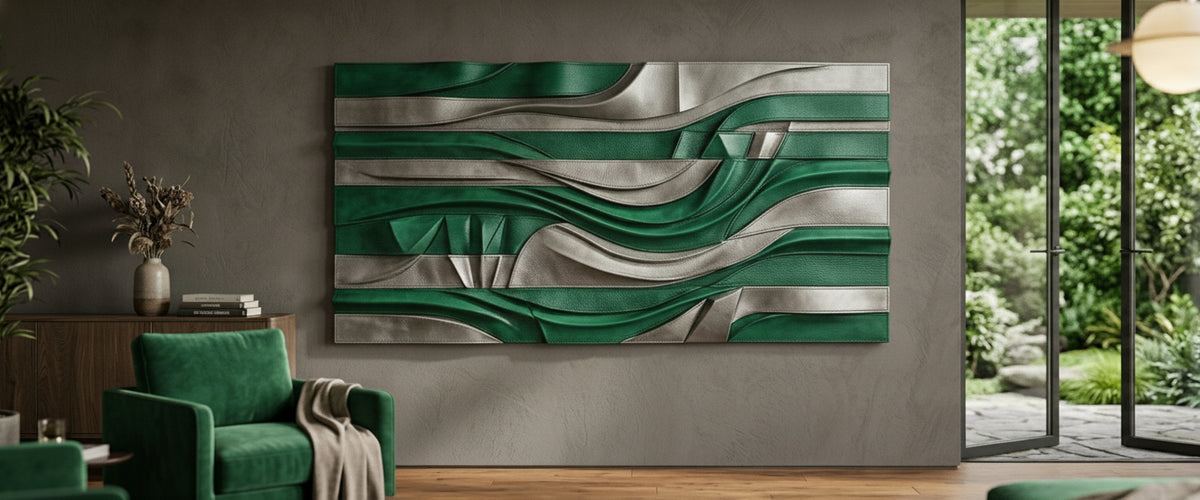

Most wall art is flat. Leather wall art is not, and that single fact changes how a room reads from the doorway. A hide panel catches raking light from a window, throws soft shadows across stitched seams, and gives a wall the kind of depth you usually only get from a sculpted relief. For buyers tired of oversized canvas prints and wanting something with material honesty, leather sits in a useful middle ground between fine art and three-dimensional sculpture.
This guide walks through what leather wall art actually is, how to judge quality, where to hang it, and when a bespoke commission makes more sense than buying off the shelf. Giant Sculptures works with collectors, interior designers and hospitality clients across the US and UK, and the questions below are the ones that come up most often before an order is placed.

Key Takeaways
Material matters more than print. Full-grain hides, vegetable-tanned leather and quality faux leather all behave differently under light and over time.
Scale is the silent decision. A 4 ft (1.2 m) panel reads as accent; an 8 ft (2.4 m) piece becomes the room's anchor.
Texture beats color. Layered, tooled or sculpted leather wall art carries a room even in neutral palettes.
Light it deliberately. Leather rewards raking, low-angle light. Flat overhead lighting kills the relief.
Bespoke is often the smarter buy when the wall is unusual in size, shape or sightline.

What Leather Wall Art Actually Means
The category is broader than most buyers expect. At one end you have framed hides and tooled leather wall art, where the surface is hand-carved, stamped or embossed in the saddler tradition. At the other you have contemporary leather art wall pieces built from sculpted strips, acrylic backings and metal armatures, closer to wall sculpture than to painting. In between sits a growing market for faux leather wall art, which uses high-grade polyurethane skins over rigid substrates to deliver the look at a lower weight and a friendlier price.
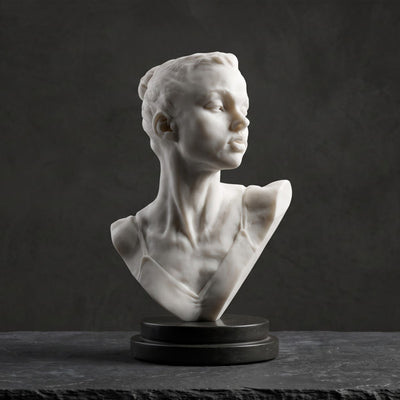
Each has a buyer profile. Tooled leather suits ranch, Western and heritage interiors, especially in Texas, Montana and Arizona. Layered, sculptural leather wall art decor works in contemporary lofts, hospitality lobbies and the kind of pared-back NYC apartments where one statement piece replaces a gallery wall. Leather face wall art, where a portrait or classical bust is rendered in stitched and sculpted hide, has become a favorite for moody studies, libraries and the back walls of private dining rooms.

Materials, Finishes and How to Judge Quality
Three questions sort the serious pieces from the filler.
1. What is the leather, and how was it tanned?
Full-grain leather keeps the natural surface of the hide, including pores and small marks, and develops a patina over years. Top-grain has been sanded for uniformity. Bonded leather is made from leather scrap bound with polyurethane and tends to crack; avoid it for anything you want to keep for decades. Vegetable-tanned hides age into deep, warm tones and respond well to tooling; chrome-tanned hides stay more color-stable but feel less alive under the hand. The V&A's guidance on caring for leather is a useful reality check on what any hide needs over time.
2. What sits behind the leather?
A good leather wall hanging art piece is only as stable as its substrate. Look for sealed hardwood backers, aluminum composite panels or acrylic. Cardboard and unsealed MDF will move with humidity and pull the leather out of plane within a few seasons. On layered pieces where geometry is the whole point, such as the Rhythm Emerald & Silver Layered Stripe Leather 3D Wall Art, a warped backing visibly breaks the rhythm of the stripes, so the substrate spec matters more than the surface finish.
3. How is it finished at the edges?
Edges are where cheap work shows itself. Beveled, burnished or skived edges read as craft. Raw, glue-bled edges read as production line. Where a design mixes acrylic and hide, the join between the two materials is the tell. On pieces like the Urbanist I Abstract Architecture Acrylic & Leather 3D Wall Art, the seam should be tight and free of visible adhesive, which is a reasonable benchmark to apply when comparing samples in person.

Scale: The Decision Most Buyers Get Wrong
Wall art is almost always bought too small. A general rule we use in the studio: the artwork should fill roughly two-thirds the width of the furniture beneath it, or two-thirds the width of the wall if it is hung in isolation. For a standard 8 ft (2.4 m) sofa, that means a panel around 5 to 6 ft (1.5 to 1.8 m) wide. For a double-height entry wall in a Napa or Aspen home, you may need 8 ft (2.4 m) or more in the vertical.
Leather behaves well at scale because the material itself has presence. A 6 ft (1.8 m) sculpted hide panel weighs far less than a stone relief of the same size, usually 30 to 60 lb (14 to 27 kg) depending on the backing, which makes installation simpler. That weight range still calls for proper anchors into studs or masonry, not drywall plugs.

Placement: Where Leather Wall Art Earns Its Keep
For wider placement ideas, 3d Metal Wall Art: A Buyer's Guide to Scale, Finish, and Placement is useful companion reading before finalising the setting and sightlines.
Leather rewards specific rooms more than others.
Above the fireplace. Heat is the enemy of hide, so keep a minimum of 18 in (45 cm) clearance above the mantle and avoid direct flue routes. Horizontal compositions echo the line of a long mantle better than vertical ones, which is why a banded design like the Rhythm Sapphire and Gold Layered Stripe Leather 3D Wall Art (Horizontal Bands) tends to sit more comfortably over a fireplace than a portrait-format piece.
Dining rooms and private clubs. Leather absorbs sound. A large textured panel on the long wall of a dining room noticeably cuts the ring of hard floors and glassware.
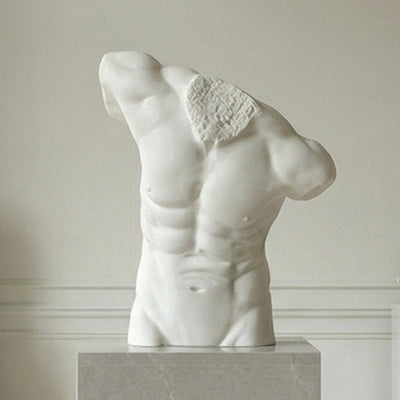
Stair landings. A leather face wall art piece on a half-landing turns dead circulation space into a destination. Where the setting calls for a single figurative focal point rather than abstract geometry, a sculpted bust treatment such as the Edge Forest Green David Bust Leather & Acrylic 3D Wall Art is closer to the right design language. Light it from above with a directional spot, not a flood.
Hospitality lobbies and bars. Layered leather wall art modern enough to read as sculpture handles the wear of high-traffic spaces better than paper-based art. It also photographs well, which matters for venues.
Primary bedrooms. Above a headboard, sculpted hide adds softness without the visual noise of a printed image.
Avoid bathrooms, conservatories with direct sun, and walls that share a face with an exterior cold wall in northern climates. Humidity swings and UV are the two fastest ways to age leather poorly. The Canadian Conservation Institute publishes a clear summary of the temperature and humidity ranges leather is happiest in.
DIY Leather Wall Art: When It Works and When It Doesn't
There is a healthy market in diy leather wall art, from stretched hide panels over timber frames to hand-tooled saddle-leather plaques. For a single accent wall in a casual room, a DIY piece is honest and personal. Where it falls down is scale and longevity. Stretching a hide over more than about 3 ft (90 cm) without a rigid substrate invites sag. Sealing tooled work with the wrong finish can leave a tacky surface that picks up dust for years. If you want the look at larger scale, faux leather wall art on a sealed panel is a more forgiving project than working with raw hide.
Budget, Commissioning and Lead Times
Costs swing widely with material, scale, complexity and finishing. A small framed tooled piece is a different conversation from a 10 ft (3 m) sculpted hide installation with custom metalwork and integrated lighting. Rather than quote price bands that mean nothing across markets, we build each commission from the brief: hide selection, substrate, depth of relief, edge detailing, mounting system, crating and freight. Ask for a tailored quote with at least two material options so you can see where the money is actually going.
Lead times for bespoke pieces are typically driven by hide sourcing and curing. Plan generously if the project ties to a build completion date. Shipping internationally adds crating and customs steps; our studio handles those, but the calendar matters.
Commissioning Checklist
Measure the wall and photograph it with furniture in place.
Note light sources, including the time of day the wall is brightest.
Decide on a dominant tone: warm tans, oxblood, emerald, sapphire, charcoal.
Confirm wall construction (stud, masonry, plaster on brick) for the mounting plan.
Agree on edge treatment, depth of relief and any metal or acrylic inserts.
Request a sample swatch of the final hide before production starts.
Confirm crating, insurance and delivery method in writing.
How Giant Sculptures Approaches Bespoke Commissions
Our studio is better known for large bronze, stainless steel and stone work, and that engineering mindset carries into how we build hide pieces. Substrates are over-specified, mounting hardware is concealed, and every piece is dry-fitted before it leaves. Recent commissions have started from existing designs and been reworked at architectural scale, including a layered hide panel for a Manhattan dining room that took its geometry from the crimson-and-silver banding language, and a sculpted bust panel for a Napa wine cellar entrance built around the David relief.
If you are weighing hide against other wall media, our broader leather art collection and the wider wall art and wall decor range are a good place to compare texture, color and scale before committing. For exterior-facing covered walls, we usually steer clients toward metal or stone, and the outdoor wall art collection is the better starting point there.
At its best, a hide panel does what large sculpture does on a smaller footprint: it gives a room a center of gravity. Choose the material honestly, get the scale right, and light it like you mean it.