

























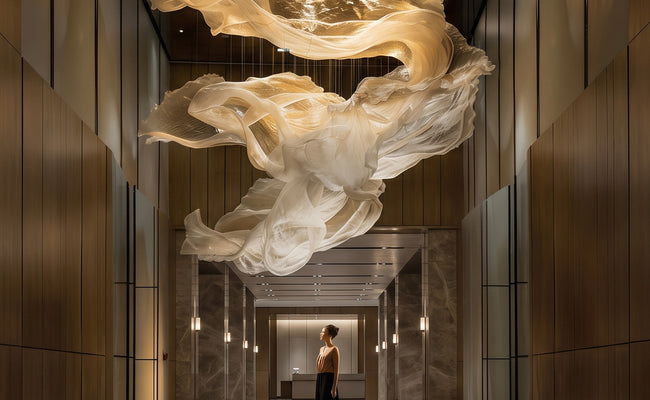


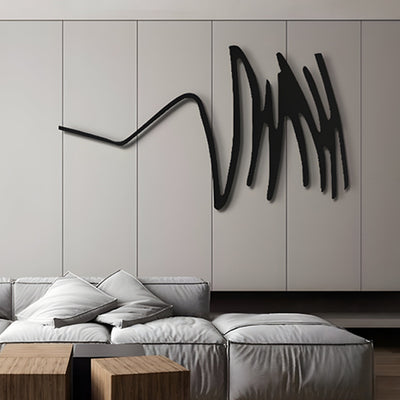

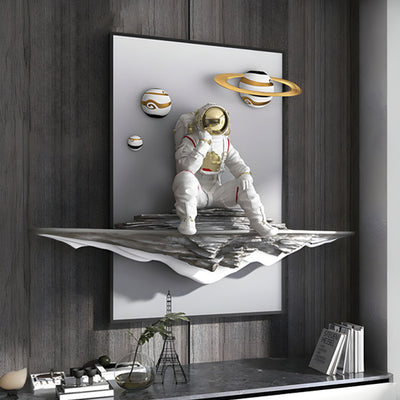

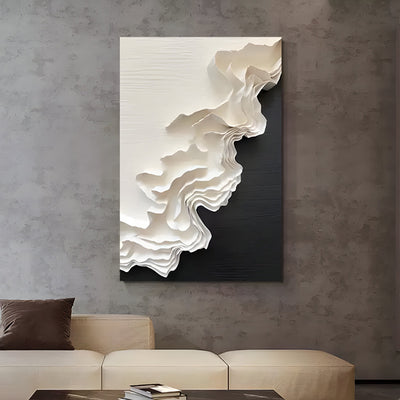
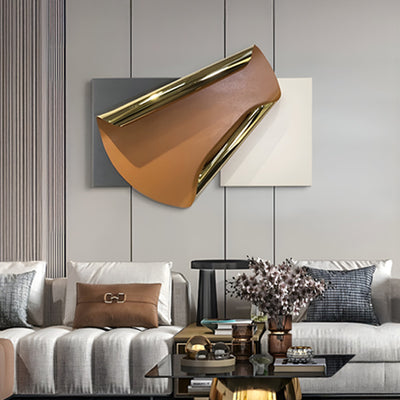
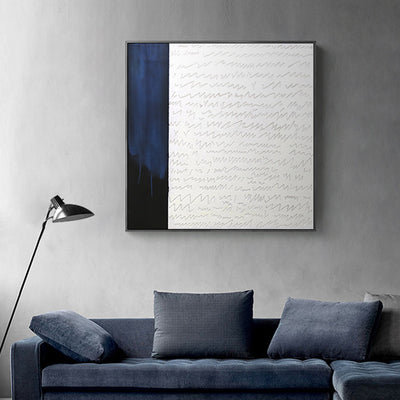
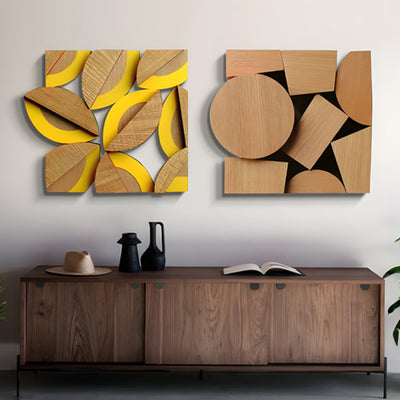

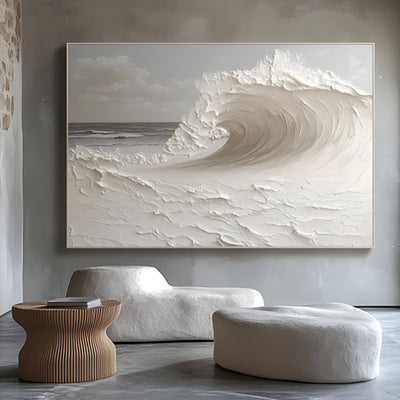
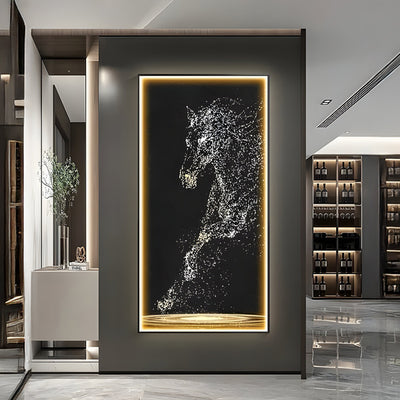
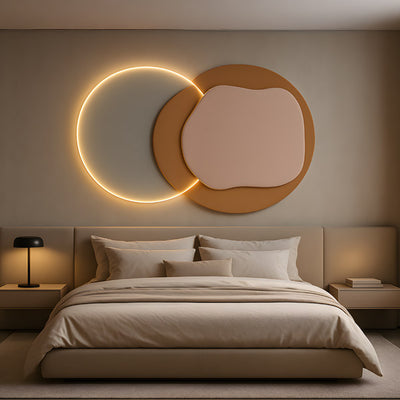
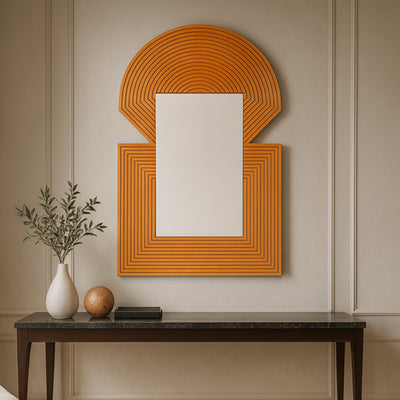
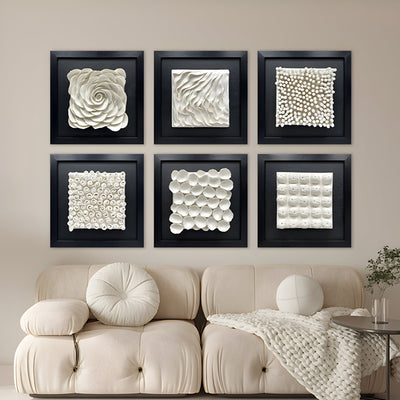
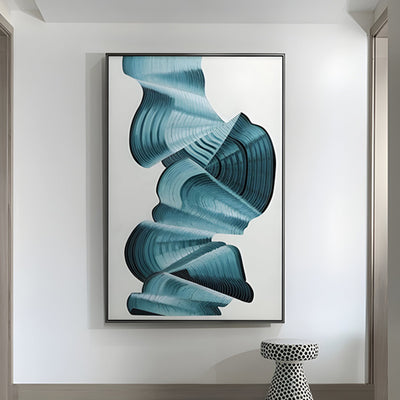
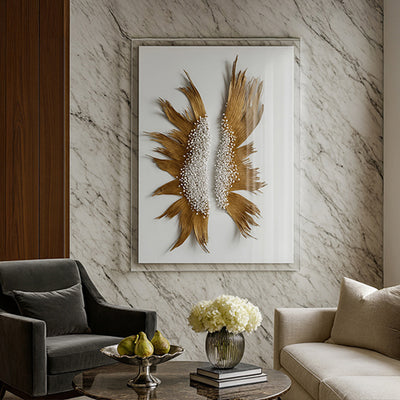
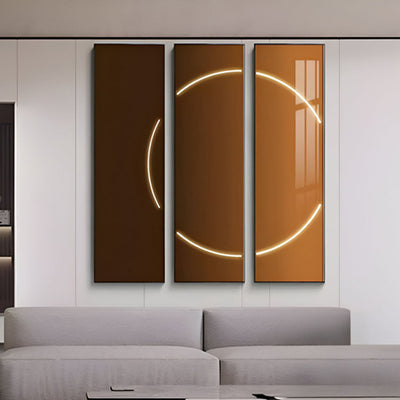
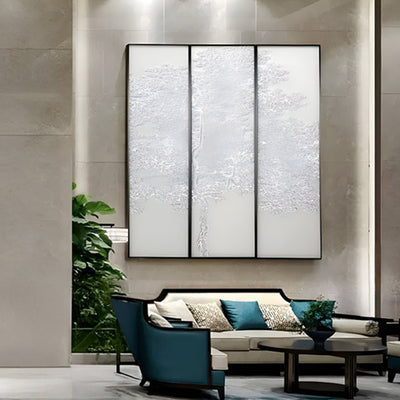
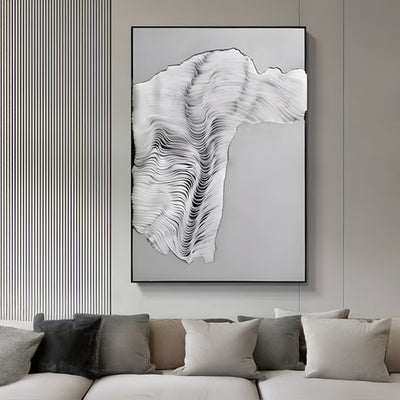
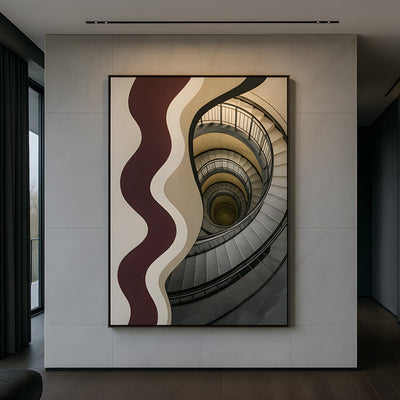
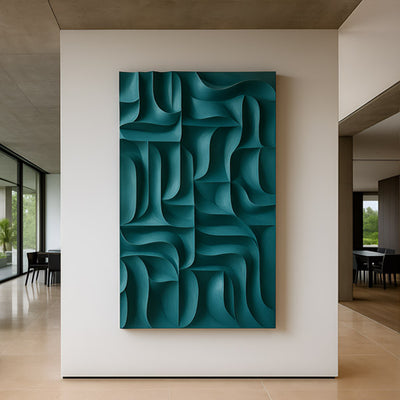
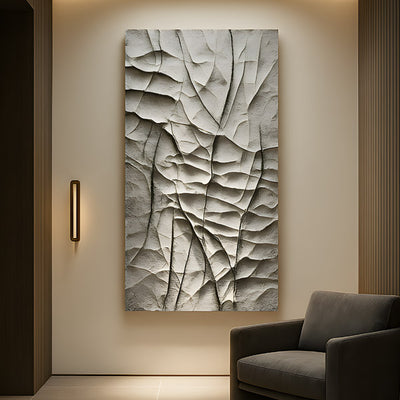
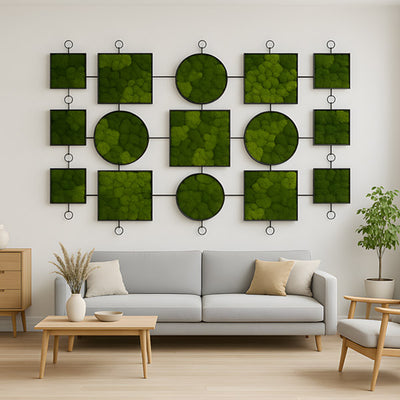
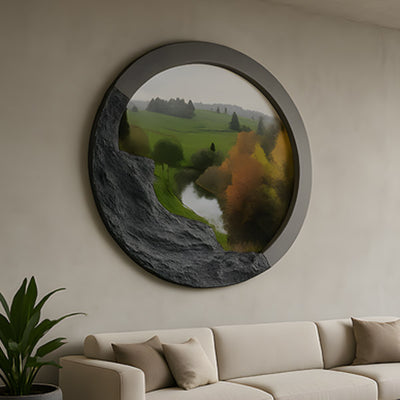
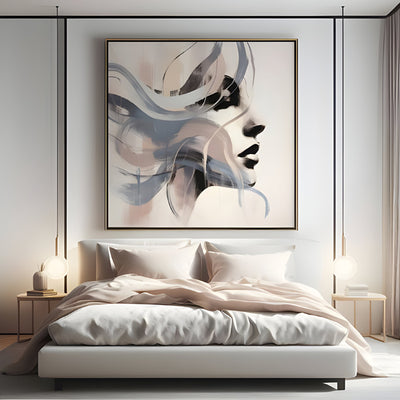
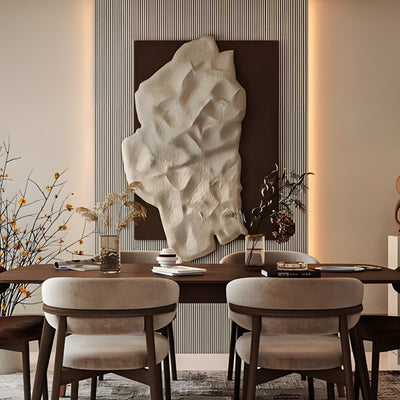











A flat canvas hung above a sofa rarely earns its keep on a tall, modern wall. That is why 3d wall art has become the default answer for architects, interior designers and private collectors who want a wall to read as architecture rather than decoration. Relief, depth and shadow do work that print never can, and the right 3d wall art piece can anchor a double-height entrance hall or a long corridor that has always felt underdressed.
This guide is written for buyers comparing options seriously: what wall art in 3d actually means in the trade, how to read materials and finishes, where it lands best in a room, and what to expect when you commission a bespoke 3d wall art piece through Giant Sculptures.

Key Takeaways
3d wall art decor covers carved relief panels, cast metalwork, sculptural assemblages and printed polymer panels. Each behaves very differently in light.
Depth and shadow matter more than width on a 3d wall art panel. A 2 inch (5 cm) relief reads differently from a 6 inch (15 cm) projection at the same scale.
Material drives both mood and longevity. Bronze, stainless steel, stone and resin composites each have their place.
Hanging hardware should be specified at design stage, not improvised on site. Heavier work needs blocking or a French cleat into structure.
Budget for 3d wall art is governed by scale, material, finishing hours and engineering. Ask for a tailored quote rather than guessing.

What Sculptural Wall Work Actually Means
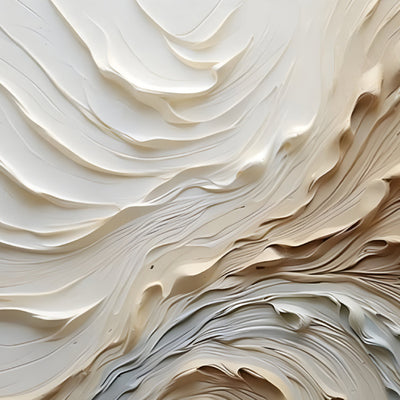
The 3d wall art category covers anything that projects from the wall plane with intent: low and high relief carvings, cast or fabricated metal panels, layered acrylic and leather assemblages, ceramic tile compositions, and printed panels produced from polymer or metal powders. The common thread is shadow. A flat print reads the same at noon and at 9pm; a sculptural panel rewrites itself as the light moves across the room.
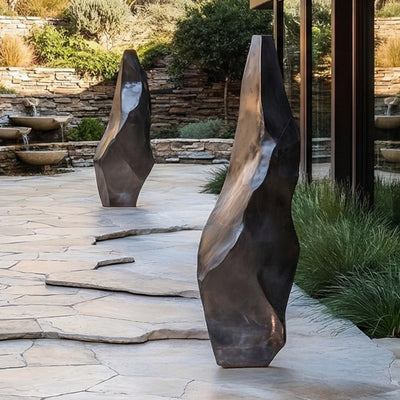
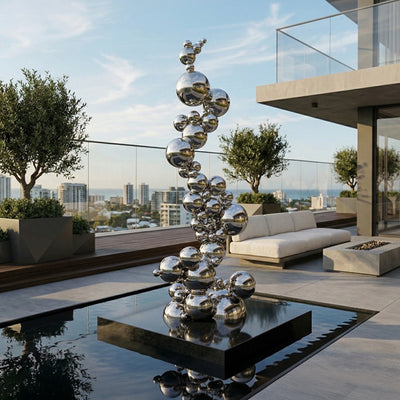
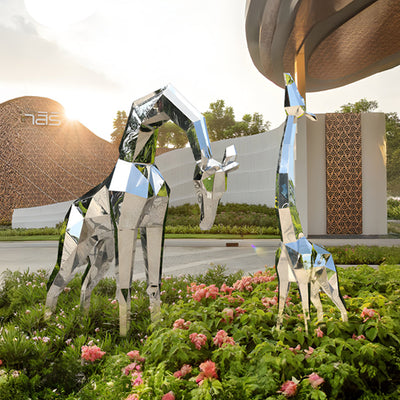
For most buyers, the decision sits between three families of 3d wall art decoration. Carved relief, often in sandstone, marble or resin composite, gives the most classical feel and reads beautifully under warm light. Metal wall sculpture, in bronze, brass, stainless steel or Corten, leans contemporary and handles outdoor placement. Mixed media work, combining acrylic, leather, stone veneer or timber, suits hospitality interiors and residential projects with a strong material story. Even a delicate 3d butterfly wall art arrangement, scattered across a stairwell, falls within the same family of shadow-driven decoration.

How to Compare Options Before Buying
Most regrets we hear from clients trace back to one of three early decisions. Scale was guessed from a phone photo. Material was chosen for the showroom rather than the actual room. Depth was treated as a styling detail rather than the point of the piece.
Work through these in order before you compare specific 3d wall art products:
Viewing distance. A piece seen from across a 30 foot (9 m) lobby needs broader forms and deeper relief than a piece read from a dining chair 8 feet (2.4 m) away.
Light direction. Side light from a window or a directional spot will exaggerate depth. Flat ceiling light will flatten even a heavily carved panel.
Wall finish. Polished plaster, microcement, raw concrete and limewash all change how shadow lands. Test against a sample if you can.
Color discipline. Decide whether the piece is the color event in the room or a tonal continuation. A gilded panel will pull the eye and dominate the scheme; a white triptych quietly extends the architecture.
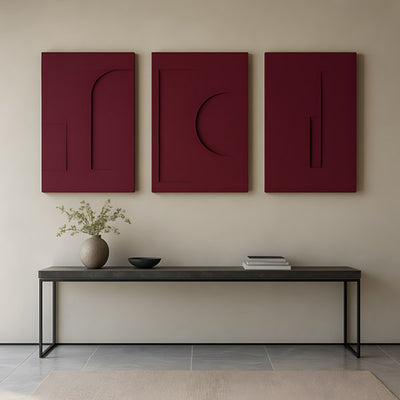
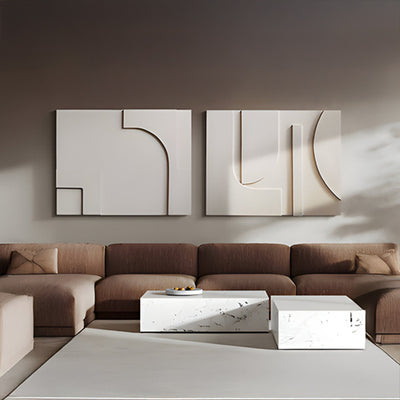
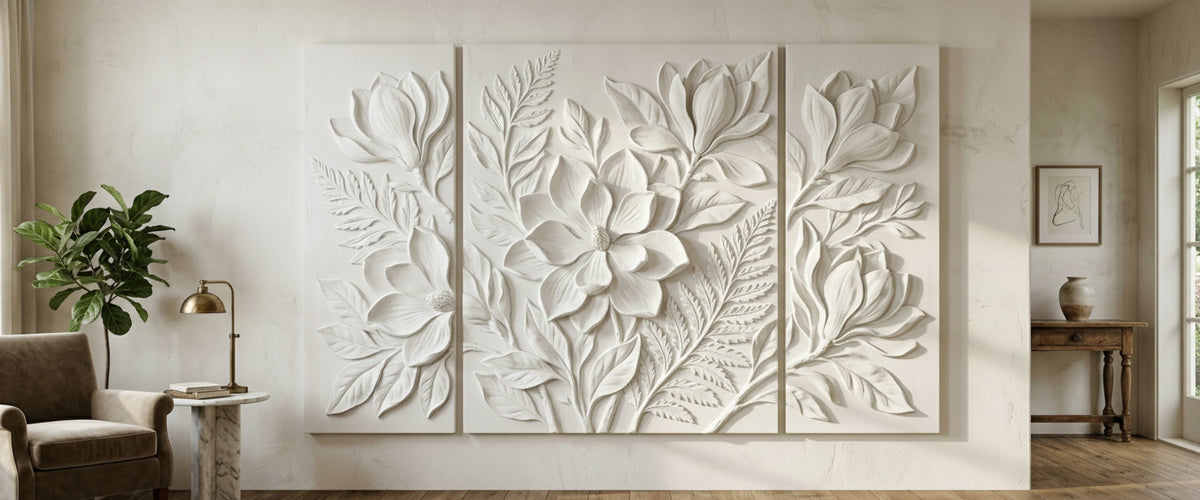
Composition. Single panel, diptych or triptych. On a long wall where one panel would float, a triptych such as Moro I Triptych White Relief 3D Wall Art spreads the visual weight without forcing scale onto a single object.

Materials, Finishes and Scale Decisions
Material choice is where most of the long-term value in 3d wall art sits, so it is worth slowing down here.
Stone and Cast Stone
Sandstone, limestone and marble give weight, both literal and visual. Carved relief in stone reads as permanent and pairs well with traditional architecture, warm plasters and timber floors. Cast stone composites can mimic the look at a fraction of the weight, which matters on stud walls or in apartment buildings with load restrictions. Where the brief calls for foliage and crest motifs that need raking light to come alive, a carved sandstone 3d wall art panel such as Malachra Crest I Relief Sandstone 3D Wall Art is closer to the right language than a flat-finished cast piece. The Getty's conservation program is a useful primer if you want to understand how these surfaces age (getty.edu/conservation).
Metal
Bronze, brass, stainless steel and Corten each have a personality. Bronze patinates slowly and is the long-game choice for collectors. Brass and gilded finishes throw warm reflections and suit hospitality interiors. Stainless steel, mirror polished or brushed, reads cool and modern, and is the right pick for high-traffic commercial walls because it resists fingerprints and cleaning chemistry better than coated finishes. Corten suits exterior placements on garden boundary walls and pool houses; it stabilizes into a deep russet over months.
Resin Composite, Acrylic and Mixed Media
For wider placement ideas, 3d Metal Wall Art: A Buyer's Guide to Scale, Finish, and Placement is useful companion reading before finalising the setting and sightlines.
Engineered resin and acrylic composites unlock forms that would be impossibly heavy in stone or bronze. Layered, sculpted and pigmented well, they can carry serious presence at a manageable weight. For a residential wall buildup that will not accept a 200 lb (90 kg) bronze, a sculpted acrylic 3d wall art piece such as Current I Blush Coral & Snow White Acrylic 3D Wall Art delivers depth and color without the structural overhead.
Printed Panels
3d printed wall art in polymer and sintered metal is now a credible category, not a novelty. These panels allow geometry that would take weeks to carve. The trade-off is surface; printed pieces almost always benefit from a hand-finished coat or a sculpted overlay to lose the layer lines. Ask any supplier whether prints are finished by hand or sold raw. The honest answer tells you a lot.
Scale
For a sofa wall, aim for a 3d wall art piece that runs roughly two-thirds the width of the furniture beneath it. For a stairwell or double-height void, scale up aggressively; an 8 ft (2.4 m) panel often looks modest once it is on a 14 ft (4.3 m) wall. Botanical work reads particularly well at generous scale because each carved bloom keeps its own shadow, which is why a deep floral relief such as Floraventa Bloom II Floral 3D Carving Wall Art tends to hold a tall entry wall better than a tighter, more graphic composition at the same dimensions.
Where to Place Sculptural Pieces for the Strongest Impact
Placement is half the work with any 3d wall art commission. A few situations we see repeatedly across US projects:
Entry walls in Texas and California new-builds. Tall, plastered entries with a single directional downlight are made for high-relief carving. Center the piece on the sightline from the front door, not the geometric center of the wall.
Stair voids in Hamptons and Aspen homes. A vertical composition or stacked triptych works better than a single landscape format here. The piece is read while moving, so depth matters more than fine detail.
NYC apartments. Lower ceilings and stud walls usually push the decision toward lighter resin or acrylic decor 3d wall art. Where a full marble bust would be impossible on the wall buildup, a leather-and-acrylic wall-mounted form such as Edge Greige David Bust Leather & Acrylic 3D Wall Art gives sculptural presence at a fraction of the load.
Hospitality and corporate lobbies. Plan for cleaning access and lighting maintenance. Avoid finishes that fingerprint easily at hand height.
Outdoor courtyards and pool walls. Move to metal or sealed stone. Anything porous on an exterior wall will read tired within two seasons. Our outdoor wall art collection is built around this constraint.
One useful rule from the studio: hang the centerline of the piece at eye level for the typical viewing distance, not the standard 57 inch (145 cm) gallery height. In a dining room people are seated. In a corridor they are walking past at a glance. The right hanging height changes accordingly.
Budget, Commissioning and Delivery
Budget for 3d wall art is governed by scale, material, finishing hours, engineering and crating. A small resin relief and a 10 ft (3 m) bronze panel are not in the same conversation, so we always quote against a specific brief rather than publish bands that would mislead. When you request a quote, share the wall dimensions, ceiling height, wall buildup, lighting plan and a photo of the space. That alone trims weeks off the back and forth.
Lead times depend on whether you select from our existing 3D wall art collection or commission a bespoke piece. Bespoke work usually moves through concept sketches, a scaled maquette, material samples, fabrication and finishing. International shipping is crated and insured; for heavier metal panels we coordinate with a rigger at the delivery address to handle install.
How Giant Sculptures Helps With Bespoke Projects
Most of our 3d wall art work sits in the bespoke and large-scale lane. Clients come to us when an off-the-shelf panel will not hold the wall, the material has to be specified to match an existing scheme, or the piece needs to be engineered for an outdoor or commercial environment. We work directly with interior designers, architects and private collectors, and we are comfortable taking a brief from a mood board, a CAD elevation or a single sentence about how the room should feel.
If you are weighing a relief in stone against a metalwork panel, or a single statement piece against a triptych, send the room over. We will give you a straight answer about which 3d wall art approach will actually work, not a sales pitch for whatever is in stock.