



























Introduction - Why Flower & Plant Art Still Speaks
For centuries, Flower & Plant Art has held the attention of artists, scientists, and homeowners alike. What began as careful botanical drawings made for scientific records has grown into one of the most versatile categories in interior decor. From antique herbarium prints to oversized modern floral canvases, Flower & Plant Art keeps shifting in style while holding onto its timeless appeal.
Part of the appeal lies in adaptability. Flower & Plant Art is equally at home in a minimalist apartment, a maximalist gallery wall, or a vintage-inspired sitting room. Flowers and plants never go out of style, and their interpretations reflect the aesthetic mood of each era. In this guide, we'll look at the many faces of botanical wall decor, from vintage pieces rooted in science to contemporary Flower & Plant Art ideas for the modern home.

Vintage Botanical Prints: Classic Charm with Scientific Roots
The origins of vintage Flower & Plant Art trace back to the 16th and 17th centuries, when explorers brought back exotic plant specimens from across the globe. Artists like Pierre-Joseph Redouté created meticulously detailed botanical illustrations that combined artistry with scientific accuracy. These works, often produced as engravings or lithographs, documented plant forms while celebrating their natural elegance.
Today, these antique flower prints retain their charm because of their muted palettes, delicate line work, and quiet elegance. They bring a sense of history to modern interiors while remaining refreshingly versatile.
Styling Tips:
Use vintage gold, wood, or distressed frames to amplify their nostalgic appeal.
Create a gallery wall of botanical prints for layered character in living rooms or hallways.
Place a single framed herbal chart against a minimal white wall to balance old-world sophistication with contemporary simplicity.
The lasting appeal of vintage prints proves that science-driven art can also be deeply aesthetic.

Art Nouveau & Floral Revival: Decorative Flourish
By the late 19th and early 20th centuries, flowers became central motifs in the Art Nouveau and Art Deco movements. These styles favored sweeping curves, stylized petals, and bold, decorative patterns. Flowers were no longer just subjects of study, they were icons of glamour and design within Flower & Plant Art.
Art Nouveau florals show fluid, organic energy, while Art Deco interpretations use symmetry, metallics, and geometric precision. Both remain popular with homeowners who want historical nuance combined with decorative drama.
Styling Tips:
Pair bold Art Deco floral prints with sleek, modern furniture to create a striking juxtaposition.
Use stylized floral fine art in entry halls, dining rooms, or period homes to accent architectural details.
These decorative eras remind us that Flower & Plant Art can be as much about atmosphere as about the plants themselves.

Contemporary Floral Art: Bold & Fresh Interpretations
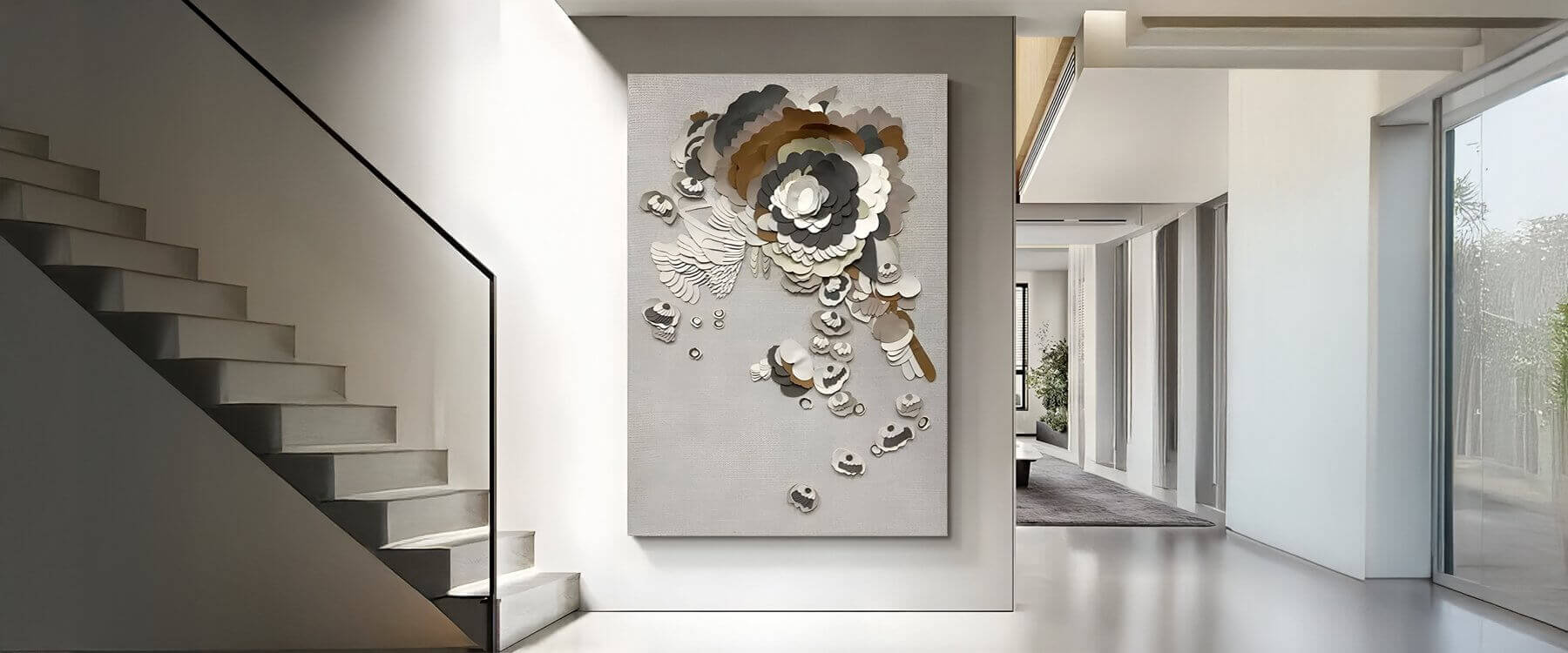
Fast forward to the present, and modern floral paintings push boundaries. Today's artists embrace scale, color, and abstraction. From oversized peony canvases to graphic, stylized tulips, contemporary Flower & Plant Art is designed to energize spaces and hold attention.
Trends now often blend vintage with modern: pairing a 19th-century botanical print with a bold abstract bloom creates a layered, eclectic look. Contemporary Flower & Plant Art ideas also include unconventional materials like acrylic, textured resin, or digital mixed-media techniques.
Styling Tips:
Make a single oversized bloom the centerpiece of a neutral-toned living room.
Layer floral decor by combining paintings with textured textiles, like cushions or rugs in complementary palettes.
Use contemporary canvases in open-plan homes, where their boldness keeps the artwork from being visually lost.
This style suits anyone who wants walls that feel fresh, dynamic, and full of life.

Abstract & Artistic Plant Forms
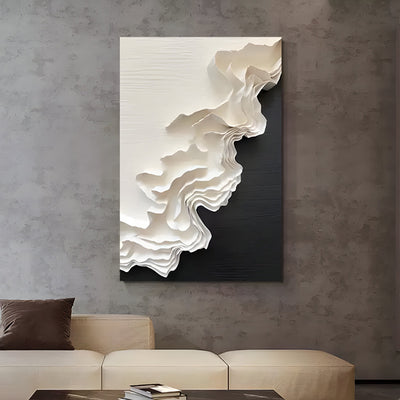
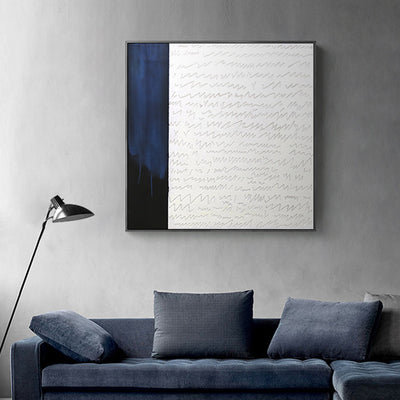
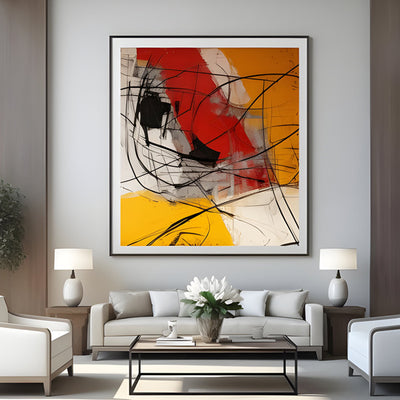
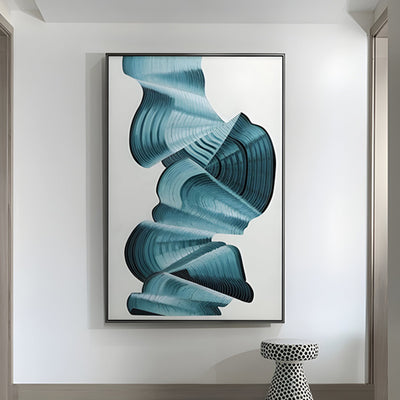
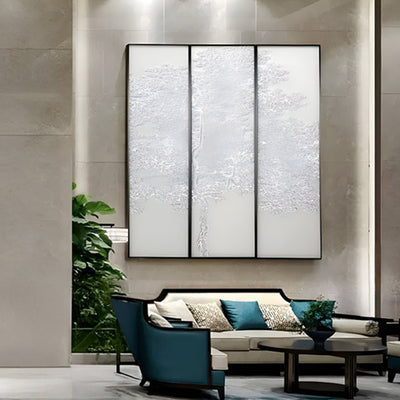
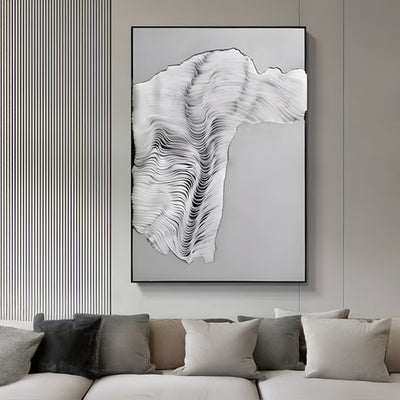
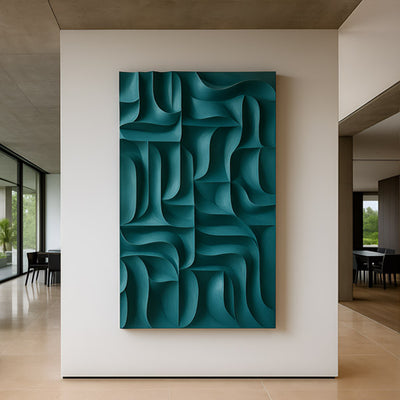
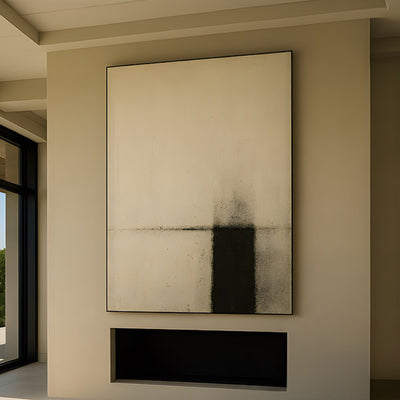
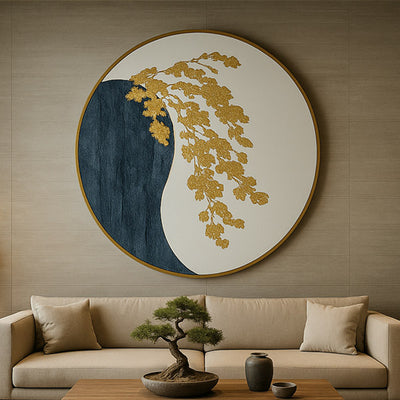
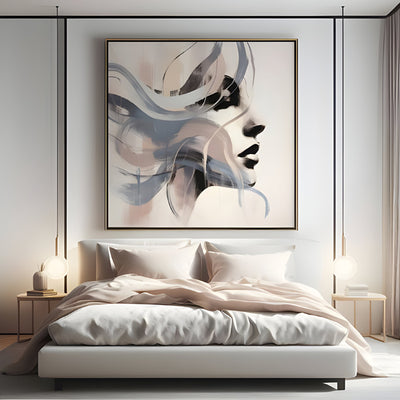
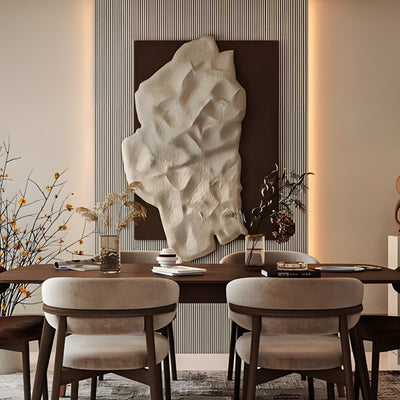
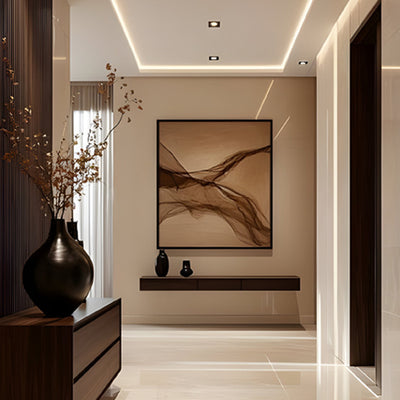
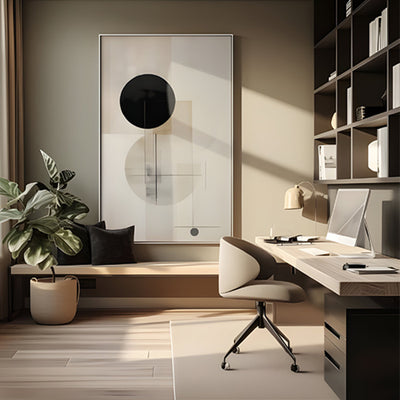
Not all Flower & Plant Art has to be literal. In abstract art, plants and flowers are often reduced to shapes, lines, and textures. Some pieces highlight the essence of a petal's curve or a stem's movement rather than a faithful reproduction. Others transform florals into geometric patterns or expressive strokes.
Abstract botanical works create mood rather than mimicry. They may use dark palettes for drama or bright tones for playfulness. This makes them an ideal bridge between modern art sensibilities and timeless natural references.
Styling Tips:
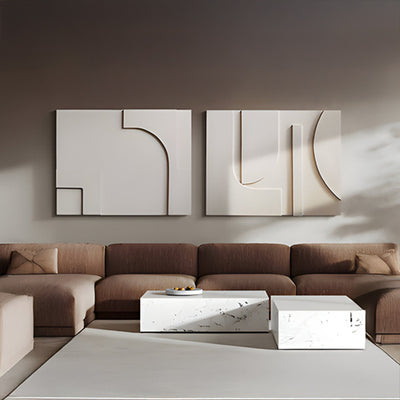
Pair abstract florals with minimalist furniture to let the artwork breathe.
Use moodier abstract botanicals as accent pieces in bedrooms or reading nooks.
Create balance by mixing abstract plant forms with more detailed works in a gallery wall.

Botanical Art in Grandmillennial & Vintage-Chic Spaces
In recent years, grandmillennial style, a design trend that embraces modernized nostalgia, has made Flower & Plant Art newly fashionable. Think of vintage floral prints paired with maximalist fabrics, heirloom furniture, and lush indoor plants. This aesthetic, often called "modern grandma chic," thrives on layering textures and patterns.
Botanical pieces, especially antique flower prints or vintage-inspired wallpapers, become the anchor of these interiors. The result is a warm, lived-in environment with a curated feel.
Styling Tips:
Combine vintage Flower & Plant Art with floral upholstery for a cohesive, layered look.
Use oversized gallery wall botanical prints in living rooms for a nostalgic yet updated statement.
Pair organic indoor greenery with wall art to blur the line between natural and artistic florals.
This approach celebrates the richness of tradition while keeping it relevant for 2025's design trends.

Gallery Wall Strategies for Plant & Flower Art
One of the most popular ways to display Flower & Plant Art today is through gallery walls. They let collectors mix and match across eras, blending antique flower prints, modern floral paintings, and abstract art for layered visual storytelling.
Tips for a Successful Botanical Gallery Wall:
Use a consistent color palette to unify varied styles.
Alternate between large floral fine art canvases and smaller vintage botanical pieces for rhythm.
Play with symmetry for formal spaces or embrace eclectic, asymmetrical layouts for a casual feel.
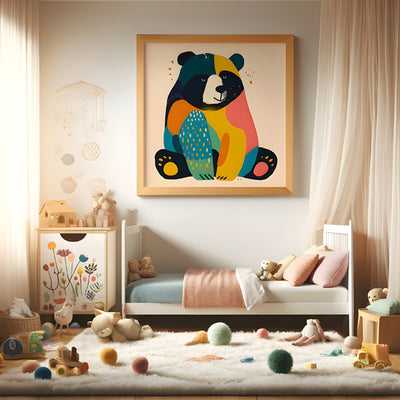
Mix monochrome kids art or abstract pieces with florals for contrast.
Gallery walls remain one of the best ways to personalize interiors while showing the many moods of Flower & Plant Art.

FAQs
How do I choose between vintage and modern botanical art?
Think about your home's mood. Vintage Flower & Plant Art works beautifully in traditional or eclectic interiors, while modern floral paintings suit clean, minimalist, or bold spaces.
Can I mix different botanical styles in one display?
Yes. Mixing Flower & Plant Art styles, combining antique prints with contemporary abstracts, adds depth and makes your collection feel intentional.
Where should I hang Flower & Plant Art for maximum impact?
Living rooms, entryways, and above beds are classic placements. Pair floral wall decor with lighting to enhance impact.
How should I frame botanical prints?
For longevity, use archival mats and UV-protective glass. For a modern spin, consider frameless acrylic mounts.

Conclusion - Find Your Botanical Mood
From botanical illustration history and antique flower prints to the bold energy of contemporary Flower & Plant Art ideas, floral imagery continues to inspire. Its adaptability means it can be layered into vintage-inspired rooms, minimal modern lofts, or lively family homes.
Whether you prefer a muted gallery of antique botanical pieces or a bold oversized modern floral painting, there's a style to match every space. By mixing and curating across eras, you can create a home that feels both personal and timeless.
For inspiration and curated selections, explore the Flower & Plant Art collection at Giant Sculptures.