
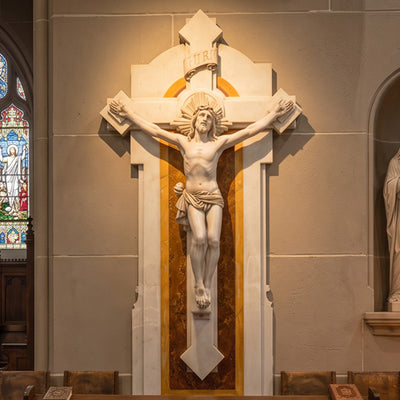


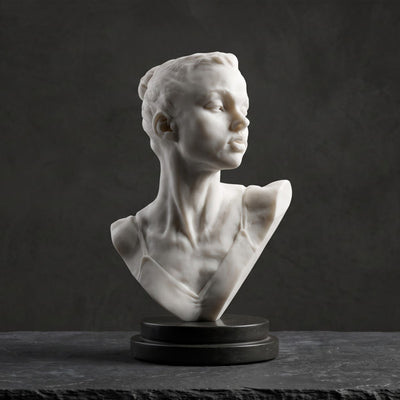




















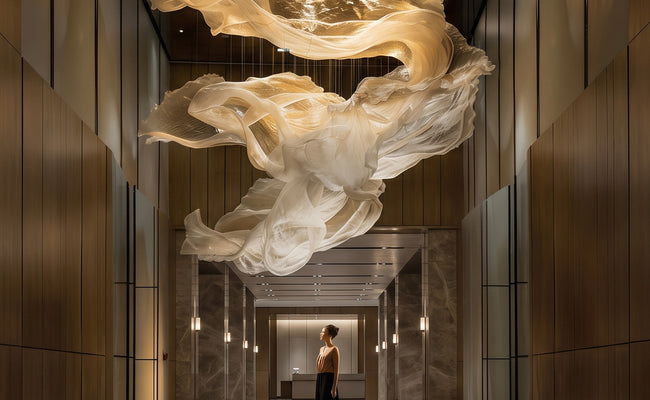
























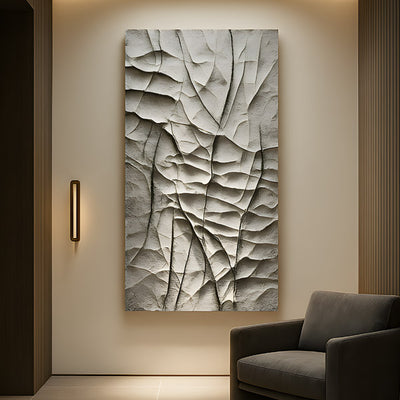
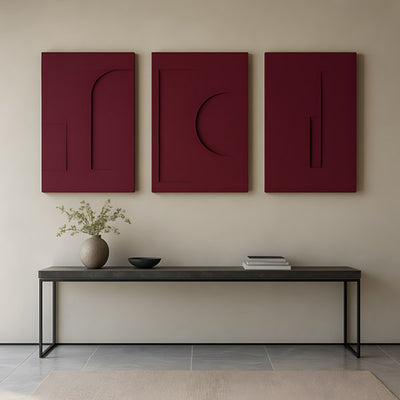

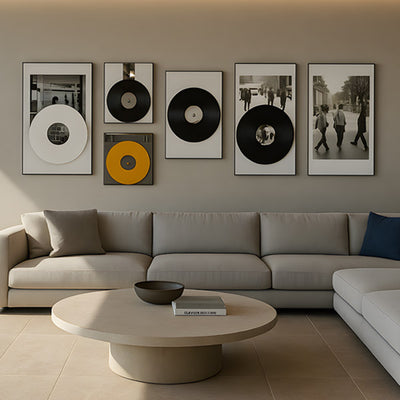
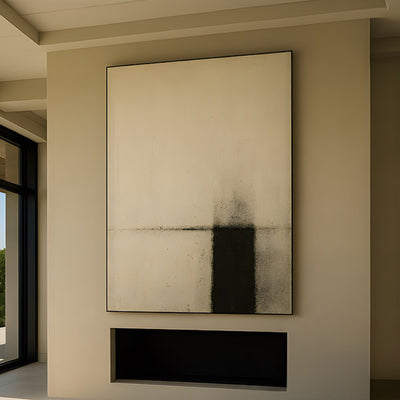
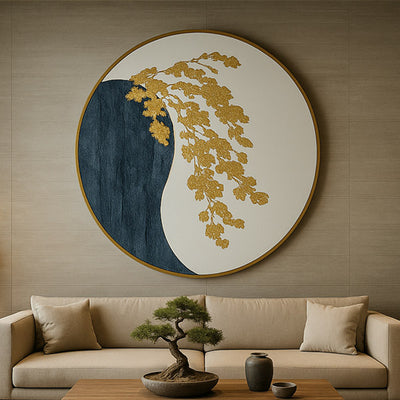




























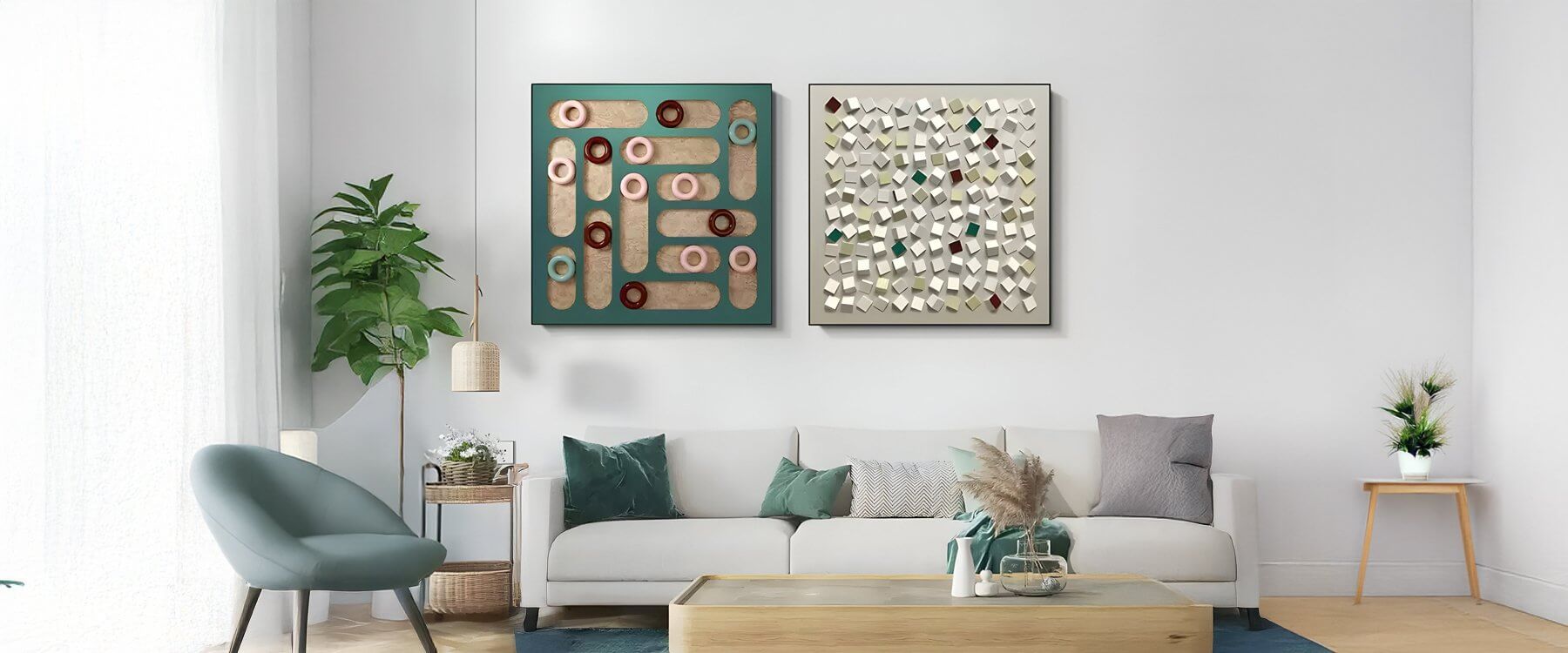

In a world that’s already saturated with flat prints and framed canvases, geometric art is doing something different, it’s stepping off the wall. Layered geometric wall art is fast becoming a standout trend in modern interiors, offering depth, movement, and an almost sculptural presence.
These pieces aren’t just decorative, they’re architectural. Whether it’s overlapping wood shapes or multi-panel iron layers, they turn plain walls into dynamic surfaces. More than just filling space, they build dimension. For homeowners, designers, and collectors alike, these installations aren’t just about style, they’re about experience.
This article explores the world of 3D geometric wall decor: what defines it, why it works so well, and how to choose or place the right piece in your own space. From materials and techniques to trending styles and practical tips, we’ll help you decode the layered beauty of multi-dimensional wall art.

Understanding 3D Geometric Wall Art
So what sets 3D geometric art apart from the usual wall decor? In a word - depth. Traditional prints and canvases sit flat. But geometric wall decor uses shape, layering, and negative space to build an optical structure. It’s visual geometry in motion.
At its core, geometric art relies on fundamental forms, triangles, circles, squares, hexagons, combined in patterns of repetition, symmetry, or rhythm. When those shapes are built up using materials like wood, iron, or acrylic, they cast shadows, catch light, and change appearance depending on where you stand.
The beauty of multi-dimensional wall art lies in its ability to interact with space. A clean white wall suddenly has movement. A dim corner now has shadows and texture. These aren’t background elements, they become part of the room’s personality.

Materials and Techniques in Layered Geometric Art
Wood Art
Natural, warm, and often handcrafted, wood remains one of the most popular materials in layered geometric wall art. Artists use hardwoods like oak, walnut, or birch for their structure and grain. Laser-cutting allows for precise patterns, while hand-carving adds artisanal detail. Wood panels can be left raw, stained, or painted to suit modern or rustic spaces.
Metal and Iron Art
Iron and steel offer a more industrial, contemporary feel. Their weight and finish bring visual strength to a room. These materials are often powder-coated in matte blacks, golds, or silvers to enhance contrast and shadow. Whether flat sheets or layered structures, iron art brings sharp definition to geometric designs.
Acrylic and Mixed Media
Acrylic art pieces push boundaries with their glossy textures and vibrant colours. They reflect light, adding a sleek and modern edge to geometric forms. Acrylic is also popular in mixed media installations, combined with wood or metal to create high-contrast, layered wall decor.
Techniques and Craftsmanship
The making of geometric art involves precision. Many artists use laser cutting to get sharp, clean edges, while others use CNC routing or hand-cut techniques for more organic outcomes. Pieces are often assembled in layers, each cut-out panel aligned with careful intent. Whether minimalist or complex, these artworks are a masterclass in spatial thinking.

Incorporating 3D Geometric Art into Different Spaces
Living Rooms
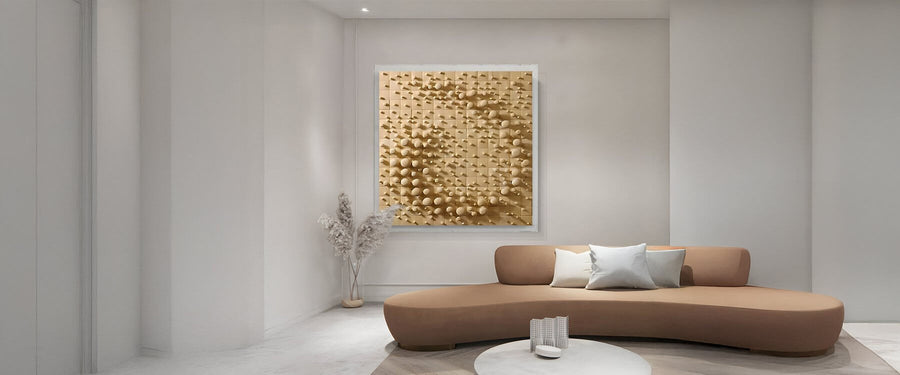
A large geometric wall panel can anchor a lounge area, pulling together other decor elements with its structure and symmetry. Choose modern geometric art that complements your sofa fabric, coffee table finish, or rug pattern. Layered wall decor here acts as both a focal point and a conversation starter.
Bedrooms
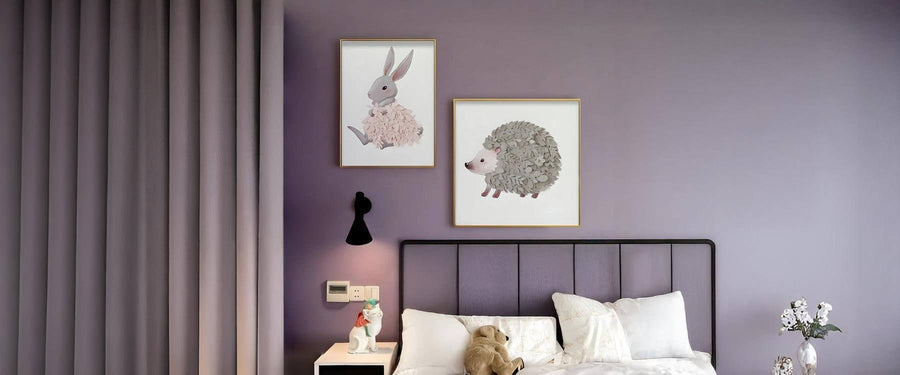
In bedrooms, geometric art should feel restful but not boring. Try textured wall pieces in neutral tones, hung above the bed or across from a window where light can play with the shadows. Wood art works beautifully in this space, especially when paired with soft bedding or natural materials.
Offices
Looking to energise your work environment? Geometric wall decor is perfect for office spaces. Its sharp lines and calculated symmetry can help instil focus. Iron art or black-and-white acrylics look sharp and modern, while bolder colour schemes can spark creativity.
Hallways and Entryways
These transitional spaces are often neglected, but they’re ideal for statement pieces. A vertical arrangement of sculptural wall designs or a symmetrical grid of layered panels creates movement and drama. Think of it as your home's handshake, a striking welcome that sets the tone.

Trends and Inspirations in Multi-Dimensional Geometric Art
Geometric art is evolving fast, and current trends reflect a mix of minimalism and maximalism.
Key Trends:
Monochrome Contrast: Black-and-white geometric panels are dominating Pinterest boards and modern flats alike.
Earth Tones: Warm browns, terracotta, and muted greys offer a softer, more organic approach to structured design.
Eco-Materials: Sustainability is key. Artists are turning to reclaimed woods and low-impact finishes without compromising aesthetics.
Oversized Panels: Large-scale installations, sometimes spanning entire walls, are growing in demand for open-plan homes.
Inspiration Sources:
Architecture: Brutalist structures and modular design often inspire clean lines and repeating patterns.
Global Patterns: Islamic tile work, African textile grids, and Japanese geometry continue to influence modern art installations.
Notable Artists: Designers like Matt Shlian and Eli Kirsten are pushing the envelope with 3D art panels that explore both mathematical precision and emotional resonance.

Tips for Selecting the Right Piece for Your Space
Choosing the right piece of 3D geometric art isn’t about following trends, it’s about matching the piece to your room’s proportions, palette, and purpose.
Size Matters
Measure your wall and aim for proportional coverage. A piece that’s too small can feel lost, while something oversized might overwhelm. For balance, cover roughly two-thirds of the space above a sofa or console.
Match the Mood
Soft lines and neutral tones work in relaxing areas like bedrooms. Sharp angles and bold contrast suit creative or communal spaces. Look for textured wall pieces that match the tone of your interior.
Think Light
Layered geometric wall art plays with light. Consider where windows and artificial lighting hit your walls. The same piece can look dramatically different in daylight versus at night.
Personalise It
Many studios offer customised options. Whether it's choosing colours, materials, or dimensions, bespoke geometric art allows you to tie everything together effortlessly.

The Art of Adding Depth to Your Space
Multi-dimensional geometric art does more than decorate, it builds energy and structure into a space. These works layer not just shapes and shadows, but emotion and personality. They draw the eye, provoke curiosity, and leave a lasting impression.
Whether you’re styling a modern flat, updating a hallway, or adding a centrepiece above the bed, geometric art offers a flexible, visually rich solution. From iron to wood, from acrylic to composite materials, the variety of finishes means there’s always a piece that fits your space, and your style.
Ready to layer up your walls? Explore our curated collection of geometric wall art at Giant Sculptures. Whether you're after bold sculptural statements or subtle layered textures, there's something here to make your walls come alive.