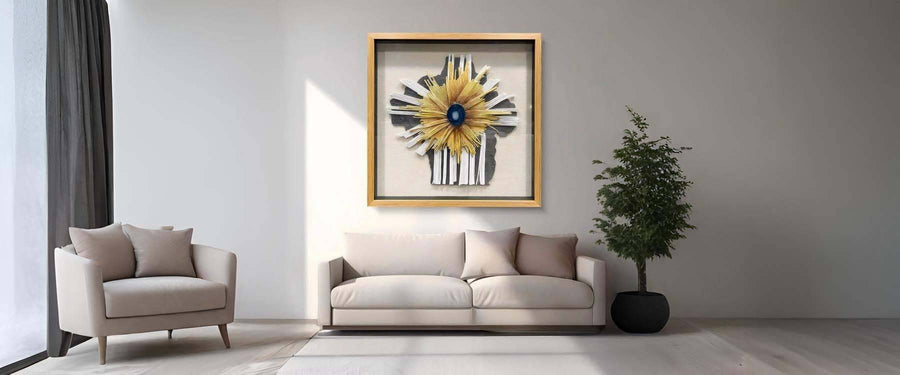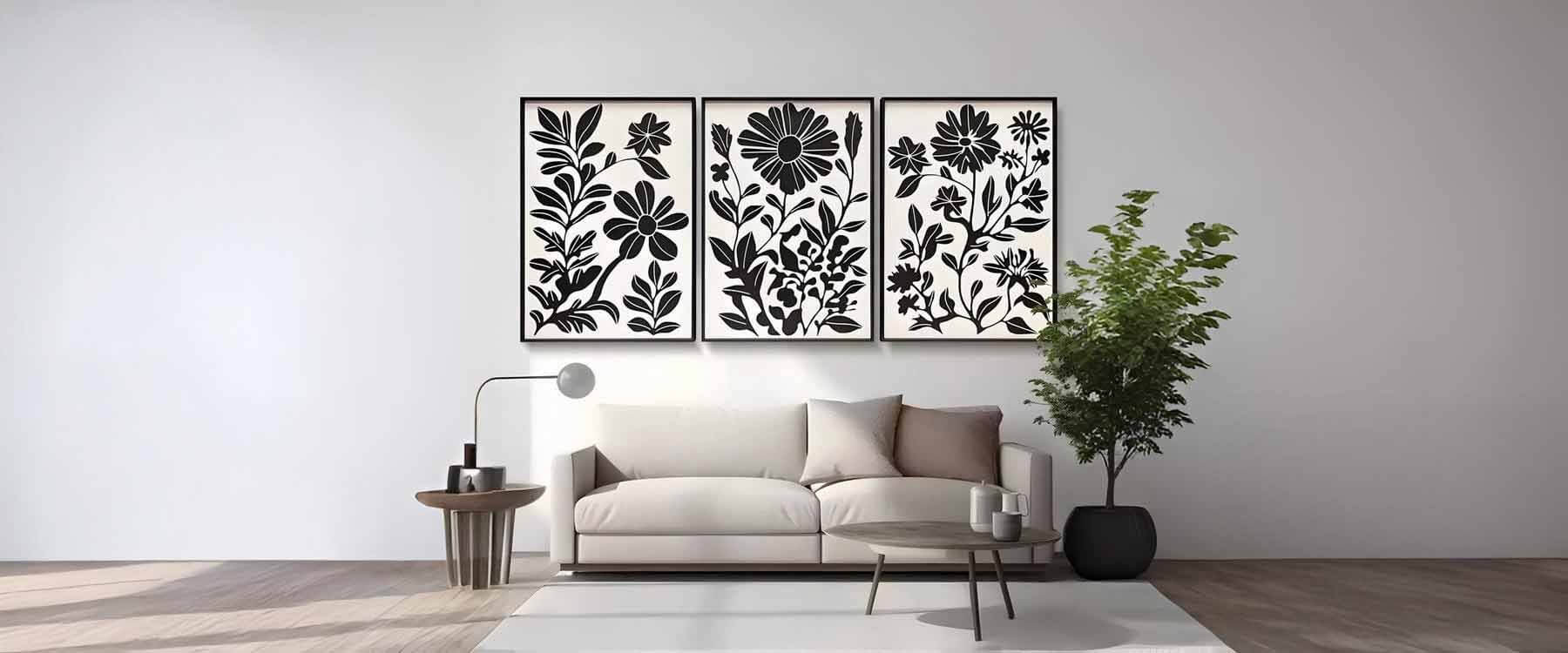

If you love the clean precision of a botanical sketch, the softness of watercolour petals, and the charm of real pressed flowers, you don't have to pick one lane. Good Flower & Plant Art rewards a mixed practice because each method offers something the others can't match: structure from botanical drawing, atmosphere from watercolour, and texture from pressed blooms. Treat the three as one toolkit and your Flower & Plant Art starts to read like a signature style rather than a stack of separate hobbies sharing a sketchbook.
This guide shows you how to blend all three so the finished result feels cohesive, not patchy. You’ll learn what to use, what to skip, and how to follow a repeatable workflow so your flower & plant art looks intentional from start to finish whether it ends up framed, tucked into a sketchbook, or given as a thoughtful gift.

Sketch, Wash, Press: Why Flower & Plant Art Works Best as a Blend
At its core, flower & plant art is any artwork that takes plants as the subject flowers, leaves, stems, seedpods, and branches. Some people lean towards botanical illustration, where the goal is to show the plant clearly and accurately. Others prefer expressive floral painting, where mood matters more than detail. Pressed blooms sit in their own category because they use real plant material as part of the piece.
A mixed approach works because it’s practical. Botanical observation stops your flowers drifting into “generic blossom” territory. Watercolour adds light and life, so petals don’t look stiff or flat. Pressed elements bring real-world detail you can’t easily imitate tiny serrated edges, natural veining, and that delicate translucency you get when petals dry.
The trick is to make the mix feel like one voice. When you treat drawing, painting, and pressing as stages of the same process, flower & plant art becomes a signature style rather than three separate hobbies.

Your Hybrid Supplies List: Drawing Tools, Watercolour Basics & Pressing Kit
You can make flower & plant art with a simple set-up. Start small, get comfortable, then upgrade only when you know what you genuinely enjoy.
For botanical sketching and line work
Pencils: HB for light sketching, 2B for richer shadows
Paper: smooth cartridge paper or a sketchbook that can handle light washes
Eraser: a soft eraser is kinder to paper fibres
Fineliner (optional): helpful for crisp outlines and confident line work
A quick tip: if your pencil lines smudge, rest your hand on a scrap sheet of paper. It keeps your work clean and prevents that grey haze over highlights.
For watercolour florals
Watercolour paper: this makes the biggest difference (cheap paper pills and fights back)
Paints: a small palette is enough if you mix colours
Brushes: one medium round and one small detail brush
Mixing surface: a white plate works perfectly well
Two jars of water: one for rinsing, one for clean mixing
Watercolour behaves best when you let layers dry fully. Most muddy petals come from impatience, not lack of skill.
For pressed blooms
Flower press or heavy books
Absorbent paper: blotting paper is ideal, but kitchen paper can work
Tweezers: makes arranging less fiddly
Acid-free glue/tape: helps the piece age better
Frame with mount (recommended): keeps petals from touching the glass
Pressed materials dislike damp. Store them flat in a dry envelope or folder so they stay crisp for your next flower & plant art session.

The Hybrid Process for Flower & Plant Art: From Outline to Pressed Accents
This method keeps your process consistent no matter which technique leads. Once you’ve practised it a few times, you’ll stop overthinking and start finishing more pieces.
1. Choose a subject that supports your goal
Pick one “hero” element and a few supporting pieces. A single bloom (like a rose or tulip) works well because it gives you a clear focal point. If you want something calmer and more graphic, a eucalyptus sprig or a simple leaf cluster can be just as striking.
If you’re pressing flowers, choose blooms that flatten nicely pansies, daisies, small wildflowers and pair them with leaves for structure. A manageable subject is the quickest way to enjoy flower & plant art rather than getting stuck planning the “perfect” piece.
2. Set up lighting so you can see the form
Place your subject near a window so light falls from one direction. Side light shows you where petals curve and where leaves dip those shadows are your roadmap. If the subject wilts quickly, take a few photos, but keep the real plant nearby as long as possible. Photos can flatten form and shift colour.
This step sounds minor, but it changes everything. Good light makes flower & plant art easier because you’re not guessing where depth belongs.
3. Sketch big shapes first (then refine)
Start with faint, simple shapes. Think “silhouette” before “detail”. Block the overall size of the bloom, the direction of the stem, and the placement of leaves. Once the proportions feel right, refine petal edges and overlaps.
A helpful check: squint at your subject. The main shapes remain, while tiny details disappear. If your sketch matches what you see when you squint, the foundation is solid.
4. Add botanical structure without making it fussy
Now bring in botanical illustration thinking. Identify the flower’s central axis, notice how petals layer, and mark where the deepest shadows sit (often where petals meet or fold). For leaves, place the main vein first, then suggest smaller veins lightly.
Here’s the hybrid part: you’re drawing structure so the paint can do the soft work later. In flower & plant art, detail is most effective when it supports the form rather than competing with it.
5. Paint with watercolour in controlled layers
Keep it light at first. A pale base wash gives you room to build depth without overworking the paper.
Try this simple sequence:
Base wash: very light colour over petals and leaves
Glaze shadows: once dry, deepen where petals fold and overlap
Accents: deepen flower centres, add edge shadows, define key shapes
Greens look natural when you mix variations. Make one warm green (a touch of yellow/earth) and one cool green (leaning towards blue). That small shift makes foliage feel believable in flower & plant art.
If you like to jump between mediums, this “layering with intent” mindset carries over neatly into acrylic art, even though the paint is opaque and forgiving in different ways.
6. Add pressed blooms as texture, not as clutter
Pressed blooms can easily take over, so treat them as accents. They work best around the edges of a painted bloom, tucked beside a stem, or used as a small cluster that balances the composition.
Before gluing, arrange everything dry and step back. Look for:
a clear focal point
balanced visual weight (not all detail on one side)
breathing room around the hero bloom
Then attach gently. Less glue than you think, tweezers for control, and patience for placement. This is where flower & plant art becomes tactile and personal.

Make Three Techniques Look Like One: Balance, Palette & Focal Points
A hybrid style looks polished when you repeat a few design choices across the piece.
Stick to a small colour palette
Choose two to four main colours and keep returning to them. If your pressed petals are bright, echo that colour somewhere in paint even as a soft wash or tiny accent. A limited palette makes flower & plant art feel like one style, not three experiments sharing a page.
Repeat shapes and rhythms
If your pressed flowers are small and round, repeat rounded shapes in painted buds or leaf curves. If your line work is delicate, keep brush marks softer so the mood matches. Repetition is what makes the mix feel intentional.
Let one technique lead
Decide what’s “in charge”:
Botanical drawing leads, watercolour supports, pressed blooms accent
Watercolour leads, line work defines, pressed foliage frames
Pressed blooms lead, minimal drawing supports, paint stays subtle
When one method is the main voice, the others become harmony. That’s the difference between messy and confident flower & plant art.

Pick Plants That Suit the Method: Sketch-Friendly, Paint-Friendly, Press-Friendly
Not every plant behaves the same in sketching, painting, and pressing, so choosing the right subject makes your flower & plant art easier and the final piece more polished. A good hybrid subject has clear structure (so it sketches well), readable colour shifts (so watercolour has something to work with), and parts that dry flat (so pressed accents don’t look bulky).
Best choices for sketch + watercolour
If you want crisp outlines and satisfying shadows, start with flowers that have obvious petal layers and a clear centre. Tulips, roses, daisies, peonies, and camellias are all strong options. They give you a simple silhouette to block in, then enough overlap to practise depth. For foliage, eucalyptus, ivy, and ferns work well because the shapes are recognisable even with minimal detail.
Quick tip: Pick a bloom that’s slightly open rather than fully spread. You’ll get stronger shadows and more dramatic folds, which makes your painting look richer.
Best choices for pressing (that still look lovely in a mixed piece)
Pressed accents look best when they sit flat and keep their shape. Pansies, daisies, small wildflowers, and thin leaves tend to press neatly. For pressed greenery, try small fern fronds, delicate grasses, or thin herb sprigs. They frame a painted subject beautifully without stealing attention.
Avoid at first: Very thick petals, bulky centres, or anything that holds a lot of moisture. They can dry unevenly and make your pressed elements look lumpy.
How to build a “hero + support” layout
To keep the hybrid style clean, choose:
1 hero bloom (your focal point)
2-3 supporting leaves/stems (to guide the eye)
1-3 pressed accents (texture, not clutter)
This little formula keeps your flower & plant art balanced. It also stops you from adding too many “extras” that make the page feel busy.

Quick Hybrid Practice Pieces: Small Projects With Big Results
If you want to practise without committing to a huge piece, start with a small, contained project that you can finish in one sitting. These quick exercises help you build confidence and refine your technique without the pressure of creating a large, finished artwork.
Leaf study with a soft wash
Draw one leaf large, focusing on shape and vein placement. Add a pale green wash and deepen the shadow where the leaf folds. It’s simple, calming, and teaches the foundations of flower & plant art quickly.
Single bloom portrait with pressed accents
Paint one flower head in watercolour, then add a few pressed petals or tiny leaves around the edge. Keep the centre clean so the eye knows where to land.
A labelled botanical page (the full hybrid)
Sketch a sprig, paint a small colour swatch beside it, and mount one pressed leaf on the page. Add a neat label underneath. This format ties the three methods together in one coherent layout classic flower & plant art energy.
If you already make landscape art, borrow the same composition thinking: foreground, focal point, and negative space. It’s a simple way to plan where your botanical subject sits so the page feels balanced.

Hybrid Troubleshooting: Fixes for Watercolour, Drawing & Pressed Blooms
Muddy watercolour petals
Let layers dry fully before glazing. Use lighter washes than you think you need.
Flowers that look “off” even with detail
Go back to big shapes and proportions. Fixing the silhouette solves more than adding more lines.
Pressed blooms curling or discolouring
Press longer, store dry, and frame away from strong sunlight.
A crowded composition
Remove one element. White space isn’t empty it’s what makes the subject look deliberate.

Conclusion: Turn Flower & Plant Art Into a Signature Mixed Technique
The best flower & plant art doesn’t rely on one technique. It’s built from good observation, clear structure, gentle watercolour layering, and thoughtful use of pressed blooms to add real texture. You’ve now got a repeatable workflow: sketch the big shapes, add botanical structure, glaze colour with intention, then place pressed accents where they strengthen the composition. Keep your palette tight, let one technique lead, and give your focal flower room to breathe.