






































































































A sculpture that looks perfect on delivery day tells you nothing about how it will look after five winters in Aspen or five summers in Texas. That gap, between first impression and long-term reality, is exactly where choosing the best materials custom buyers rely on earns its keep. Get it right and the work reads better every year as it weathers. Get it wrong and you are looking at flaking finishes, rust bleed on your patio, or a hollow shape that dents the first time a gardener leans a ladder against it.
We build large-scale and bespoke work for gardens, entrances, and commercial plazas, and the same question comes up on nearly every commission: which of the best materials custom projects use will still look right in twenty years? Here is the honest answer, broken down by how each option actually behaves outdoors.
Comparing durable options for bespoke outdoor sculpture.

Quick Answer: The Best Materials for Custom Outdoor Statues
Bronze: the long-game classic. Develops a living patina, handles freeze-thaw well, and lasts for generations with light care.
Stainless steel (grade 316): best for contemporary, reflective, and coastal work. Highly weatherproof and low maintenance.
Corten (weathering steel): the warm rust look, self-protecting once stabilized, ideal for bold garden forms.
Natural stone and marble: beautiful and permanent in the right climate, but more vulnerable to frost and acid rain than metal.
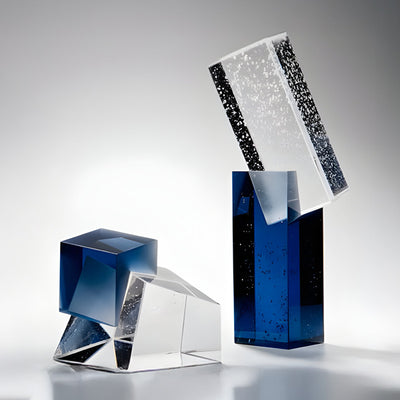
Cast resin or composite: only worth it for lighter budgets or temporary display, not a true long-term outdoor material.

What "Best Materials Custom" Really Means, and Who It Is For
When buyers search for the best materials for custom outdoor statues, they usually mean one of two things: they want durability, or they want a specific look and need to know whether it will hold up outside. The best materials custom buyers settle on combine both. A material is only right if it suits the design intent and the site.
This matters most for buyers committing to a bespoke piece rather than an off-the-shelf ornament. Landscape designers specifying a focal point for a Hamptons garden, architects placing a sculpture at a commercial entrance, collectors who want a figure that outlives them: all of them are paying for permanence, not just appearance. Weighing the best materials custom work needs is where that permanence is won or lost.
Key Materials, Finishes, and Scale Decisions
Take the serious outdoor contenders one at a time. These are the best materials custom sculpture buyers ask about most often.
Bronze: The Benchmark for Longevity
Bronze has been the standard for outdoor figurative sculpture for thousands of years, and the reason is simple: it corrodes gracefully. Rather than rusting away, it forms a stable surface patina that protects the metal beneath. The Getty Conservation Institute has published extensively on why bronze outdoor monuments survive centuries with periodic waxing rather than full restoration (see the Getty Conservation Institute).
For a custom commission, bronze gives you the widest range of finishes: warm browns, greens, near-black, or a polished golden tone. Among the best materials custom clients pick, it suits both classical figures and heavier abstract forms. The trade-off is weight and cost. A life-size bronze figure can run well over 200 pounds (around 90 kg), so plinth engineering and installation planning matter from day one.
Stainless Steel: Contemporary and Weatherproof
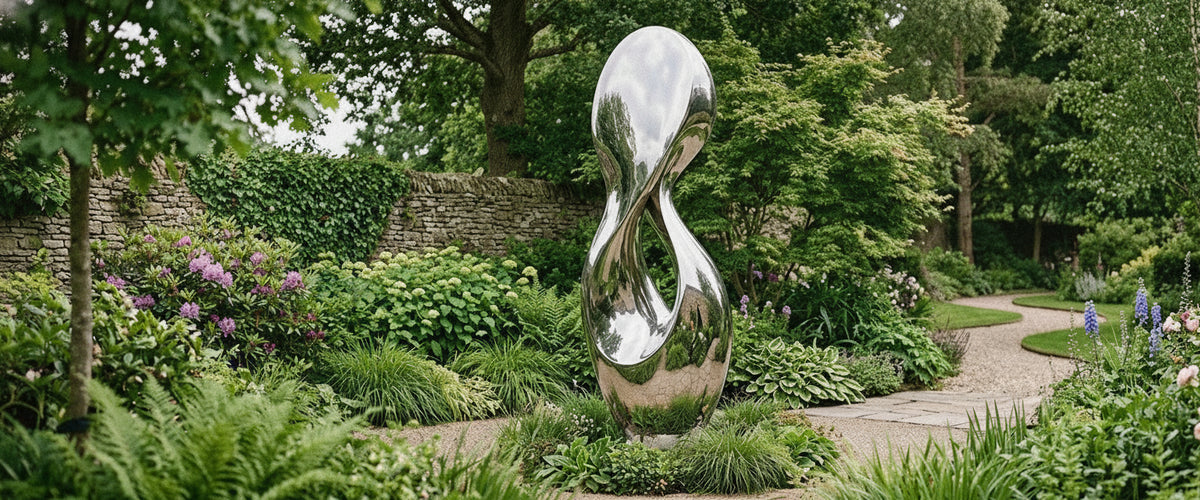
For modern, reflective, or geometric commissions, marine-grade 316 stainless steel is hard to beat. It shrugs off rain, resists salt air far better than standard steel, and needs very little upkeep beyond occasional cleaning. Our stainless steel sculptures tend to suit clients who want a piece that mirrors the sky and the surrounding planting, which changes the sculpture's mood through the day.
Finish and surface choices shape how each material weathers.
Mirror-polished finishes show fingerprints and water spotting more readily than brushed or satin finishes, so think about how close viewers will get. A brushed finish on a large piece in a windy coastal garden will look cleaner between washes than a mirror finish.
Corten (Weathering Steel): Warmth and Bold Form
Corten develops a dense, orange-brown oxide layer that seals the surface and slows further corrosion. It reads as warm, sculptural, and unmistakably contemporary, and it works beautifully against greenery and gravel. It sits high on the list of best materials custom garden forms rely on. One thing buyers underestimate: during the first year or two of stabilizing, Corten can bleed rust-colored runoff. Set it on gravel or planting rather than pale stone paving, or you will stain your terrace. On the right base it is one of the most rewarding materials for large garden forms.
Stone and Marble: Permanent, but Climate-Sensitive
Carved stone and marble carry a weight of history that no metal quite matches. For a classical figure, nothing else has the same presence. The caveat is climate. Marble is vulnerable to acid rain and, in freeze-thaw regions, to water getting into micro-cracks and expanding. In a mild California garden, marble can sit outdoors happily for decades. In a New England winter it needs more thought, sometimes seasonal covering or a sheltered position.
Gargoyles and Weatherproof Character Pieces
Outdoor weatherproof gargoyle statues are their own small category, and they show the material logic clearly. Historically carved from limestone as functional water spouts, gargoyles now sell mostly as decorative guardians for gates, rooflines, and garden corners. For a genuinely weatherproof bespoke gargoyle, cast bronze or a high-density cast stone will outlast softer decorative resin every time. If a piece is going to sit exposed year-round, choose the material for the climate, not just the carving detail.
Where to Place Custom Materials for the Strongest Impact
For wider placement ideas, Best Materials for Outdoor Sculpture: What Survives Weather and Still Looks Right is useful companion reading before finalizing the setting and sightlines.
Material and placement are a single decision, not two. A polished stainless piece placed in dappled shade loses the reflective drama that justified it. A bronze figure lost in a busy border reads as clutter rather than a focal point.
A few placement principles we return to on almost every commission:
Give large work room to breathe. A statue that fills its space feels cramped. Leave a clear approach and a viewing distance of at least the height of the piece.
Match reflectivity to light. Stainless steel wants open sky and movement around it. Bronze and Corten hold up in softer, greener settings.
Think about the base. Corten needs a stain-tolerant base. Marble wants good drainage so it never sits in standing water.
Plan sightlines. The best outdoor pieces are placed to be discovered from a doorway, the end of a path, or across a lawn, not dropped in the middle of everything.
Budget, Commissioning, and Delivery Considerations
Buyers always want a number, and the honest answer is that a custom outdoor statue's cost depends on material, scale, complexity, engineering, finishing, and installation. Even among the best materials custom projects use, the range is wide. A large polished stainless form with internal bracing and a mirror finish sits in a very different bracket from a smaller cast bronze figure. Rather than guess, we quote each commission on its actual specification. If someone gives you a firm price before understanding the design and site, be cautious.
The variables that move the budget most are:
Scale. Weight and structural engineering rise fast with size, and so do crating and freight.
Material. Bronze casting and hand-finishing carry more labor than fabricated steel of the same size.
Finish complexity. A mirror polish or a multi-tone patina takes far more studio hours than a single satin finish.
Installation. Foundations, fixings, and crane access for heavy work all factor in.
On delivery, large sculpture ships crated and often on a pallet, sometimes by sea freight for international orders. We plan access, lifting, and fixing before anything leaves the studio, because a two-ton piece that cannot get through a garden gate is nobody's idea of a good day.
How Giant Sculptures Helps With Bespoke Projects
Giant Sculptures works as a bespoke sculpture supplier for exactly these decisions: choosing the best materials custom projects demand, engineering the piece to survive its climate, and getting it safely to sites worldwide. We have shipped work to private gardens, hotels, and commercial developments, and the pattern is always the same. The projects that go smoothly are the ones where material, scale, and placement were settled together at the start.
If you are weighing a commission, start with three questions: where will it live, how close will people get, and how much upkeep are you willing to do. Answer those and the best materials custom work calls for usually choose themselves. Browse the wider sculptures collection to see how different materials read at scale, then tell us about your site and we will advise on what will still look right decades from now.