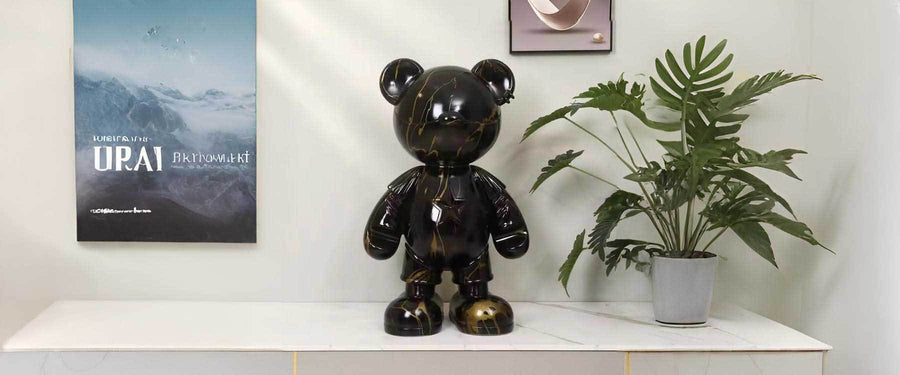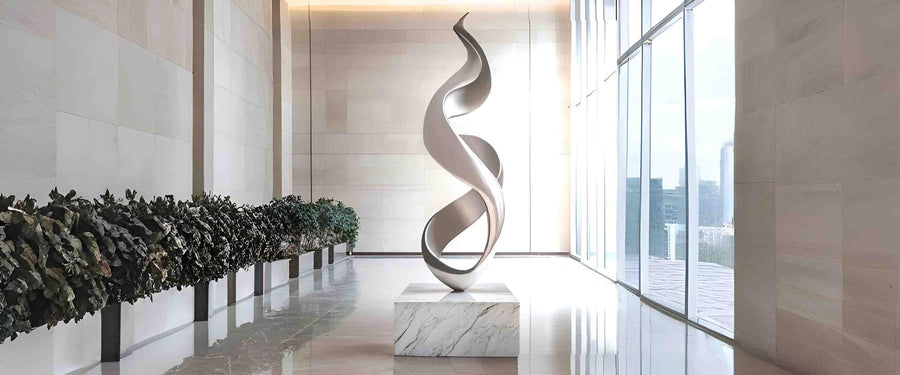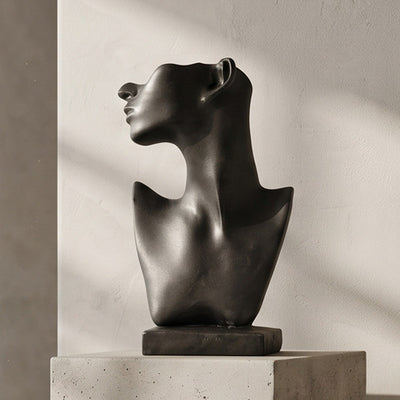












































































If your rooms feel a bit earthbound, Astronaut Sculptures are a fast way to add lift-off. From hyper-real spacewalk figures to playful, stylised cosmonauts, this motif blends optimism, nostalgia, and clean modern design. In this guide, you’ll learn how to choose the right style and size, where to place and light your piece, how to care for it, and what to check before you buy. We’ll also nod to the cultural roots of astronaut iconography from mission patches to memorials on the Moon, so your choices feel informed as well as stylish.

What “Astronaut Sculptures” Means in Décor

Styles & Materials You’ll See
You’ll find astronaut Sculptures in a range of finishes to suit different spaces and budgets:
Resin & polyresin: Crisp detail at accessible prices; often hand-painted. Great for desktops and shelving - a versatile type of resin sculpture that combines durability with fine artistic expression.
Ceramic & porcelain: Smooth, refined surfaces; works beautifully in minimalist schemes.
Metal (aluminium, brass, stainless): From brushed to mirror-polished; heavier and more durable, ideal for focal points.
Stone & concrete: Matte, architectural texture that grounds sleek rooms.
Mixed-media & plated finishes: Chrome helmets, coloured visors, or foil accents give a premium, futuristic feel.

Popular Themes in Astronaut Sculptures
Popular themes for Astronaut Sculptures include:
Exploration realism: Spacewalk poses, EVA tethers, accurate suit proportions.
Retro Space-Age: Bold forms, mission-style patches, mid-century lines.
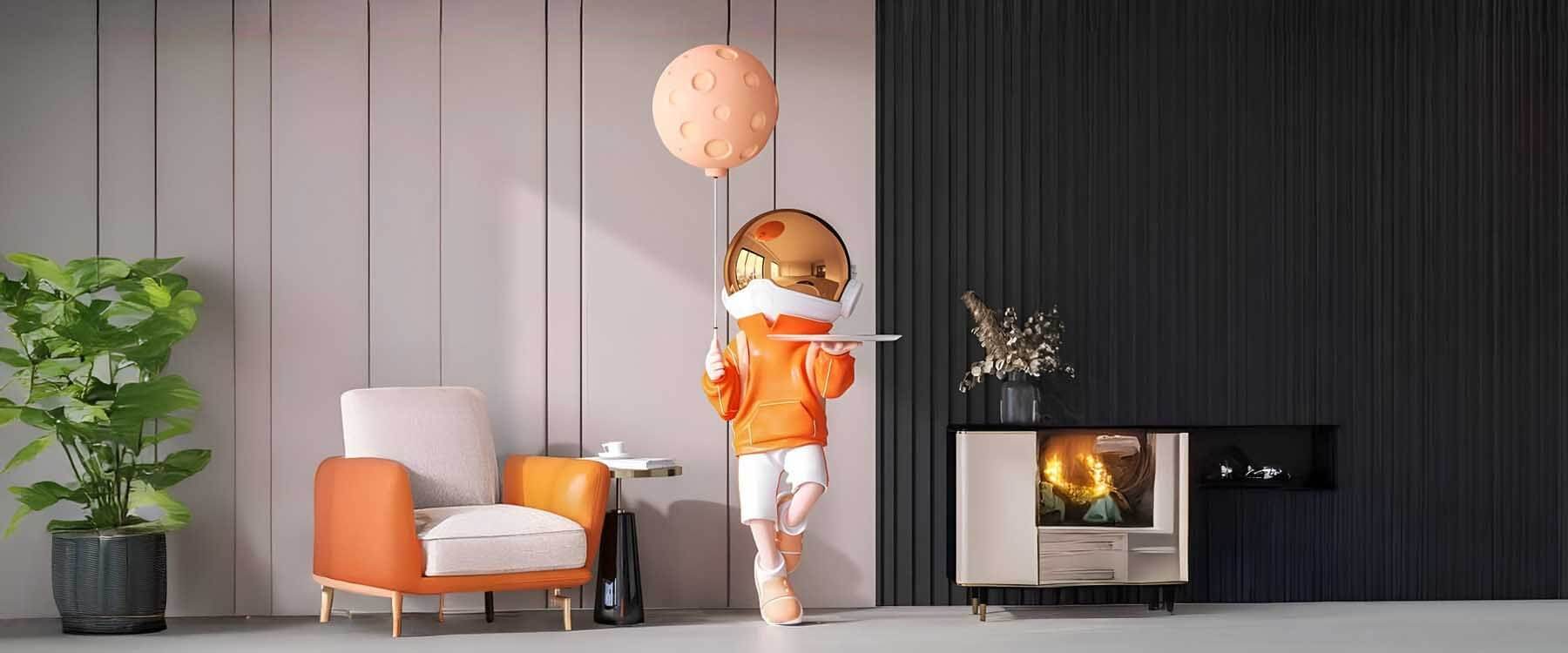
Whimsical astronauts: Balloons, flowers, pets great for creative studios and kids’ rooms.
Minimal monochrome: All-white or black figures with clean geometry for calm, modern spaces.
Neon & chrome: Vivid colour blocks or mirrored visors for high-contrast contemporary rooms.

How to Choose the Right Size
When choosing the right size for your astronaut sculptures, consider how the piece relates to your furniture and the typical viewing distance.
Match the scale to the furniture.
Desktop/bookshelf: 12-30 cm tall keeps sightlines tidy and reading-distance detail sharp.
Console/sideboard: 30-55 cm anchors a vignette with lamps, books, and trays.
Floor/plinth statement: 70 cm+ holds a corner or entry without needing extra décor.
Think in terms of proportion, not just height. A taller, slimmer sculpture suits narrow consoles, while broader designs need deeper surfaces. Leave about 5-10 cm of space from edges for visual balance and safety.
Weight & stability. For high-traffic areas or homes with kids/pets, pick weighted bases or low centres of gravity; museum gel pads add extra security.

Where to Place Astronaut Sculptures
Place Astronaut Sculptures or any indoor sculptures where they can be seen at a comfortable eye level and won’t compete with clutter.
Living room focal point
A 40-70 cm piece centres a console or media cabinet.
Pair with low books and one taller object (a vase or lamp) to build a balanced triangle.
Home office/studio
A 20-35 cm astronaut near your camera frame signals curiosity on calls.
Matte or satin finishes reduce glare on video.
Entryway welcome
A floor-standing sculpture on a slim plinth makes a memorable first impression.
Keep at least 30 cm from walk paths to avoid bumps.
Kids’ & teens’ rooms
Choose softer palettes and lightweight materials.
Place above reach or secure to a shelf; acrylic display boxes add protection.

Lighting Your Sculpture (So It Actually Glows)
Light Astronaut Sculptures to model the form and avoid glare:
Side wash: Place a table lamp or wall washer 30-60 cm to one side for gentle shadows that model form.
Back glow: An LED strip behind a plinth creates a halo and separates the piece from the wall.
Avoid hot spots: Highly polished visors can glare; use diffused bulbs or indirect light.
Colour quality: High-CRI LEDs (90+) keep whites crisp and metallics true.

Finishing Touches: Bases, Plinths & Grouping
Refine how Astronaut Sculptures read within a vignette:
Bases that disappear: Clear acrylic or slim black bases let the figure take the lead.
Plinth height: Aim for the helmet at eye level when the piece is a statement (roughly 145 cm to centre).
Odd numbers win: Groups of 1 or 3 read intentionally; vary heights by 5-10 cm for rhythm.
Mix materials, repeat tones: Chrome visor? Echo a small chrome tray or frame nearby once, not everywhere.

Care & Maintenance
Dust regularly with a soft microfibre cloth; a clean, dry paintbrush lifts dust from seams.
Avoid harsh cleaners. For resin/metal finishes, use a barely damp cloth; buff dry.
Mind the sun. Direct UV can yellow resins and fade painted details rotate occasionally or use UV-filter glazing on adjacent windows.
Handling. Lift from the base, not the visor or arms; store original packaging for moves.

Buying Guide: What to Check Before You Buy
Material & finish: Is it solid or hollow? Painted or plated? Ask for close-ups of seams and helmet details.
Dimensions & weight: Confirm actual footprint and stability for the intended surface.
Editioning & authenticity: Limited runs and certificates add value and trust.
Maker reputation: Look for consistent casting quality and clean joins.
Shipping & returns: Packed with foam/moulded inserts? Clear return policy for transit damage?

Quick Compare: Realism vs Whimsy vs Minimal
Realism: Anatomically faithful suits and NASA-style details. Fits industrial, monochrome, or modern classic rooms; go larger for impact.
Whimsy: Balloons, plants, or props. Ideal for creative studios and family spaces; choose lighter finishes and rounded forms.
Minimal: Smooth silhouettes with restrained detail. Perfect for Japandi/Scandi schemes; pair with oak or black plinths.