
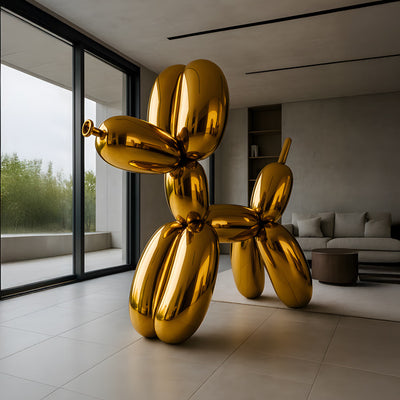
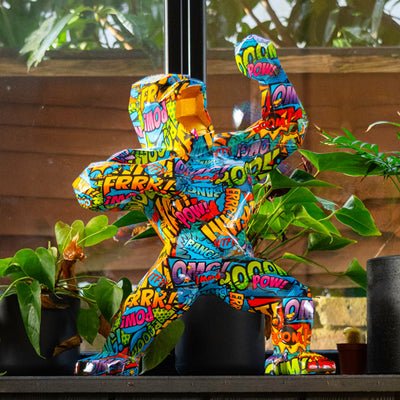
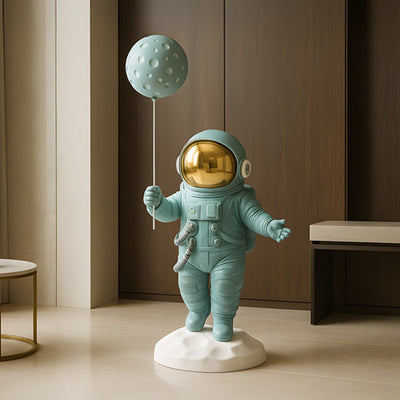




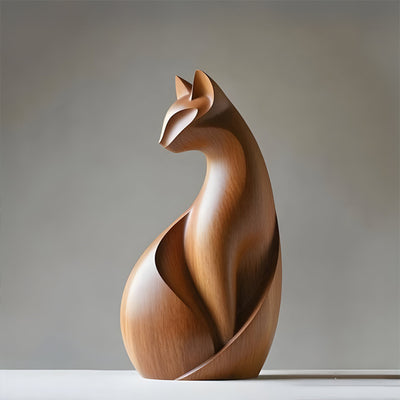









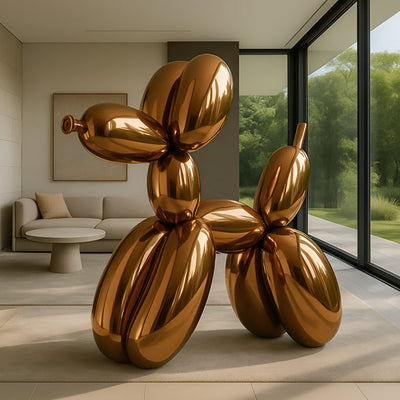
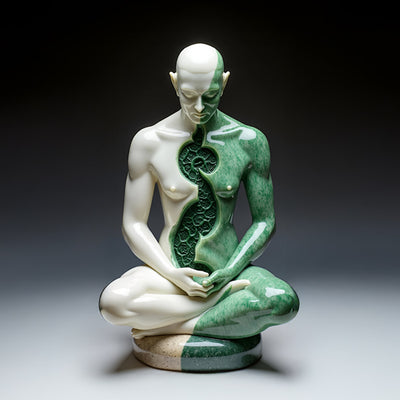
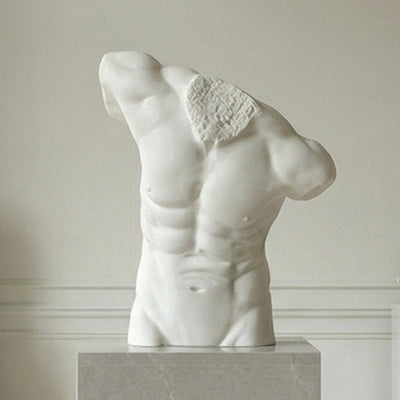
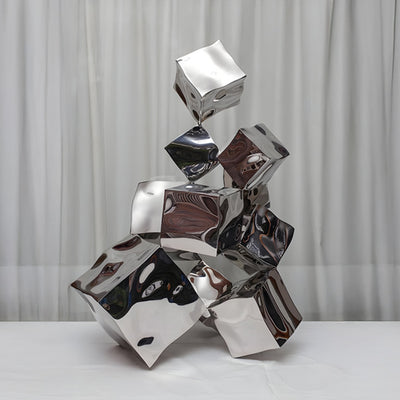







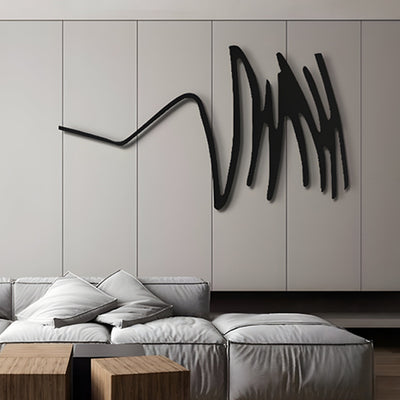

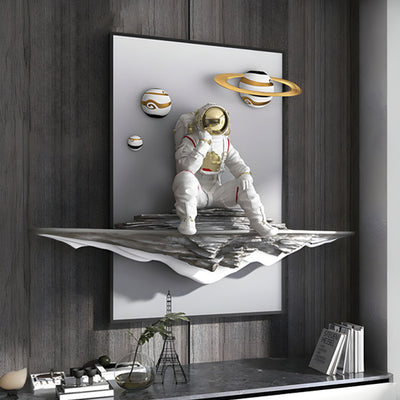

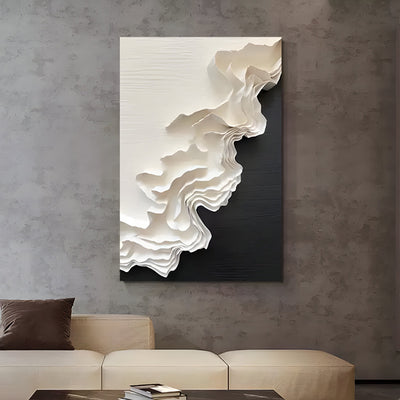
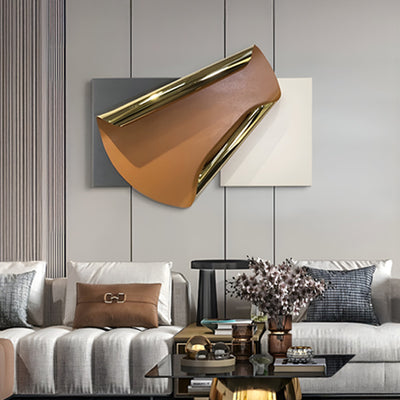
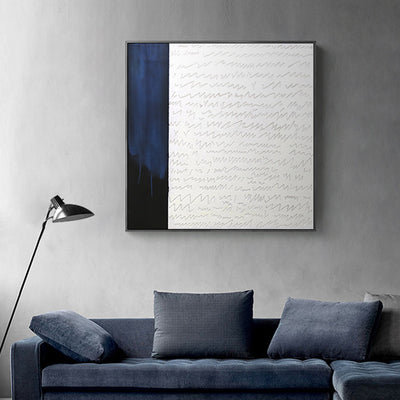
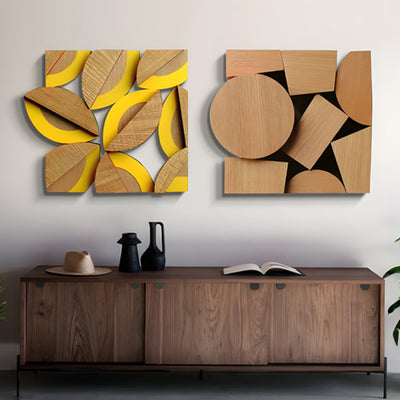

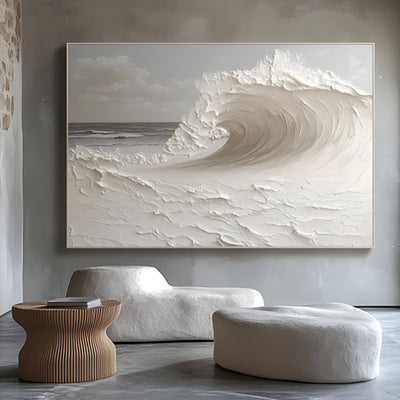
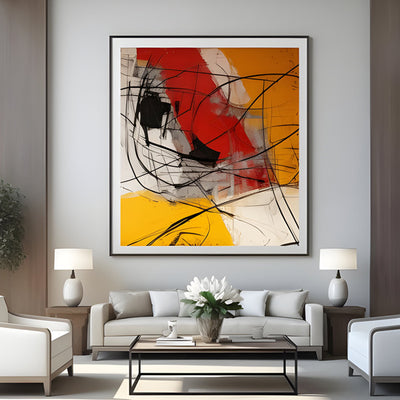
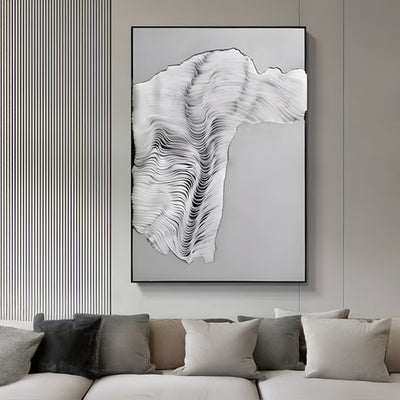
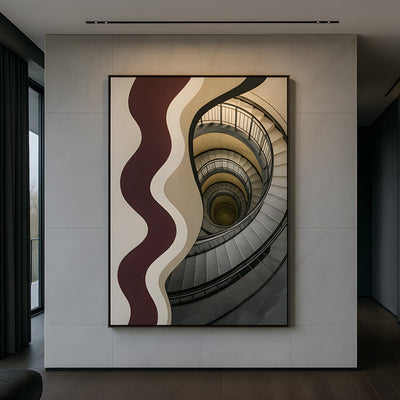
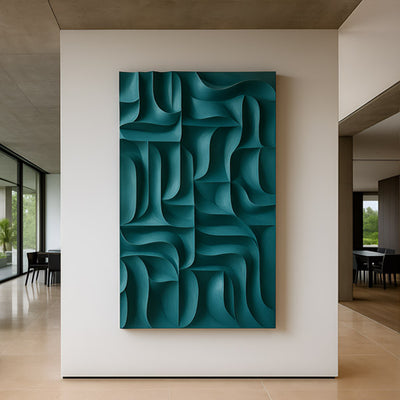
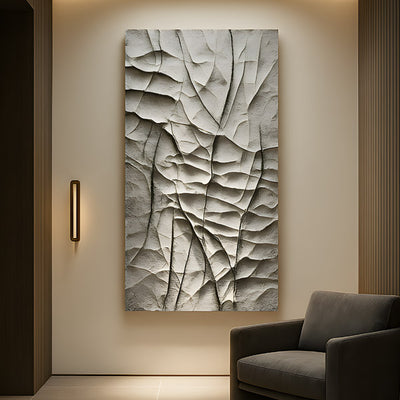











Abstract Sculptures have become the quiet show-stoppers of contemporary interiors and public plazas alike. Stripped of literal subjects, they rely on form, texture, and rhythm to create impact. That's exactly why they slot so easily into homes and offices: they complement rather than compete with the rest of the room. In this guide, we'll demystify sculpture materials and methods, show you how to choose the right scale for your space, walk through buying online or in a gallery, and outline simple care routines so your pieces continue to look their best.

What Are Abstract Sculptures?
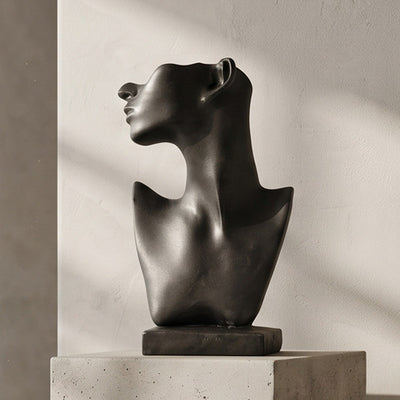
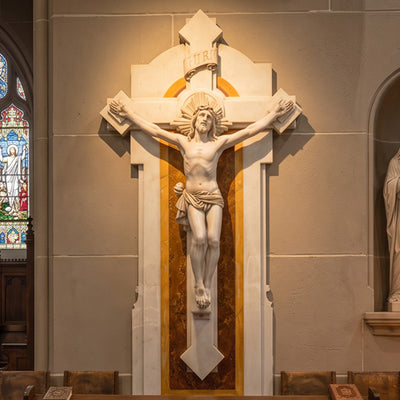
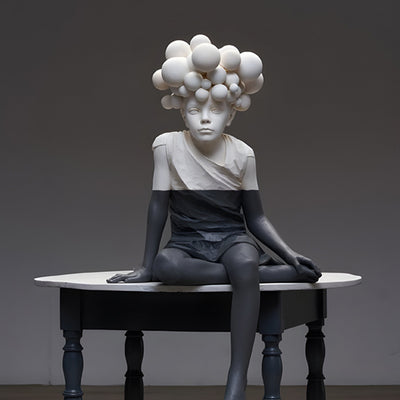
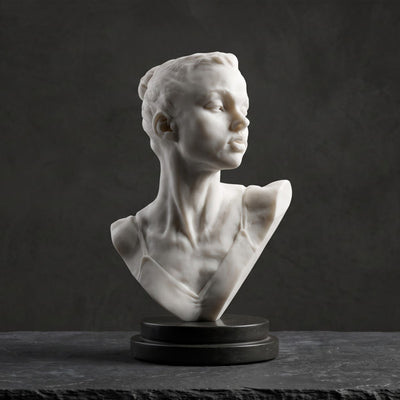
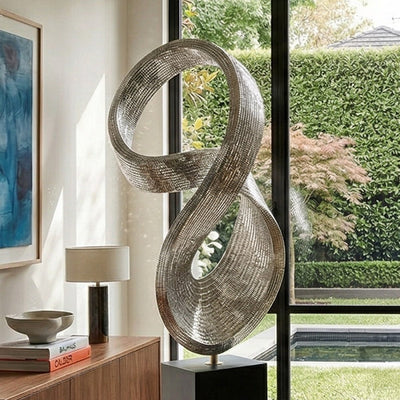
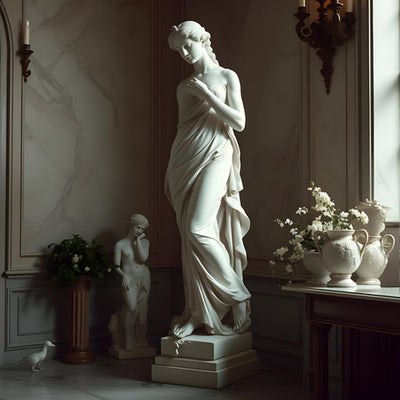
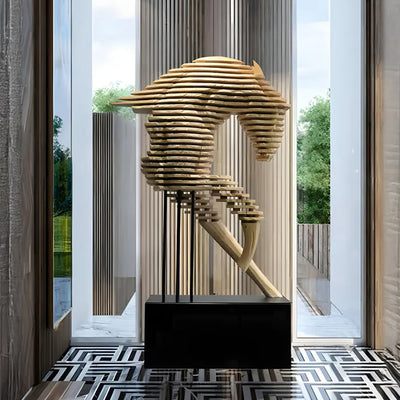
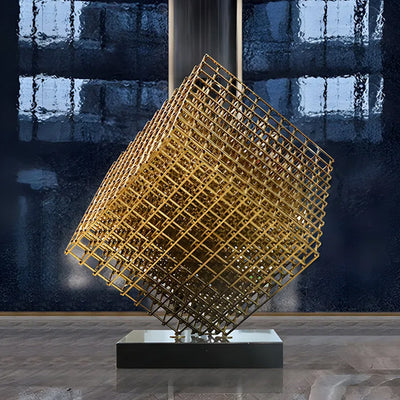
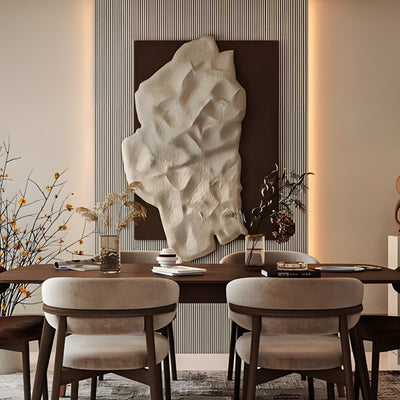
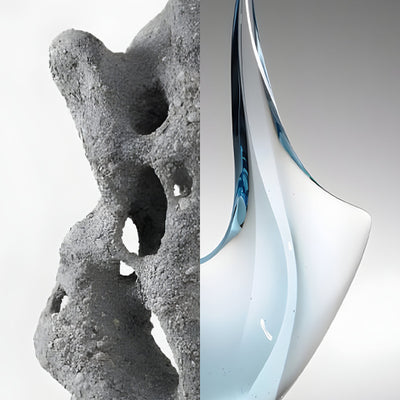
Abstract sculptures are three-dimensional artworks that don't try to replicate the visible world; instead, they use shape, line, texture, mass, and space to create meaning and emotion. In other words, the "subject" is the form itself, not a literal figure or object. This is different from figurative sculpture, which depicts recognizable subjects. When you respond to a piece of contemporary sculpture, you're reading rhythm, weight, balance, material, and negative space, how the empty space around and within a piece amplifies what you see.

A Quick History & Key Artists
Abstraction grew from early 20th-century modernism's push to move beyond imitation and explore pure form and material. From roughly 1910 onward, sculptors pursued new geometries, pierced forms, and open structures, often emphasizing how a piece activates the space around it (the Tate's overview of abstract art traces this shift in detail). This lineage runs through more than 100 years of practice and into today, as artists continue to experiment with modern sculptures, using industrial metals, polished stone, composites, and digital fabrication methods to change how we encounter volume and movement. For a deeper look at how material choice shapes the finished piece, see our guide comparing bronze and stainless steel sculptures.
Forms, Materials & Techniques
Abstract sculptures aren't tied to one material or method; what matters is how the medium supports the idea.
Core methods: Carving (subtractive), casting, modeling, and assembling (additive) remain the four foundational processes. Carving removes material to reveal a form; casting, modeling, and assembling build forms up. Many contemporary artists mix processes for nuance and scale.
-
Material cues;
Metal (bronze, steel, aluminum): a cast bronze sculpture can be patinated, polished, or left raw; it reads strong and architectural, often catching light dramatically. Cast bronze typically contains around 88-90% copper with tin and trace metals (see the Encyclopaedia Britannica entry on bronze).
Stone (marble, travertine, granite): feels permanent and tactile; veining and translucency (in some marbles up to a few millimeters deep) add depth.
Wood: brings warmth and visible grain; requires humidity mindfulness, ideally a stable indoor range of 40-55% relative humidity.
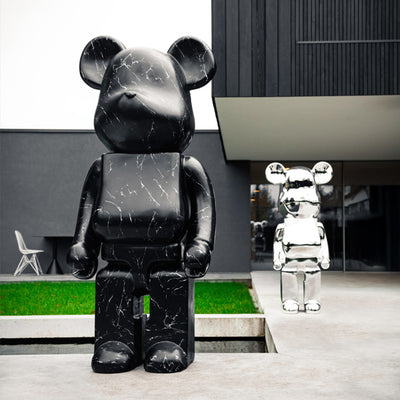
Resin and mixed media: versatile, can achieve high-gloss color, but may be more sensitive to UV.
These choices aren't just practical; they communicate character. A brushed steel loop reads minimal and cool; a carved walnut volume reads organic and intimate.

Why Abstract Sculptures Work in Interiors
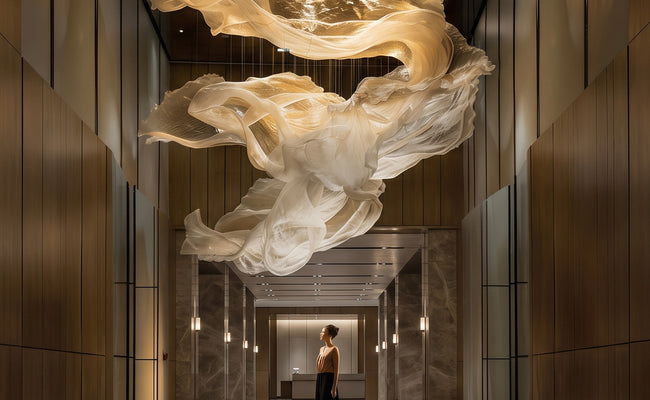
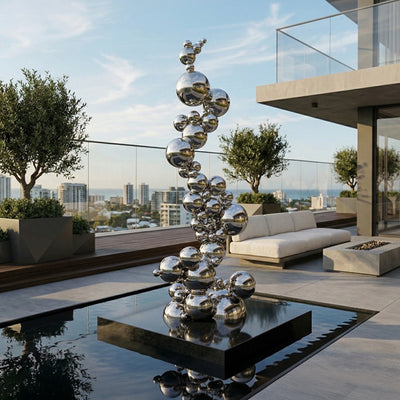
Abstract sculptures add a type of visual energy that paintings alone can't: they change sightlines and create focal points in three dimensions. A well-placed piece can pull the eye through a room, soften rectilinear furniture with curves, or punctuate calm palettes with a singular, tactile gesture. Designers lean on sculpture to create hierarchy, as one strong form with breathing room often does more than several small decor items competing for attention. Lighting matters too; the same form can read soft or dramatic depending on how shadows fall, and stainless steel sculptures especially enhance this effect with their reflective surfaces and contemporary elegance.
Choosing the Right Piece for Your Space
Before you shop, decide what role the piece should play: statement (commanding attention) or accent (quiet balance). Then work through these sculpture placement checkpoints.
Scale & fit: Measure height, width, and viewing distance. Aim for the piece to read at about one-third to two-thirds the height of its supporting surface, and allow at least 30 inches (about 75 cm) of clearance for traffic flow. A taller, slender piece can add "vertical punctuation" in a corner; a low, wide piece can anchor a console or shelf.
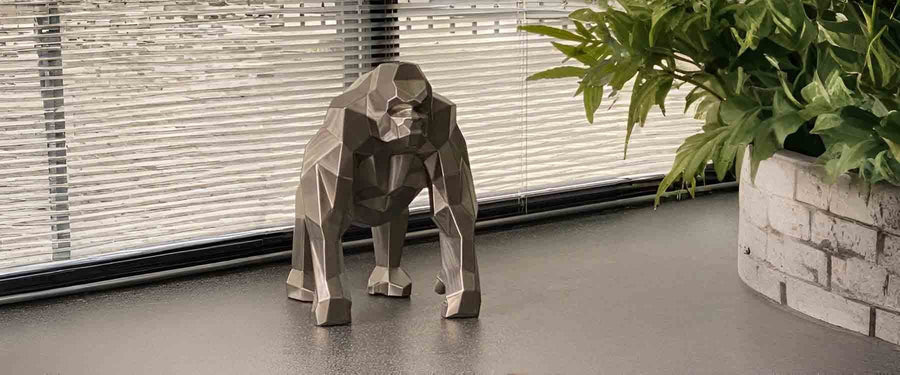
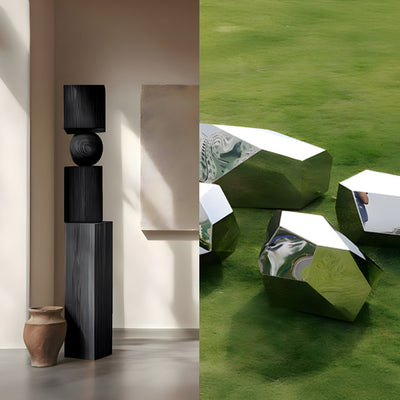
Style & finish: Minimal, geometric, organic, biomorphic. Choose a shape language that either complements your room's lines or intentionally counterpoints them. Finishes matter: a patinated bronze sculpture reads earthy; mirror-polished aluminum reads sleek and contemporary; matte resin feels soft and color-forward. (Galleries often categorize by style to help you filter.)
Budget drivers: Price can reflect material cost, scale, edition size (often limited runs of 8 to 12), and the artist's track record. Ask about provenance (ownership history), certificates of authenticity, and edition numbers for multiples. Reputable galleries and platforms will document these clearly.
Pro tip: make a quick mockup with blue tape on the floor or a cardboard "maquette" at the planned height to sense volume before purchase. Your eye will instantly tell you if the piece reads too small.

Abstract Sculptures For Living Rooms, Halls & Gardens
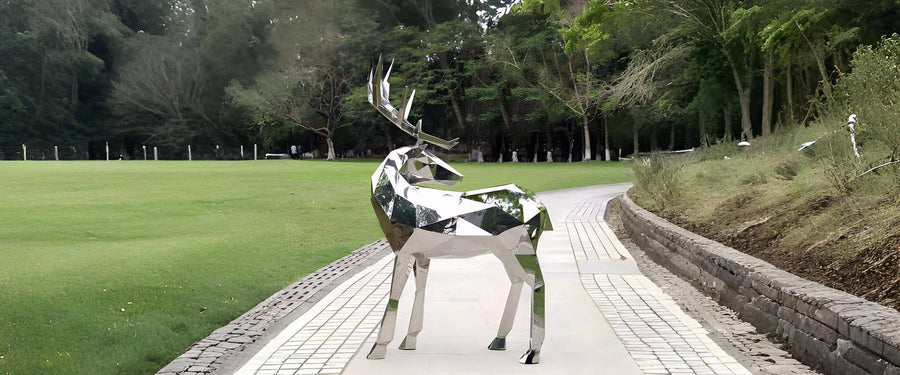
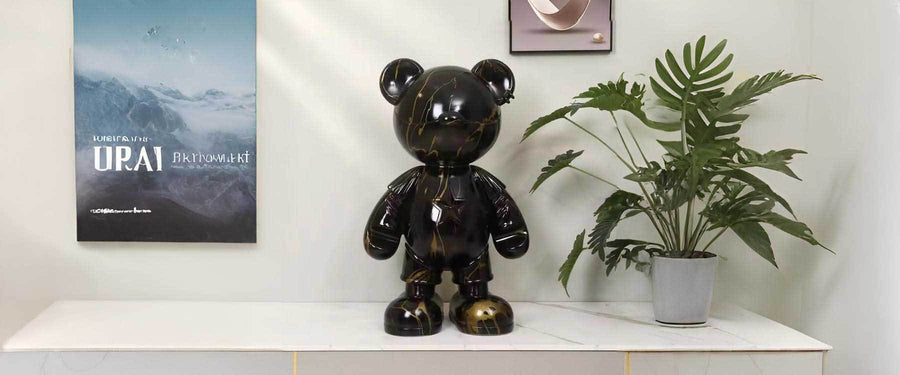
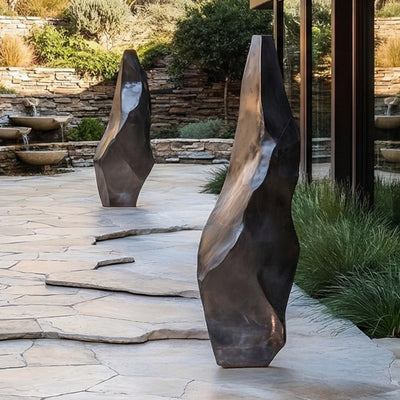
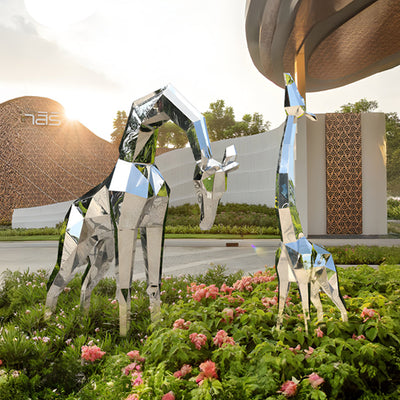
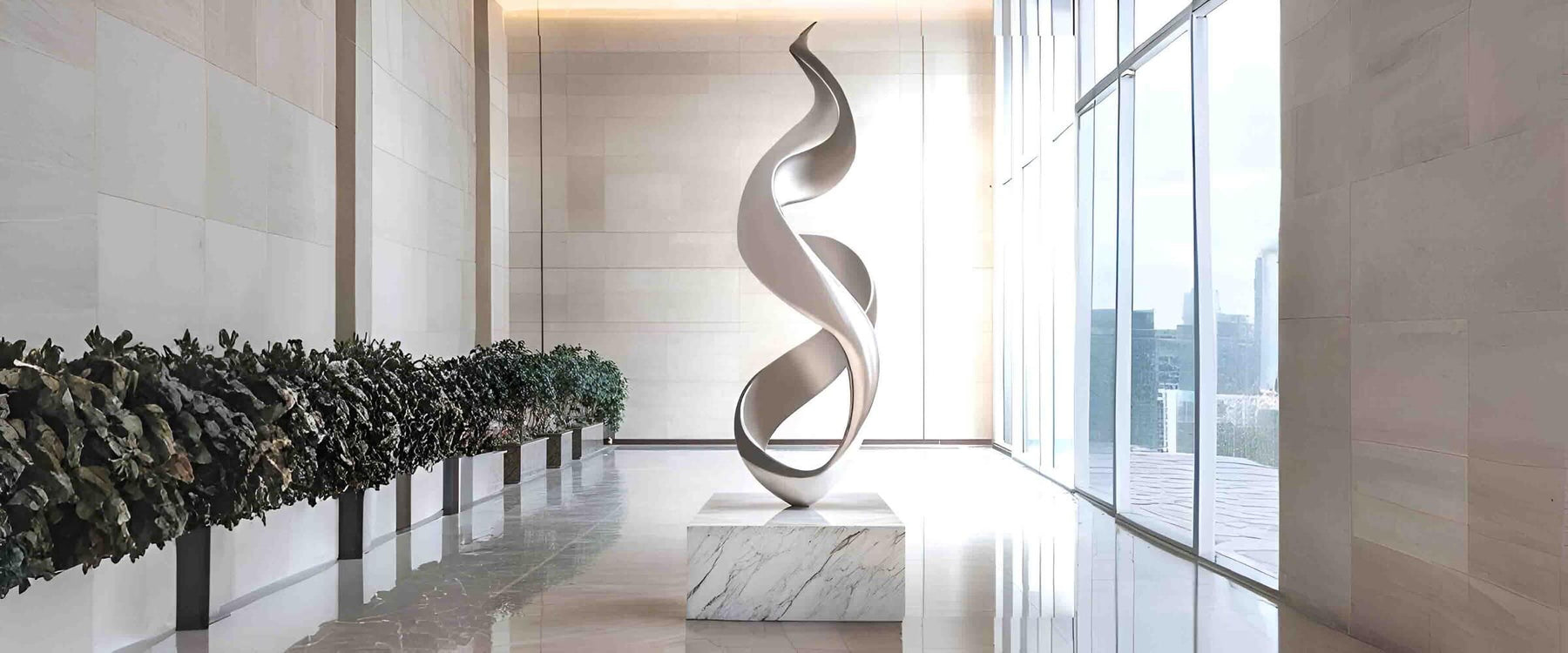
In living rooms, highlight a single abstract sculpture on a plinth (typically 36-42 inches, or about 90-110 cm, tall) or create a crisp cluster on a console for visual balance. Hallways benefit from tall, narrow modern sculptures that elongate the space and guide the eye. In gardens, consider how garden sculptures interact with both the surroundings and your indoor view. A stable base and good drainage are essential for any outdoor sculpture, especially in windy areas where internal fixings add security. Materials like bronze, stainless steel, or UV-stable resin perform beautifully when thoughtfully placed. Abstract sculptures truly shine when given space, light, and a clear sightline to breathe and inspire.

Care & Maintenance Basics
Abstract sculptures are durable when treated properly. Start with the least invasive approach and follow material-specific guidance.
Universal rules: Handle with clean hands or gloves in stable "safe" areas (usually the base or thick parts). Dust regularly with a soft microfiber cloth, ideally every 2 to 4 weeks. Avoid household solvents and abrasive pads. When in doubt, ask the gallery or maker for care notes. The National Park Service's Conserve O Gram series offers concise, museum-grade guidance for sculpture care across materials.
Metal: For bronzes and some steels/aluminums, light wax or oil (per maker guidance) can protect surfaces; a fresh coat once or twice a year is typical, and never scour polished finishes.
Stone: Use mild cleaners; seal porous stones on a schedule if recommended, often every 12 to 24 months.
Wood: Keep away from vents; aim for stable humidity between 40-55% to avoid checks or warping.
Resin/mixed media: Protect from prolonged UV; avoid alcohols/solvents that can haze or craze high-gloss surfaces.
If a surface patinas naturally, that's often part of the artist's intent.

Outdoor Abstract Sculptures (If You're Going Outside)
Choosing an outdoor sculpture introduces weather, anchoring, and drainage into the equation. For a wider look at weather-tolerant options, our guide to outdoor sculpture materials breaks down how each finish ages over time.
Anchoring & bases: Use proper plinths or footings rated for the sculpture's weight; secure per the maker's spec to handle wind loads (often 90 mph, or about 145 km/h, in exposed locations) and incidental contact.
Finishes & coatings: Ask what maintenance the finish expects. Some metals are meant to develop a patina over 2 to 5 years; others require periodic cleaning or protective wax.
Drainage & siting: Ensure water can't pool in cavities; avoid sprinkler overspray for susceptible materials. Seasonal checks every 3 to 6 months keep everything tight and clean.

Conclusion: Bring Abstract Sculpture to Life at Home
Abstract sculptures don't just fill space, they shape it. When you define the role (statement or accent), choose a material that fits your lifestyle, get scale and placement right, layer thoughtful lighting, and follow simple care steps, your rooms gain depth, movement, and personality.
If you're into abstract, browse our Abstract page or visit Giant Sculptures to explore more sculpture options tailored to your style and references.
Choose one abstract sculpture with intention, light it well, care for it, then watch the whole room rise to meet it.